





NATO Tariff Escalation: Cross-Border Seller Alert 2025
- 25% Tariffs Impact 8 European Countries by June 2026











概览
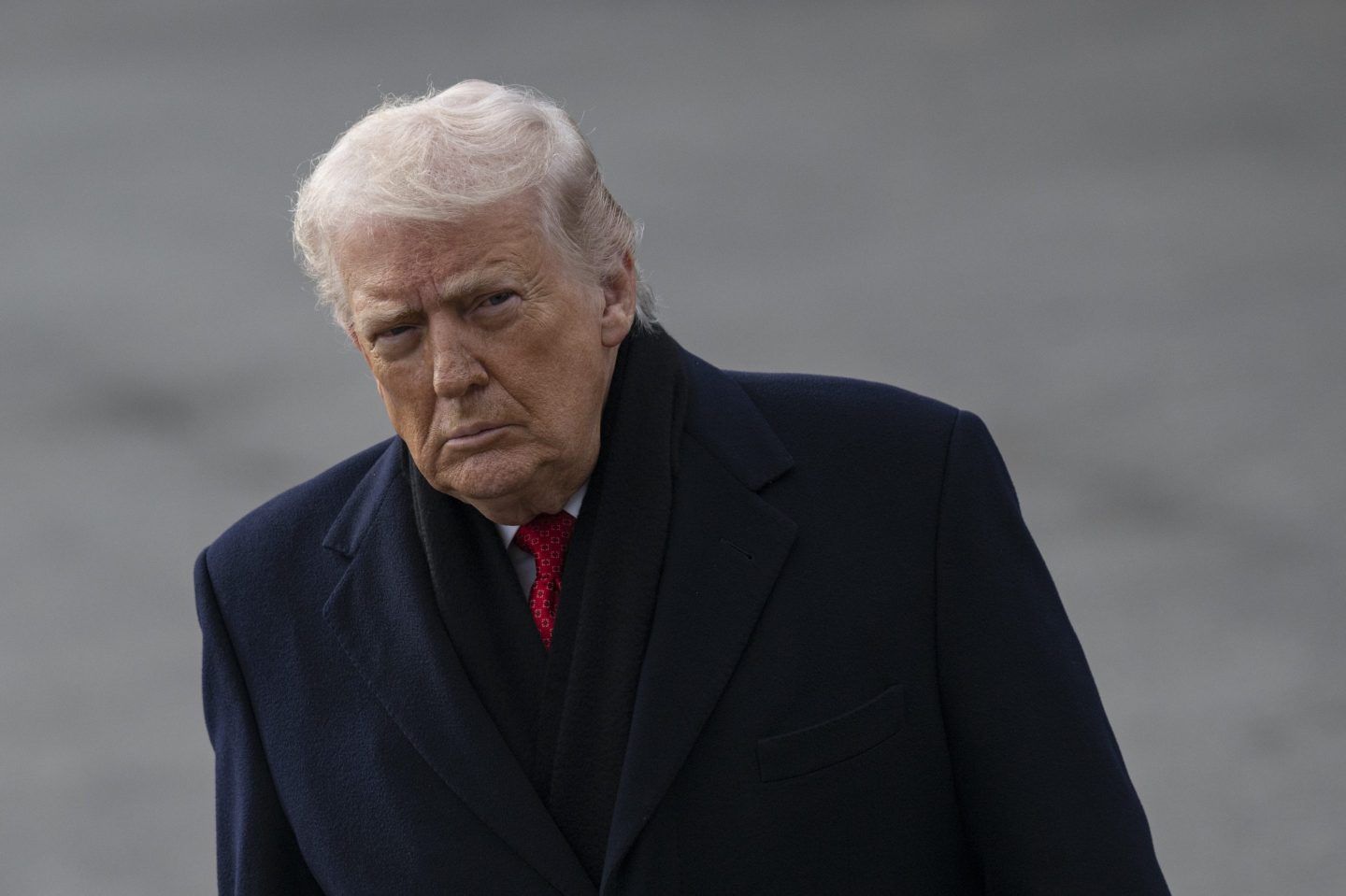
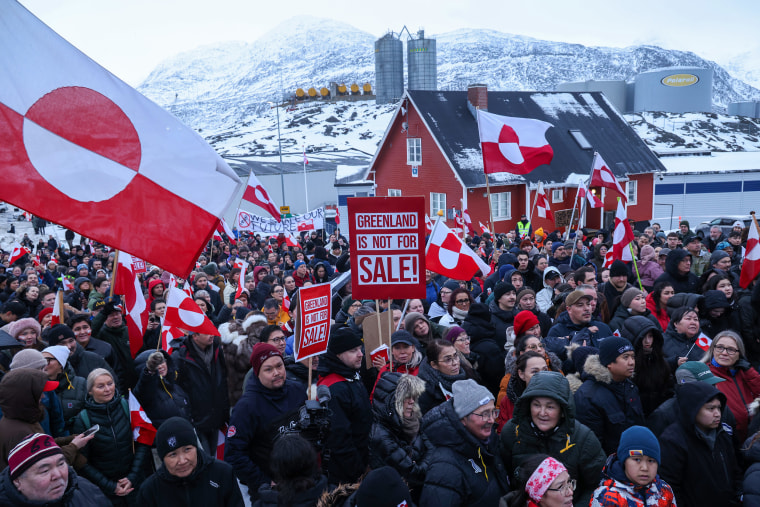
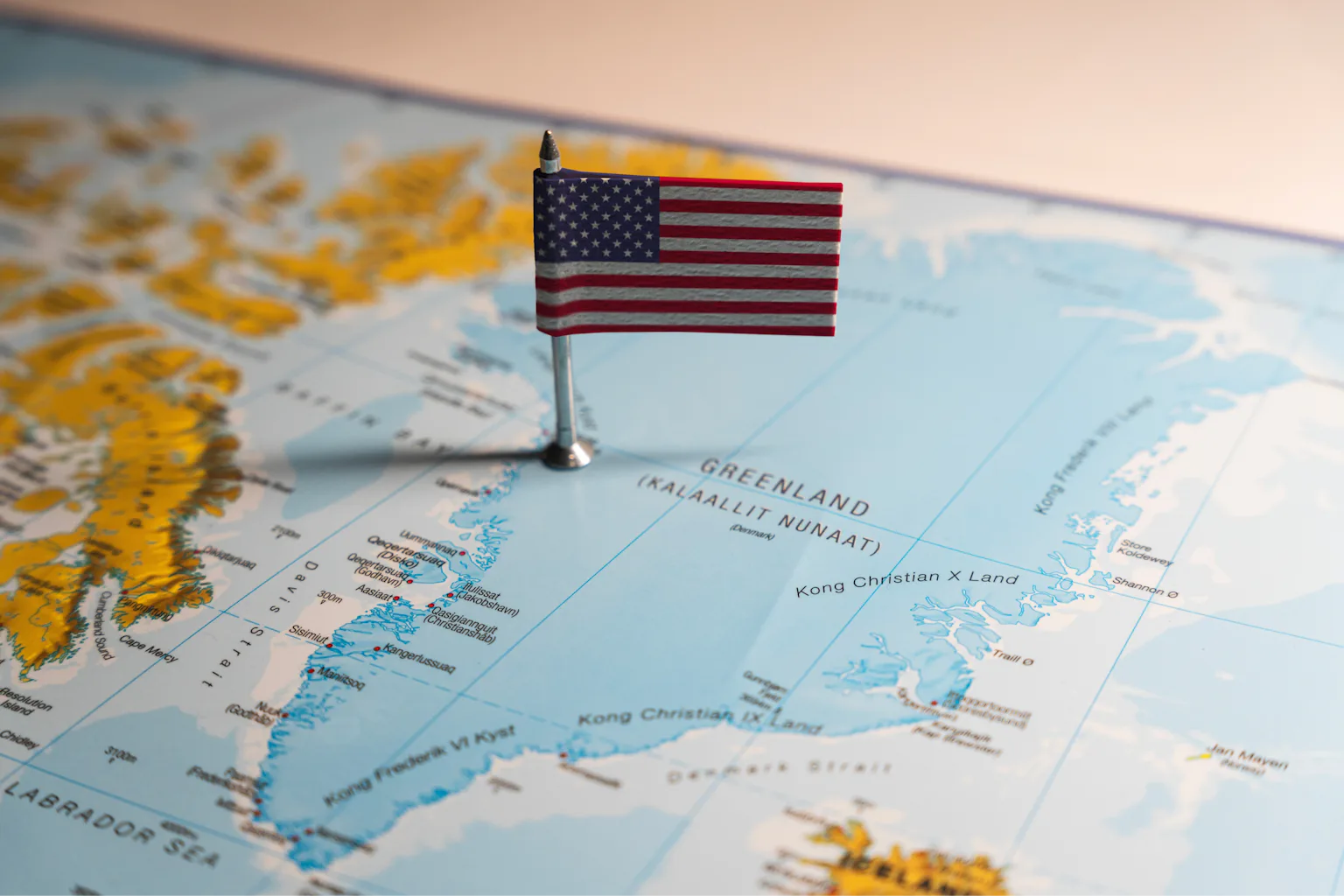
The geopolitical tension surrounding Trump's Greenland acquisition attempt creates significant cross-border trade disruptions for international sellers.
The unprecedented tariff strategy targeting NATO members represents a critical inflection point for e-commerce sellers operating across European markets. Starting February 1st, 2026, tariffs will incrementally increase from 10% to 25% on goods from Denmark, Norway, Sweden, France, Germany, United Kingdom, Netherlands, and Finland—creating substantial compliance and pricing challenges for cross-border merchants.
Strategic Implications for Sellers:
- Immediate tariff exposure affects product categories with high European manufacturing or distribution dependencies
- Potential supply chain reconfiguration required to mitigate 15% potential margin compression
- Increased complexity in pricing strategies, particularly for electronics, machinery, and specialized manufacturing goods
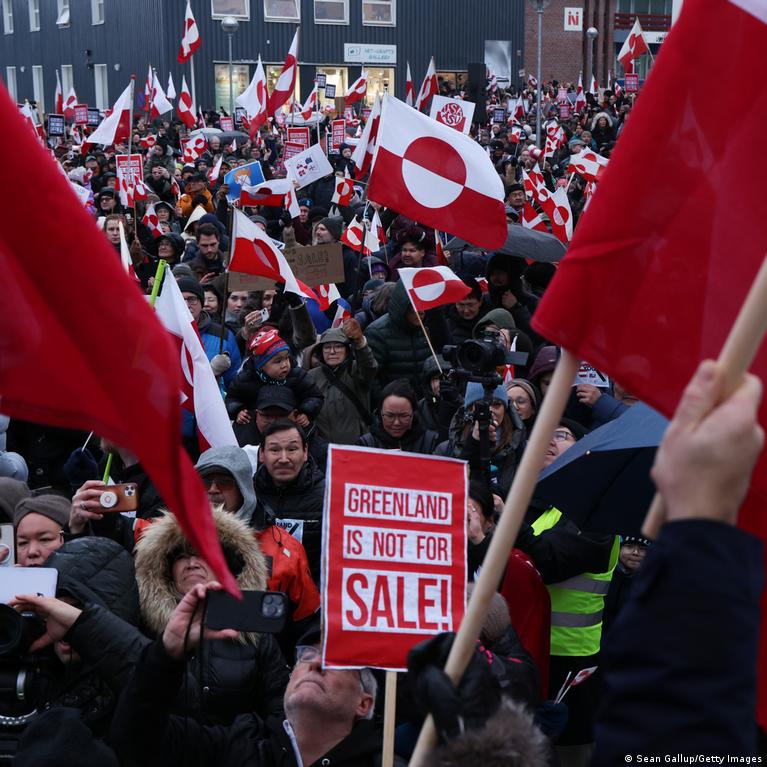
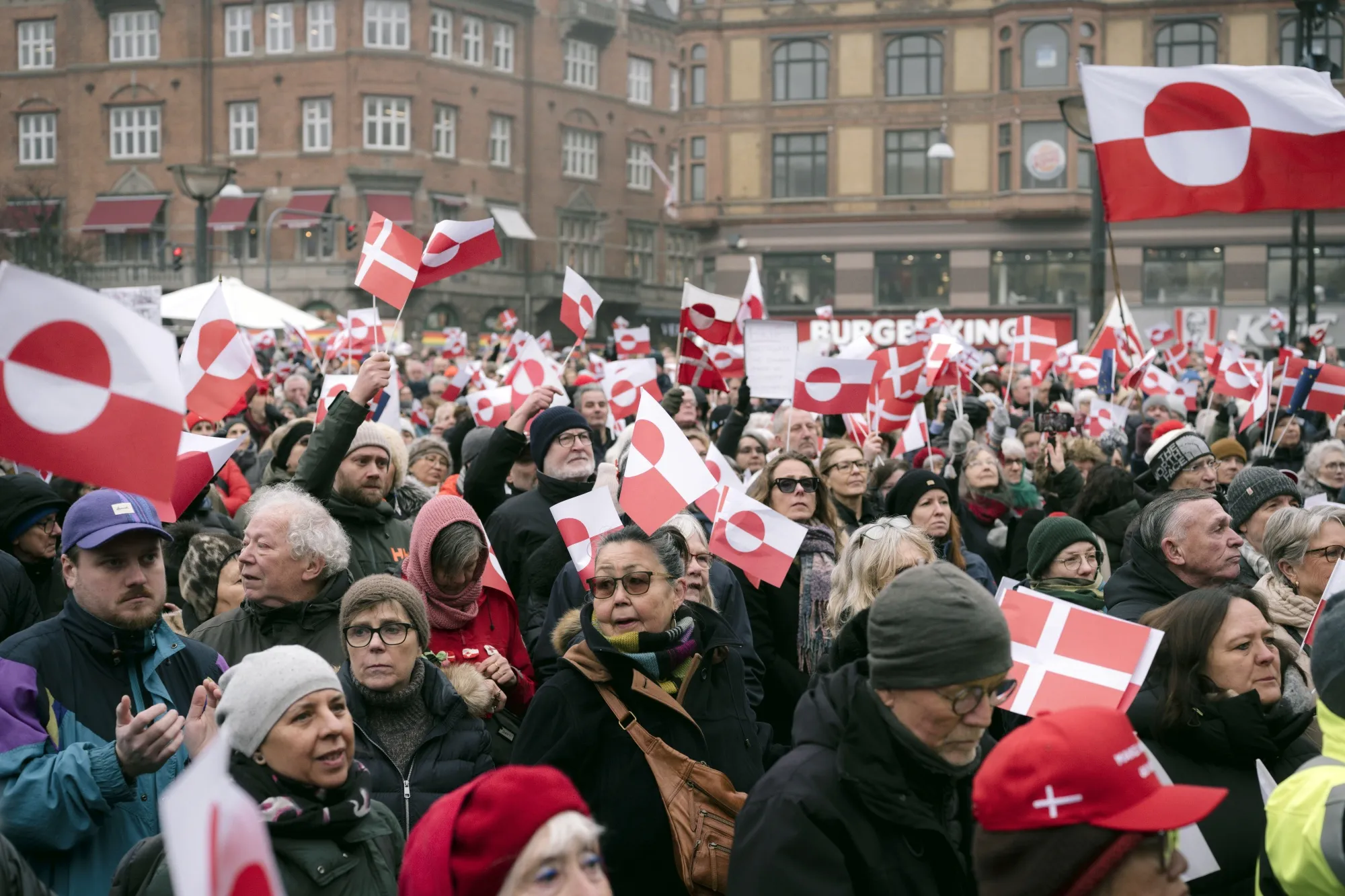
The diplomatic standoff highlights the fragile nature of international trade relationships and underscores the critical need for sellers to develop agile, multi-market sourcing strategies. With 75% of Americans opposing the Greenland acquisition and significant European resistance, the tariff threats represent a high-risk geopolitical maneuver that could fundamentally reshape cross-border e-commerce dynamics.
Sellers must proactively assess their European market exposure, potentially exploring alternative sourcing regions, renegotiating supplier contracts, and developing contingency pricing models to maintain competitive positioning during this volatile trade environment.
问题 3
How will the proposed 25% tariffs impact cross-border e-commerce sellers?
Sellers can expect significant margin compression, with potential 15-20% increase in landed costs for European goods. Immediate actions include reassessing pricing strategies, exploring alternative sourcing regions, and potentially renegotiating supplier contracts to maintain profitability.
Which product categories are most at risk from these tariff changes?
High-value manufactured goods like electronics, machinery, precision instruments, and specialized manufacturing components will face the most substantial impact. Sellers in these categories should conduct comprehensive cost-benefit analyses of their European market strategies.