




Cross-Border Trade Shift: Canada's Strategic EV Market Pivot
- 49,000 Chinese EVs Enter Canadian Market by 2025

















概览
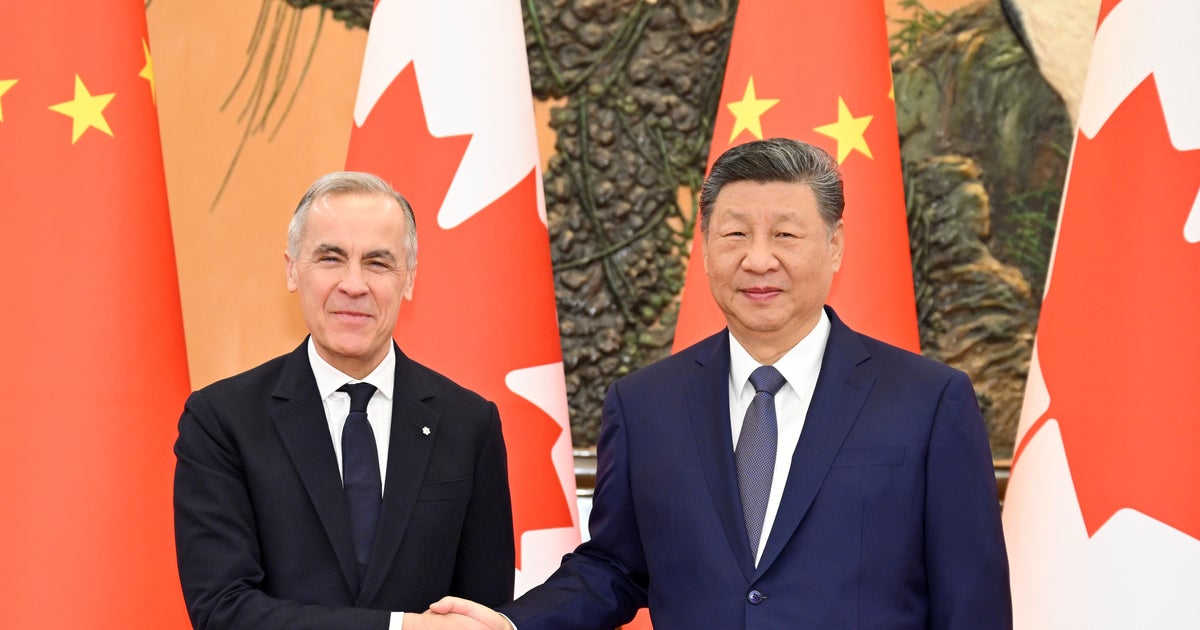
Canada's strategic trade realignment with China represents a transformative moment for cross-border e-commerce and automotive market dynamics. The landmark agreement between Canada and China signals a profound geopolitical and economic recalibration, with immediate implications for international sellers and investors.
Key Strategic Implications: Canada's decision to reduce EV tariffs from 100% to 6.1% for 49,000 Chinese vehicles creates unprecedented market access opportunities. This move represents more than an automotive policy shift—it's a comprehensive trade strategy repositioning Canada away from traditional US-centric economic relationships. The agreement includes reciprocal benefits like agricultural tariff reductions and visa policy modifications, demonstrating a sophisticated multi-sector negotiation approach.
Seller Opportunities and Risks: Cross-border e-commerce sellers should view this development as a complex market restructuring event. The Chinese EV market entry could trigger significant supply chain reconfigurations, potentially creating new sourcing, distribution, and marketplace listing opportunities. Sellers in automotive accessories, EV components, and related technology categories should anticipate accelerated market evolution.
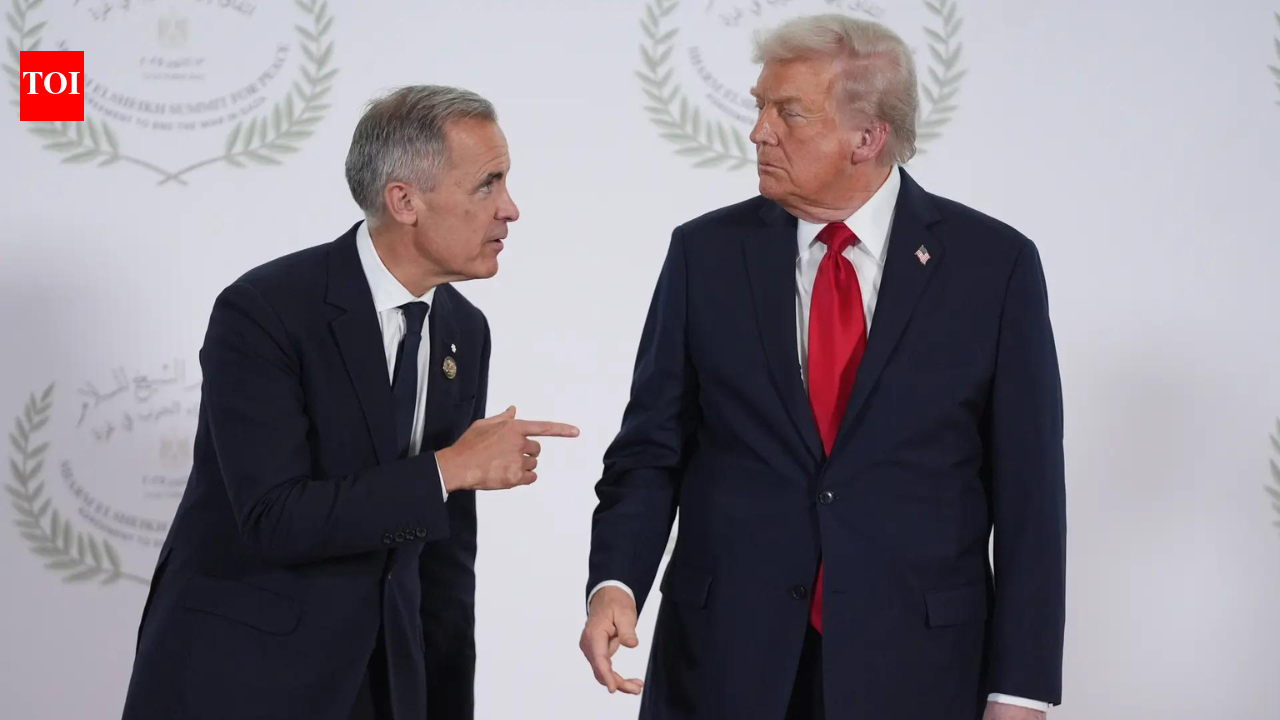
The geopolitical tension surrounding this deal—with the US strongly criticizing Canada's decision—underscores the volatile international trade environment. Sellers must remain agile, monitoring policy shifts that can rapidly transform market access, competitive landscapes, and investment strategies. The 49,000 vehicle quota represents just the beginning of a potentially transformative market integration process.
Strategic Positioning: Successful sellers will proactively analyze these geopolitical shifts, understanding them not as isolated events but as part of a broader global economic recalibration. The Canada-China agreement signals a trend toward more flexible, pragmatic international trade relationships that prioritize economic collaboration over confrontational approaches.
问题 5
What are the key tariff changes in the Canada-China agreement?
Canada will reduce EV tariffs from 100% to 6.1% for the first 49,000 imported vehicles, with potential quota increases to 70,000 within five years. In exchange, China will lower agricultural tariffs and remove visa requirements, signaling a comprehensive trade strategy beyond automotive sectors.
Why is the US criticizing Canada's decision to allow Chinese EVs?
The US views the deal as a potential strategic and economic risk, highlighting cybersecurity concerns and protectionist sentiments. US officials believe the move could compromise domestic automotive manufacturing and introduce potential technological vulnerabilities.