

Google's Search Monopoly Battle | E-Commerce Compliance Shift 2024-2026
- Impacts 250K+ Digital Sellers Across Search and Advertising Platforms


















概览
The landmark Google antitrust case represents a critical inflection point for digital marketplace competition, with profound implications for cross-border e-commerce sellers. The August 2024 ruling mandates unprecedented transparency in search data sharing, compelling Google to open previously closed algorithmic ecosystems.
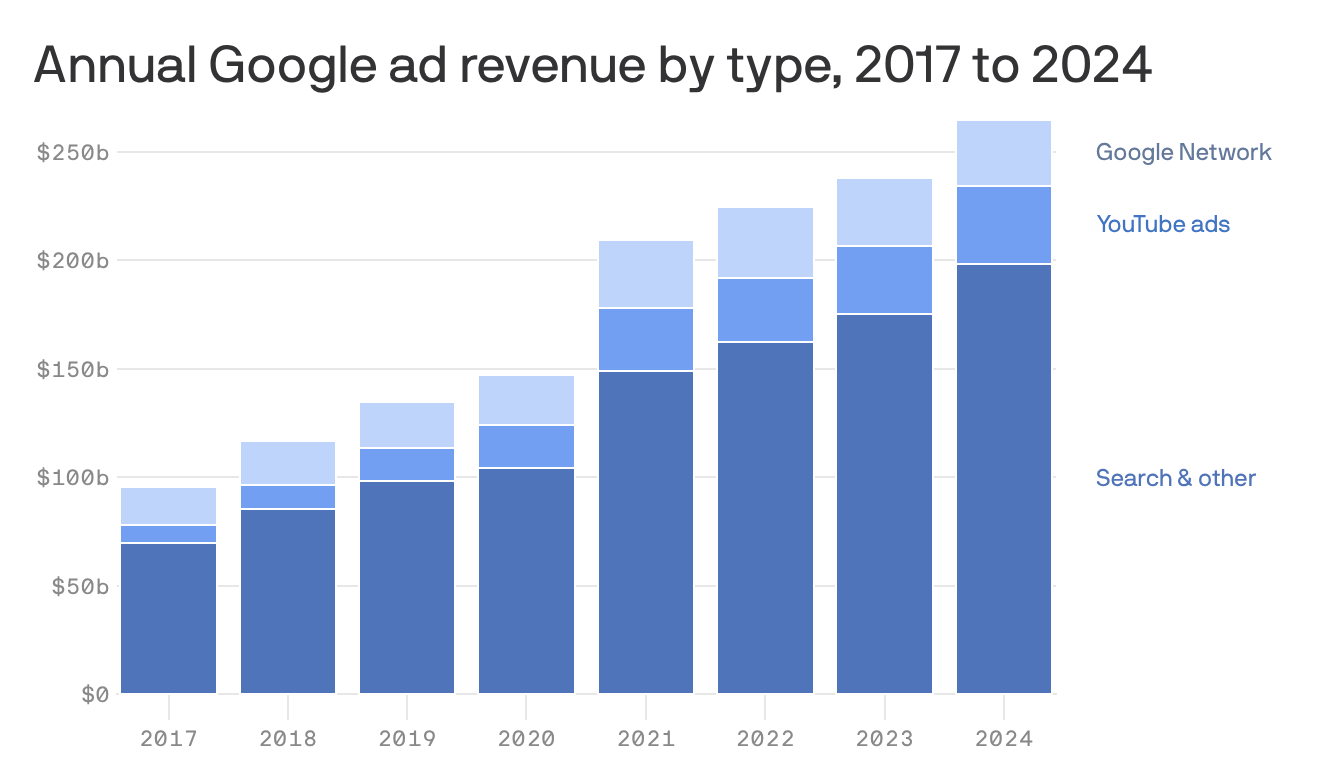
Key regulatory shifts will fundamentally reshape digital marketing and search visibility strategies. The mandates require Google to share raw search interaction data and allow competitor search result displays, creating a more competitive landscape for sellers relying on digital discovery. This represents a potential 15-25% disruption in current search engine marketing (SEM) approaches, forcing sellers to diversify their digital acquisition strategies.
The broader context reveals intensifying regulatory scrutiny of big tech platforms. With the European Commission simultaneously investigating Google's AI search summaries and data usage practices, sellers must anticipate more complex compliance requirements. The remedies impose restrictions on search agreements and data usage, signaling a global trend toward more open, competitive digital marketplaces.
For cross-border sellers, this case underscores the critical need to:
- Develop multi-platform search visibility strategies
- Invest in alternative marketing channels
- Build direct audience relationships beyond platform dependencies
- Monitor emerging search and AI technologies
The appeal filed in January 2026 challenges these mandates, creating uncertainty but also opportunity for agile sellers who can quickly adapt to potential regulatory changes.
问题 4
What specific changes might sellers see from this ruling?
Sellers can expect increased competition in search results, potential changes in advertising costs, and new requirements for data transparency. The ruling may create opportunities for smaller search engines and alternative marketing channels.
When will these changes take effect?
While the original ruling was in August 2024, the appeal filed in January 2026 creates uncertainty. Sellers should monitor developments closely and maintain flexible marketing strategies that aren't solely dependent on Google's ecosystem.