

Gig Economy Compliance: NYC's $550M Worker Protection Shift
- Impacts 60+ Delivery Platforms by January 2025















概览
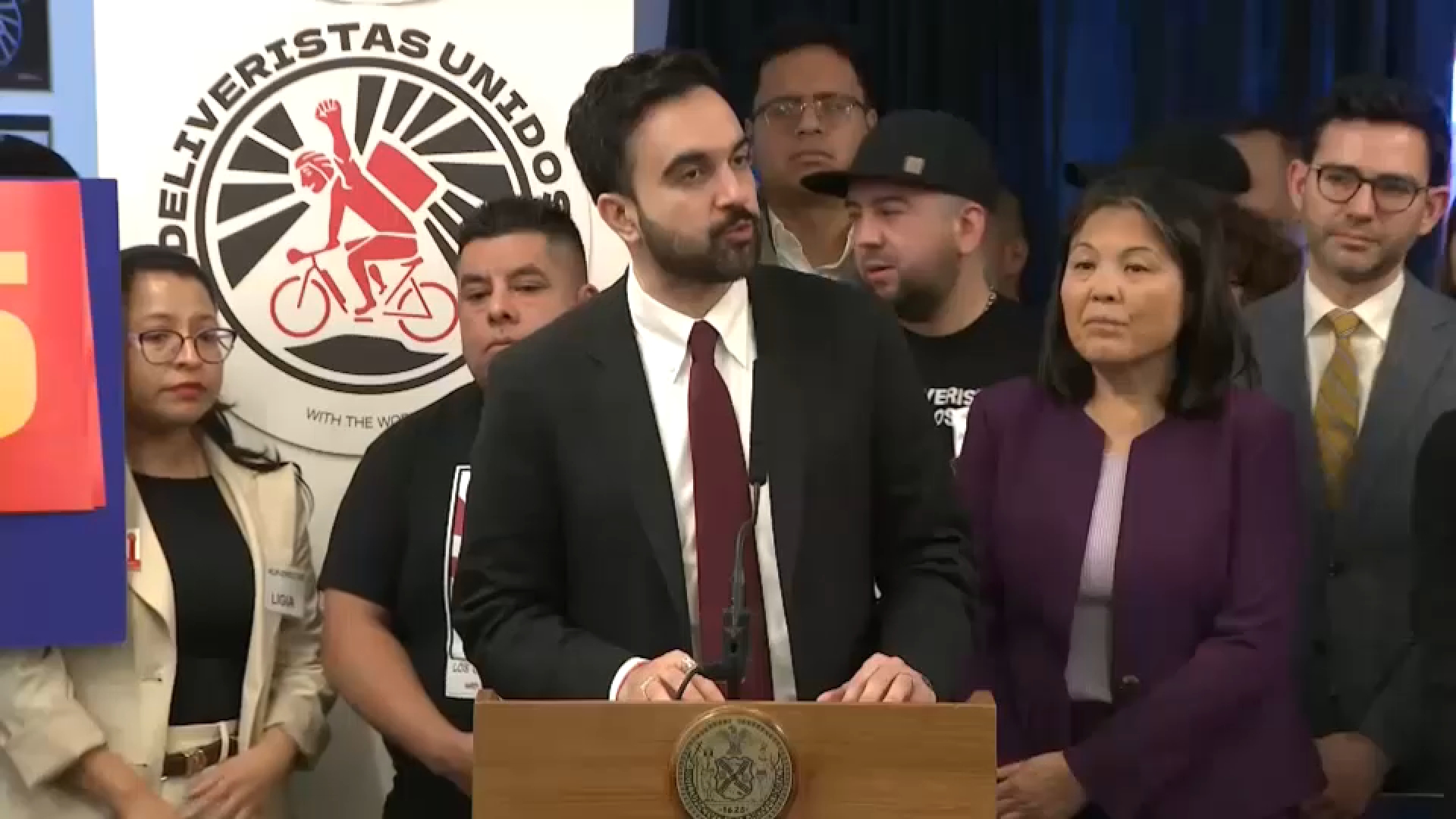
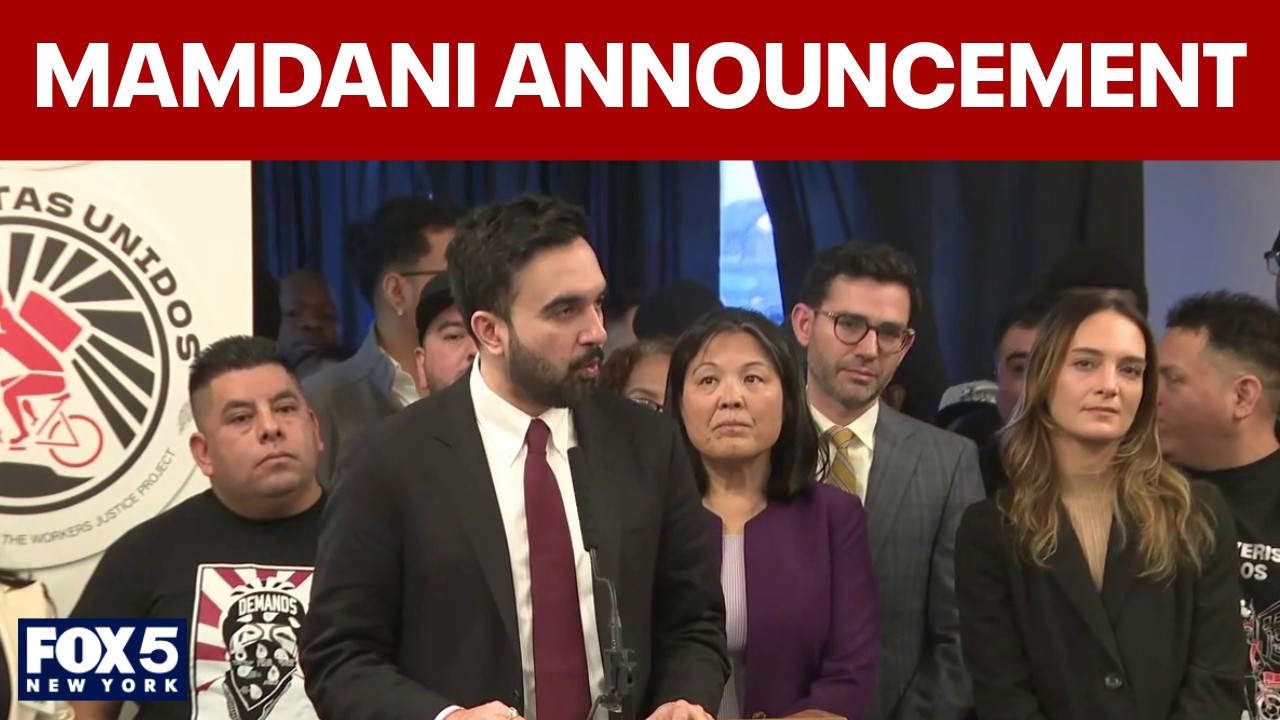
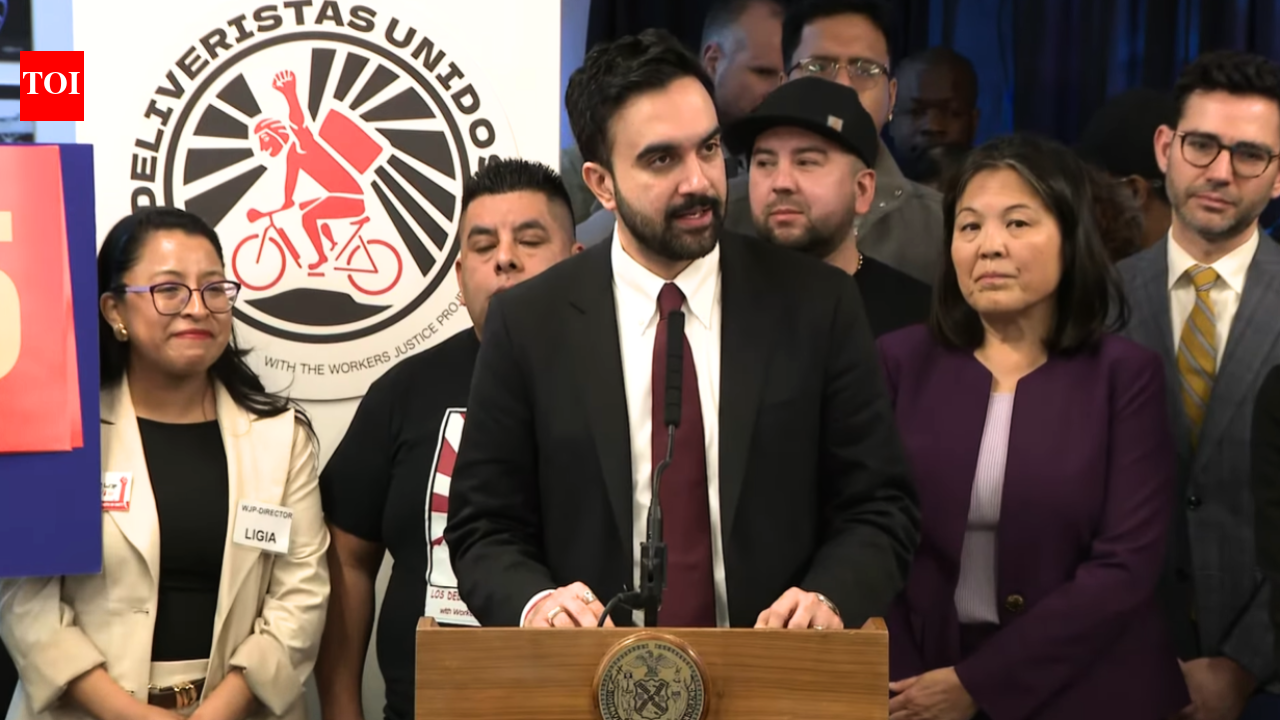
The New York City regulatory landscape is undergoing a transformative shift in gig economy labor practices, with Mayor Zohran Mamdani's administration launching a comprehensive legal strategy targeting delivery app worker exploitation. The unprecedented intervention reveals critical compliance challenges for cross-border e-commerce platforms and logistics providers.
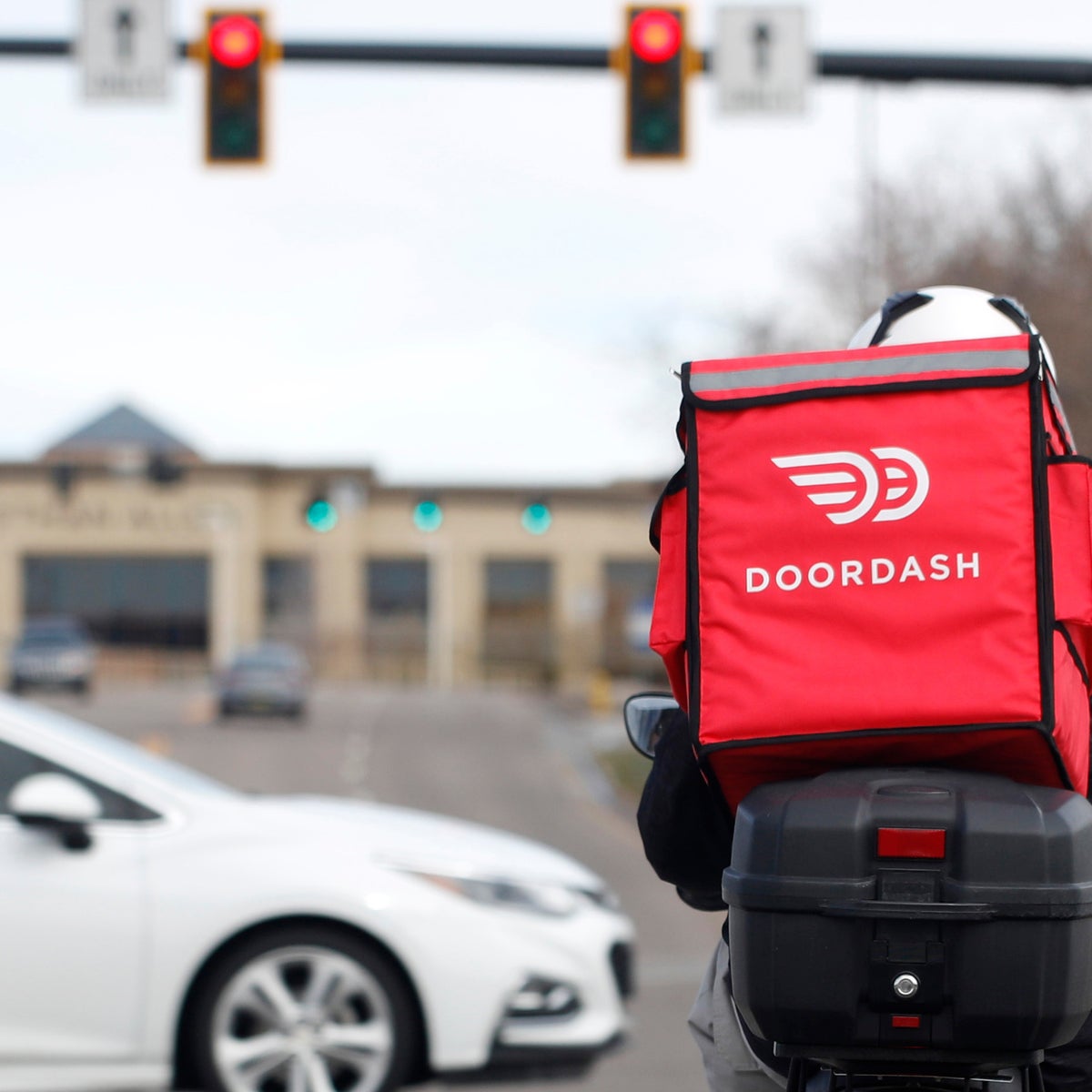
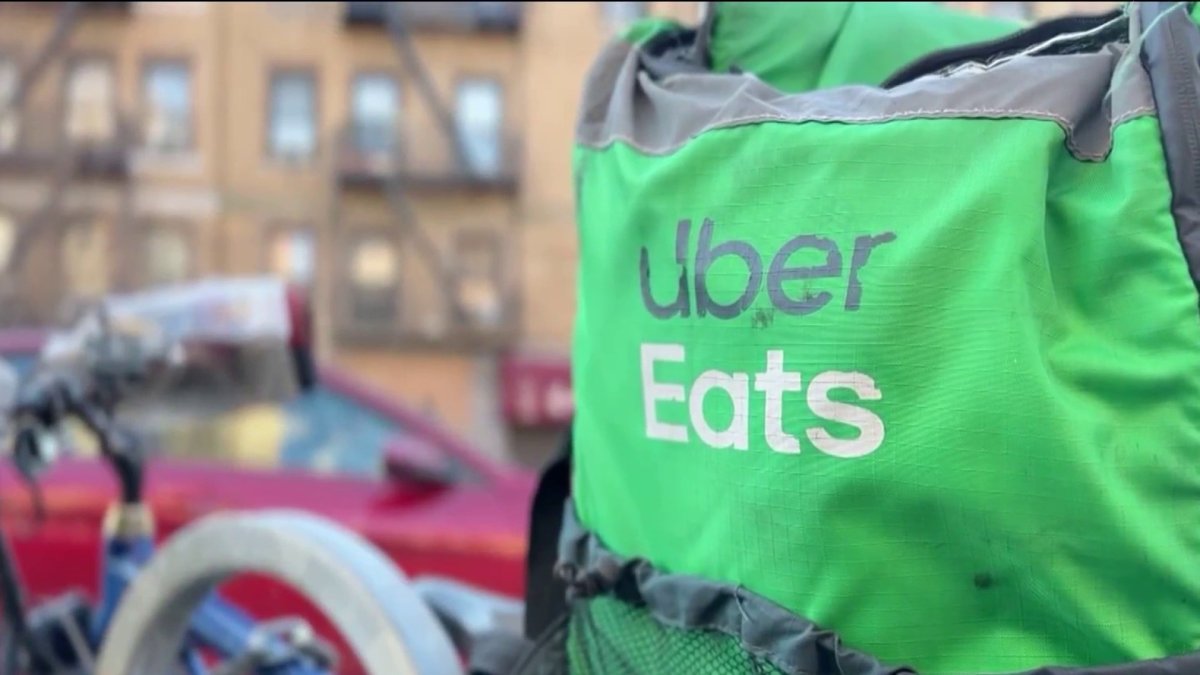
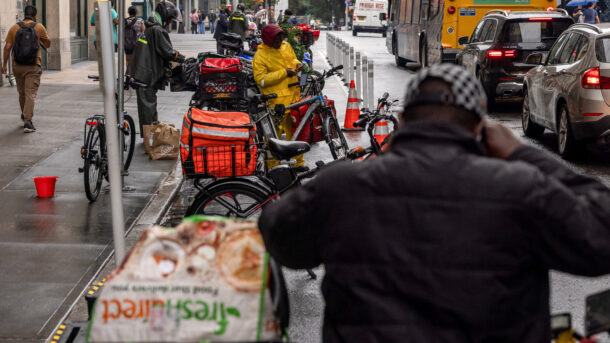
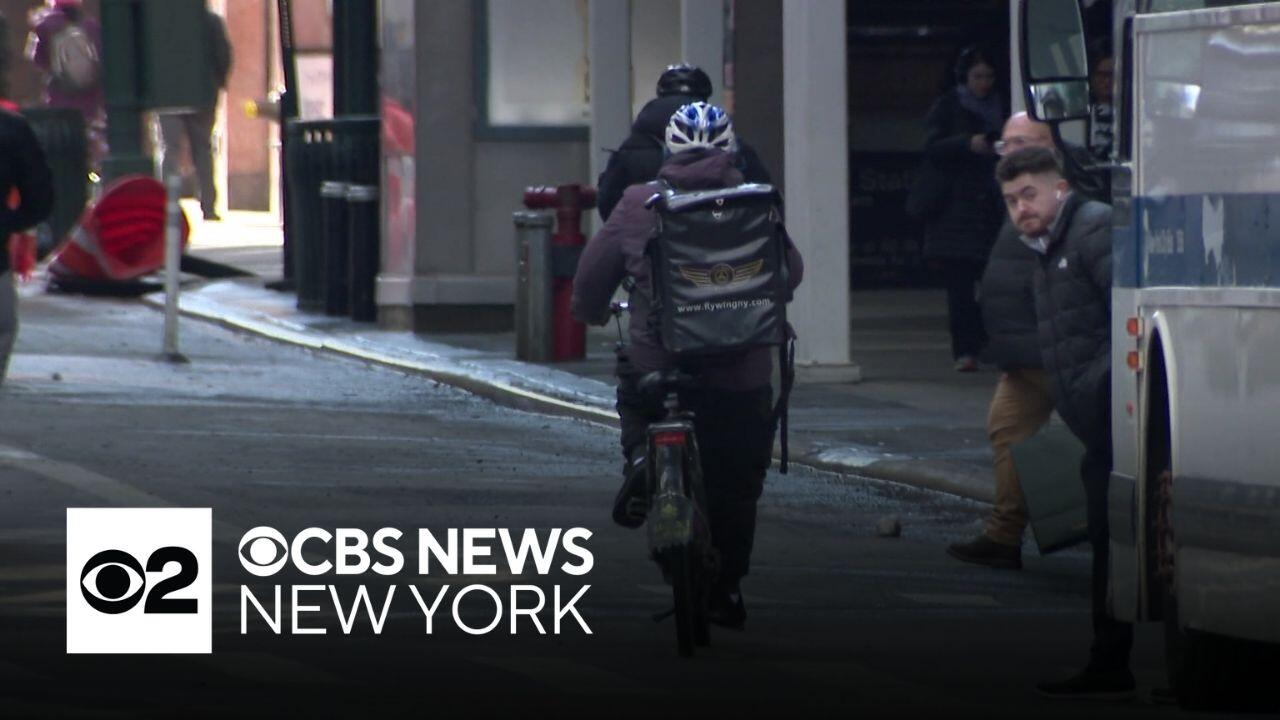
Regulatory Enforcement Creates Massive Market Disruption: The city's legal action against Motoclick, a third-party delivery platform, signals a broader crackdown affecting an estimated 80,000 delivery workers across major services like DoorDash, Uber Eats, and GrubHub. The lawsuit exposes systemic labor practice vulnerabilities, including tip theft, illegal fee structures, and minimum wage violations. Specifically, platforms face potential penalties for practices such as charging $10 per cancelled order and deducting refunded order costs from driver paychecks.
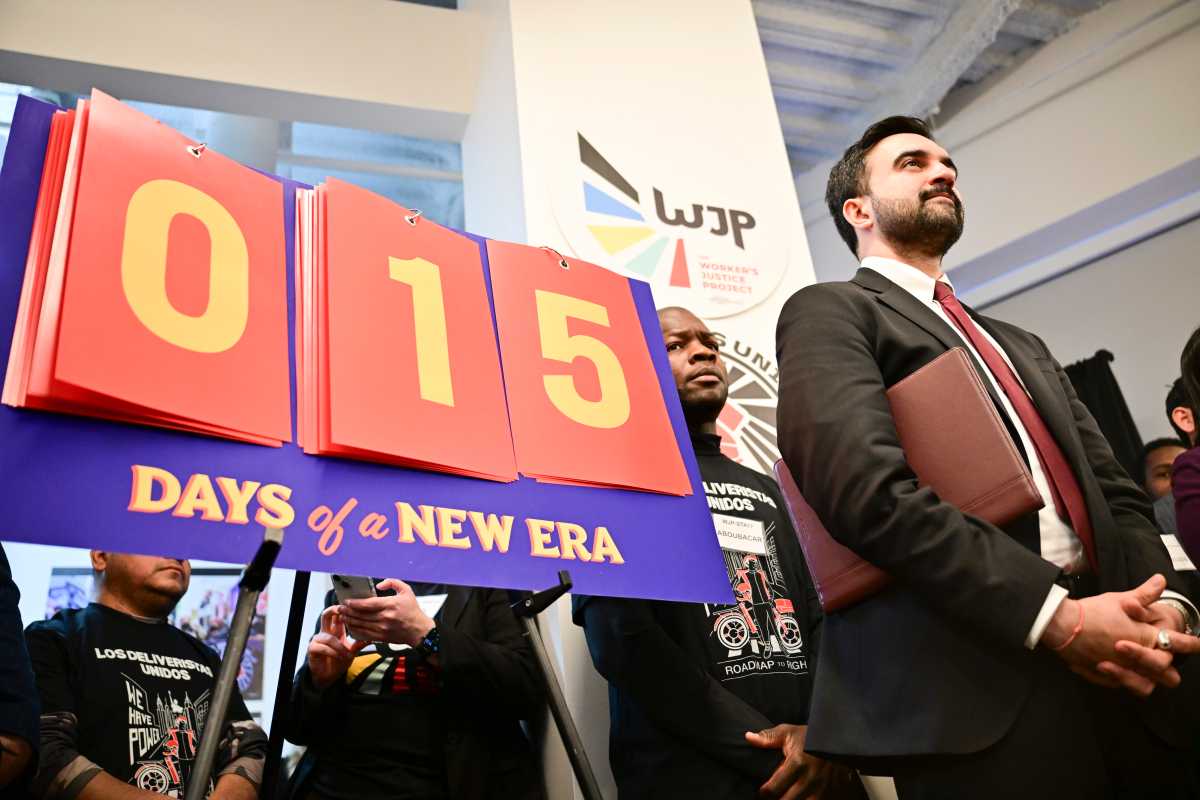
Compliance Implications for E-Commerce Sellers: This regulatory move represents more than a local labor issue—it's a watershed moment for digital platform governance. The $550 million in lost driver tips and the impending Delivery Worker Laws (effective January 26, 2025) create a new compliance ecosystem. Cross-border sellers must proactively reassess their logistics partnerships, understanding that worker treatment is now a critical reputational and legal risk. Companies operating in delivery and logistics must develop transparent compensation models that go beyond minimum legal requirements.
Strategic sellers should view this as an opportunity to differentiate through ethical labor practices, potentially creating competitive advantages in increasingly regulated marketplaces. The New York model may become a blueprint for other jurisdictions, signaling a global trend towards more stringent platform worker protections.
问题 4
How many delivery platforms are affected by these new regulations?
Mayor Mamdani has warned 60 additional delivery apps about compliance requirements, indicating a broad, systemic approach to reforming gig economy labor practices in New York City.
What specific practices are being targeted in the Motoclick lawsuit?
The lawsuit targets unethical practices like charging $10 per cancelled order, deducting refunded order costs from driver paychecks, and systematically reducing driver tips. These actions violate emerging worker protection standards in the gig economy.