





Sports Talent Migration: E-Commerce Branding Insights 2024
- Reveals 5 Key Strategies for Athlete-Driven Marketing Opportunities













概览
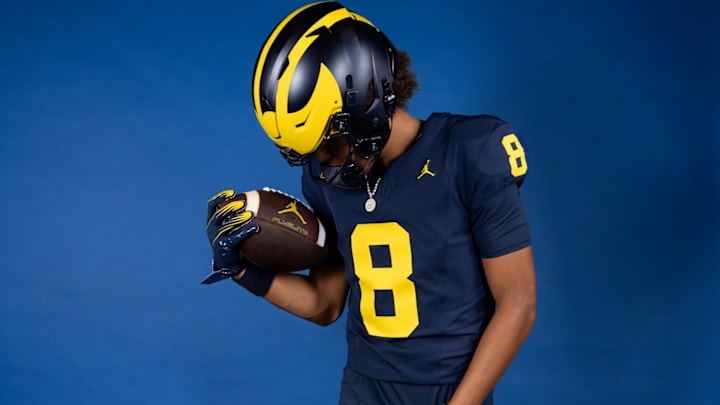
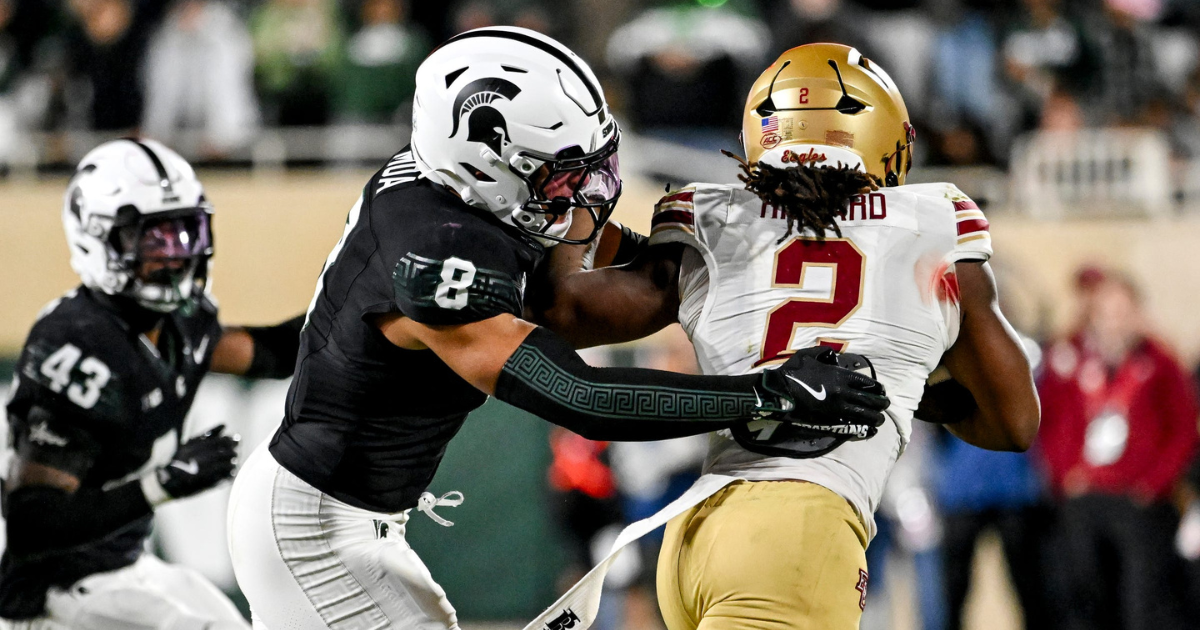
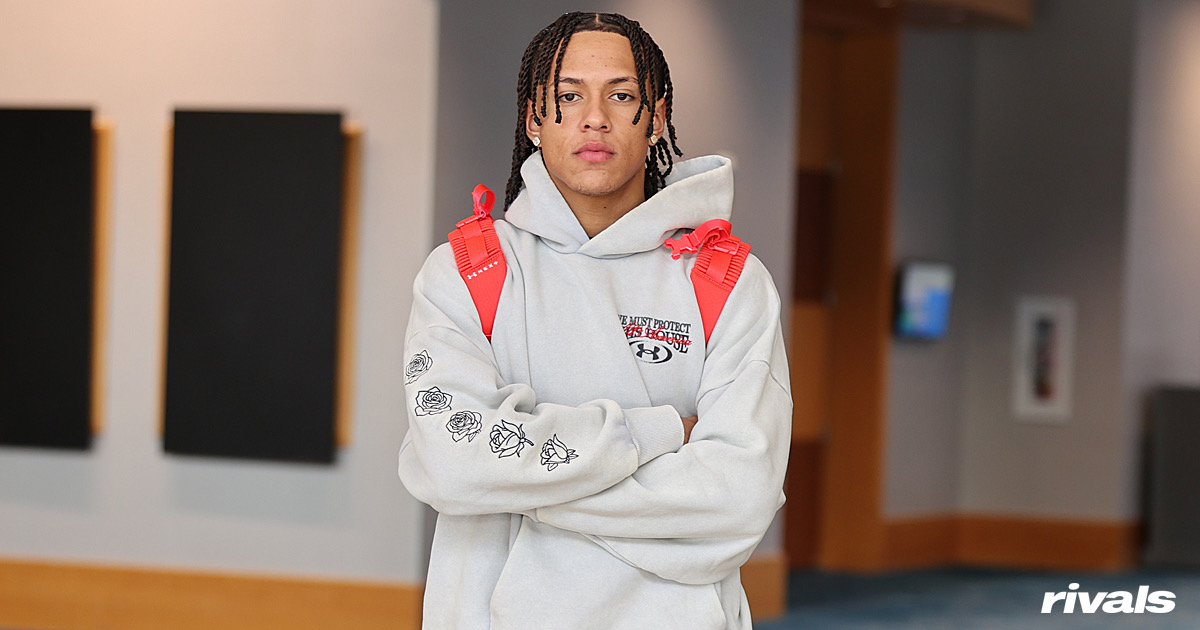
The Salesi Moa college football transfer reveals critical insights for e-commerce sellers in athlete-driven marketing and personal branding strategies. Talent mobility demonstrates the power of personal networks and strategic repositioning, offering sophisticated sellers unique opportunities to leverage emerging influencer ecosystems.
Athlete Transfer Dynamics Present Multi-Channel Marketing Potential, with key observations for digital entrepreneurs:
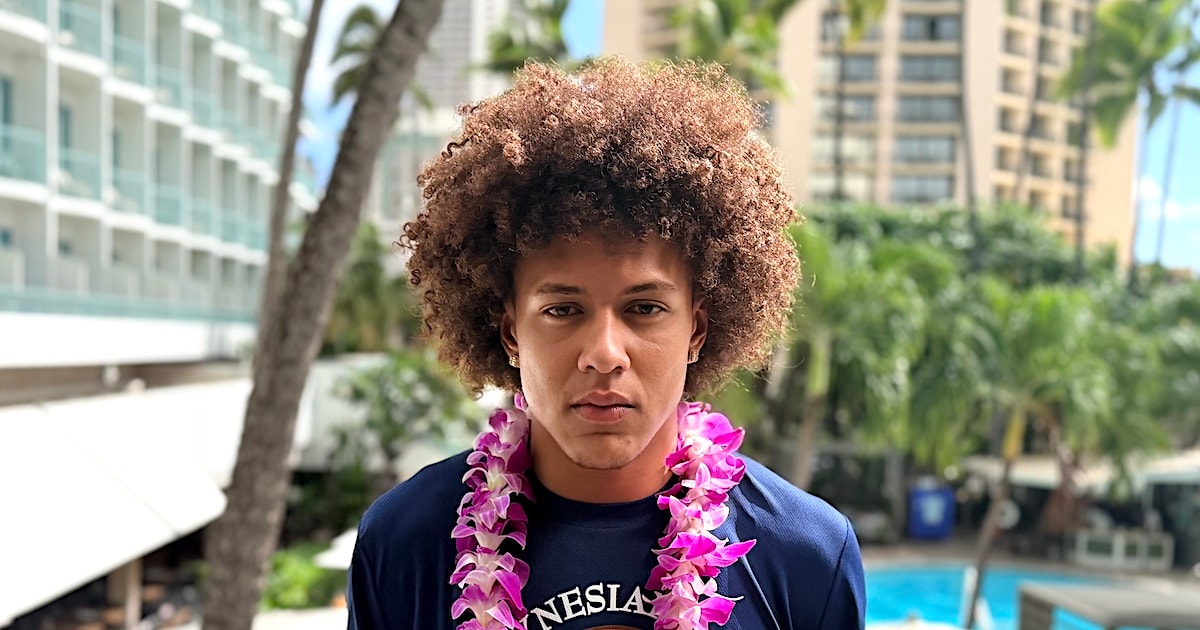
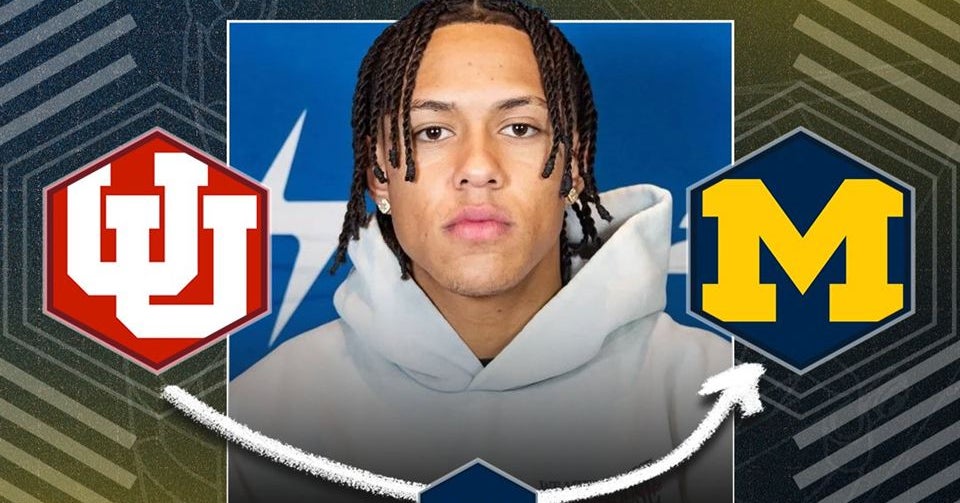
Personal Brand Portability: Moa's transfer from Utah to Michigan illustrates how individual athletes can rapidly rebuild their brand equity across different institutional platforms. E-commerce sellers can learn that personal reputation transcends traditional institutional boundaries, suggesting opportunities for flexible, network-driven marketing approaches.
Relationship-Driven Ecosystem: The transfer involving five players following coach Kyle Whittingham highlights the importance of trust networks. For digital sellers, this translates to understanding that consumer loyalty stems from trusted relationships, not just product features. Brands should prioritize building genuine connections over transactional interactions.
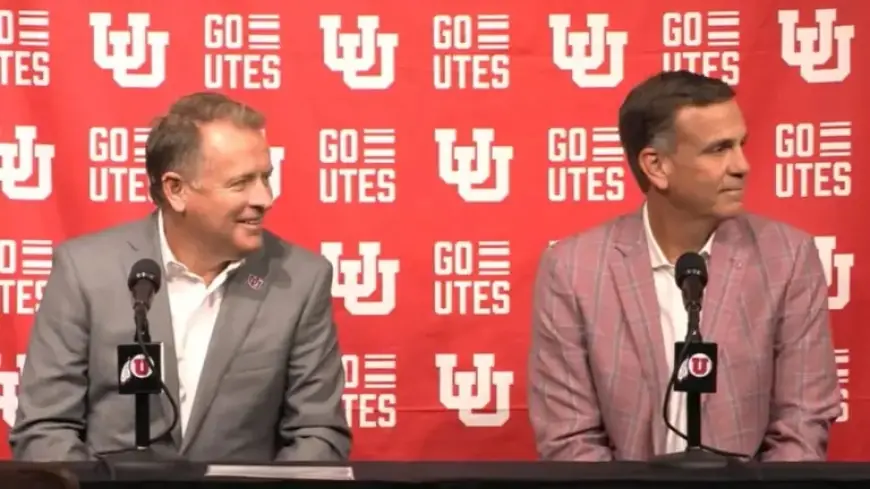
Social Media Impact Management: The Utah AD's controversial social media post demonstrates the fragile nature of digital reputation. E-commerce brands must develop robust communication protocols, understanding that one impulsive message can significantly damage brand perception. Proactive, strategic communication becomes a critical competitive advantage.
The broader implications extend beyond sports: modern digital marketplaces reward adaptable personal brands that can quickly pivot, rebuild networks, and maintain authentic audience connections. Sellers who understand these nuanced relationship dynamics can create more resilient, network-powered marketing strategies that transcend traditional product-centric approaches.
问题 4
What product categories should sellers explore during athlete transfers?
Recommended categories include position-specific gear, regional fan collections, commemorative transfer moment items, and limited-edition signed memorabilia that capture the athlete's journey and fan emotional investment.
Why are personal networks important in digital marketing?
Modern consumers value authentic relationships over transactional interactions. Brands that cultivate trust networks and demonstrate genuine understanding of their audience's ecosystem can create more resilient marketing strategies.