



Cross-Border Sellers Alert: EU-US Trade War Escalates Over Greenland
- 10-25% Tariff Threat Impacts 8 European Nations
- Potential $5B+ Economic Disruption in 2025

















概览
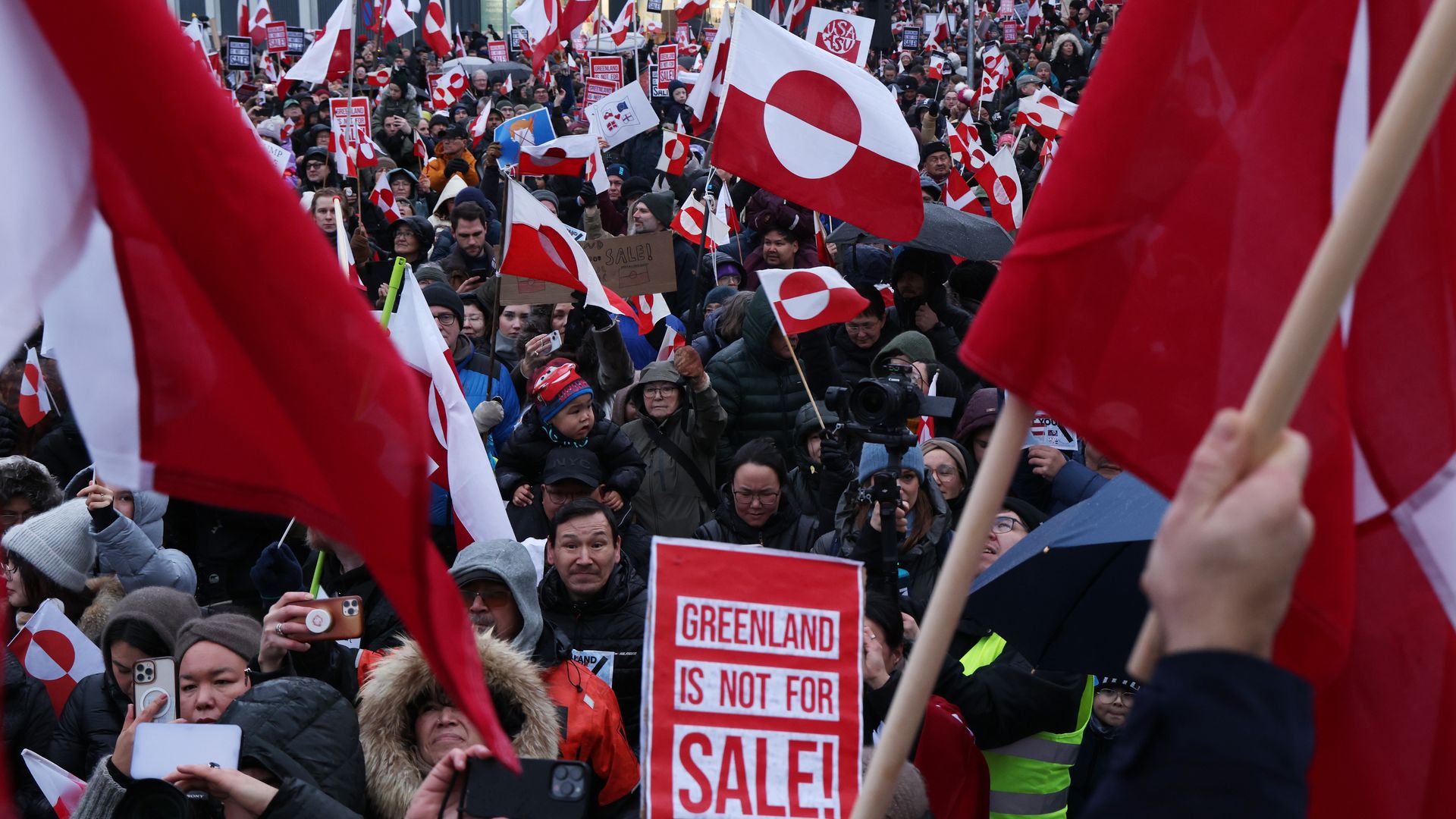
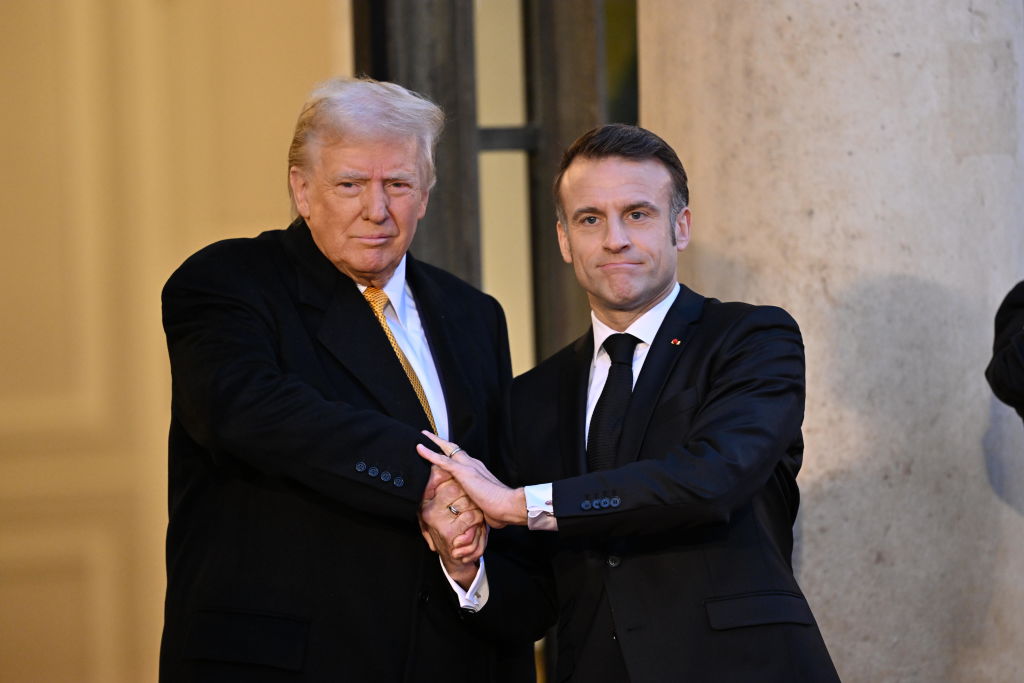
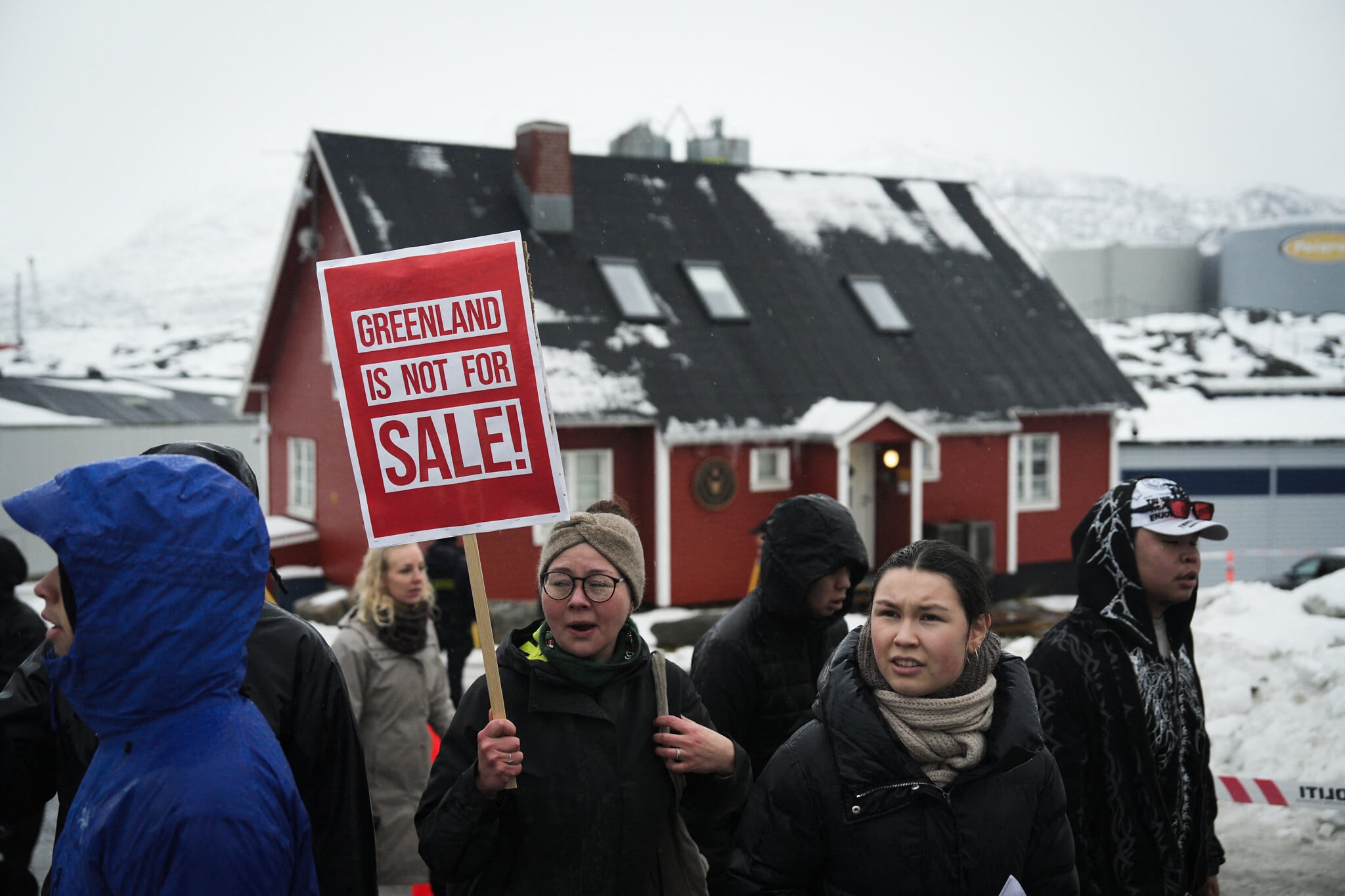
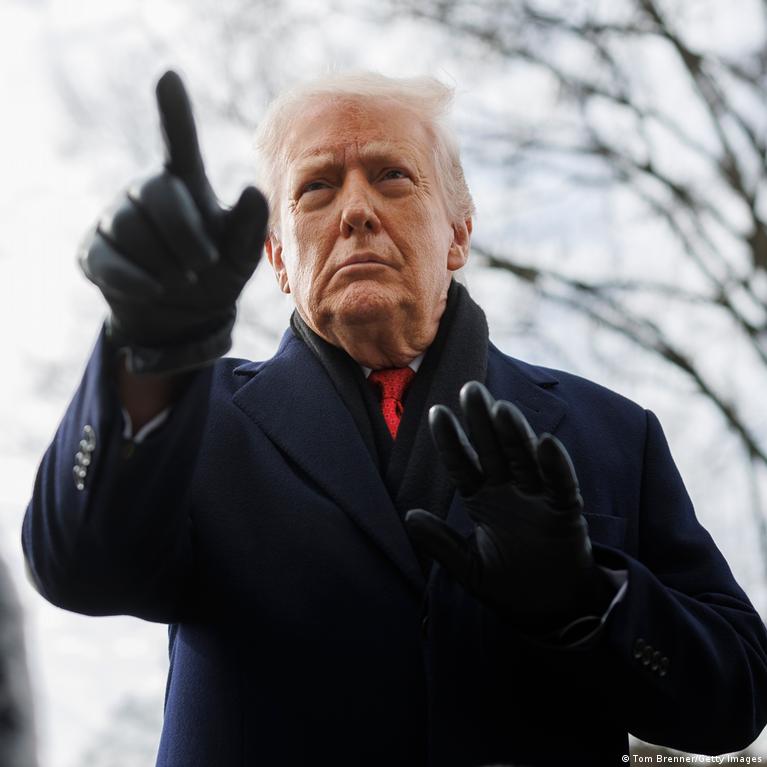
The emerging geopolitical crisis surrounding Trump's Greenland acquisition demands represents a critical inflection point for cross-border e-commerce sellers, with potentially massive trade disruptions across transatlantic markets. The proposed tariff escalation—starting at 10% in February and potentially rising to 25% by June 1st—targets eight key European nations, creating unprecedented uncertainty for international sellers.
Strategic Implications for E-Commerce Sellers: The tariff threats signal a complex landscape where geopolitical tensions directly impact cross-border trade infrastructure. German export data reveals the potential magnitude: between January and November 2025, exports to the US already declined 9%, with companies like Volkswagen estimating €5 billion in tariff expenses. This suggests sellers must rapidly develop adaptive strategies to mitigate potential economic volatility.
Key Seller Risk Zones:
- Automotive/Manufacturing Exports: Highest vulnerability
- Technology/Precision Engineering: Significant exposure
- Consumer Goods: Potential 15-20% margin compression
- Logistics/Fulfillment: Increased compliance complexity
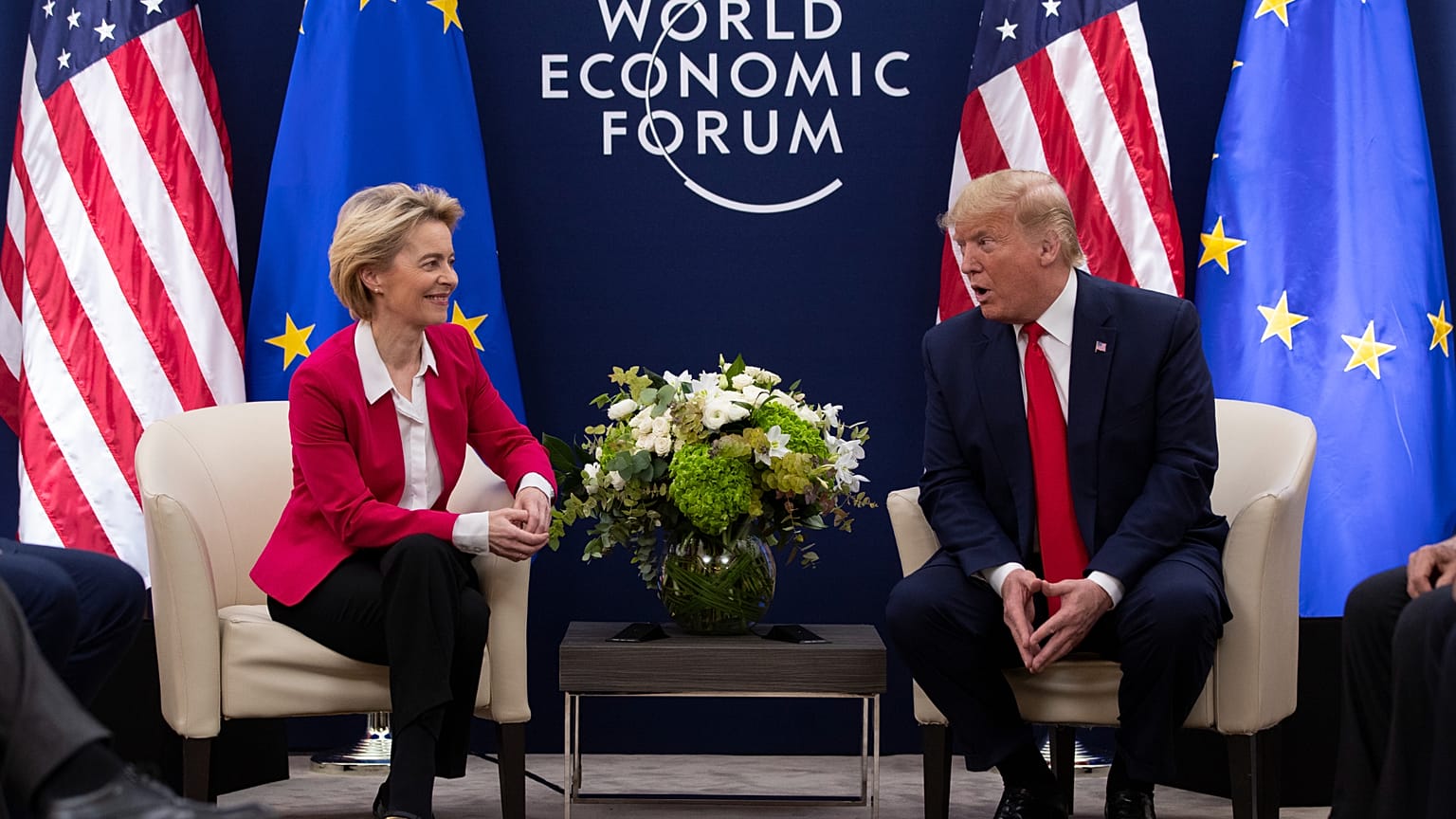
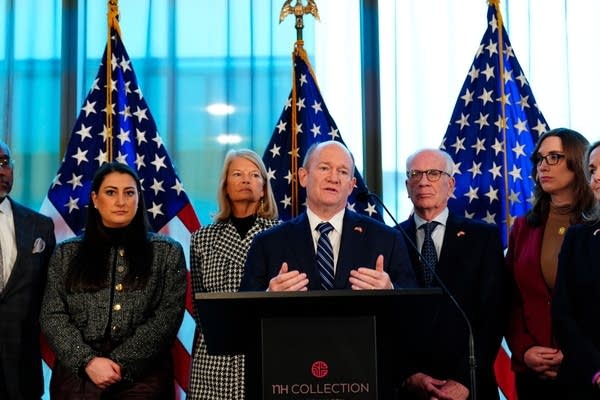
The unified European response—including potential invocation of the never-before-used 'Anti-Coercion Instrument'—indicates a coordinated approach to protecting international trade relationships. Sellers must monitor diplomatic developments closely, as these tensions could fundamentally reshape transatlantic e-commerce dynamics in 2025-2026.
问题 4
What strategic actions should international sellers take?
Immediately review pricing strategies, diversify supply chains, monitor diplomatic developments, and prepare flexible inventory management. Consider alternative market entry strategies and potential geographic market shifts to mitigate risks.
How might these tariffs impact cross-border e-commerce sellers?
Sellers could face 10-25% increased costs, potential margin compression, and complex compliance requirements. Key industries like automotive and technology are most vulnerable, with estimated €5 billion in potential tariff expenses for German exporters alone.