



Gaming Subscription Trends: PS Plus January 2026 Reveals
- Digital Content Strategy Impacts 50K+ Gaming Sellers


















概览
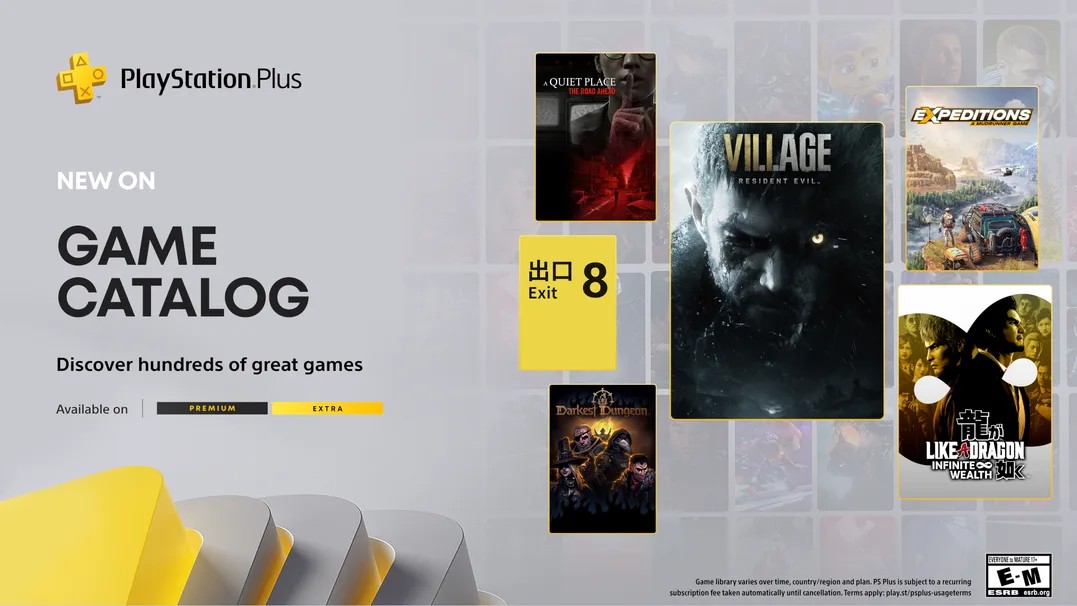
PlayStation's January 2026 game lineup represents a strategic digital content ecosystem with significant implications for gaming-adjacent e-commerce sellers. Sony's carefully curated monthly refresh demonstrates a sophisticated approach to subscriber engagement that creates multiple monetization opportunities across digital and physical gaming markets.
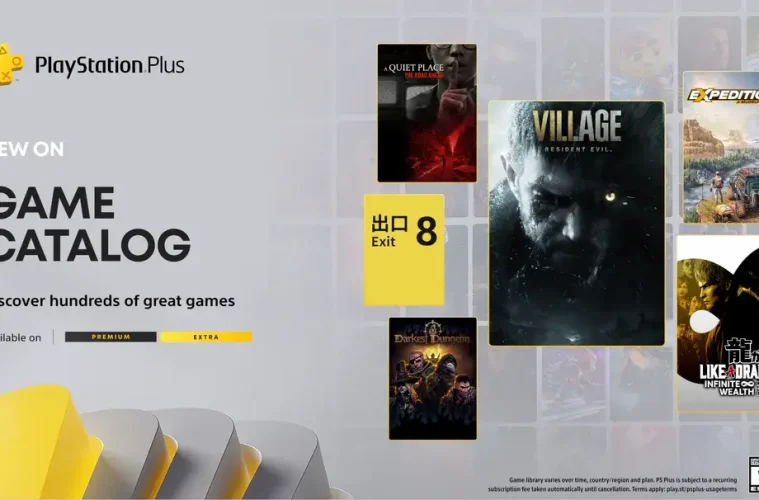
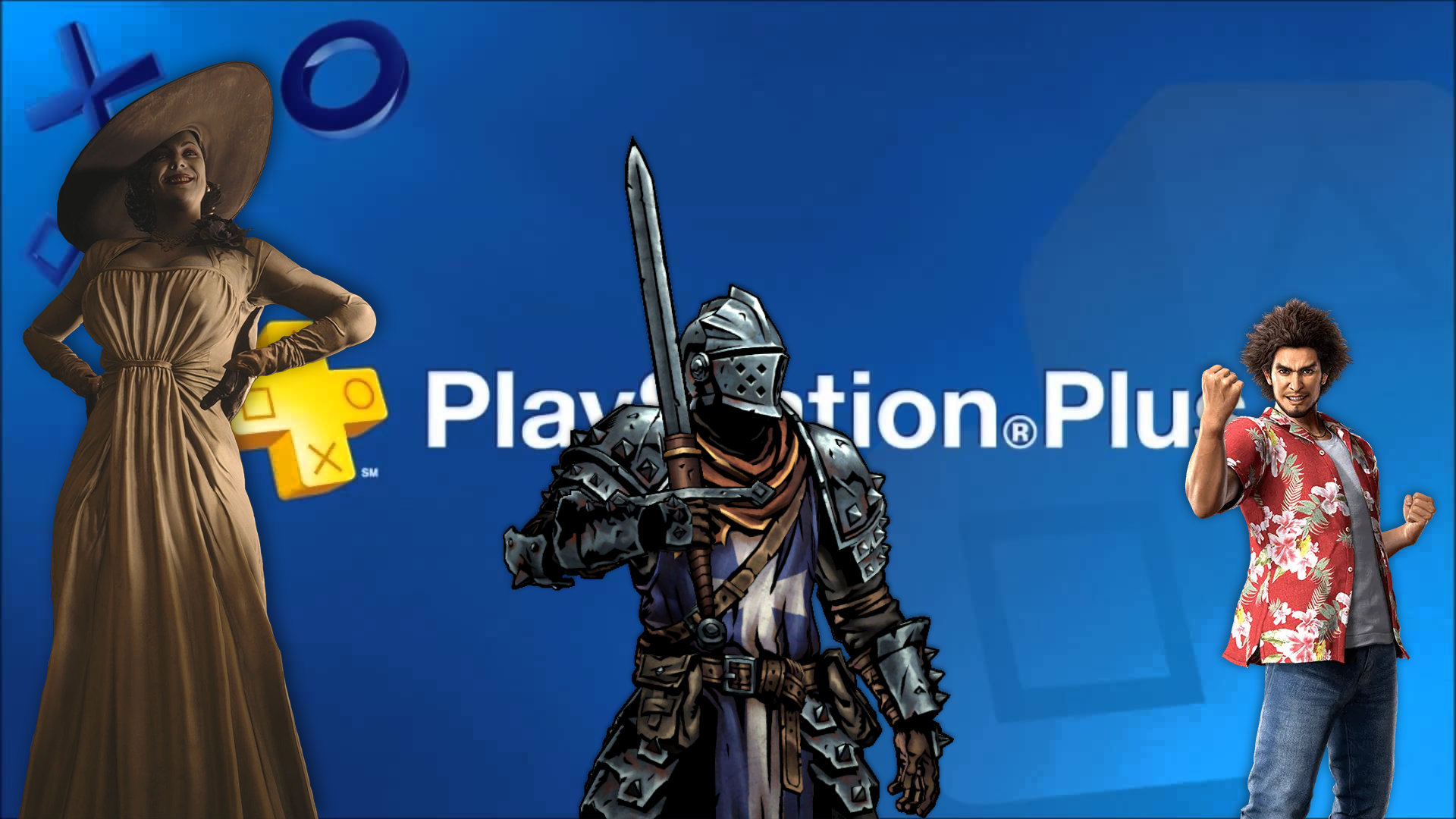
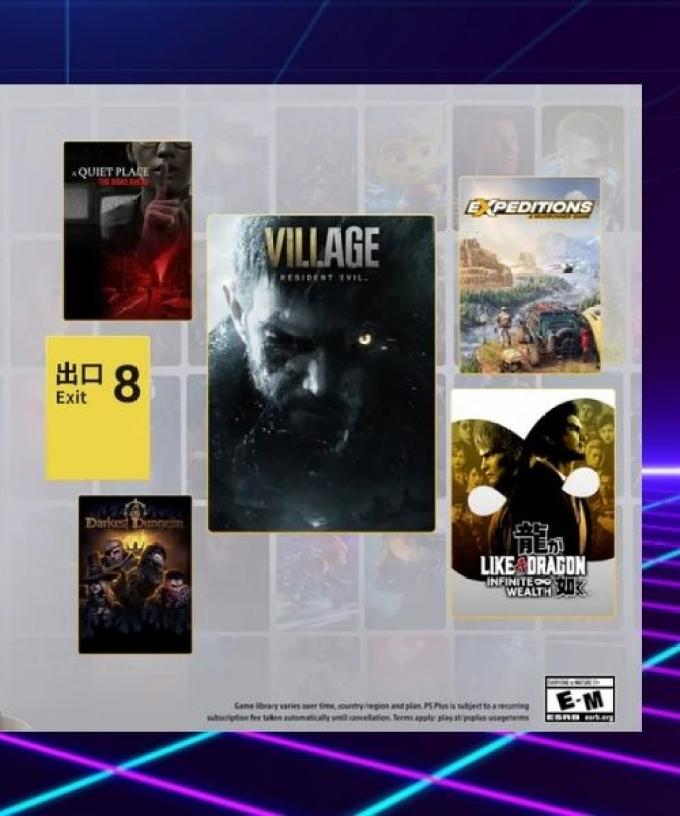
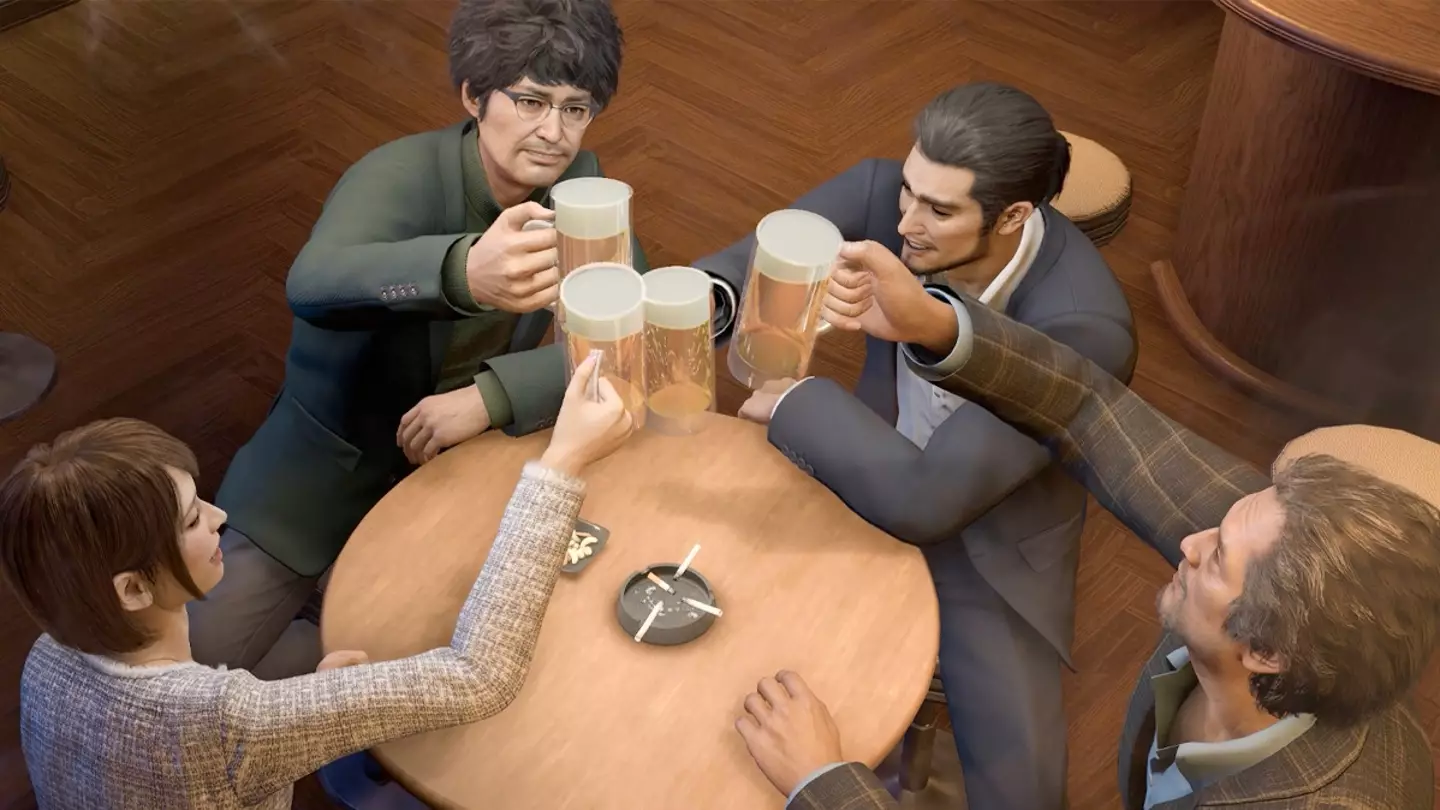
The lineup's diversity signals critical market trends for sellers: Featuring titles like Resident Evil Village, Like a Dragon: Infinite Wealth, and Darkest Dungeon II, PlayStation is targeting multiple gaming demographics through cross-platform, multi-genre experiences. This approach reveals key insights for digital merchandise sellers:
- Content Fragmentation Strategy: By offering free DLC and VR modes, PlayStation creates micro-markets around complementary digital products. Sellers can develop adjacent revenue streams through:
- Character skin marketplaces
- Gaming accessory bundles
- Platform-specific peripheral design
- Niche collectible merchandise
- Cross-Platform Monetization: The lineup's PS4/PS5 compatibility indicates growing market complexity. Sellers should develop product strategies that:
- Support multiple hardware generations
- Create modular, adaptable gaming accessories
- Design universal compatibility product lines
- Develop region-agnostic marketing approaches
- Consumer Engagement Metrics: Sony's rotating game catalog demonstrates the value of continuous content refreshment. E-commerce sellers can learn to:
- Create limited-edition product drops
- Develop rapid product iteration cycles
- Build anticipation through strategic release scheduling
- Design products with built-in customization potential
The January 2026 lineup represents more than a game selection—it's a blueprint for digital product strategy that transcends traditional gaming markets. Sellers who understand these nuanced engagement models can develop more sophisticated, adaptable product ecosystems.
问题 4
How can sellers capitalize on PlayStation's game lineup strategy?
Sellers can develop cross-platform accessories, create limited-edition merchandise tied to specific game releases, design universal gaming peripherals, and build product lines that complement digital content ecosystems.
How does PlayStation's content strategy impact e-commerce?
PlayStation creates micro-markets through free DLC, VR modes, and diverse game selections, encouraging sellers to develop more dynamic, quickly iterating product lines that match rapid digital content cycles.