



UK Inflation Surge | Cross-Border Seller Strategy Alert 2025
- 3.4% Inflation Impacts E-Commerce Pricing for UK Market Sellers








































概览
The unexpected inflation uptick in the United Kingdom presents critical strategic implications for cross-border e-commerce sellers targeting the British market. With consumer prices rising to 3.4% in December 2025 and food inflation climbing to 4.5%, sellers must rapidly adapt their operational and pricing strategies to maintain competitiveness.
Strategic Pricing Recalibration becomes paramount for international sellers. The inflation trend signals potential margin compression, requiring immediate review of pricing models, cost structures, and currency hedging strategies. UK-bound sellers should anticipate a 6-8% adjustment in operational expenses, with food and consumer goods categories experiencing the most significant pressures.
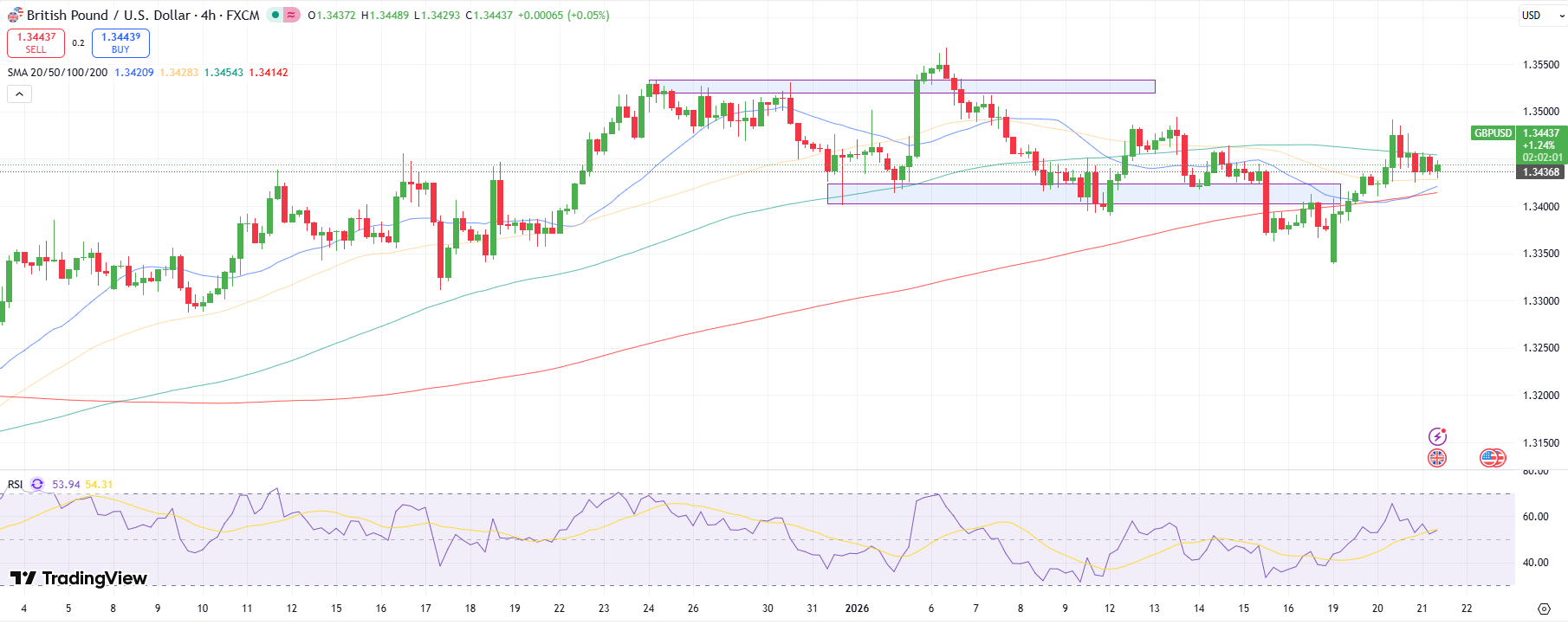
Market Entry Considerations now demand more sophisticated financial modeling. The Bank of England's cautious monetary policy approach suggests a complex economic landscape where sellers must build flexibility into their market entry plans. Currency fluctuations will play a critical role, with the British pound's volatility creating both risks and opportunities for agile cross-border sellers.
Tactical recommendations include:
- Implement dynamic pricing algorithms
- Develop multi-currency pricing strategies
- Build 10-15% buffer into product margins
- Diversify supplier networks to mitigate cost risks
- Continuously monitor macroeconomic indicators
The inflation data underscores the necessity of adaptive, data-driven approaches in cross-border e-commerce. Sellers who can quickly recalibrate their strategies will transform economic uncertainty into a competitive advantage.
问题 5
How can international sellers protect their margins?
Protect margins by implementing dynamic pricing tools, hedging currency risks, negotiating flexible supplier contracts, and building financial buffers to absorb potential cost fluctuations.
What role does the Bank of England play in e-commerce strategy?
The Bank of England's monetary policy directly influences currency valuation and economic stability, making it crucial for sellers to track interest rate decisions and inflation trends when planning market entry.