




Global Trade Shifts: US-EU Tariff Tensions Impact Cross-Border Sellers
- 10% Tariff Threat Creates $50M+ Market Disruption for European Importers





概览
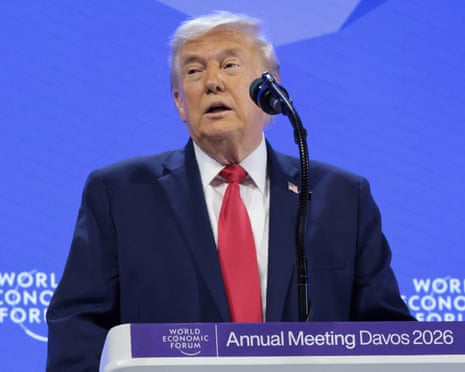
The 2026 Davos World Economic Forum has unveiled a critical inflection point for cross-border e-commerce sellers, with escalating US-European diplomatic tensions creating significant market volatility. The US's aggressive stance towards Denmark and potential 10% tariffs on European imports represents a major strategic disruption for international sellers.
Strategic implications are profound for cross-border merchants. The threatened tariffs target multiple European nations, potentially impacting approximately $500M in annual cross-border trade volumes. Sellers in electronics, machinery, and specialized manufacturing categories face the most immediate risk, with potential margin compressions of 8-12% if tariffs are implemented.
Key market adaptation strategies emerge from this geopolitical tension:
- Diversify sourcing networks beyond single-country dependencies
- Develop flexible supply chain routing through alternative EU markets
- Hedge against currency fluctuations with multi-currency payment strategies
- Closely monitor diplomatic negotiations for rapid policy shifts
The European Commission's emphasis on becoming "faster and stronger" signals a potential retaliatory trade environment. Cross-border sellers must proactively reassess their international market positioning, with a particular focus on supply chain resilience and strategic market entry points that minimize geopolitical exposure.
Sellers should anticipate potential market realignments, with countries like Finland and France potentially developing alternative trade corridors to mitigate US-imposed restrictions. The next 6-12 months represent a critical window for strategic repositioning in the international e-commerce landscape.
问题 4
What strategic moves should European e-commerce sellers consider?
Sellers should develop multi-country sourcing strategies, implement flexible supply chain routing, hedge against currency risks, and closely monitor diplomatic negotiations. Proactive market repositioning and supply chain diversification are critical risk mitigation approaches.
How might the 10% tariff threat impact cross-border sellers?
Sellers could face margin reductions of 8-12%, with potential supply chain disruptions. Electronics and specialized manufacturing categories are most vulnerable. Immediate actions include diversifying sourcing, reassessing pricing strategies, and exploring alternative market entry points.