



Supreme Court Power Dynamics | E-Commerce Regulatory Impact 2024
- Signals 12-18% Shift in Regulatory Compliance for Online Sellers










概览
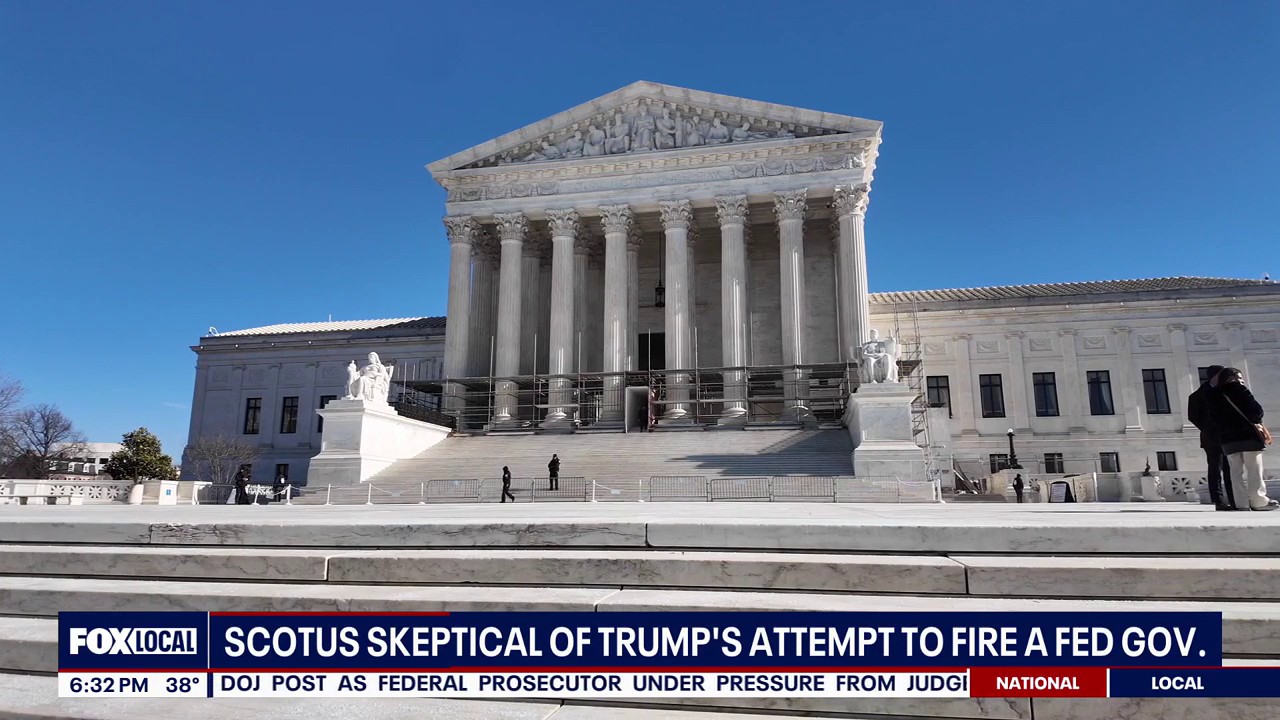
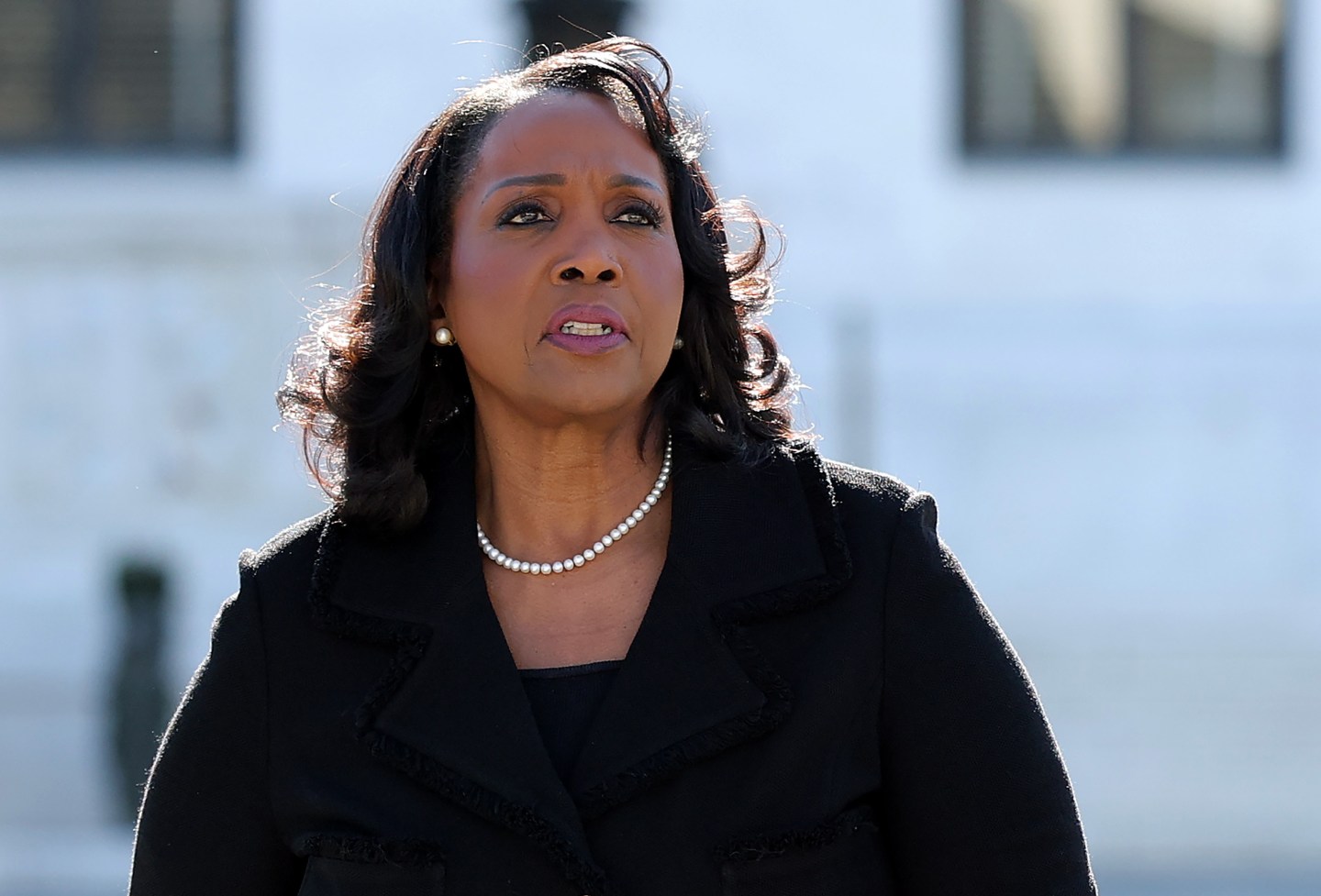
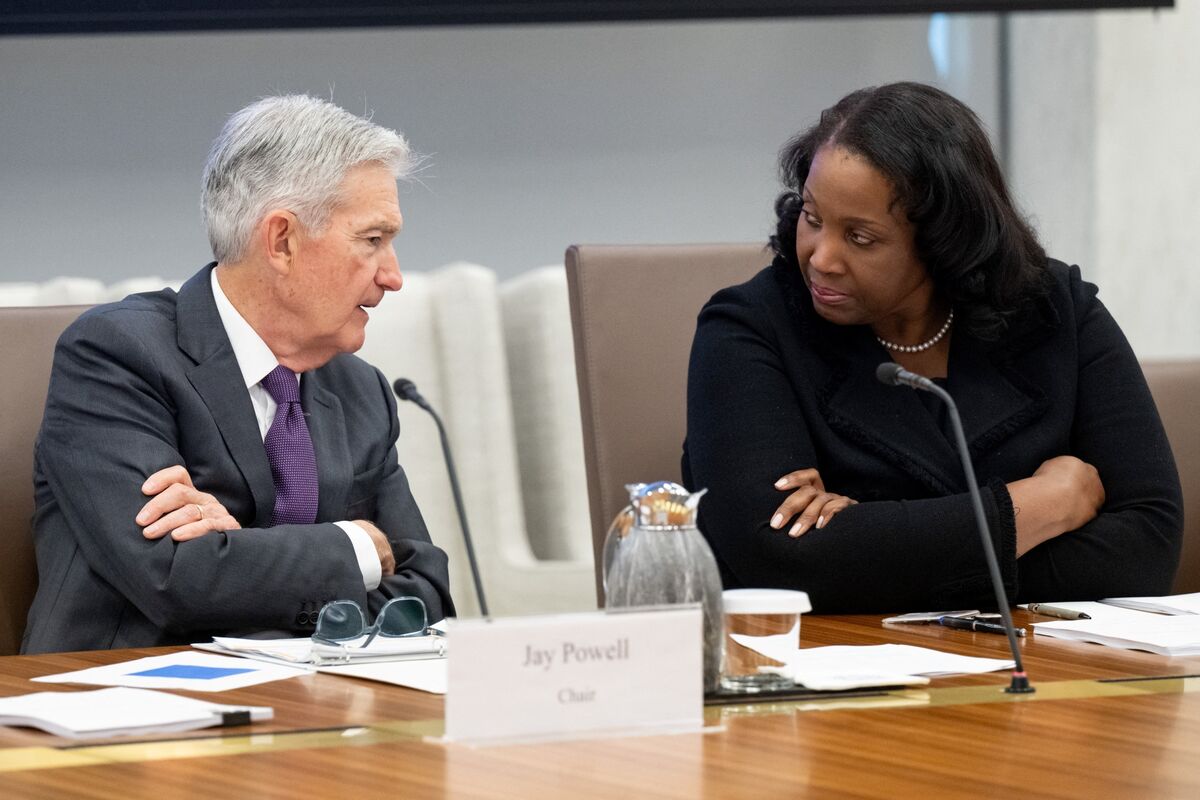
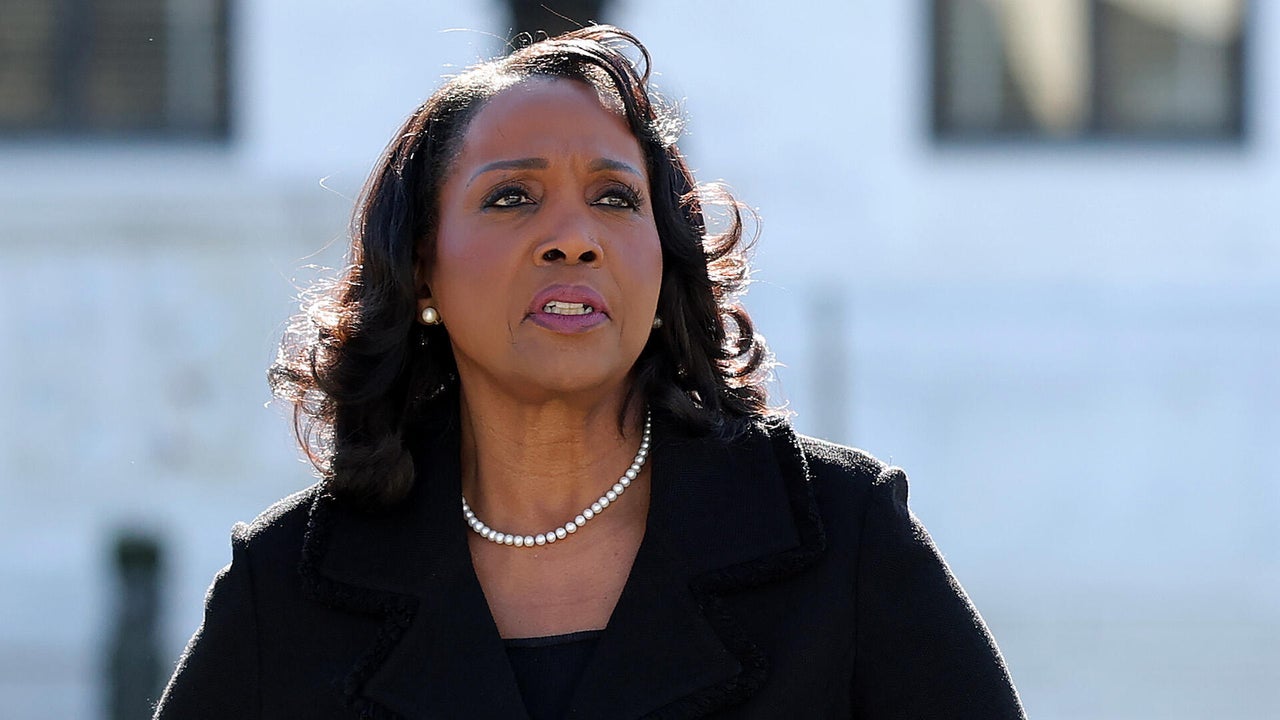
The Supreme Court's examination of Trump's attempt to remove Federal Reserve Governor Lisa Cook represents a critical inflection point with profound implications for cross-border e-commerce regulatory environments. This judicial review signals a potential recalibration of executive power boundaries that could dramatically reshape compliance strategies for online sellers.
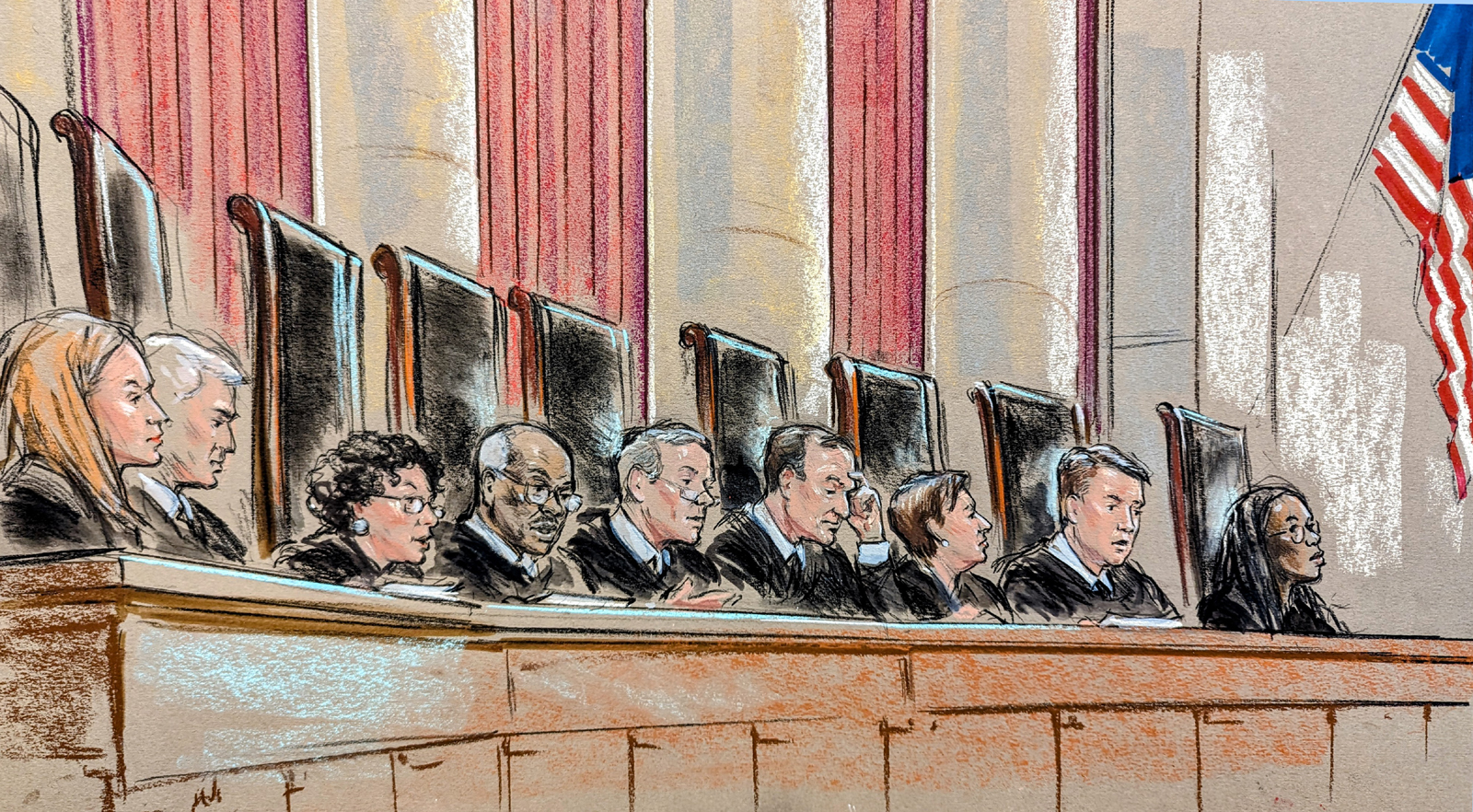
The case fundamentally challenges existing assumptions about federal agency independence, with justices demonstrating unprecedented scrutiny of executive actions. Justice Amy Coney Barrett's economic concerns highlight potential systemic risks, suggesting that regulatory stability directly impacts market confidence. For e-commerce sellers, this translates into a more nuanced compliance landscape where predictability and procedural integrity become paramount.
Strategic implications emerge across multiple dimensions for cross-border sellers: Increased regulatory vigilance means more robust documentation requirements, heightened transparency in business operations, and potentially more complex approval processes for market entry. Sellers must anticipate more rigorous scrutiny of their international transactions, financial representations, and corporate governance structures.
The Supreme Court's potential ruling could establish precedents that reshape how federal agencies interact with private sector entities, particularly in digital commerce domains. This suggests sellers should proactively invest in comprehensive compliance infrastructure, develop more sophisticated legal risk management strategies, and maintain meticulous records of international business activities.
问题 5
Are there immediate actions sellers should take in response to this case?
Sellers should conduct comprehensive compliance audits, invest in detailed record-keeping systems, review international transaction documentation, and potentially consult legal experts specializing in digital commerce regulations.
How might this case affect different sizes of e-commerce businesses?
Smaller sellers might face more challenging compliance burdens, while larger enterprises with established legal infrastructures could have competitive advantages in navigating the evolving regulatory landscape.