


Samsung's Software Dilemma: AI Ambitions vs. User Experience Complexity
- Navigating the Delicate Balance Between Feature Innovation and Usability for Smartphone Manufacturers
















概览
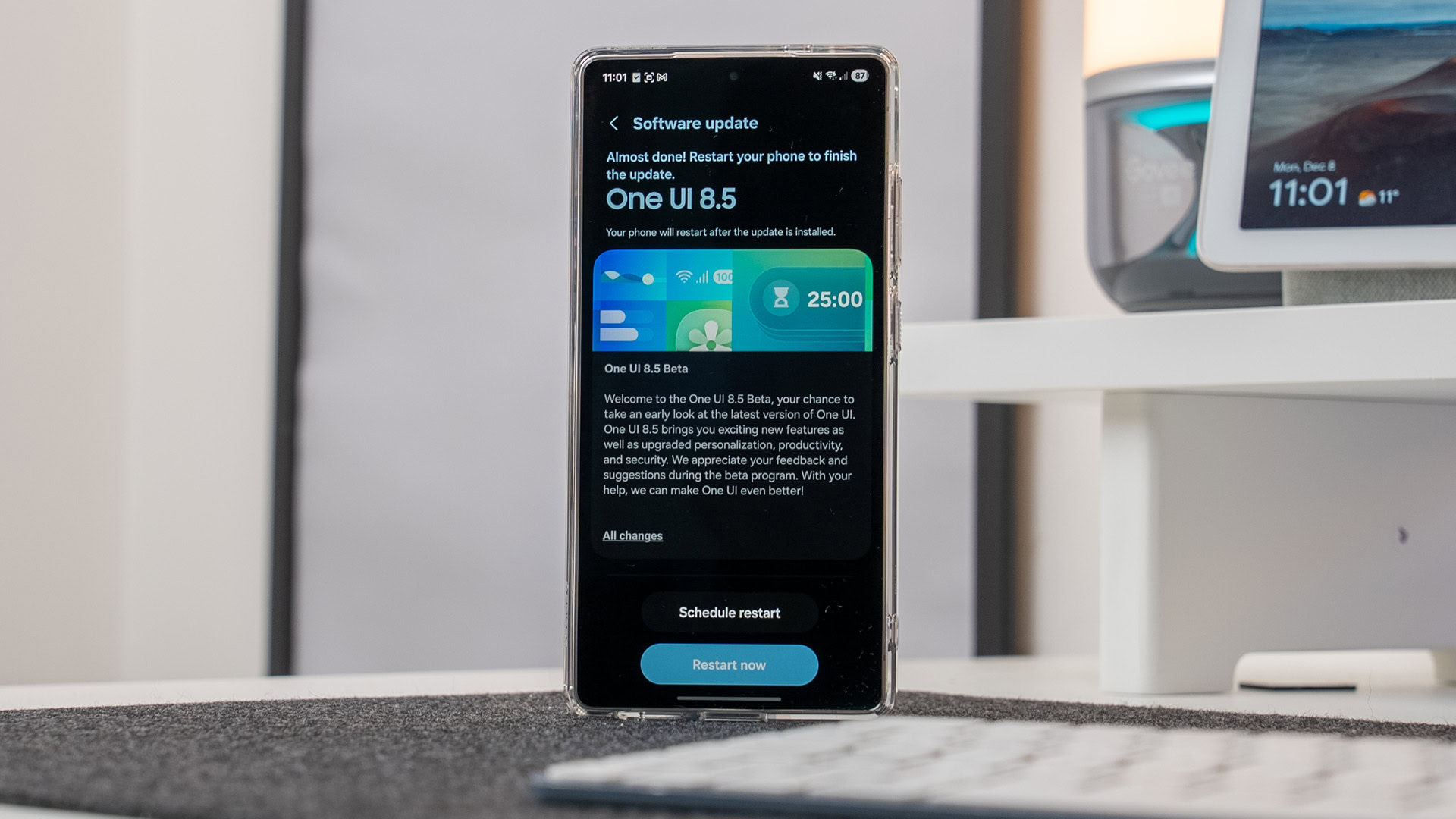
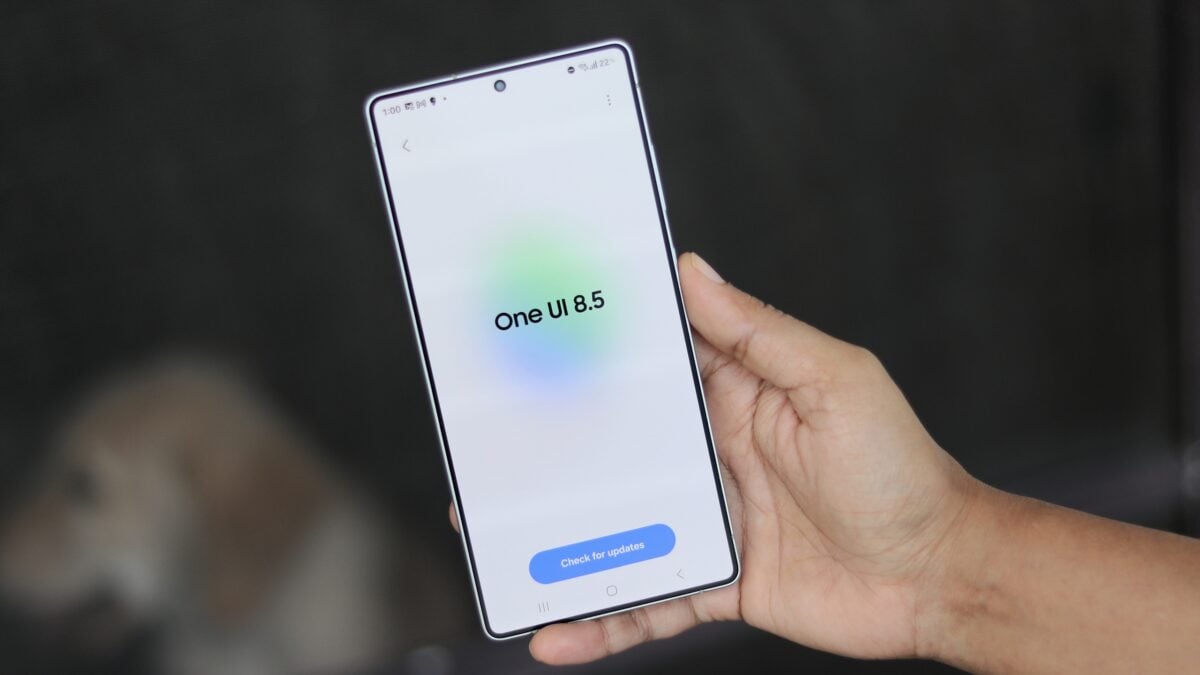
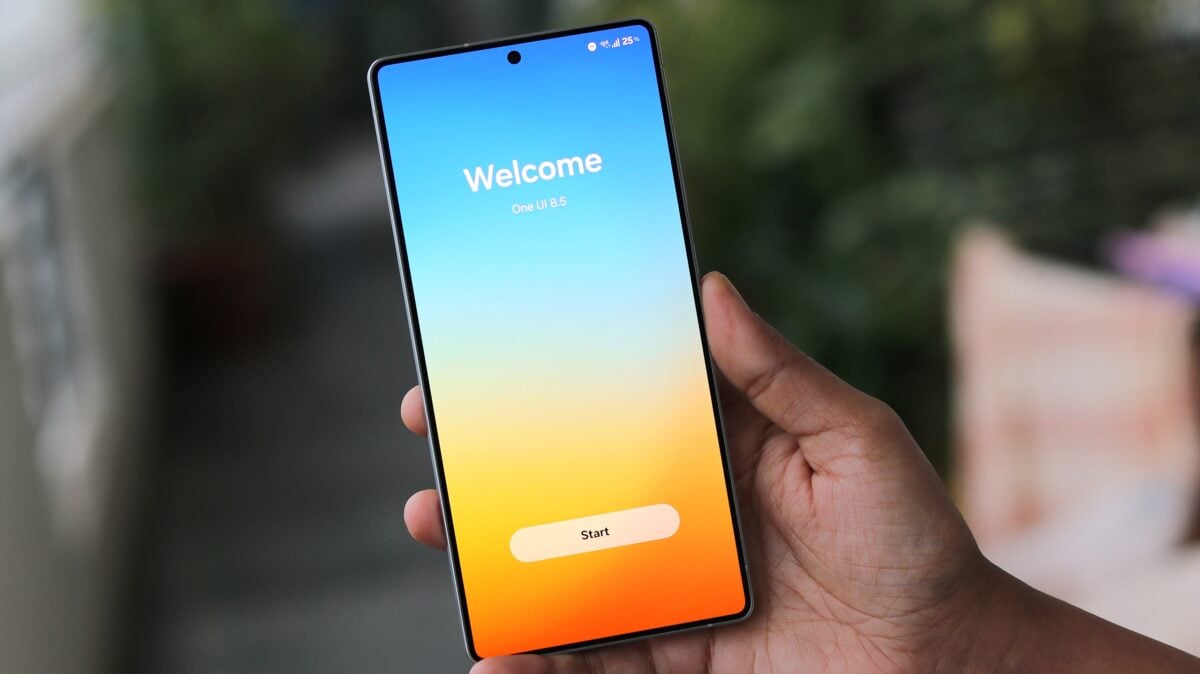
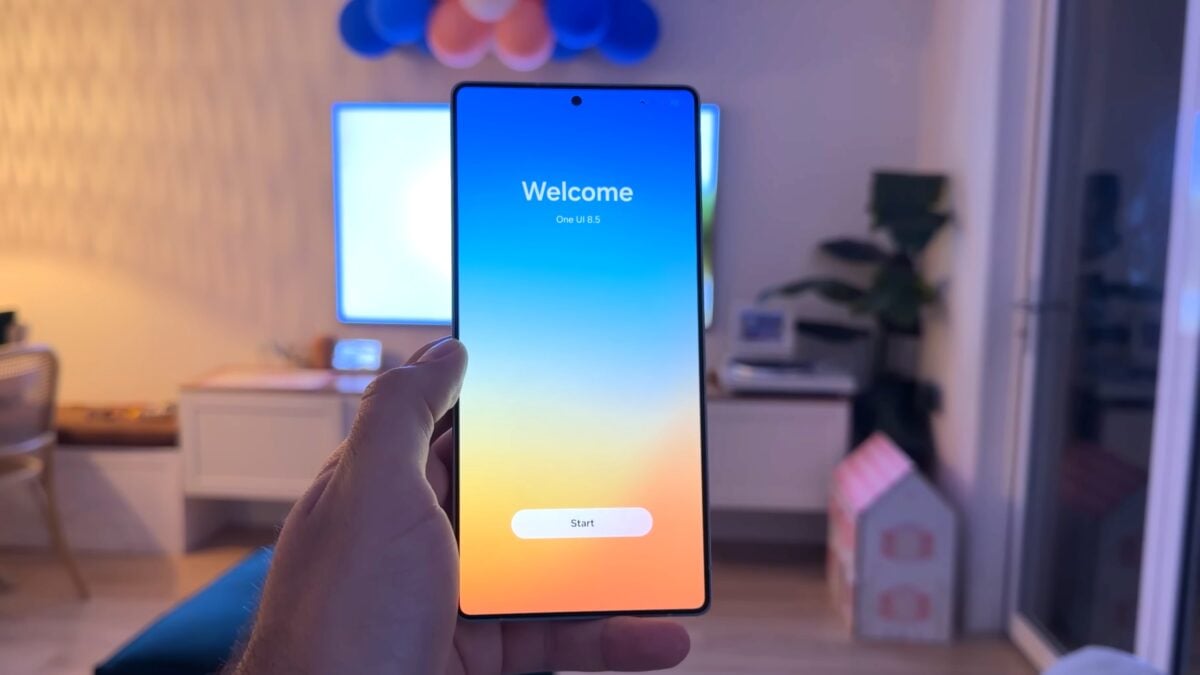
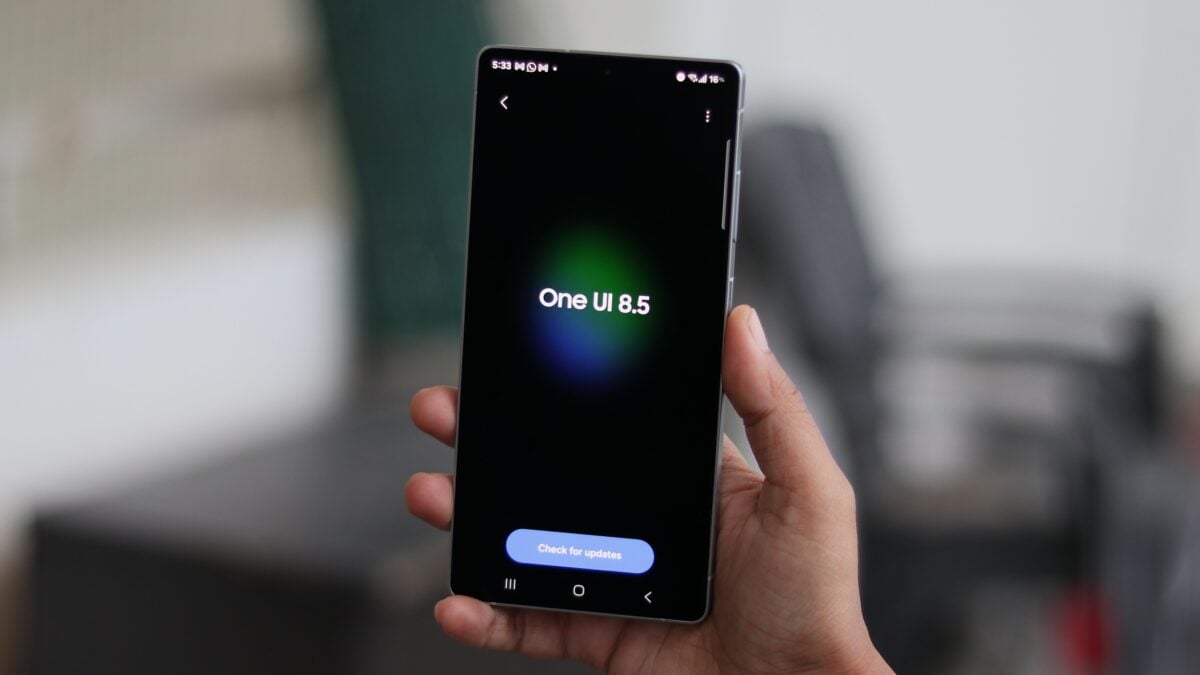
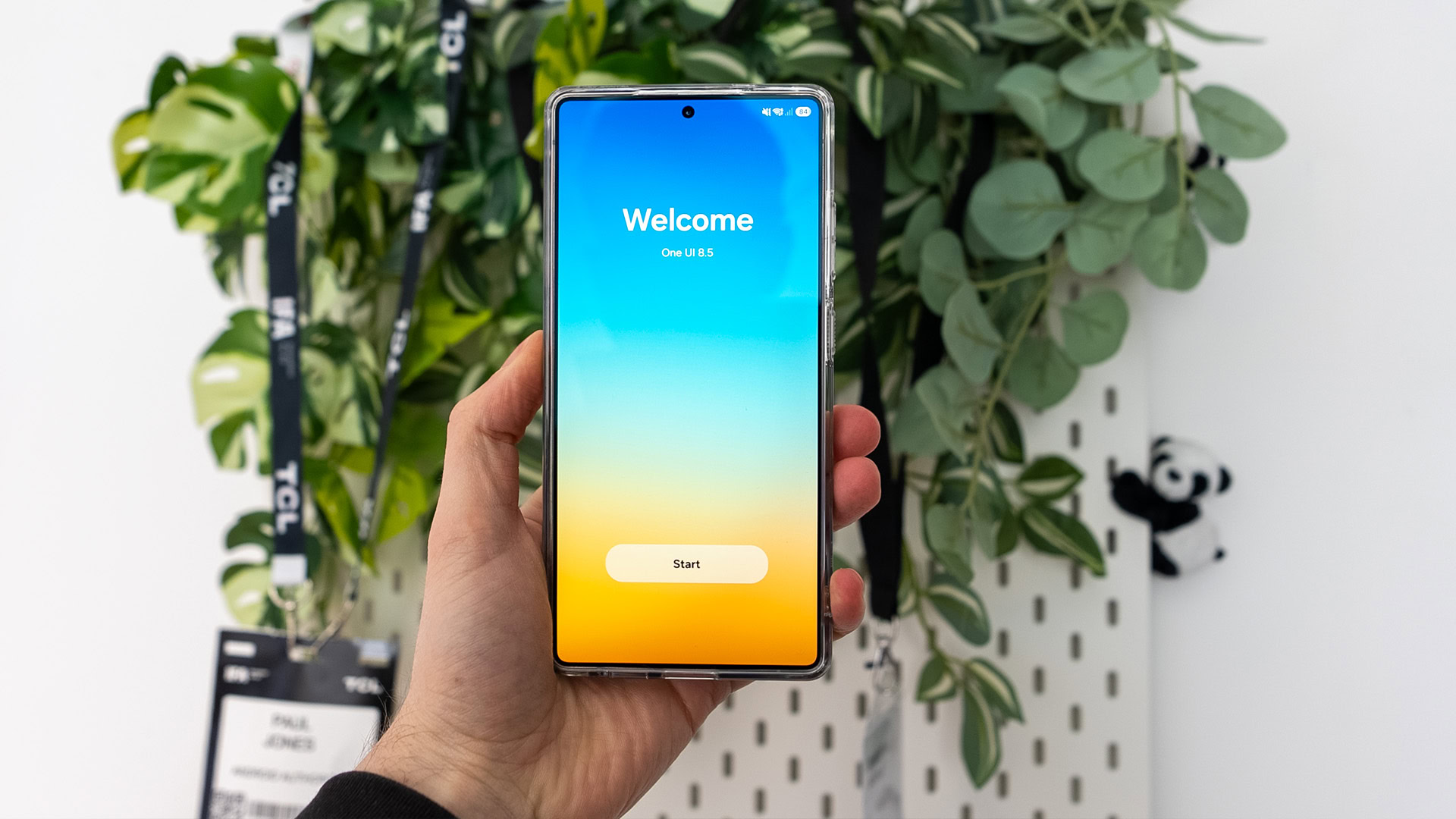
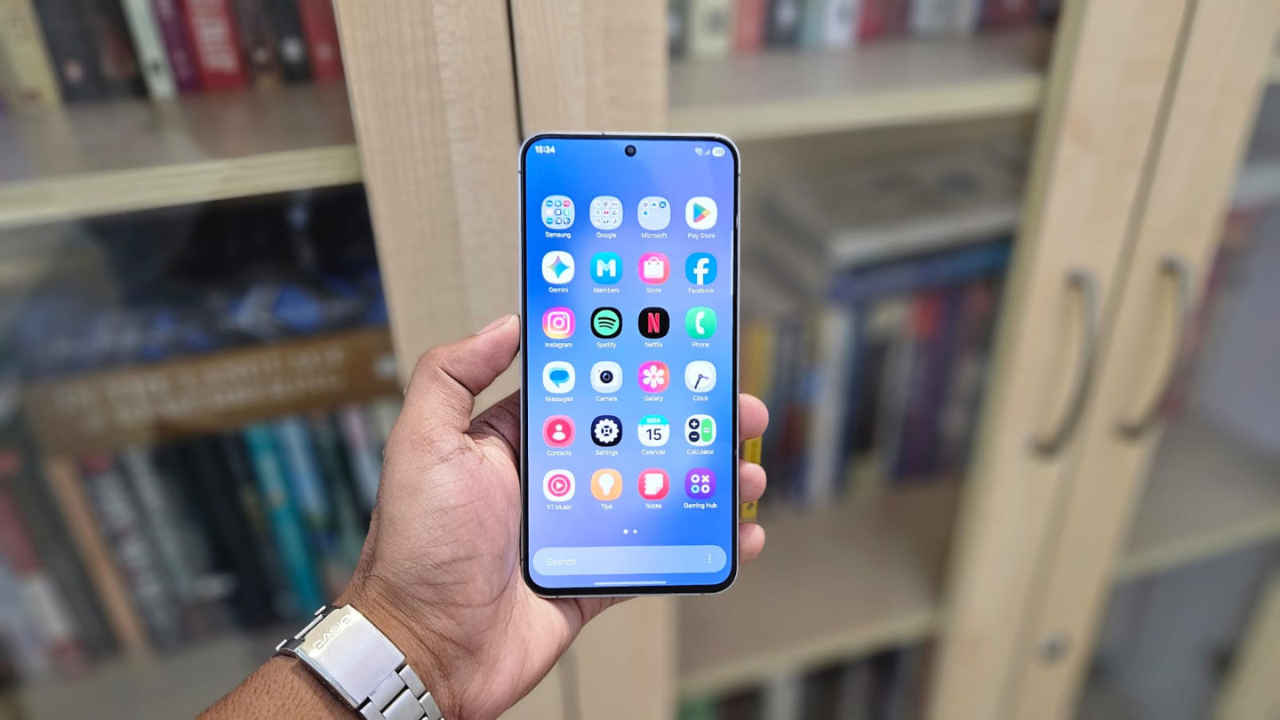
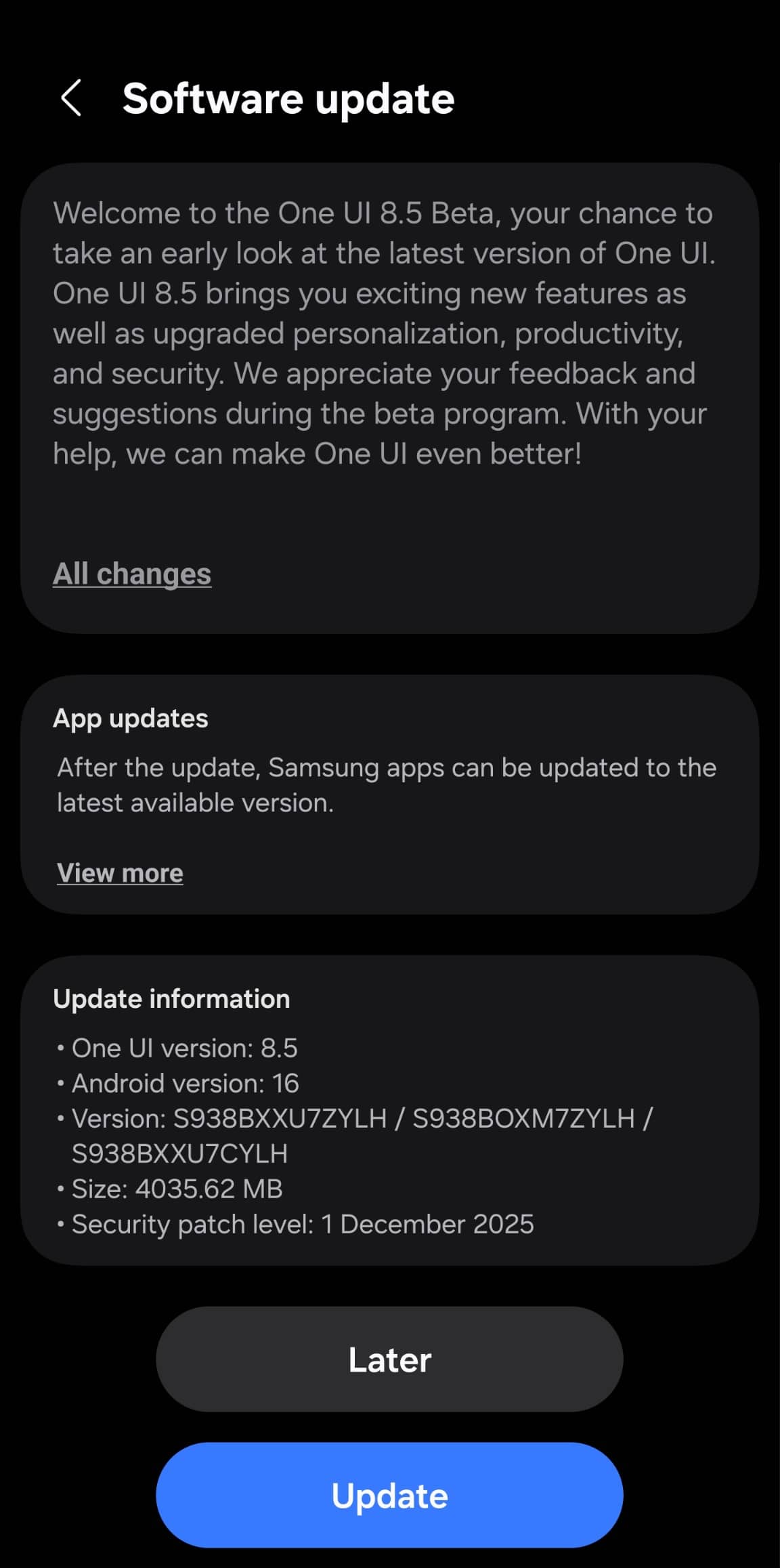
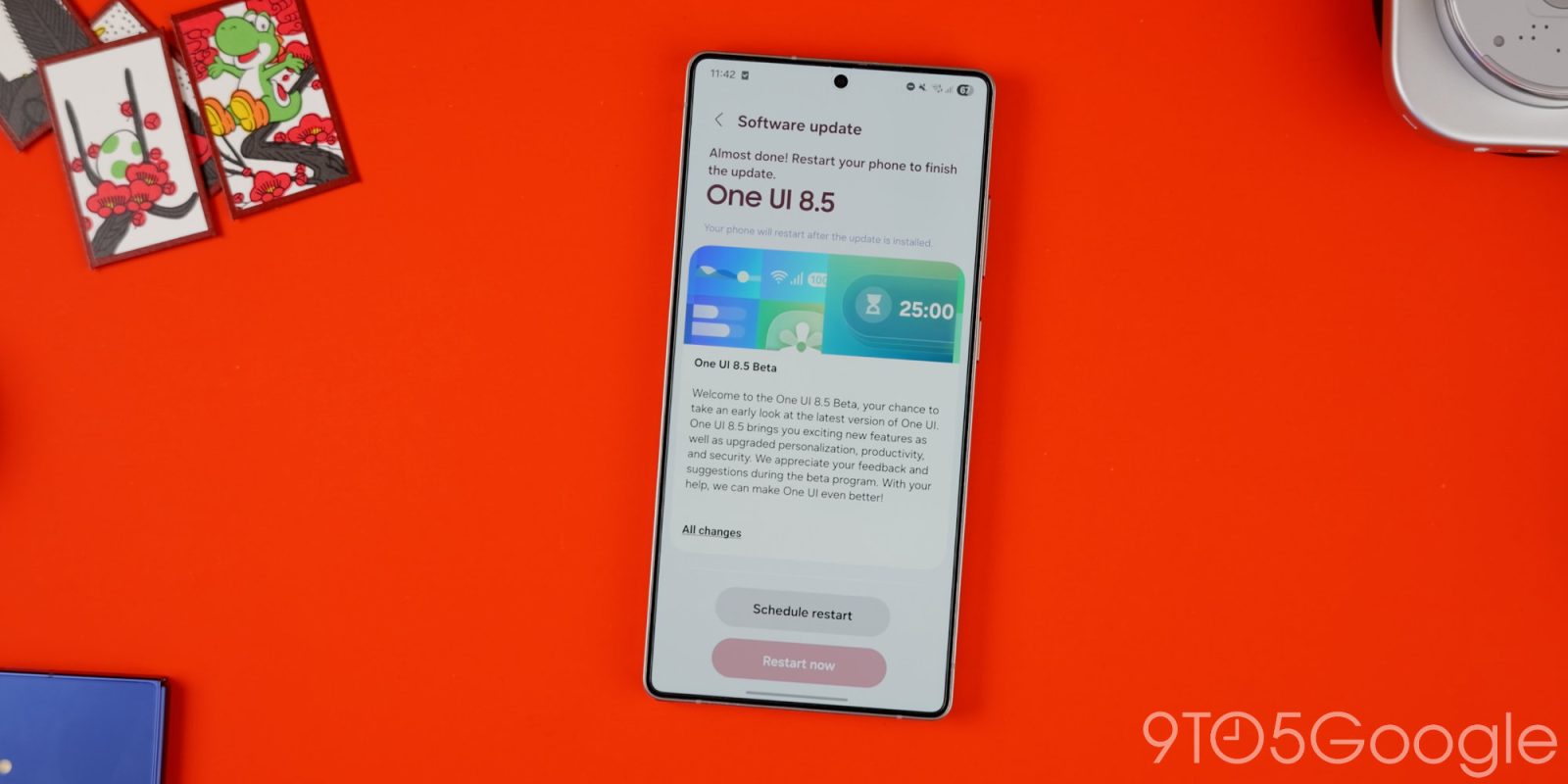
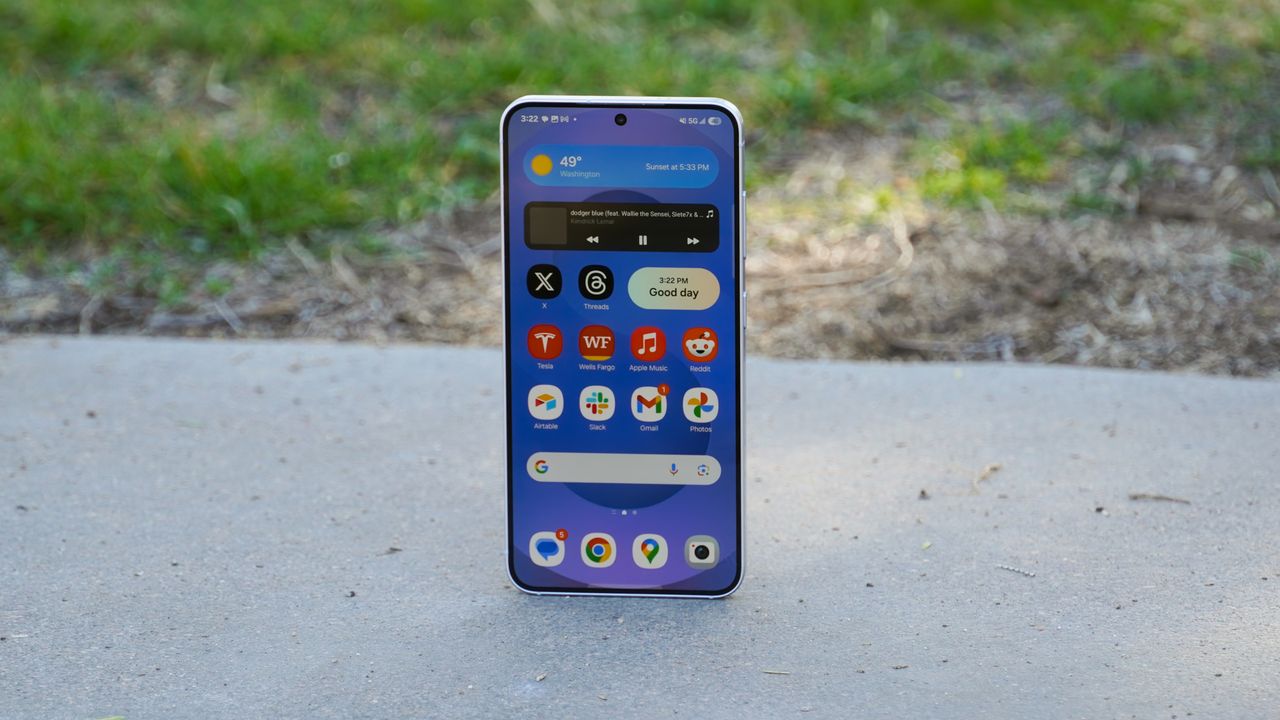
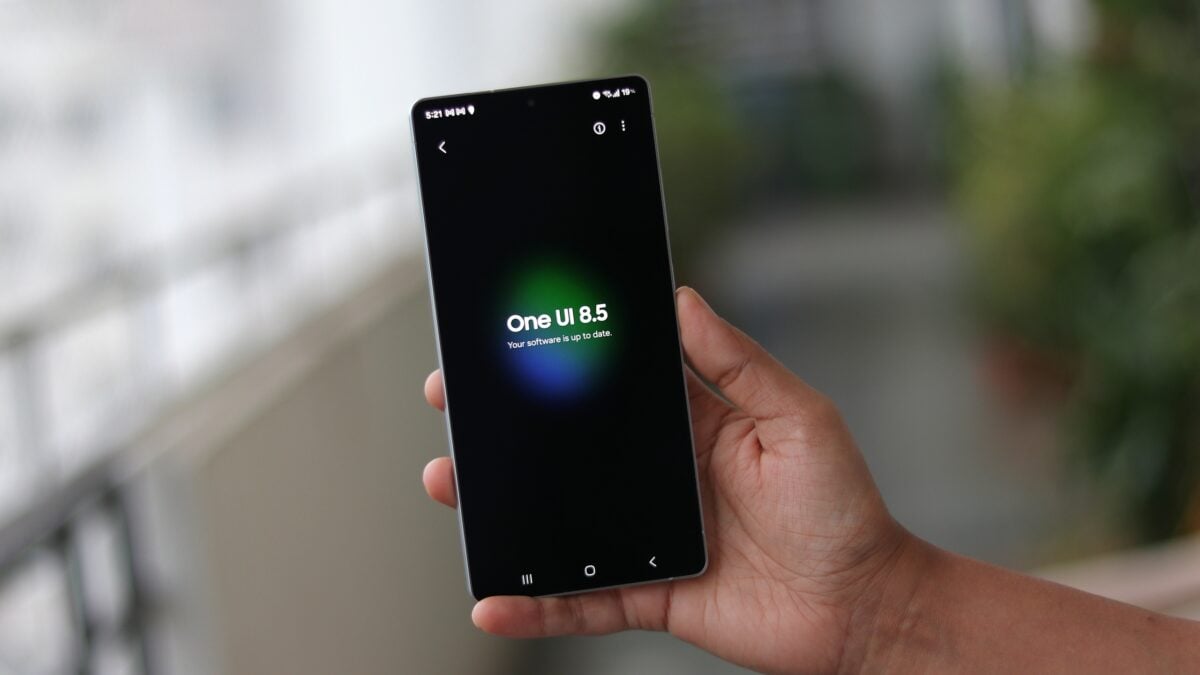
The smartphone software landscape is experiencing a critical inflection point where AI integration and user experience are colliding in unprecedented ways. Samsung's recent One UI 8.5 beta release for the Galaxy S25 series reveals the complex challenges facing modern mobile platforms: how to innovate without overwhelming users.
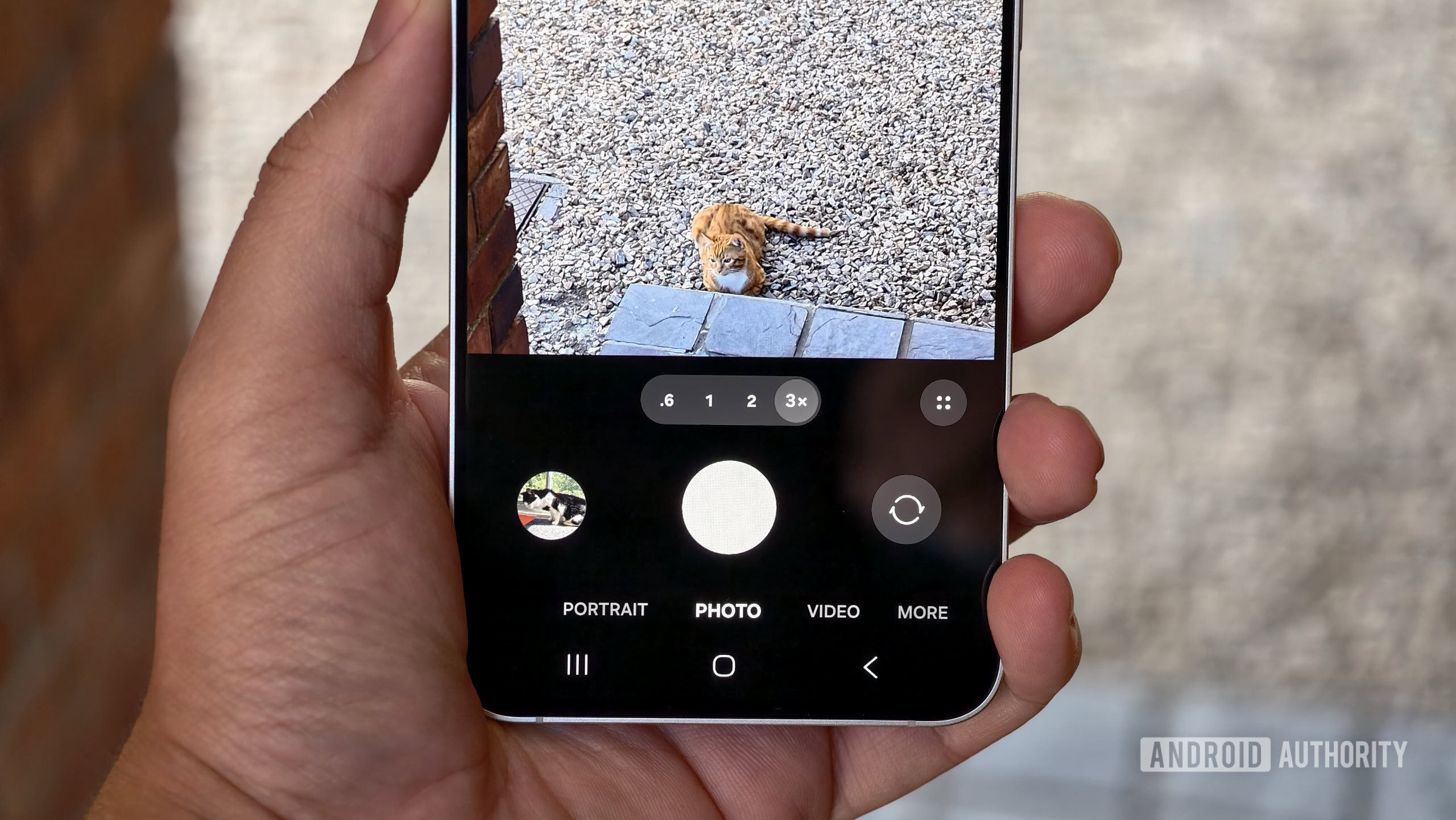
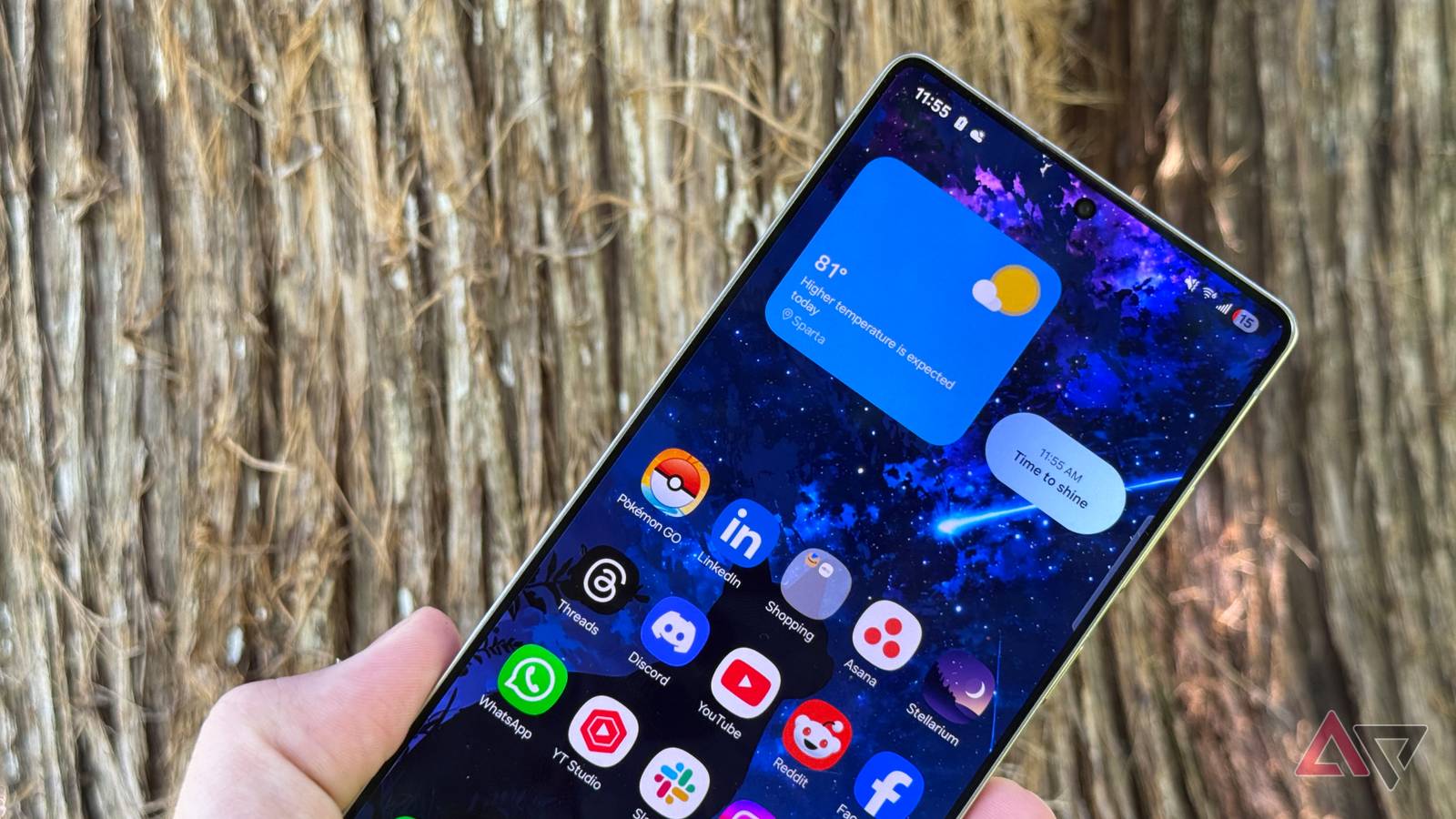
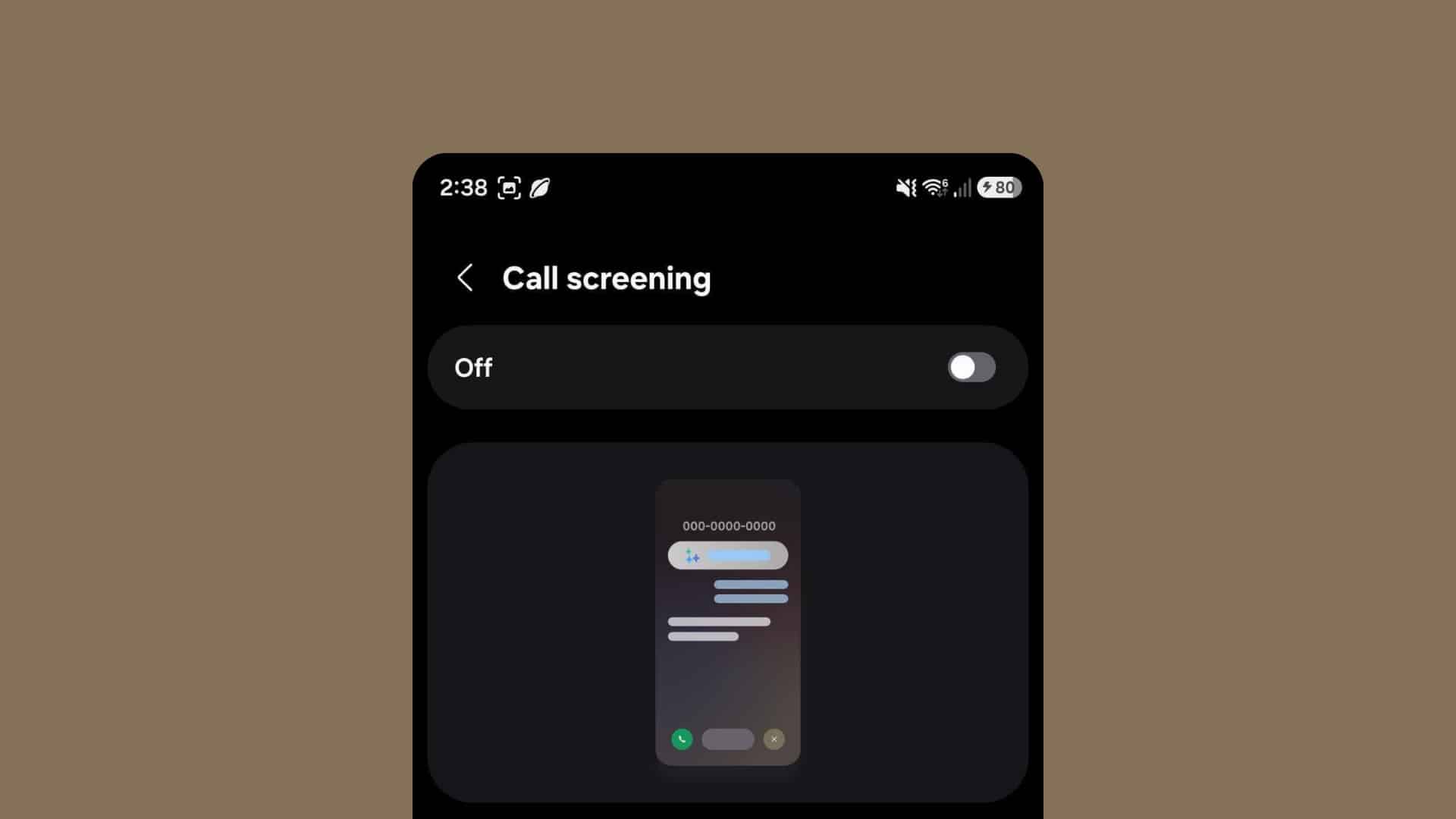
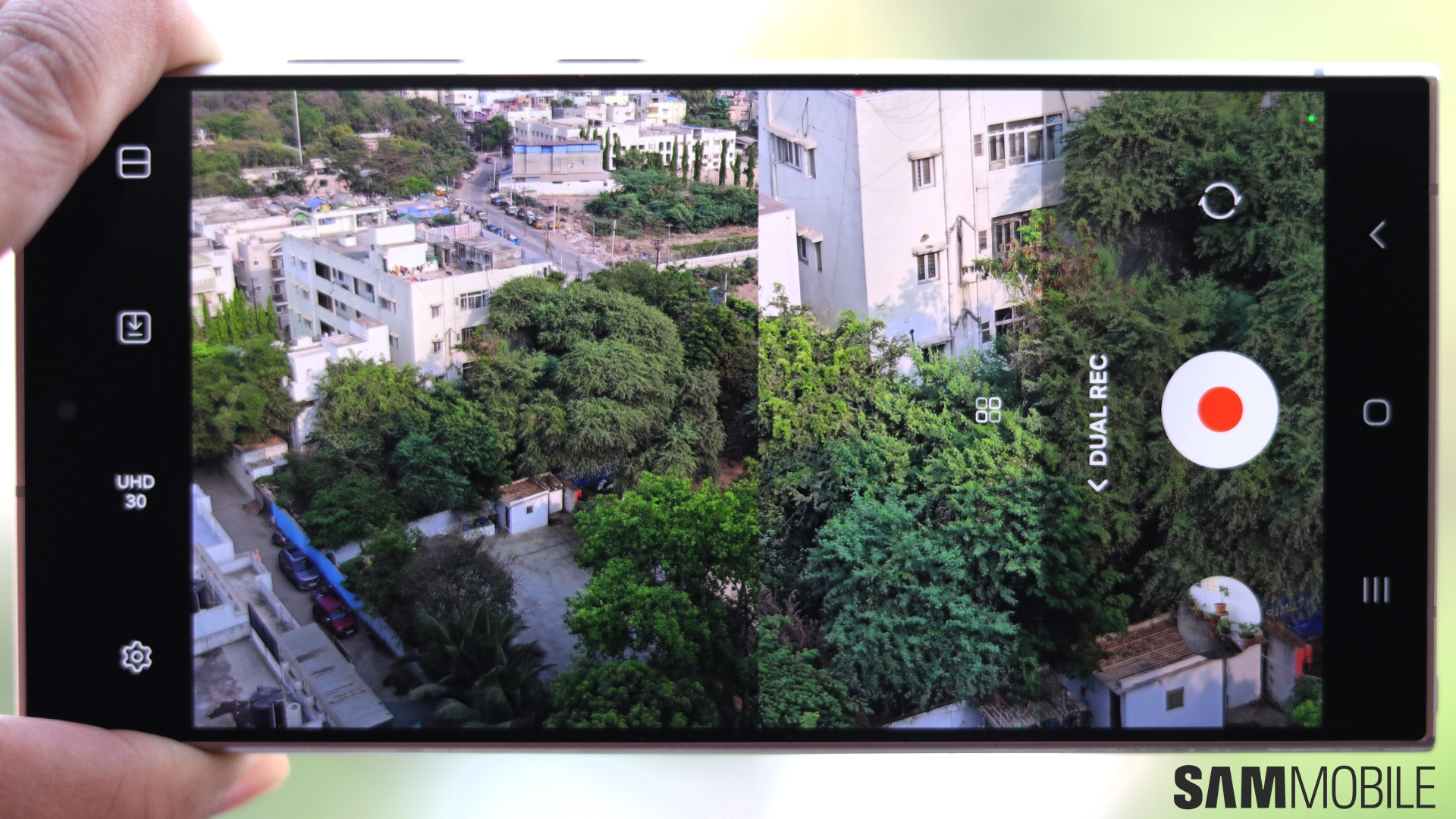
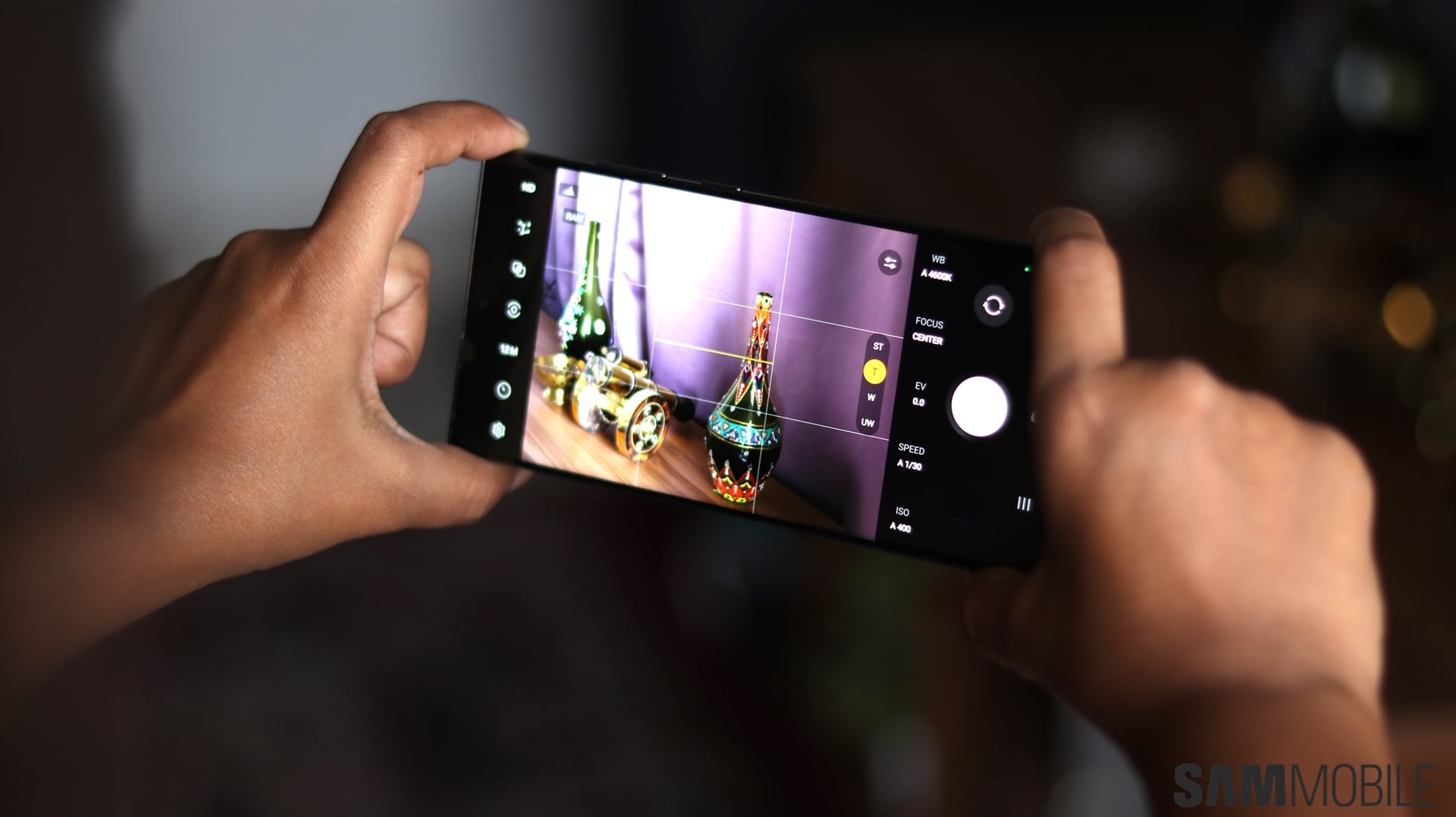
Strategic Software Complexity Emerges as a Critical Battleground. The beta update demonstrates Samsung's aggressive approach to feature development, introducing over eight significant improvements including AI-powered image editing, enhanced lock screen customizations, and Bluetooth Auracast improvements. However, this strategy is simultaneously being challenged by user sentiment, as exemplified by the critical perspective from a long-time Pixel user who argues that Samsung's opt-out feature approach creates unnecessary complexity.
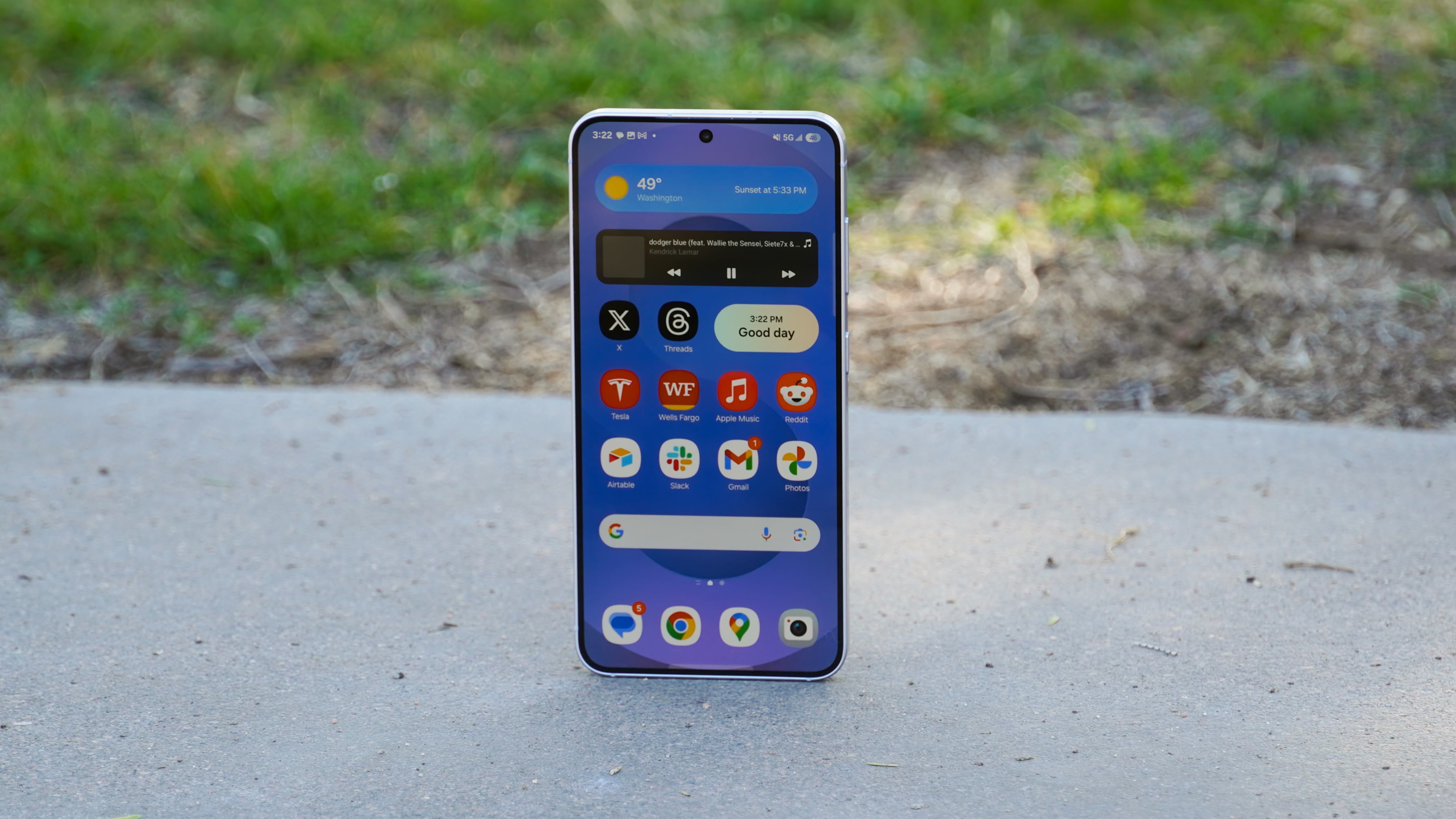
The core tension lies in AI implementation philosophy. Samsung appears to be pursuing a comprehensive, feature-rich approach, integrating AI across multiple touchpoints. Yet, the critical analysis suggests that quantity does not equal quality. The journalist's critique highlights a fundamental challenge: users prefer meaningful, streamlined AI experiences over broad, potentially superficial implementations. This signals a critical pivot point where smartphone manufacturers must carefully curate their AI strategies.
Update Reliability Becomes a Competitive Differentiator. The six-month delay in Android 15 (One UI 7) for the Galaxy S24 series stands in stark contrast to Pixel's day-one updates, undermining Samsung's long-term software support narrative. This delay represents more than a technical inconvenience—it's a strategic vulnerability in an increasingly competitive smartphone market where software experience can determine brand loyalty.
The beta program's expansion to India and Poland also reveals Samsung's commitment to iterative development. By involving users directly in the refinement process, the company is attempting to bridge the gap between ambitious feature development and genuine user needs. This approach demonstrates a nuanced understanding that modern smartphone software is less about technological showmanship and more about creating genuinely useful, intuitive experiences.
问题 3
Why are Samsung's AI features being criticized despite their technological complexity?
The criticism stems from Samsung's 'opt-out' approach, which overwhelms users with features they didn't request. Unlike Google's Pixel, which offers opt-in AI experiences, Samsung's implementation feels cluttered and lacks focused utility. The key is not just having AI capabilities, but delivering meaningful, user-centric innovations.
How significant are software update delays for smartphone manufacturers?
Update delays can critically damage brand perception and user trust. The six-month delay for Galaxy S24's Android 15 update undermines Samsung's commitment to long-term software support. In a market where software experience is increasingly crucial, such delays can drive users to more responsive platforms like Google Pixel.