


Infrastructure Vulnerability Exposed: The Shocking Collapse of Llangollen Canal's Historic Embankment
- Aging Canal Infrastructure Reveals Critical Maintenance Challenges for Historic Waterways



















概览
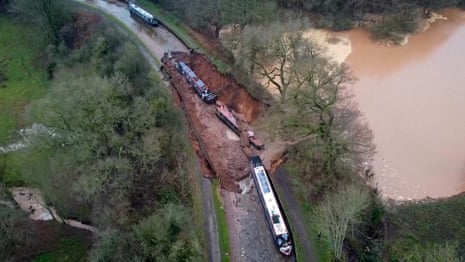
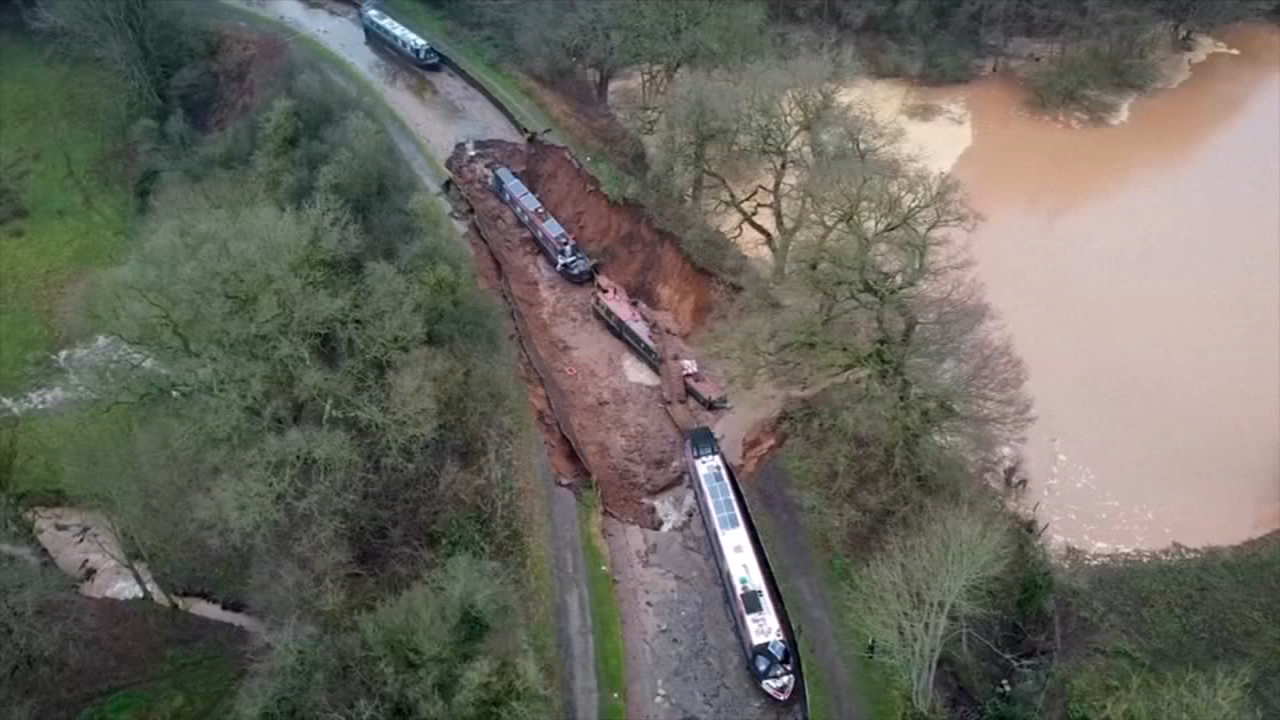
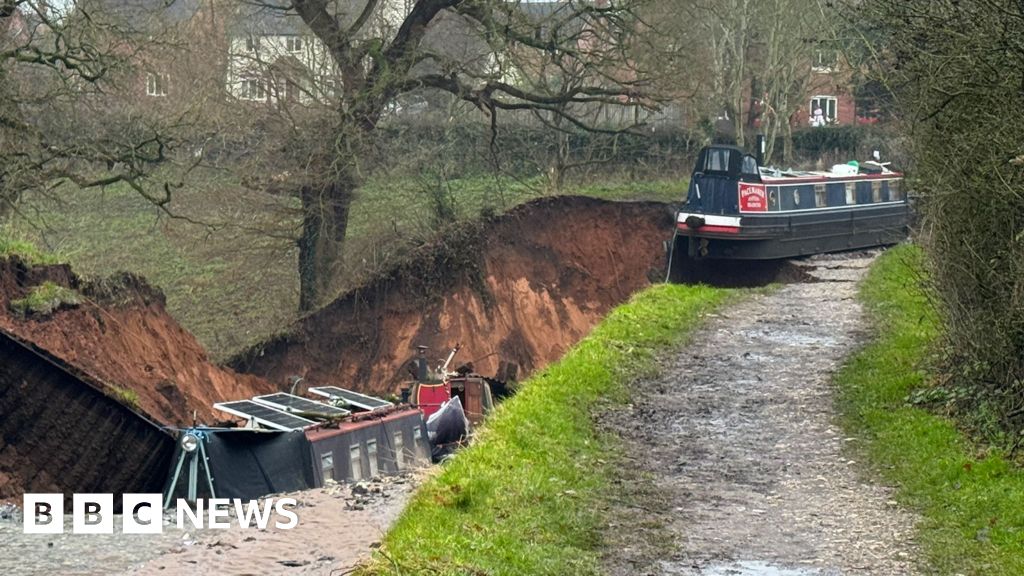
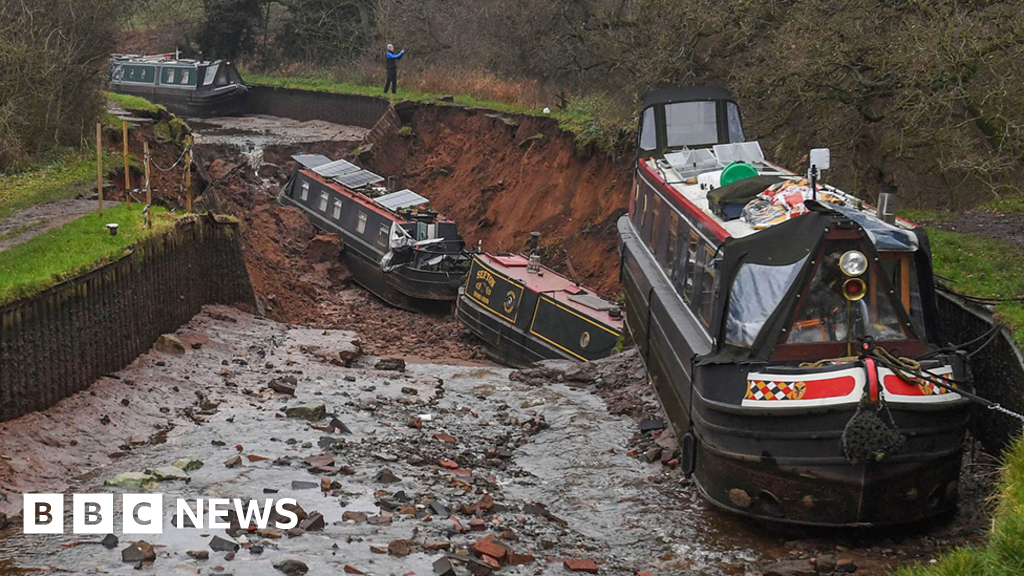
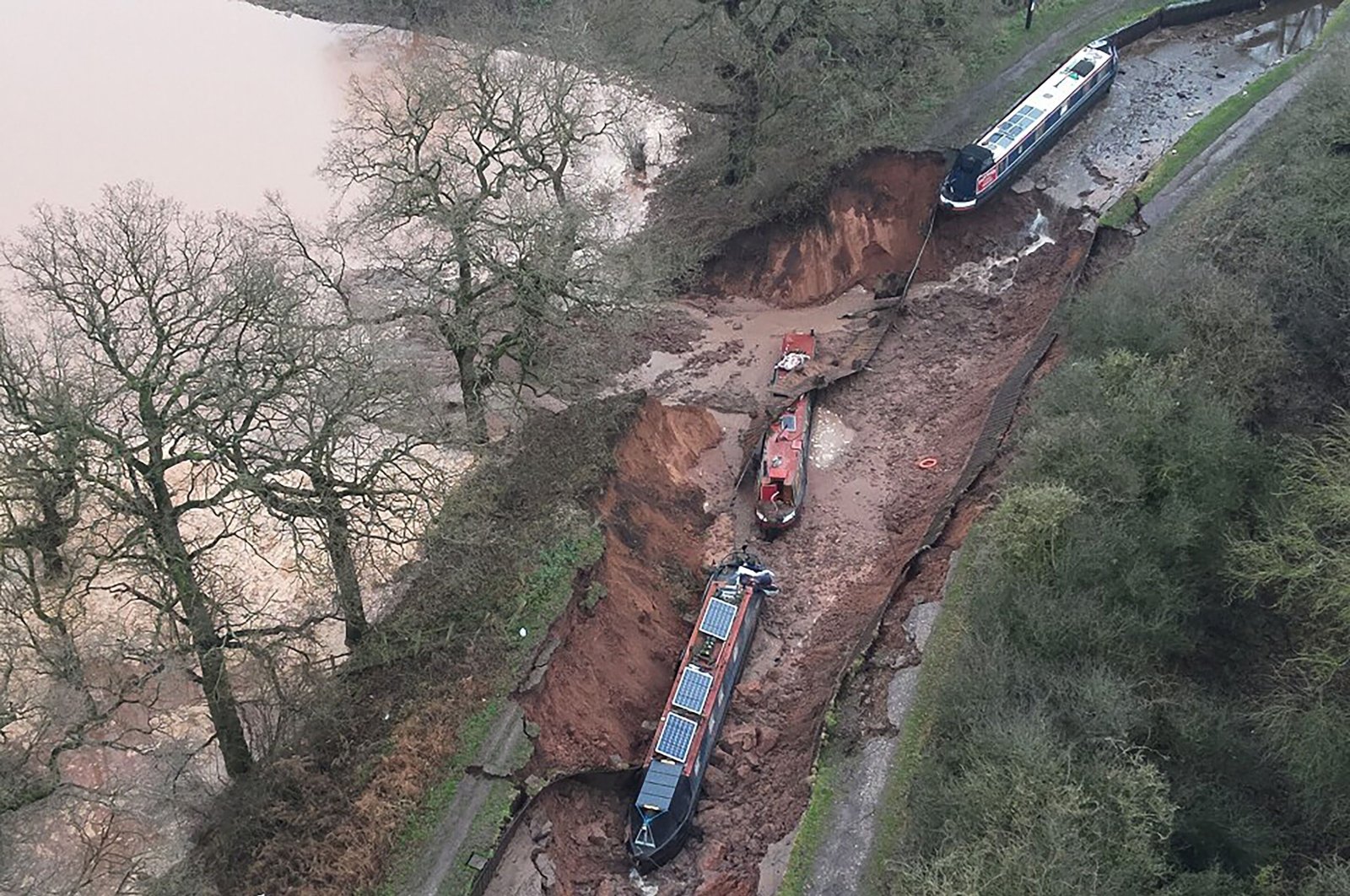
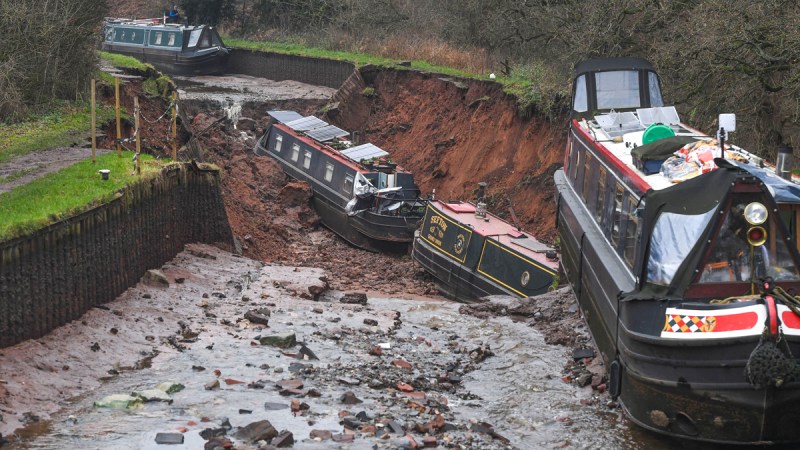
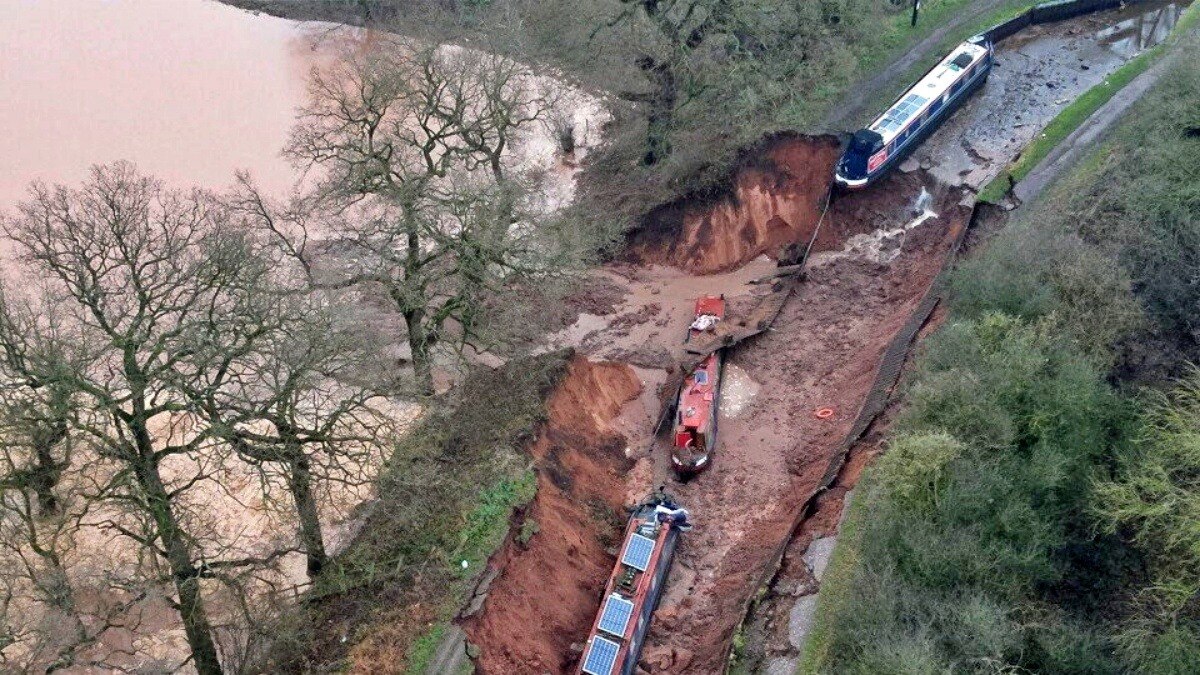
The sudden and catastrophic collapse of the Llangollen Canal embankment in Whitchurch, Shropshire represents a critical wake-up call for infrastructure management and the fragile ecosystem of historic waterways. On a quiet Christmas morning, a massive infrastructure failure transformed the tranquil canal into a scene of dramatic disruption, leaving dozens of liveaboard boaters stranded and exposing the potential vulnerabilities of centuries-old engineering.
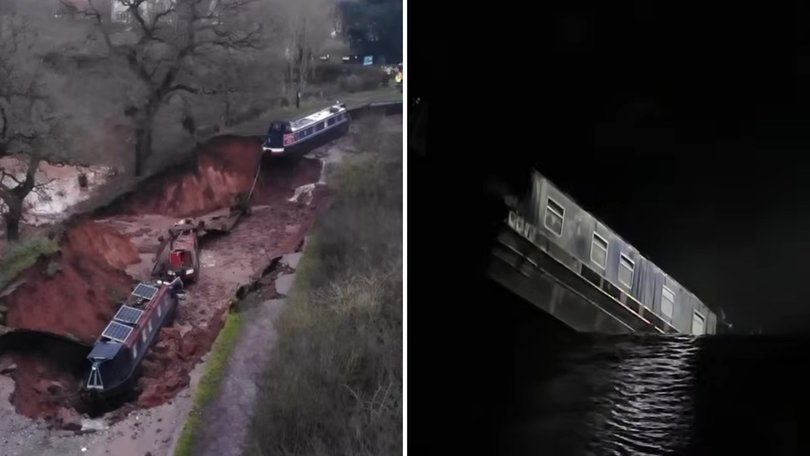
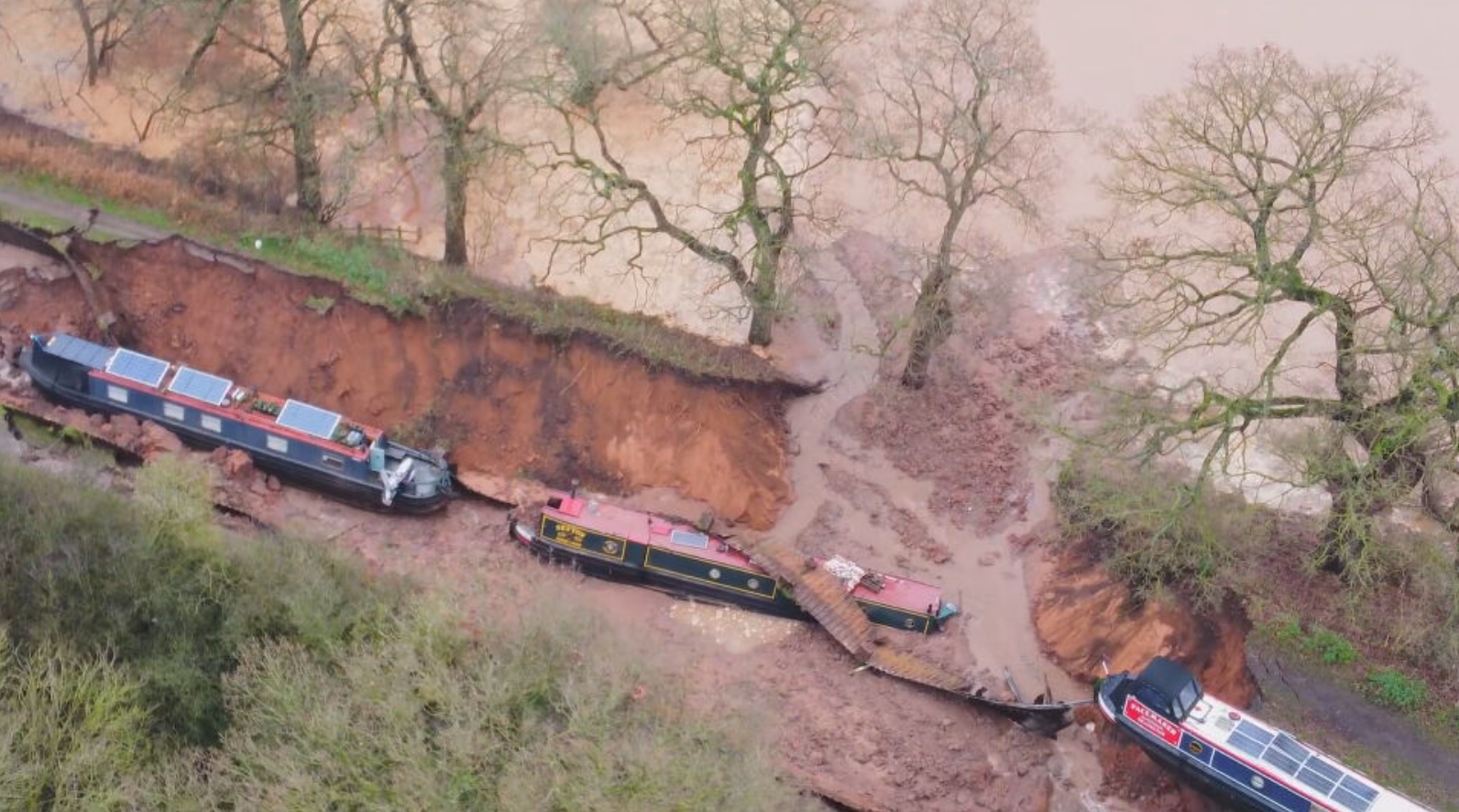
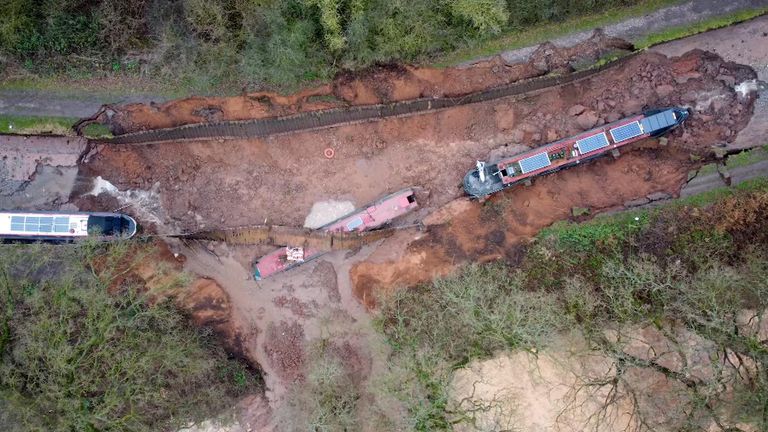
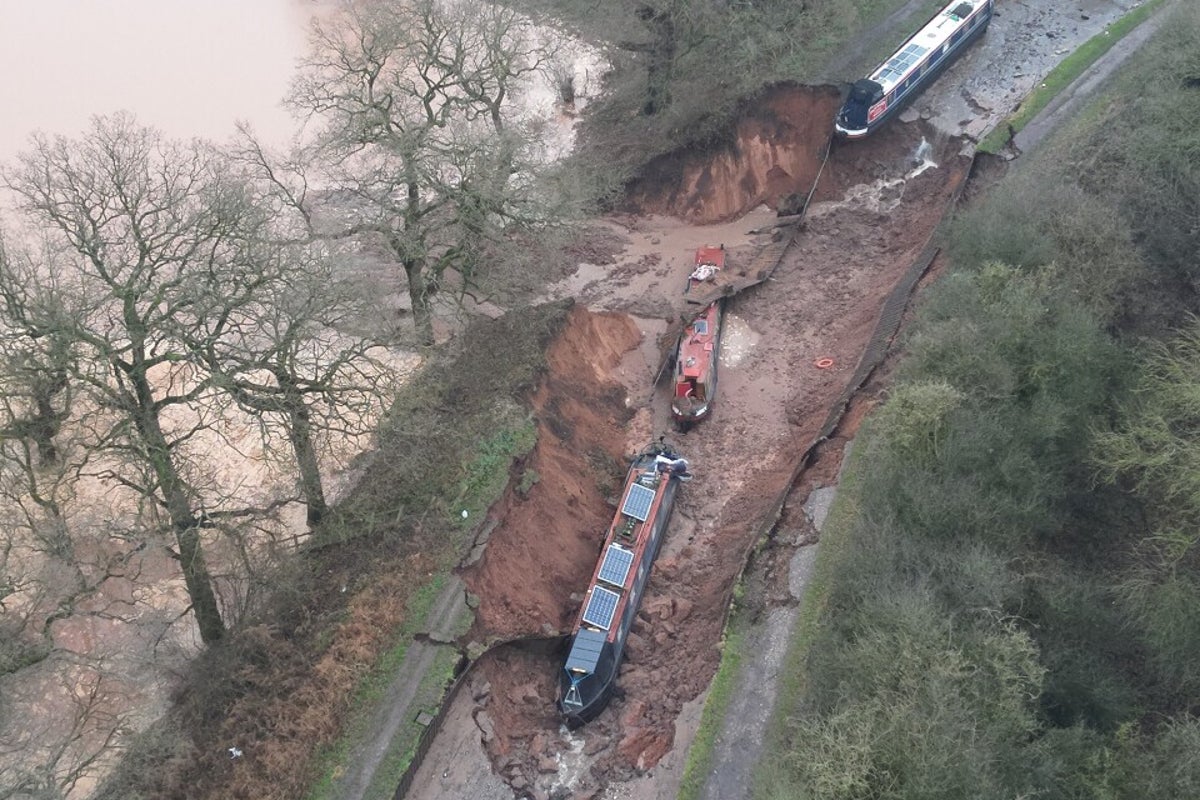
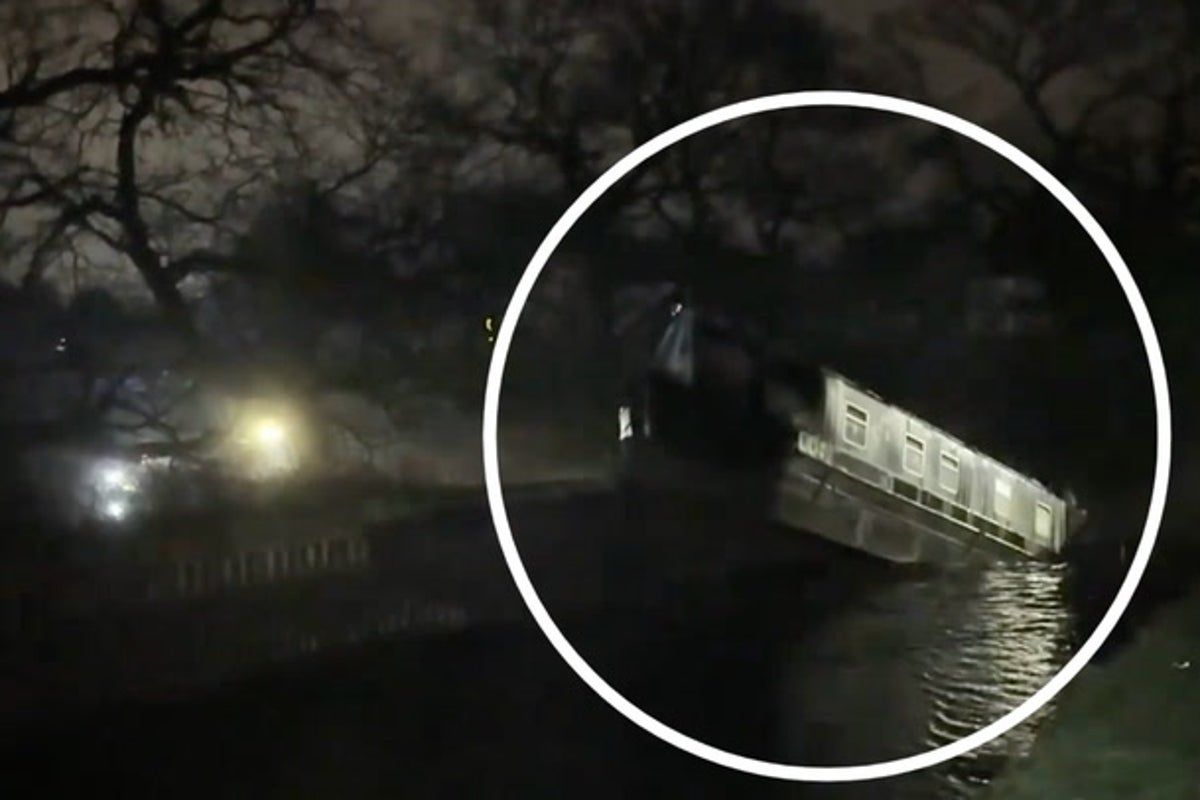
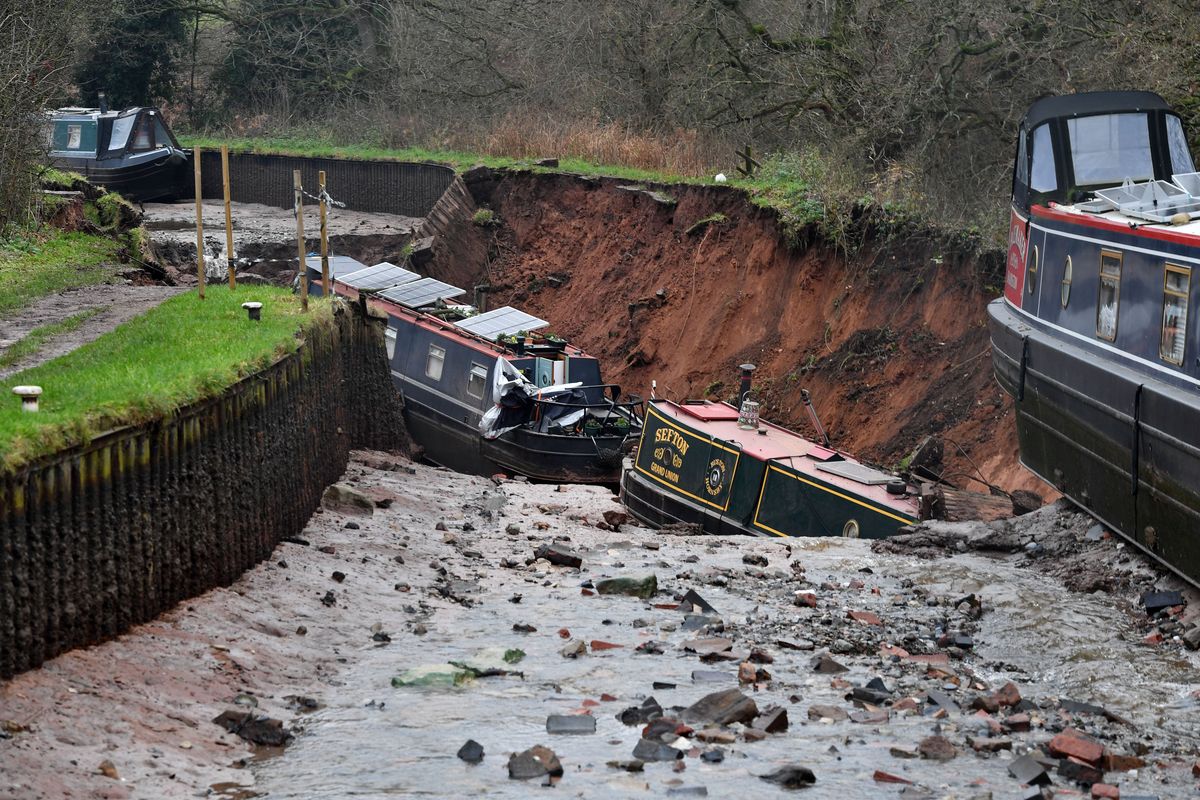
Structural Vulnerability Unveiled: The embankment's unexpected failure—creating a massive 15ft deep and 150-180ft long crater—highlights the hidden risks lurking within long-standing infrastructure. Witnesses like Lorraine Barlow reported unusual currents and tilting before the collapse, suggesting potential underlying structural weaknesses that had been developing unnoticed. The Canal and River Trust's admission that the cause remains unknown is particularly alarming, indicating potential systemic blind spots in infrastructure monitoring.
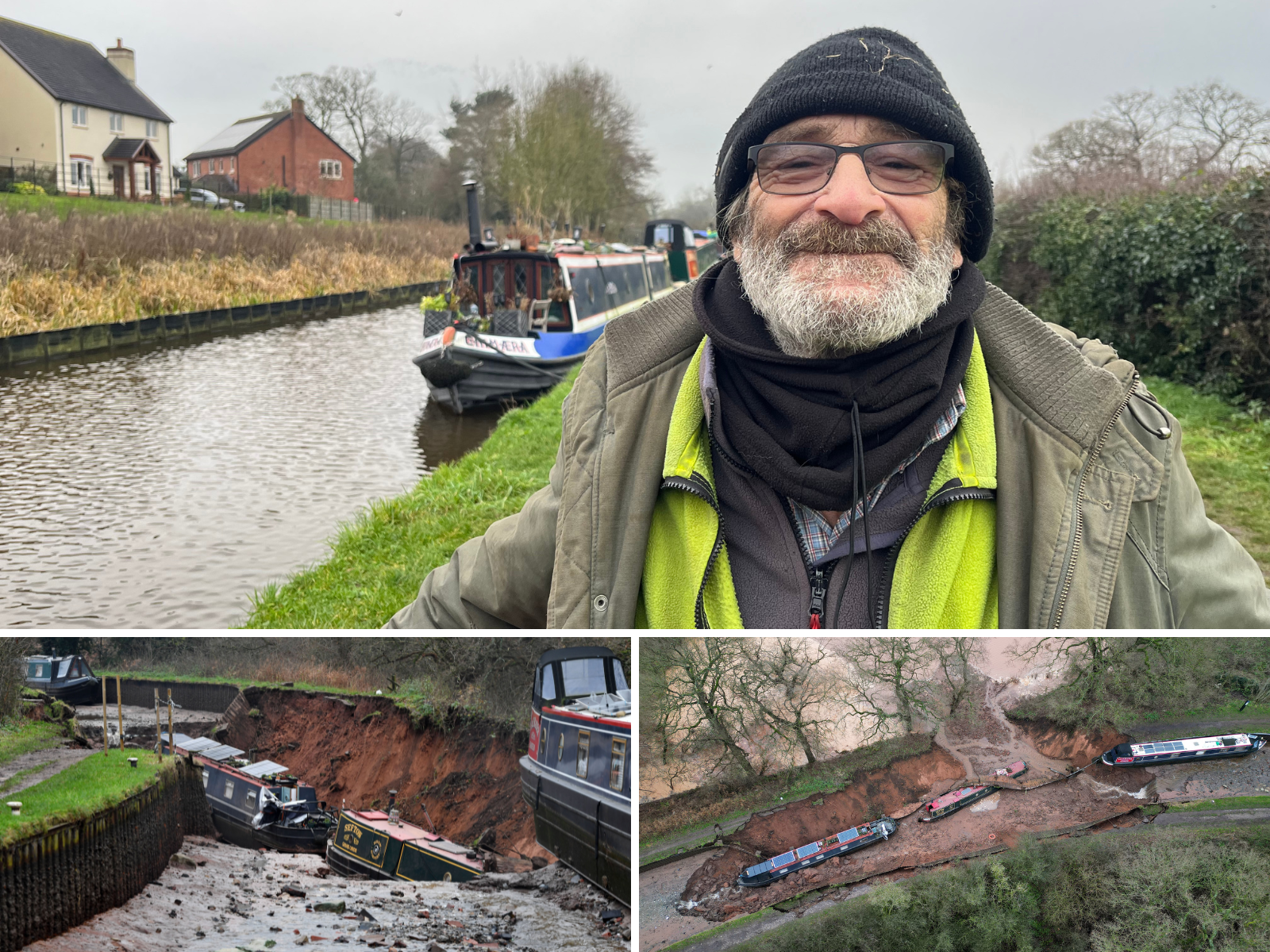
Human Impact and Resilience: Beyond the physical destruction, the incident dramatically illustrates the profound personal consequences of infrastructure failure. Boaters like Geoff and Pamela Poole, American retirees who had just purchased their boat, found their Christmas plans abruptly shattered. The incident transformed boats from homes into immobilized vessels, with approximately 15 people evacuated and multiple narrowboats sinking into the newly formed cavity. Yet, the community's response—with Norbury Wharf offering emergency accommodation and local friends providing support—demonstrates remarkable social resilience.
Broader Implications: This incident is not merely a localized event but a potential harbinger of broader infrastructure challenges. The 200-year-old canal structure, despite regular inspections, unexpectedly failed, releasing approximately one million gallons of water and creating a landscape that local councillors described as looking like a "bomb had gone off". The event underscores the critical need for advanced monitoring technologies, predictive maintenance strategies, and substantial investment in aging infrastructure.
Strategic recommendations emerge clearly: infrastructure managers must move beyond periodic visual inspections to implement sophisticated monitoring systems that can detect subtle structural changes before catastrophic failures occur. The economic and human costs of such incidents far outweigh the investments required for proactive maintenance.
问题 3
What are the potential long-term implications of this infrastructure failure?
The incident highlights critical vulnerabilities in aging infrastructure, suggesting the need for more advanced monitoring technologies and proactive maintenance strategies. It demonstrates that periodic visual inspections may be insufficient to prevent catastrophic failures in historic waterway systems.
How many people were affected by the canal embankment failure?
Approximately 15 people were evacuated, with multiple boats stranded or sunk. The incident disrupted the lives of numerous liveaboard boaters, including retirees like Geoff and Pamela Poole, who were forced to abandon their Christmas boat plans.