
AI Disruption Reshapes Electronics Retail Landscape
- Price volatility triggers massive strategic realignment for physical and digital electronics sellers
概览
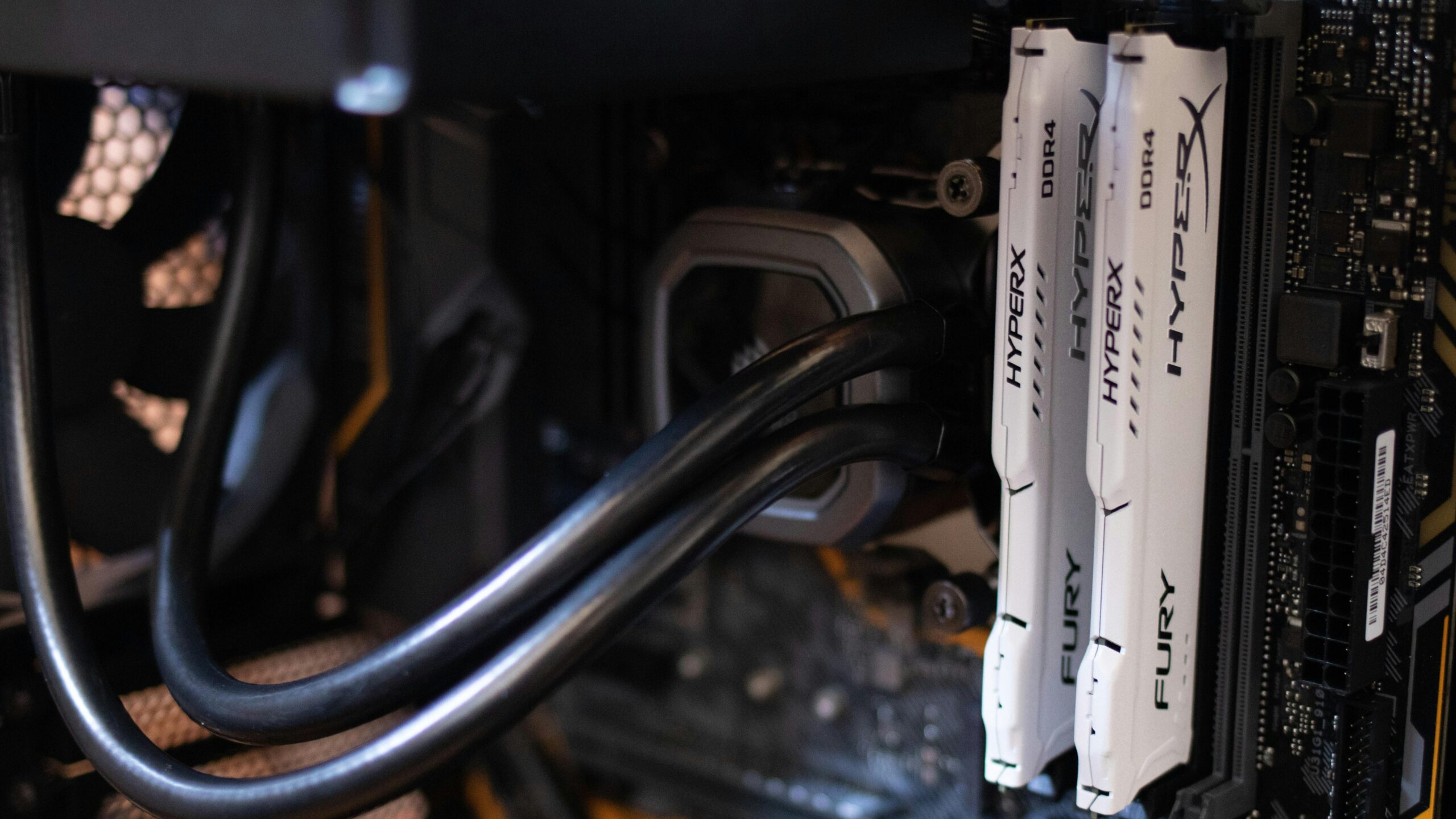
The electronics retail ecosystem is experiencing a profound transformation driven by unprecedented AI-related component dynamics. With DDR5 memory prices surging up to 150% between October and November, the market is witnessing a structural shift that fundamentally challenges traditional offline retail strategies in the technology sector.
Component Scarcity Redefines Retail Strategies: The AI boom is redirecting manufacturing capacity, creating a new competitive landscape where semiconductor priorities dramatically impact physical retail capabilities. Entry-level smartphones may see component costs rise by 57%, while laptops could become 10-15% more expensive, forcing retailers to reimagine their offline product positioning and pricing models.
Offline Retail Adaptation Imperative: Electronics retailers must rapidly evolve their offline strategies to navigate this volatile landscape. The traditional model of stocking and displaying consumer electronics is being disrupted by supply chain constraints and AI-driven manufacturing prioritization. Successful offline retailers will need to develop more agile sourcing strategies, potentially reducing physical inventory and focusing on experiential showrooming rather than traditional stock-heavy approaches.
Strategic Implications for Physical Stores: The current market transformation appears structural and long-term, with analysts suggesting no immediate relief in sight. Physical electronics retailers must now view their offline spaces as strategic brand touchpoints rather than traditional sales floors. This means investing in interactive experiences, demonstration zones, and value-added services that cannot be replicated online, while maintaining extreme flexibility in product availability and pricing.
The convergence of AI-driven component shortages and manufacturing shifts is creating a new retail paradigm where offline electronics stores must become more strategic, more experiential, and more adaptable than ever before.
问题 3
How are AI-related component shortages impacting offline electronics retail?
AI demand is redirecting manufacturing capacity, causing significant price increases and inventory challenges. Retailers must adapt by creating more experiential store environments, reducing traditional inventory, and focusing on value-added services that differentiate physical stores from online platforms.
How long are these semiconductor and component market disruptions expected to last?
Analysts suggest these structural changes are likely to persist for several years, with AI-related demand consistently outpricing traditional consumer electronics manufacturing. Retailers must view this as a long-term strategic shift, not a temporary market fluctuation.