


China's Military Leadership Crisis | Cross-Border Sellers Face Supply Chain Uncertainty
- Xi's purge of top generals signals potential policy shifts affecting manufacturing, export controls, and trade relationships with 2.3M+ cross-border sellers sourcing from China

































概览
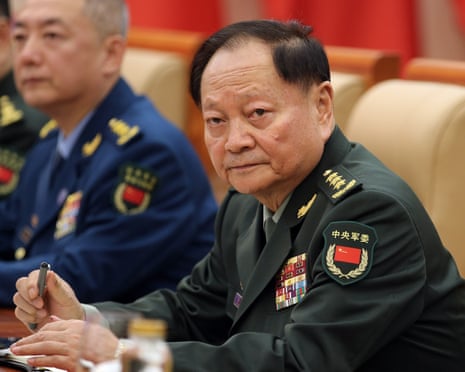
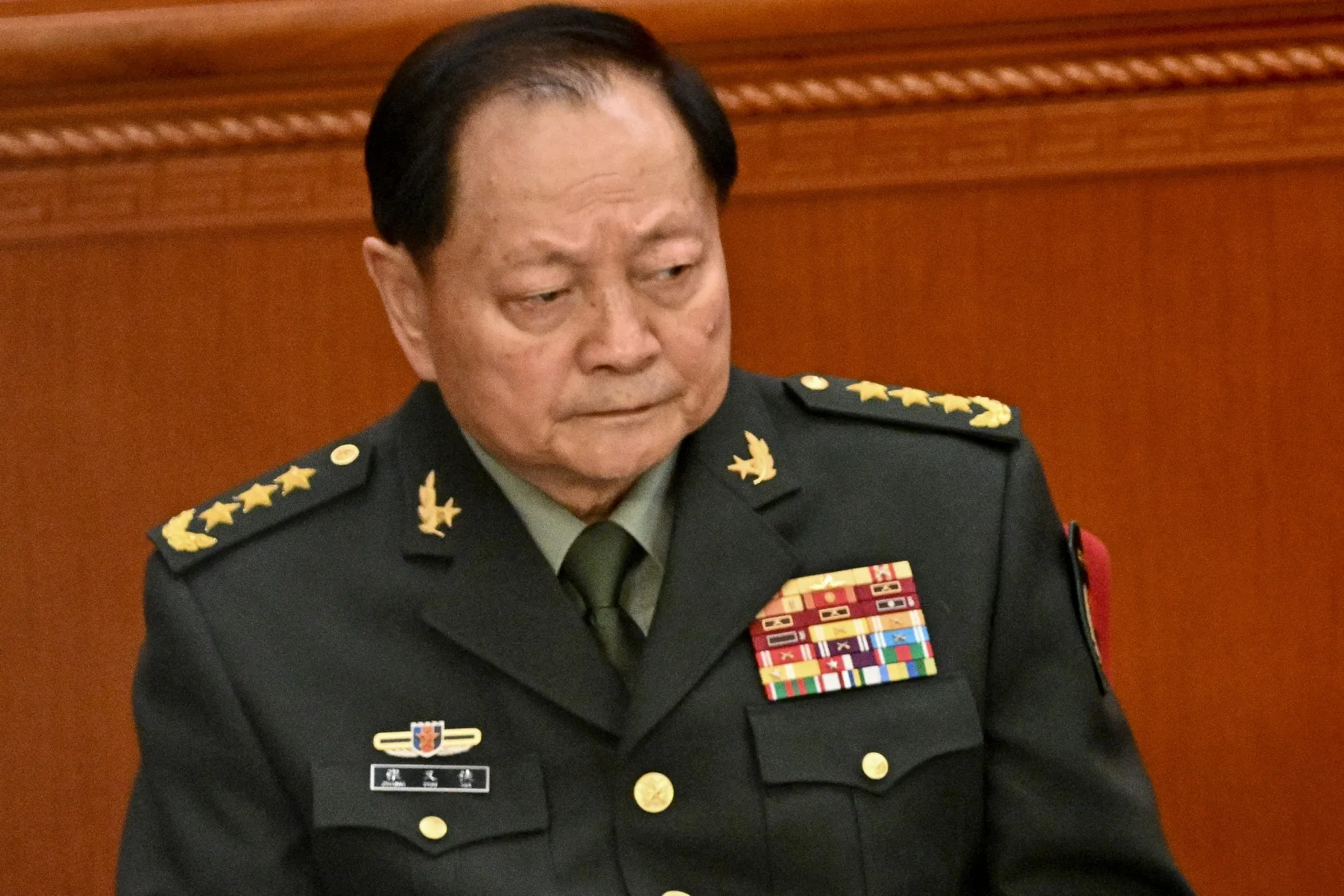
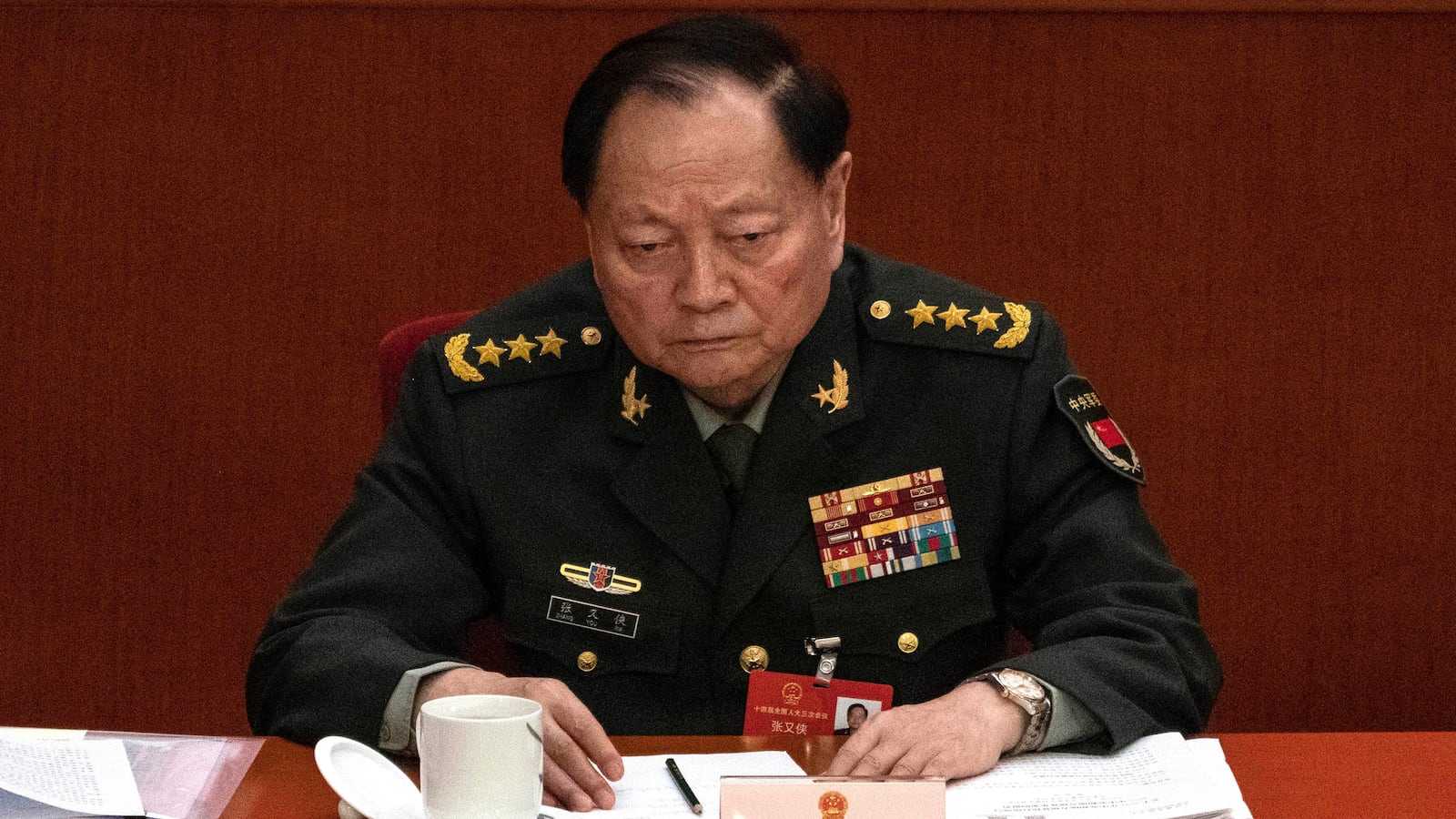
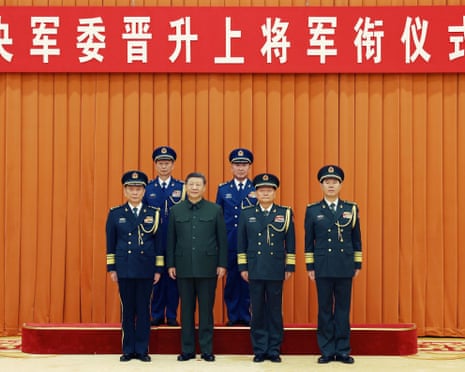
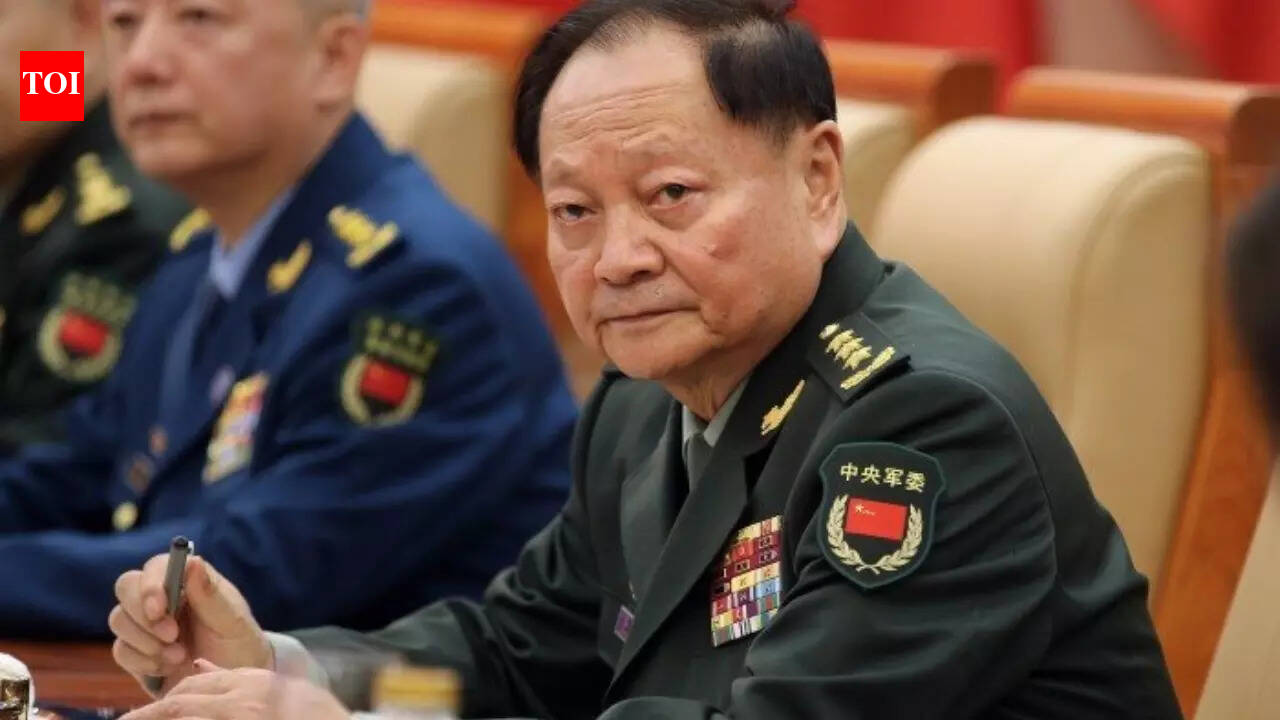
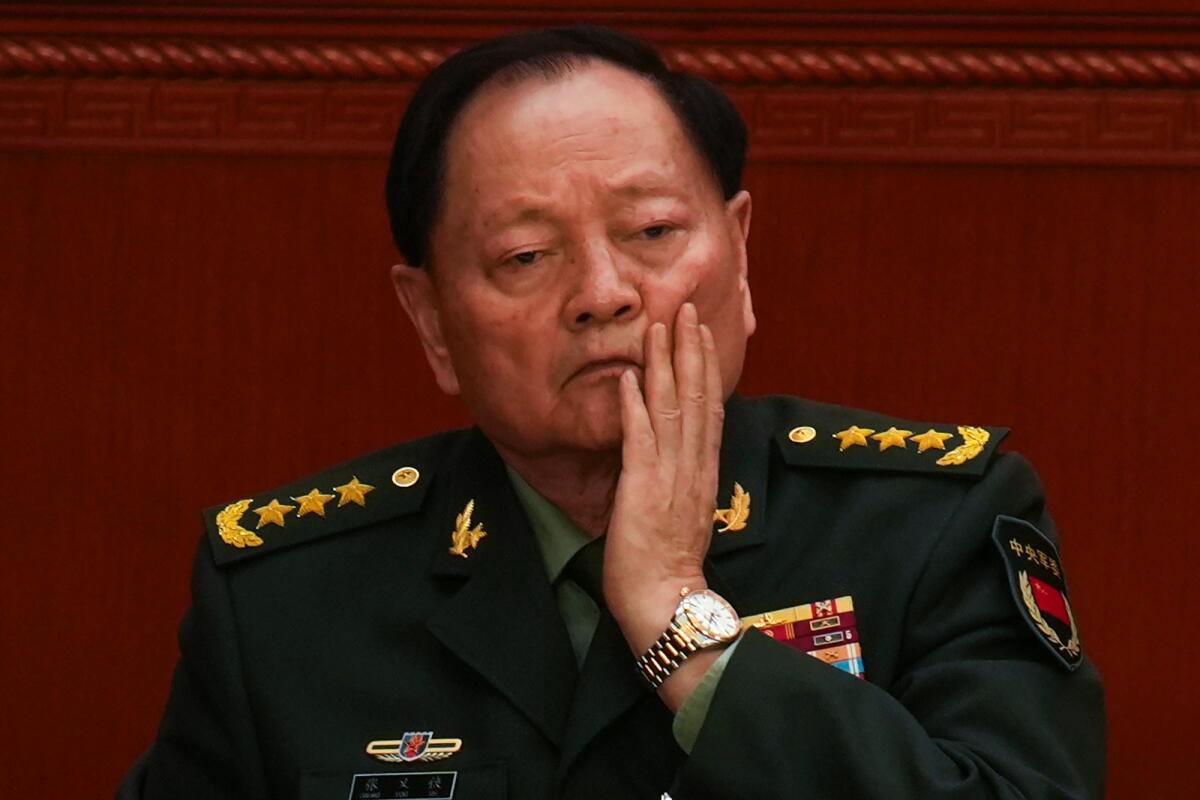
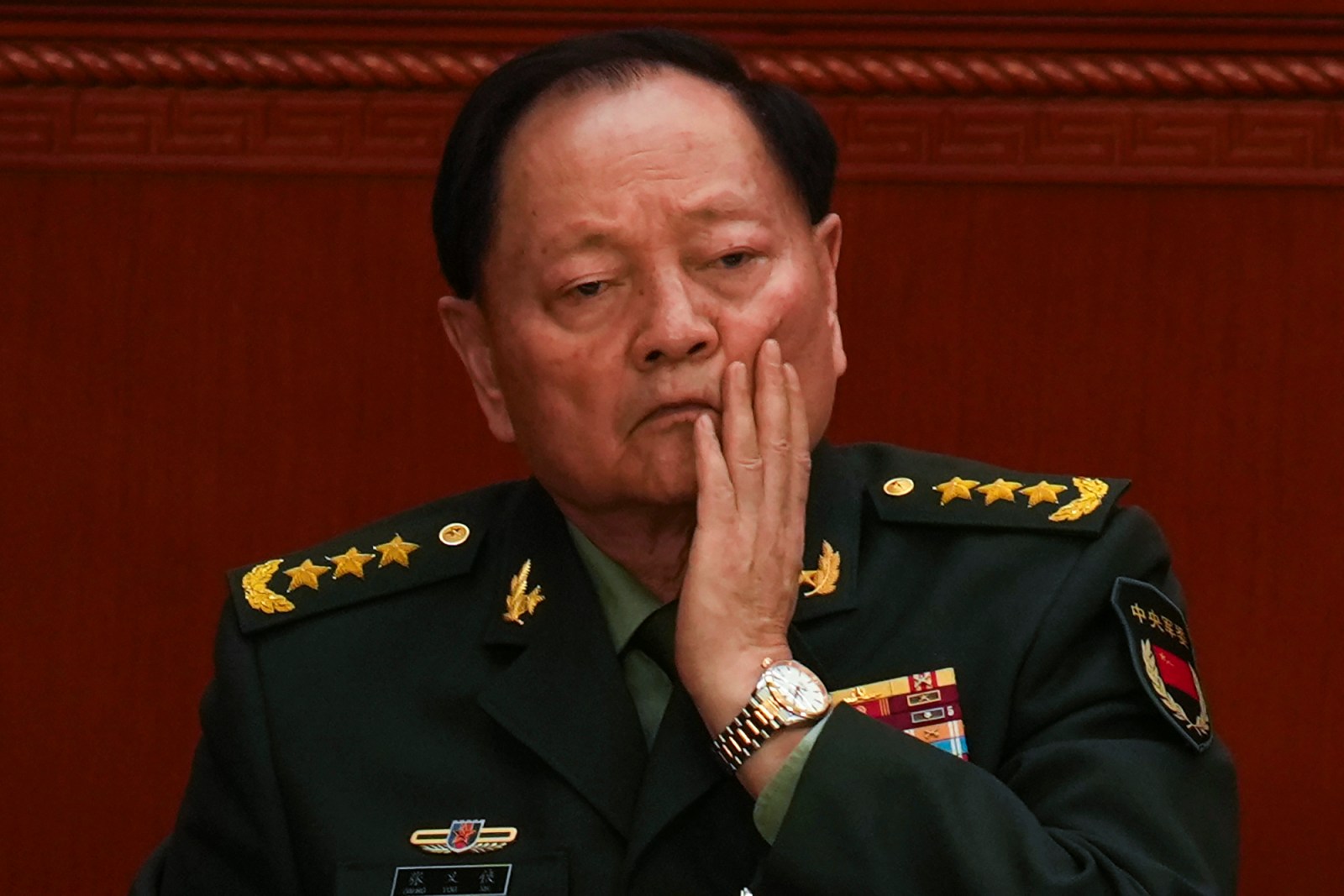
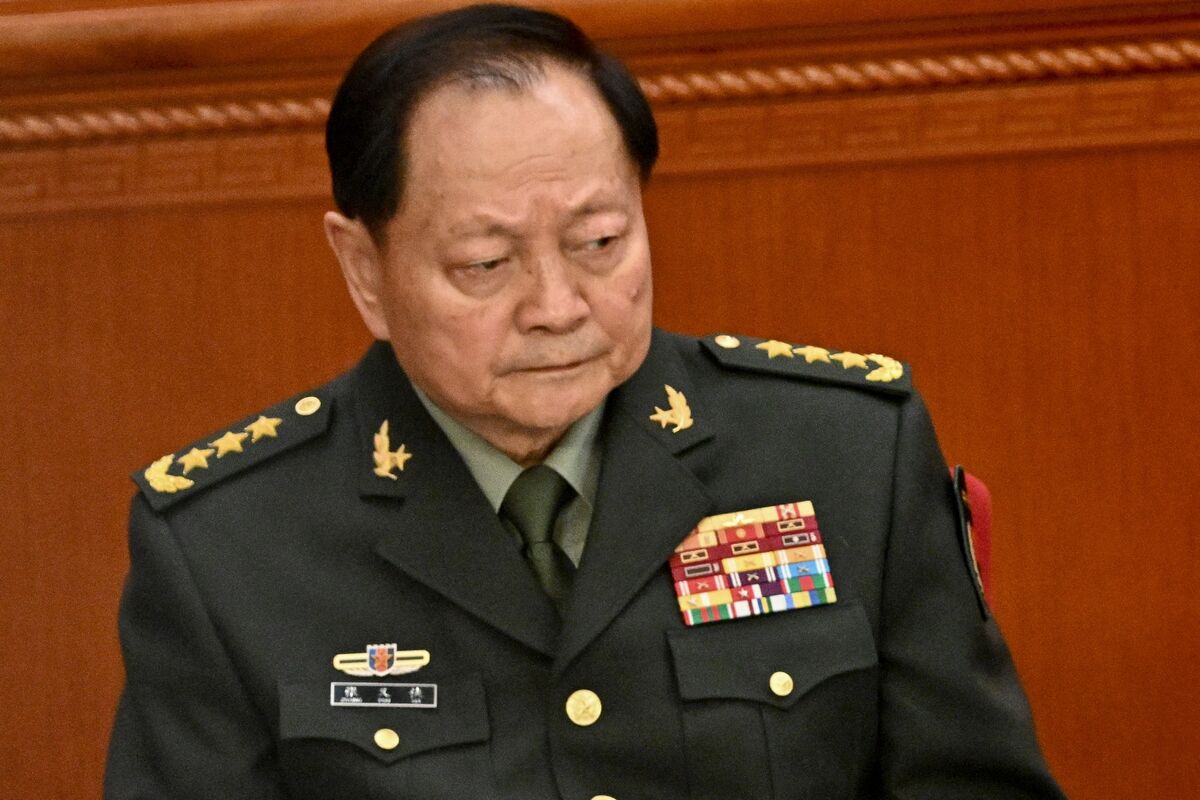
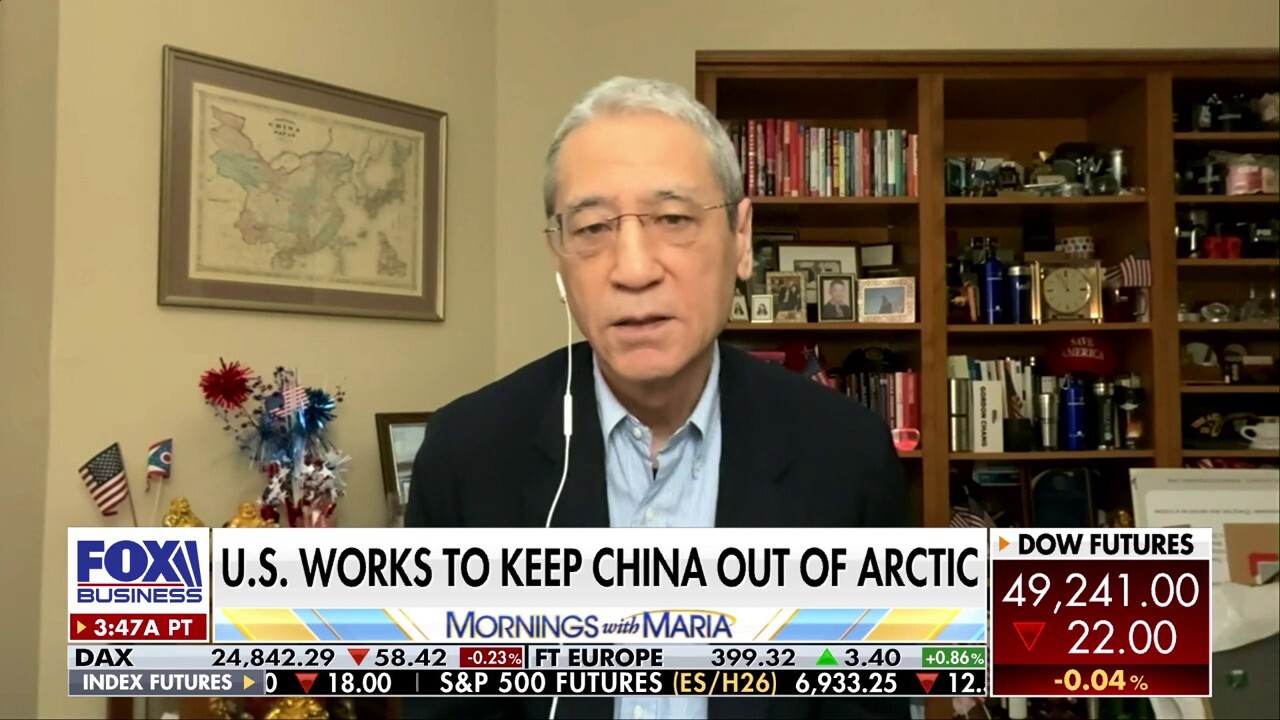
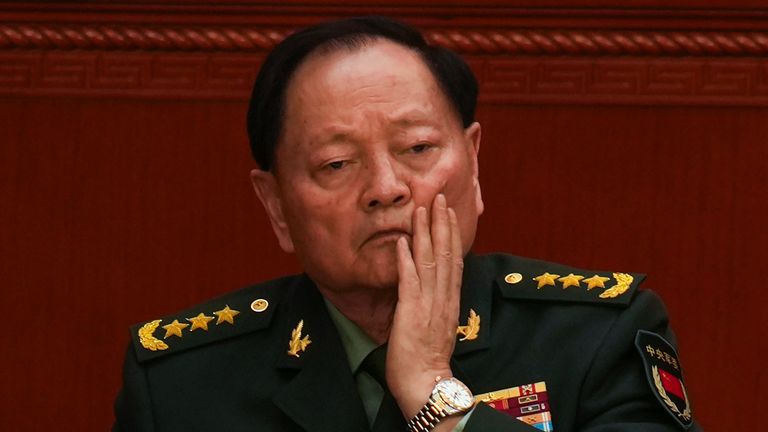
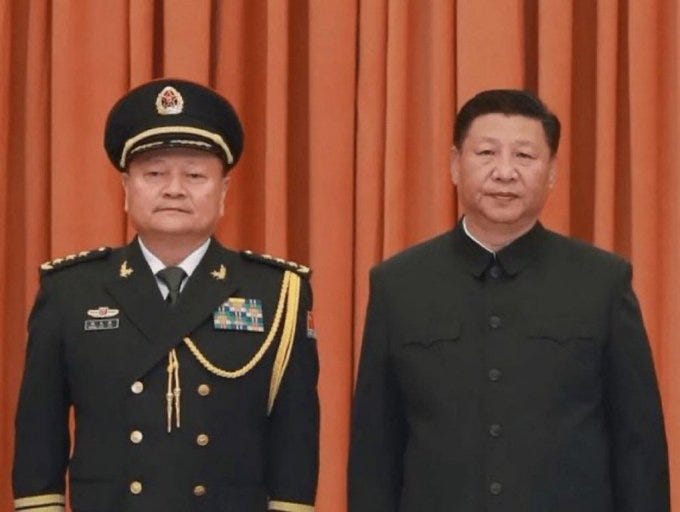
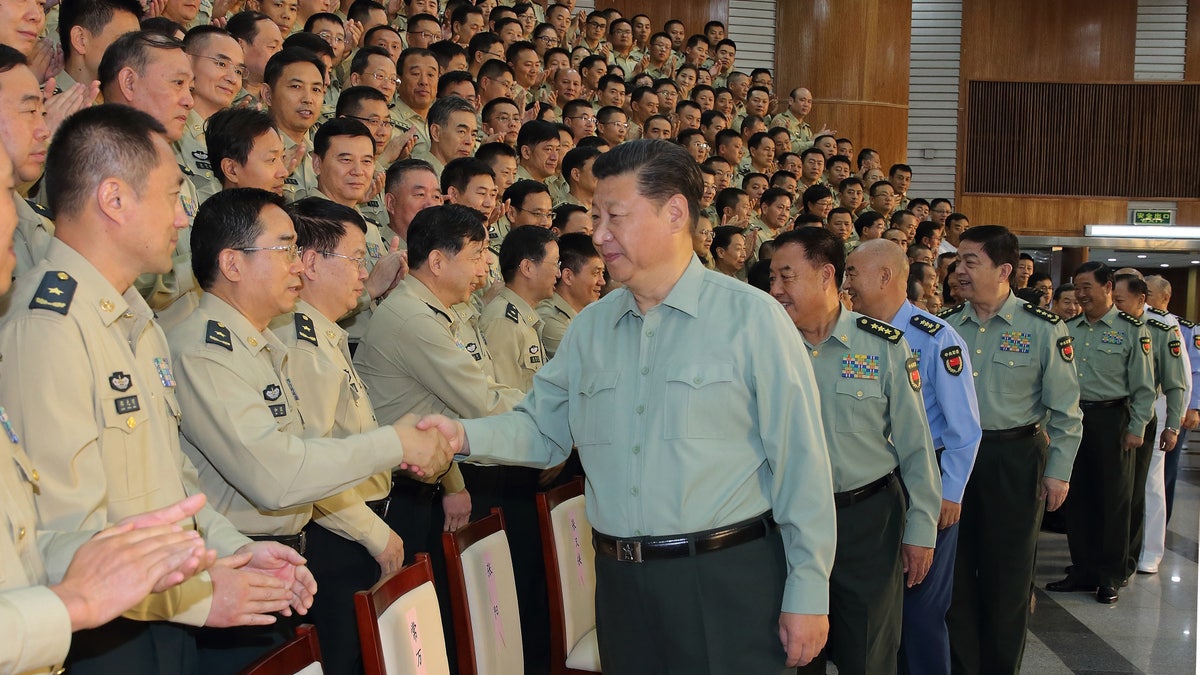
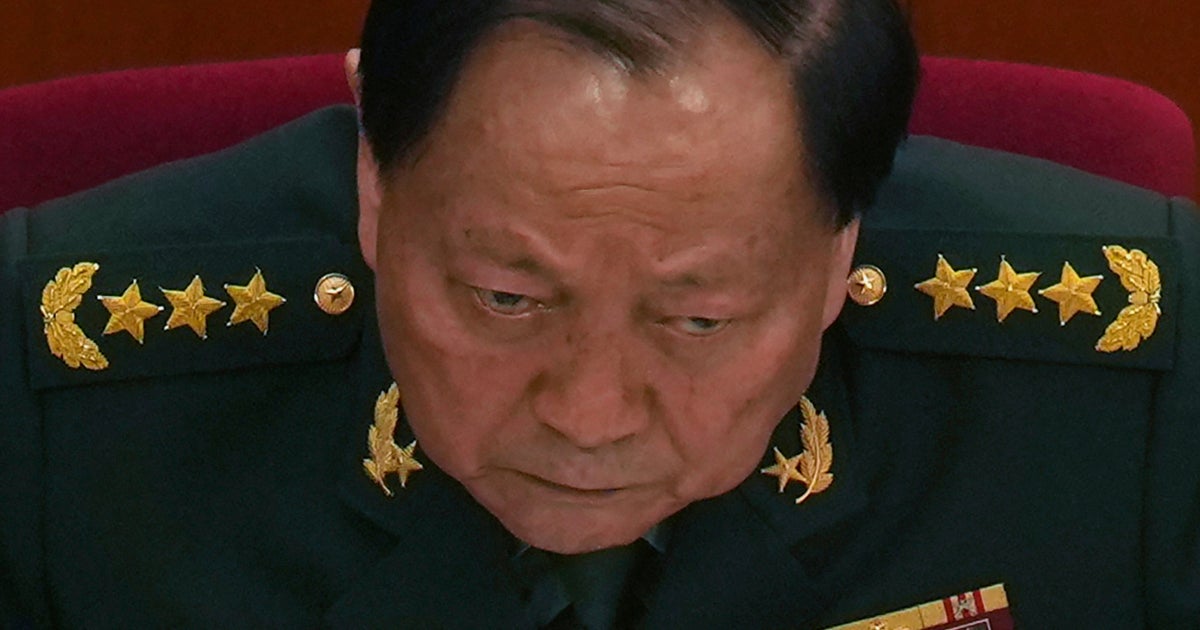
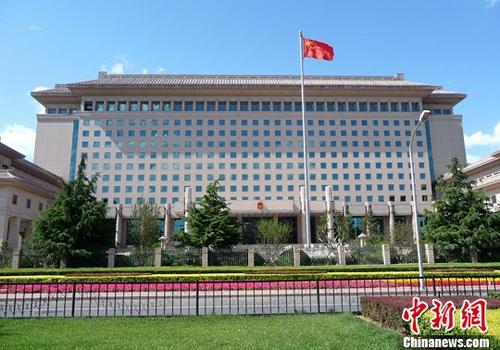
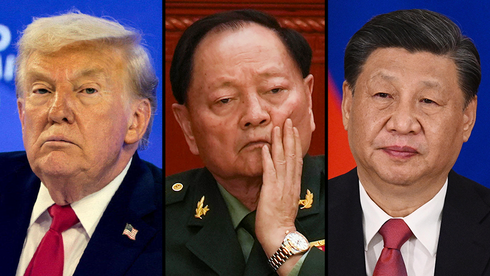
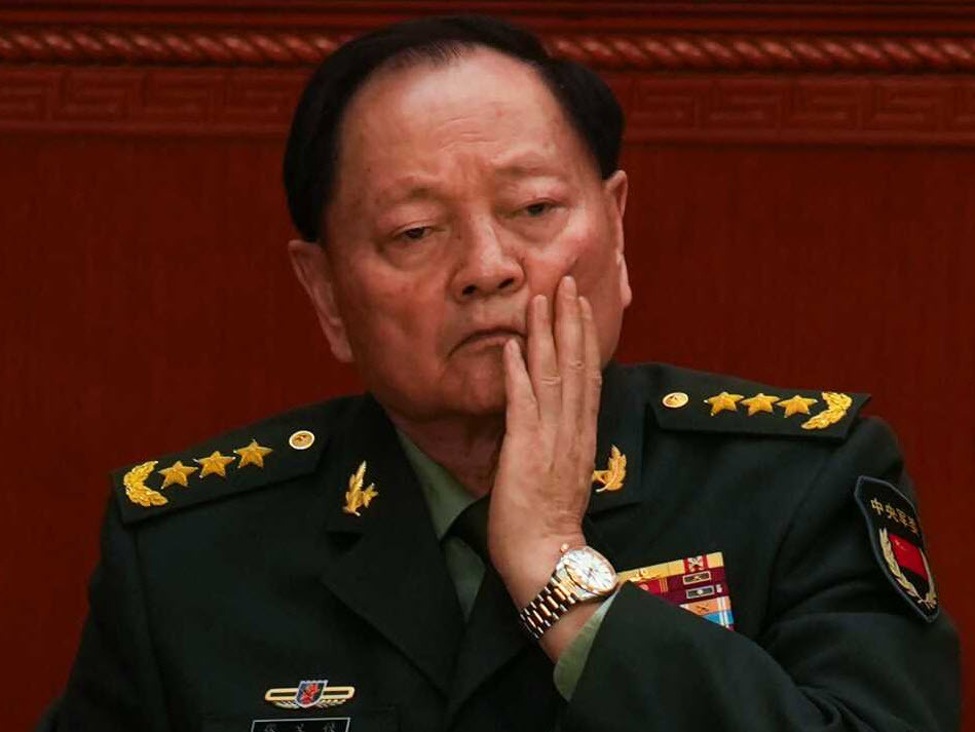
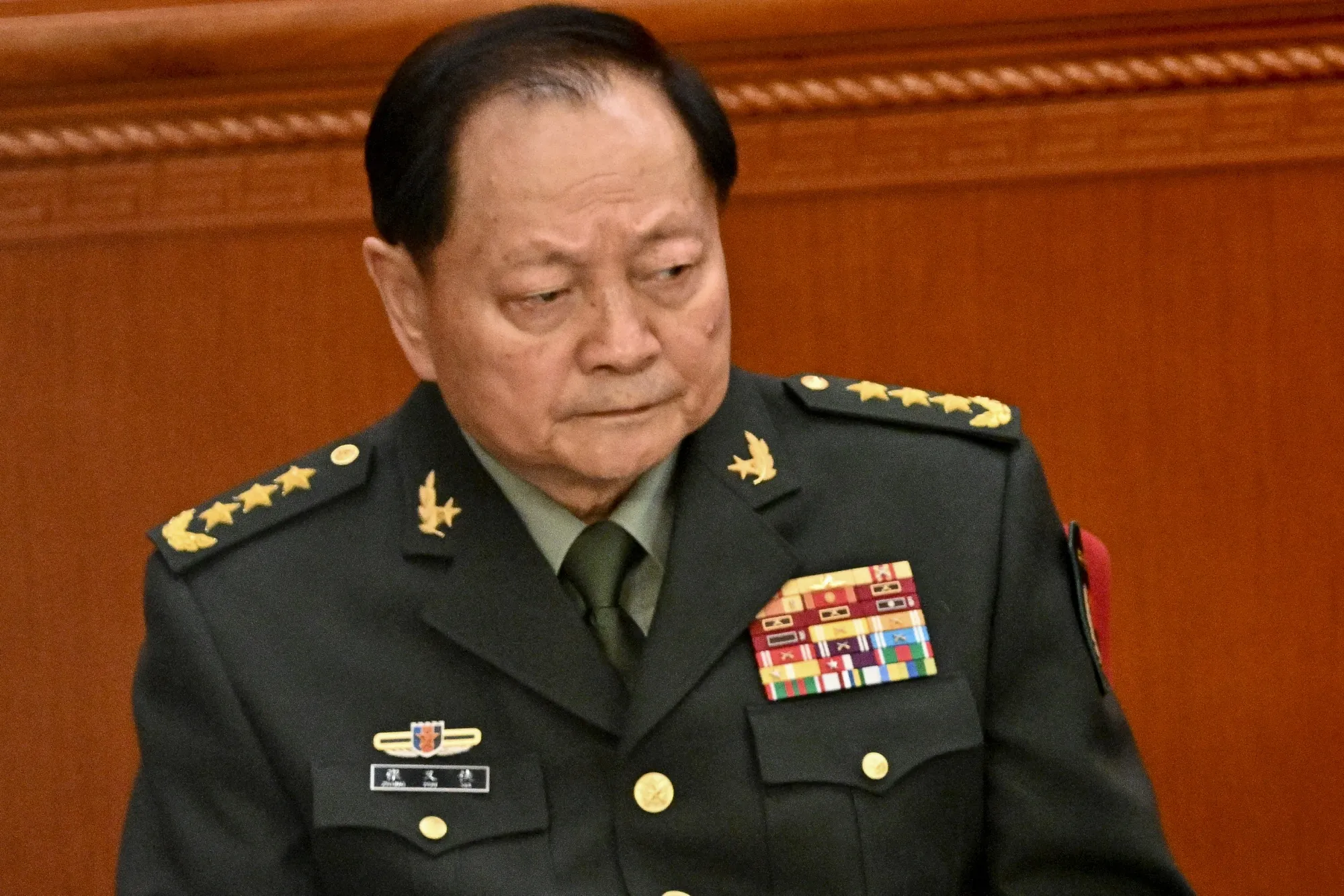
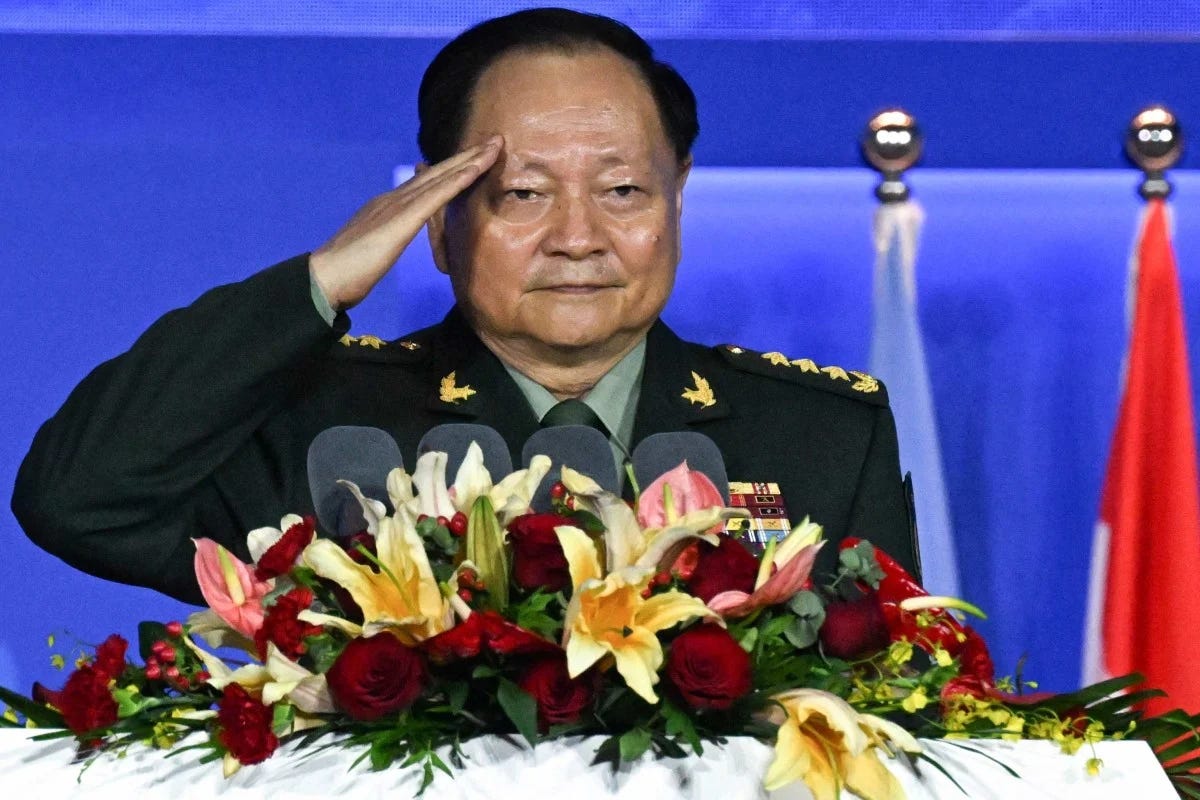
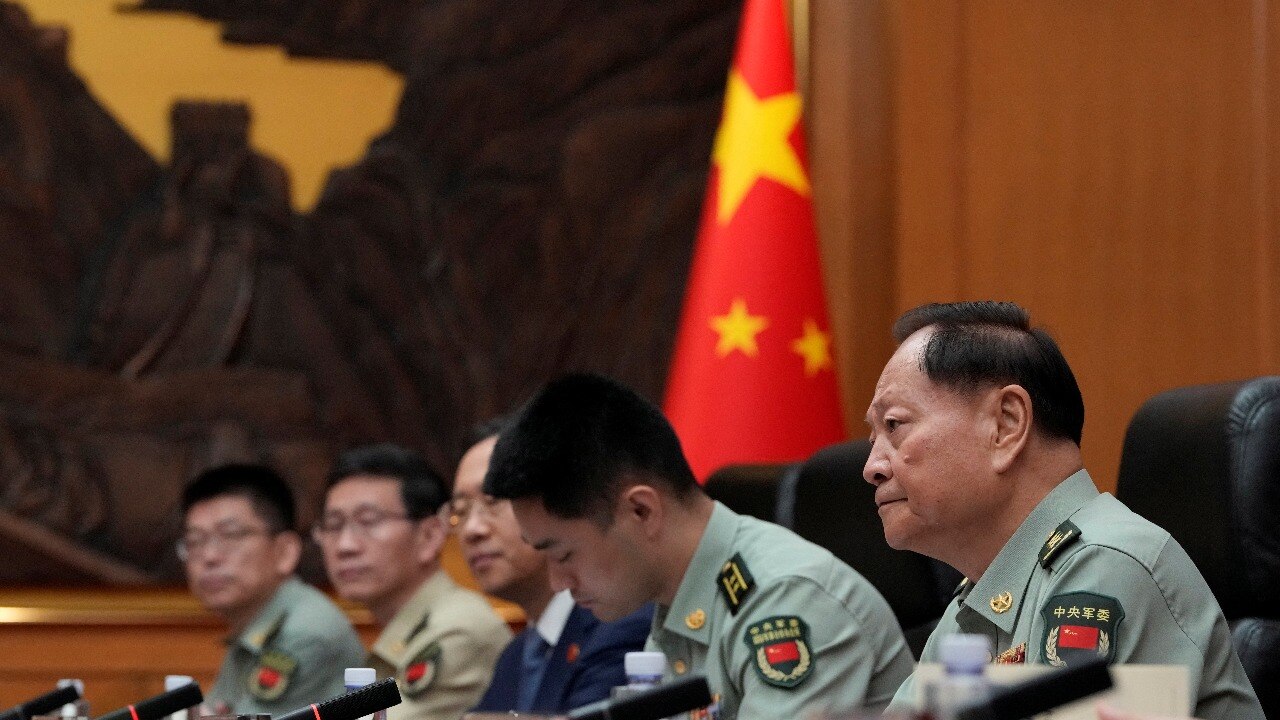
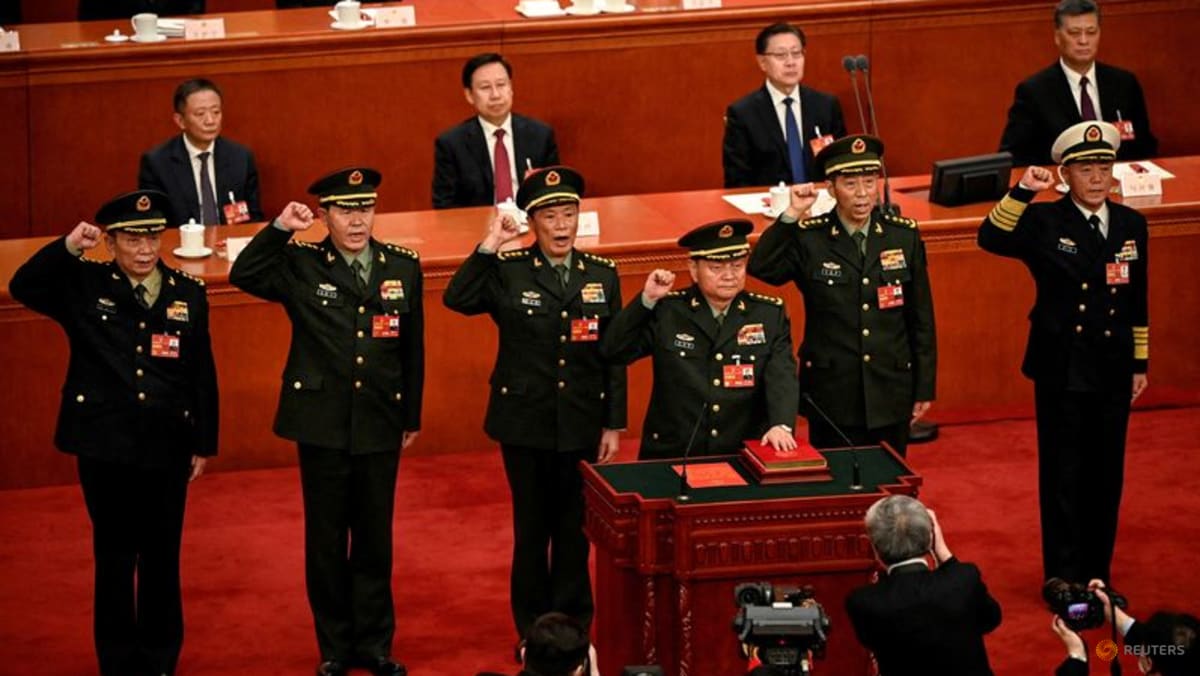
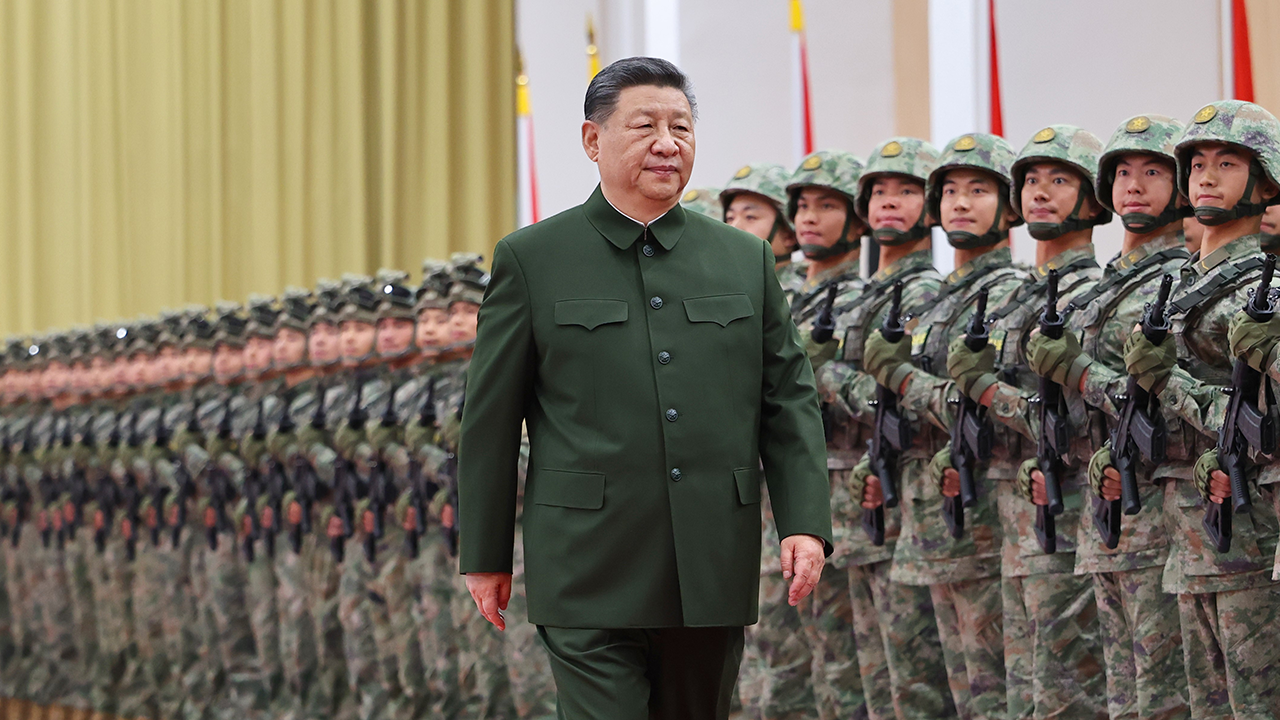
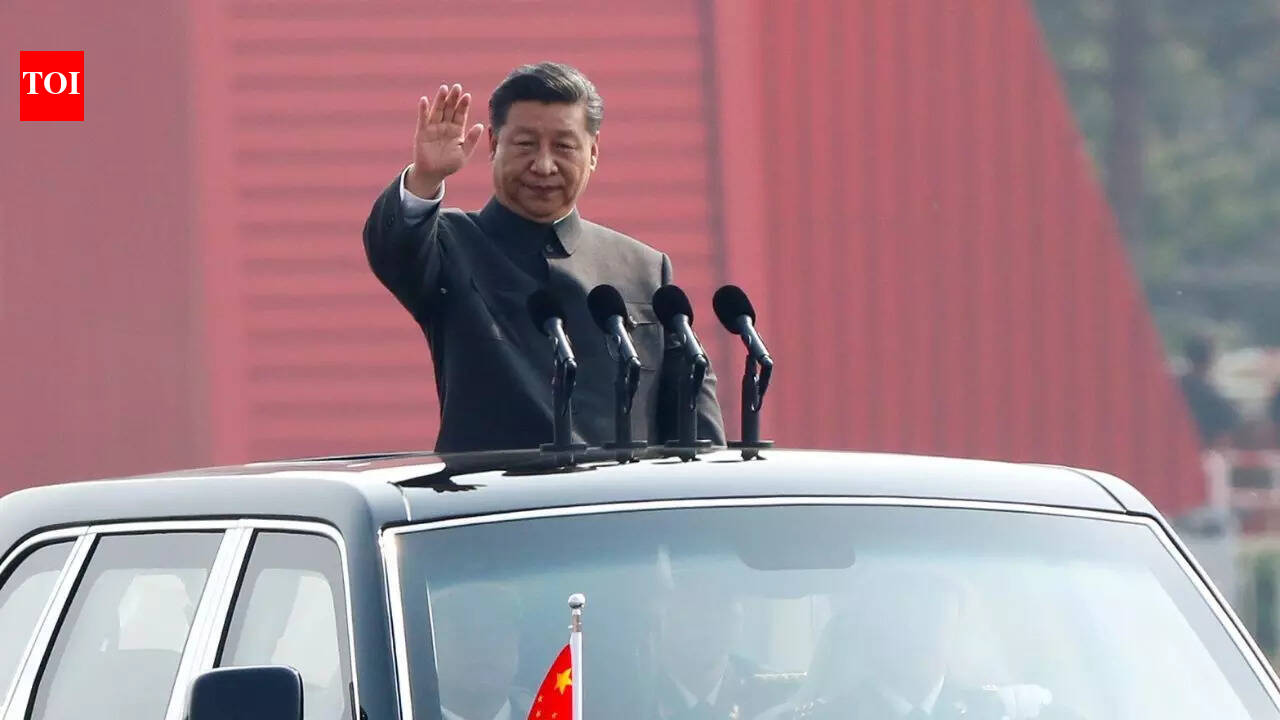
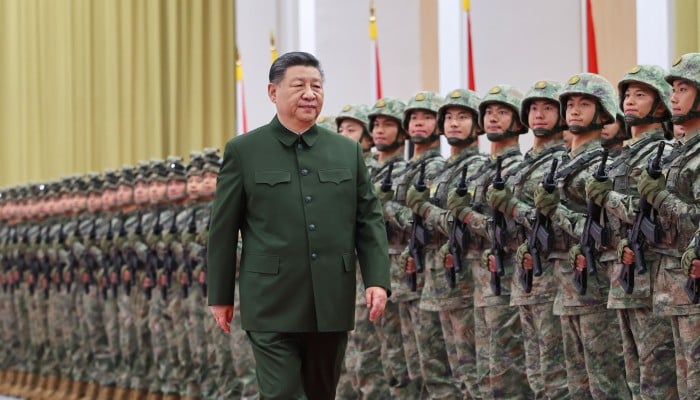
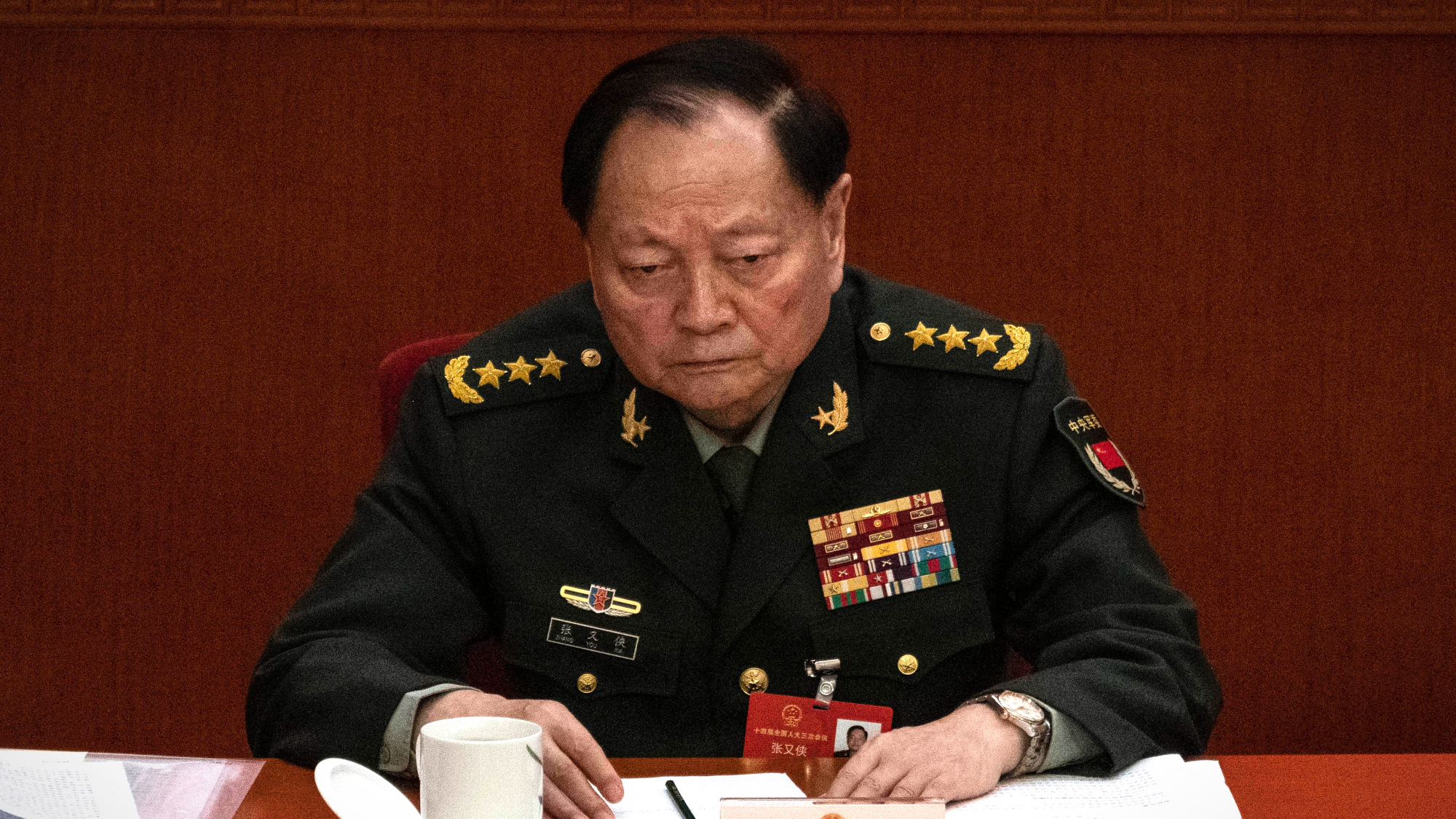
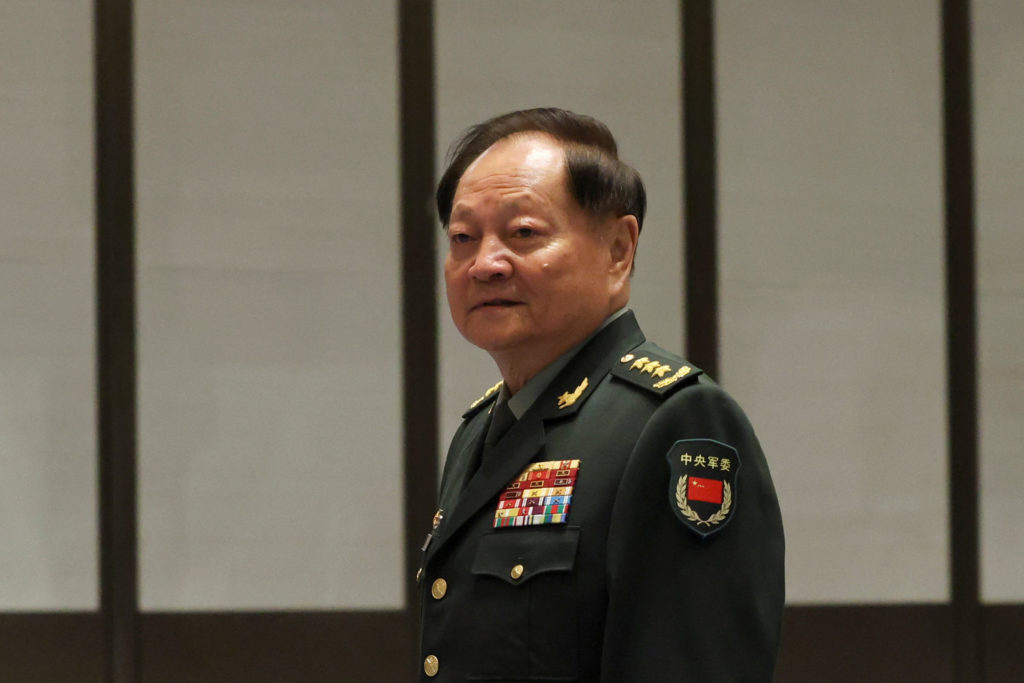
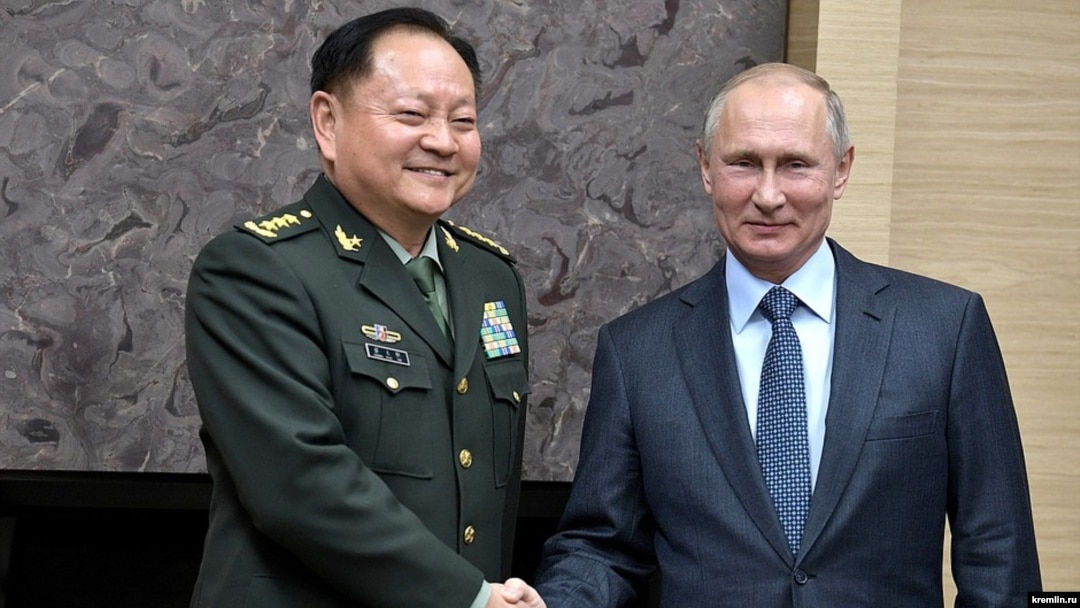
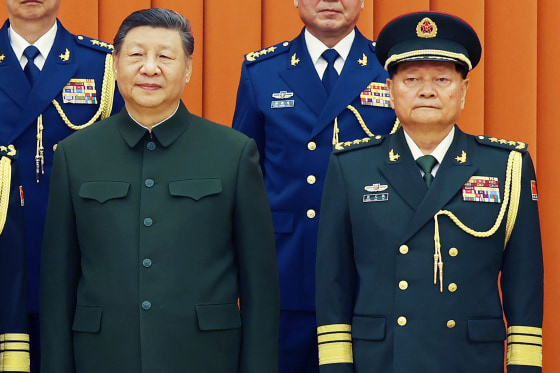
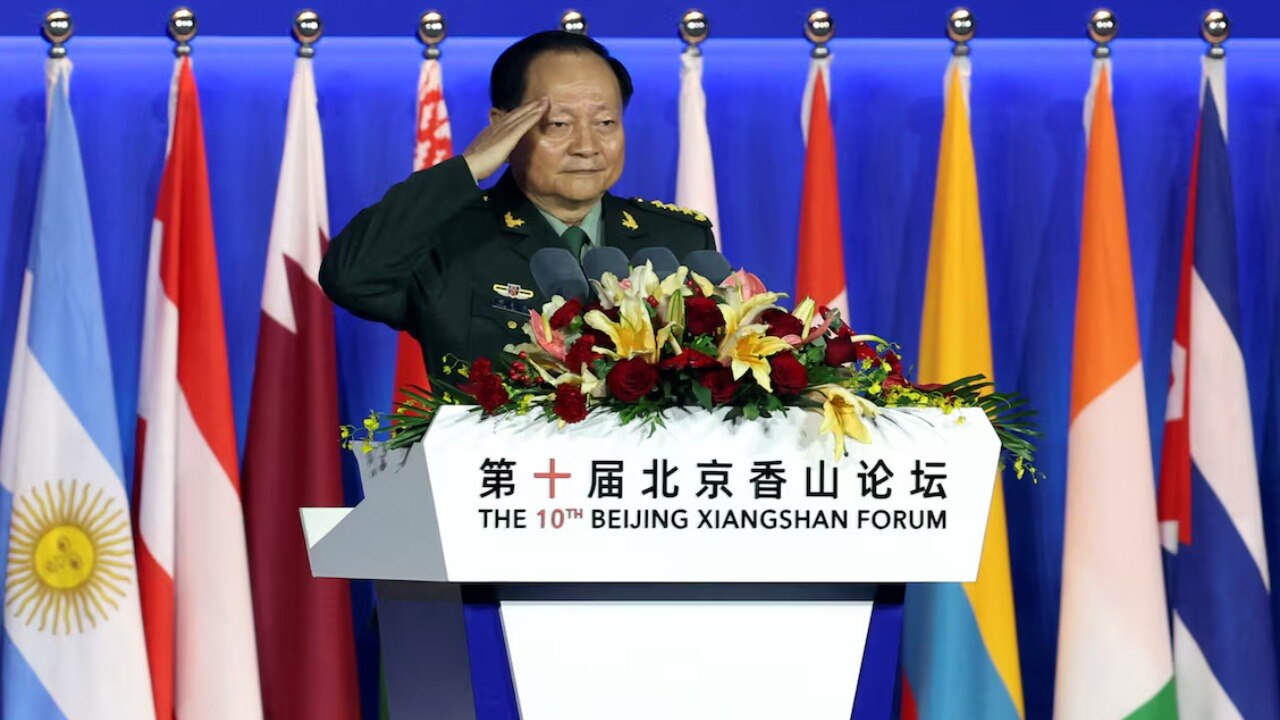
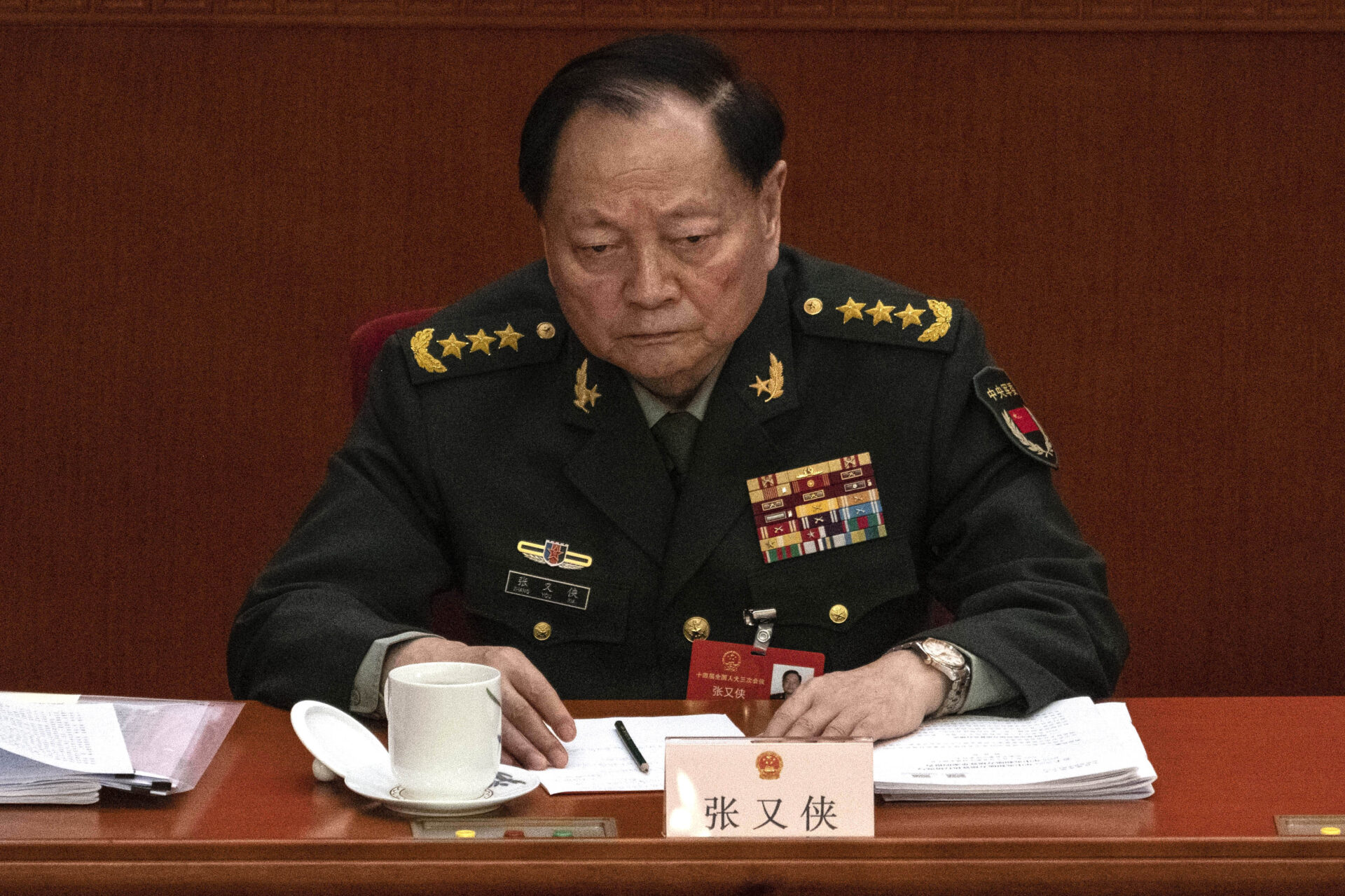
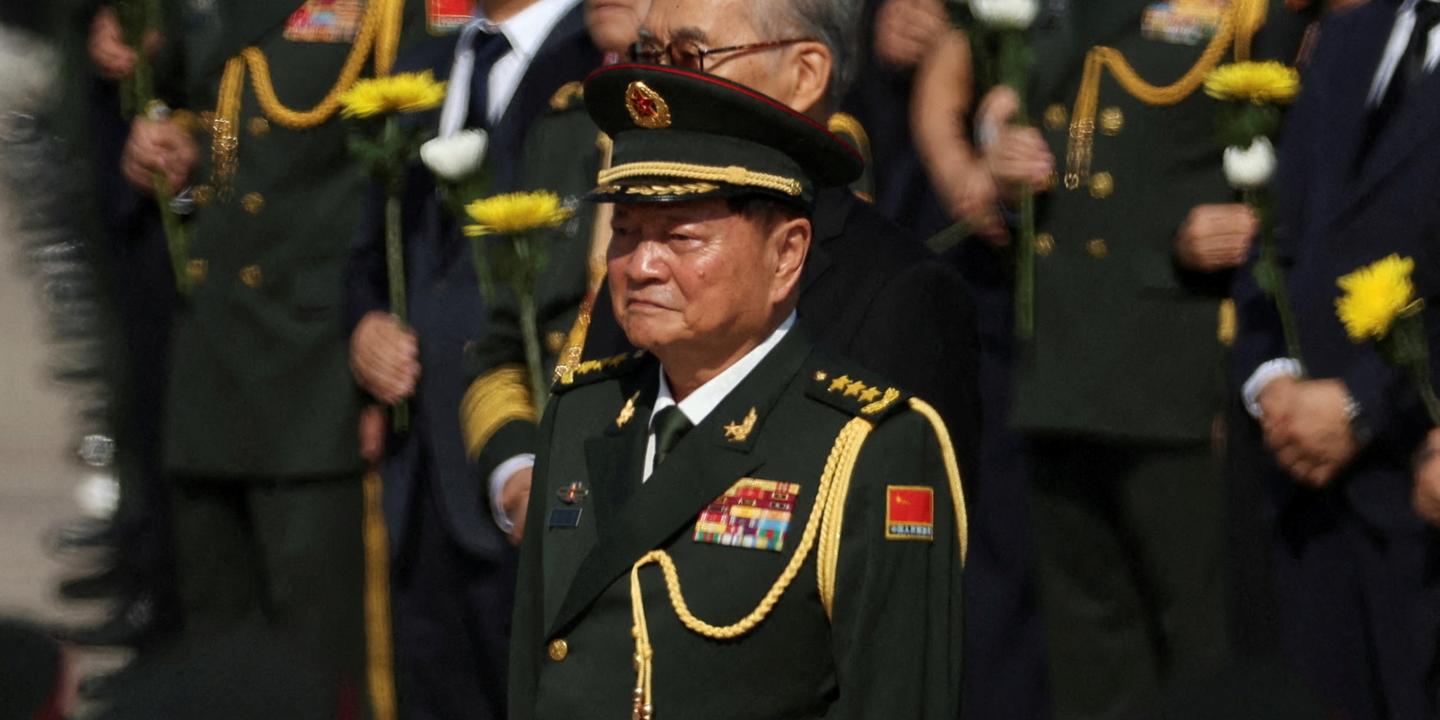
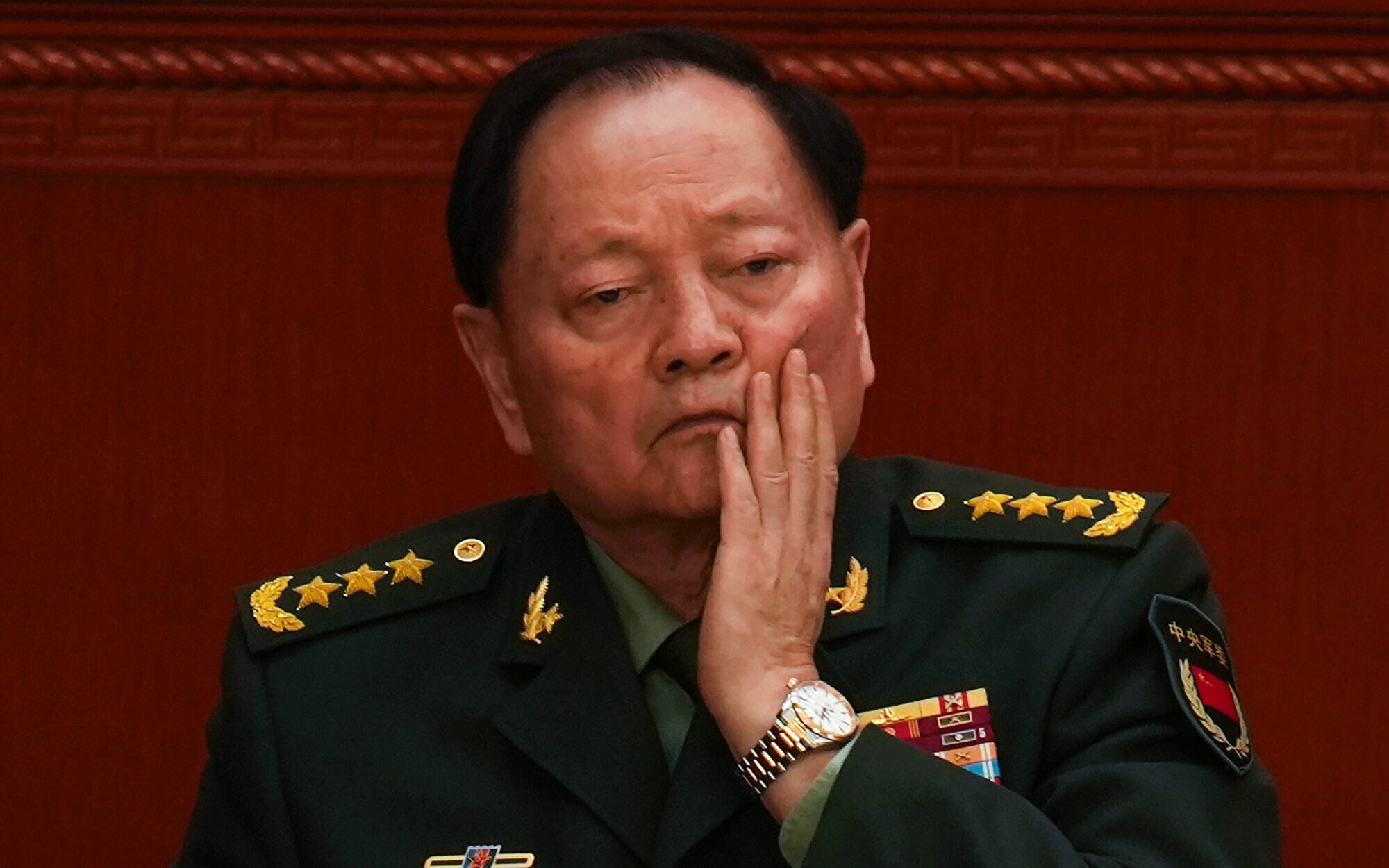
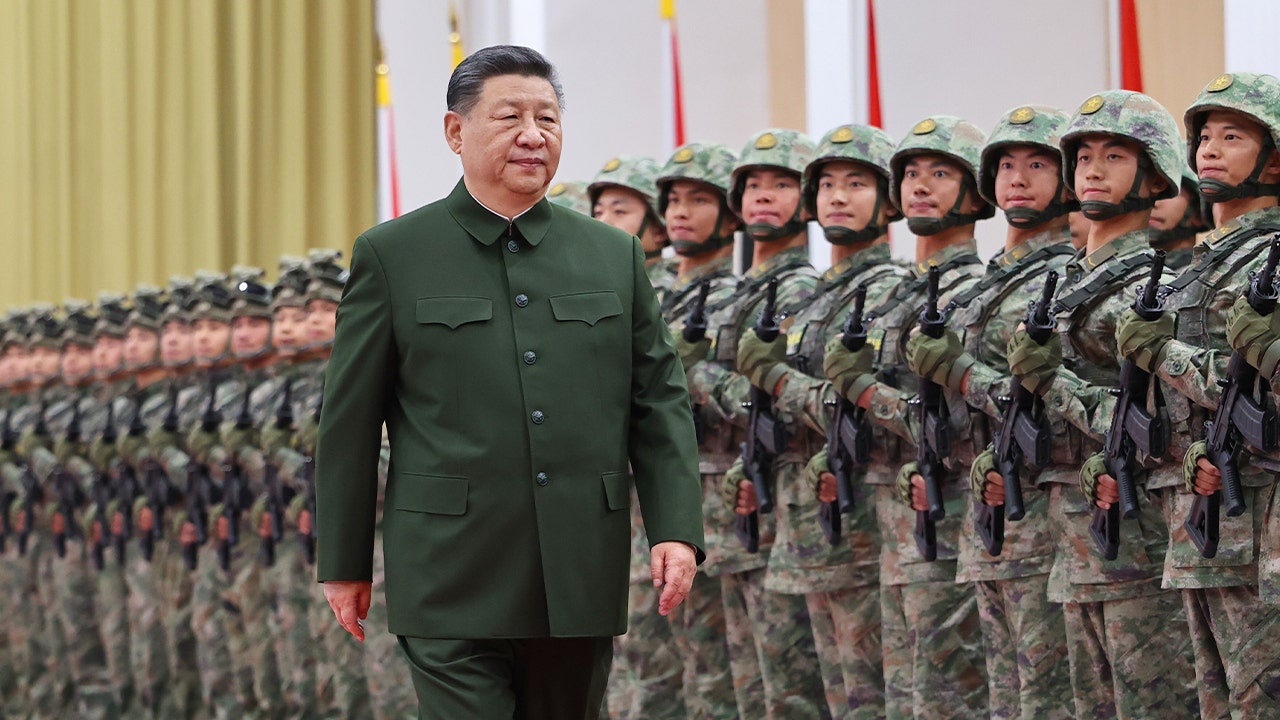
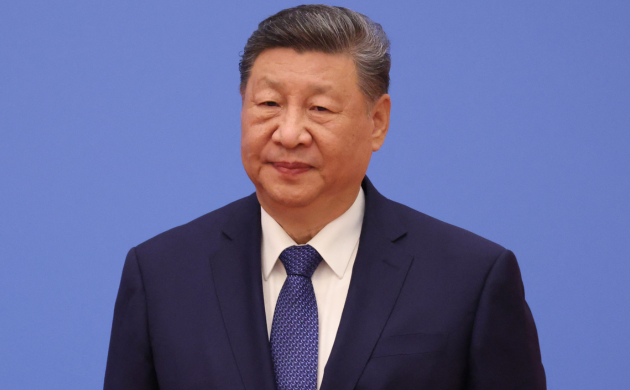
Xi Jinping's unprecedented military purge targeting General Zhang Youxia and other top CMC officials represents a critical consolidation of power that carries significant implications for cross-border e-commerce sellers. The investigation into Zhang—who oversaw military hardware procurement and allegedly leaked nuclear weapons information—signals broader institutional instability within China's defense establishment. With the seven-member Central Military Commission reduced to essentially Xi and one hand-picked general, decision-making authority over military procurement, export controls, and technology transfer policies has become highly centralized.
For cross-border sellers sourcing from China, this political consolidation creates three operational risks: First, the purge's focus on military procurement corruption suggests heightened scrutiny of dual-use technology exports and manufacturing facilities that supply both civilian and defense sectors. Sellers importing electronics, semiconductors, precision instruments, or industrial equipment may face increased customs inspections and compliance documentation requirements. Second, the centralization of military authority under Xi typically precedes policy shifts on technology exports, foreign investment in sensitive sectors, and supply chain restrictions—historically affecting categories like drones, surveillance equipment, and advanced manufacturing tools. Third, the investigation's emphasis on "undermining party unity" and "political cliques" suggests potential purges extending beyond military leadership into civilian government agencies controlling export licensing, customs procedures, and trade policy.
The timing is strategically significant: This purge occurs ahead of the next party congress where Xi seeks an unprecedented fourth term, indicating he views military loyalty as essential to his political survival. Historical precedent shows that Chinese leaders consolidating power often implement protectionist trade policies, tighten export controls on sensitive technologies, and increase scrutiny of foreign business operations. The Wall Street Journal's reporting on nuclear weapons information leaks suggests U.S.-China tensions are escalating, which typically triggers retaliatory trade measures, tariff increases, and restrictions on American companies' access to Chinese manufacturing. For sellers relying on Chinese suppliers or exporting to China, this creates a window of policy uncertainty lasting 6-12 months as the new power structure stabilizes.
问题 7
How does Xi's military purge affect cross-border sellers importing from China?
The purge creates immediate supply chain uncertainty for sellers sourcing electronics, semiconductors, and industrial equipment from China. General Zhang's removal from oversight of military hardware procurement suggests incoming policy changes on export controls and dual-use technology restrictions. Sellers should expect 15-30% longer customs clearance times for sensitive product categories over the next 6-12 months as new procurement officials implement stricter compliance protocols. Historical precedent shows Chinese leadership transitions typically trigger 2-4 month periods of regulatory flux before stabilizing. Monitor your supplier relationships closely and diversify sourcing to non-China manufacturers where possible.
Will this military purge trigger new U.S.-China trade tensions affecting tariffs?
The Wall Street Journal's reporting on nuclear weapons information leaks to the U.S. strongly suggests escalating U.S.-China tensions. Historically, such security breaches trigger retaliatory trade measures within 3-6 months. The Biden administration has already implemented tariffs on Chinese semiconductors and advanced manufacturing equipment; this purge may accelerate additional tariff rounds on consumer electronics, batteries, and solar components. Sellers should lock in pricing with suppliers before Q2 2025 and consider pre-tariff inventory builds for high-margin categories. Monitor USTR announcements weekly for new tariff proposals affecting your product categories.