




Russia-Ukraine Energy Warfare Escalates | Critical Supply Chain & Logistics Risks for Cross-Border Sellers
- January 2026 drone strikes target Krasnodar oil refineries; 46% budget revenue decline threatens regional stability and seller operations in Eastern Europe

























概览
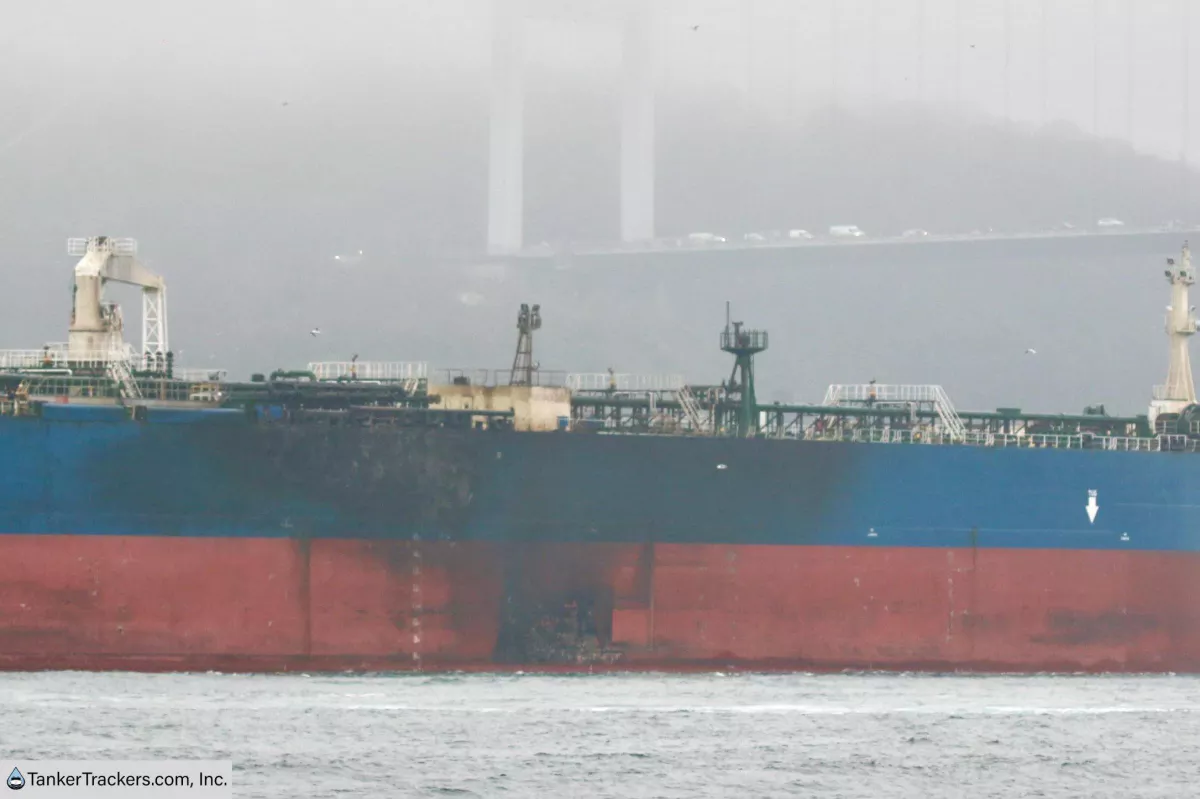
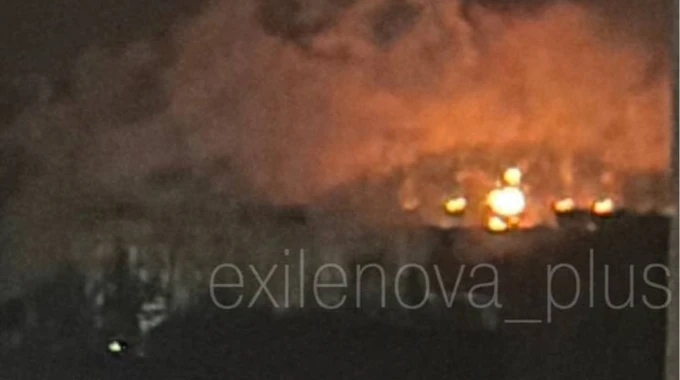
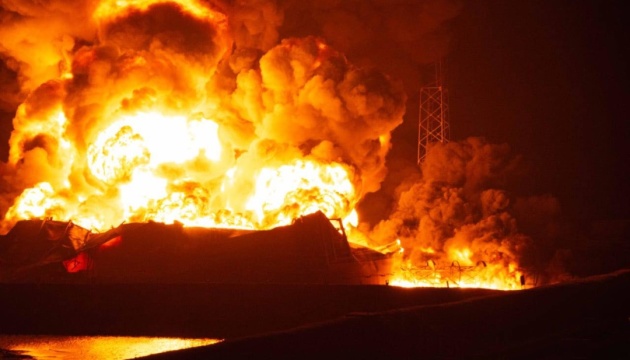
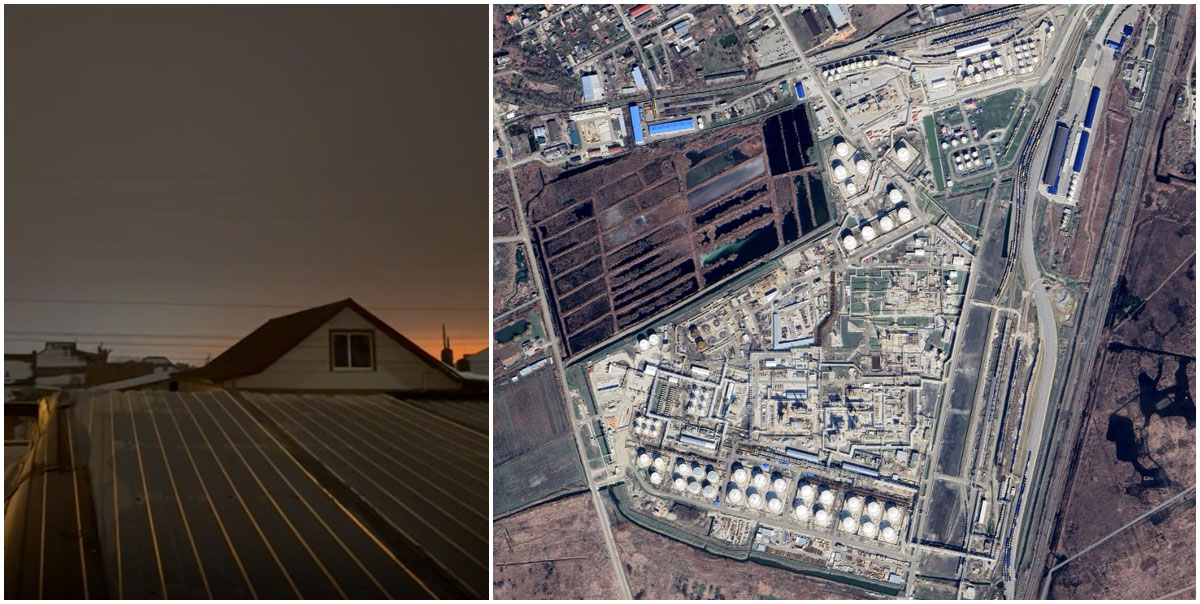
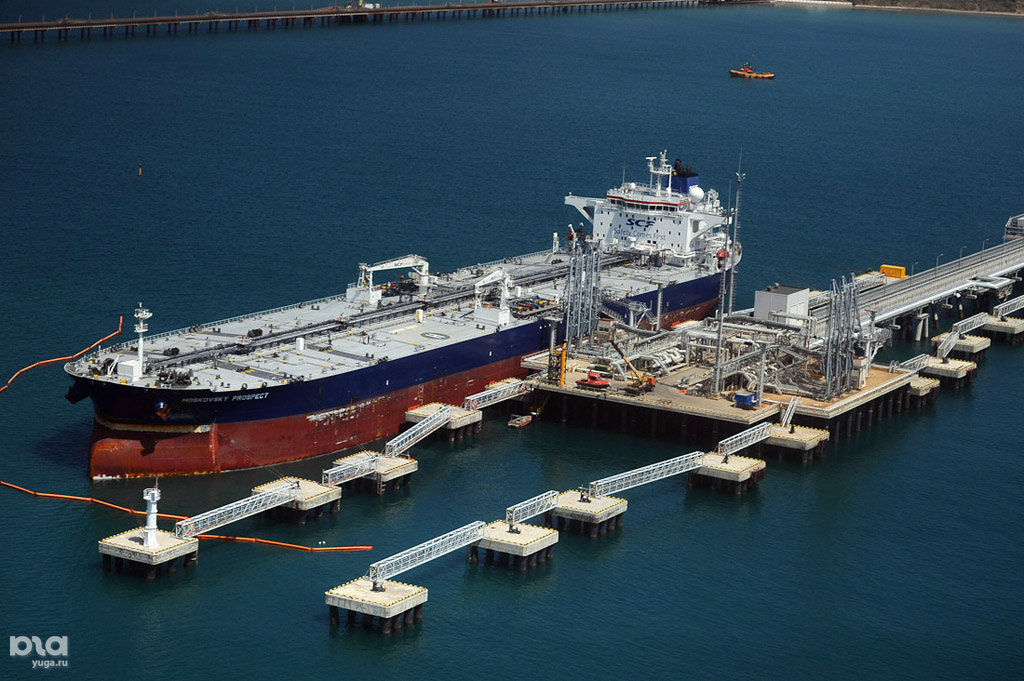
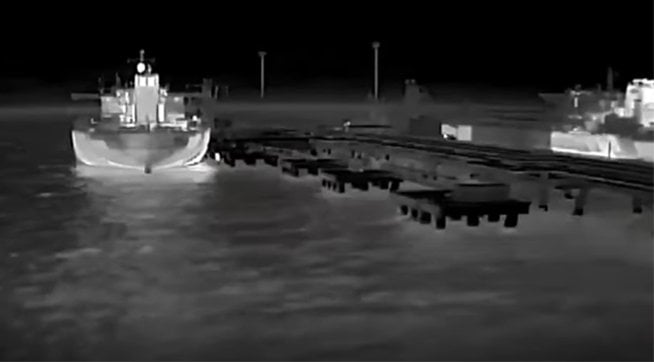
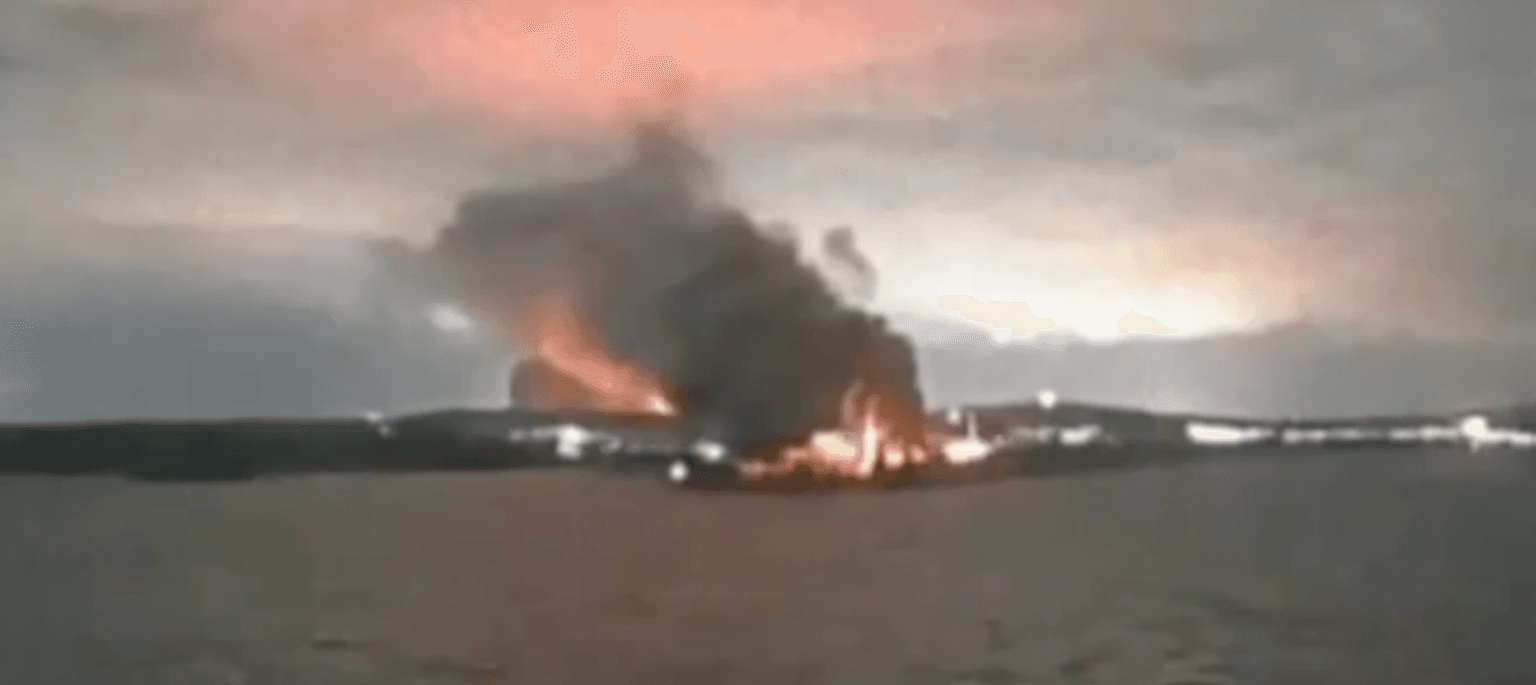
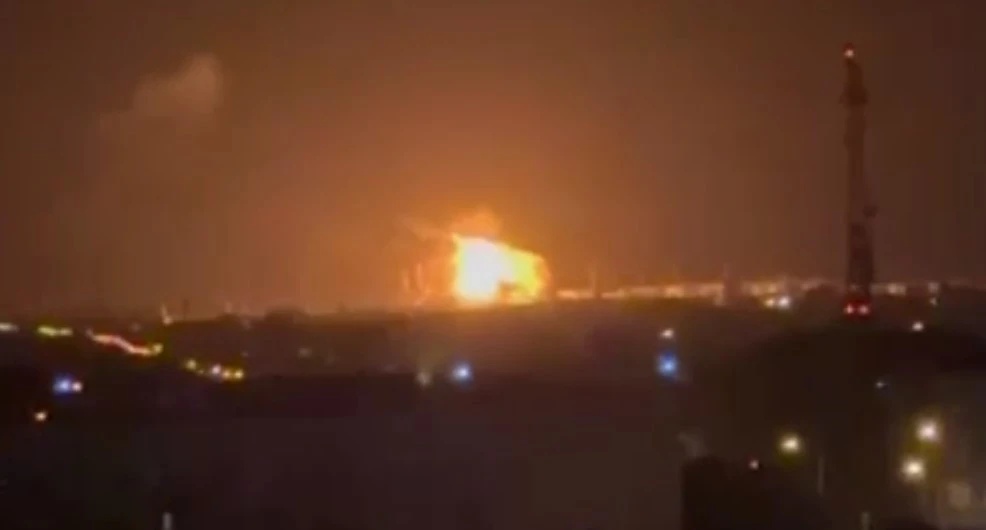
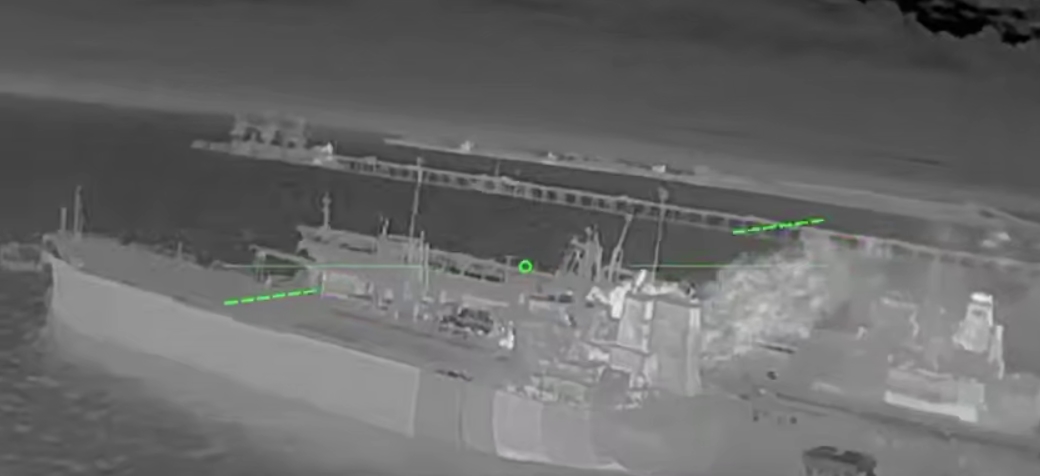
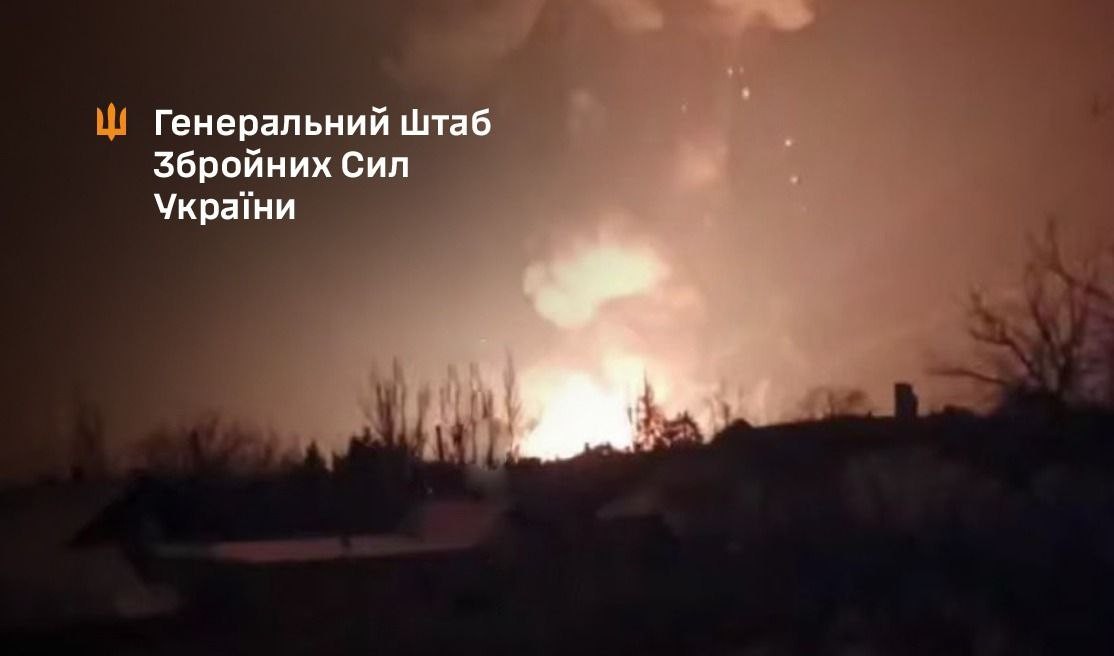
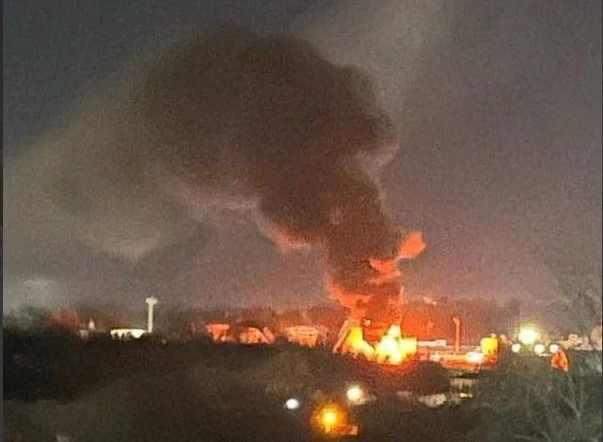
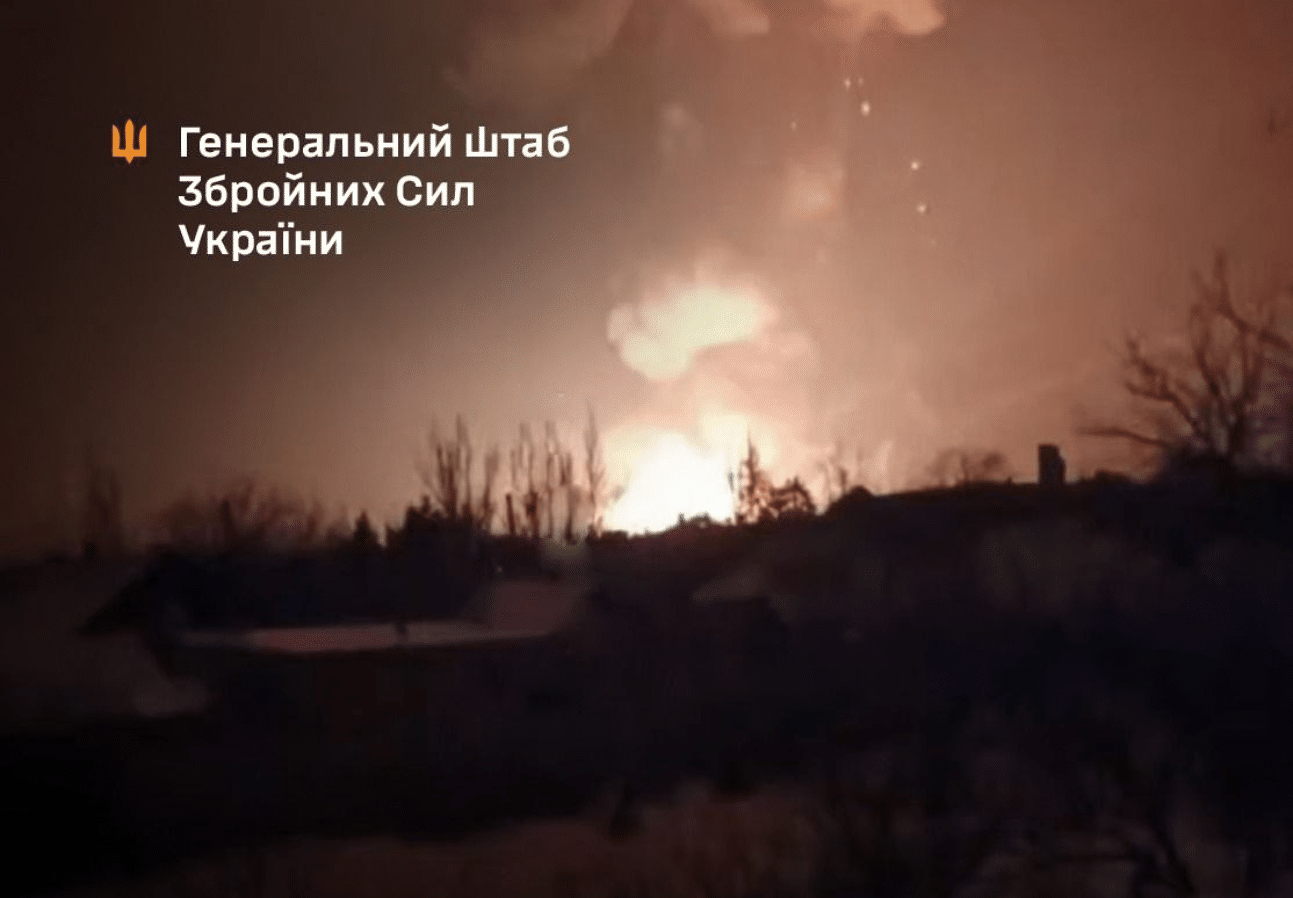
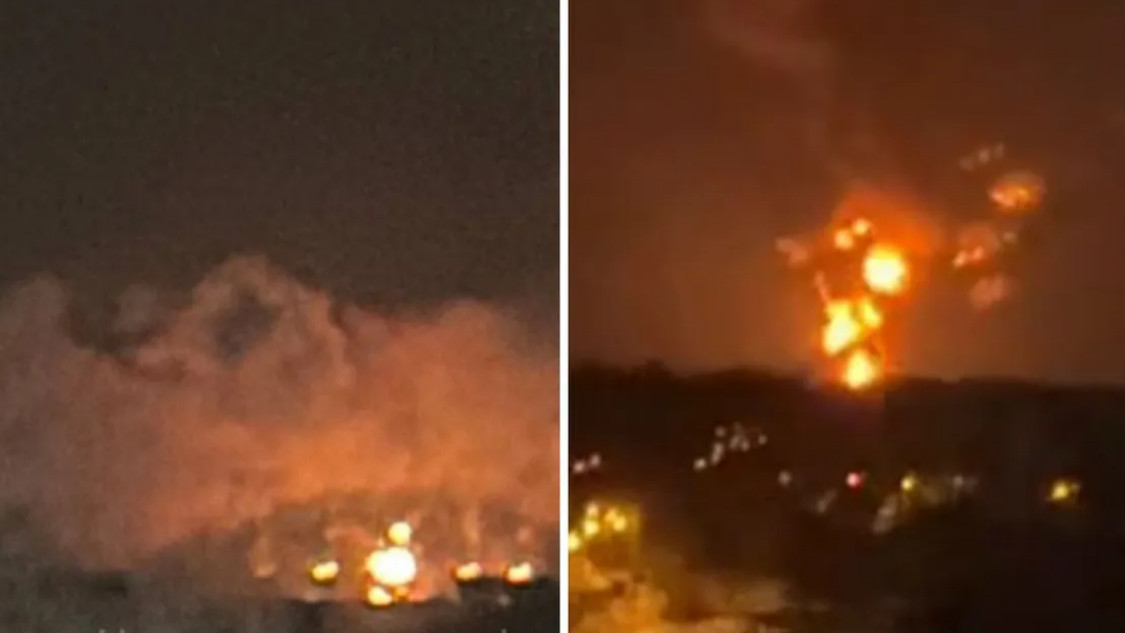
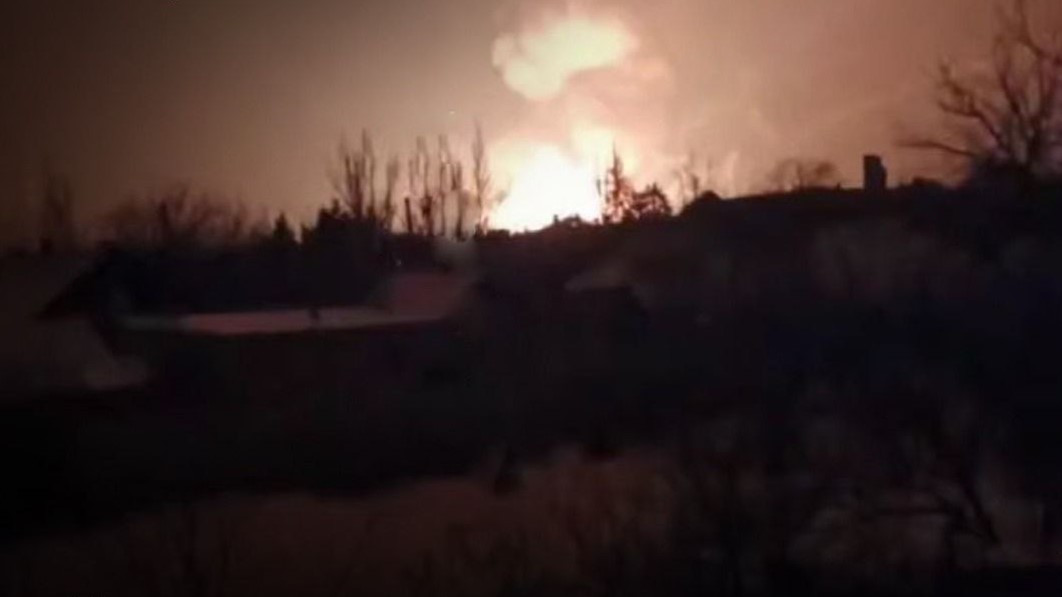
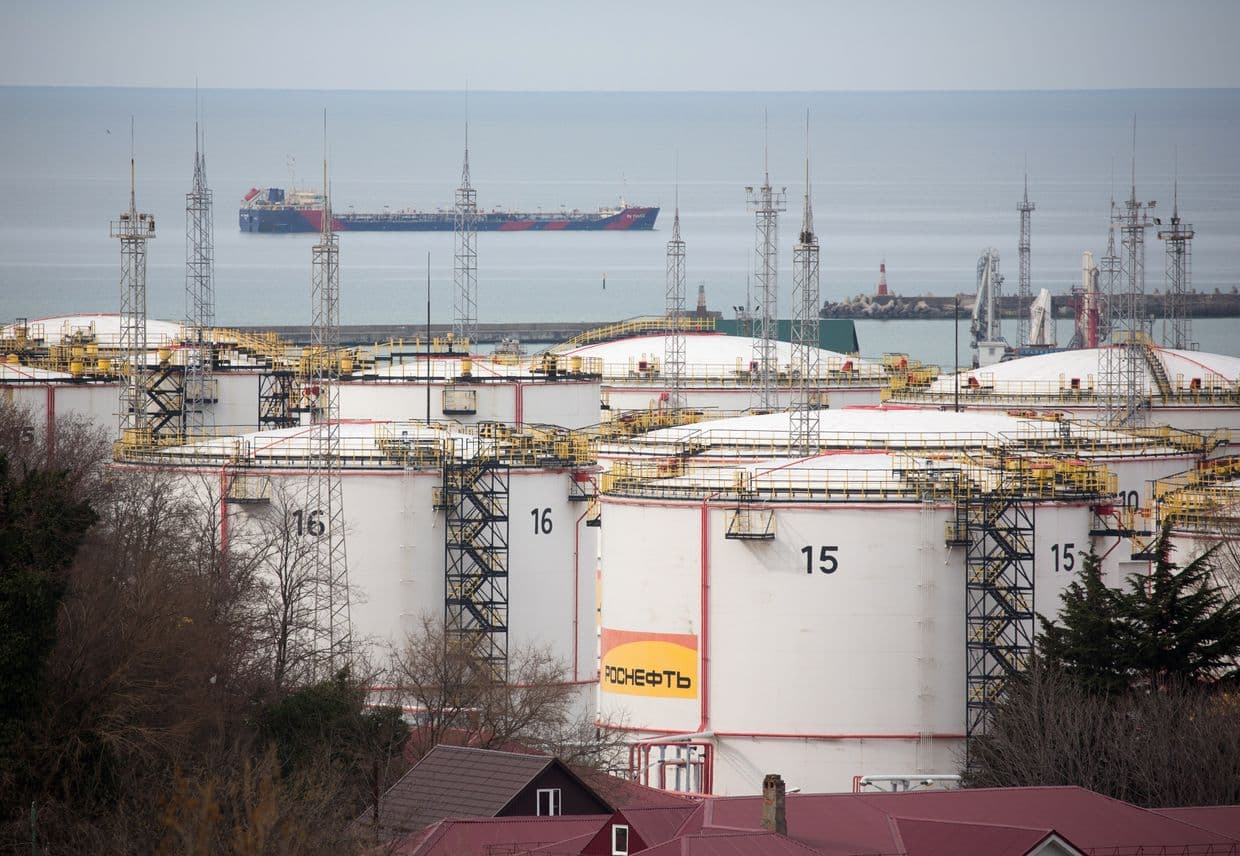
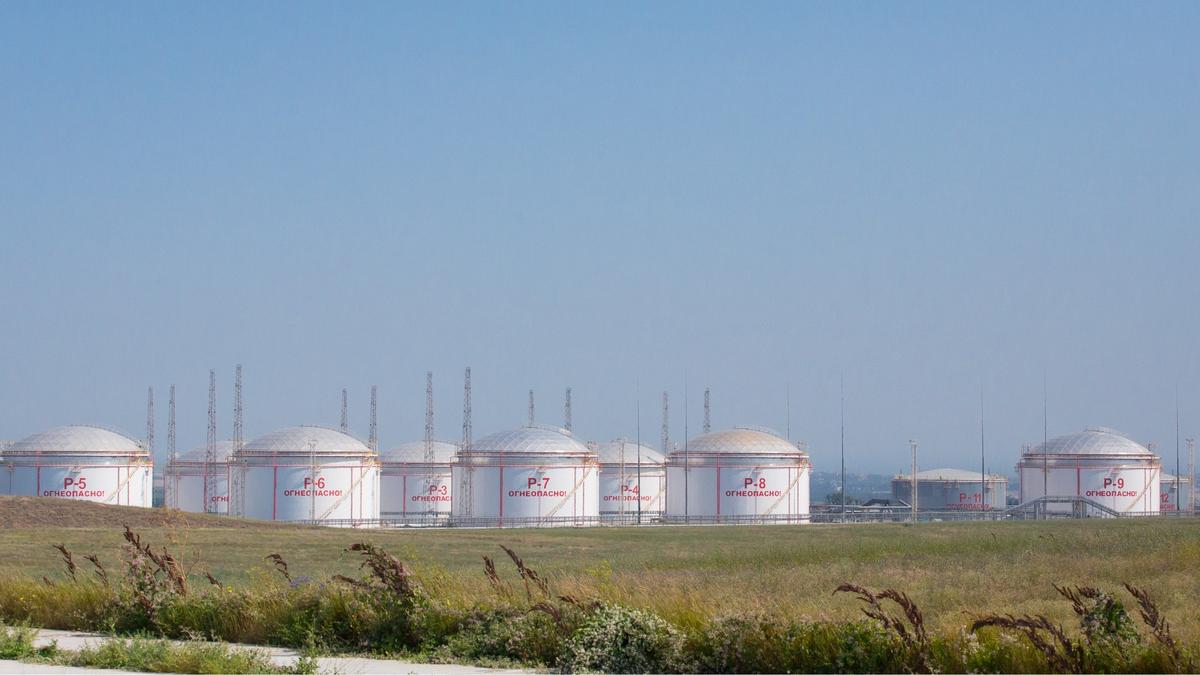
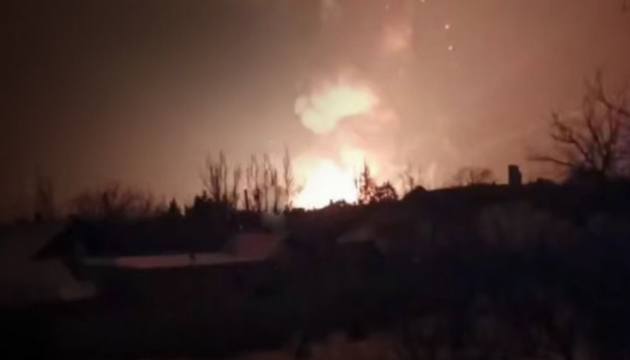
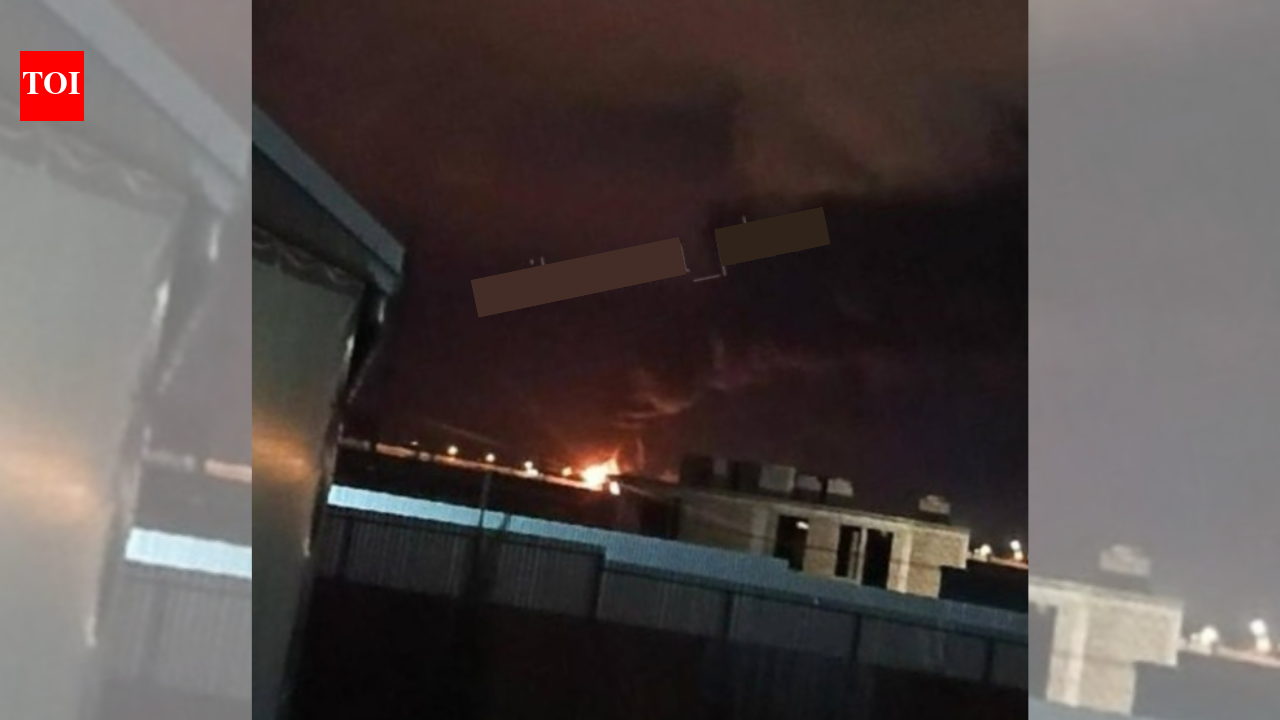
The escalating Ukraine-Russia conflict has entered a critical phase of economic warfare targeting Russian energy infrastructure, with direct implications for cross-border e-commerce sellers operating in or shipping to affected regions. On January 22-26, 2026, Ukrainian forces conducted precision drone strikes on the Ilsky oil refinery and Tamanneftegaz terminal in Krasnodar Krai, causing fires, one hospitalization, and damage to two business facilities. The strategic impact is substantial: Reuters calculations project Russian federal budget oil and gas tax revenues will decline 46% compared to January 2025, dropping to approximately 420 billion rubles ($5.42 billion USD). Since oil and gas revenues constitute roughly one-quarter of Russia's federal budget, these infrastructure attacks represent a sophisticated economic warfare strategy designed to incrementally weaken Moscow's financial capacity to sustain military operations.
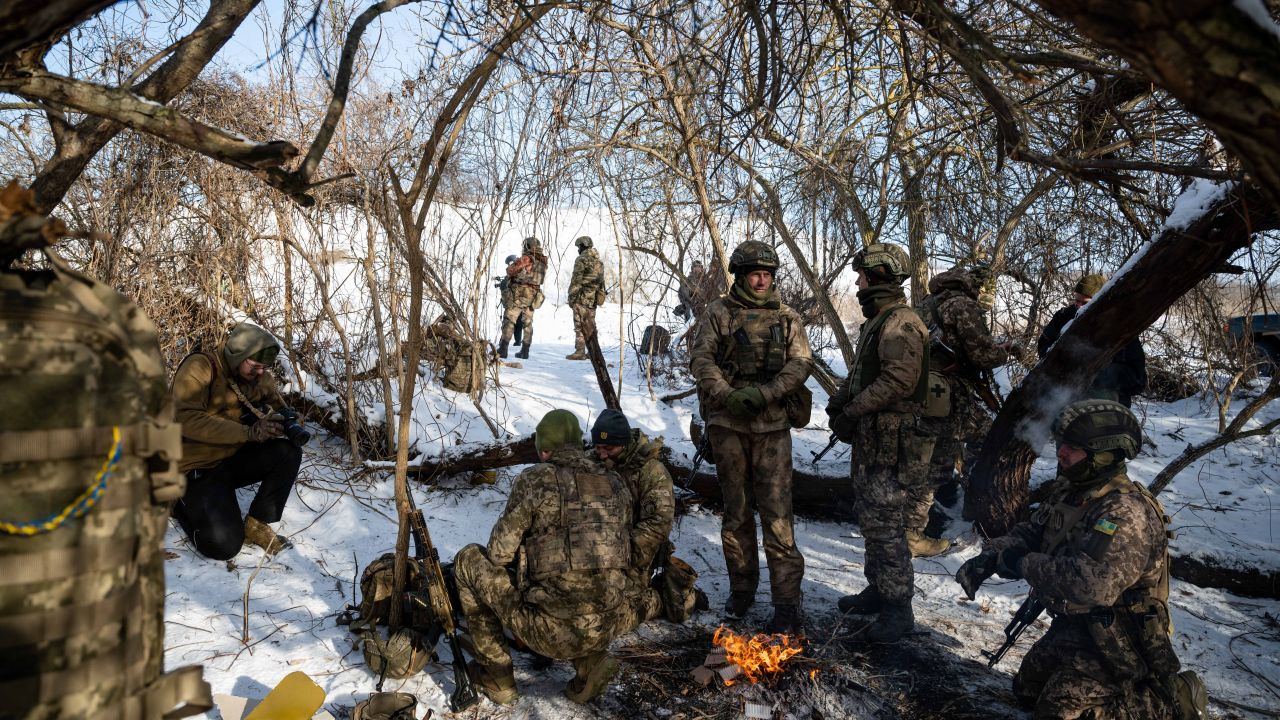
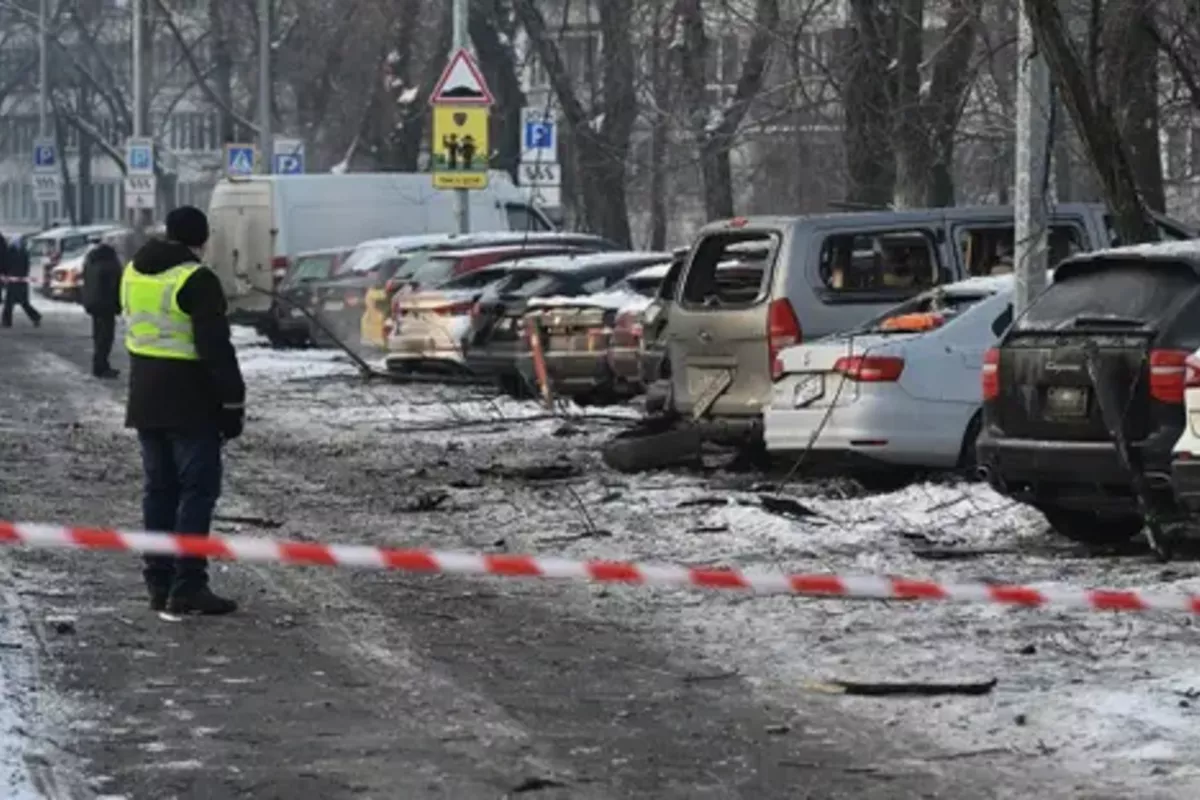
The operational context reveals broader regional instability affecting seller logistics networks. Recent Russian strikes on Ukraine's energy infrastructure left 1.2 million homes without electricity and damaged at least 1,330 buildings in Kyiv, creating supply chain disruptions across Eastern Europe. The Krasnodar region, located near occupied Crimea, has become a regular target of Ukrainian deep strikes, indicating this represents an ongoing pattern rather than isolated incidents. For cross-border sellers, this creates compounding risks: fuel supply disruptions affecting transportation costs, regional power outages impacting warehouse operations and fulfillment centers, potential customs delays at border crossings, and currency volatility as Russia's economic capacity weakens.
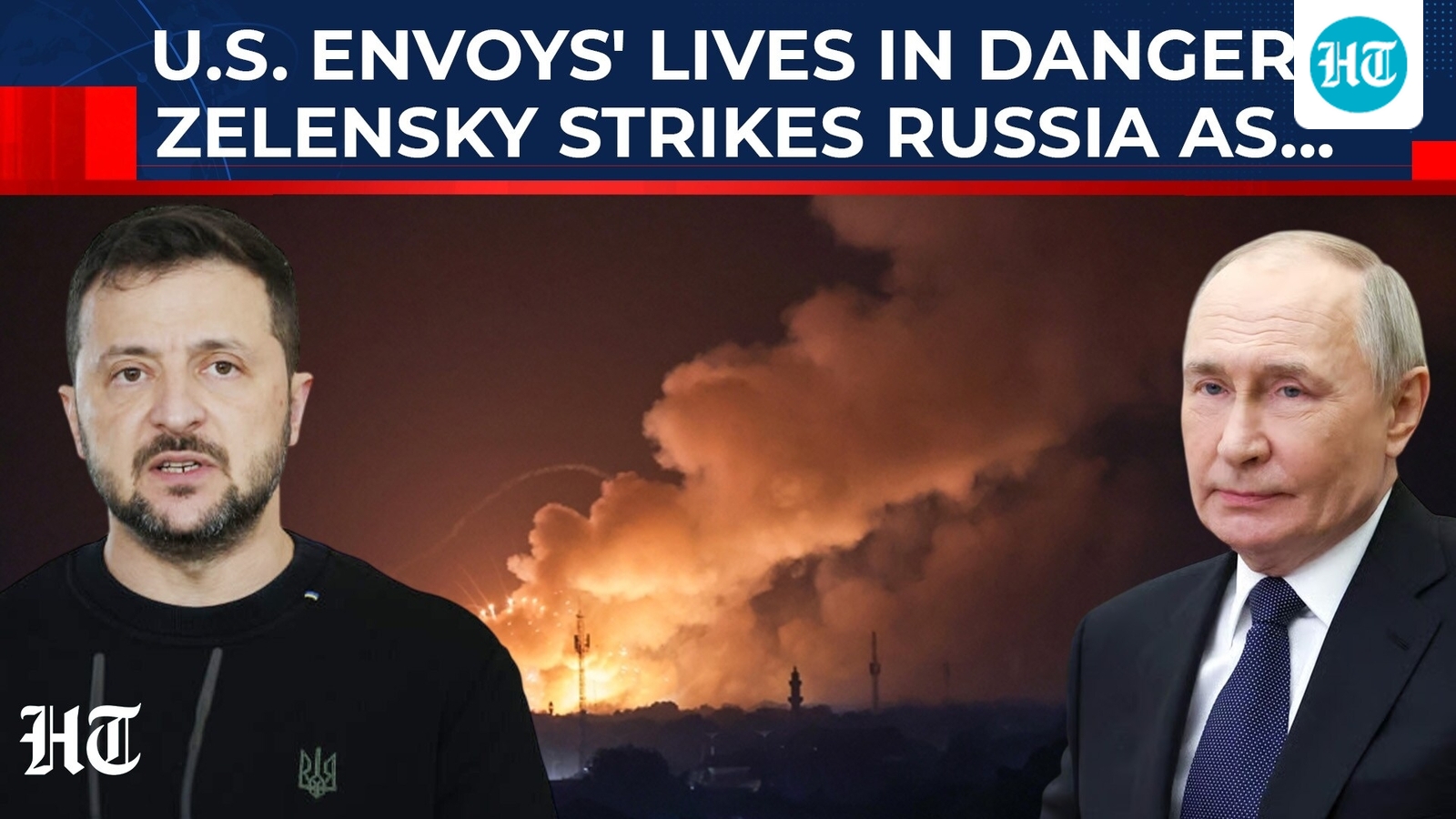
Concurrently, diplomatic efforts continue with Ukrainian President Volodymyr Zelensky claiming a US security agreement is "100 per cent ready," though Kremlin spokesperson Dmitry Peskov emphasized territorial considerations remain critical to any settlement. This diplomatic uncertainty creates a volatile operational environment where sellers cannot reliably forecast regional stability timelines. The combination of infrastructure targeting, energy supply disruptions, and unresolved territorial disputes creates a complex risk matrix for sellers with inventory, fulfillment operations, or supplier relationships in Russia, Belarus, or Ukraine. Sellers must implement comprehensive geopolitical risk assessment protocols, diversify logistics routing away from conflict zones, maintain flexible inventory positioning, and establish contingency plans for extended supply chain disruptions lasting 3-6 months or longer.
问题 7
What supply chain risks should sellers monitor in Eastern Europe during this conflict escalation?
The conflict now targets critical infrastructure beyond military assets, creating cascading supply chain failures. The 1.2 million homes left without electricity in Kyiv and 1,330 damaged buildings indicate widespread power disruptions affecting warehouses, fulfillment centers, and manufacturing facilities across Ukraine. For sellers with 3PL providers or suppliers in Ukraine, Belarus, or western Russia, power outages can cause 24-72 hour operational shutdowns, inventory spoilage (especially for temperature-sensitive products), and data loss. Sellers should immediately audit their supply chain dependencies: identify which suppliers/warehouses are in conflict-adjacent regions, establish backup 3PL relationships in Poland or Baltic states, and implement real-time power grid monitoring for critical facility locations. Budget for 10-15% inventory buffer in non-conflict regions.
How do drone strikes on Russian oil refineries affect cross-border sellers shipping to Russia?
The January 2026 strikes on Krasnodar refineries directly impact fuel availability and transportation costs for sellers with Russian operations. With oil and gas tax revenues projected to decline 46% (from January 2025 baseline to ~420 billion rubles), Russia's government has reduced spending capacity, affecting customs operations, port efficiency, and logistics infrastructure maintenance. Sellers should expect 15-25% increases in shipping costs to Russia over the next 2-3 months as fuel scarcity drives transportation expenses higher. Additionally, reduced government revenue may delay customs processing, extending delivery times by 5-10 business days. Sellers should immediately review their Russia-focused inventory levels and consider temporary reductions until regional stability improves.