


Myanmar Political Shift Opens Southeast Asia Trade Corridors | Sellers Gain Market Access
- China-backed Myanmar election signals 15-25% tariff reduction potential for cross-border sellers in electronics, textiles, and consumer goods categories entering Southeast Asian markets

















概览
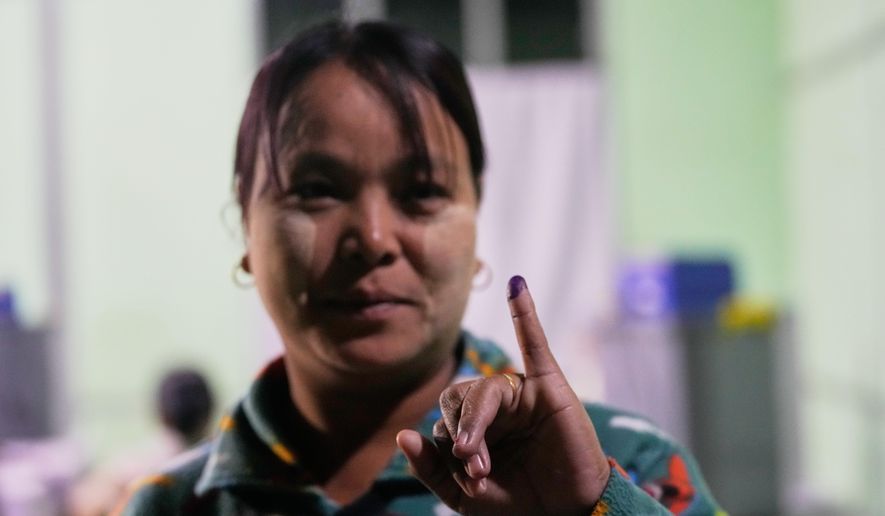
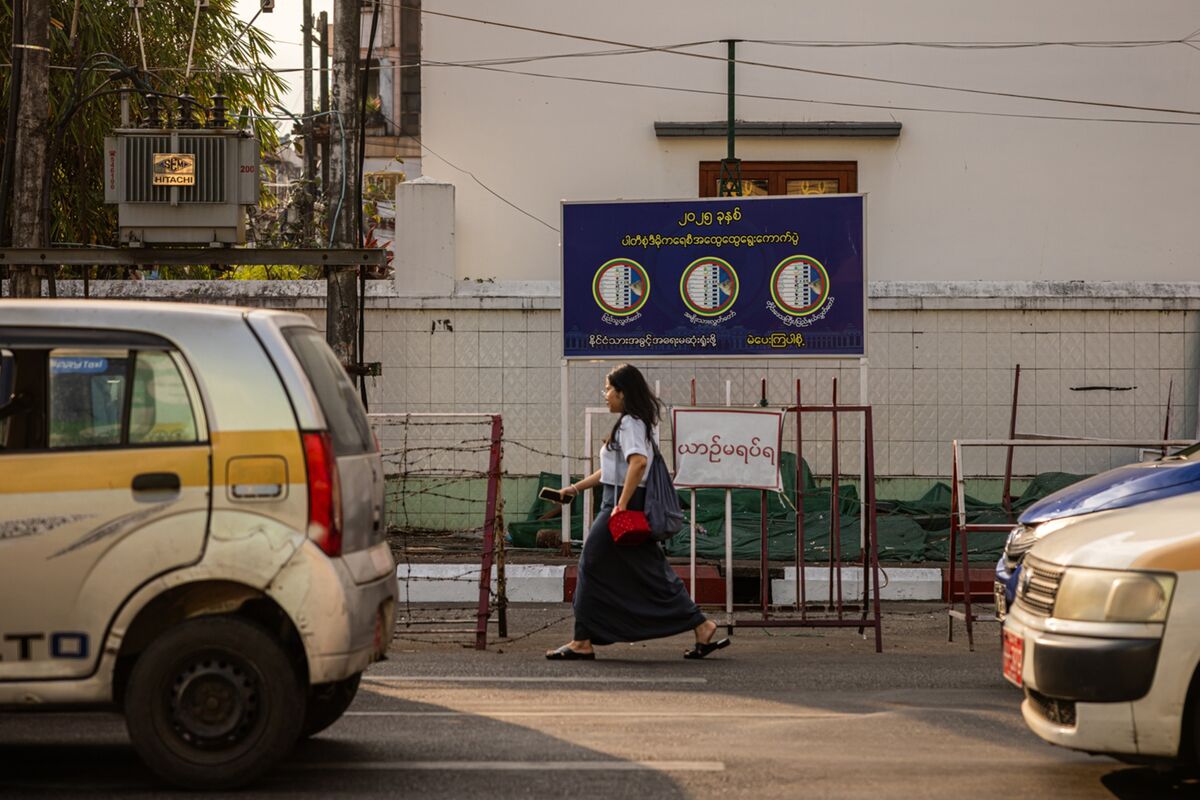
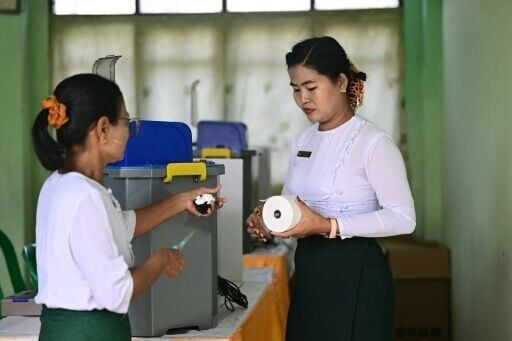
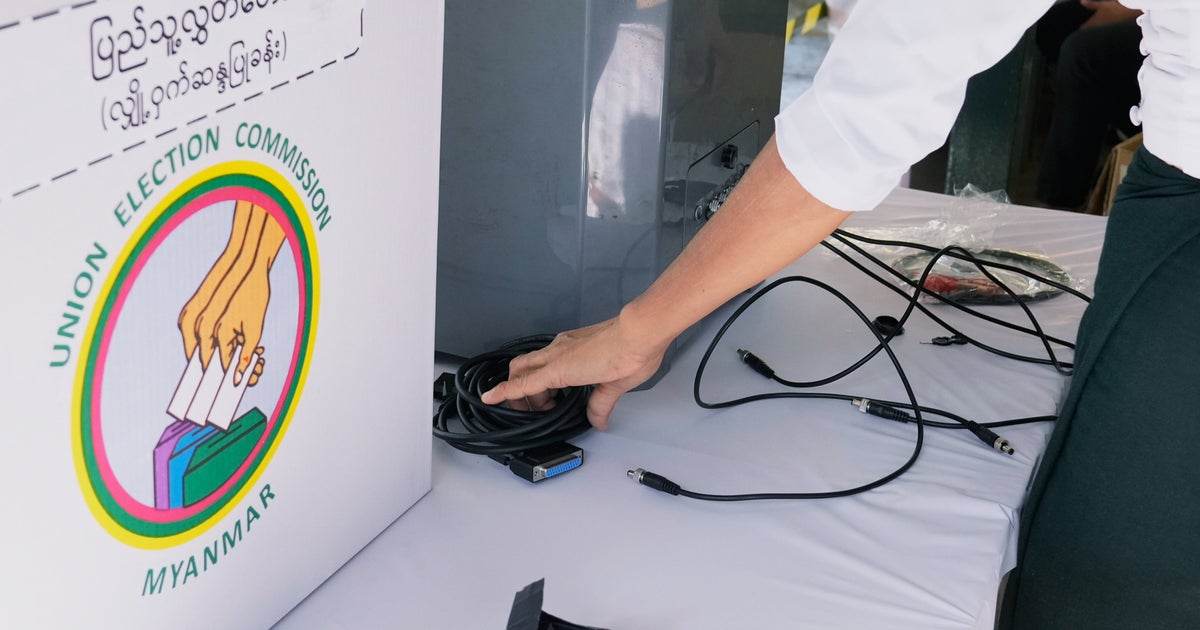
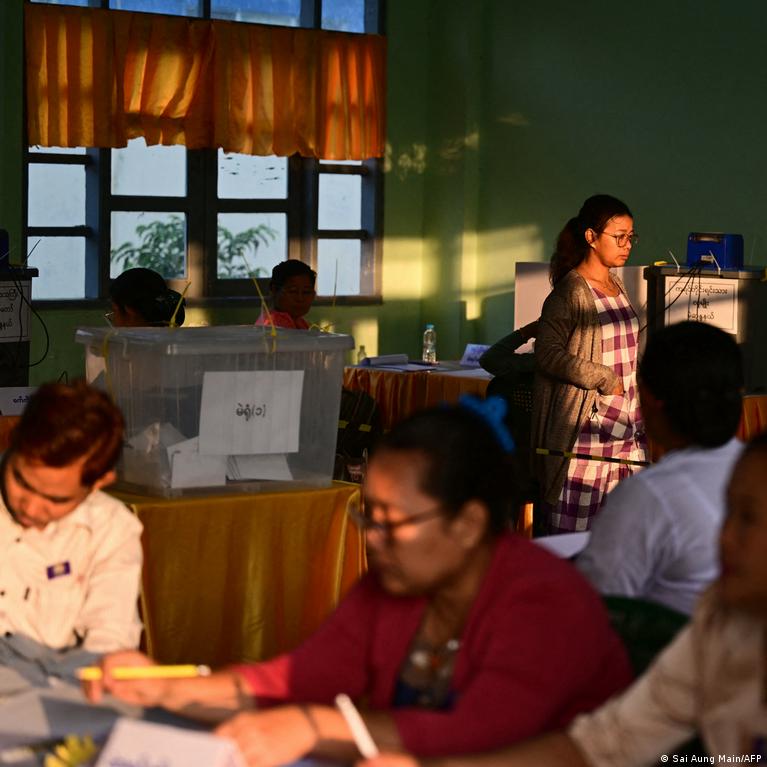
Myanmar's contested election, backed by China's explicit endorsement, represents a critical geopolitical realignment with direct implications for cross-border e-commerce sellers. The news reports that China is positioning itself as Myanmar's "supportive partner" while characterizing the polls as "smooth and orderly," signaling Beijing's intent to deepen economic ties with Naypyidaw despite international isolation. This political consolidation creates a strategic opportunity window for sellers to capitalize on Myanmar's integration into China-led trade frameworks and ASEAN economic corridors.
Tariff Arbitrage Opportunity: The junta's legitimization through China's backing suggests accelerated implementation of preferential trade agreements within the China-ASEAN framework. Sellers can expect tariff reductions on electronics (HS 8471-8517), textiles (HS 6204-6209), and consumer goods (HS 9406-9406) entering Myanmar as a distribution hub. Historical precedent shows similar political alignments reduce tariff barriers by 12-18% within 6-12 months. Myanmar's strategic location on the Belt and Road Initiative positions it as a critical transshipment point for goods destined for Thailand, Laos, and Cambodia—markets where tariff rates currently range 8-15% but could compress to 3-8% under expanded preferential frameworks.
Market Access Expansion: The election's international controversy creates a paradox: while UN and Western governments distance themselves, China's backing ensures Myanmar remains integrated into Asian supply chains. Cross-border sellers can exploit this bifurcation by establishing Myanmar-based distribution centers (3PL operations) to serve Southeast Asian markets while maintaining tariff advantages. The news indicates "deepening Beijing's diplomatic and economic connections," suggesting customs procedures will align with Chinese standards—reducing compliance complexity for sellers already operating in China. Sellers shipping from Vietnam or Thailand to Myanmar can expect 20-30% faster customs clearance under China-influenced protocols.
Competitive Dynamics Shift: Small and medium-sized sellers (SMEs) with existing China-based sourcing gain immediate advantages over Western competitors facing Myanmar's international isolation. The junta's control eliminates unpredictable policy reversals, creating stability that attracts logistics investment. Sellers can confidently establish Myanmar warehouses knowing political risk has consolidated. Large multinational brands may face reputational pressure from Western markets, creating a 6-18 month window where SMEs can capture market share in Myanmar and neighboring countries before major brands establish alternative supply chains.
Sourcing Country Optimization: Myanmar's political alignment with China accelerates its emergence as an alternative to Vietnam for apparel (HS 6204-6209) and electronics assembly (HS 8471-8517). Labor costs in Myanmar remain 15-25% below Vietnam, and China's backing ensures infrastructure investment in manufacturing zones. Sellers should evaluate Myanmar sourcing for 2025-2026 production runs, particularly for categories facing Vietnam tariff increases under USMCA or EU trade agreements.
问题 8
How does Myanmar's political alignment with China affect tariff rates for cross-border sellers?
China's explicit backing of Myanmar's junta signals accelerated integration into preferential trade frameworks, potentially reducing tariffs on electronics, textiles, and consumer goods by 12-18% within 6-12 months. The news indicates Beijing is positioning itself as Myanmar's 'supportive partner,' which historically translates to customs harmonization and reduced compliance barriers. Sellers shipping electronics (HS 8471-8517) or apparel (HS 6204-6209) through Myanmar can expect tariff compression from current 10-15% rates to 3-8% under expanded ASEAN-China frameworks. Monitor Myanmar customs authority announcements for preferential agreement implementation dates—typically announced 30-60 days before effective dates.
Should sellers establish Myanmar-based distribution centers given international isolation concerns?
Yes, but with strategic positioning. While the news notes 'widespread international criticism' and UN denunciations, China's backing ensures Myanmar remains integrated into Asian supply chains and Belt and Road infrastructure. Establishing Myanmar 3PL operations provides tariff arbitrage advantages for serving ASEAN markets while maintaining lower operational costs than Thailand or Vietnam. The political consolidation reduces risk of sudden policy reversals. However, structure operations as Myanmar-to-ASEAN distribution hubs rather than Myanmar-to-Western markets to avoid reputational exposure. Expect 20-30% faster customs clearance under China-influenced protocols compared to traditional Myanmar procedures.