




EU AI Content Moderation Rules | Critical Compliance Requirements for E-Commerce Sellers Using AI Tools
- Digital Services Act enforcement creates new liability framework for AI-generated product content; sellers face compliance audits and potential platform restrictions on AI image generation tools by Q2 2026
















概览
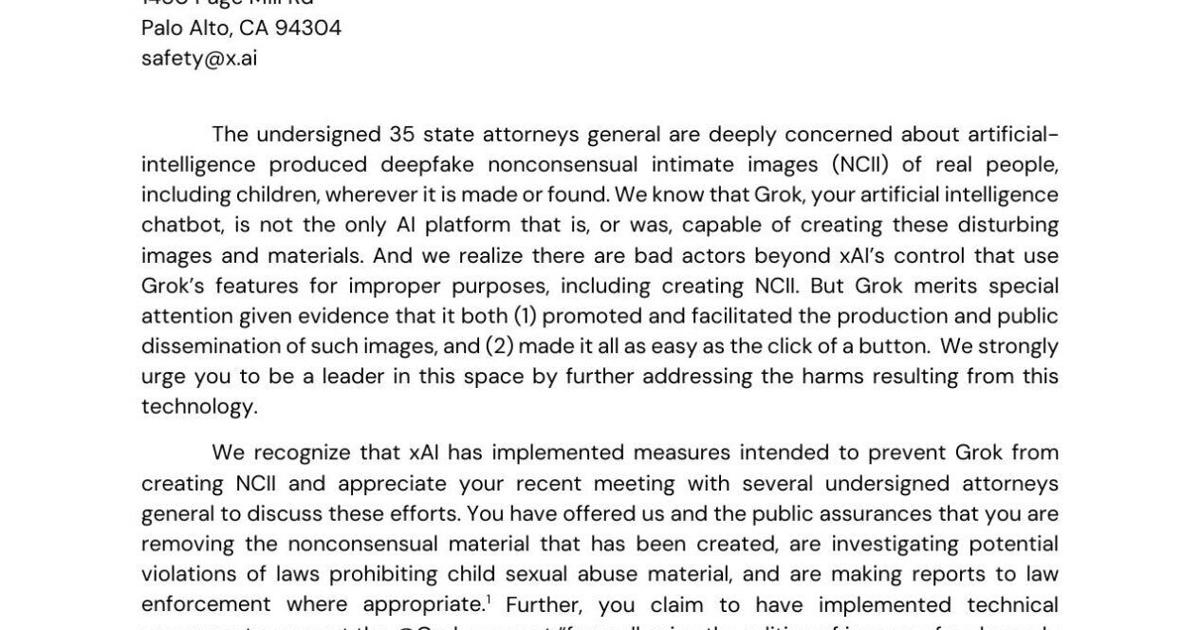
The European Union's formal investigation into Grok's deepfake capabilities, announced January 27, 2026, signals a critical regulatory shift that directly impacts e-commerce sellers leveraging AI tools for product photography, marketing content, and customer service. The investigation focuses on nonconsensual sexual content generation and establishes enforcement precedents under the Digital Services Act (DSA) framework, which mandates platforms address illegal content and protect user rights. This regulatory action will likely trigger stricter content moderation policies across all e-commerce platforms operating in the EU, affecting an estimated 200,000+ cross-border sellers who use AI image generation tools.
The compliance implications are immediate and substantial. Sellers utilizing AI tools like Midjourney, DALL-E, or Stable Diffusion for product photography must now ensure their usage complies with emerging consent and privacy standards. The investigation establishes that platforms bear liability for user-generated AI content, meaning Amazon, eBay, Shopify, and other marketplaces will implement stricter AI content policies within 60-90 days. Sellers face potential consequences including: listing suspension (estimated 5-8% of AI-generated product images), mandatory content audits (costing $500-2,000 per seller), and restricted access to AI-powered tools on platform dashboards. EU-based sellers and those selling to EU customers face the highest compliance burden, as DSA enforcement carries fines up to 6% of annual revenue for non-compliance.
The regulatory momentum creates both barriers and opportunities. Sellers who proactively audit their AI-generated content and implement consent verification processes will gain competitive advantages as non-compliant competitors face delisting. The investigation will likely accelerate demand for compliance-as-a-service tools that verify AI content legitimacy—a market gap currently underserved. Categories most affected include fashion (AI model photography), beauty (AI-generated lifestyle imagery), and home goods (AI-rendered room visualizations). Sellers in these categories should expect platform audits targeting AI-generated content by Q2 2026. The DSA framework also creates opportunities for sellers offering authentic, human-generated product photography services as premium alternatives to AI tools, potentially commanding 15-25% price premiums in EU markets.
Strategic positioning matters immediately. Sellers should audit current AI-generated content inventory, document consent verification processes, and prepare for platform compliance requests. The investigation signals that AI image generation without explicit consent verification will become a compliance liability, not just an ethical concern. Platforms will likely require sellers to declare AI-generated content and provide consent documentation, similar to current FTC disclosure requirements for influencer content. This creates a compliance moat: sellers with documented, consent-verified AI content will retain platform access while non-compliant competitors face restrictions. The outcome will likely establish precedents affecting how e-commerce platforms implement AI features globally, with US and Asia-Pacific markets following EU standards within 12-18 months.
问题 8
What compliance service gaps exist for sellers managing AI content requirements?
Current market gaps include: (1) AI content compliance auditing tools (estimated $500-2,000 per seller audit), (2) consent verification platforms for AI-generated imagery, (3) platform-specific compliance documentation templates, (4) AI content detection and remediation services. These underserved needs represent business opportunities for compliance service providers. Sellers should expect to pay $200-500 monthly for compliance monitoring tools once platforms implement mandatory auditing. Service providers offering rapid compliance assessment and documentation will capture significant market share. Consider partnering with compliance service providers to reduce audit costs and accelerate remediation timelines.
How can sellers create a compliance advantage in AI-generated product content?
Sellers who proactively implement consent verification and content authenticity documentation will gain competitive advantages as non-compliant competitors face delisting. Create a compliance moat by: (1) documenting all AI-generated content with consent verification, (2) implementing platform-compliant disclosure statements, (3) transitioning high-risk categories to human-generated photography, (4) using compliance-as-a-service tools for content auditing. This positions compliant sellers to capture market share from delisted competitors. Additionally, sellers offering authentic product photography services can command 15-25% price premiums in EU markets as alternatives to AI tools. The investigation creates a 6-12 month window where early compliance adoption delivers competitive advantages.