

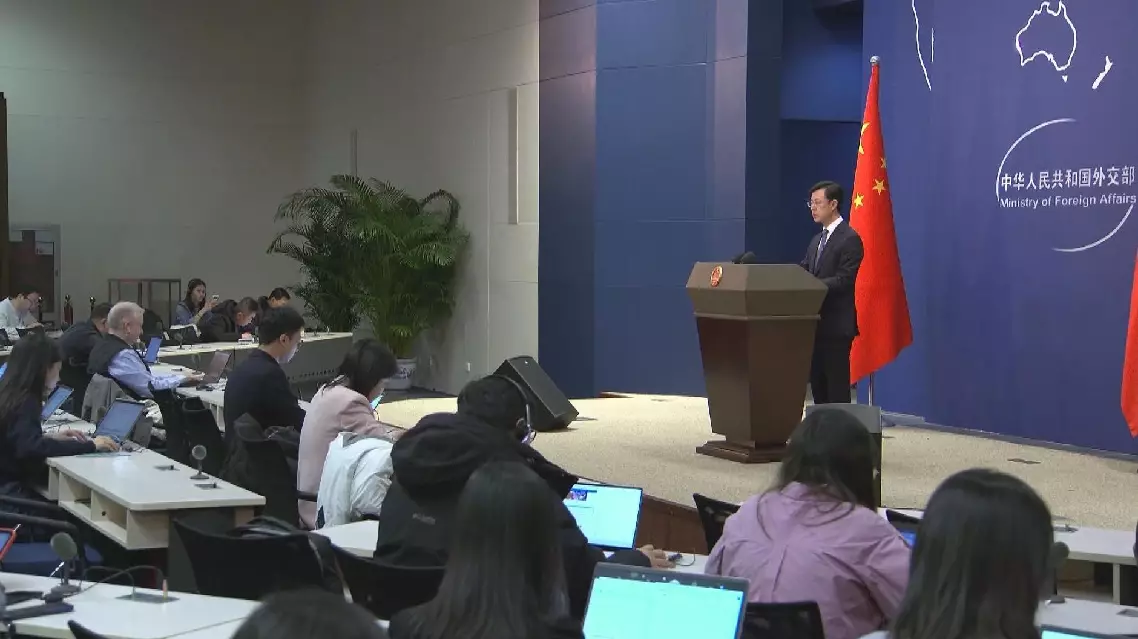


UK-China Trade Negotiations 2026 | Tariff Arbitrage & Supply Chain Reshuffling for Cross-Border Sellers
- Starmer's January 28 Beijing visit creates dual-path tariff scenarios: 100% Canada tariffs vs. UK-China deal opportunities; sellers face 8-15% margin compression or sourcing cost reductions depending on negotiation outcomes


































概览
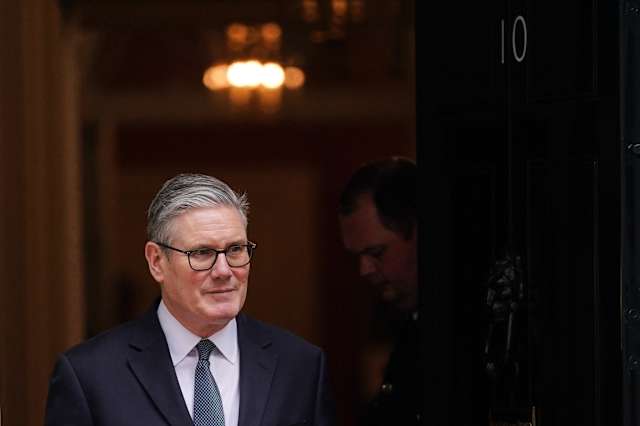
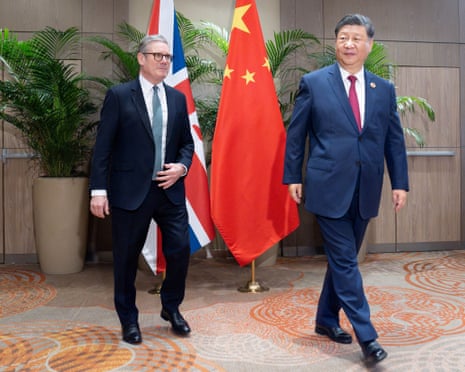
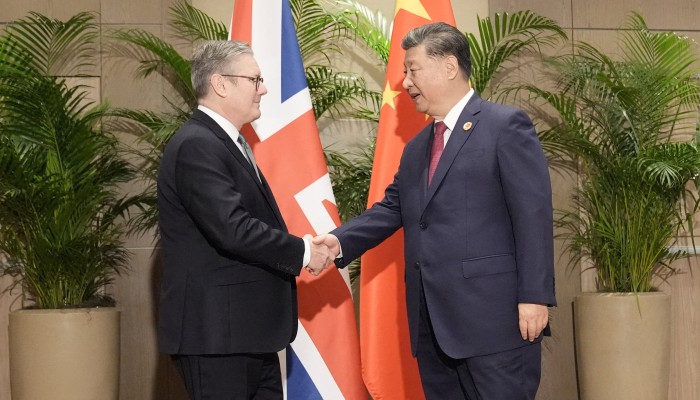
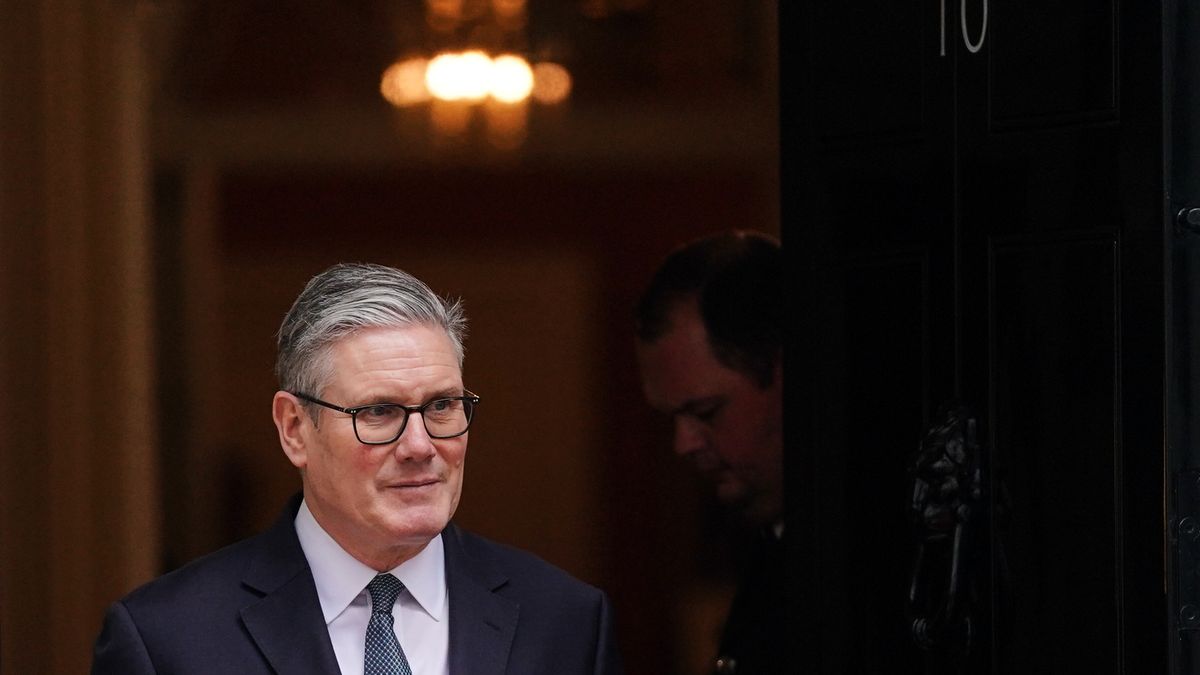
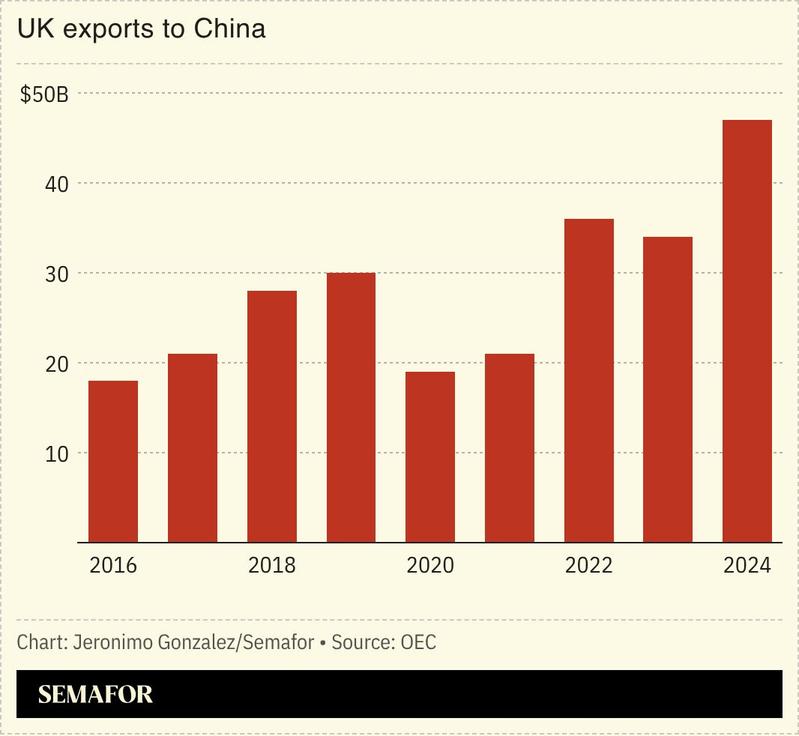
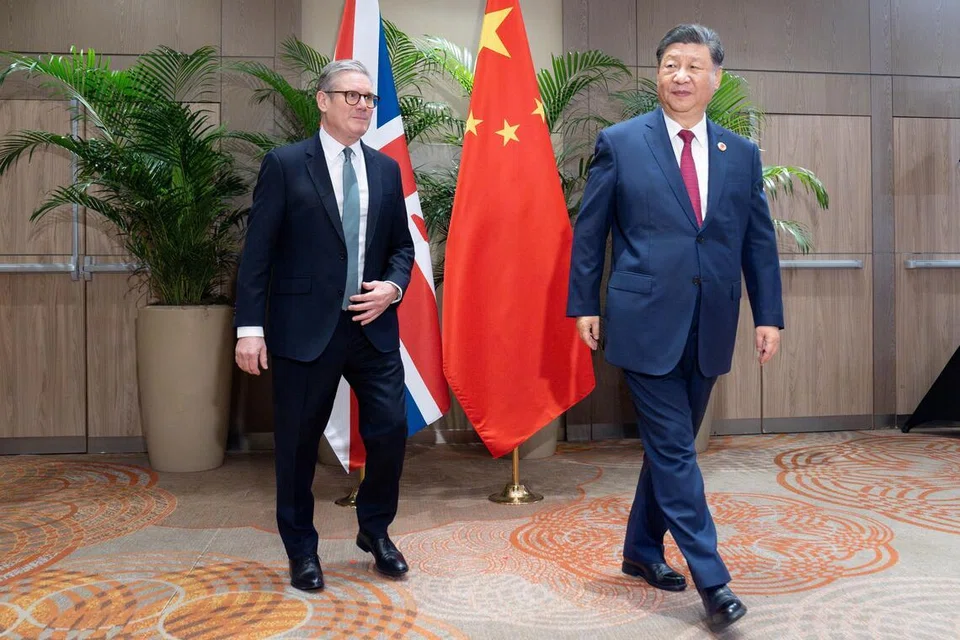
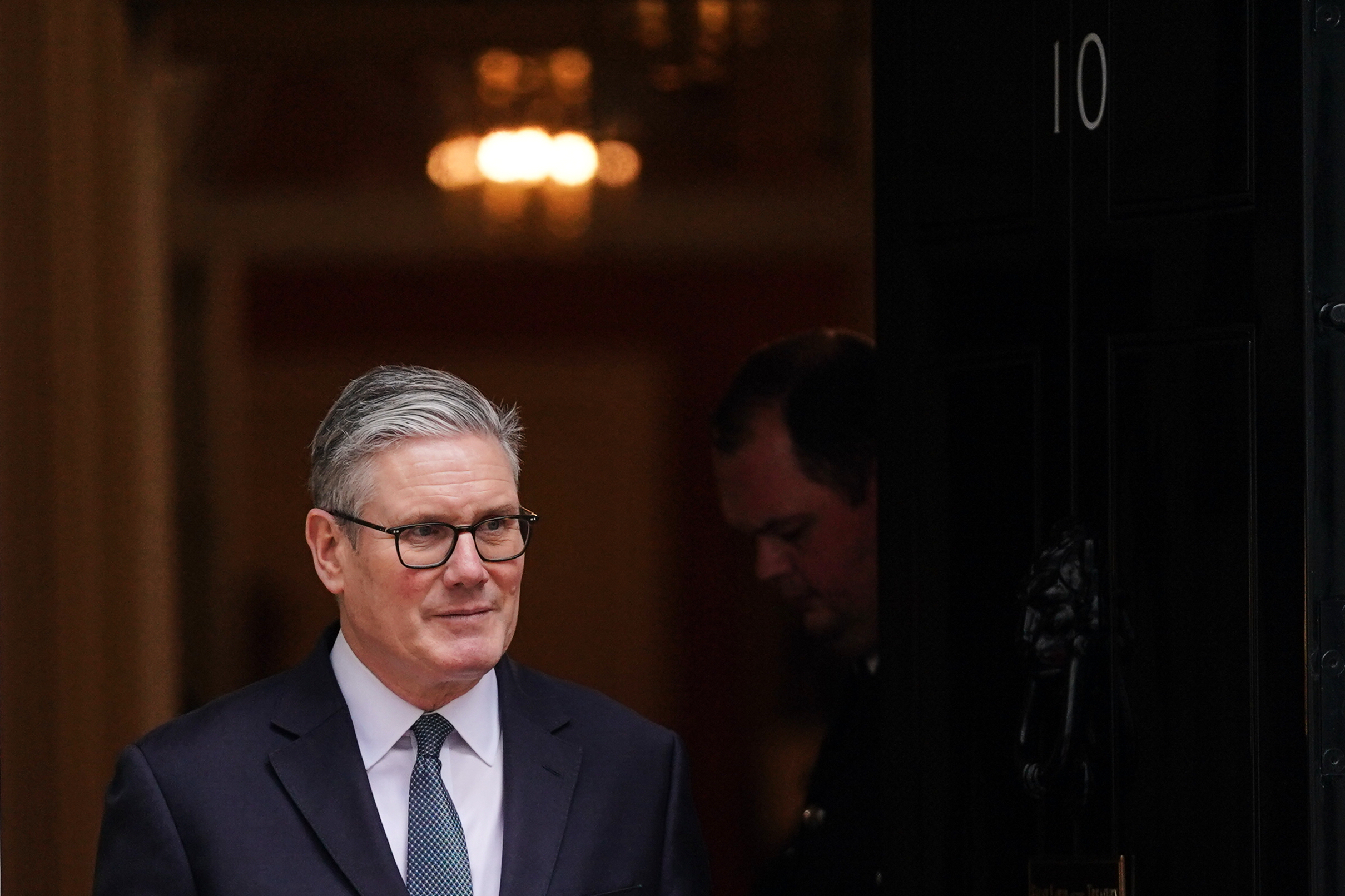
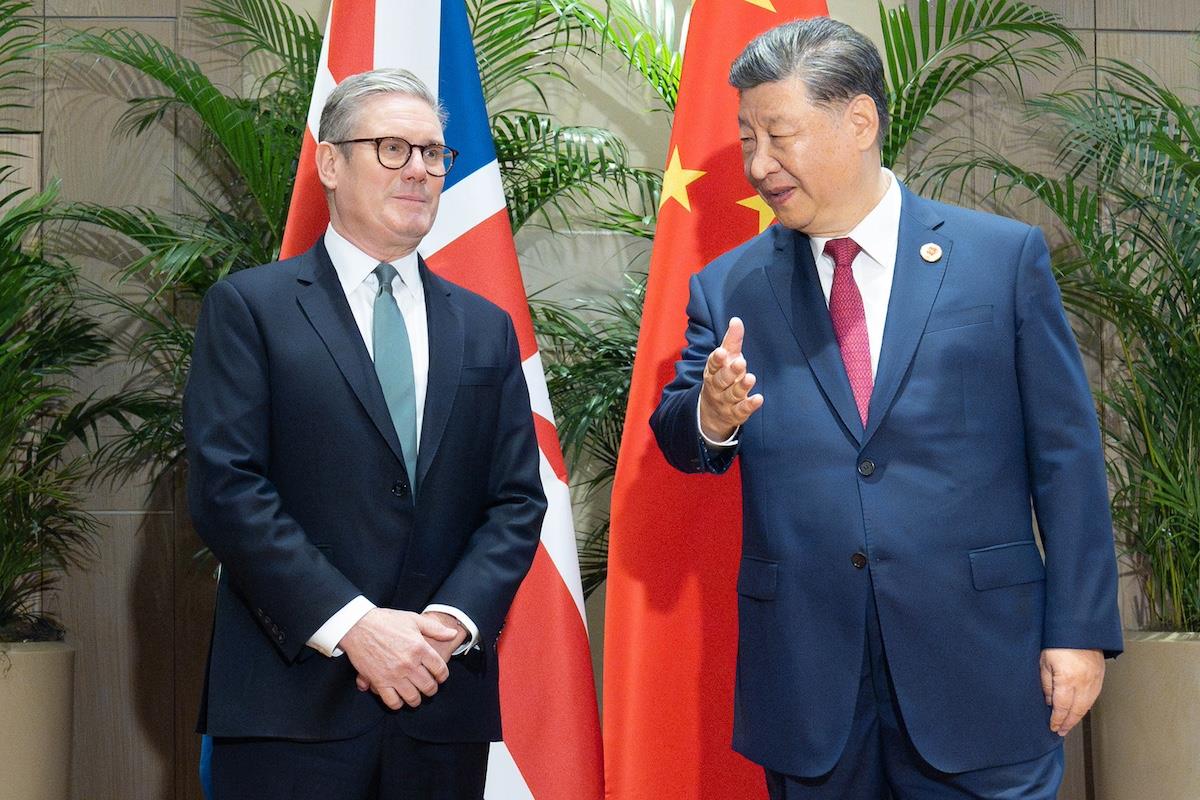
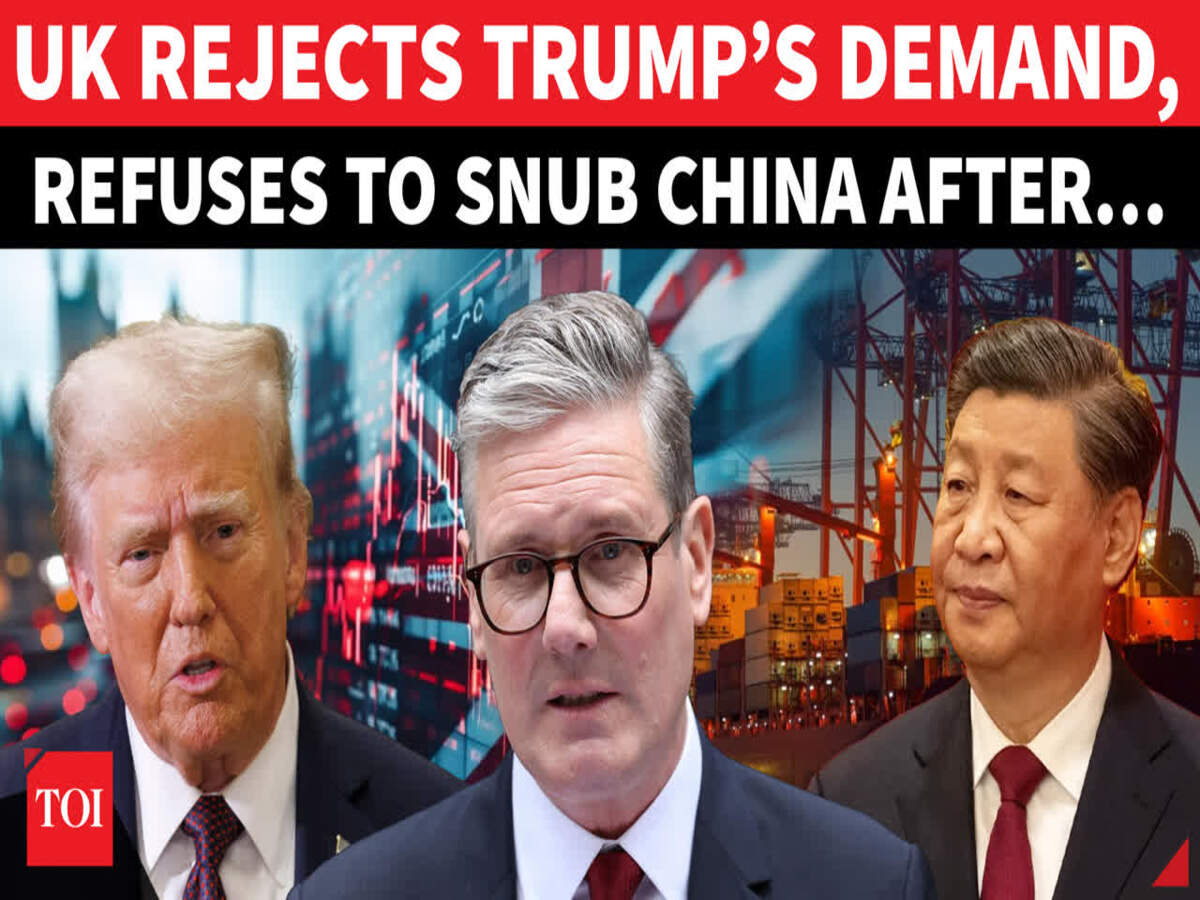
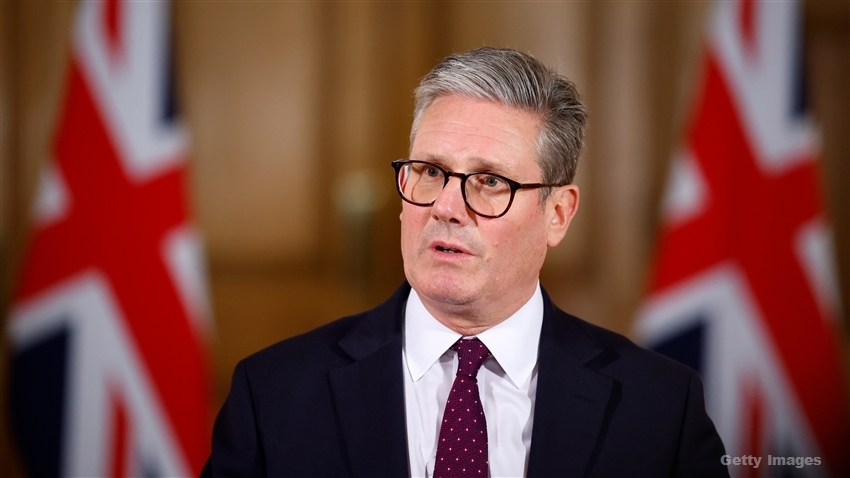
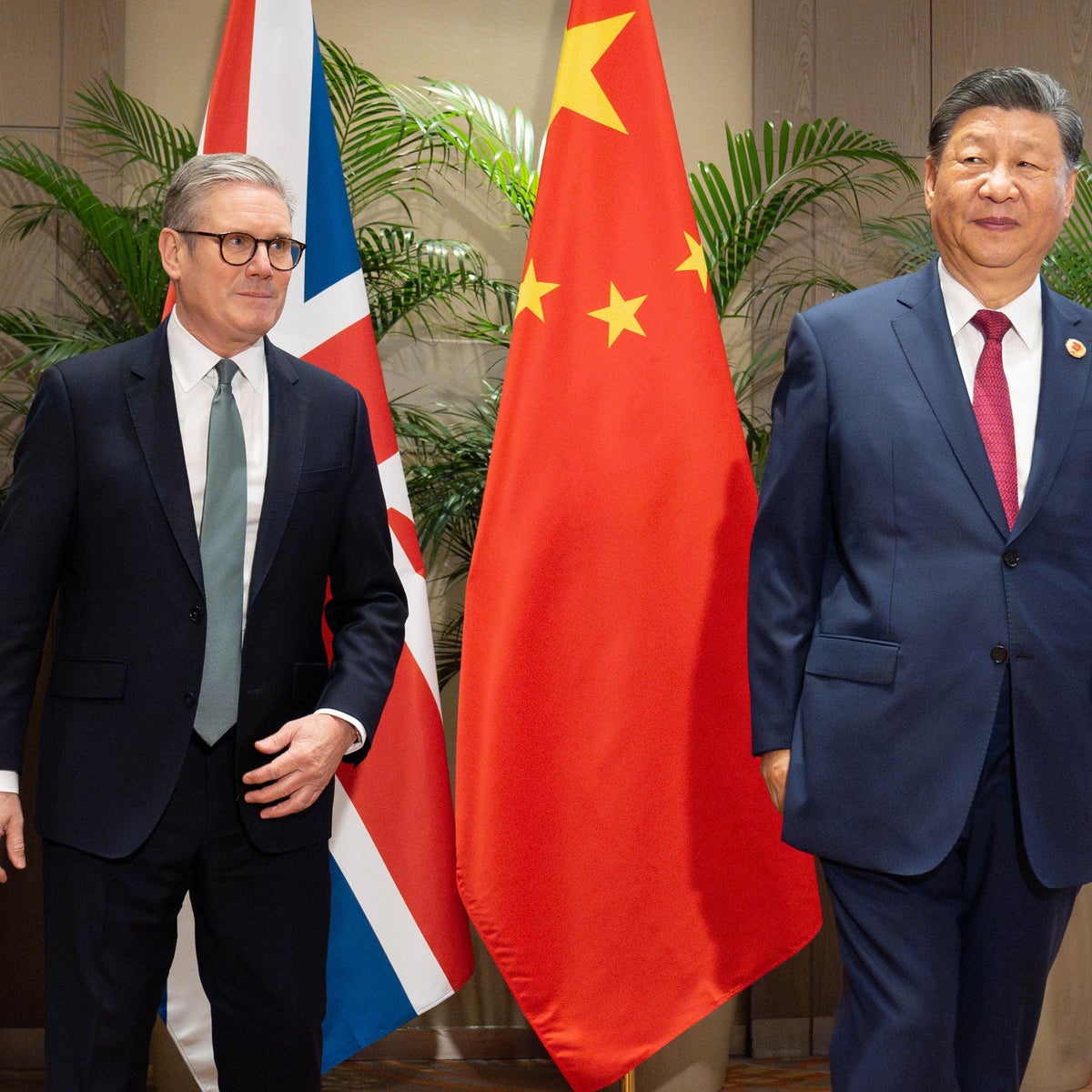
Prime Minister Keir Starmer's three-day visit to China starting January 28, 2026, represents a critical inflection point for cross-border e-commerce sellers navigating Trump's protectionist tariff regime. The visit marks the first UK PM trip to China since 2018 and occurs amid escalating US-China tensions, with Trump threatening 100% tariffs on Canada if it deepens China trade ties. This creates a binary outcome scenario for sellers: either UK-China trade agreements reduce import costs by 5-12% for British e-commerce businesses sourcing from Chinese manufacturers, or Trump extends punitive tariffs to UK-based sellers exporting to North America, compressing margins by 8-15%.
The immediate tariff arbitrage opportunity centers on product categories where UK-China agreements could unlock preferential treatment. Electronics (HS codes 8471-8517), textiles (HS 6204-6209), and consumer goods (HS 9406-9406) represent the highest-value categories for UK importers. If Starmer secures tariff reductions on Chinese-origin goods entering the UK, British sellers can reduce landed costs by 3-8 percentage points, translating to $150-400 monthly savings for mid-sized sellers (500-2,000 unit monthly volume). Conversely, Trump's "drop-off port" warning signals he may impose retaliatory tariffs on UK-origin exports to the US, particularly affecting British-branded consumer goods and specialty products currently enjoying preferential access.
Competitive dynamics shift dramatically based on negotiation outcomes. UK-based sellers with established China sourcing networks gain first-mover advantages if trade agreements materialize—they can lock in lower landed costs before competitors adjust sourcing strategies. However, sellers relying on North American distribution face existential margin pressure if Trump extends tariffs. The 2026 timeline creates a 6-9 month window (February-October) where sellers must make sourcing decisions before tariff structures solidify. Mid-market sellers (£2-10M annual revenue) face the highest risk, as they lack the scale to absorb tariff increases or the capital to rapidly diversify sourcing to Vietnam, India, or Indonesia. Large multinational sellers can leverage existing tariff optimization strategies and alternative supply chains, while small sellers (<£500K revenue) may pivot entirely to domestic UK sourcing or EU suppliers to avoid tariff exposure.
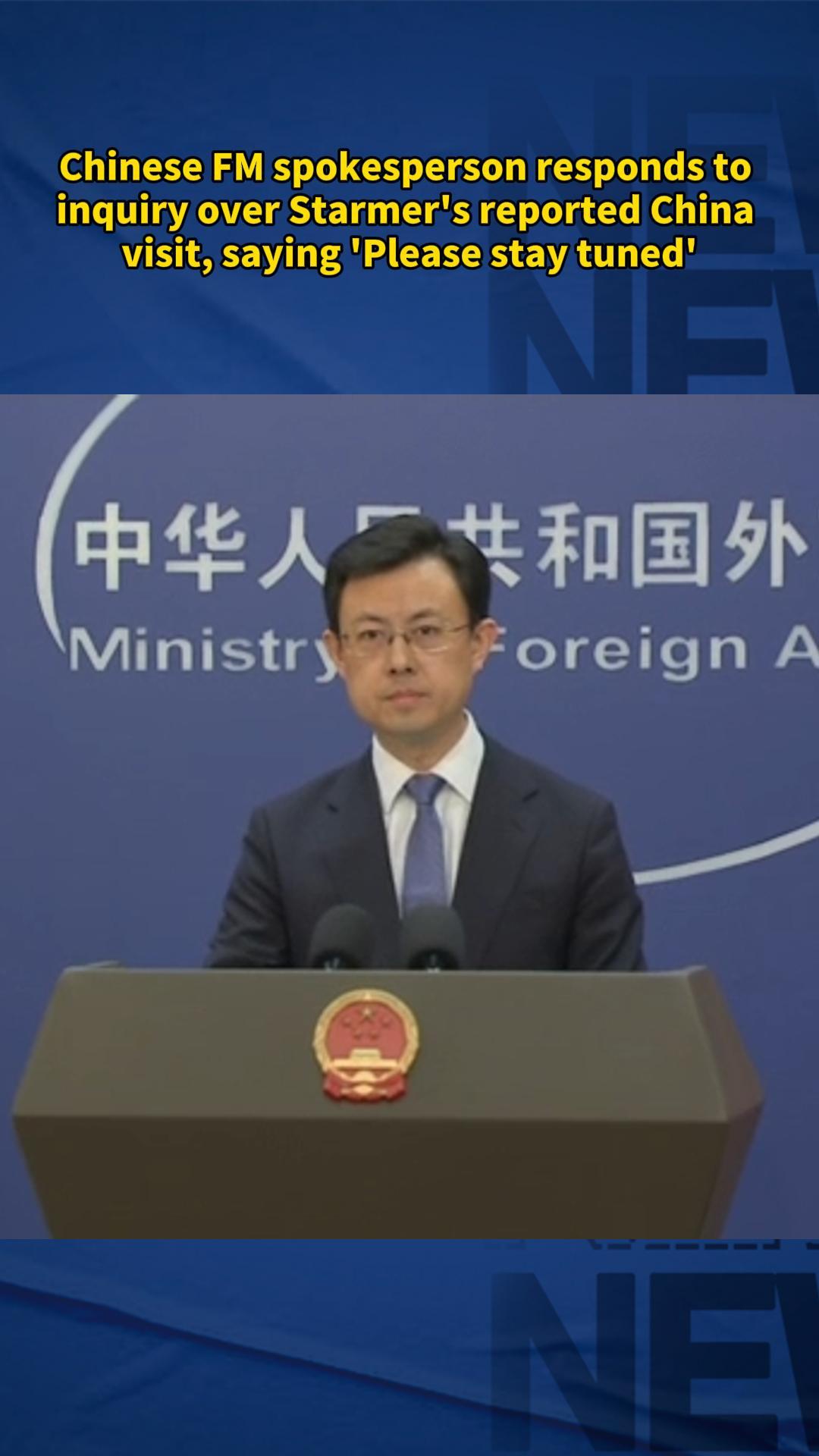
The broader geopolitical context signals sustained volatility in trade corridors through 2026. Canada's recent tariff reductions on Chinese electric vehicles demonstrate that Western allies can negotiate independent China deals, but Trump's aggressive response suggests consequences are real. Britain's balancing act—seeking China investment while maintaining transatlantic relationships—will likely influence how other EU nations approach China trade, potentially reshaping global e-commerce supply chains. Sellers should monitor the outcome of Starmer's Beijing visit (expected announcement by early February 2026) as a leading indicator for broader Western trade policy shifts.
问题 8
Should I shift my sourcing from China to Vietnam or India to avoid tariff risk?
Diversifying sourcing to Vietnam, India, or Indonesia reduces tariff exposure but increases operational complexity and costs. Vietnam sourcing typically adds 2-4% to landed costs due to less mature supply chains, while India adds 3-6% due to longer lead times. A balanced approach: maintain 60-70% China sourcing for high-volume categories (leveraging potential UK-China tariff reductions), shift 20-30% to Vietnam for mid-volume products, and reserve 10% for India for specialty items. This hedges against tariff volatility while preserving cost advantages. Implement this strategy by Q2 2026 before tariff structures solidify.
What product categories offer the best tariff arbitrage opportunities from UK-China negotiations?
Electronics (HS 8471-8517), textiles (HS 6204-6209), and consumer goods (HS 9406-9406) represent the highest-value categories for tariff optimization. These categories currently face 5-12% tariff rates on Chinese-origin imports into the UK. If trade agreements reduce these rates by 3-8 points, sellers can lock in 5-12% landed cost reductions. Sellers should prioritize sourcing audits in these categories by March 2026 and negotiate long-term supply contracts with Chinese manufacturers to lock in lower costs before competitors adjust strategies.