



EU-India FTA Slashes Motor Vehicle Tariffs 110% to 10% | Cross-Border Seller Opportunity
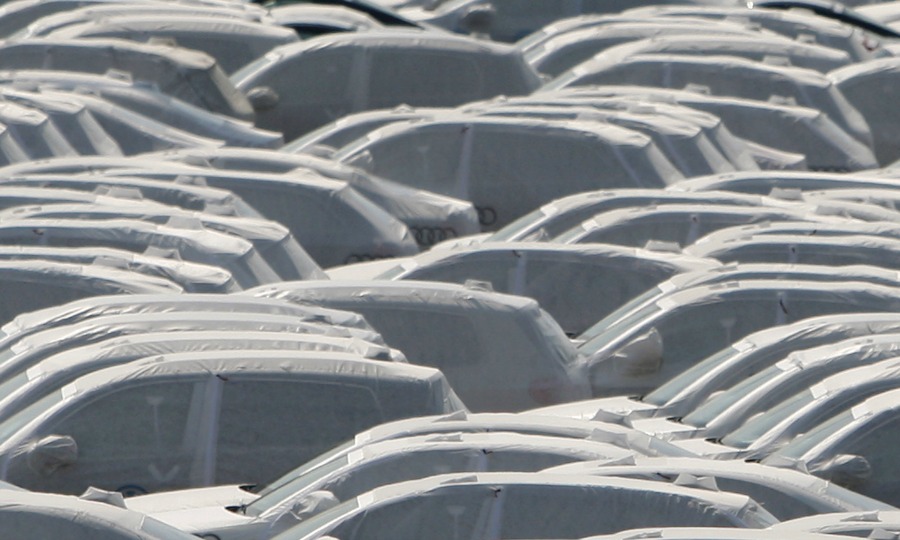
- Opens 1.4B-person Indian market with 100% tariff reduction on vehicles; Creates €136B bilateral trade corridor; Phased implementation 2025-2026 creates 6-month arbitrage window for European exporters





















概览
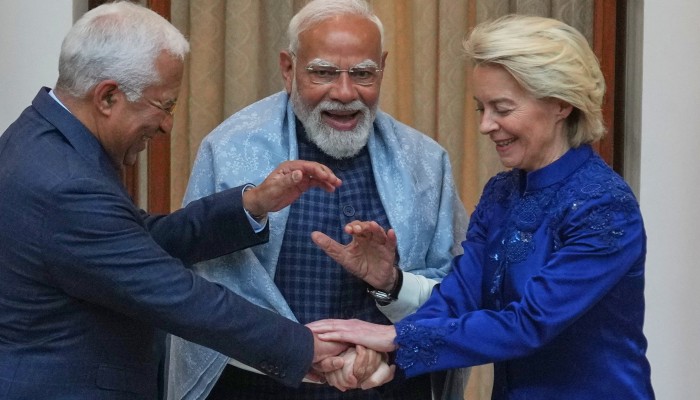
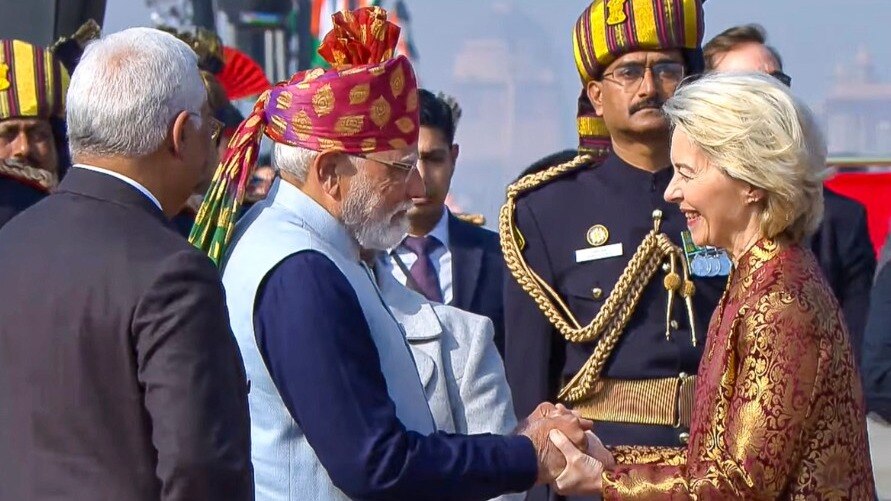
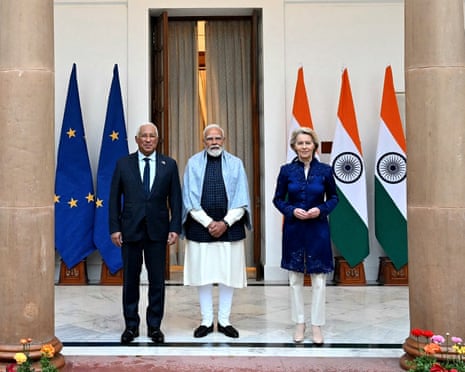
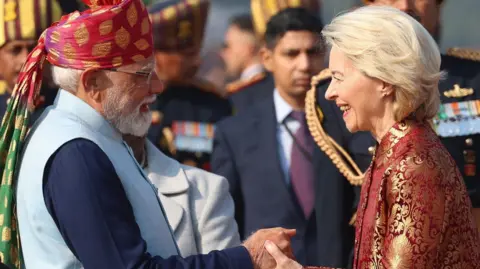
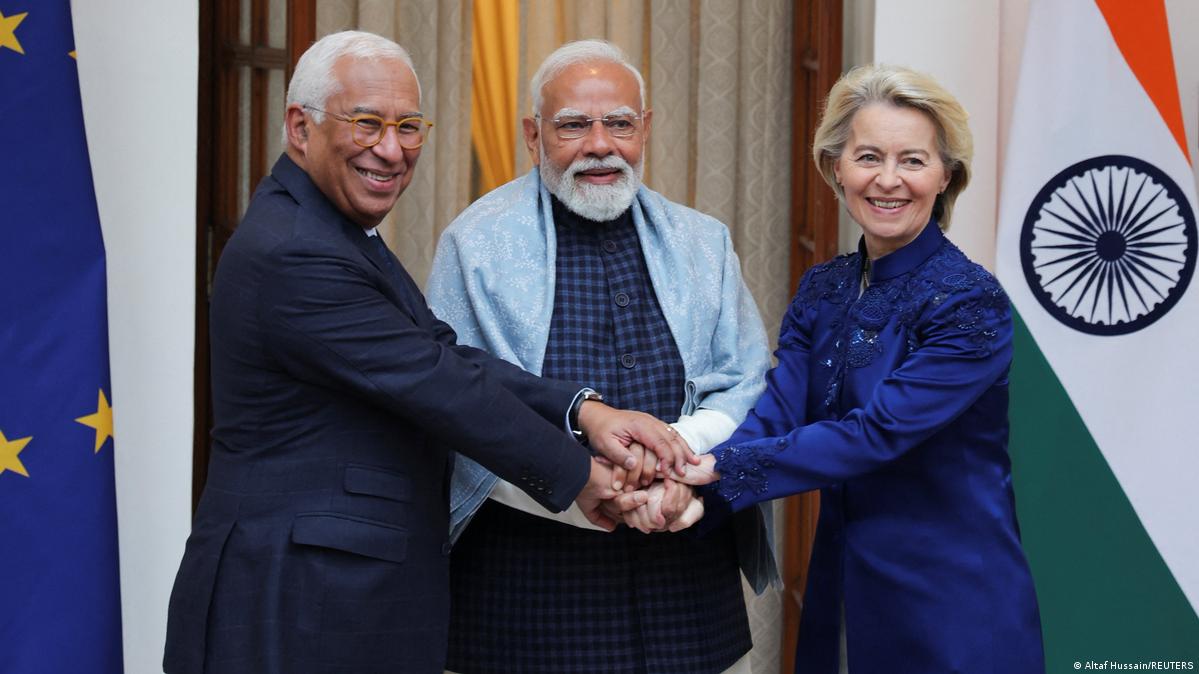
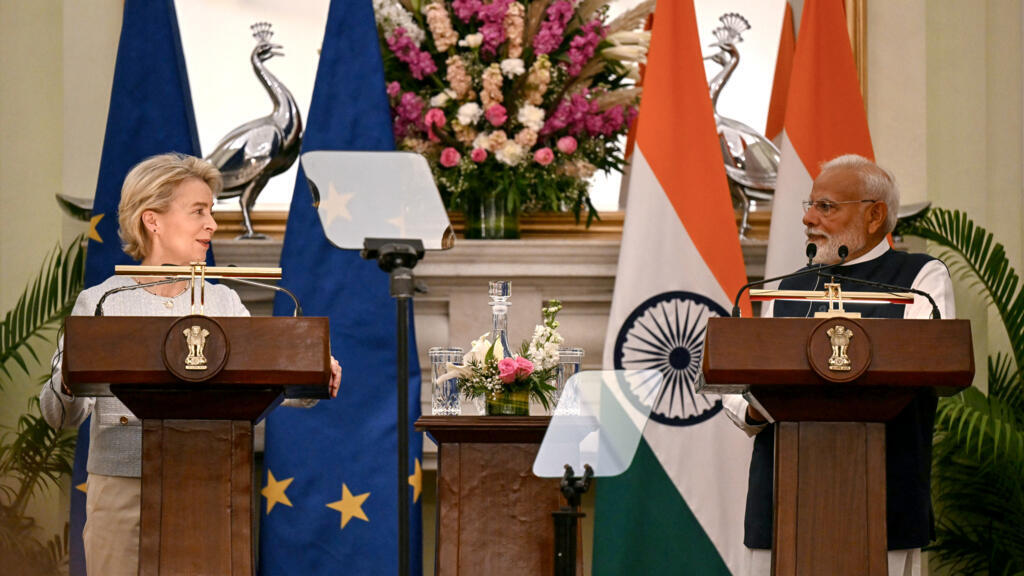
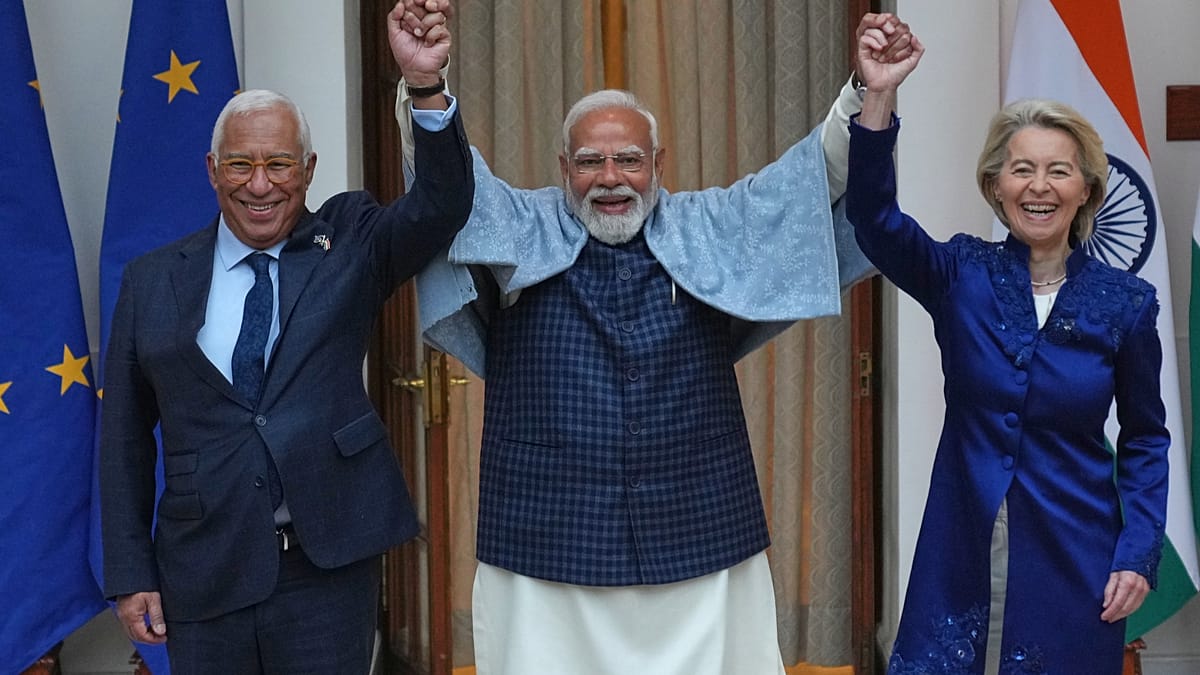
The European Union and India finalized a landmark Free Trade Agreement (FTA) on January 27-28, 2025, after nearly two decades of negotiations, creating a two-billion-person free-trade zone affecting approximately one-third of global trade. This represents the most significant tariff restructuring between the blocs since India's independence, with immediate implications for cross-border e-commerce sellers across automotive, machinery, textiles, and consumer goods categories.
The core tariff opportunity is dramatic: Motor vehicle duties collapse from 110% to 10% under a 250,000-unit annual quota—six times larger than India's UK agreement quota of 37,000 units. This 100-percentage-point reduction translates to €8,000-15,000 cost savings per vehicle for European exporters, fundamentally reshaping India's automotive supply chain. Beyond vehicles, the FTA eliminates tariffs on chemicals, machinery, electrical equipment, aircraft, and spacecraft through phased reductions. Simultaneously, Indian exporters gain preferential access to 27 EU member states for textiles, leather, marine products, handicrafts, gems, and jewelry—categories representing €45-60B in annual export potential based on current bilateral trade volumes of €136B.
For cross-border sellers, this creates three distinct competitive windows: First, European automotive parts suppliers and vehicle exporters face a 6-month implementation gap (formal signing expected late 2025, with phased tariff reductions through 2026) where early movers can establish supply relationships before competitors recognize the opportunity. Second, Indian textile and handicraft sellers gain immediate EU market access with tariff elimination, creating demand for logistics optimization and brand-building in European marketplaces. Third, machinery and electrical equipment exporters from both regions benefit from phased duty reductions that lower landed costs by 15-25%, enabling aggressive pricing strategies against Chinese competitors currently flooding both markets.
The geopolitical context amplifies urgency: India currently faces 50% US tariffs under Trump administration policies, while the EU contends with similar protectionist pressures. Both regions are strategically diversifying away from US-dependent trade frameworks—India recently signed agreements with the UK, Oman, New Zealand, and the European Free Trade Association, while the EU finalized a Mercosur deal after 25 years. This signals a structural shift toward regional trade bloc consolidation, suggesting the EU-India corridor will become increasingly attractive as US tariff uncertainty persists.
Compliance complexity remains moderate: The agreement includes safeguards on sensitive agricultural sectors (dairy, cereals, poultry) and requires legal clearance in both Brussels and New Delhi before full implementation. Sellers must monitor European Parliament and Council approvals (expected late 2025) and prepare customs documentation for origin certification under the FTA rules of origin, which typically require 35-45% value addition in the exporting country.
问题 8
How much will EU automotive tariffs drop for Indian imports under the new FTA?
Motor vehicle tariffs will collapse from 110% to 10%—a 100-percentage-point reduction—under a 250,000-unit annual quota. This translates to €8,000-15,000 in cost savings per vehicle, making European cars competitive in India's protected market for the first time. The quota is six times larger than India's UK agreement (37,000 units), signaling India's commitment to EU market access. Implementation occurs through phased reductions from 2025-2026, creating a 6-month window for early-mover advantage before competitors establish supply chains.
What geopolitical factors make the EU-India FTA urgent for cross-border sellers?
India currently faces 50% US tariffs under Trump administration policies, while the EU contends with similar protectionist pressures. Both regions are strategically diversifying away from US-dependent trade frameworks—India recently signed agreements with the UK, Oman, New Zealand, and the European Free Trade Association, while the EU finalized a Mercosur deal after 25 years. This signals a structural shift toward regional trade bloc consolidation, suggesting the EU-India corridor will become increasingly attractive as US tariff uncertainty persists through 2025-2026. Sellers should prioritize EU-India supply chains as a hedge against US trade policy volatility.