



Fed Rate Pause Signals Stable Borrowing Costs | Cross-Border Sellers Unlock Working Capital
- January 29 rate hold + extended pause through 2026 creates financing window for inventory expansion and supply chain optimization























概览
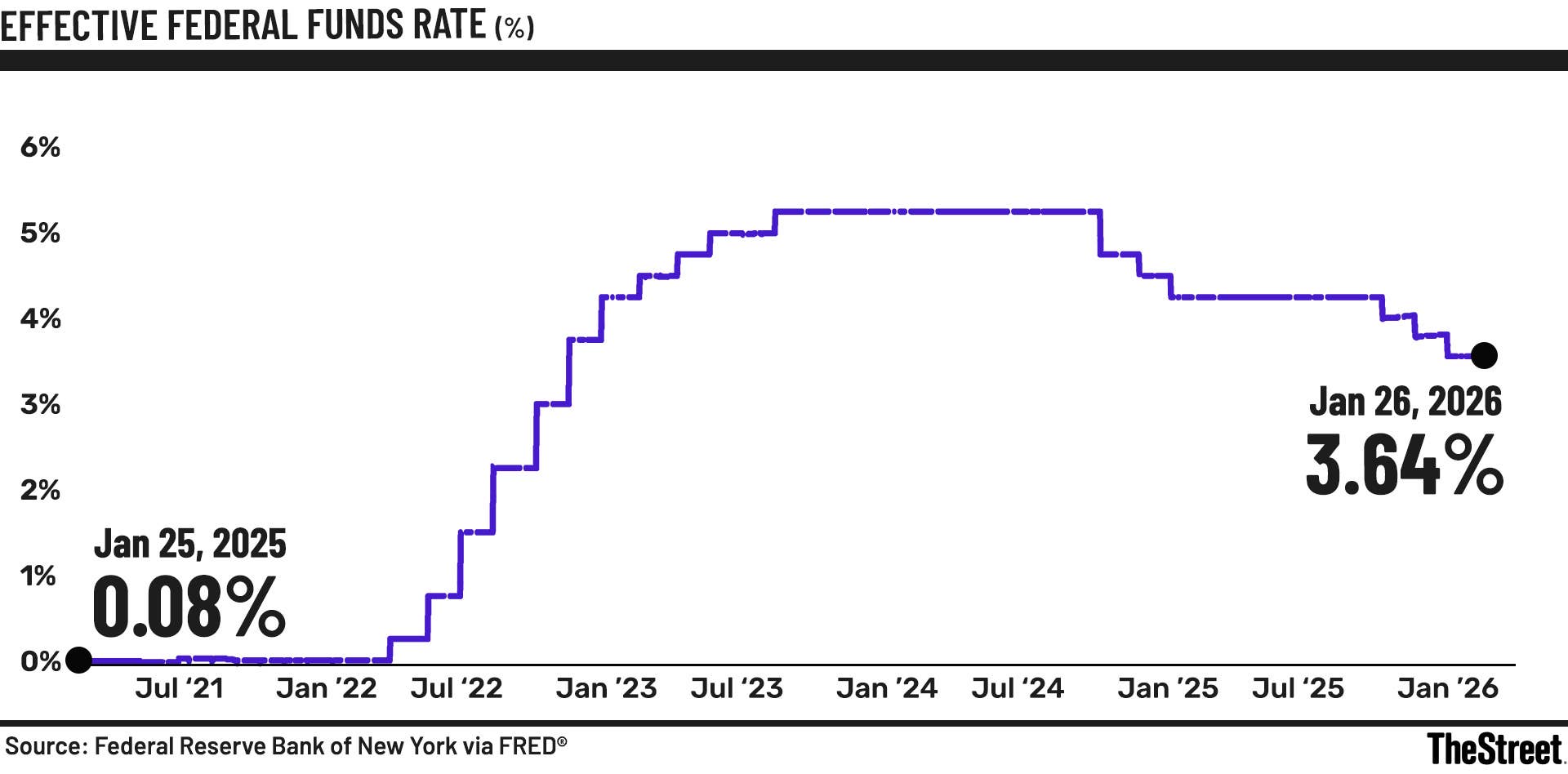
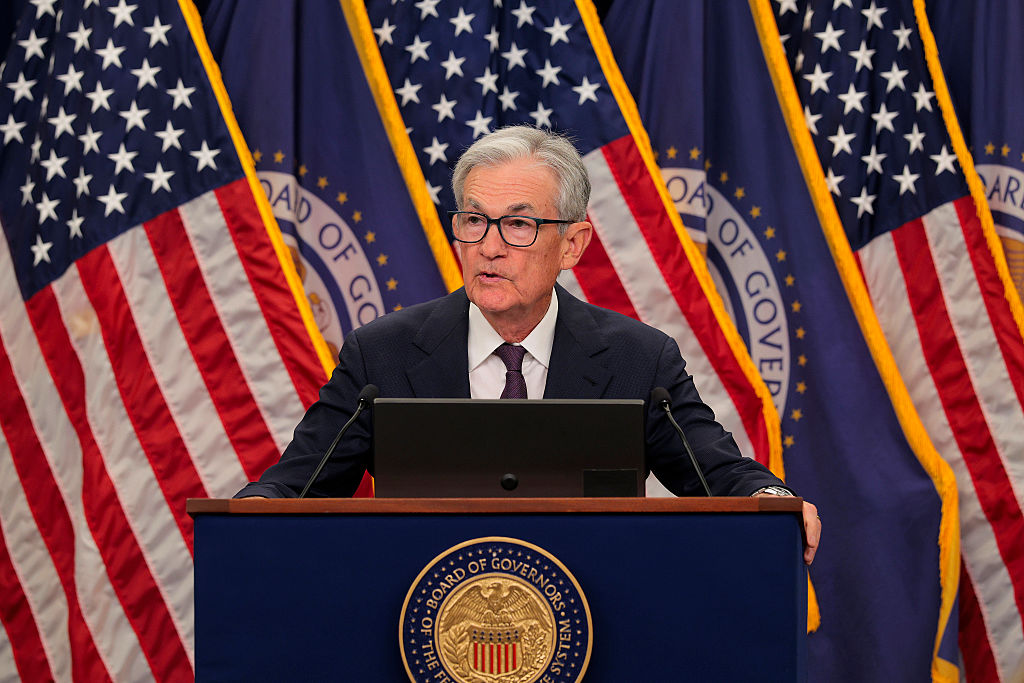
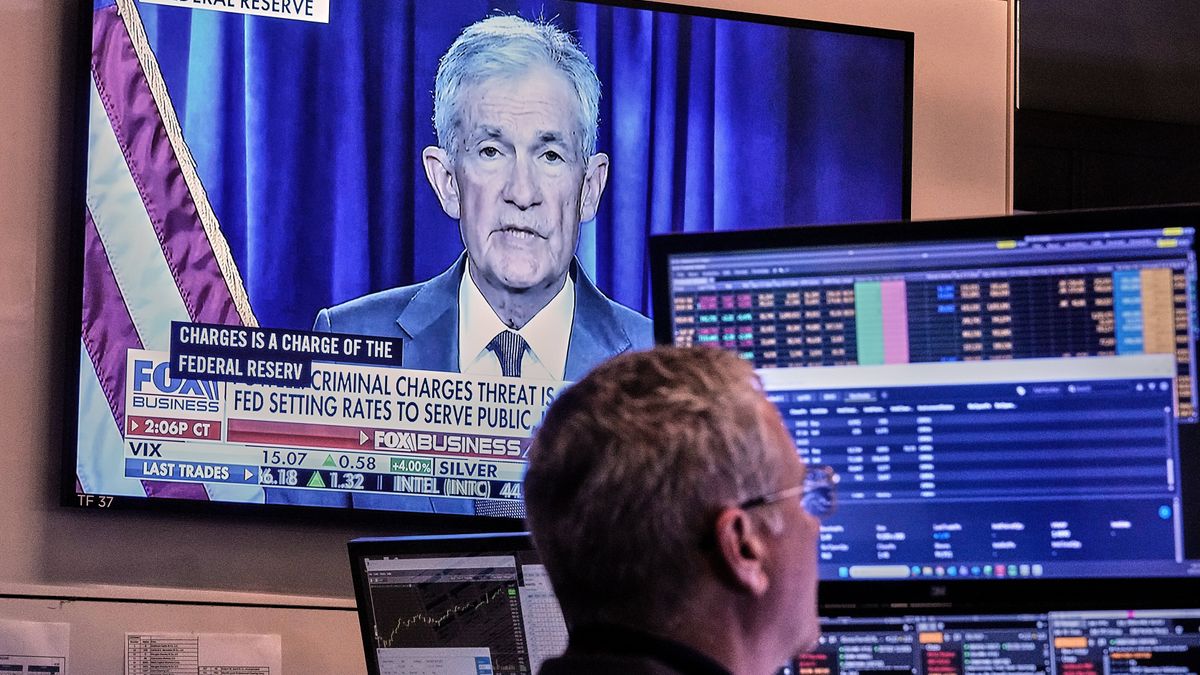
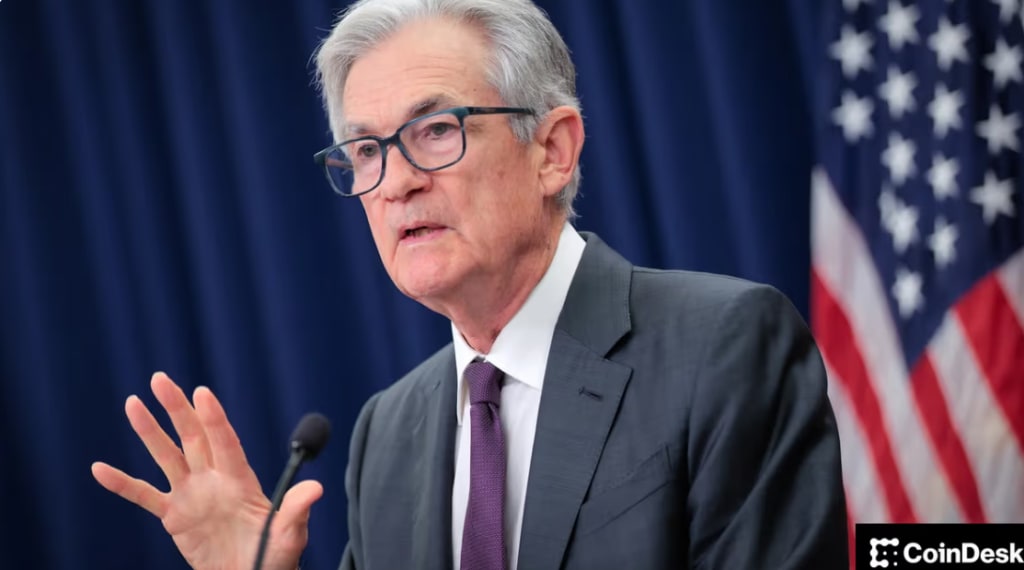
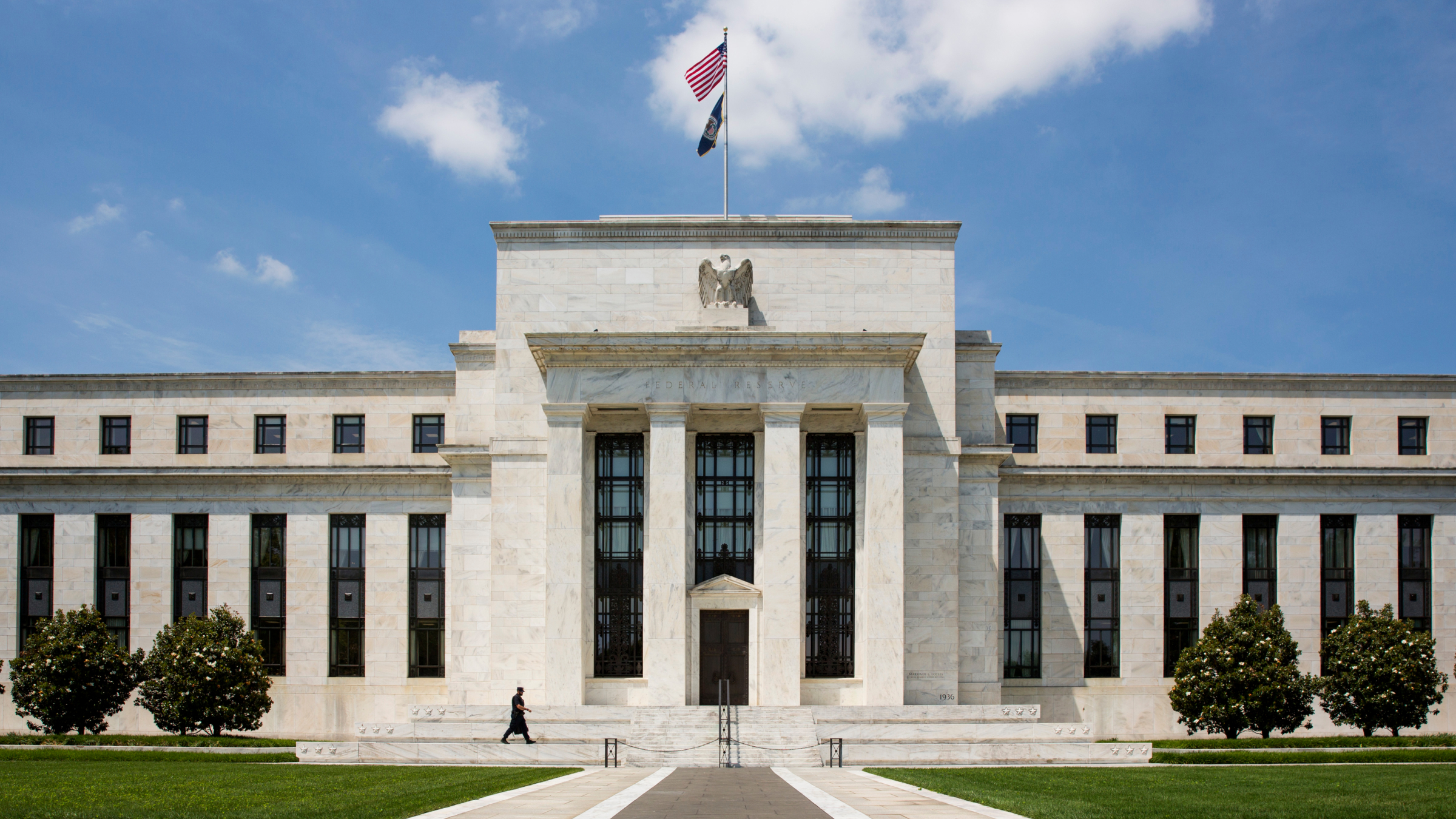
The Federal Reserve's January 29 rate pause and signaled extended hold through 2026 fundamentally reshapes financing opportunities for cross-border e-commerce sellers. With the Fed cutting rates 75 basis points through December 2024 and market expectations now pricing in less than 50 basis points of additional cuts through 2026—down from 53 basis points projected two weeks prior—sellers face a critical window to lock in favorable borrowing terms before potential rate stabilization.
Immediate Financing Advantage: Investment-grade credit spreads have tightened to 73 basis points over Treasuries, near historically tight levels last seen in the late 1990s. This compression creates a 2-4 month window for sellers to access trade finance, inventory loans, and invoice factoring at historically favorable rates before spreads widen. Sellers with strong credit profiles can now secure PO financing at 6-8% APR (down from 9-11% in 2023), unlocking $50K-$500K working capital for inventory expansion ahead of Q2 peak selling season. Cross-border sellers shipping from Asia to US/EU markets should prioritize securing 90-180 day financing lines immediately, as the Fed's measured pause suggests rates will stabilize rather than decline further.
Payment Optimization & FX Strategy: The resilient U.S. economy (supported by anticipated tax cuts and proposed 4% credit card rate caps) signals sustained consumer spending through 2025. This creates favorable conditions for sellers to extend payment terms with suppliers while maintaining cash conversion cycles. For sellers with USD revenue exposure, the Fed's pause reduces currency volatility—central banks are diversifying from dollar-denominated assets (evidenced by surge in gold holdings), but the pause signals relative USD stability. Sellers should lock in forward FX contracts for 6-12 month horizons at current rates (typically 1.5-2.5% hedging costs) rather than waiting for potential dollar weakness. Cross-border payment corridors (Asia-to-US, EU-to-US) will see stable fees through Q2 2025, making this an optimal period to renegotiate payment provider contracts.
Working Capital Unlock Mechanics: The combination of stable rates and strong labor market conditions (per Nuveen's Tony Rodriguez analysis) supports sustained consumer demand. Sellers should immediately: (1) Convert 30-40% of excess cash into 6-month Treasury positions (currently yielding 4.2-4.5%) to fund operations while earning returns; (2) Accelerate invoice factoring programs—with credit spreads tight, factoring providers are competing aggressively, offering 1.5-2.5% discounts (down from 3-4% in 2023); (3) Negotiate extended payment terms with suppliers (60-90 days vs. current 30-45 days) while rates remain stable. Sellers with $1M+ annual revenue can unlock $100K-$300K in working capital through these mechanisms within 30 days.
Risk Mitigation: Geopolitical tensions over trade and national security (highlighted by Thornburg's Christian Hoffmann) create tariff uncertainty. Sellers should avoid aggressive positioning in lower-credit-quality securities or speculative inventory bets. Instead, focus on inventory financing secured by existing SKUs with proven demand. The limited fiscal capacity for additional stimulus (per DWS's George Catrambone) suggests consumer spending gains may plateau in H2 2025—lock in financing now for Q2-Q3 inventory needs rather than betting on sustained acceleration.
问题 8
Which seller segments benefit most from current financing conditions?
Sellers with $1M+ annual revenue and strong credit profiles benefit most—they can access PO financing at 6-8% APR and invoice factoring at 1.5-2.5% discounts. Mid-market sellers ($500K-$5M revenue) can unlock $100K-$500K in working capital through Treasury positions and factoring. Small sellers ($100K-$500K revenue) should focus on invoice factoring and extended supplier terms rather than complex financing structures. All segments should prioritize locking in rates now, as the Fed's pause suggests this is the optimal window before rates stabilize and spreads widen.
How can sellers unlock working capital immediately using Treasury positions?
Sellers can convert 30-40% of excess cash into 6-month Treasury positions currently yielding 4.2-4.5%, funding operations while earning returns. Simultaneously, accelerate invoice factoring programs—with credit spreads tight, factoring providers are competing aggressively, offering 1.5-2.5% discounts (down from 3-4% in 2023). Sellers with $1M+ annual revenue can unlock $100K-$300K in working capital within 30 days through these mechanisms. This strategy leverages the Fed's pause to generate returns on idle cash while maintaining liquidity for inventory purchases.