
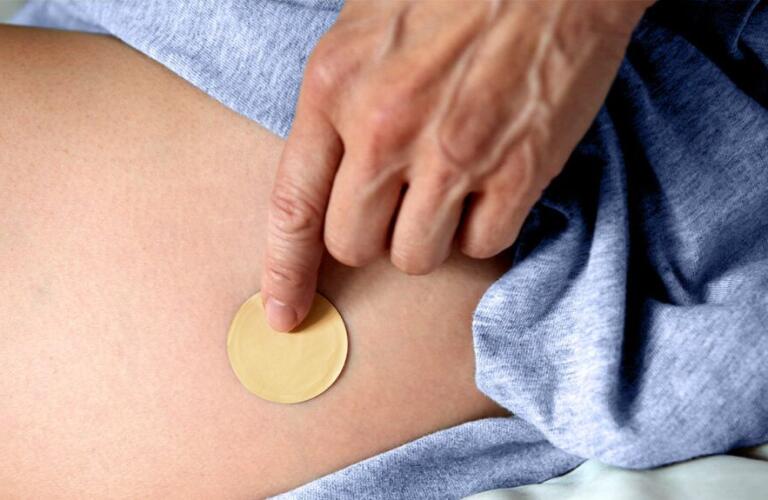





Women's Health Wellness Market Surge | 125K Study Drives $8B+ Product Opportunity
- Cambridge research on menopause cognitive changes creates demand spike for wellness, HRT, and brain health supplements targeting 15M+ UK women; sellers can capitalize on anxiety/sleep disturbance product categories





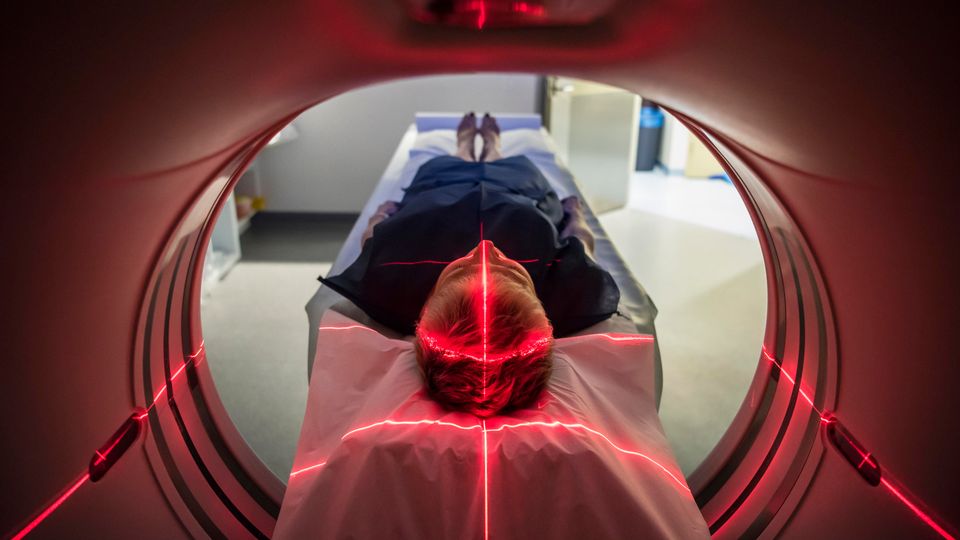



概览
A landmark Cambridge University study of 124,780 women published in Psychological Medicine (January 26, 2025) reveals significant menopause-linked cognitive changes, creating substantial e-commerce opportunities in the women's health and wellness sector. The research documents measurable grey matter reduction in memory and emotional regulation brain regions (hippocampus, entorhinal cortex, anterior cingulate cortex) among post-menopausal women, with particular impact on reaction speed and mental health outcomes including anxiety, depression, and sleep disturbances. Approximately 15% of women in England received HRT prescriptions in 2023, indicating a substantial addressable market for hormone replacement therapy products, supplements, and wellness solutions.
Product Category Opportunities: The study's findings directly correlate with growing consumer demand across multiple e-commerce categories. Women experiencing menopause-related cognitive decline and mental health challenges represent a high-intent buyer segment for: (1) Sleep optimization products (weighted blankets, smart sleep trackers, melatonin supplements)—post-menopausal women report significantly higher insomnia rates; (2) Cognitive health supplements (omega-3, B vitamins, ginkgo biloba, nootropics)—targeting memory and processing speed concerns; (3) Anxiety/stress management tools (meditation apps, aromatherapy diffusers, weighted anxiety wraps); (4) HRT-related products (compounding pharmacy supplies, hormone-tracking apps, telehealth consultation platforms); (5) Fitness and wellness equipment (yoga mats, resistance bands, home exercise bikes)—the study emphasizes exercise as a key mitigation factor. The UK women's health market alone represents an estimated $8-12B opportunity, with cross-border sellers positioned to capture demand from EU and North American markets where similar demographic trends exist.
Consumer Behavior Insights: The research reveals critical buyer psychology patterns. Women aged 45-55 (average menopause onset 49 years) actively seek solutions for cognitive performance decline and mental health support, indicating high purchase intent for premium wellness products. The finding that HRT users showed slower cognitive decline (despite not preventing grey matter loss) suggests consumers view pharmaceutical and supplement interventions as valuable, creating opportunities for sellers offering complementary products—combining HRT support with cognitive supplements, sleep aids, and fitness solutions. The emphasis on "healthy lifestyle factors" (exercise, nutrition, physical activity) by researchers creates demand for integrated wellness bundles and subscription services. Additionally, the study's credible institutional backing (Wellcome Trust, NIHR funding) signals mainstream medical acceptance, reducing consumer skepticism about menopause-focused products and enabling sellers to leverage clinical research in marketing.
Market Dynamics and Competitive Intelligence: The 15% HRT prescription rate in England indicates significant market penetration but also substantial untreated population—approximately 85% of menopausal women are not using HRT, representing a massive addressable market for alternative wellness solutions. Sellers can differentiate by targeting this underserved segment with natural supplements, lifestyle products, and digital health tools. The study's focus on cognitive changes (reaction time, memory) rather than traditional menopause symptoms (hot flashes, night sweats) opens new product categories previously underexploited in the menopause wellness space. Cross-border sellers should note the UK research focus creates immediate demand in UK and EU markets, with potential for expansion to North America where similar demographic trends are accelerating.
问题 7
What product categories see highest demand from menopause-related cognitive changes?
The Cambridge study identifies four high-demand categories: sleep optimization products (insomnia rates spike post-menopause), cognitive health supplements (targeting memory and reaction speed decline), anxiety/stress management tools (documented anxiety increases), and fitness equipment (exercise identified as key mitigation factor). Sleep aids represent the largest opportunity—post-menopausal women report significantly elevated insomnia rates compared to pre-menopausal women. Sellers should prioritize these categories for menopause-focused marketing campaigns, as they directly address the study's documented cognitive and mental health impacts.
What is the competitive advantage for sellers targeting the 85% untreated menopause market?
With only 15% of English women using HRT, 85% represent an underserved market actively seeking alternative solutions. The study's findings validate natural supplements, lifestyle products, and digital health tools as legitimate menopause interventions. Sellers can differentiate by targeting this segment with: (1) natural/herbal alternatives to HRT, (2) integrated wellness bundles combining multiple product categories, (3) digital health tools (menopause tracking apps, telehealth consultations), (4) premium positioning emphasizing clinical research backing. This untreated population has high purchase intent and willingness to pay premium prices for solutions addressing documented cognitive and mental health impacts.