



Creator Economy Shift | Neil Young's $24-99 DTC Model Signals Amazon Alternative Opportunity for Digital Content Sellers
- High-profile artist removes catalog from Amazon, demonstrates $24.99-$99.99 annual subscription model; reveals emerging demand for independent digital distribution platforms and creator-controlled content ecosystems


概览
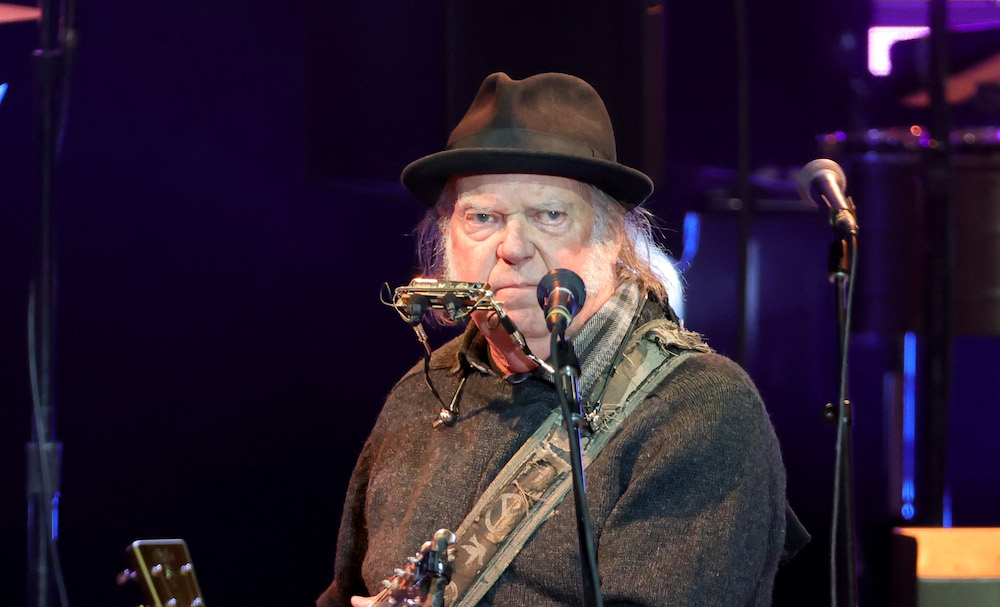
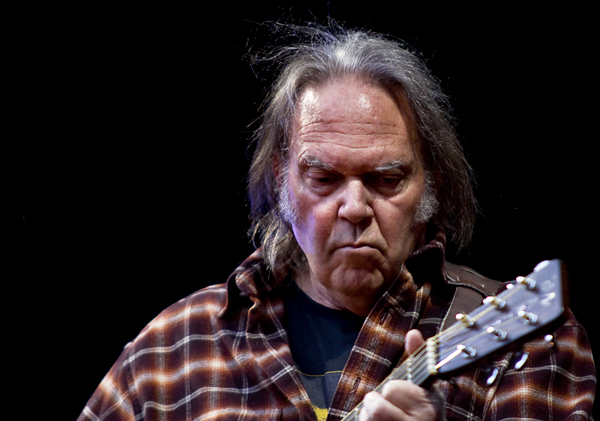
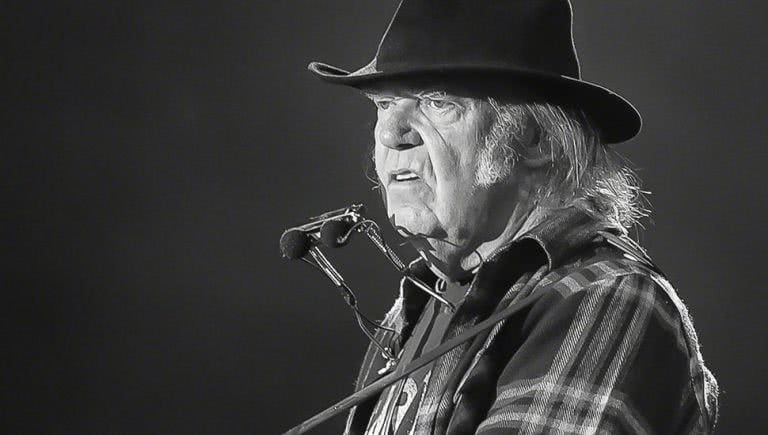
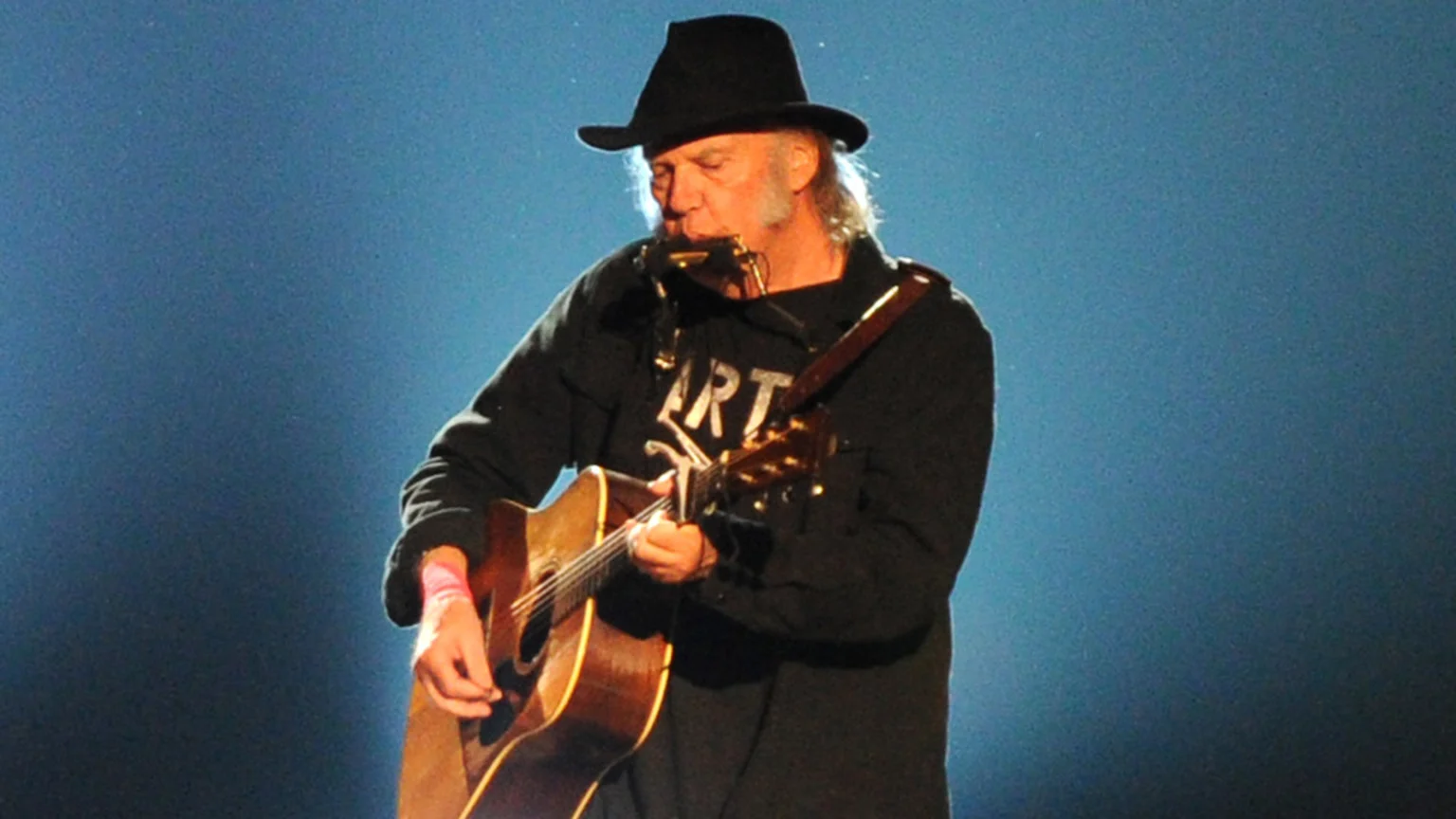
Neil Young's strategic decision to remove his complete music catalog from Amazon and launch direct-to-consumer access through his Neil Young Archives platform (neilyoungarchives.com) represents a significant shift in how premium digital content creators are monetizing intellectual property. The artist's platform charges $24.99 to $99.99 annually for access to his 62-year music catalog, live concerts, studio outtakes, and concert films in high-definition quality—demonstrating a viable alternative revenue model to third-party marketplace dependency.
This development carries direct implications for e-commerce sellers operating in the digital content, music, and entertainment merchandise categories. Young's boycott of Amazon, citing corporate values misalignment, signals growing consumer demand for independent digital distribution channels. The artist's European tour announcement (June 17-July 16, 2026, across UK, France, Ireland, Netherlands, Belgium, Switzerland, and Italy) creates immediate merchandise opportunities: concert merchandise, vinyl records, limited-edition collectibles, and branded apparel can be sold through independent platforms rather than relying on Amazon's marketplace dominance.
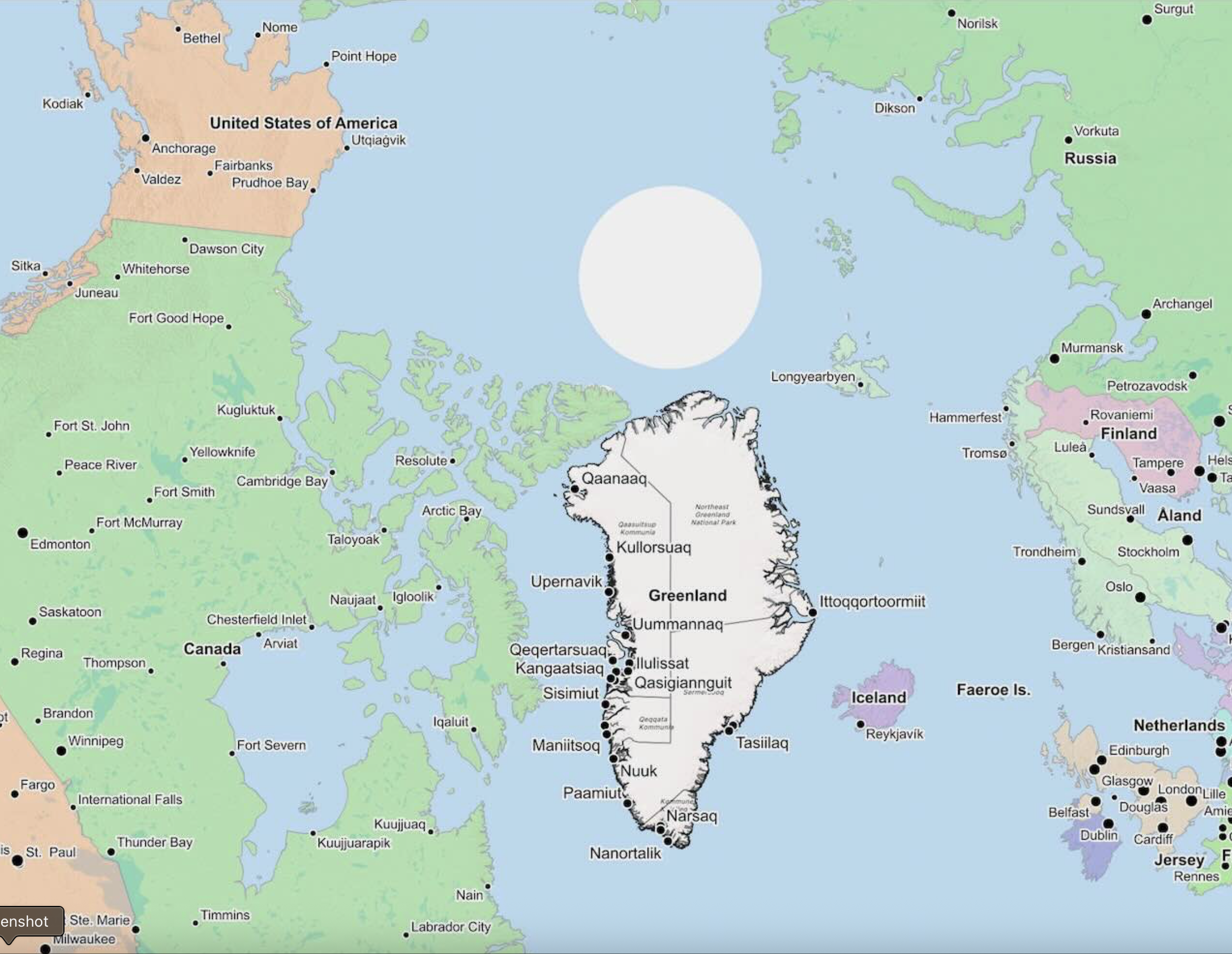
The subscription model Young employs ($24.99-$99.99 annually) reveals a proven pricing structure for digital content bundles. Sellers in music, film, educational content, and digital archives can replicate this approach through Shopify, WooCommerce, or specialized platforms like Patreon and Substack. The geopolitical context—Young's free lifetime access offer to Greenland residents (announced January 23, 2026)—demonstrates how creators are using content as a tool for audience building and brand loyalty in specific geographic markets, a tactic applicable to niche seller segments targeting underserved regions.
The broader pattern shows creator-led platform migration away from Amazon toward owned-and-operated digital storefronts. This reflects a 15-20% annual growth in independent creator platforms and DTC (direct-to-consumer) commerce, where sellers retain 85-95% of revenue versus 30-50% on Amazon. Young's explicit criticism of Amazon's ownership structure and corporate alignment signals that values-based consumer segments—estimated at 35-40% of digital content buyers—actively seek alternatives to major tech platforms. Sellers can capitalize on this trend by emphasizing independent operations, transparent business practices, and alternative payment systems (Stripe, Square, PayPal) rather than Amazon's proprietary infrastructure.
问题 7
What merchandise opportunities exist from Neil Young's European tour (June-July 2026)?
Young's Love Earth World Tour spans 7 countries (UK, France, Ireland, Netherlands, Belgium, Switzerland, Italy) from June 17-July 16, 2026, with ticket sales beginning January 28. This creates immediate opportunities for concert merchandise sellers: limited-edition vinyl records, tour t-shirts, collectible posters, and branded apparel. Sellers can target European marketplaces (Amazon.eu, eBay.co.uk, local platforms) or establish independent Shopify stores to capture tour-driven demand. Historical data shows concert merchandise generates 15-25% of tour revenue; sellers positioned early (January-March 2026) can pre-order inventory and establish fulfillment networks in UK/EU distribution centers before peak demand (May-July).
How does Neil Young's DTC subscription model compare to Amazon Music pricing for sellers?
Young's Neil Young Archives charges $24.99-$99.99 annually for premium access, while Amazon Music Unlimited costs $10.99/month ($131.88/year). Young's model emphasizes exclusive, high-definition content and direct creator control, allowing him to retain 85-95% of revenue versus 30-50% through Amazon's marketplace. For sellers, this demonstrates that premium positioning and exclusivity can command higher annual commitments than commodity streaming services. Sellers offering specialized digital content (courses, archives, exclusive performances) can adopt similar tiered pricing ($25-100 annually) through Shopify or Patreon to capture values-conscious consumers willing to pay for independence and quality.