


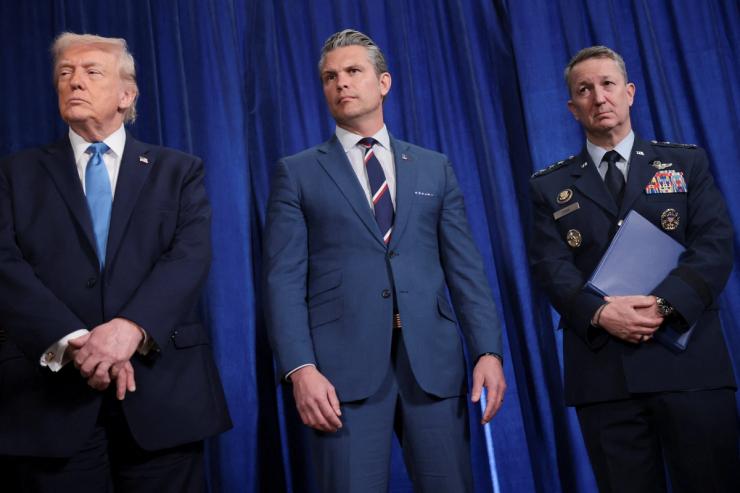
Golden Dome Defense Delays Signal $175B Procurement Surge | Cross-Border Seller Impact
- $175B missile defense program stalls amid technical disputes; escalating U.S.-Russia tensions threaten Eastern European supply chains and payment processing for 50K+ cross-border sellers























)

概览
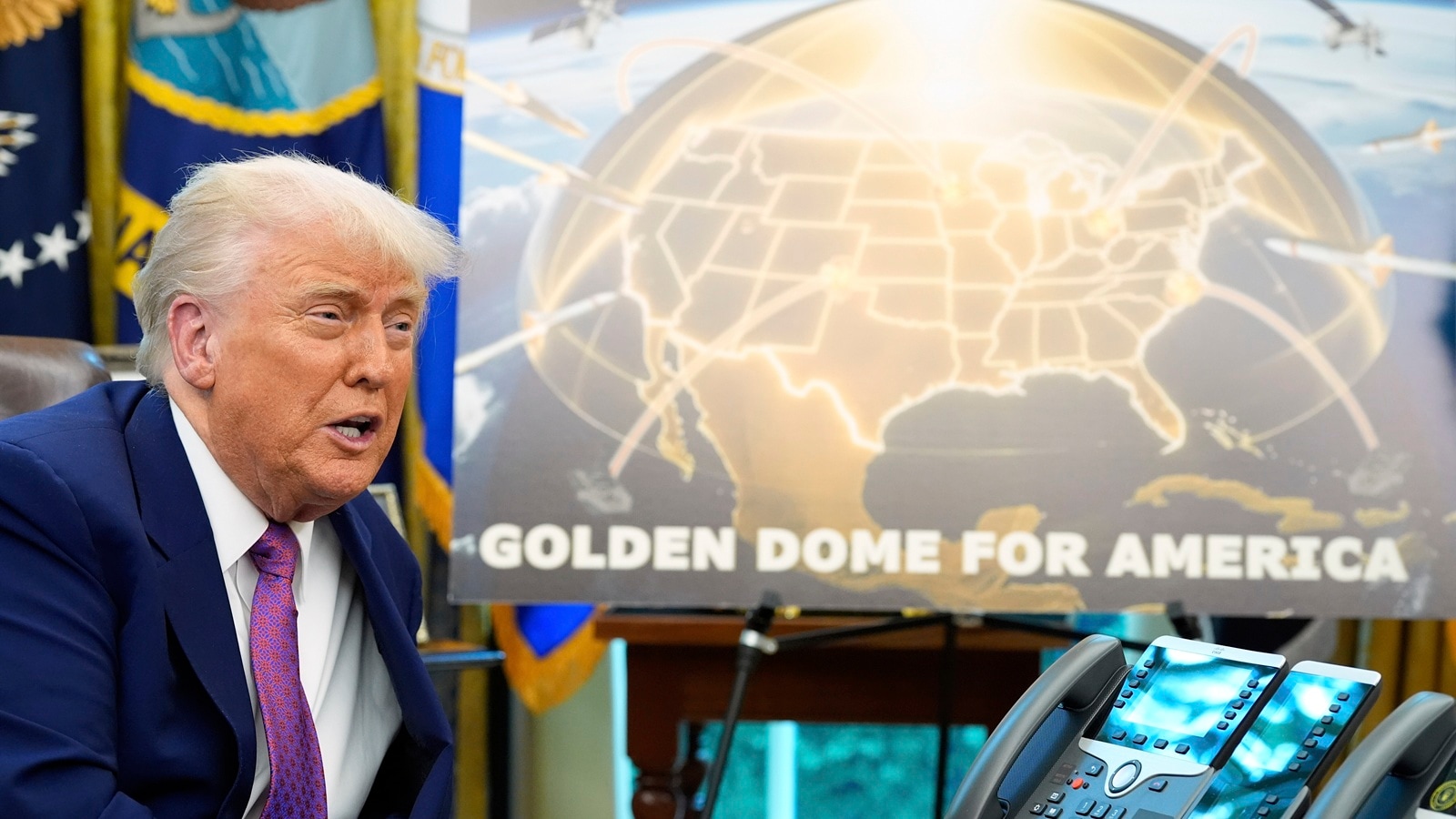
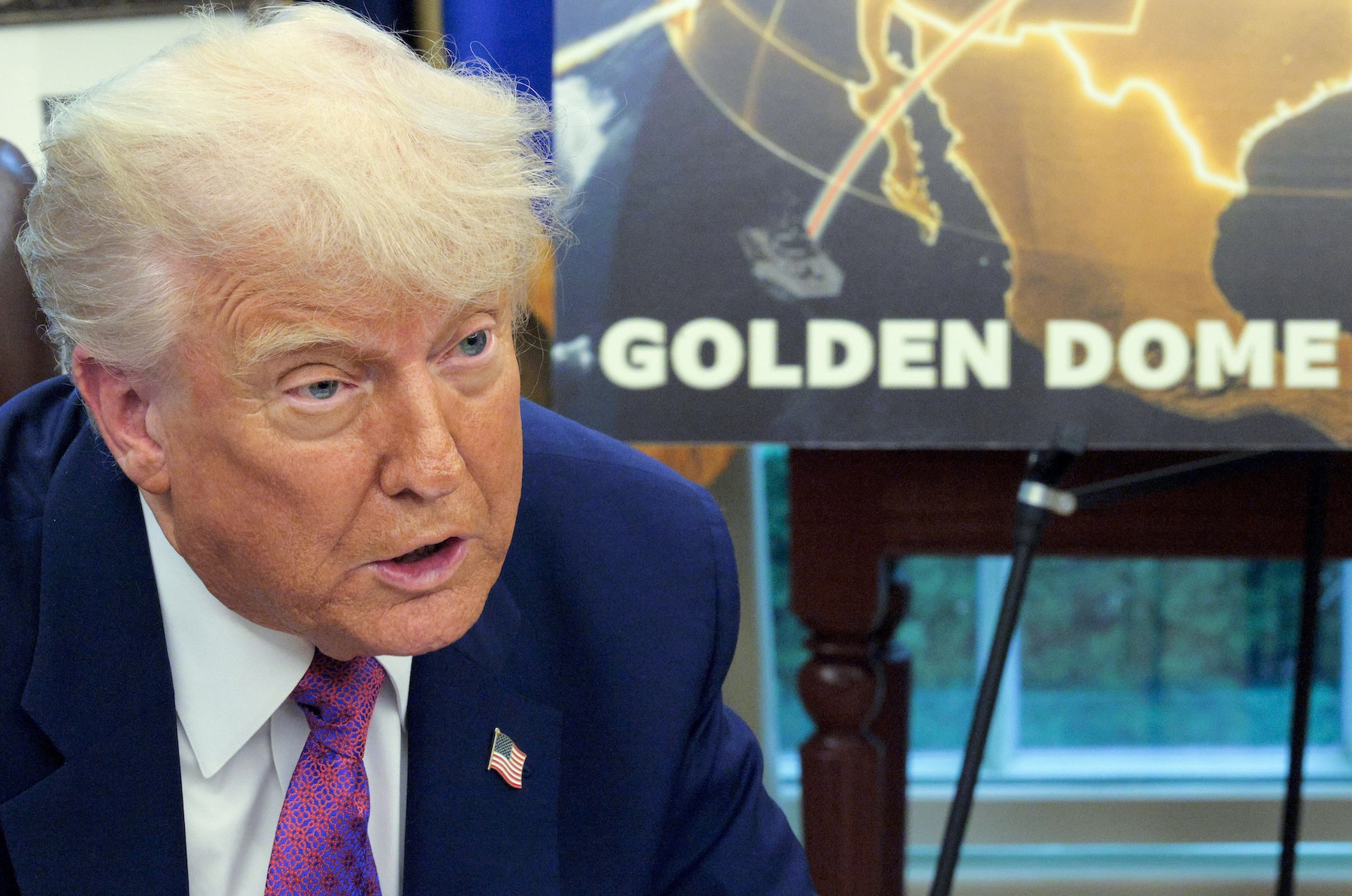
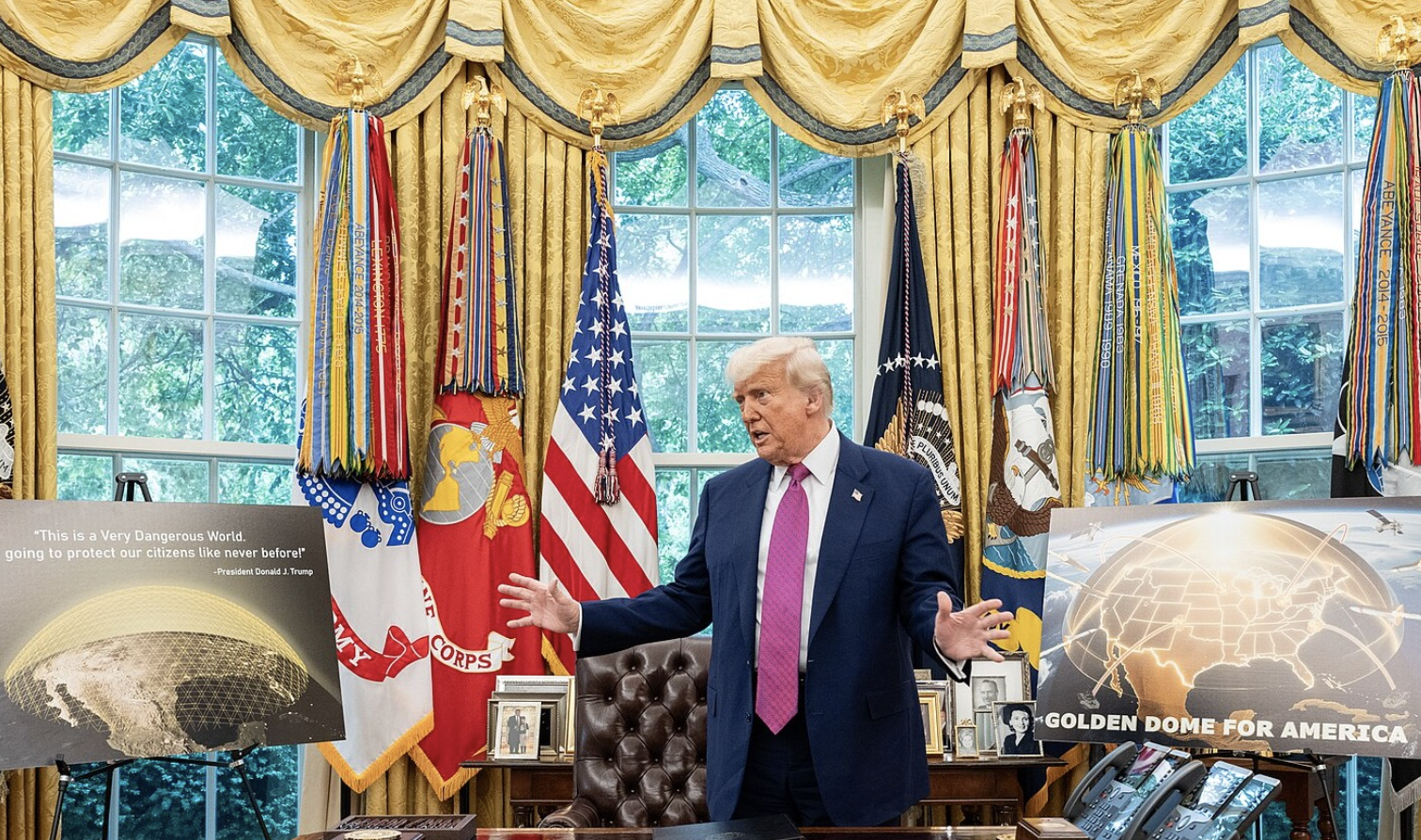
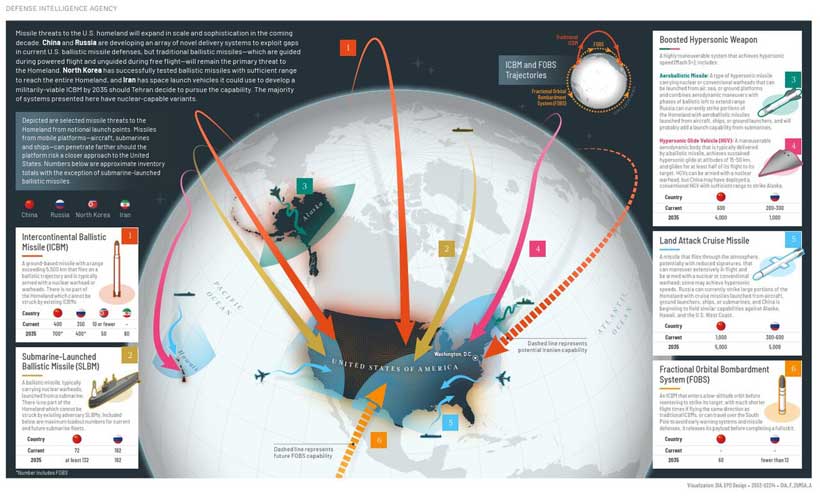
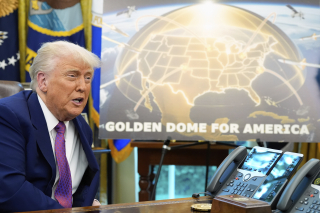
The Trump administration's Golden Dome missile defense initiative, launched January 27, 2025, has stalled dramatically despite $25 billion in appropriated funding. After one year, the program has spent minimal budget and awarded only small contracts (~$120,000 each) to defense contractors including Northrop Grumman, Lockheed Martin, and Anduril, with a 2028 completion target now deemed unrealistic by defense experts. The $175 billion total program cost masks deeper procurement challenges: fundamental technical disputes over space-based architecture, classified anti-satellite capability debates, and unresolved Greenland logistics have frozen large-scale contract execution. General Michael Guetlein, program director, cannot proceed with anticipated procurement until architecture decisions finalize—a process that consumed the entire first year through security reviews and staffing approvals.
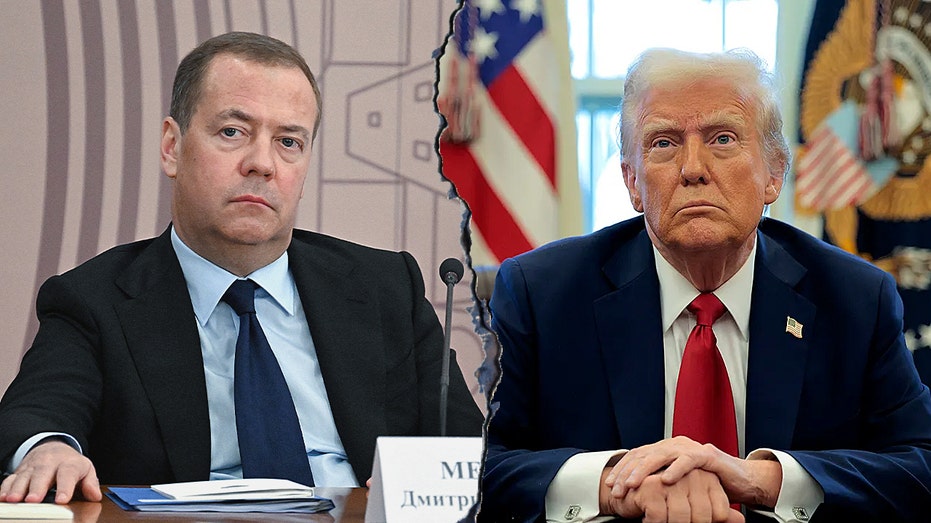
For cross-border e-commerce sellers, this defense stall creates dual-layer geopolitical risk. First, Russia's escalating criticism of Golden Dome as "provocative" signals deteriorating U.S.-Russia relations, historically triggering trade restrictions, sanctions expansion, and payment system complications. Sellers sourcing from Russia or Eastern Europe face regulatory obstacles and logistics delays; heightened military spending redirects consumer capital away from non-essential goods in affected regions. Second, the $175B procurement delay paradoxically increases future contract velocity—when architecture finalizes (estimated 2026-2027), the Pentagon will execute compressed procurement timelines, potentially disrupting supply chains for electronics, advanced materials, and specialized components that defense contractors source from commercial suppliers.
The 2,500 companies already enrolled in the Missile Defense Agency contract vehicle (per Rep. Jeff Crank) represent potential supply chain consolidation. Defense contractors will prioritize government contracts over commercial suppliers, creating scarcity in specialized components (sensors, communications systems, advanced materials) that cross-border sellers depend on. Additionally, Greenland's undefined role in the initiative signals potential Arctic logistics expansion—if approved, this could create new shipping routes and tariff zones affecting sellers shipping to/from Northern Europe. The geopolitical tension backdrop means sellers with Eastern European supply chains must develop contingency plans for sanctions expansion, payment processor restrictions (similar to 2022 Russia sanctions), and customs delays. Monitoring U.S.-Russia diplomatic developments becomes essential risk management for sellers with exposure to Russian materials, Eastern European manufacturing, or payment processing through international gateways.
问题 8
What payment processing risks should cross-border sellers monitor given U.S.-Russia tensions?
Escalating U.S.-Russia tensions historically correlate with sanctions expansion affecting payment systems. The 2022 Russia sanctions blocked major processors (PayPal, Stripe, Wise) and international wire transfers, creating payment complications for sellers with Russian customers or suppliers. Current Golden Dome tensions signal potential for similar restrictions. Sellers with Eastern European exposure should establish backup payment gateways (alternative processors, cryptocurrency options where compliant), diversify customer bases away from Russia/Belarus, and monitor OFAC sanctions lists weekly. Payment processing delays can extend 2-4 weeks during sanctions implementation, so advance planning is critical.
How does the 2,500-company defense contract vehicle affect commercial supply chains?
Rep. Jeff Crank noted that 2,500 companies are enrolled in the Missile Defense Agency contract vehicle with potential work totaling $151 billion. When procurement accelerates (2026-2027), these defense contractors will consolidate suppliers and prioritize government contracts. Commercial suppliers competing for the same specialized components will face reduced availability and higher prices. Sellers should audit their supply chains now to identify which components are likely to be prioritized for defense contracts, then develop alternative sourcing strategies or negotiate long-term supply agreements before competition intensifies.