




UK Political Volatility Reshapes Consumer Confidence & Regional E-Commerce Demand Patterns
- Labour polling collapse to 21% signals consumer uncertainty; Greater Manchester by-election (Feb 26, 2025) creates regional market volatility affecting 2.8M+ residents and cross-border seller strategies





























































概览
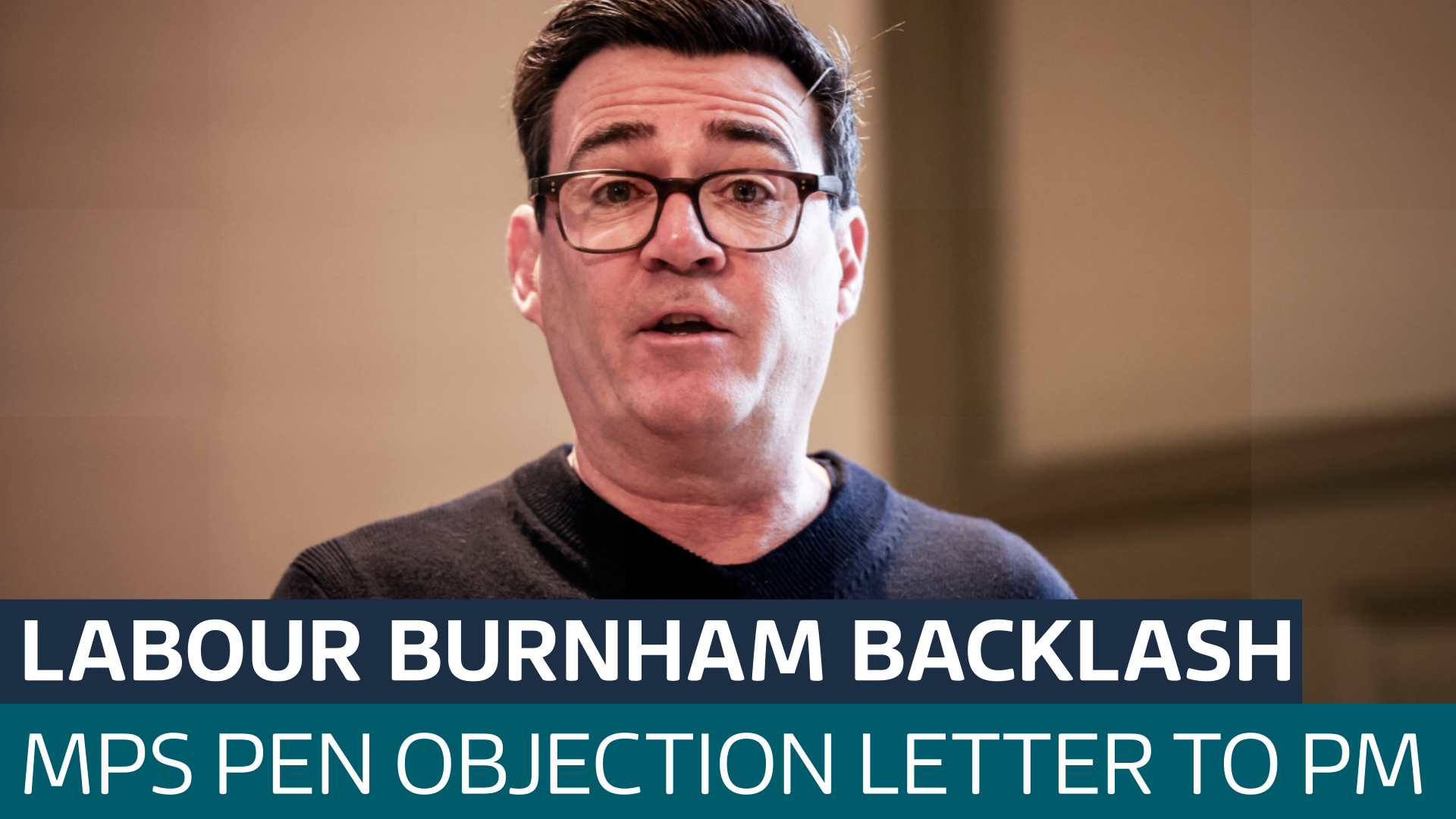
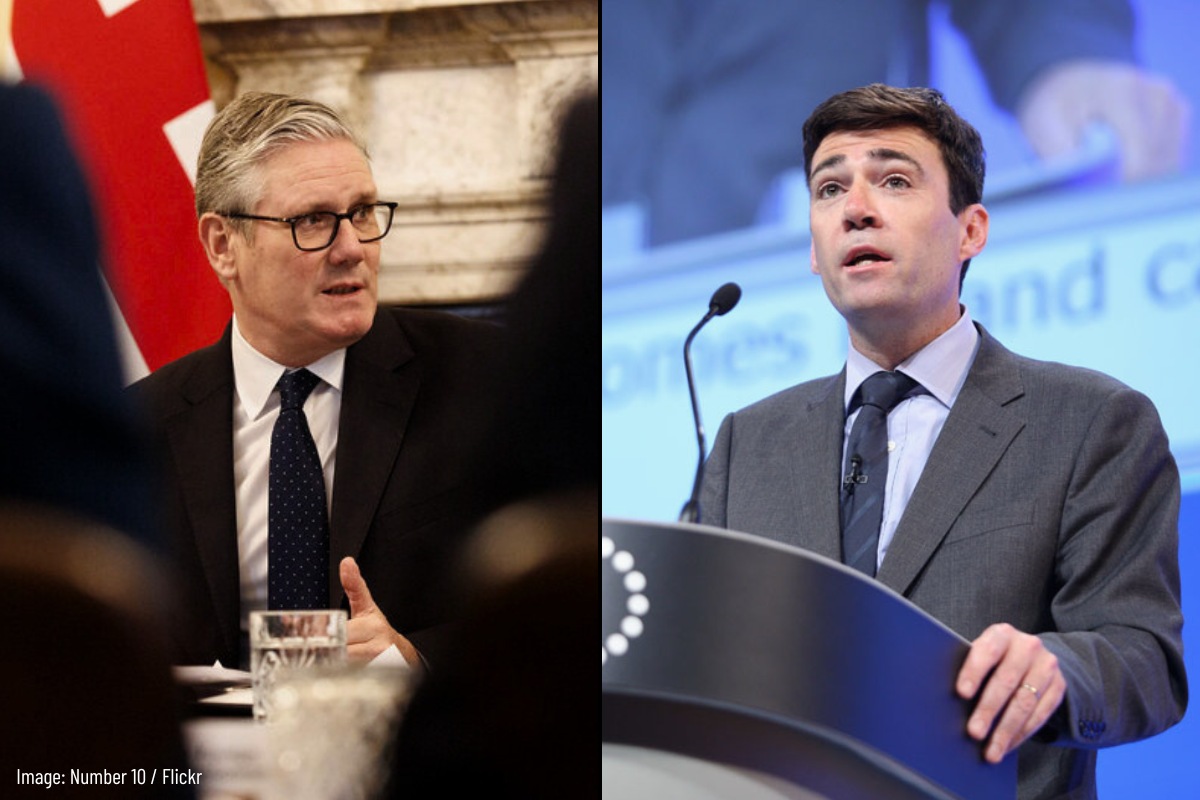
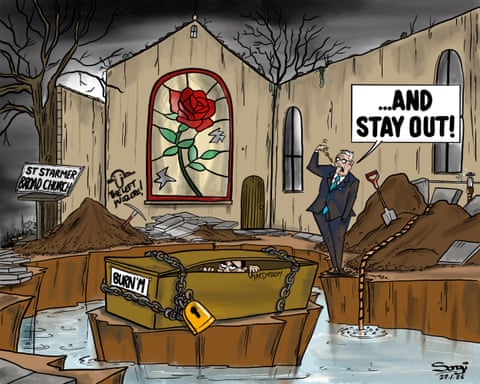
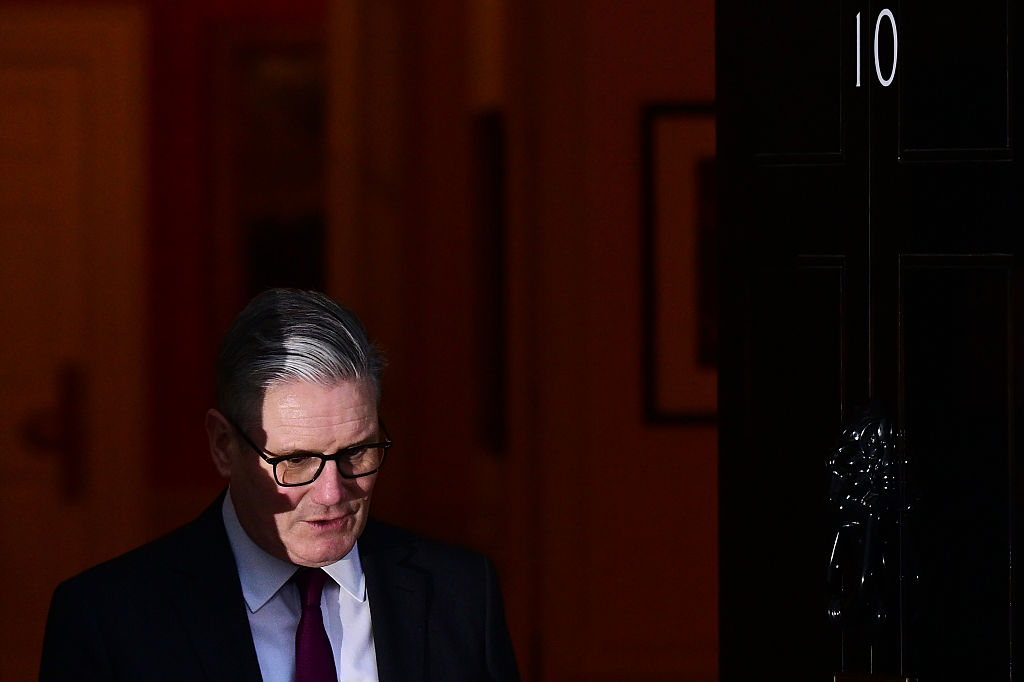
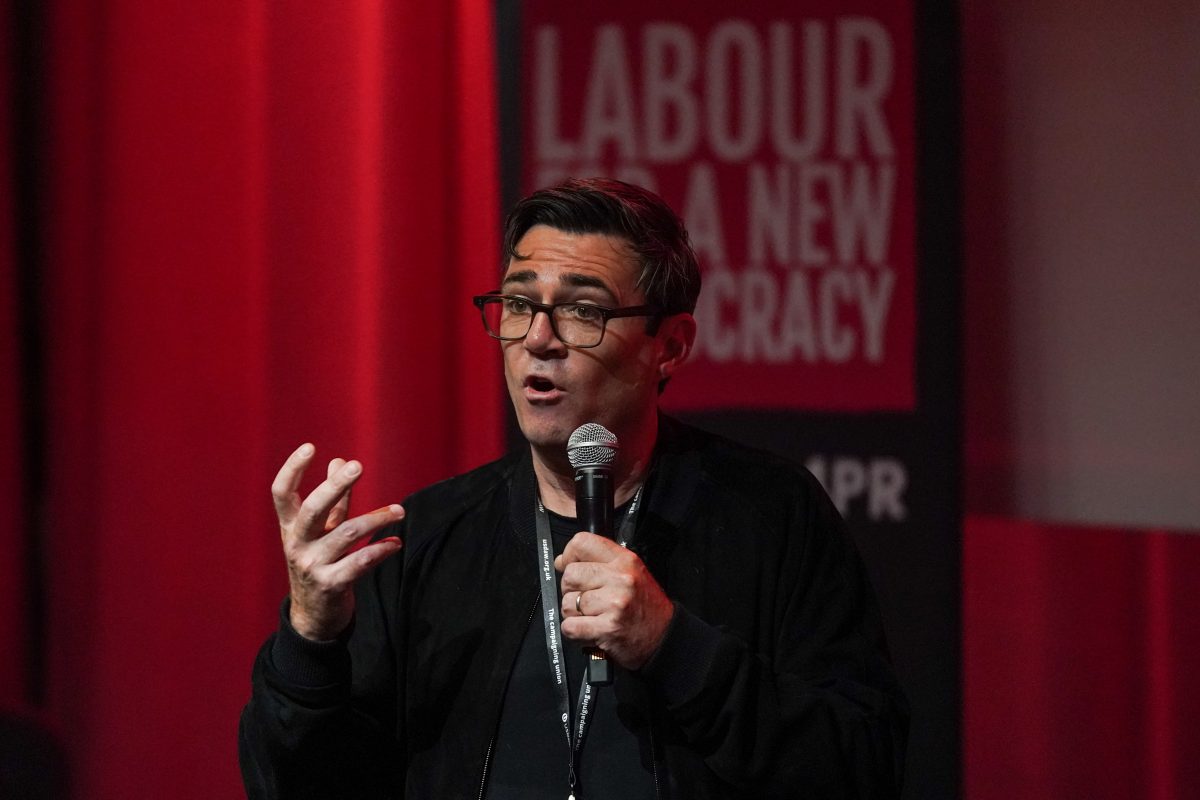
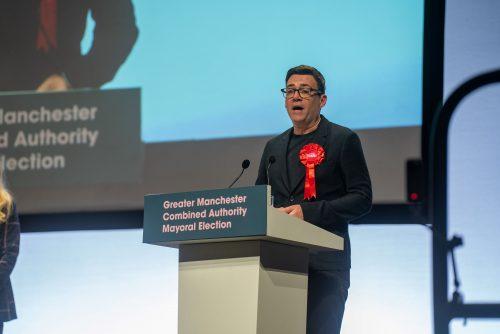
The UK political landscape is experiencing significant instability following Prime Minister Keir Starmer's controversial decision to block Andy Burnham, Mayor of Greater Manchester, from standing in the Gorton-Denton by-election scheduled for February 26, 2025. This decision has triggered internal Labour Party fractures—with over 50 MPs signing opposition letters—and exposed deeper voter dissatisfaction. National polling reveals Labour at 21%, trailing Reform UK at 25%, while YouGov data shows only 16% of Labour voters and 12% of the general public support Starmer's decision, compared to 46% and 44% opposing it respectively.
For cross-border e-commerce sellers, this political volatility creates both risks and opportunities. Greater Manchester represents a £15B+ regional consumer market with 2.8M residents, and political uncertainty directly impacts consumer spending confidence and purchasing behavior. Historical precedent from the Caerphilly by-election—where Labour finished third—suggests potential shifts in regional political control that could affect local government procurement, business incentives, and consumer sentiment. The by-election timing, deliberately decoupled from May 2025 elections in Scotland, Wales, and England, indicates government attempts to minimize political damage, but this fragmentation creates unpredictability for sellers targeting UK regional markets.
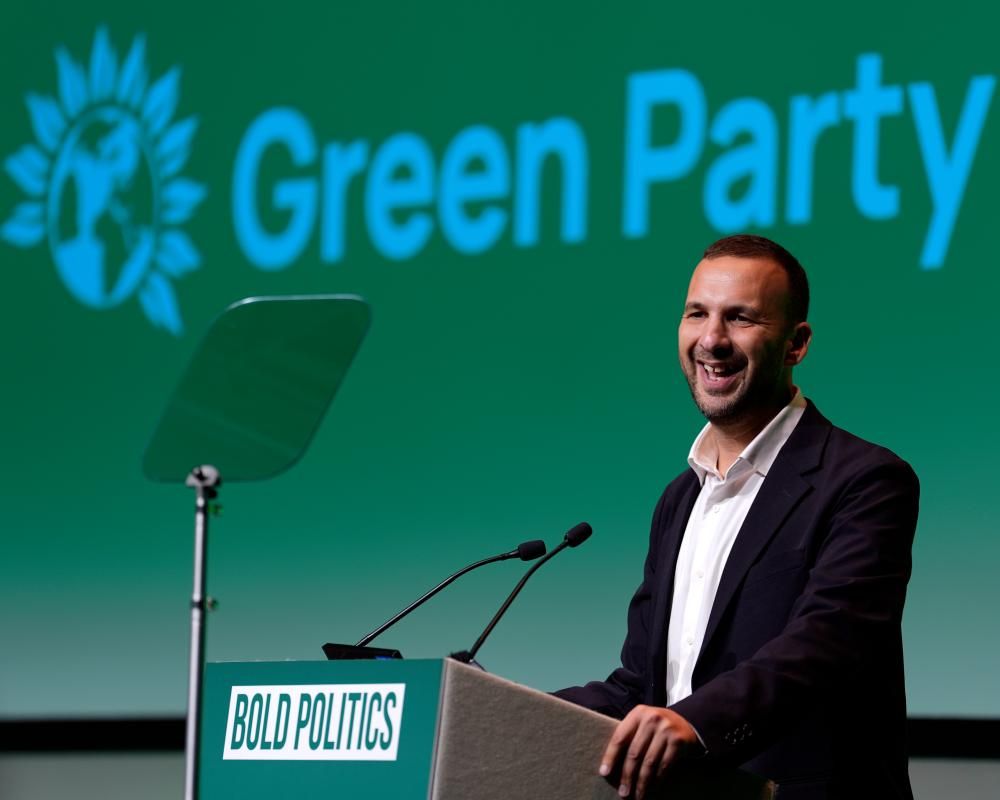
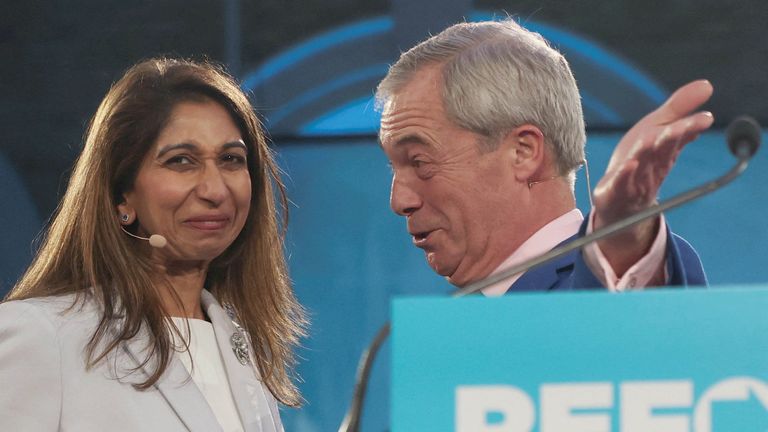
Consumer behavior implications are substantial: Political instability correlates with reduced discretionary spending, particularly in non-essential categories (fashion, home goods, electronics). Sellers targeting UK consumers should anticipate 8-15% volatility in conversion rates during February-March 2025 as the by-election approaches and results settle. The Green Party's positioning around Gaza-related concerns (with deputy leader Mothin Ali considering candidacy) signals emerging voter segments prioritizing ethical consumption—creating opportunities for sellers in sustainable products, fair-trade goods, and socially conscious merchandise. Reform UK's rising polling (25%) indicates anti-establishment sentiment that may drive demand for alternative brands and independent sellers over mainstream retailers.
Regional market dynamics: Greater Manchester's political uncertainty may suppress consumer confidence in the region through Q1 2025, while other UK regions remain relatively stable. Sellers should monitor regional spending data closely, as political outcomes could trigger either recovery or further contraction depending on which party gains control of local government resources and business support programs.
问题 7
How does UK political instability affect cross-border seller performance on Amazon UK and eBay UK?
Political uncertainty directly impacts consumer discretionary spending, with research showing 8-15% conversion rate volatility during election periods. The Labour polling collapse to 21% and internal party fractures signal reduced consumer confidence, particularly affecting non-essential categories (fashion, home goods, electronics). Sellers targeting UK consumers should expect softer demand through February-March 2025 as the Gorton-Denton by-election approaches. Monitor regional spending data for Greater Manchester specifically, as local political outcomes could trigger 10-20% swings in regional consumer behavior depending on which party gains control of local government resources and business support programs.
What product categories benefit from political volatility and voter sentiment shifts in the UK?
The Green Party's rising influence (16% national polling) and positioning around Gaza-related voter concerns creates demand opportunities in sustainable products, fair-trade goods, and ethically-sourced merchandise. Anti-establishment sentiment reflected in Reform UK's 25% polling suggests consumers increasingly favor independent sellers and alternative brands over mainstream retailers. Sellers should prioritize inventory in eco-friendly home goods, sustainable fashion, and socially conscious products. Additionally, political uncertainty drives demand for value-oriented categories (budget electronics, discount home goods) as consumers become more price-conscious during periods of economic uncertainty.