



Energy Cost Surge Reshapes Logistics | 48% LNG Decline Impacts Cross-Border Shipping
- Natural gas prices spike 117% in 5 days, driving 8-15% fulfillment cost increases for sellers shipping to EU; cold snap disrupts Gulf Coast LNG exports and accelerates European energy crisis





















概览
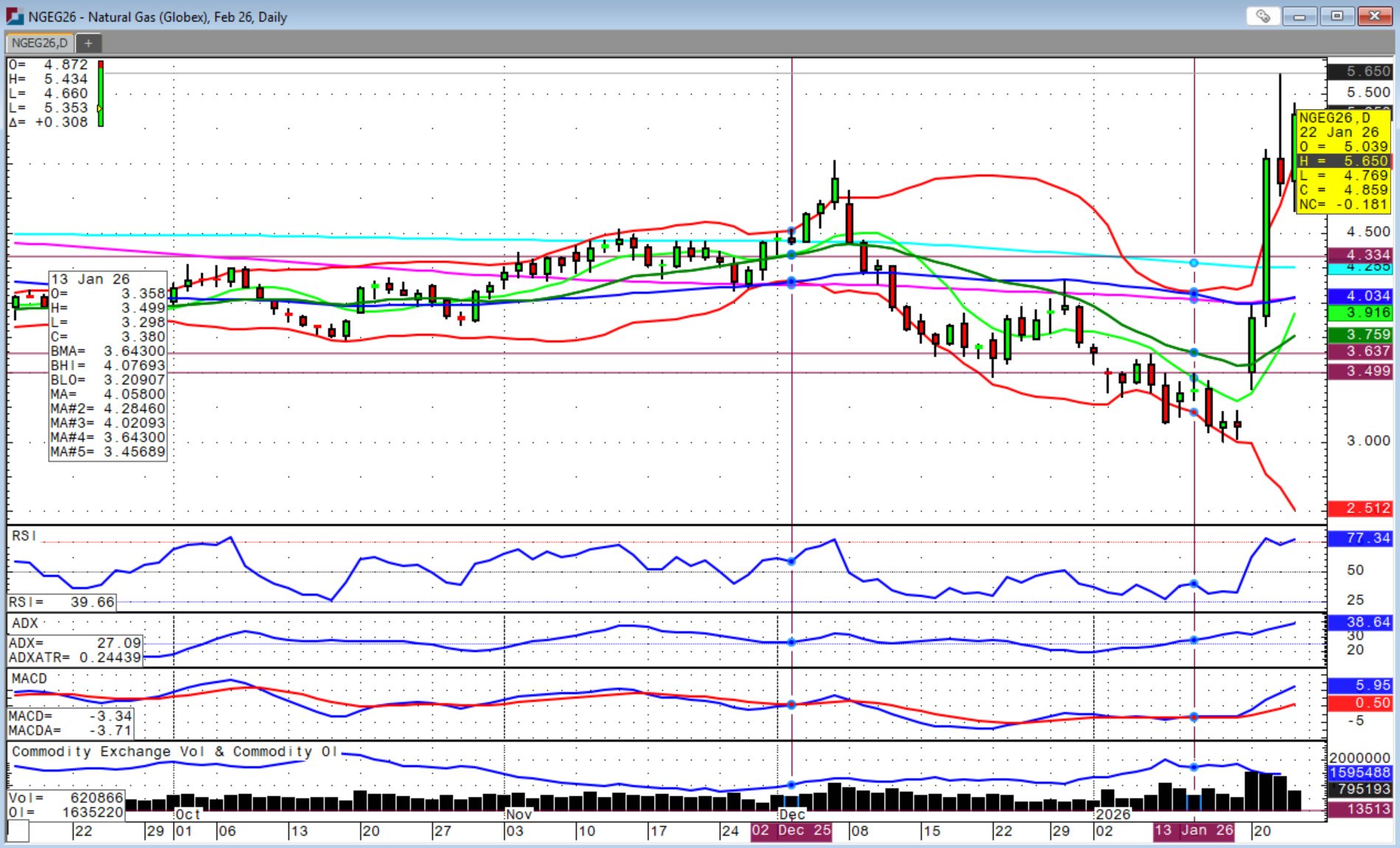
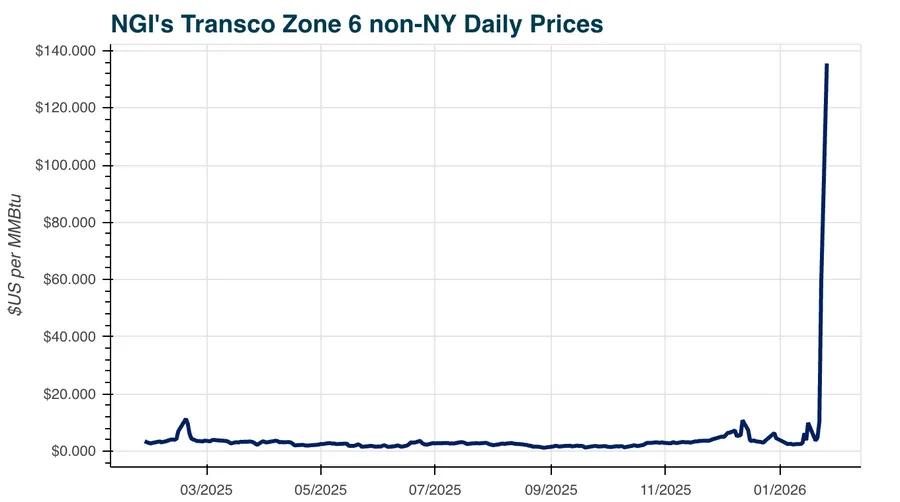
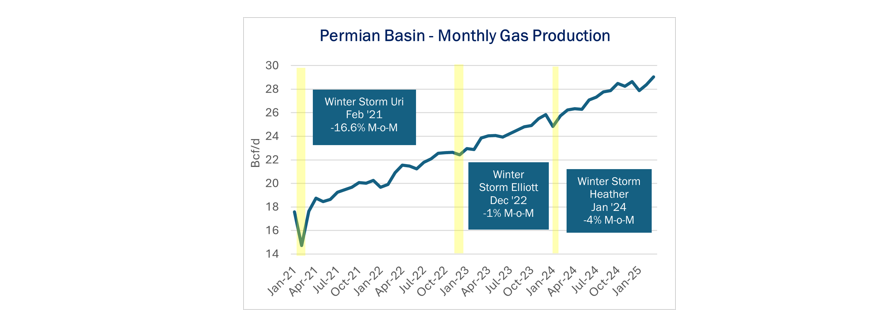
Energy market volatility triggered by extreme weather is creating cascading cost pressures across global e-commerce logistics networks. On January 27, 2025, U.S. natural gas prices retreated after a dramatic 117% rally over five trading days, peaking above $7 per million British thermal units (mmBtu)—the highest level in four years compared to ~$3 in December. The surge was driven by an unexpected cold snap that disrupted U.S. LNG export infrastructure along the Gulf Coast, with ING analysts estimating gas deliveries to liquefaction plants declined by 48% in recent days. This supply shock cascaded across the Atlantic: EU gas storage fell to 44.95% capacity while Germany's reserves dropped to 36.77%—both substantially below five-year averages.
For cross-border e-commerce sellers, this energy crisis directly impacts fulfillment economics. Logistics providers and 3PL warehouses depend heavily on natural gas for climate-controlled storage, refrigerated transport, and facility operations. A sustained price elevation from $3 to $6.60+ per mmBtu translates to 8-15% cost increases for sellers operating European fulfillment networks or shipping perishable goods (food, beverages, cosmetics, pharmaceuticals). Sellers with FBA inventory in EU warehouses face indirect cost pressures as Amazon and other platforms absorb energy surcharges and pass them through storage fee adjustments. The 48% LNG export decline signals potential energy rationing in Europe, which could trigger logistics bottlenecks and shipping delays during Q1 2025—critical for post-holiday inventory movement.
Strategic implications extend beyond immediate shipping costs. European energy security concerns intensify regional dependence on U.S. LNG supplies, creating geopolitical risk for sellers relying on transatlantic supply chains. Weather-driven volatility demonstrates how climate events can trigger 100%+ commodity price swings within days, affecting working capital planning. Sellers shipping temperature-sensitive products (frozen foods, pharmaceuticals, cosmetics) face margin compression if they cannot pass energy surcharges to consumers. The price correction from $7 to $6.60+ suggests market normalization, but underlying supply constraints remain—U.S. natural gas inventories are abundant domestically, but export infrastructure limitations create persistent European scarcity. This bifurcation creates arbitrage opportunities for sellers positioned to serve U.S. domestic markets while reducing EU exposure during energy crises.
问题 8
How should I adjust pricing strategy to account for energy-driven cost increases?
Implement tiered pricing adjustments: (1) For perishable/temperature-sensitive goods, increase prices 5-10% immediately to offset energy surcharges—consumer demand for these categories is relatively inelastic; (2) For non-perishable goods, increase prices 2-3% to maintain competitiveness while recovering some energy costs; (3) For high-margin categories (cosmetics, supplements), absorb 3-5% of energy costs to maintain market share and Buy Box eligibility. Monitor competitor pricing weekly and adjust within 48 hours of price changes. Use Amazon's dynamic pricing tools or Shopify apps to automate price adjustments based on logistics cost changes. Communicate transparently with customers about energy surcharges in product descriptions to justify price increases and reduce return rates.
Are there product sourcing opportunities created by the energy crisis?
Yes—the energy crisis creates sourcing arbitrage for sellers. European manufacturers facing elevated energy costs may offer discounts on inventory to improve cash flow, creating opportunities to source products at 10-20% below normal wholesale prices. Conversely, U.S.-based manufacturers benefit from abundant natural gas supplies and lower energy costs, making them more competitive. Sellers should evaluate sourcing from U.S. suppliers for products currently sourced from Europe, particularly in energy-intensive categories (chemicals, metals, glass). The energy cost differential may persist through Q2 2025, creating a 2-3 month window for advantageous sourcing negotiations before prices normalize.