



Medicare Advantage Rate Freeze Triggers $500B Healthcare Sector Retrenchment | E-Commerce B2B Implications
- CMS proposes 0.09% payment increase for 2027 vs. 4-5% industry expectations; UnitedHealth, Humana, CVS stocks plunge 12-20%; signals margin compression and reduced discretionary spending by major insurers affecting healthcare-adjacent e-commerce suppliers




























































概览
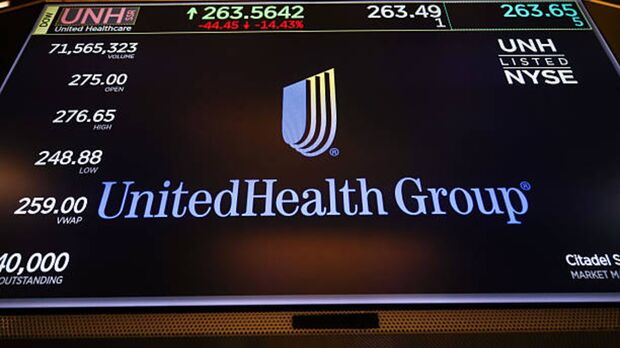
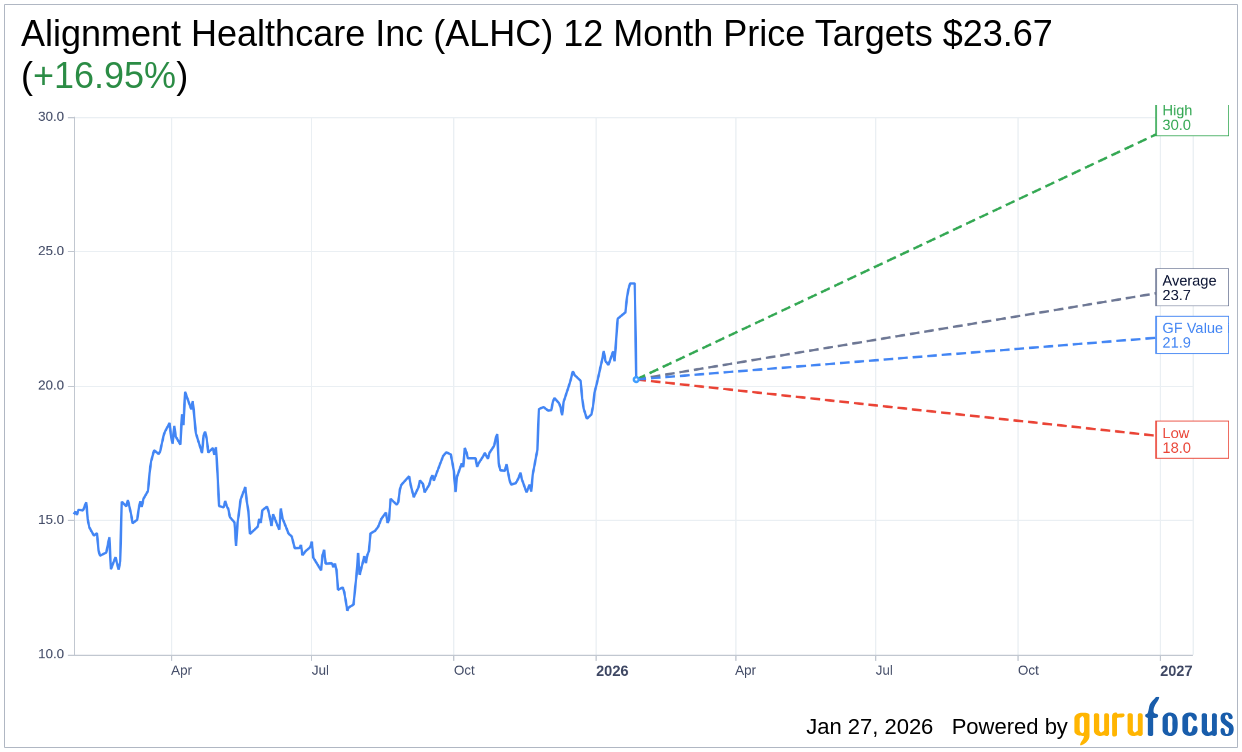
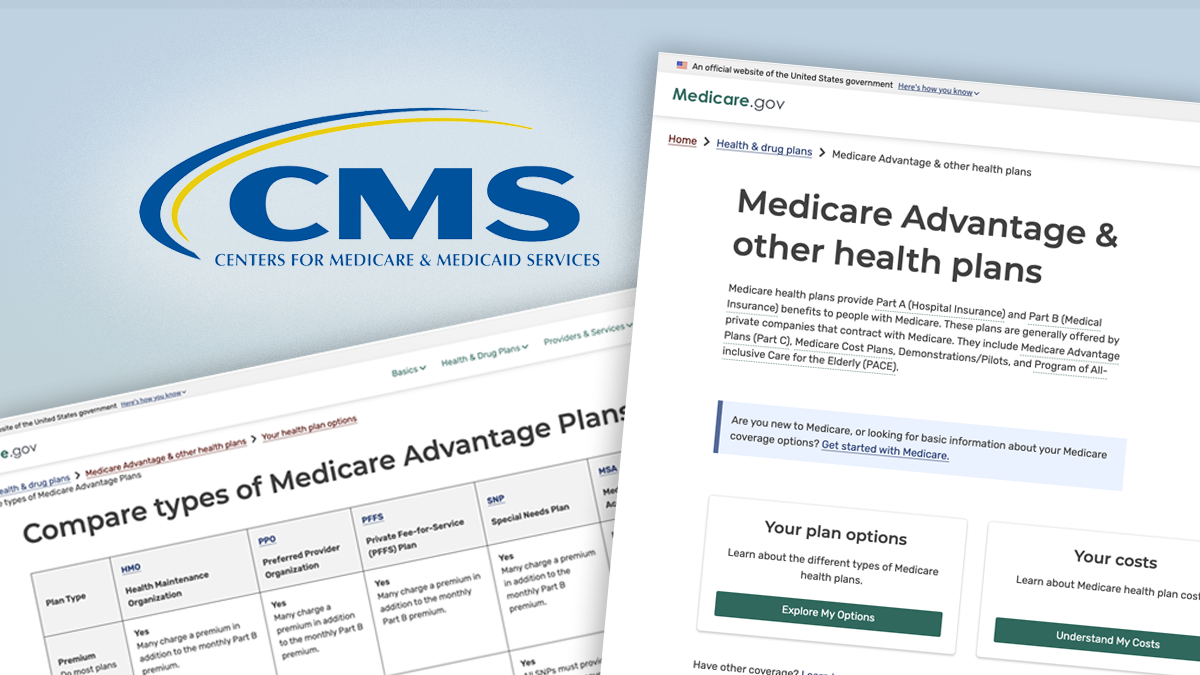
On January 26-27, 2026, the Trump administration's Centers for Medicare and Medicaid Services (CMS) announced a proposed 0.09% payment increase for Medicare Advantage plans in 2027—a devastating shortfall against industry expectations of 4-5% growth. This near-flat rate proposal triggered immediate market volatility: UnitedHealth Group fell 9.1-20% in premarket and afternoon trading, Humana declined 14%, CVS Health dropped 10-11%, and Alignment Healthcare fell 15%, collectively reducing the Dow Jones Industrial Average by 261-409 points. The healthcare insurance industry derives over $500 billion in annual revenue from Medicare Advantage plans, making this policy decision a critical inflection point for sector profitability and growth strategy.
The Core Challenge for Insurers: The minimal 0.09% increase effectively freezes reimbursement levels while failing to account for inflation and rising operational costs. According to JPMorgan analyst Lisa Gill, preliminary Medicare Advantage rates have been revised higher in eight of the last ten years, suggesting historical precedent for improvement. However, Evercore ISI analysts warn that if rates remain unchanged, managed-care providers will likely reduce benefits, narrow provider networks, and prioritize margin improvement over membership expansion. This creates a critical operational constraint: insurers must absorb escalating medical expenses without corresponding revenue growth, compressing margins that have already faced pressure from recent industry retrenchment.
E-Commerce and B2B Implications: For cross-border e-commerce sellers and healthcare-adjacent service providers, this policy shift signals significant downstream effects. The $500 billion Medicare Advantage revenue base represents a substantial portion of major insurers' discretionary spending budgets. With margin compression forcing cost-cutting measures, insurers will likely reduce capital expenditures, technology investments, and procurement from B2B suppliers—including healthcare IT vendors, logistics providers, and administrative service companies. The market reaction demonstrates investor concern about healthcare sector sustainability, suggesting potential consolidation among smaller insurers and reduced opportunities for B2B partnerships with affected companies. Additionally, the U.S. Dollar Index declined to near four-year lows during this period, creating currency headwinds for cross-border sellers exporting healthcare products and services to US-based insurance companies. The announcement also signals potential policy direction for subsequent years, suggesting continued pressure on Medicare payment rates and sustained margin compression throughout 2027-2028.
Strategic Implications: The final rate determination, expected later in the regulatory process, remains critical for determining actual financial impact. Analysts note that plan changes would occur weeks before midterm elections, potentially creating political momentum for rate revision. However, the preliminary proposal reflects the administration's commitment to cost containment in federal healthcare programs, prioritizing budget control over industry profitability. For sellers, this creates both risks and opportunities: reduced discretionary spending from major insurers presents near-term headwinds, while potential industry consolidation may create opportunities to serve consolidated entities with streamlined procurement processes. The timing of this announcement in January 2026 suggests ongoing regulatory scrutiny of healthcare pricing mechanisms, requiring sellers to monitor policy developments and adjust B2B strategies accordingly.
问题 8
What is the timeline for the final Medicare Advantage rate determination and potential policy revision?
The preliminary 0.09% rate announcement was released January 27, 2026, with the final rate determination expected later in the regulatory process. Evercore ISI analysts note that plan changes would occur weeks before midterm elections, potentially creating political momentum for rate revision. JPMorgan analyst Lisa Gill suggests potential for improvement in the final proposal, given historical patterns of rate revisions. However, the Trump administration's commitment to cost containment suggests continued pressure on Medicare payment rates. Sellers should anticipate sustained margin compression through 2027 while monitoring regulatory developments that could affect insurer financial health and B2B procurement decisions.
How does this Medicare policy decision impact cross-border e-commerce sellers in healthcare sectors?
The policy shift signals potential consolidation in the insurance industry and reduced discretionary spending by affected companies, directly impacting B2B opportunities with insurance companies and related service providers. With $500 billion in Medicare Advantage revenue at stake, margin compression forces insurers to reduce spending on healthcare IT vendors, logistics providers, and administrative services. Additionally, the U.S. Dollar Index declined to near four-year lows during this period, creating currency headwinds for cross-border sellers exporting healthcare products and services to US-based insurance companies. Sellers should monitor policy developments and adjust B2B strategies to account for sustained margin pressure and potential industry consolidation throughout 2027-2028.