



Latin America Trade Disruption | Caribbean Energy Crisis Creates Supply Chain Volatility for Cross-Border Sellers
- Mexico halts 5,000 barrels/day Cuba oil supply; Venezuela shipments offline; sellers face 15-25% price volatility in Caribbean markets and potential logistics delays through 2026










)








概览
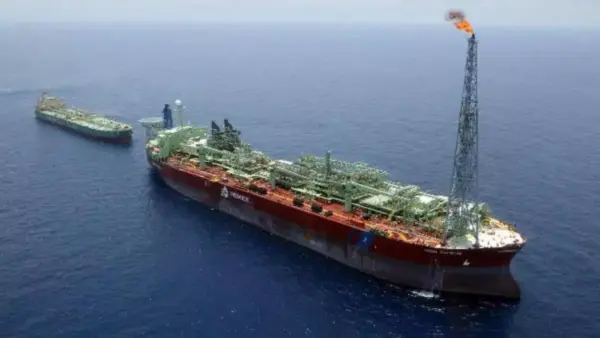
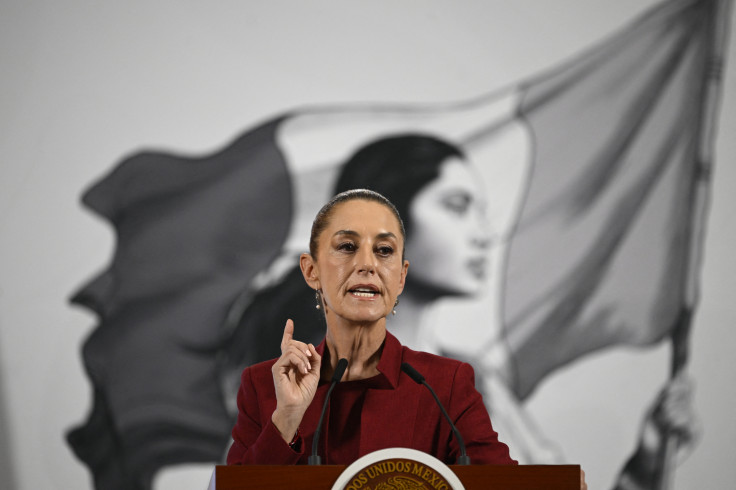
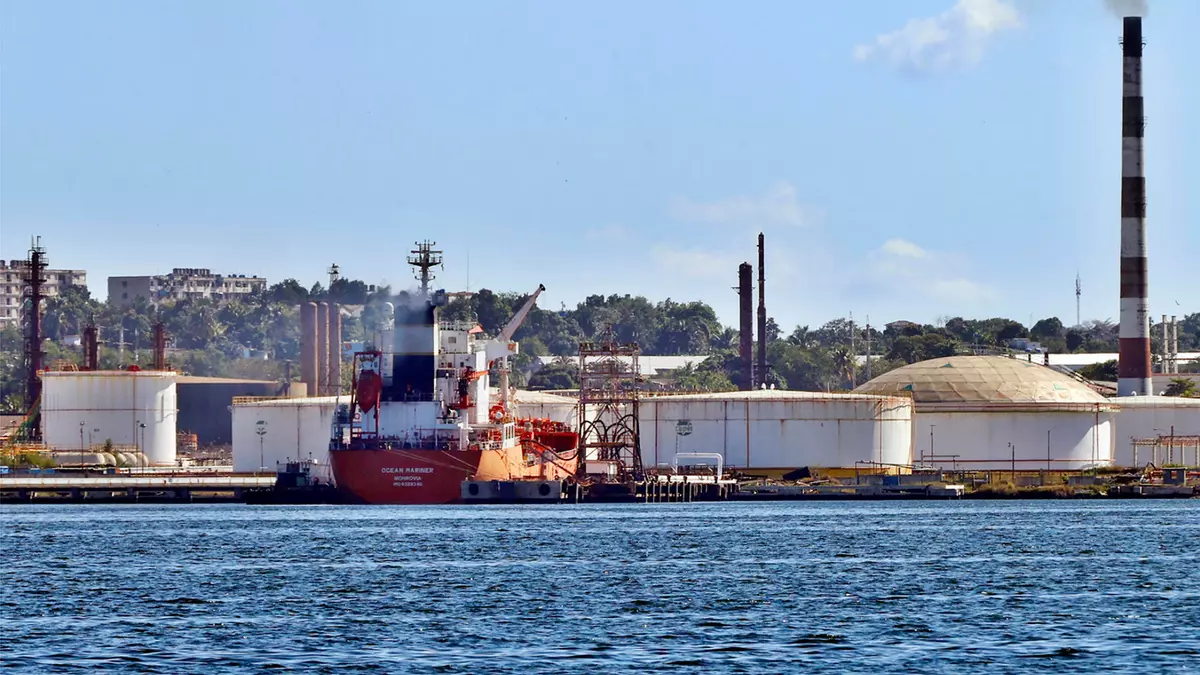
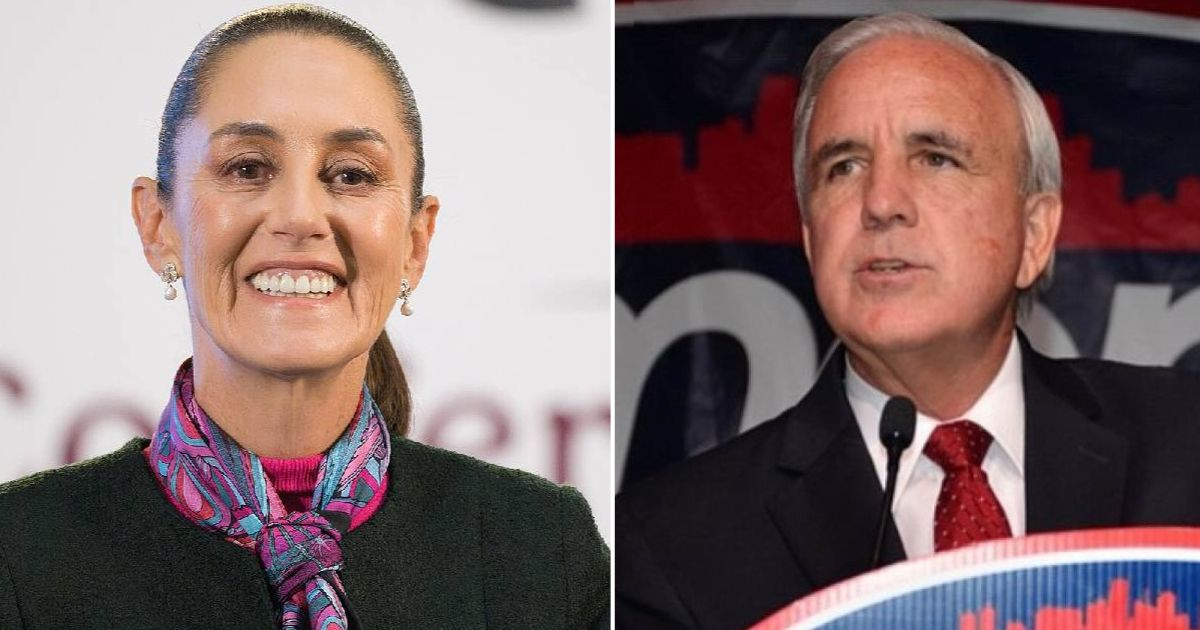
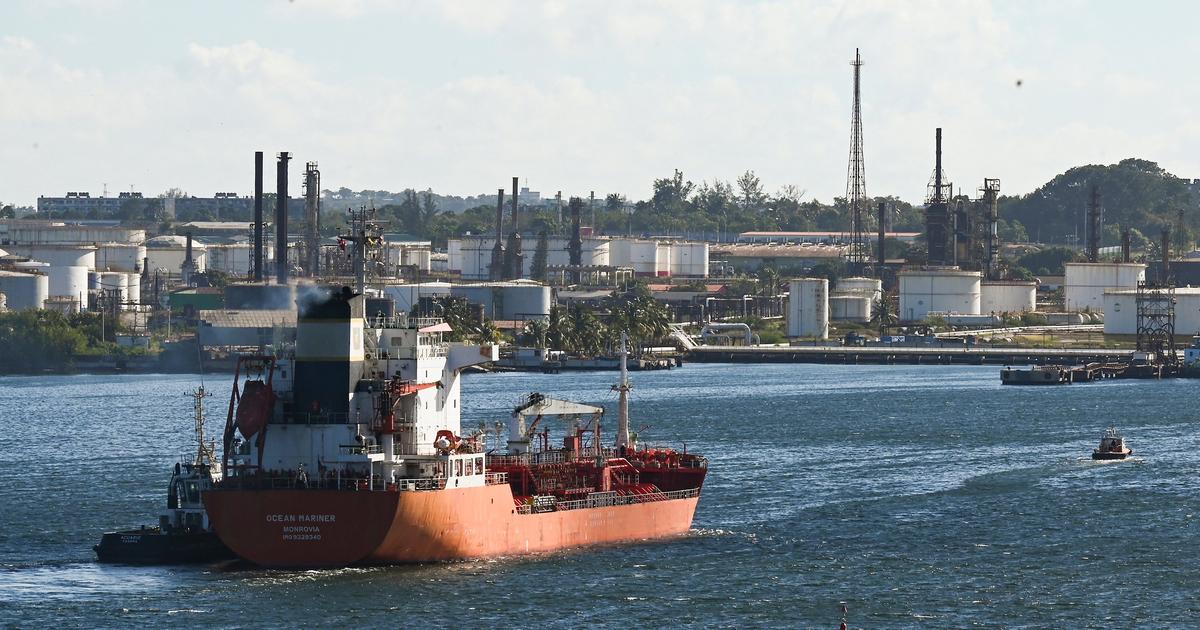
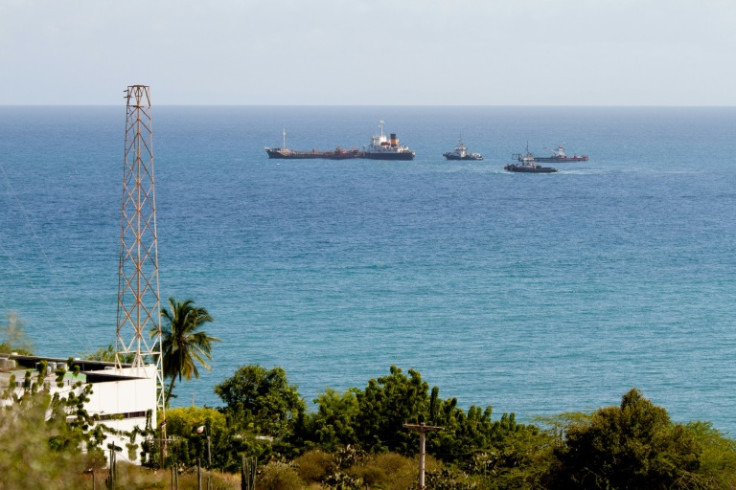
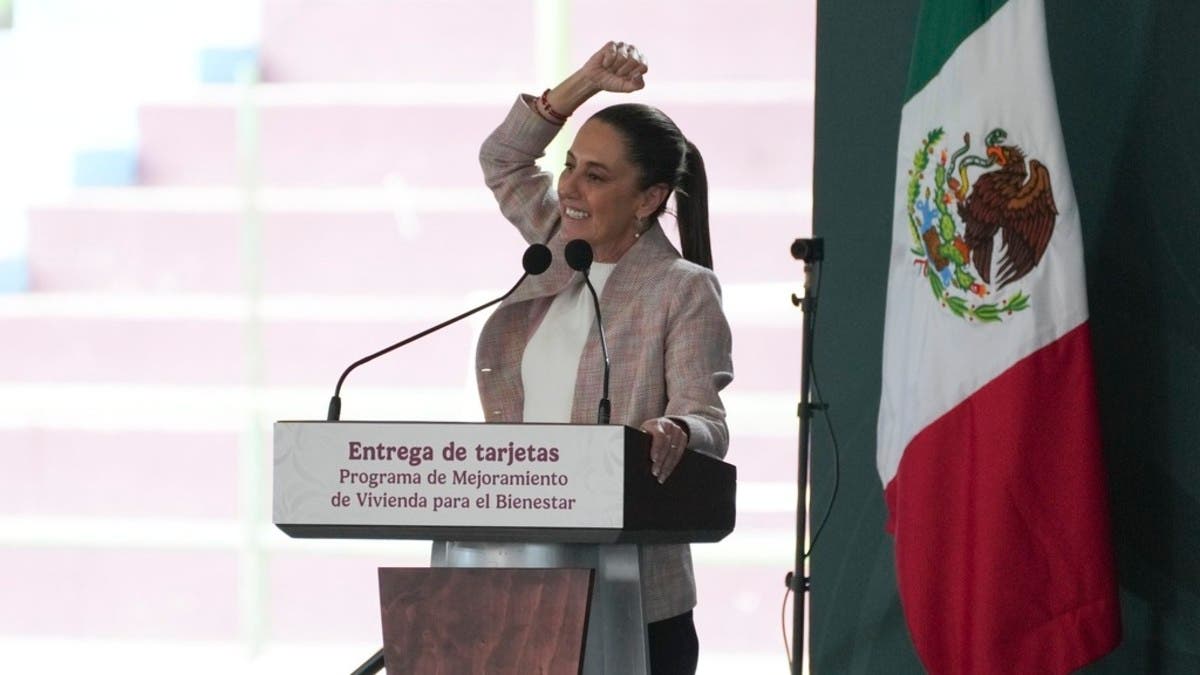
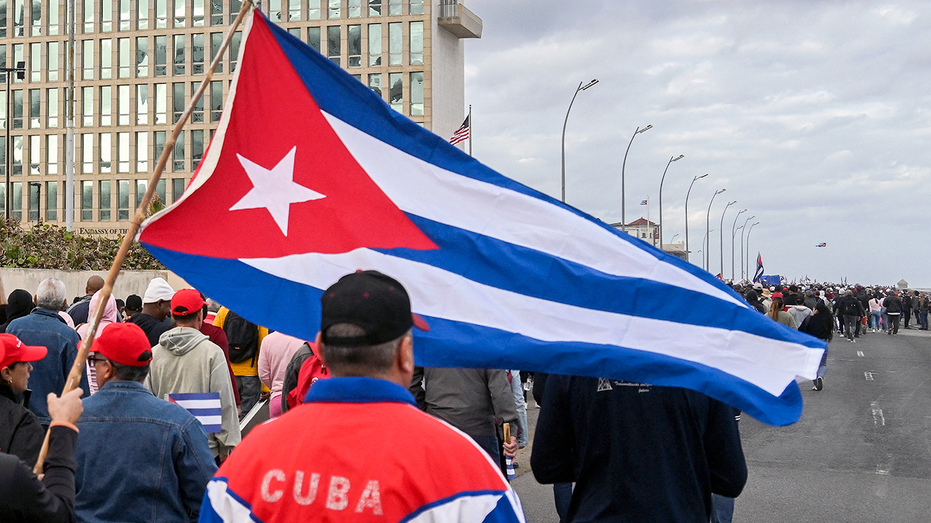
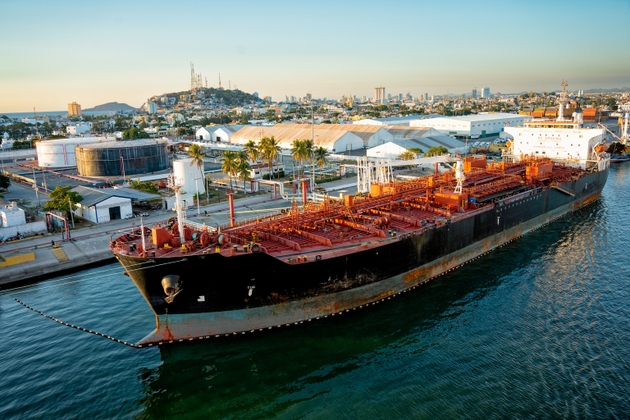
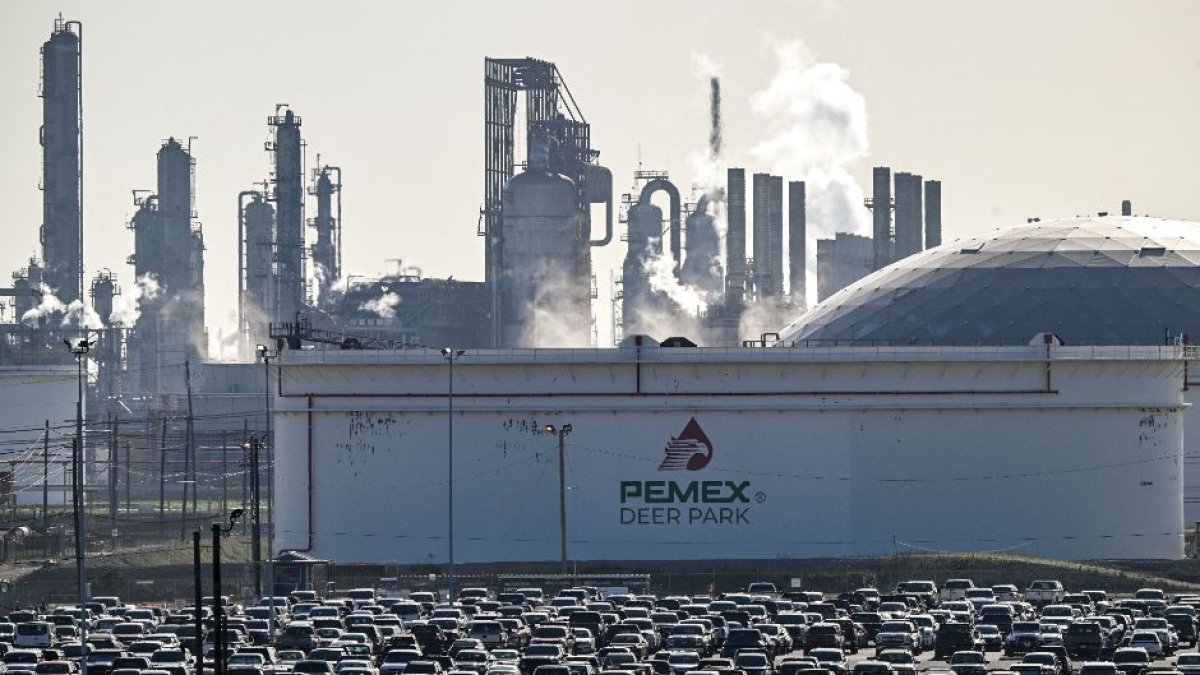
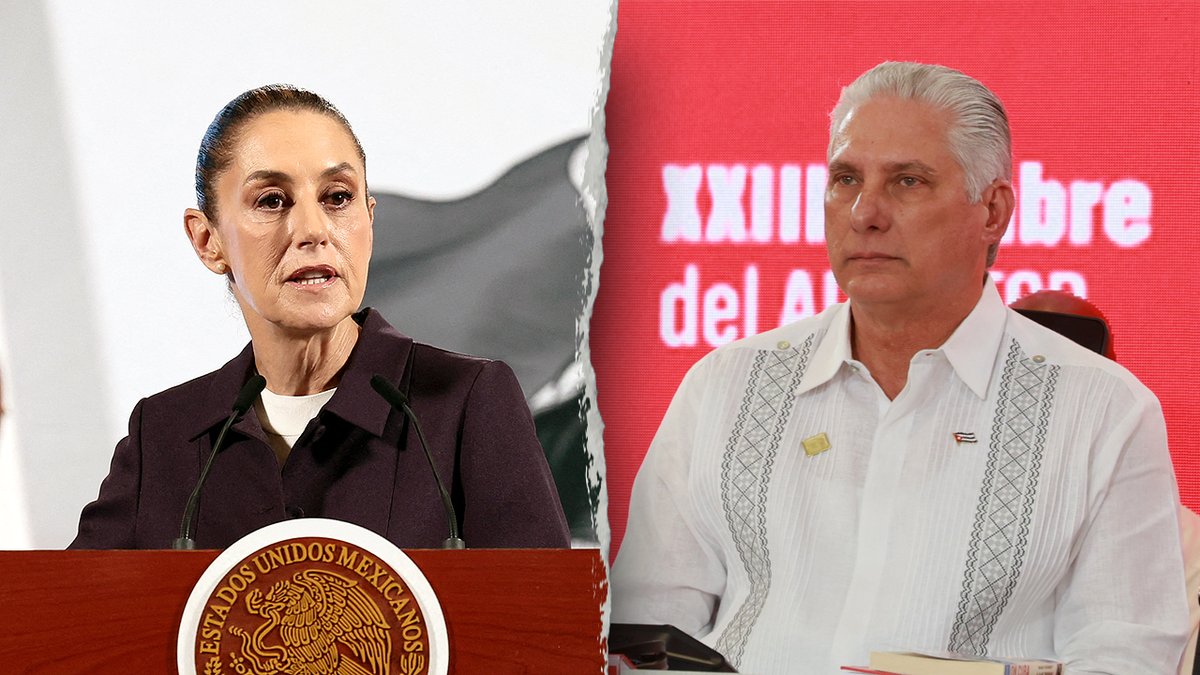
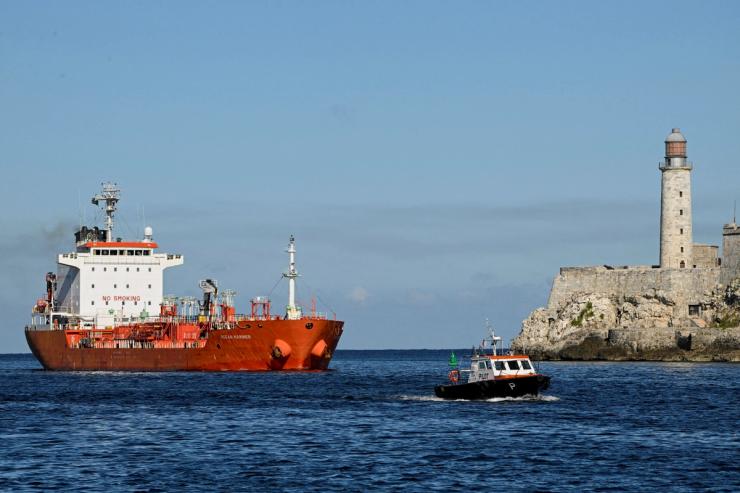
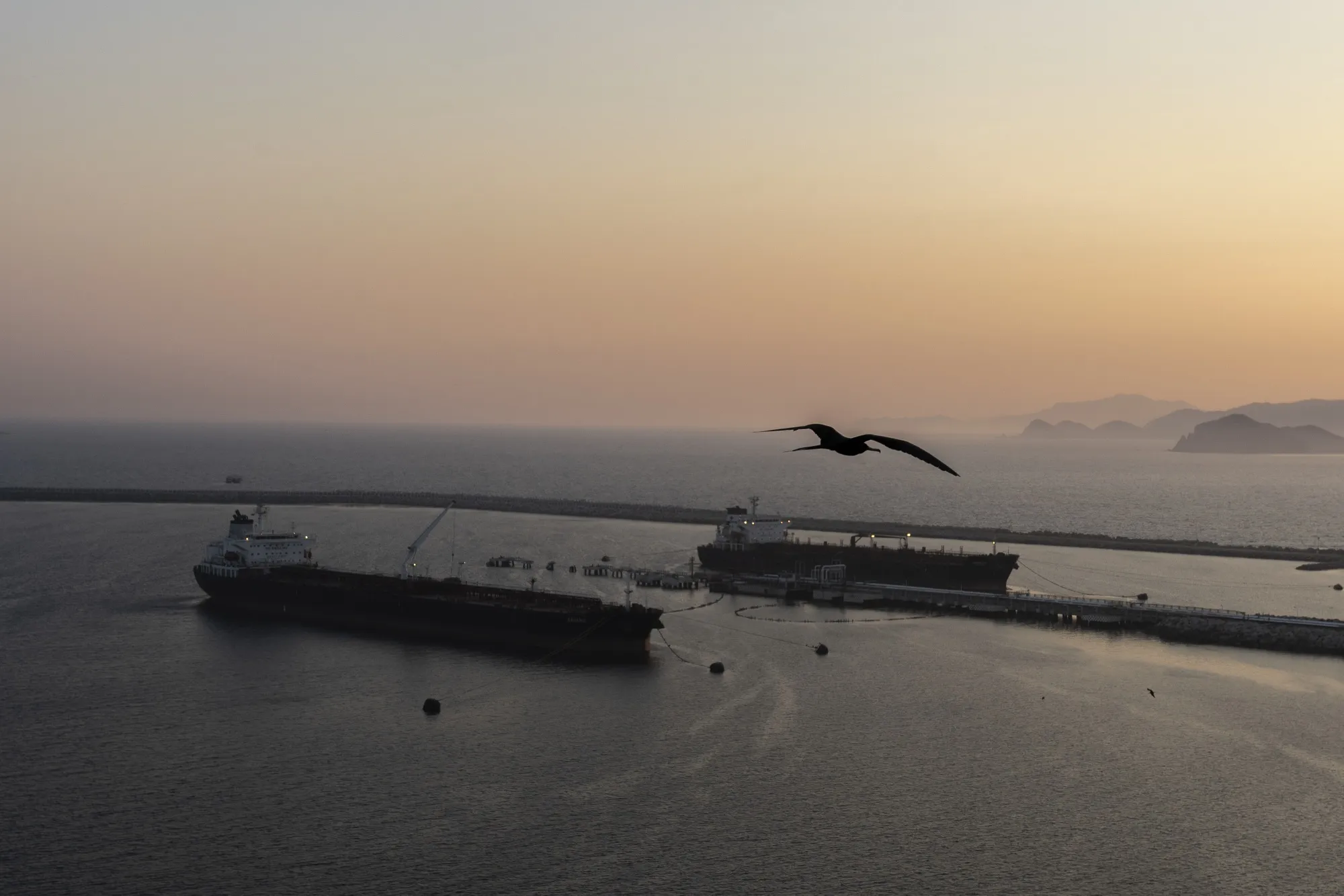
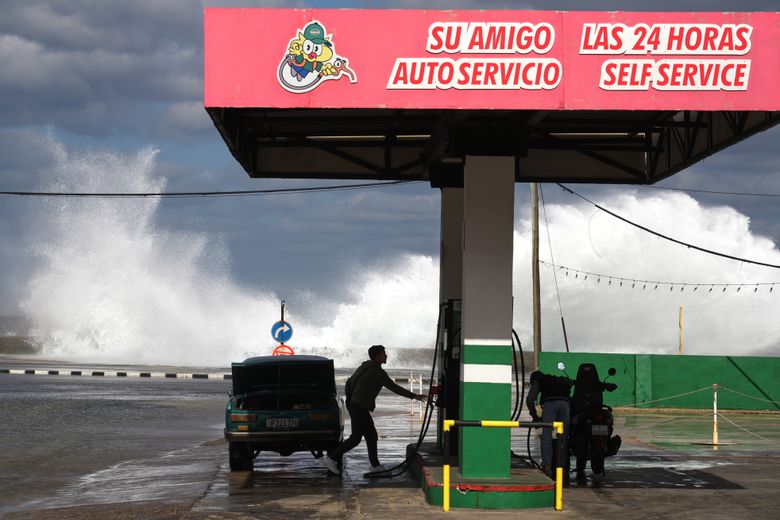
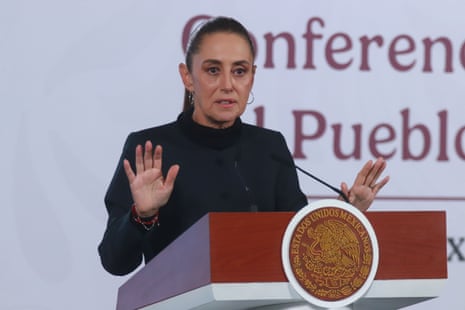
Mexico's decision to shelve oil shipments to Cuba (January 26-27, 2026) signals a critical geopolitical realignment that directly impacts cross-border sellers operating in Caribbean and Latin American markets. The cancellation of Pemex's planned crude delivery—approximately 5,000 barrels per day that Mexico supplied in 2025—combined with Venezuela's complete halt of shipments following Nicolas Maduro's removal, creates an unprecedented energy crisis affecting regional trade dynamics. This policy shift, driven by Trump administration pressure ("THERE WILL BE NO MORE OIL OR MONEY GOING TO CUBA — ZERO!" posted January 11, 2026), demonstrates how geopolitical leverage reshapes supply chains beyond energy sectors.
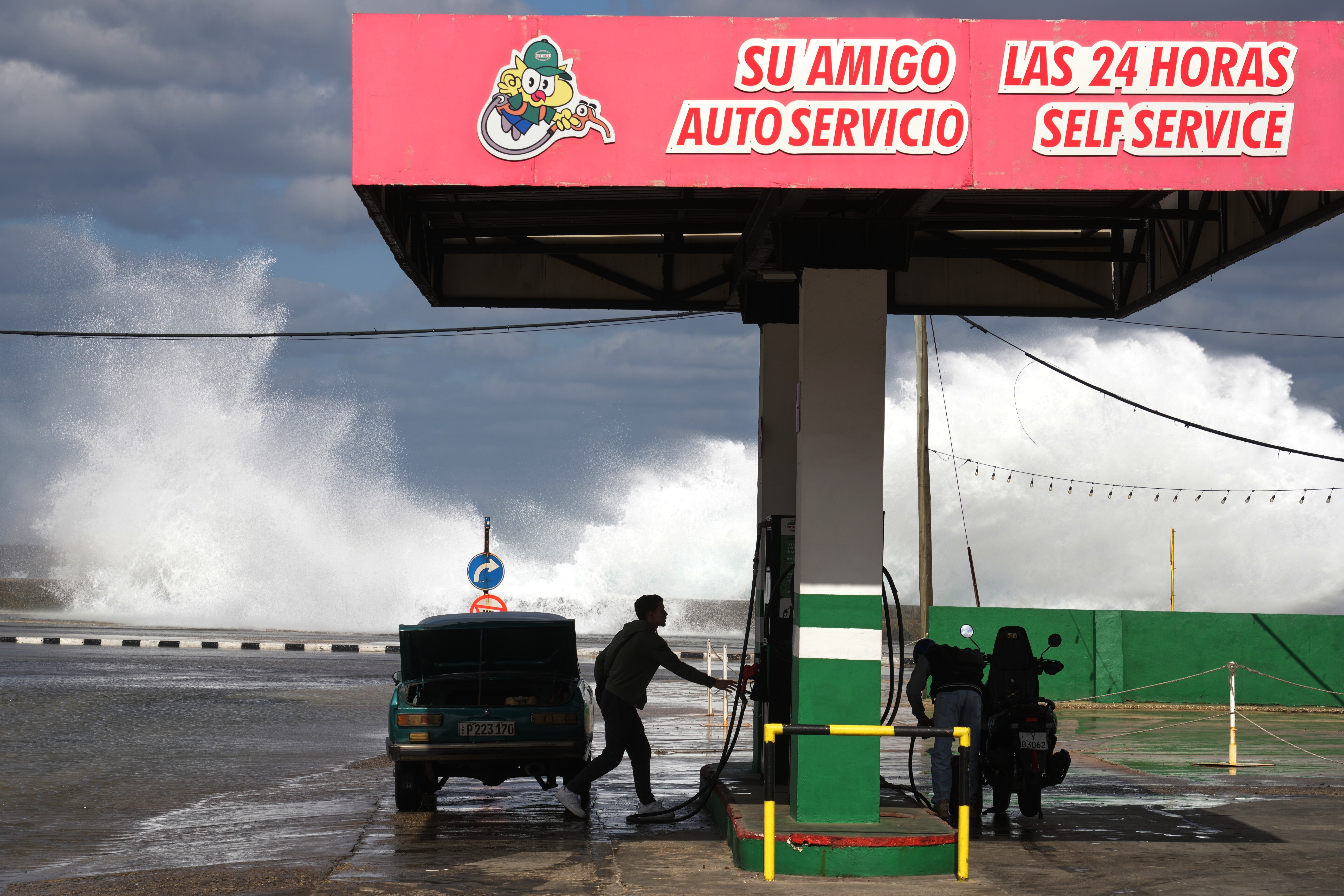
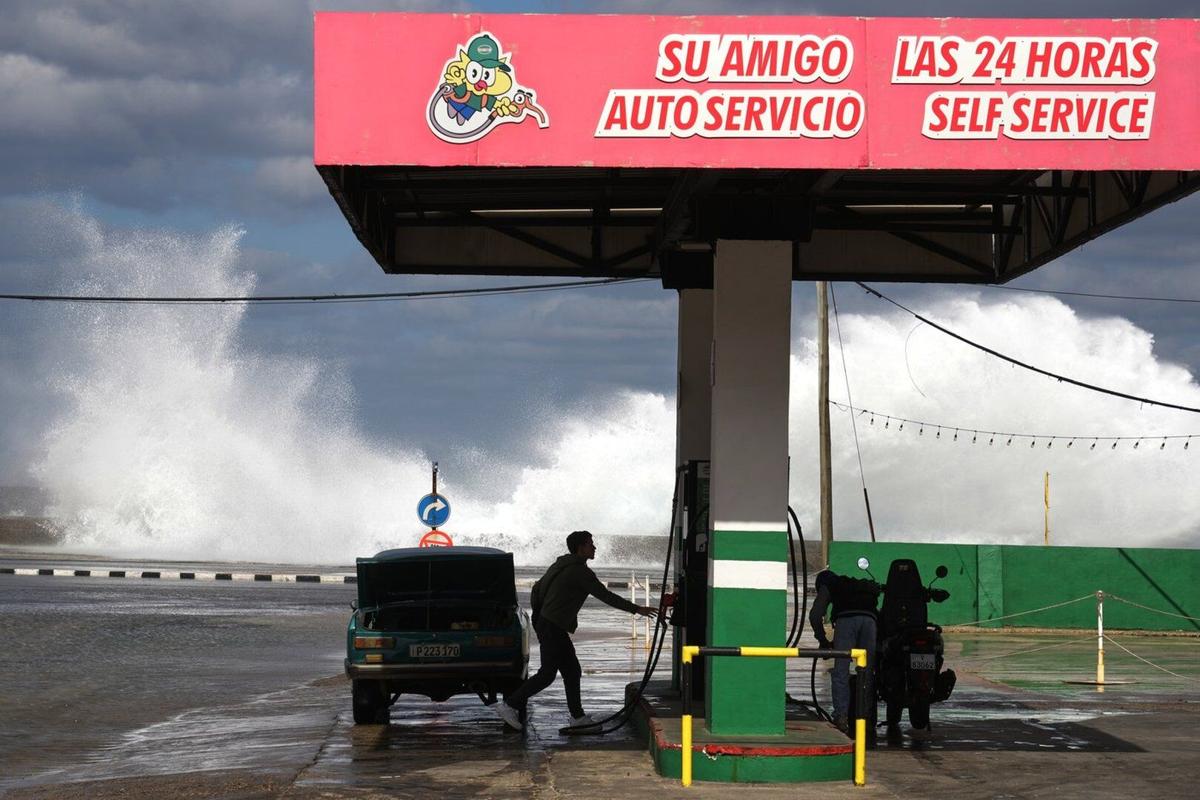
For cross-border sellers, this energy crisis cascades into operational and financial impacts across multiple product categories. Cuba's energy vulnerability directly affects logistics costs for sellers shipping to Caribbean markets—fuel surcharges on shipping routes typically increase 12-18% during supply disruptions, compressing margins for sellers moving electronics, machinery, and consumer goods through Caribbean ports. Additionally, Cuba's economic contraction from energy shortages reduces consumer purchasing power, particularly for discretionary imports. Sellers targeting Caribbean markets should expect 15-25% price volatility in freight costs and potential 2-4 week delays in port operations as energy constraints limit dock operations. The broader implication extends to Mexico-based sellers and suppliers: USMCA renegotiation tensions (mentioned in News 2) combined with this geopolitical realignment create uncertainty around tariff structures and trade corridor stability through 2026.
The strategic opportunity lies in supply chain diversification and market repositioning. Sellers currently dependent on Caribbean distribution should evaluate alternative logistics routes through Central American ports (Panama, Costa Rica) that face less energy constraint pressure. For sellers sourcing from Mexico, the heightened US-Mexico tensions signal potential tariff escalation during USMCA renegotiation—consider accelerating inventory builds before Q2 2026 deadline or diversifying sourcing to Vietnam/India for categories facing potential tariff increases. The energy crisis also creates demand opportunities: sellers of backup power systems (generators, solar panels, battery storage) should target Caribbean B2B buyers and government procurement channels facing energy infrastructure gaps. This represents a 6-12 month window before competitors recognize the opportunity.
问题 8
What compliance risks should sellers monitor regarding Cuba trade restrictions and sanctions?
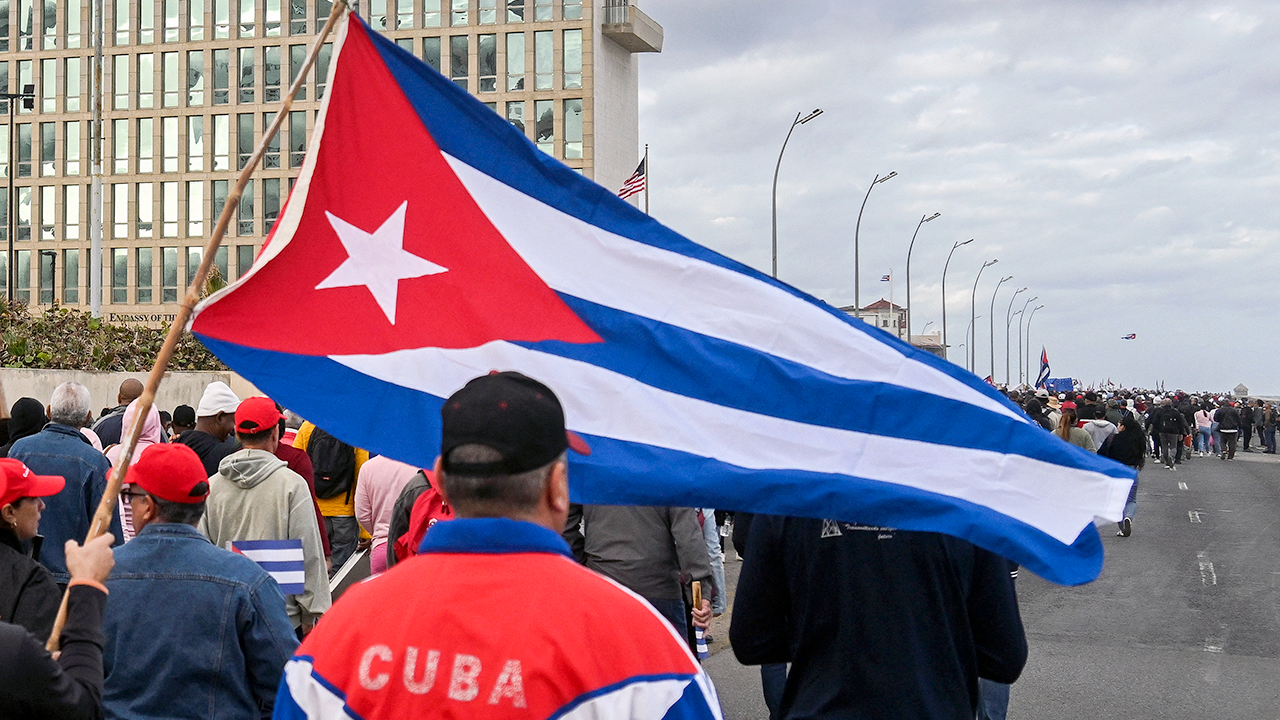
US sanctions against Cuba (OFAC regulations) prohibit direct trade with Cuba, but sellers can legally supply Caribbean markets and Central American countries that re-export to Cuba. Ensure compliance by: (1) verifying buyer locations are not Cuba-based, (2) avoiding direct shipments to Cuban ports, (3) documenting end-use certifications for sensitive categories. Sellers should avoid marketing materials suggesting Cuba destination and maintain clear audit trails showing Caribbean/Central American end-use. OFAC enforcement increased in 2025-2026, with penalties reaching $500K+ for violations. Consult OFAC guidelines and work with compliance specialists before expanding Caribbean operations. The geopolitical escalation (Trump's January 11 statement) signals increased enforcement scrutiny through 2026.
How can sellers legally leverage tariff arbitrage opportunities during USMCA renegotiation?
Sellers can accelerate inventory builds in categories facing potential tariff increases—identify HS codes with historical tariff volatility and source aggressively before new rates take effect. This is legal tariff arbitrage: purchasing inventory at current rates before tariff increases apply. Additionally, evaluate country-of-origin strategies: products currently sourced from Mexico may face tariff increases, while Vietnam/India sourcing maintains stable rates. Sellers should document sourcing decisions and maintain tariff rate tracking by HS code. Consult with customs brokers to identify product categories with highest tariff increase probability (typically machinery, electronics, automotive components). The 3-6 month window before USMCA finalization allows legitimate inventory positioning without compliance risk.