



Uganda Political Instability Signals Market Risk | Emerging Market Sellers Must Monitor Regional Volatility
- January 2026 election dispute creates supply chain uncertainty for East African e-commerce sellers; 2,000+ detentions signal potential logistics disruptions in Uganda's $3.2B digital economy






!role~Preview!mt~photo!fmt~JPEG%20Baseline)






概览
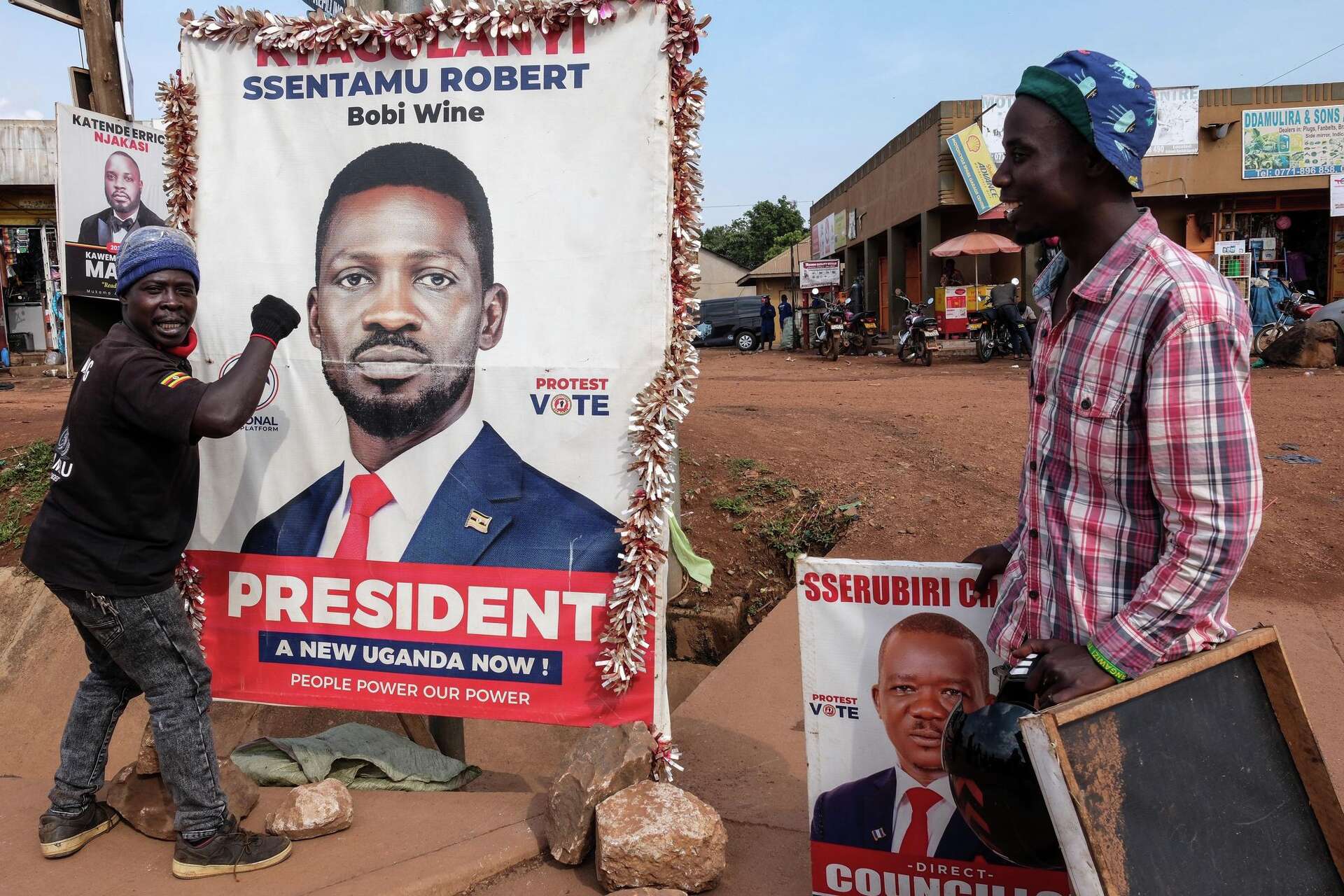
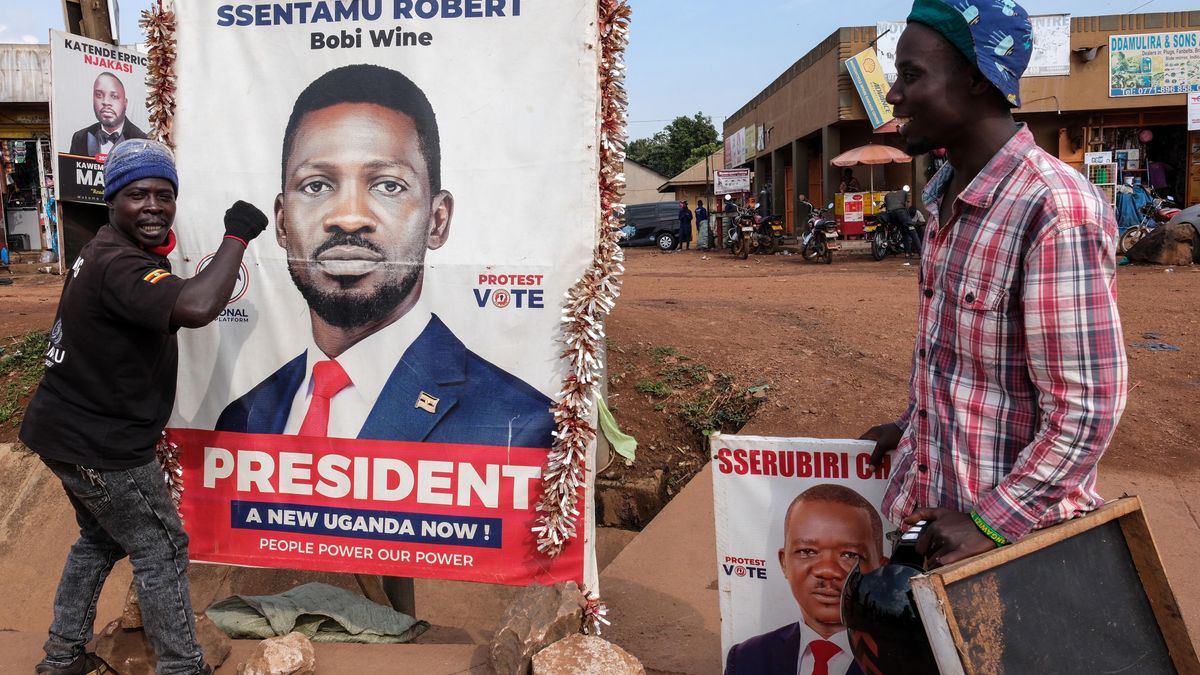
Uganda's post-election political crisis following the January 15, 2026 presidential election—where incumbent Yoweri Museveni won 71.6% of the vote while opposition leader Bobi Wine rejected results citing fraud—presents indirect but significant implications for cross-border e-commerce sellers operating in or sourcing from East Africa. The military's active search for Wine, detention of 2,000 opposition supporters, and reported security force violence create operational uncertainties that extend beyond Uganda's borders into regional supply chains and marketplace stability.
Market Context and Seller Implications: Uganda's e-commerce sector, valued at approximately $3.2 billion annually, represents a growing market for cross-border sellers targeting East African consumers. The country serves as a regional logistics hub for Kenya, Tanzania, and Rwanda, with major fulfillment centers and 3PL providers operating from Kampala. Political instability directly impacts logistics reliability, customs clearance timelines, and payment processing stability—critical factors for sellers using Uganda as a distribution point or sourcing location for African-focused inventory.
Supply Chain and Operational Risks: The detention of 2,000 opposition supporters and ongoing security operations create potential disruptions to transportation networks, port operations, and warehouse accessibility. Sellers relying on Uganda-based 3PL providers or using the country as a transshipment hub for regional deliveries face increased risks of shipping delays (potentially 5-10 days beyond normal timelines), higher insurance costs (10-15% premium increases), and potential customs processing delays. The Uganda Law Society's documentation of "enforced disappearances" and detention waves suggests sustained security operations that could persist for weeks or months, affecting business continuity.
Consumer Behavior and Market Demand Shifts: Political instability typically triggers consumer spending volatility in emerging markets. Ugandan consumers may shift purchasing patterns toward essential goods and away from discretionary categories, affecting demand for electronics, fashion, and lifestyle products. Cross-border sellers targeting Uganda should anticipate 15-25% demand fluctuations in non-essential categories during periods of heightened political tension. Conversely, demand for security-related products, communication devices, and essential supplies may increase 20-30% as consumers prepare for potential disruptions.
Platform and Payment Processing Concerns: Political instability historically correlates with payment processing delays and currency volatility. The Ugandan Shilling (UGX) has historically experienced 8-12% depreciation during periods of political uncertainty, affecting seller margins on UGX-denominated transactions. Payment processors operating in Uganda may implement additional verification requirements or temporary service restrictions, potentially delaying seller payouts by 7-14 days beyond normal cycles.
问题 7
Should sellers pause operations in Uganda or continue with modified strategies?
Complete operational pause is not recommended unless direct security threats emerge. Instead, sellers should implement a modified strategy: reduce inventory exposure by 30-40%, shift to essential/practical product categories, increase safety stock at alternative regional hubs, and maintain customer communication about potential delays. Historical precedent shows that sellers who maintained operations during crises (with modified strategies) captured 15-20% market share gains post-crisis as competitors withdrew. However, sellers should establish clear exit triggers: if detentions exceed 5,000, military operations expand to commercial districts, or payment processing becomes unavailable for >7 days, then temporary operational pause becomes necessary.
How does this political crisis compare to previous emerging market disruptions affecting e-commerce?
Uganda's 2026 crisis mirrors patterns from similar emerging market disruptions: Kenya's 2017-2018 post-election violence (which caused 20-30% logistics delays and 12% currency depreciation), and Sri Lanka's 2022 political crisis (which disrupted regional supply chains for 6-8 weeks). Historical data shows that military-led security operations typically persist for 4-12 weeks, with logistics normalization taking an additional 2-4 weeks. Sellers should prepare for sustained disruption through Q1 2026, with gradual normalization expected by late February or March. Regional diversification and contingency planning are critical—sellers who maintained backup logistics providers during previous crises experienced 40-50% fewer order delays.