


India-EU Trade Deal Opens $200B Market | Tariff Cuts for Cross-Border Sellers
- 99.5% of Indian goods face duty elimination; textiles, pharma, alcohol sellers gain 8-15% margin expansion by 2026
























概览
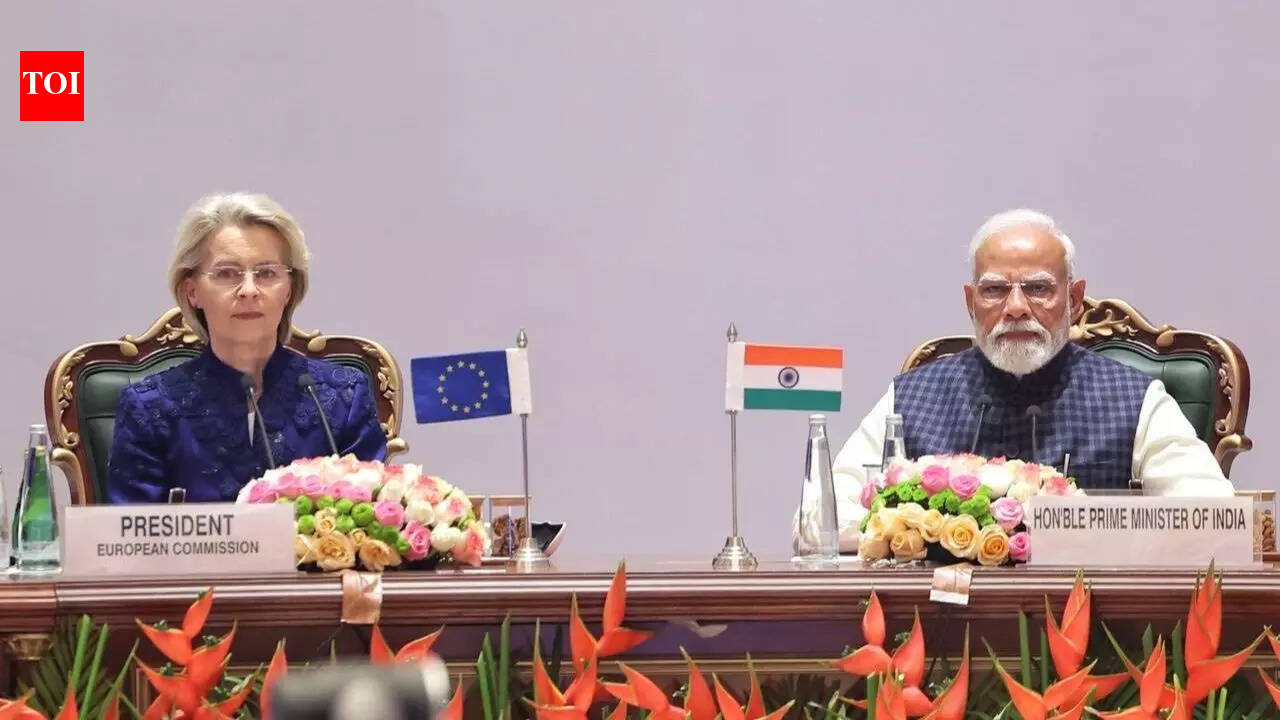
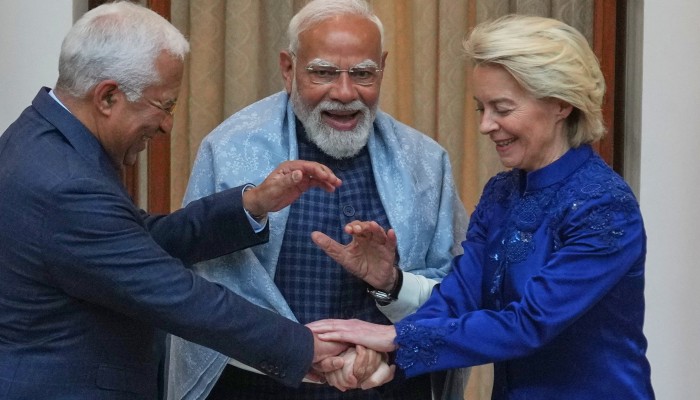
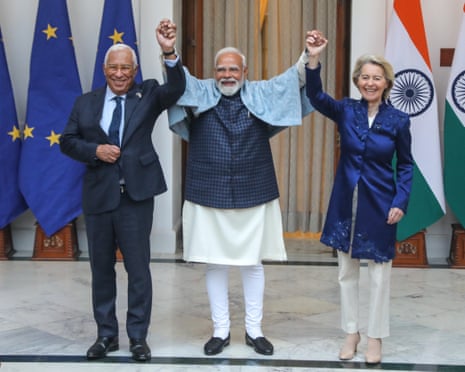
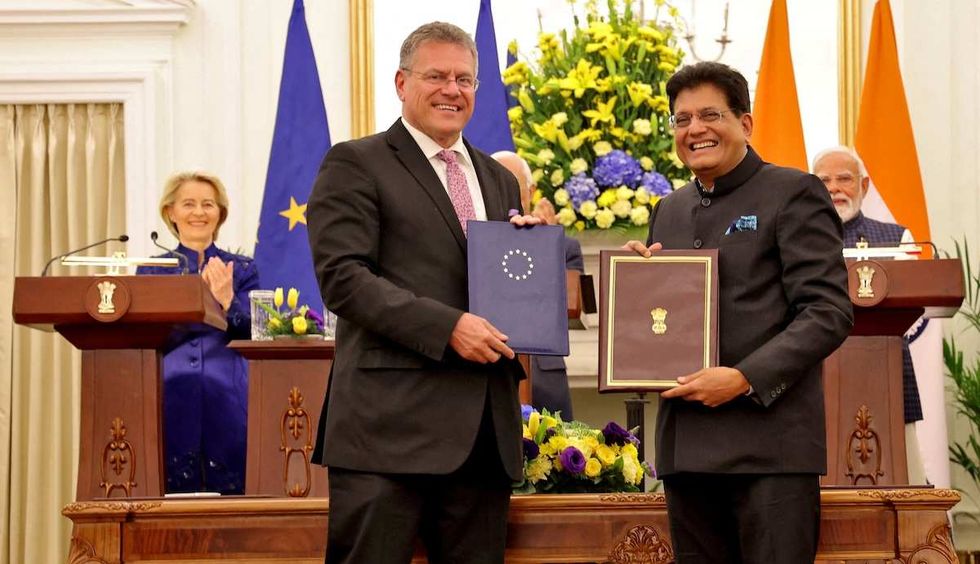
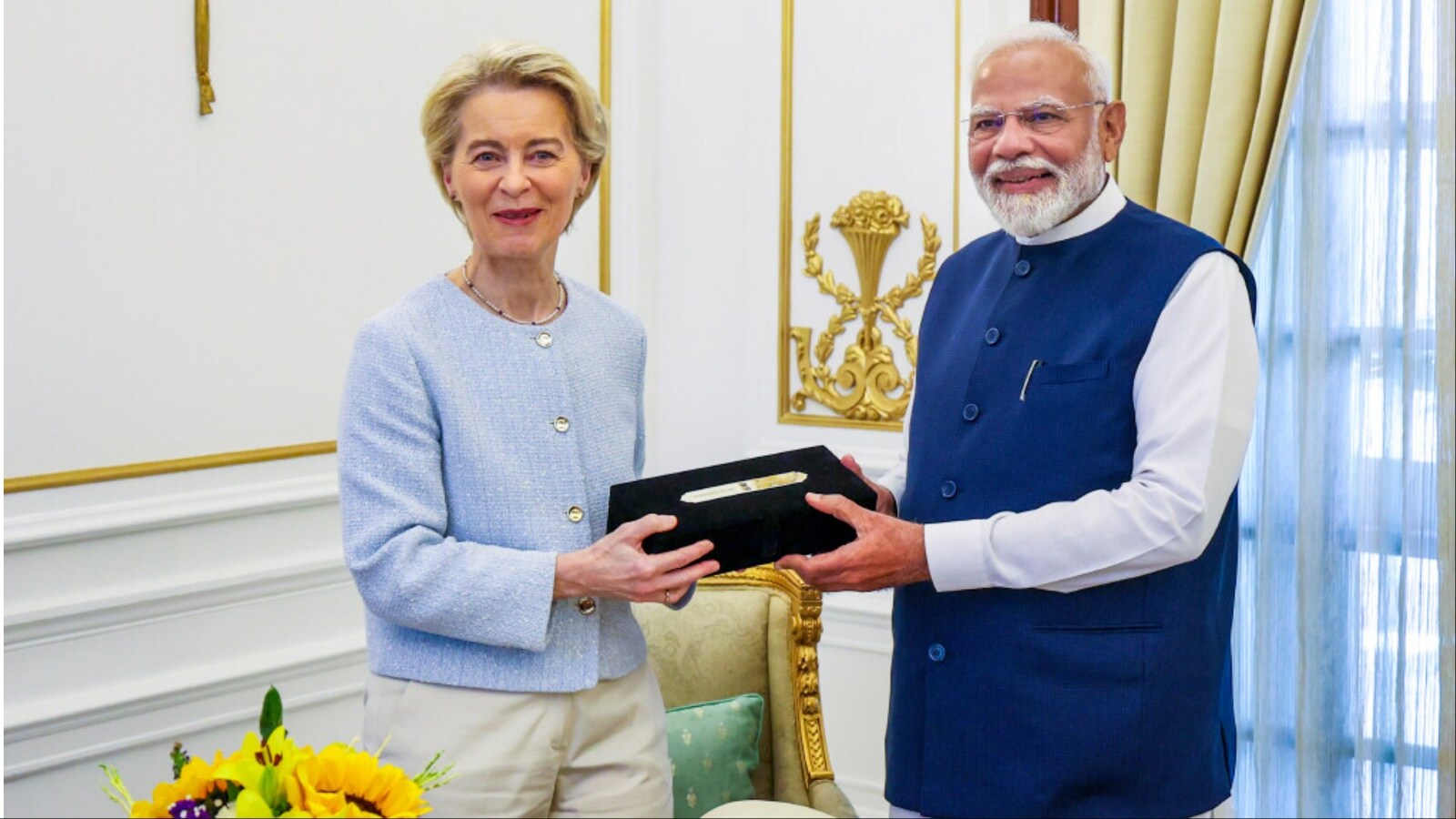
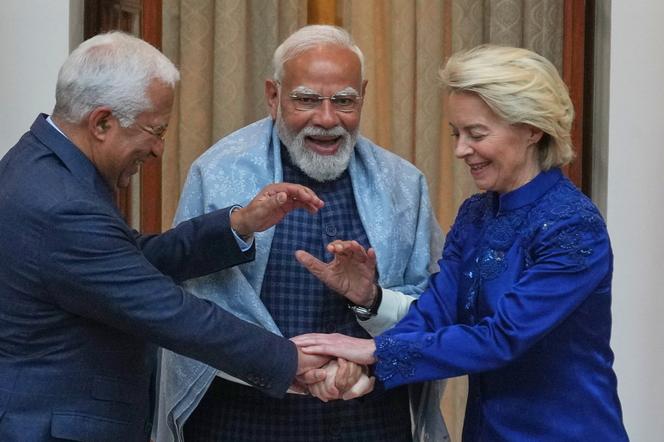
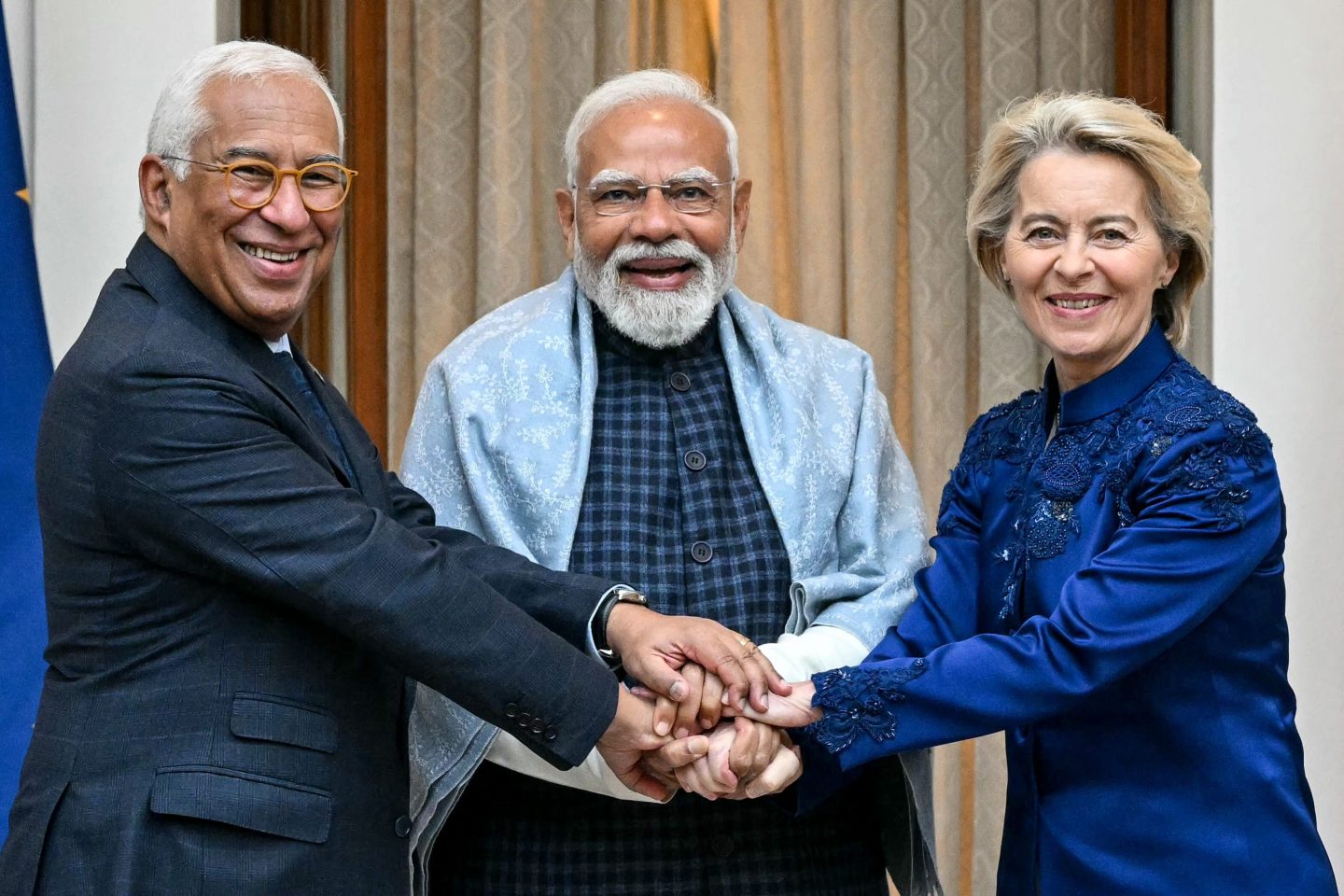
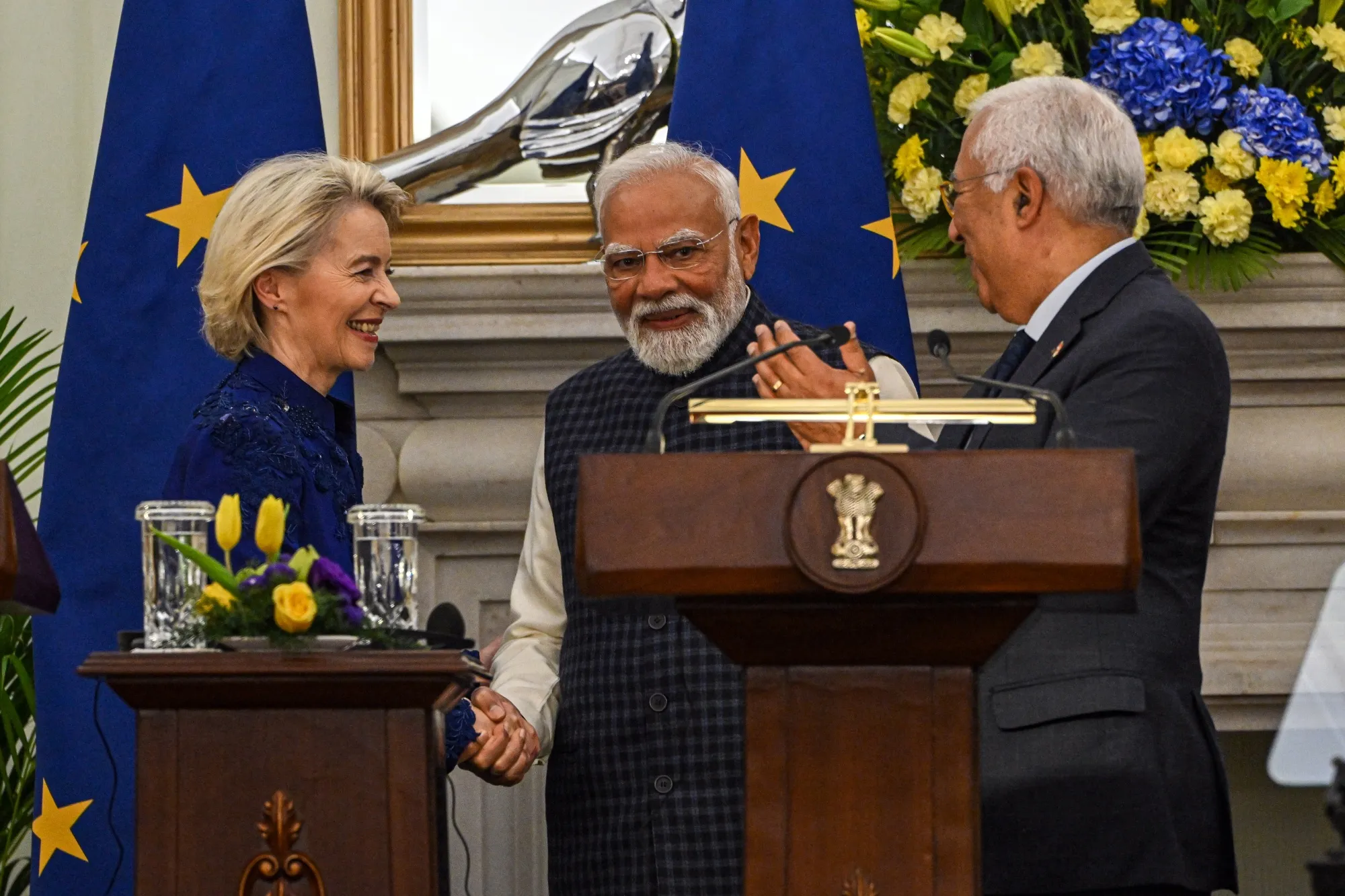
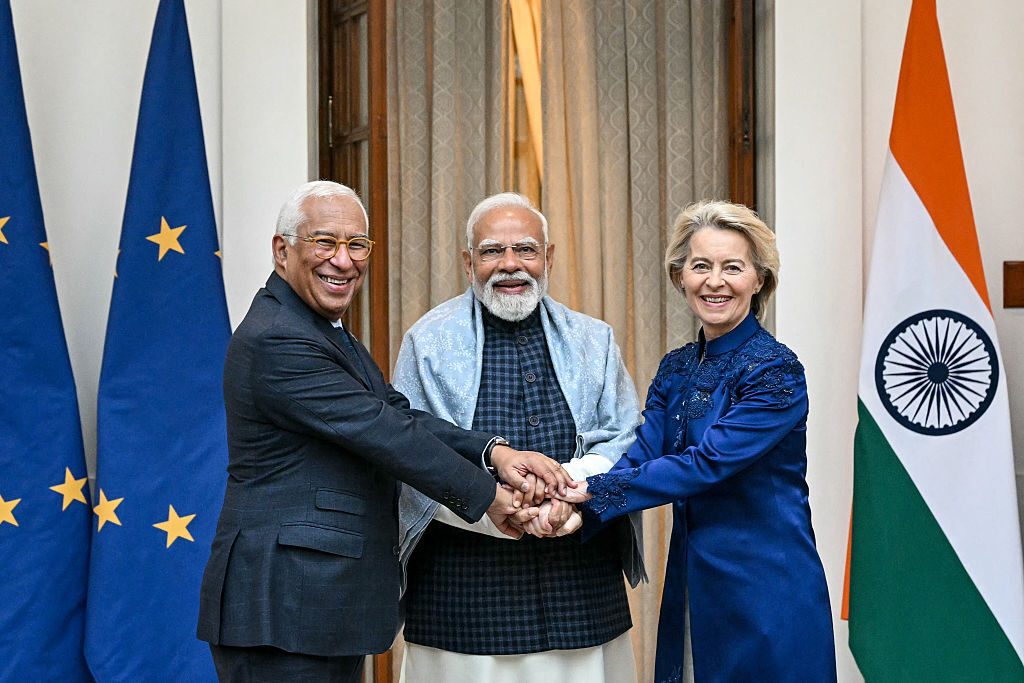
The India-EU Free Trade Agreement, finalized after 19 years of negotiations, represents a seismic shift in global trade architecture with direct implications for cross-border e-commerce sellers. The deal eliminates or reduces tariffs on 99.5% of Indian goods and 96.6% of EU exports over seven years, with full implementation expected by end of 2026. This creates a $184.8 billion duty savings opportunity for European companies and projects bilateral trade to reach $200 billion by 2030—fundamentally reshaping sourcing economics for sellers across textiles, pharmaceuticals, alcohol, and automotive categories.
For cross-border sellers, this agreement creates three distinct competitive windows. First, Indian sellers exporting to EU markets gain immediate tariff arbitrage advantages: textile products (HS codes 61-62) currently facing 12-15% EU duties will see progressive elimination, expanding profit margins by 8-12% for apparel and home textile sellers. Pharmaceutical exporters benefit from duty reductions on active pharmaceutical ingredients (HS 29-30), reducing landed costs by 6-10% and enabling aggressive pricing against Chinese competitors. Second, EU sellers sourcing from India gain cost advantages: Indian textile manufacturers, chemical suppliers, and pharmaceutical producers become 15-20% more cost-competitive than Chinese alternatives, incentivizing supply chain reorientation. Third, the agreement signals geopolitical de-risking—sellers can now diversify sourcing away from China-dependent supply chains toward India without tariff penalties, addressing Trump administration trade volatility.
The implementation timeline creates urgent action windows. Legal ratification procedures conclude by end of 2026, meaning sellers have 18-24 months to restructure sourcing agreements, update supplier contracts, and reposition inventory. Sellers currently sourcing Indian textiles, spices, jewelry, and handicrafts face immediate competitive pressure as tariff advantages accelerate market entry for new competitors. EU-based sellers should immediately audit Indian supplier relationships and negotiate long-term contracts before tariff reductions trigger price increases from suppliers capitalizing on improved margins. The agreement explicitly protects sensitive categories (dairy, sugar, beef, poultry), meaning food sellers see no tariff relief—but this creates arbitrage opportunities in adjacent categories like spice blends, specialty foods, and beverages where tariffs do decline.
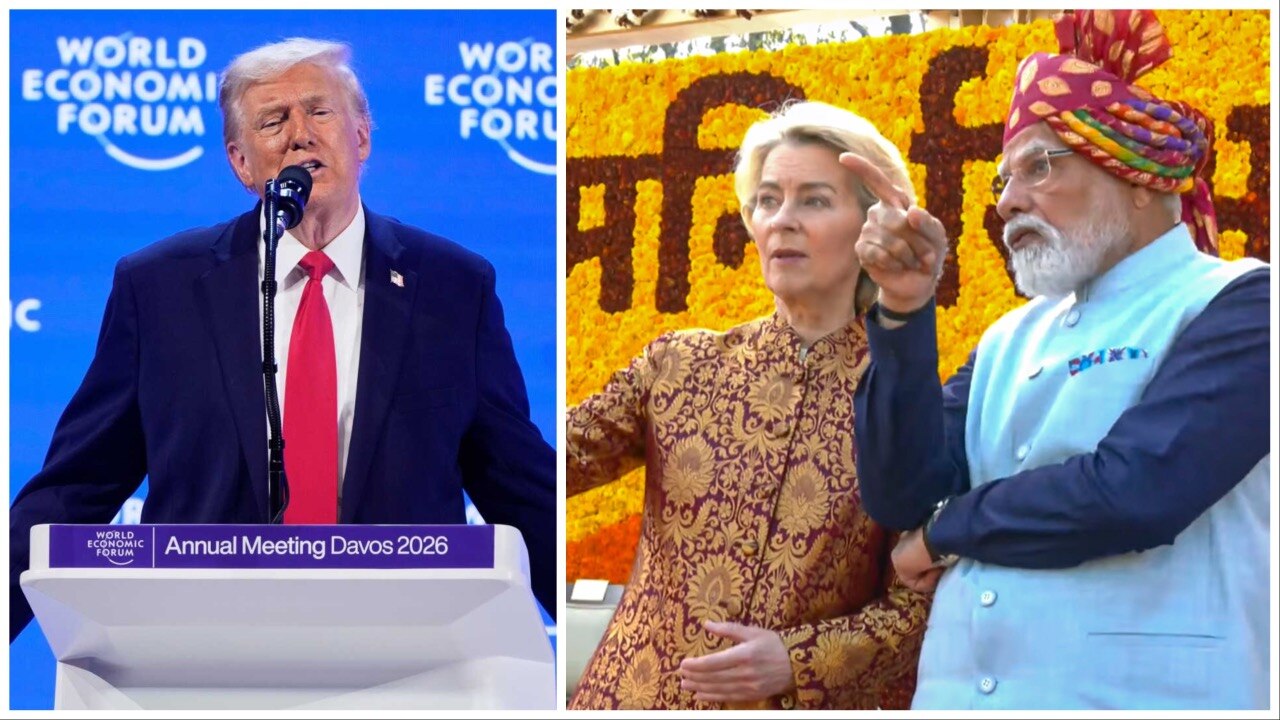
Broader geopolitical context amplifies opportunity windows. The EU simultaneously advanced agreements with Indonesia, Japan, Mexico, and Mercosur while India finalized pacts with New Zealand, Oman, and UK—demonstrating systematic de-risking from U.S. trade unpredictability. This pattern indicates sustained tariff reduction momentum across multiple corridors through 2026-2027, creating a multi-year window for sellers to restructure supply chains before tariff advantages commoditize and margins compress.
问题 8
How does the India-EU deal create competitive advantages for sellers diversifying away from China?
The agreement enables supply chain de-risking by making Indian sourcing tariff-competitive with China for the first time. Trump's 25% duties on Indian goods (mentioned in the news) previously made India uncompetitive; tariff elimination reverses this dynamic. Sellers can now source textiles, pharmaceuticals, chemicals, and jewelry from India without tariff penalties, reducing exposure to U.S. trade policy volatility. The news highlights that multiple countries (EU, India, Indonesia, Japan, Mexico) are simultaneously advancing trade agreements outside the U.S. framework—signaling sustained tariff reduction momentum through 2027. Sellers should view this as a 24-month window to establish Indian supplier relationships before tariff advantages commoditize and margins compress.
What is the implementation timeline for India-EU tariff reductions affecting sellers?
Legal ratification procedures conclude by end of 2026, with full tariff elimination schedules extending through 2033. This creates an 18-24 month window (now through end of 2026) for sellers to restructure sourcing agreements and reposition inventory before tariff advantages accelerate. The news states India's trade minister expects the agreement to take effect by end of 2026 following legal ratification. Sellers should treat end of 2026 as a critical deadline for locking in supplier contracts, updating customs documentation, and adjusting pricing strategies. Delay beyond this window risks losing first-mover advantages as competitors capitalize on tariff reductions and suppliers raise prices.