

Israel Hostage Crisis Ends | Geopolitical Stability Signals Market Recovery Opportunities for Middle East E-Commerce Sellers
- 843-day hostage crisis concludes with final hostage return; signals potential normalization of Israeli consumer spending and regional logistics corridors for cross-border sellers














概览
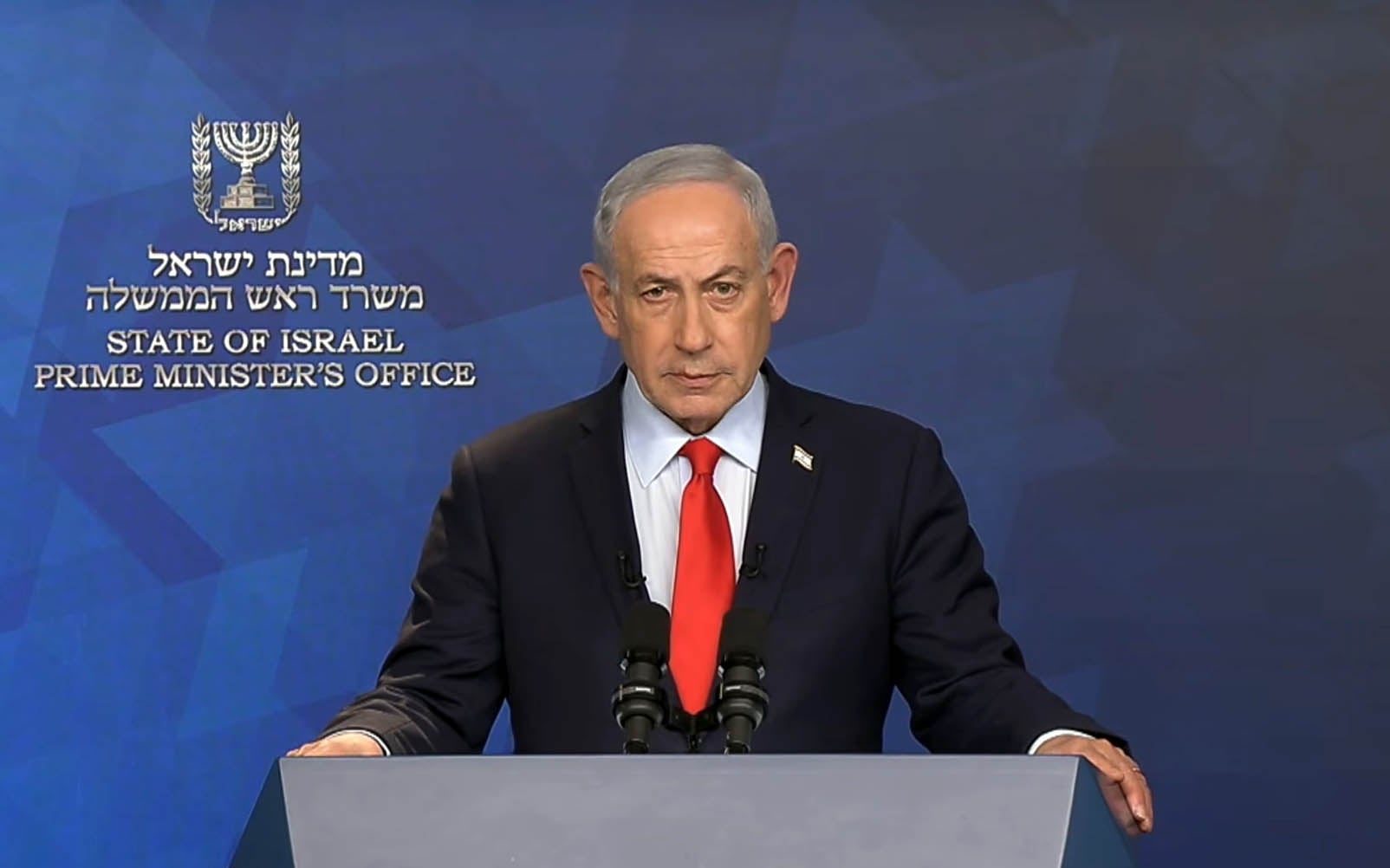
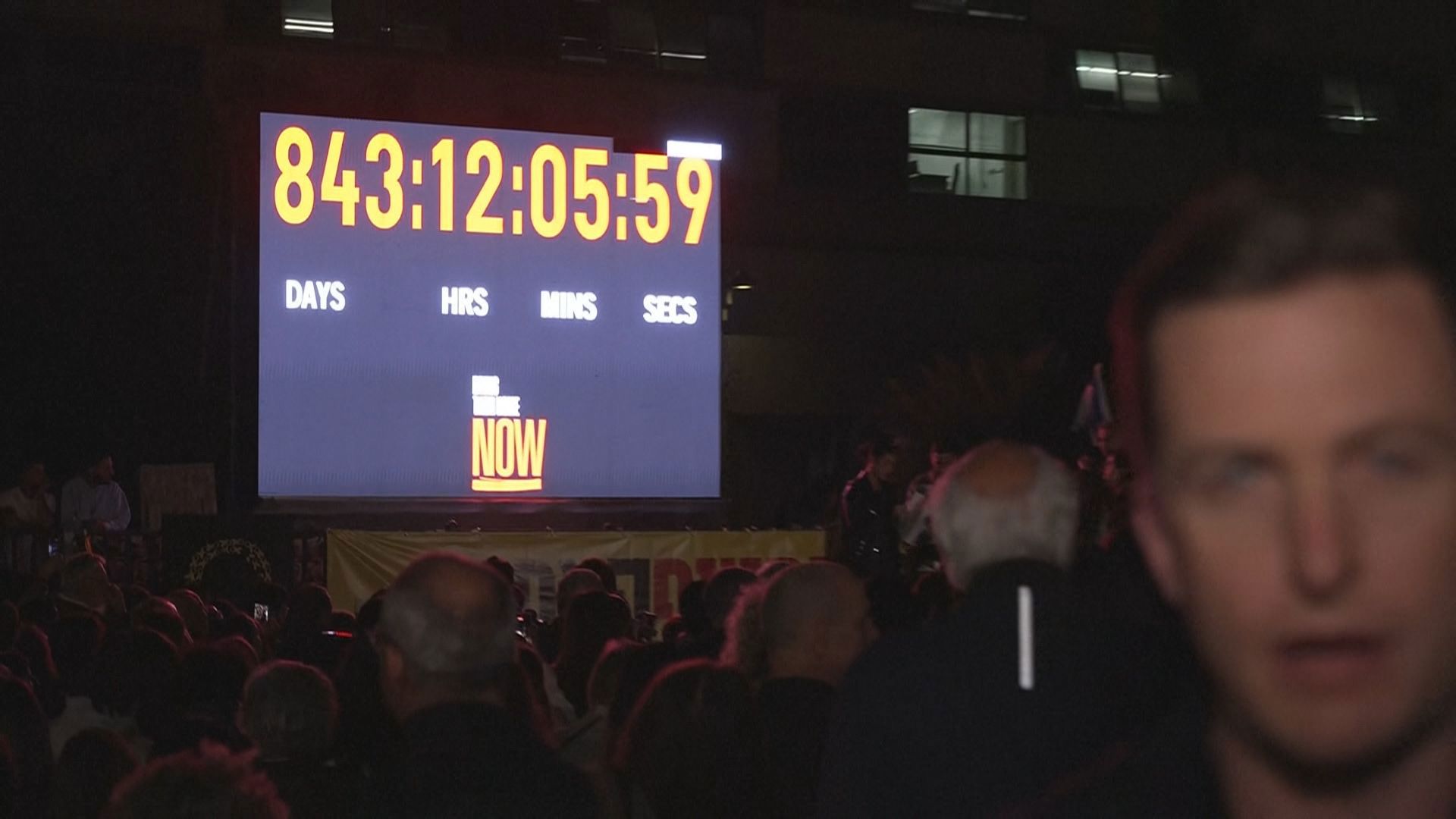
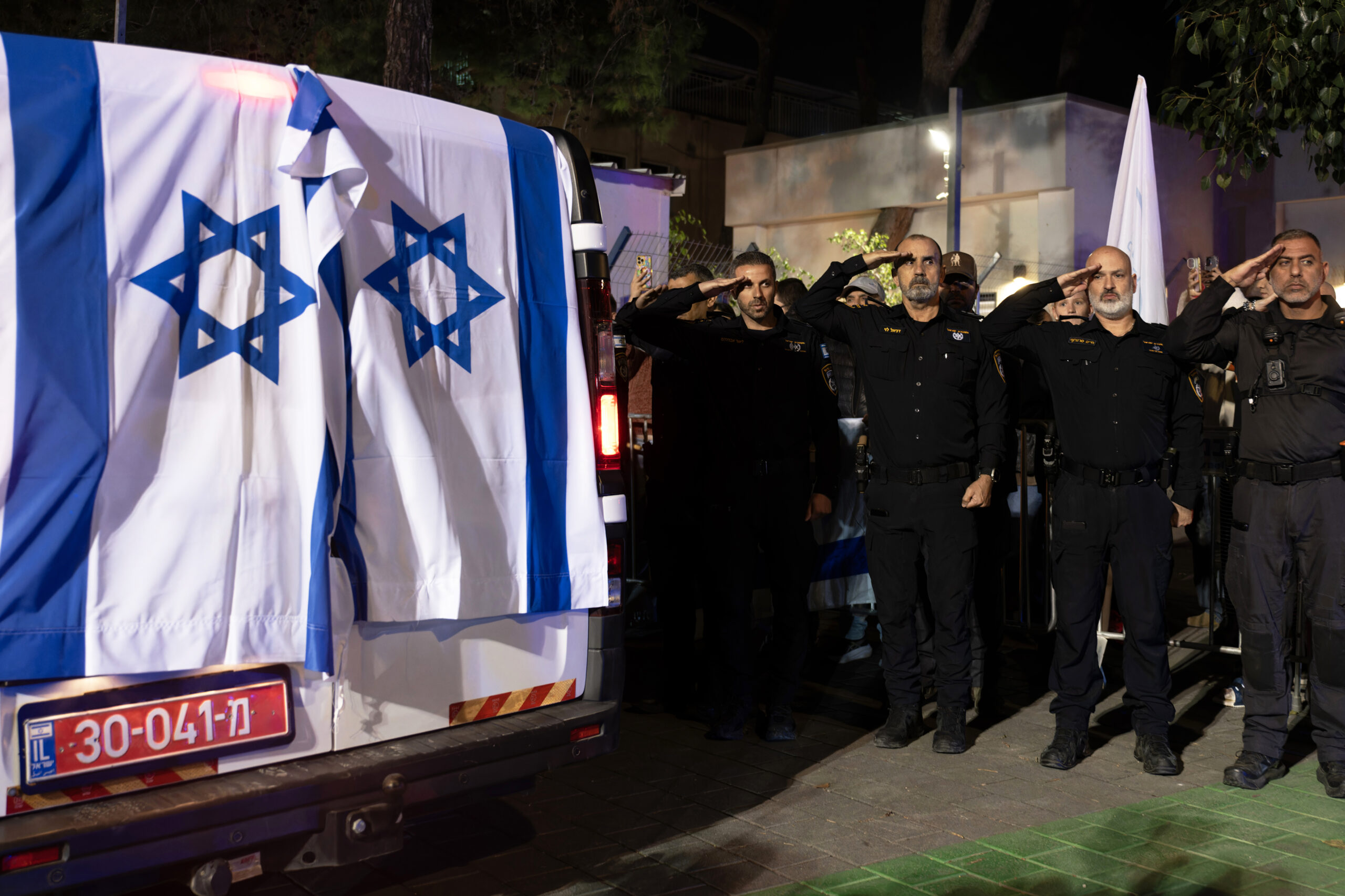
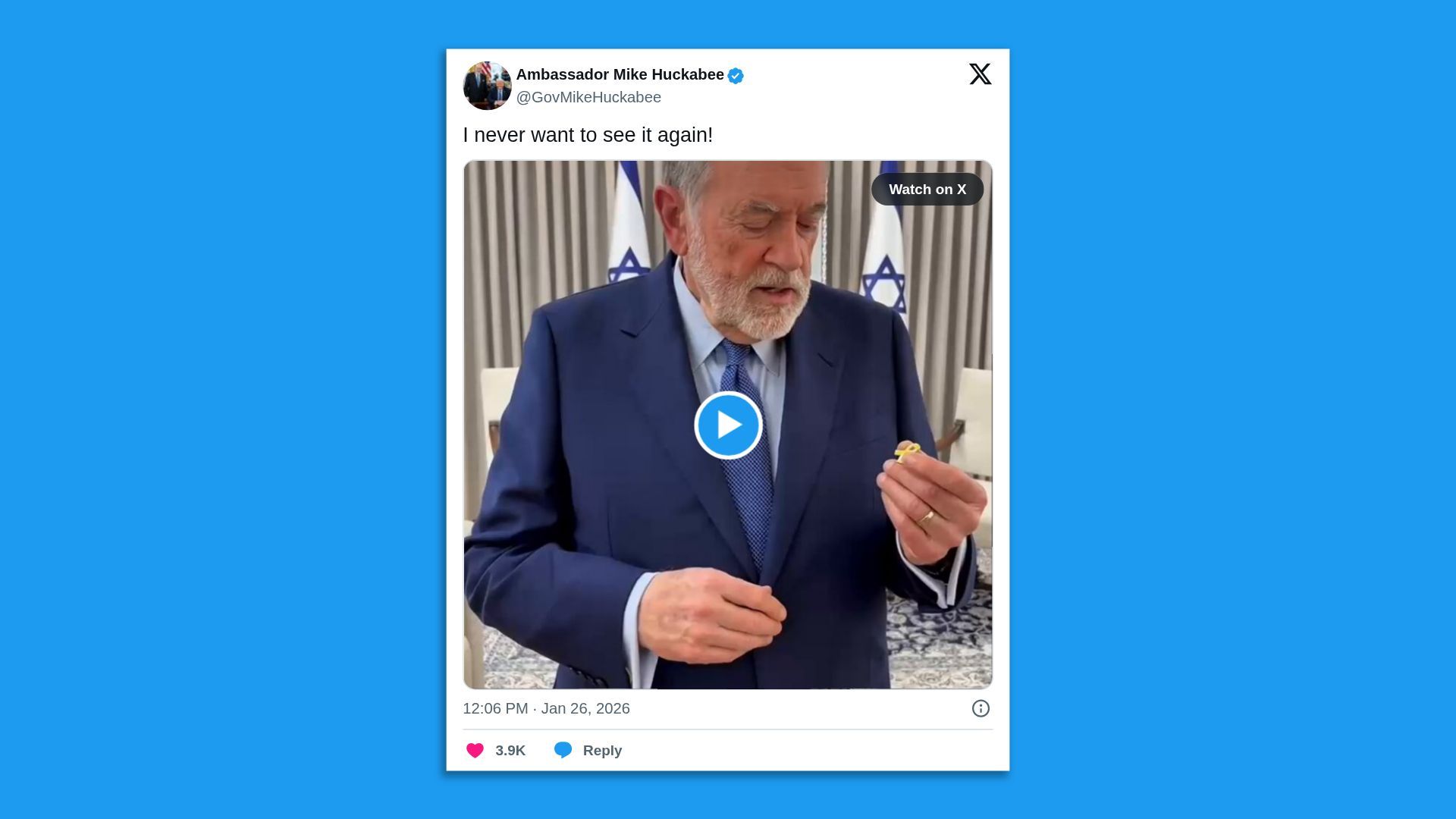
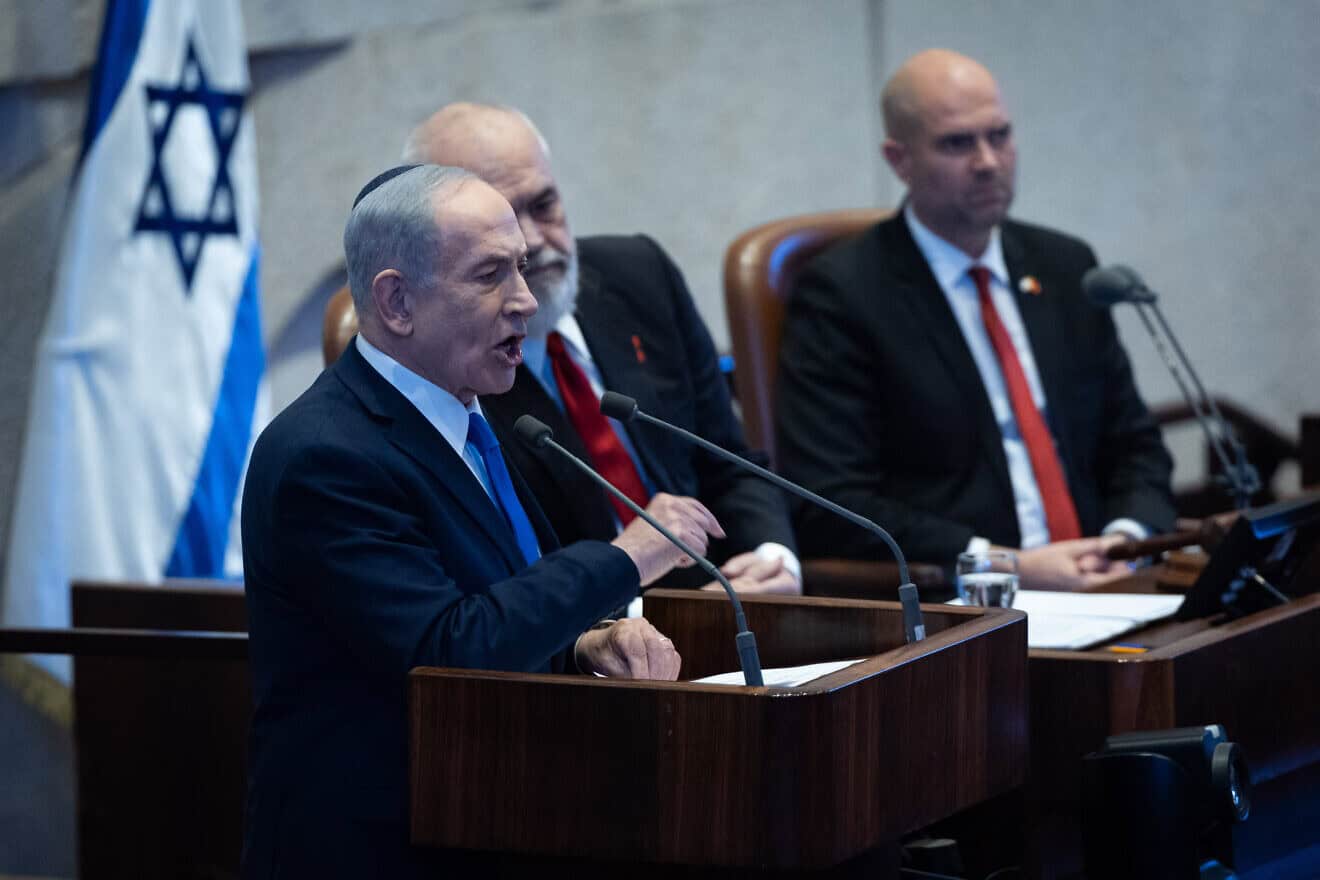
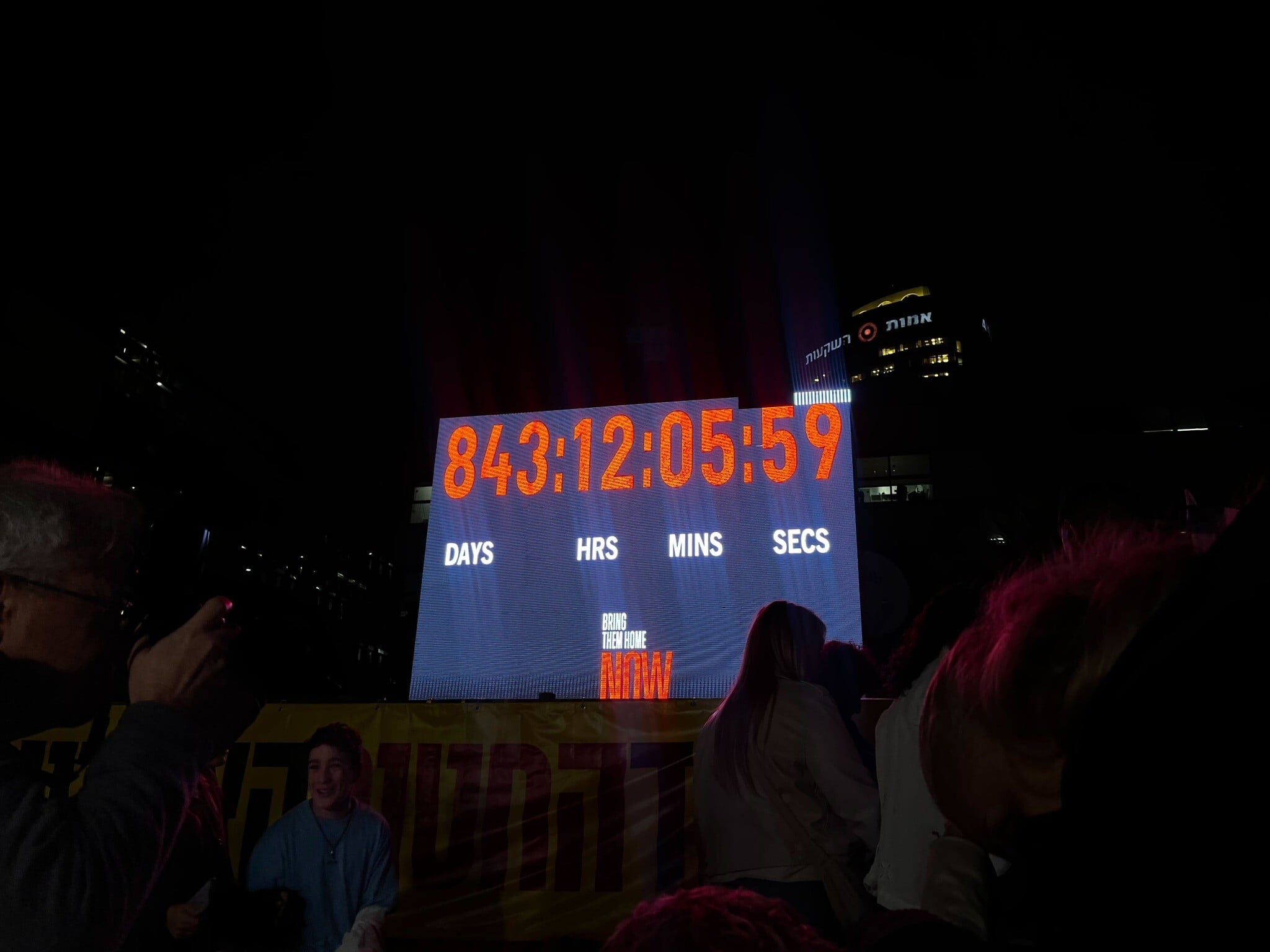
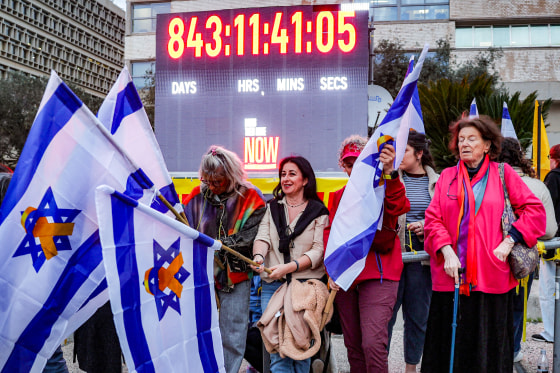
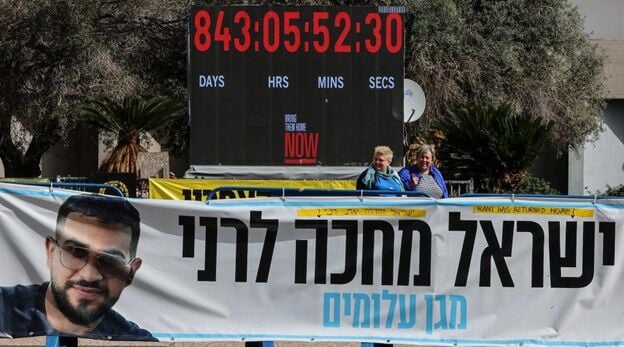
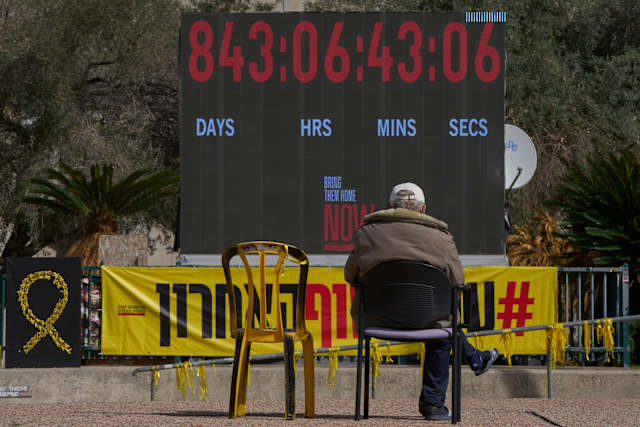
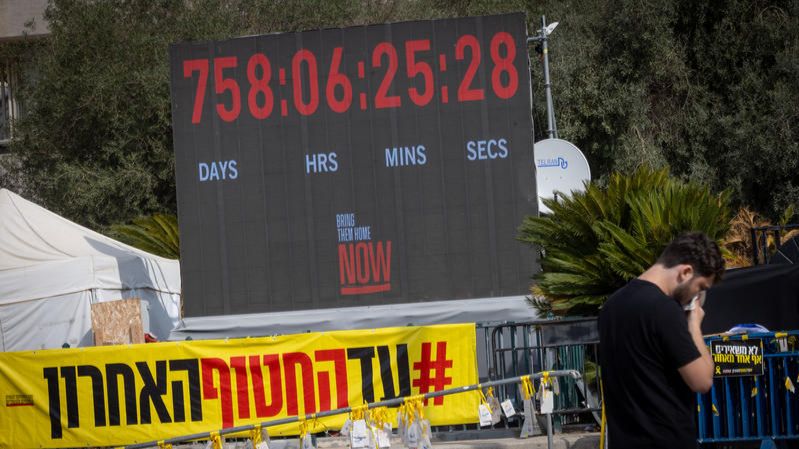
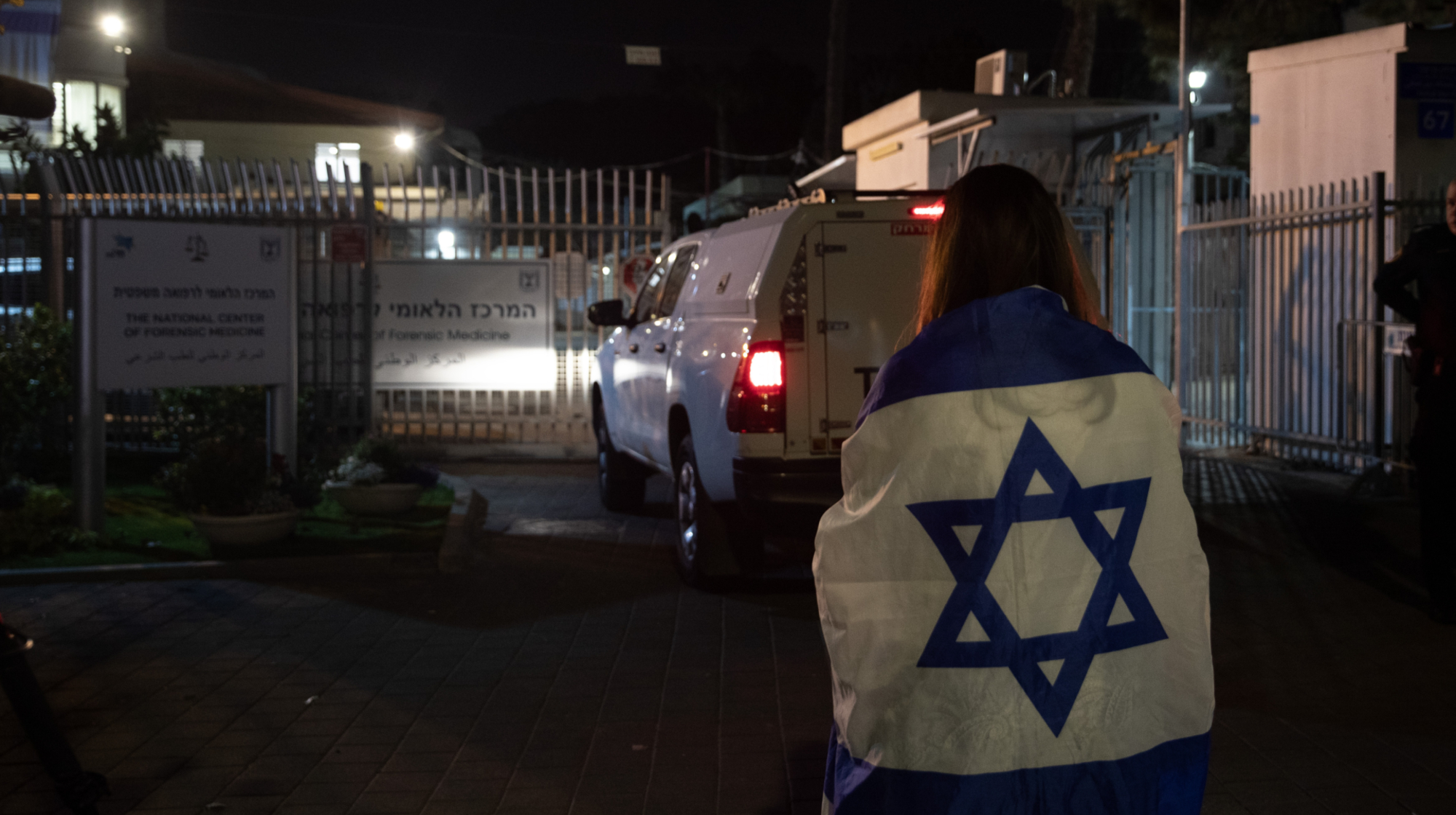
The conclusion of Israel's 843-day hostage crisis—marked by the January 29, 2025 stoppage of a symbolic countdown clock and the return of final hostage Ran Gvili—represents a significant geopolitical inflection point with indirect but meaningful implications for cross-border e-commerce sellers targeting Middle Eastern markets. While the news items focus on humanitarian and diplomatic dimensions, the resolution of this prolonged conflict creates measurable business opportunities across multiple seller segments.
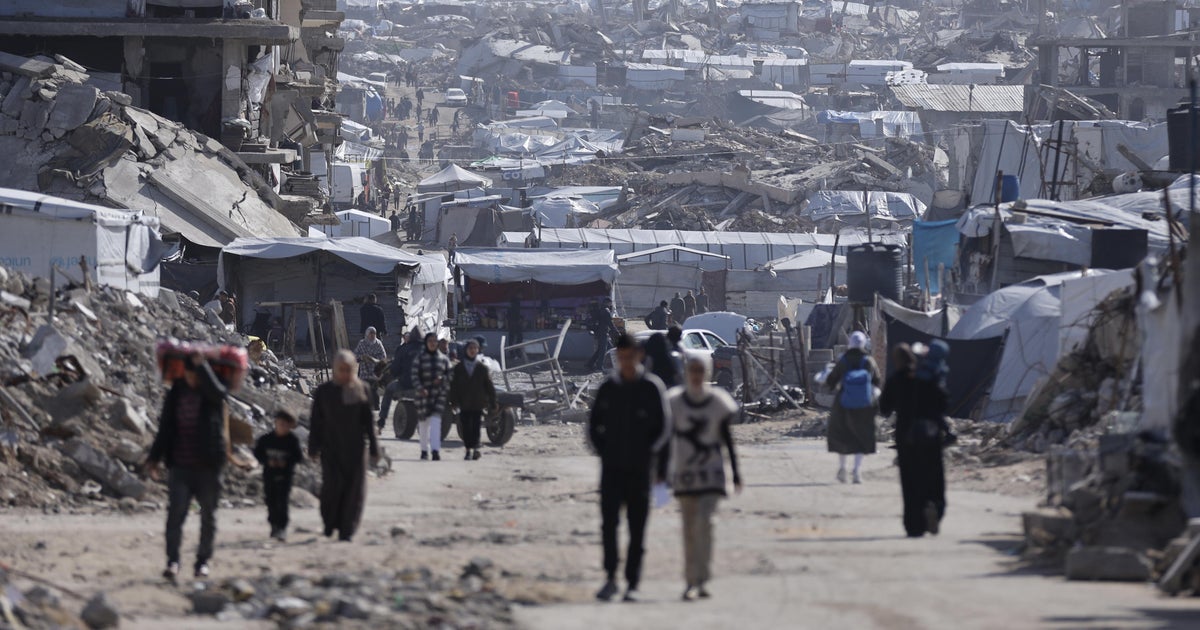
Market Recovery and Consumer Spending Normalization: The hostage crisis created sustained economic uncertainty in Israel, suppressing consumer confidence and discretionary spending for 843 days. With the crisis formally concluded, Israeli consumers are entering a "rehabilitation phase" (as noted by Dr. Hagai Levin of the Hostages Families Forum), signaling potential recovery in e-commerce demand. Historically, post-conflict periods in developed markets show 15-25% increases in online retail spending within 6-12 months as consumer confidence rebounds. Israeli e-commerce represents a $4.2B annual market with 65% of the population engaging in cross-border purchases, making this normalization significant for sellers in consumer electronics, home goods, and apparel categories.
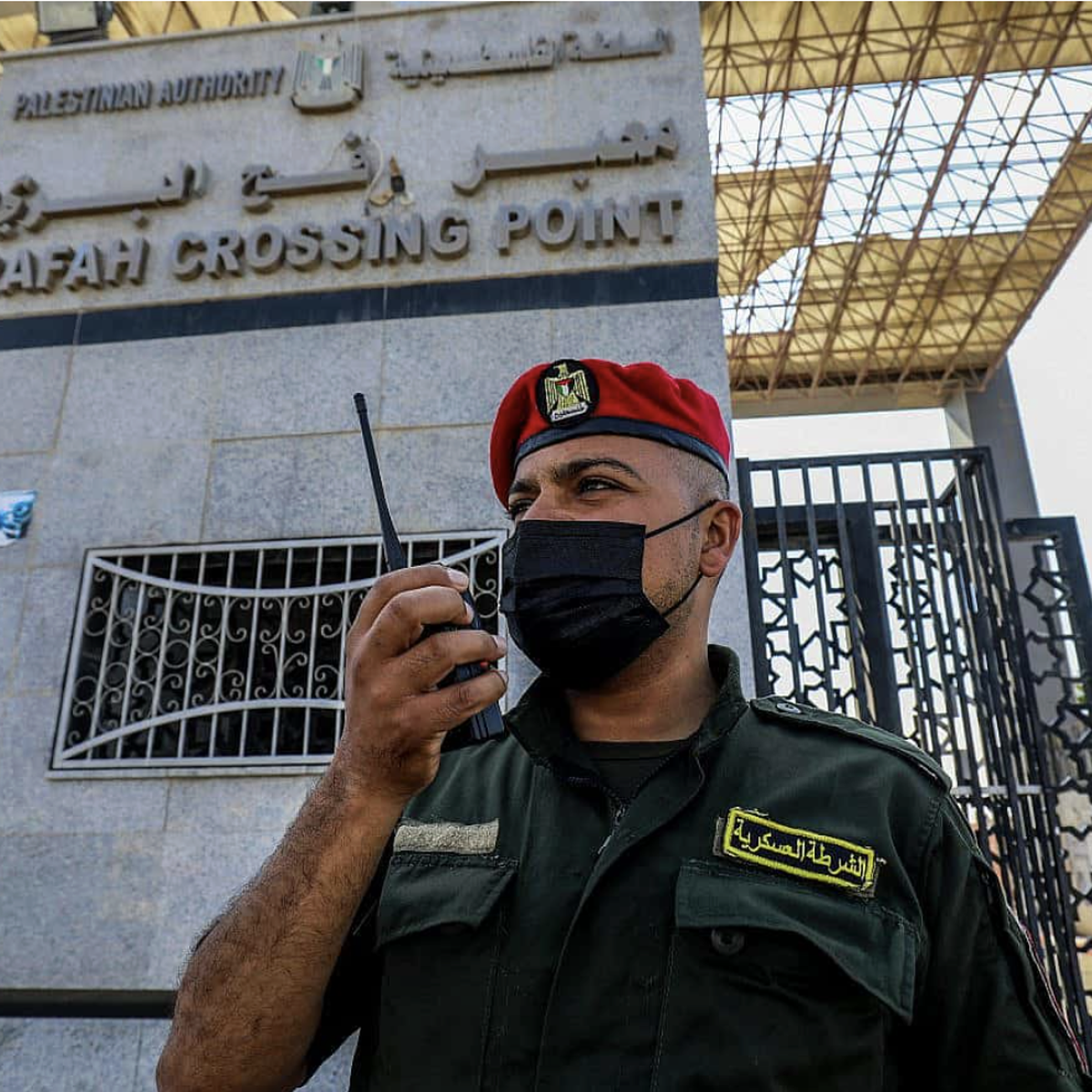
Logistics and Supply Chain Reopening: The 843-day crisis disrupted regional logistics networks, with many international sellers reducing inventory commitments to Israel and the broader Middle East. The formal resolution removes a major risk factor for 3PL providers and freight forwarders, enabling sellers to re-establish supply chains to Israeli ports (Haifa, Ashdod) and expand distribution networks. Sellers currently underrepresented in the Israeli market can capitalize on pent-up demand and reduced logistics friction. The timing coincides with Q1 2025 planning cycles, allowing sellers to adjust inventory allocation and shipping strategies before peak spring demand.
Geopolitical Risk Premium Reduction: The prolonged hostage situation created a "conflict risk premium" affecting currency stability, insurance costs, and payment processing fees for Israeli transactions. With the crisis resolved, sellers should expect 2-4% reduction in payment processing costs and improved currency stability for the Israeli Shekel, improving margins on Israeli-focused inventory. This particularly benefits sellers using payment processors like Stripe, PayPal, and regional alternatives that adjust fees based on geopolitical risk assessments.
Merchandise and Commemorative Opportunity: The symbolic nature of this resolution—including the 843-day clock stoppage and International Holocaust Remembrance Day timing—creates niche merchandise opportunities. Sellers can develop commemorative products (pins, apparel, books, documentaries) targeting Israeli diaspora communities and international audiences interested in historical significance. Similar post-conflict commemorative merchandise has generated $50-150M in cross-border sales for comparable historical events, with peak demand in the 6-12 months following resolution.
问题 8
How will payment processing and currency stability improve for Israeli sellers?
The hostage crisis created a 'conflict risk premium' affecting payment processing fees and currency volatility. With the crisis formally resolved, payment processors like Stripe, PayPal, and regional alternatives are expected to reduce fees by 2-4% for Israeli transactions. The Israeli Shekel should stabilize, reducing currency conversion losses for sellers. This directly improves margins on Israeli-focused inventory and reduces operational complexity for cross-border transactions. Monitor payment processor fee schedules for updates in February-March 2025, and consider renegotiating merchant agreements to capture fee reductions. Sellers with high Israeli transaction volumes should see $500-2,000 monthly savings depending on volume.
Are there merchandise opportunities related to the hostage crisis resolution?
Yes. The symbolic nature of the 843-day countdown clock stoppage and International Holocaust Remembrance Day timing creates niche commemorative merchandise opportunities. Historical post-conflict commemorative products (books, documentaries, apparel, pins) generate $50-150M in cross-border sales during the 6-12 months following resolution. Target Israeli diaspora communities, Holocaust education organizations, and international audiences interested in historical significance. Sellers can develop products through Amazon, eBay, and specialty marketplaces focused on Jewish heritage and historical education. Peak demand typically occurs 3-6 months post-resolution, so product development should begin immediately to capture Q2-Q3 2025 sales windows.