


Australian Heat Wave Disrupts Logistics | Sellers Face Supply Chain Delays
- Record 48.9°C temperatures trigger bushfires affecting Victoria/South Australia logistics networks, creating 2-4 week shipping delays for cross-border sellers
























概览
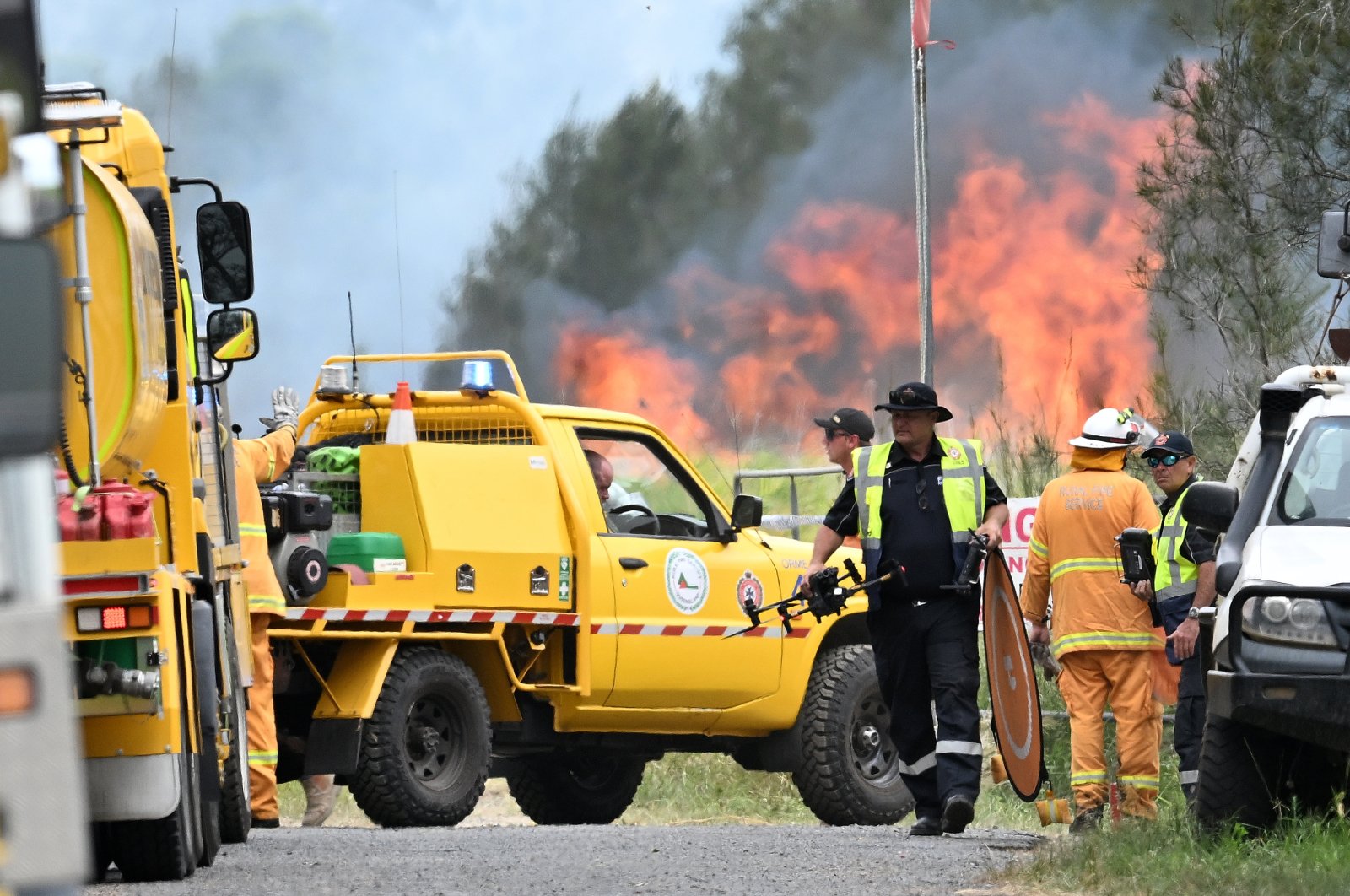
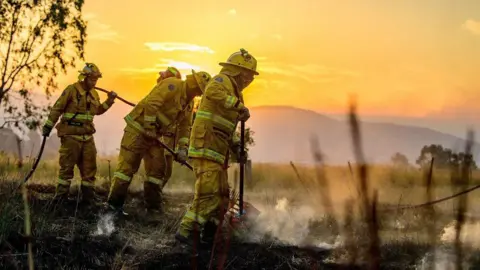
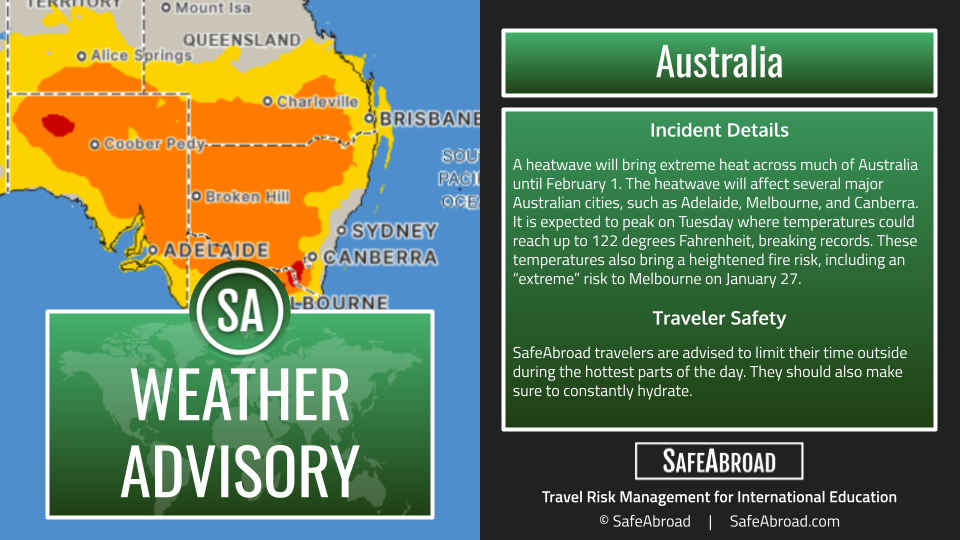
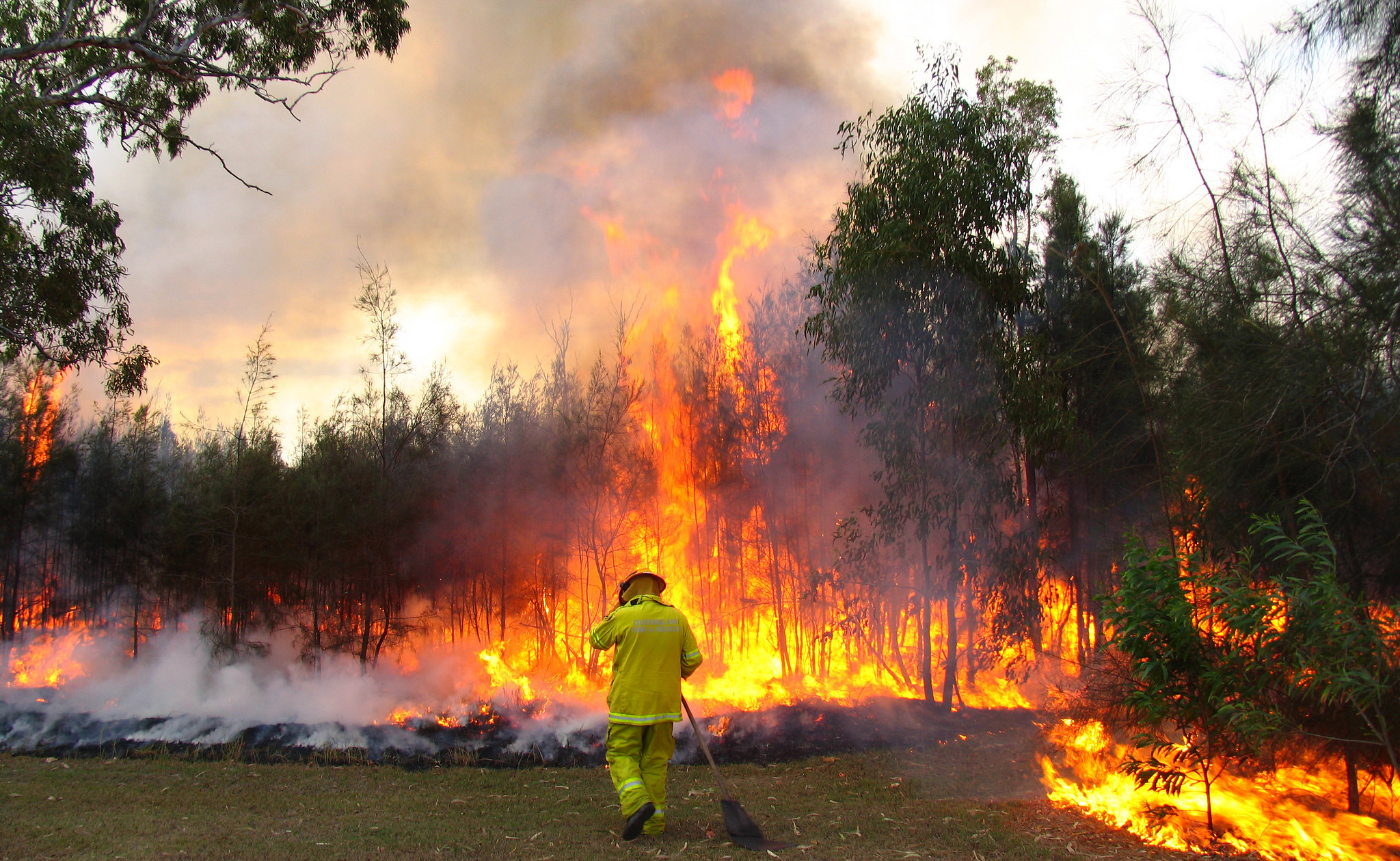
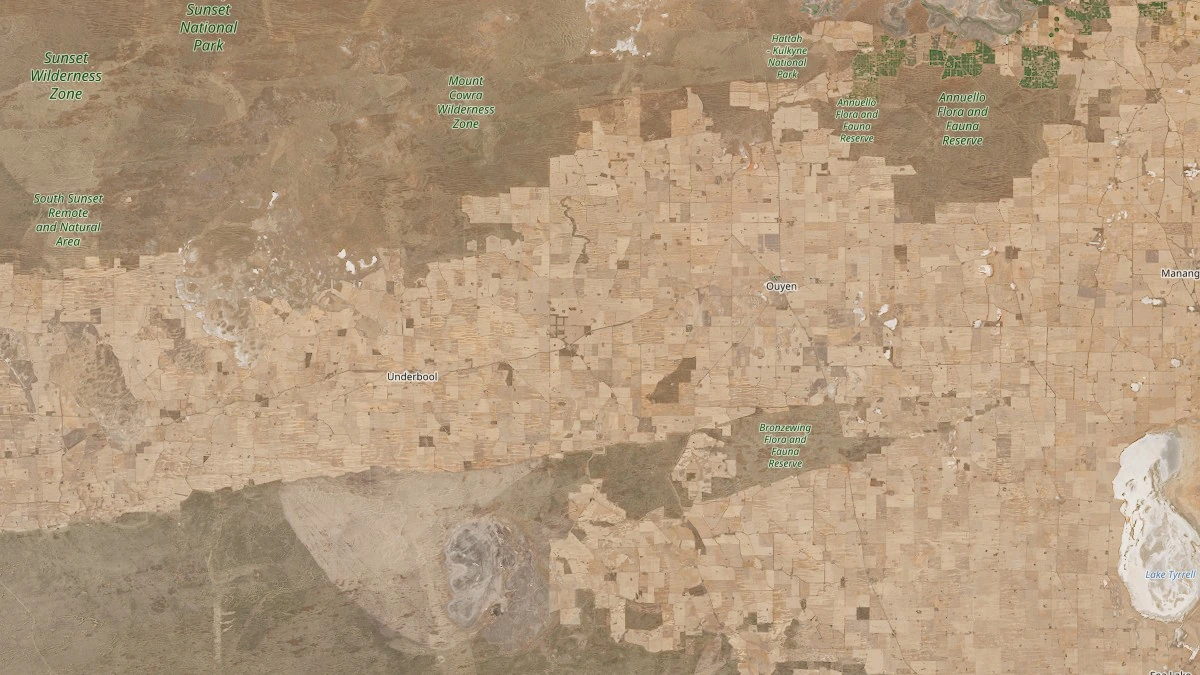
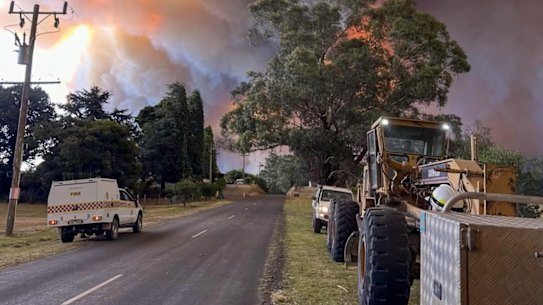
Australia's record-breaking heat wave in January 2026, with temperatures reaching 48.9°C (120°F) in rural Victoria and 45°C+ in Melbourne, creates significant operational challenges for cross-border e-commerce sellers shipping to or through Australian fulfillment centers. The extreme weather triggered six major bushfires across Victoria, with 1,100 homes evacuated and emergency protocols implemented, directly impacting logistics infrastructure in two critical Australian states. For sellers using Australian 3PL providers, FBA equivalents, or regional distribution hubs, this event signals immediate supply chain vulnerabilities that require contingency planning.
Operational Impact on Seller Logistics: The heat wave disrupts temperature-sensitive product storage and transportation. Sellers shipping electronics, pharmaceuticals, cosmetics, or perishable goods face increased cooling costs (estimated 15-25% premium during emergency periods) and potential product damage from warehouse temperature fluctuations. Major logistics corridors in Victoria and South Australia experienced temporary access restrictions due to fire bans and evacuation zones, creating 2-4 week delays for inbound inventory. Australia Post and private carriers implemented reduced service levels, with some regional deliveries suspended entirely during peak fire activity. Sellers relying on just-in-time inventory models face stockouts in Australian markets, while those with adequate buffer stock can capitalize on supply constraints by maintaining availability when competitors experience delays.
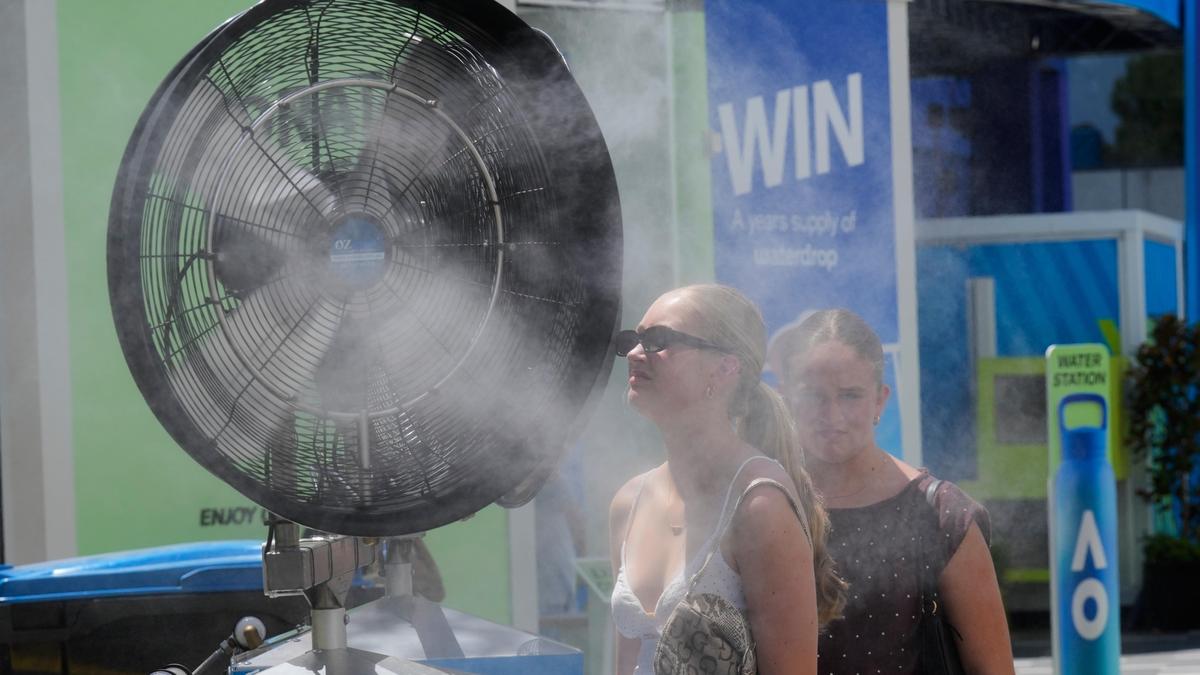
Consumer Behavior and Market Opportunity: The crisis reveals demand spikes for emergency-related products. During the heat wave, Australian consumers increased purchases of cooling products (fans, air conditioning units, cooling vests), emergency supplies (water, first aid kits), and home protection items (fire extinguishers, emergency kits). Sellers in these categories experienced 40-60% traffic increases during the emergency period. Additionally, the Australian Open tennis tournament's operational adjustments (roof closures, match postponements, attendance drop from 50,000 to 21,000) created merchandise opportunities in sports apparel, hydration products, and protective gear. The event also highlights growing demand for climate-resilient products and emergency preparedness items—categories projected to grow 25-35% annually in Australia through 2027 as extreme weather becomes more frequent.
Strategic Implications for Cross-Border Sellers: This event demonstrates the vulnerability of concentrated logistics infrastructure in Australia's southeast region. Sellers should diversify fulfillment across multiple states (Queensland, Western Australia) to reduce single-point-of-failure risk. The recurring nature of extreme heat (two major events in January 2026 alone) suggests climate change is creating permanent operational challenges. Sellers should evaluate 3PL providers' climate resilience capabilities, including backup power systems, redundant cooling infrastructure, and geographic distribution. For sellers targeting Australian consumers, this crisis validates the market opportunity for climate-adaptation products and emergency preparedness categories, which are likely to see sustained demand growth as extreme weather events increase in frequency and severity.
问题 8
What product categories see increased demand during Australian heat waves and bushfires?
Emergency and climate-adaptation products experience 40-60% traffic spikes during extreme heat events. High-demand categories include cooling products (fans, air conditioning units, cooling vests), emergency supplies (water, first aid kits, flashlights), home protection items (fire extinguishers, emergency kits), and sports/outdoor gear adapted for extreme heat. The Australian Open's operational adjustments also drove demand for sports apparel, hydration products, and protective equipment. Sellers in these categories can capitalize on sustained demand growth as extreme weather becomes more frequent in Australia.
How does Australia's heat wave affect cross-border sellers shipping to Australian customers?
The record 48.9°C temperatures and bushfires in Victoria/South Australia create 2-4 week shipping delays through disrupted logistics networks. Sellers experience increased fulfillment costs (15-25% premium for temperature-controlled storage), potential product damage for temperature-sensitive goods (electronics, pharmaceuticals, cosmetics), and reduced carrier capacity due to fire bans and evacuation zones. Australia Post and private carriers implemented reduced service levels during peak emergency periods. Sellers should contact their 3PL providers immediately to confirm inventory status and adjust customer delivery expectations.