
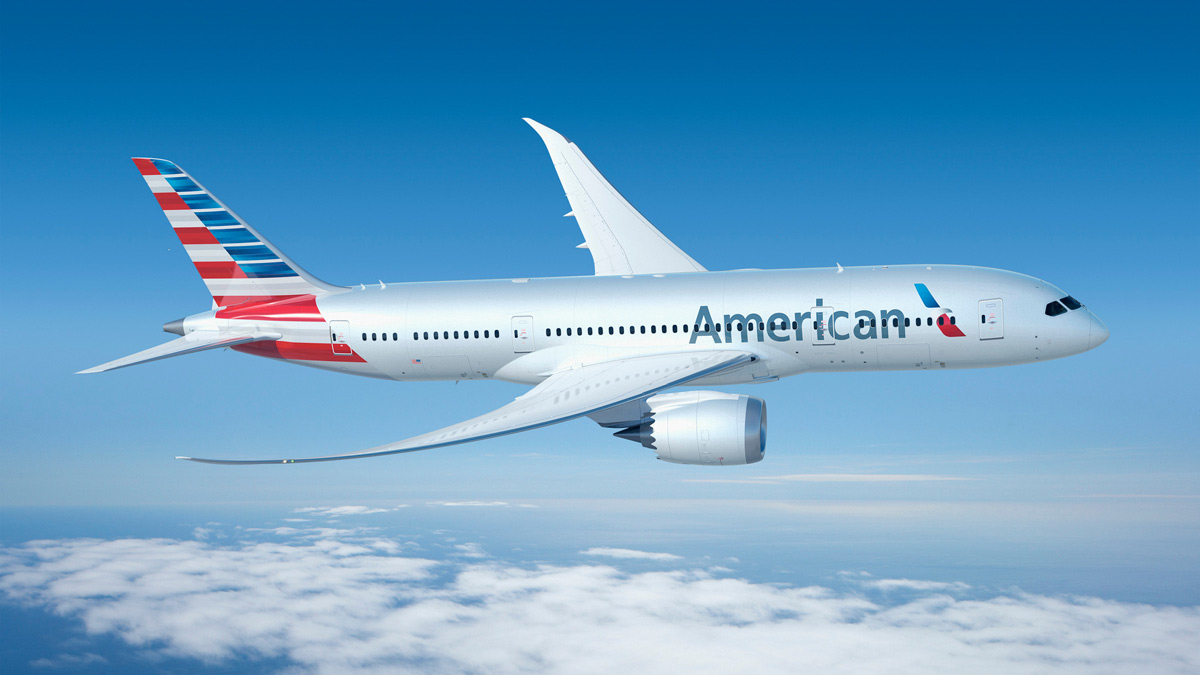

American Airlines Premium Pivot Signals Luxury Travel Demand Surge | Seller Opportunity in High-Value Traveler Merchandise
- Record $54.6B revenue masks profitability challenge; 7% loyalty enrollment growth and premium cabin expansion create merchandise opportunities for affluent business/leisure travelers

















概览
American Airlines' strategic pivot toward premium revenue generation reveals critical market dynamics affecting cross-border e-commerce sellers targeting affluent travelers. The airline reported record 2025 revenue of $54.6 billion with full-year adjusted earnings per share of $0.36, yet modest net income of $111 million—a 0.2% profit margin that prompted leadership to aggressively pursue high-margin premium offerings. This disconnect between volume and profitability mirrors the broader e-commerce trend toward margin-focused business models rather than volume-driven growth.
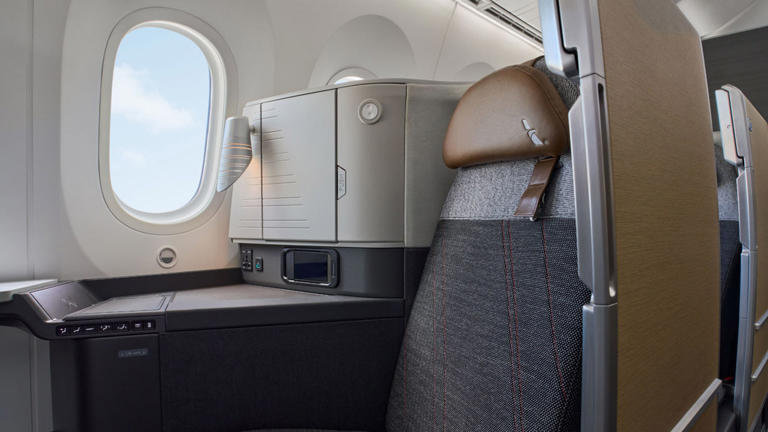
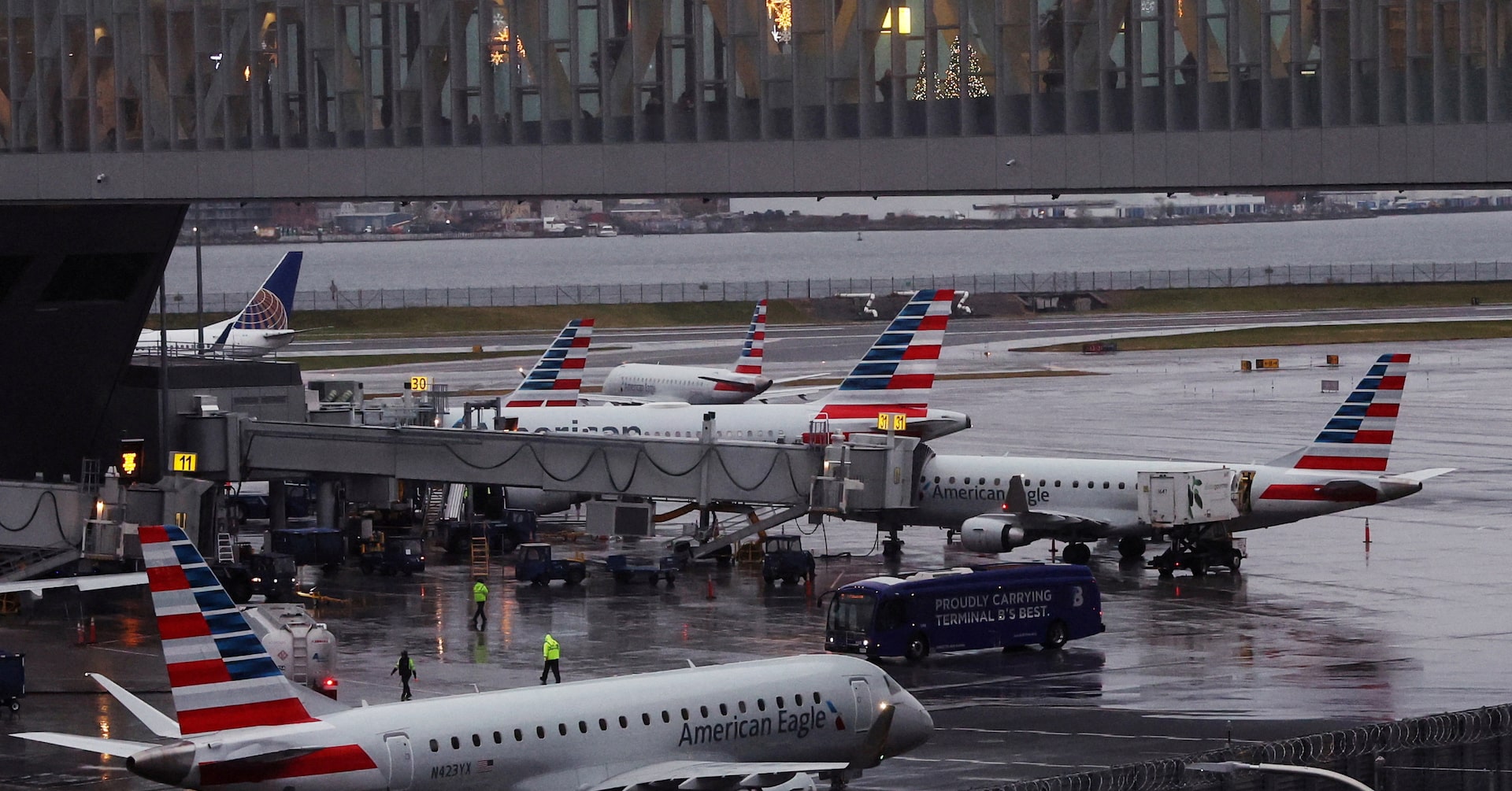
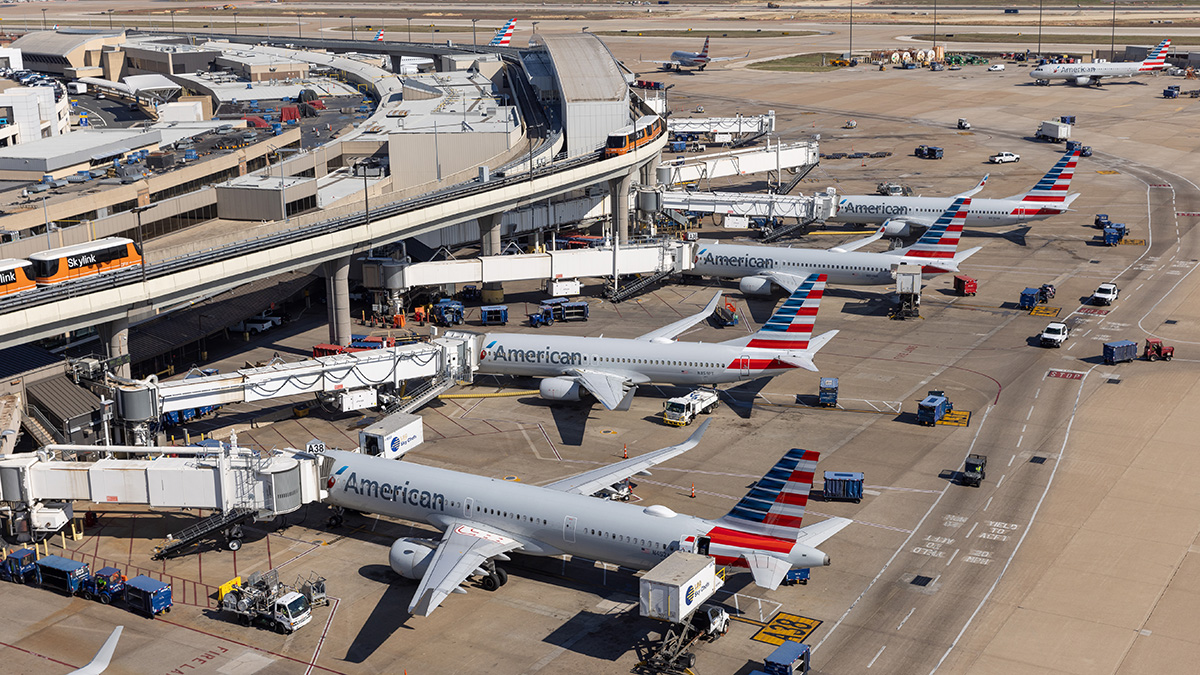
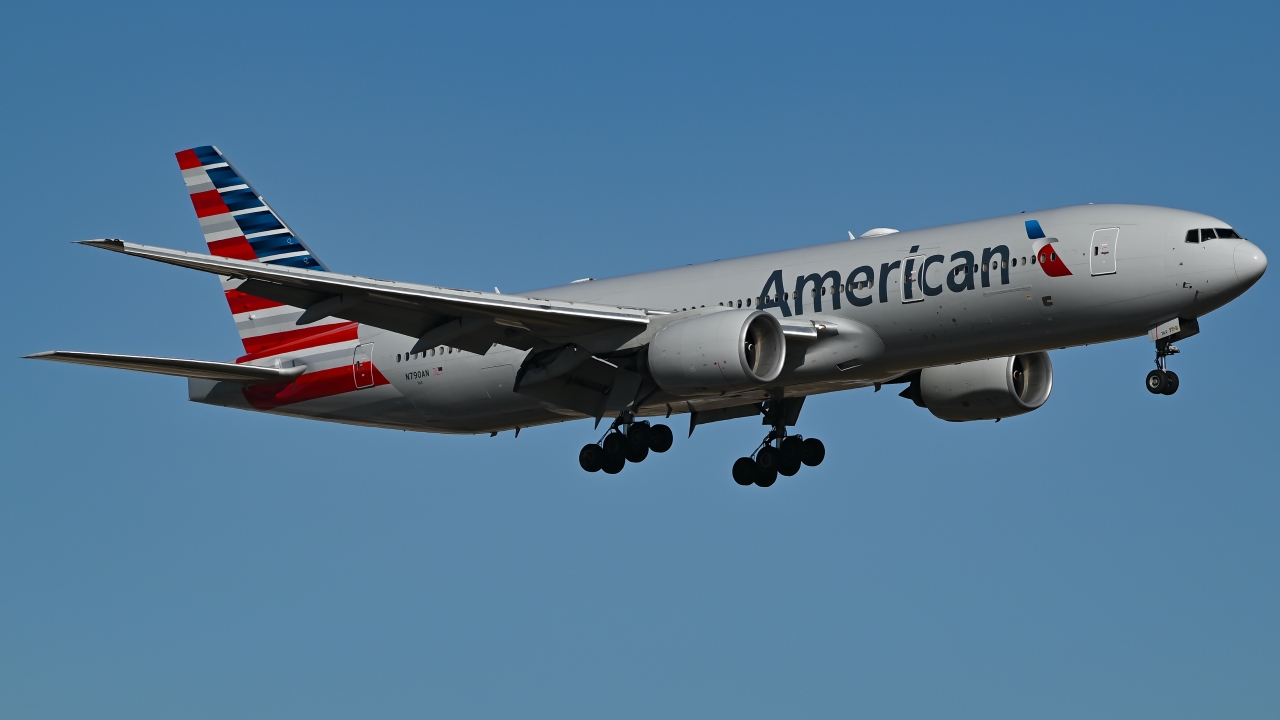
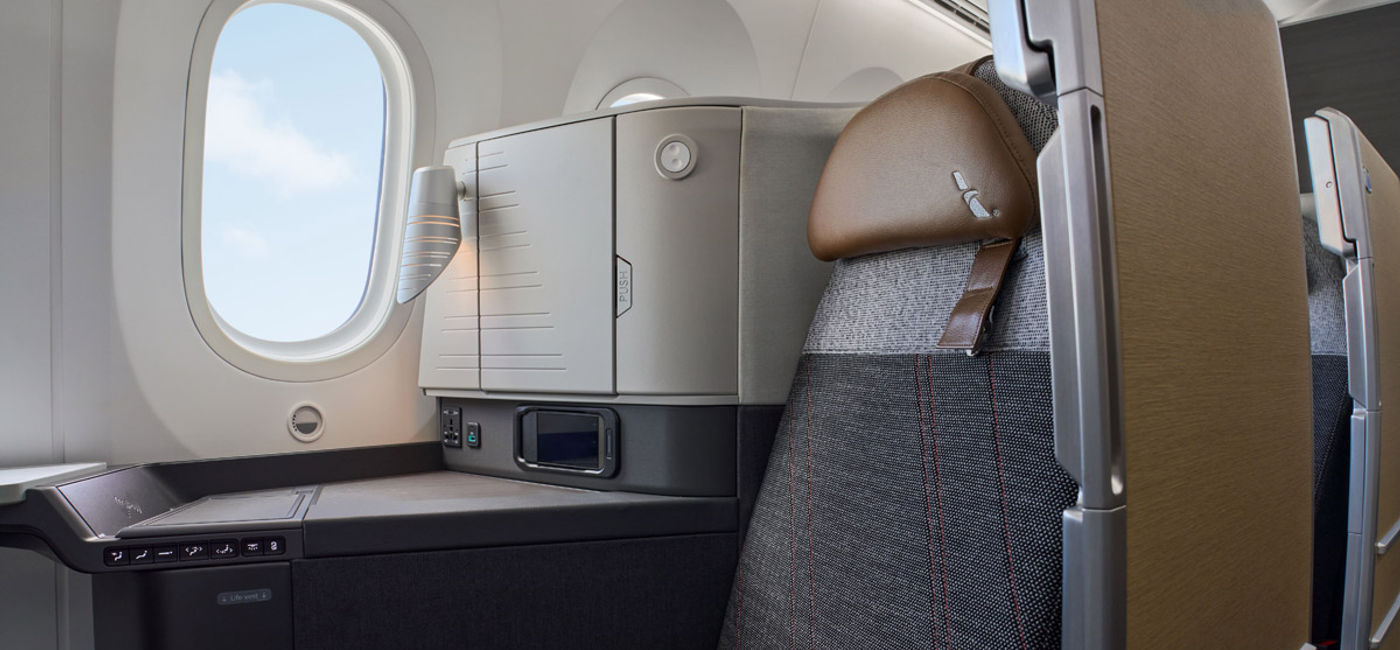
The Premium Opportunity: American Airlines achieved a 7% year-over-year increase in AAdvantage loyalty program enrollments (highest in company history) and 8% growth in co-branded credit card spending during 2025. These metrics indicate strong engagement from affluent customers willing to pay premium prices. The airline's Flagship Suite product launch in June 2025 and significant investment in Terminal F at Dallas-Fort Worth International Airport (positioning it as the world's largest single-carrier hub) demonstrate infrastructure commitment to premium segments. For e-commerce sellers, this signals sustained demand from high-value travelers for luxury travel accessories, premium luggage, business travel gear, and lifestyle products targeting the $100K+ annual income demographic.
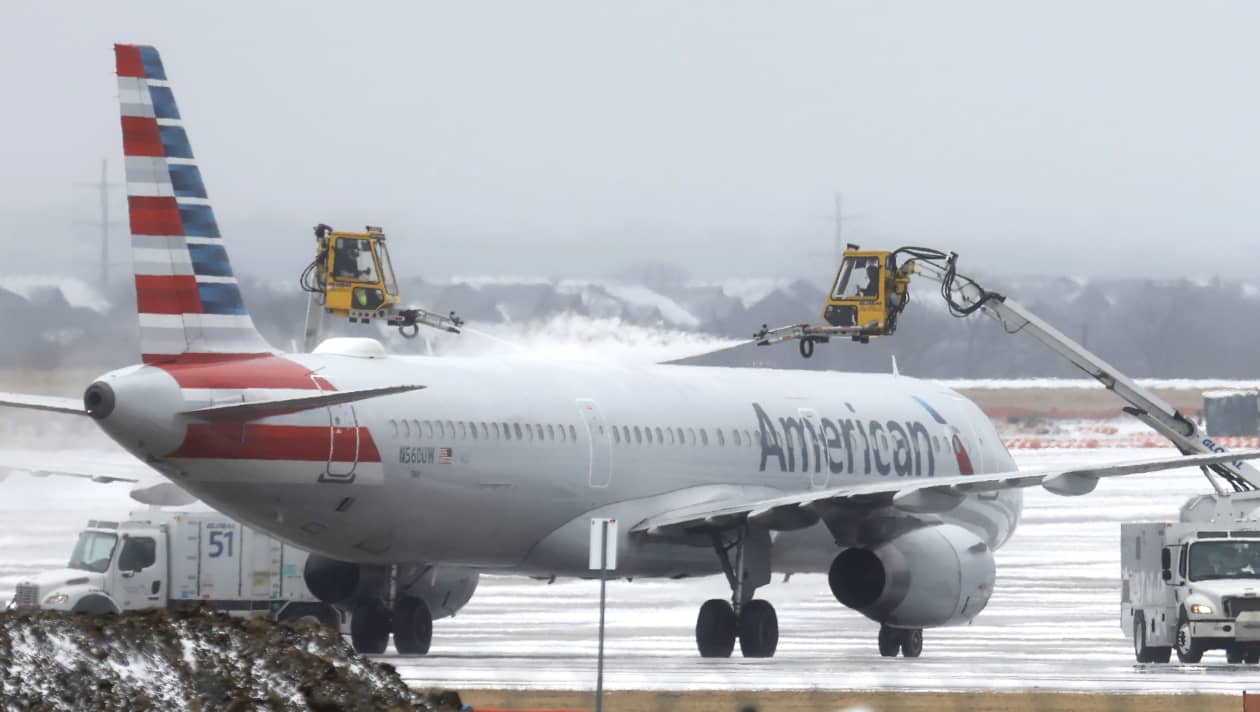
Operational Headwinds & Logistics Impact: Winter Storm Fern caused over 9,000 flight cancellations—American Airlines' largest weather-related disruption in history—reducing Q1 2026 capacity by 1.5 percentage points and generating $150-200 million in negative revenue impact. This disruption affected five of nine hub airports, including Dallas-Fort Worth. For sellers relying on air freight for time-sensitive inventory (electronics, perishables, fashion), such disruptions create 2-3 week delays and potential $50-150K losses per shipment. The airline's debt reduction strategy ($2.1 billion paid down in 2025, targeting sub-$35B by 2026) may lead to capacity constraints and higher freight rates as American optimizes profitability over volume.
Strategic Implications for Sellers: American's approach—reducing economy capacity while expanding premium offerings—mirrors successful Delta Air Lines model where loyalty programs subsidize lower-margin operations. This creates a bifurcated market: premium travelers with higher spending power and price elasticity, versus economy segment compression. Sellers should anticipate: (1) sustained demand for premium travel merchandise targeting affluent demographics; (2) potential air freight capacity constraints and rate increases; (3) opportunities in co-branded credit card partnerships (American transitioned to Citi partnership effective January 2026); (4) regional concentration risk at fortress hubs like Dallas-Fort Worth, where supply chain disruptions have outsized impact.
问题 8
Why is American Airlines reducing economy capacity despite record revenue?
American reported $54.6B revenue but only $111M net income (0.2% margin) in 2025, prompting a strategic shift toward high-margin premium offerings. The airline is reducing economy seat capacity while expanding premium cabins—mirroring Delta Air Lines' successful model where loyalty programs and premium revenue subsidize lower-margin operations. This reflects broader e-commerce trend: volume-driven growth yields thin margins, while premium/loyalty-focused models deliver sustainable profitability. For sellers, this signals: (1) sustained demand from affluent travelers; (2) potential economy segment compression affecting budget travel product demand; (3) opportunities in premium/luxury categories.
How can sellers leverage American Airlines' co-branded credit card partnership with Citi?
American Airlines transitioned inflight and airport credit card acquisition to Citi effective January 2026, with co-branded credit card spending growing 8% in 2025. This partnership creates opportunities for sellers to: (1) negotiate sponsored product placements on Citi's AAdvantage credit card portal; (2) develop affiliate relationships targeting cardholders with premium travel merchandise; (3) create exclusive offers for AAdvantage members (7% enrollment growth = 2M+ new members annually); (4) participate in Citi's rewards redemption ecosystem where cardholders can purchase travel-related products. Sellers should contact Citi's merchant partnerships team to explore co-marketing opportunities.