




AI Content Moderation Enforcement | Platform Liability & Educational Product Opportunities 2026
- EU Digital Services Act enforcement accelerates; 80+ German institutions demand platform accountability; creates demand for educational products, compliance tools, and authentic historical content merchandise









概览
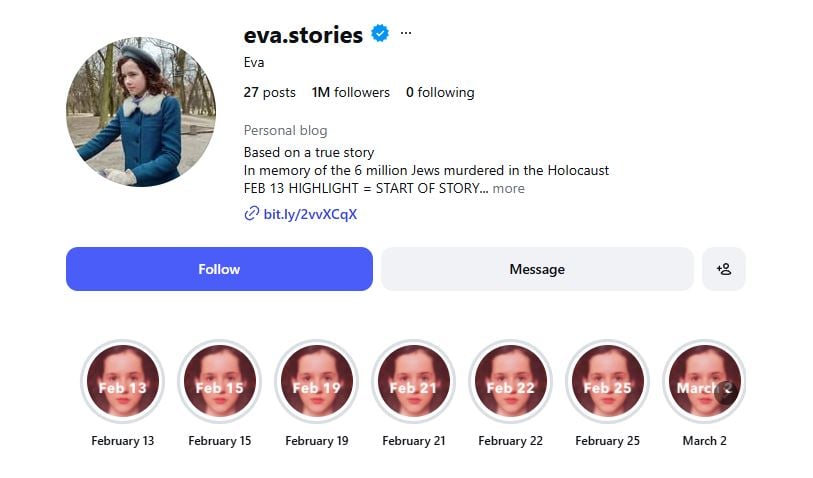
The convergence of Holocaust Remembrance Day 2026 (January 27) with escalating platform accountability for AI-generated misinformation represents a critical inflection point for digital commerce operators and educational product sellers. The core issue: Over 80 German memorial institutions, including Buchenwald, Bergen-Belsen, and Dachau, issued a joint open letter documenting exponential growth in AI-generated Holocaust misinformation—appearing once per minute on some platforms by late 2025. This content falls into two monetized categories: commercially-motivated clickbait from content farms exploiting emotional impact for advertising revenue, and deliberately created revisionist narratives designed to deny or trivialize Holocaust history. German Culture Minister Wolfram Weimer explicitly invoked EU Digital Services Act (DSA) obligations, demanding platforms remove fabricated content, exclude monetization for offending accounts, and implement AI-generation labeling. This regulatory pressure creates immediate operational consequences for e-commerce platforms and content creators.
Platform Response Divergence: Meta (Facebook/Instagram) has not responded to removal requests, while TikTok indicated willingness to exclude accounts from monetization and implement automated verification systems. This creates a competitive advantage for platforms demonstrating compliance and opens opportunities for sellers offering compliance solutions. The news simultaneously highlights a positive countertrend: Testimony 360 and similar AI-powered educational initiatives are preserving authentic survivor testimonies through interactive AI experiences, marking the 81st anniversary of Auschwitz's liberation. Educational institutions recognize AI-powered testimonies as powerful tools for combating Holocaust denial while maintaining historical accuracy. This bifurcation—between exploitative AI-generated misinformation and legitimate educational AI applications—signals market demand for: (1) educational products featuring authentic survivor narratives, (2) compliance and content verification tools for platforms, (3) merchandise supporting legitimate memorial institutions, and (4) educational materials addressing antisemitism and AI-driven hate (as demonstrated by the Winnipeg community event drawing 200+ attendees).
Seller Implications: The regulatory enforcement wave creates three distinct opportunities. First, educational product sellers can capitalize on institutional demand for Holocaust education materials, survivor testimony compilations, and anti-hate curriculum resources—particularly in North America and EU markets where institutional procurement budgets are active. Second, platform compliance tool providers face accelerating demand as Meta, TikTok, and other social platforms implement DSA-mandated content verification and AI-generation labeling. Third, merchandise sellers supporting legitimate memorial institutions (books, documentaries, educational kits) benefit from institutional partnerships and educational procurement channels. The Canadian context (News 4) reveals that Jews represent <1% of Canada's population yet experience 70% of religion-motivated hate crimes, indicating concentrated demand for educational and protective products in Jewish community segments. The January 27 gathering in Winnipeg drew 200+ attendees including non-Jewish allies, demonstrating cross-community engagement potential for educational products addressing AI-driven hate and antisemitism.
问题 7
What compliance risks do sellers face when selling Holocaust-related content?
The DSA enforcement wave creates compliance risks for sellers offering AI-generated or unverified historical content. German memorial institutions documented fabricated images presented as authentic documentation, creating liability for platforms and sellers. Sellers should: (1) verify all historical imagery and documentation sources, (2) avoid AI-generated Holocaust imagery, (3) clearly label AI-generated material if used, (4) obtain institutional partnerships for educational credibility, and (5) maintain detailed sourcing documentation. Platforms will increasingly scrutinize Holocaust-related listings for authenticity. Sellers with institutional partnerships (memorial organizations, educational institutions) gain competitive advantage and reduced compliance risk.
How can sellers differentiate educational products in a market flooded with AI-generated content?
Institutional partnerships and verified authenticity are key differentiators. Sellers should: (1) partner with legitimate memorial institutions (80+ German memorials, US Holocaust Memorial Museum, Yad Vashem), (2) feature authentic survivor testimonies and verified historical documentation, (3) obtain institutional endorsements and licensing, (4) clearly communicate sourcing and verification processes, and (5) position products as alternatives to exploitative AI-generated misinformation. The regulatory enforcement wave creates market advantage for sellers demonstrating compliance and authenticity. Educational institutions actively seeking verified content represent high-value customer segments with institutional procurement budgets and repeat purchasing patterns.