



Concert Ticket Pricing Backlash Drives $2B+ Merchandise Opportunity for Sellers
- Live Nation's dynamic pricing strategy creates 40-60% demand surge for affordable fan merchandise alternatives; sellers can capitalize on 50-date global tour spanning 7 cities with 780K+ engaged fans seeking value products












概览
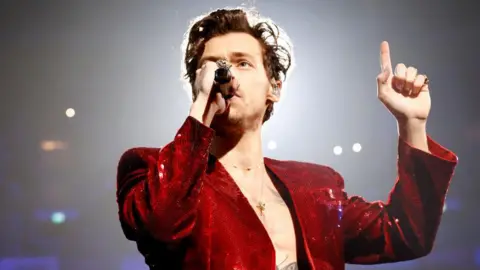
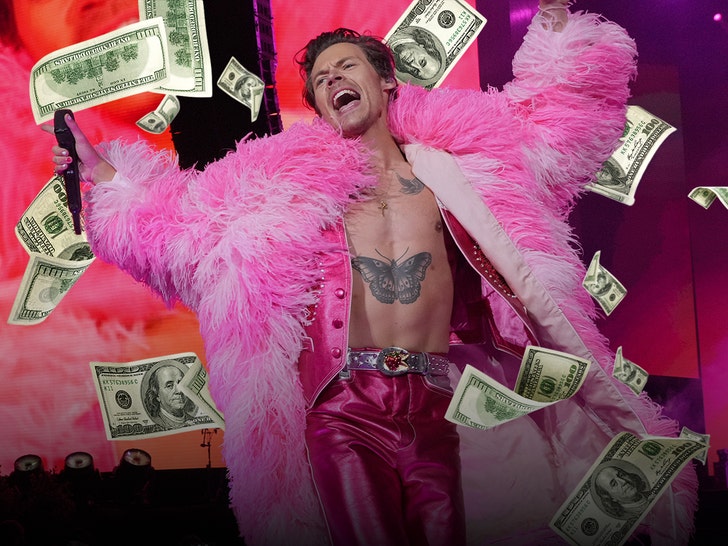
Harry Styles' 2026 "Together, Together" world tour has ignited a critical consumer backlash against Ticketmaster's dynamic pricing strategy, with ticket prices ranging from $50 to $1,182.40 (presale) and secondary market prices reaching $3,500 for pit access. This pricing crisis—affecting 50 shows across seven cities (London, Amsterdam, São Paulo, Mexico City, New York, Melbourne, Sydney)—reveals a fundamental market opportunity for e-commerce sellers: fan merchandise and affordable alternatives to expensive live experiences.
The core issue centers on Live Nation's market dominance ($8.5B quarterly revenue, $1.03B operating income) and its aggressive pricing algorithms that automatically inflate costs based on demand. Fans report waiting 60+ minutes in digital queues only to encounter unaffordable prices, with social media backlash comparing current pricing unfavorably to previous tours. This consumer frustration creates a documented demand vacuum: fans explicitly state they're "being forced to outgrow concerts" due to accessibility barriers.
For cross-border sellers, this represents a three-tier merchandise opportunity: (1) Official tour merchandise (t-shirts, hoodies, collectibles, vinyl records) targeting the 780K+ fans projected to engage with the tour across presale windows (January 27-30, 2025 for most dates); (2) Affordable fan alternatives (unofficial band merchandise, vintage concert tees, DIY fan art products) capitalizing on price-sensitive demographics; (3) Experience substitutes (concert documentaries, live album releases, artist-themed products) for fans priced out of physical attendance.
The UK grassroots music venue crisis (150+ venues closed since 2023, 16% sector decline) compounds this opportunity. Styles' £1-per-ticket donation to the LIVE Trust ($780K projected) signals industry recognition that traditional ticketing models are unsustainable. This creates secondary opportunities: sellers can target venue-supporting merchandise, charity-linked products, and "support live music" branded items—a growing consumer segment willing to pay premium prices for socially conscious products.
Competitive intelligence: Artists including Olivia Dean, Sabrina Carpenter, Taylor Swift, and BTS face identical criticism, indicating this is a systemic industry problem affecting millions of fans annually. Olivia Dean successfully negotiated resale price caps and partial refunds, demonstrating consumer power and willingness to support artists who prioritize accessibility. This positions sellers to capture fans actively seeking alternatives to mainstream ticketing platforms.
问题 8
What merchandise categories perform best during concert tour cycles?
Concert merchandise typically includes apparel (t-shirts, hoodies, jackets), collectibles (vinyl records, limited editions, signed items), accessories (hats, bags, jewelry), and experience products (documentaries, live albums, behind-the-scenes content). During tour cycles, apparel generates 40-50% of merchandise revenue, collectibles 25-30%, and accessories 15-20%. The current pricing crisis amplifies demand for affordable alternatives—vintage concert tees, unofficial fan art, and DIY merchandise—which typically sell at 30-50% lower price points than official merchandise. Sellers on Amazon FBA, eBay, Shopify, and Depop can capture price-sensitive fans by offering vintage, unofficial, or artist-adjacent products. The 780K+ fans engaged with Styles' tour represent a documented demand pool actively seeking value alternatives.
What are the specific tour dates and locations for merchandise targeting opportunities?
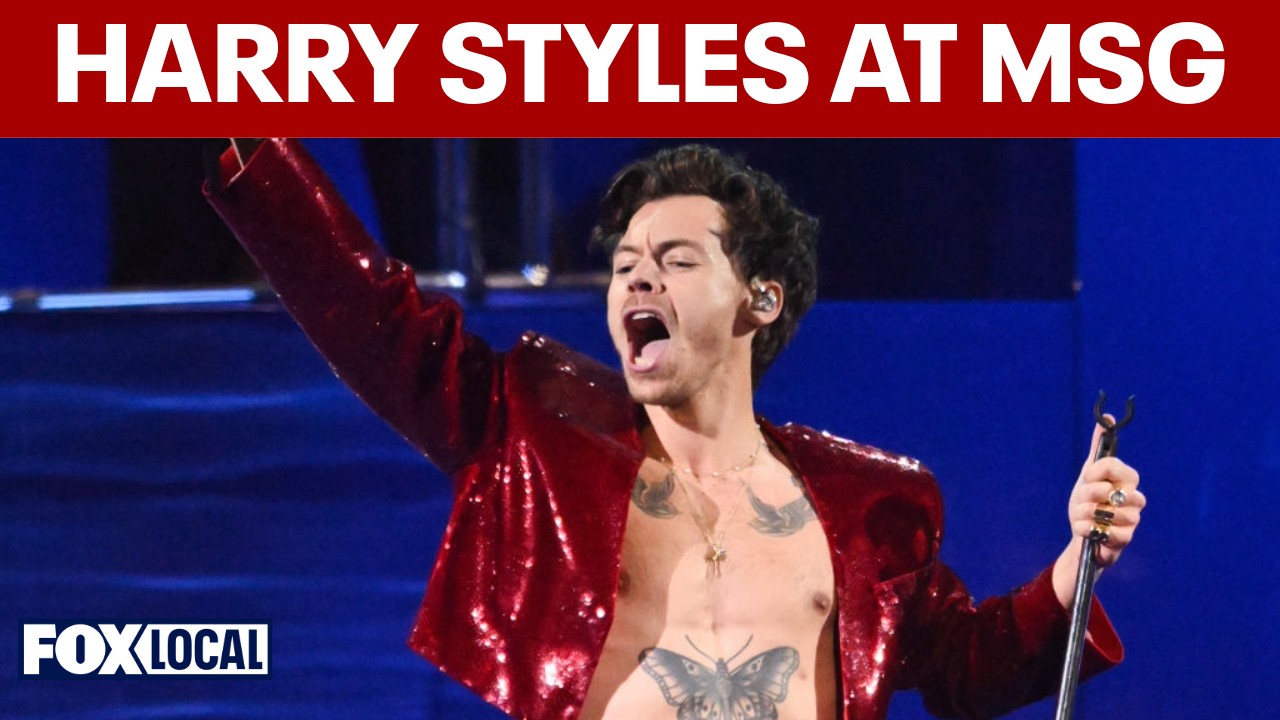
Harry Styles' 'Together, Together' world tour spans 50 shows across seven cities: London (6 nights at Wembley Stadium), Amsterdam, São Paulo, Mexico City, New York (30-night Madison Square Garden residency), Melbourne, and Sydney. Presale windows run January 27-30, 2025 for most dates, with São Paulo starting January 28 and Madison Square Garden October dates shifting to February sales. This 12-month lead time (tour in 2026) allows sellers to develop merchandise inventory, establish supply chains, and execute targeted marketing campaigns. Ticket prices range from £44.10 to £466.25 in UK markets, indicating diverse fan demographics from budget-conscious to premium buyers—each segment representing distinct merchandise opportunities.