




Ukraine Energy Crisis Disrupts Cross-Border E-Commerce Logistics | Seller Risk Alert
- Infrastructure attacks leave 700K+ without power, threatening payment processing and warehouse operations for sellers shipping to Eastern Europe







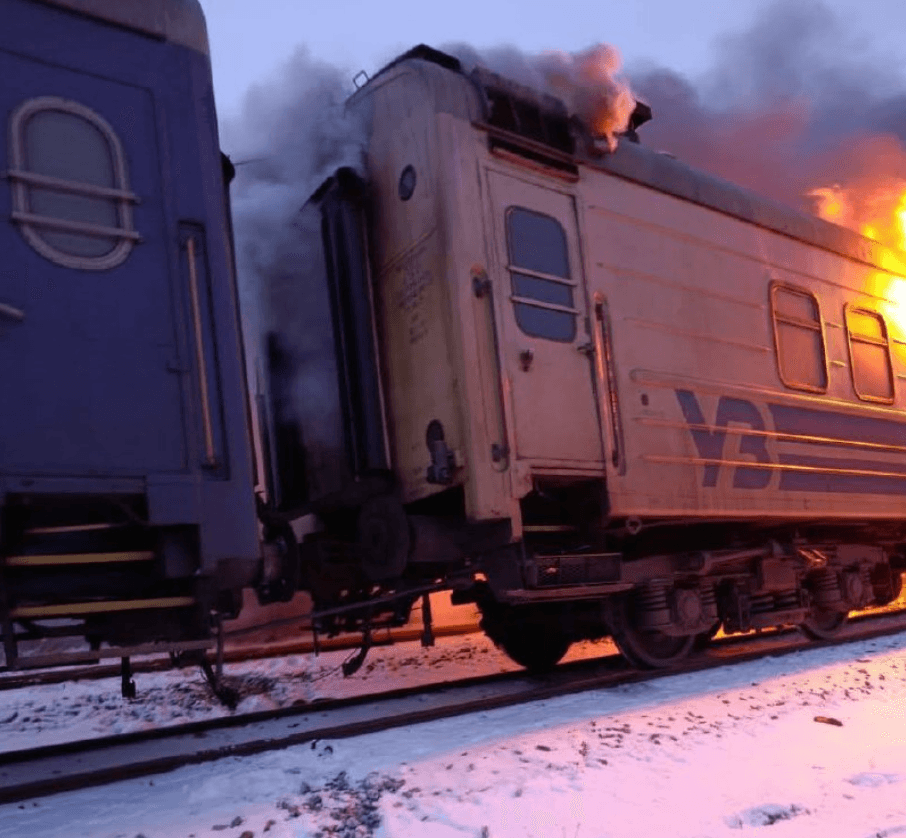
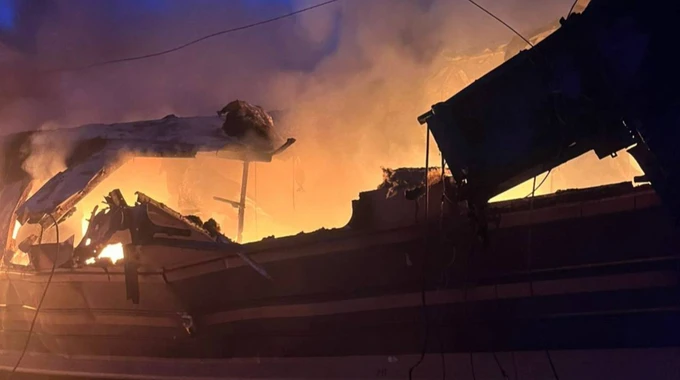
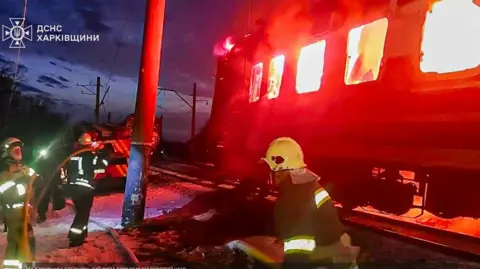
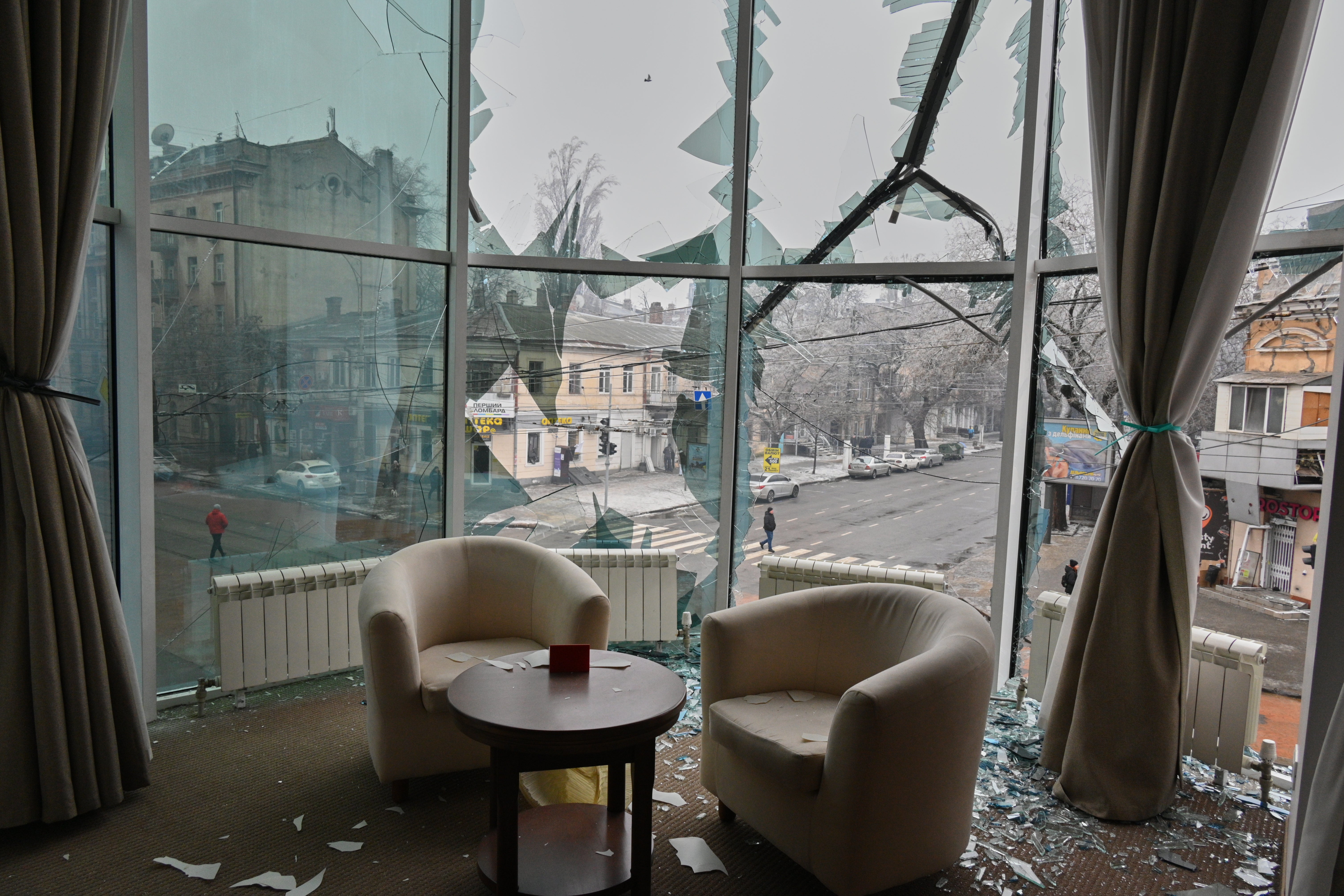
)

)
概览
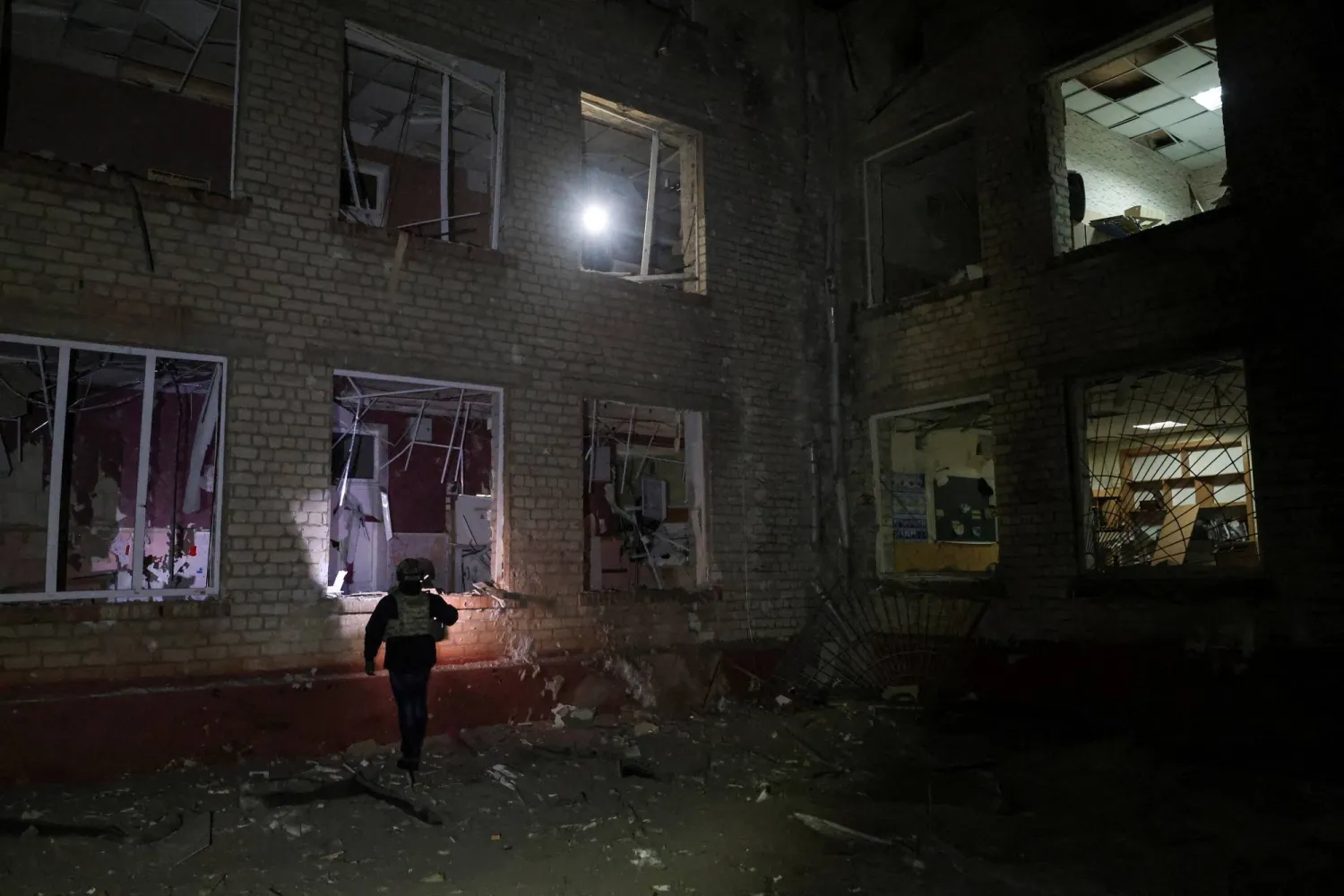
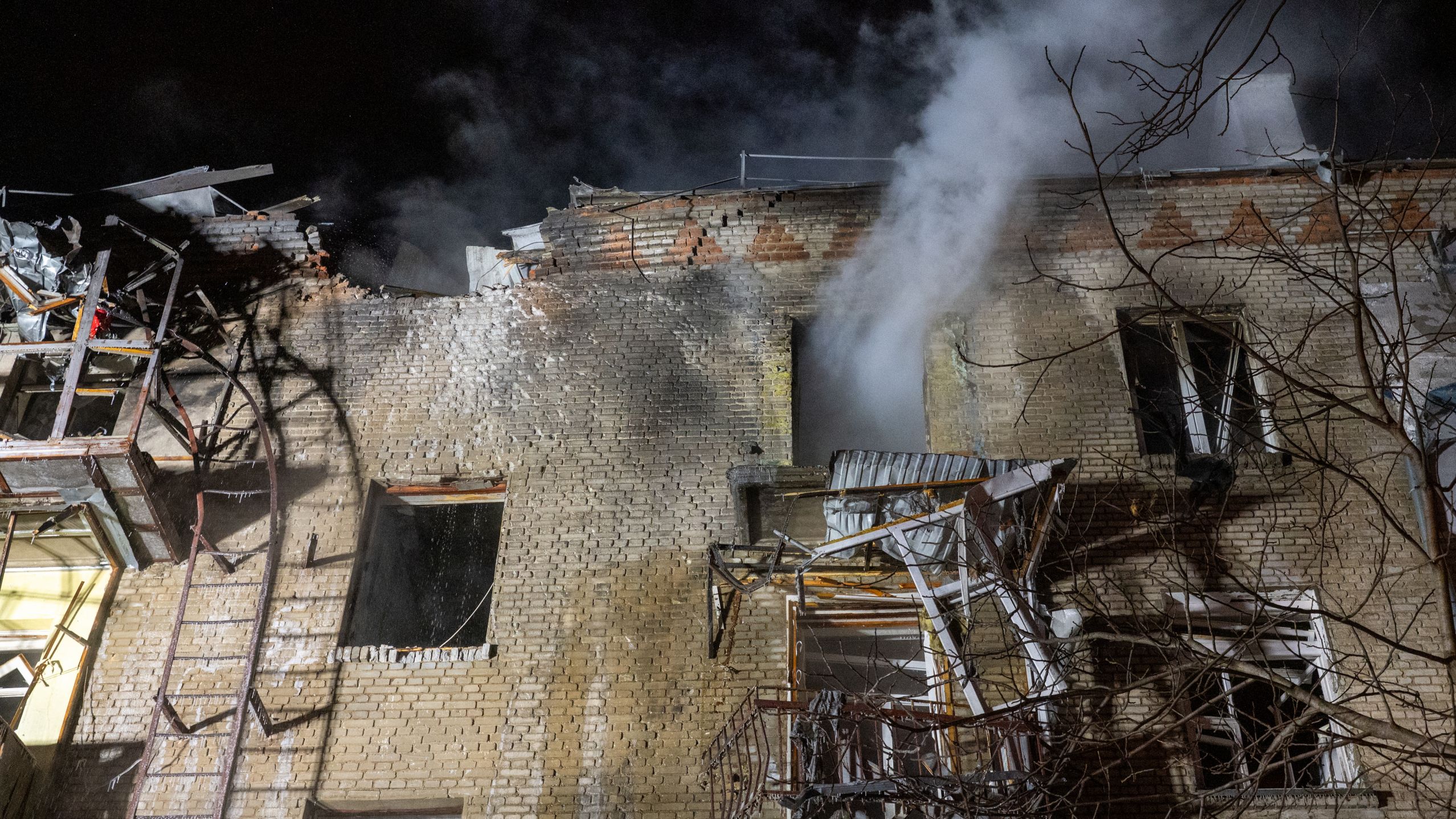
Ukraine faces unprecedented infrastructure disruption following coordinated Russian drone attacks on January 27, 2026, creating critical operational risks for cross-border e-commerce sellers. The attacks targeted civilian transportation networks and energy infrastructure across multiple regions, with Kyiv experiencing power outages affecting 700,000+ residents and Odesa—a critical export hub—struck by 50+ drones in a single day. While the immediate humanitarian impact dominates headlines, the underlying infrastructure collapse presents significant supply chain vulnerabilities for sellers operating in or shipping to Eastern European markets.
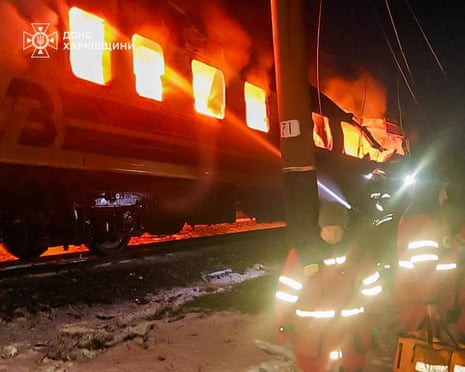
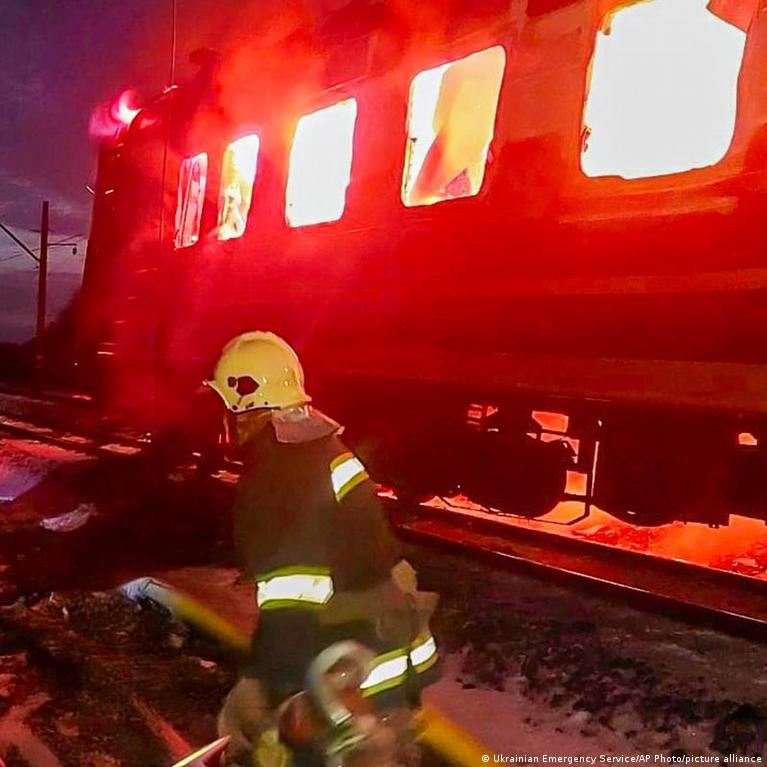
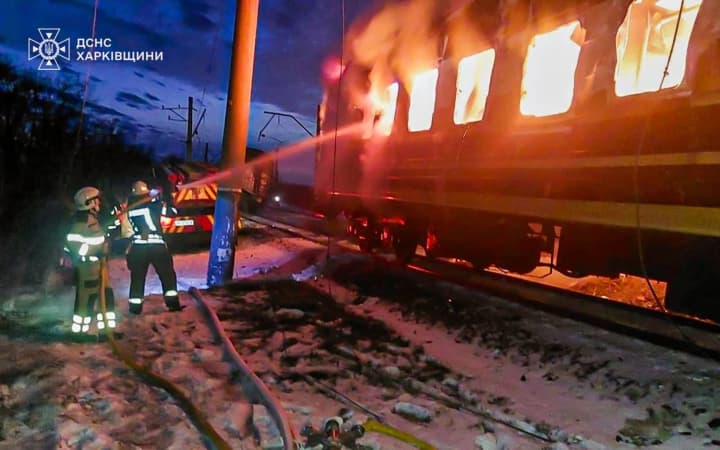
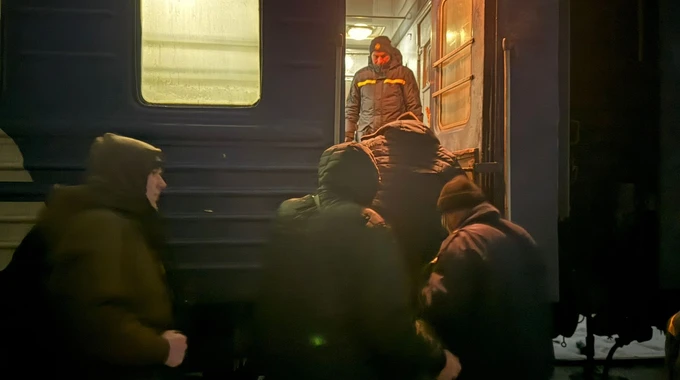
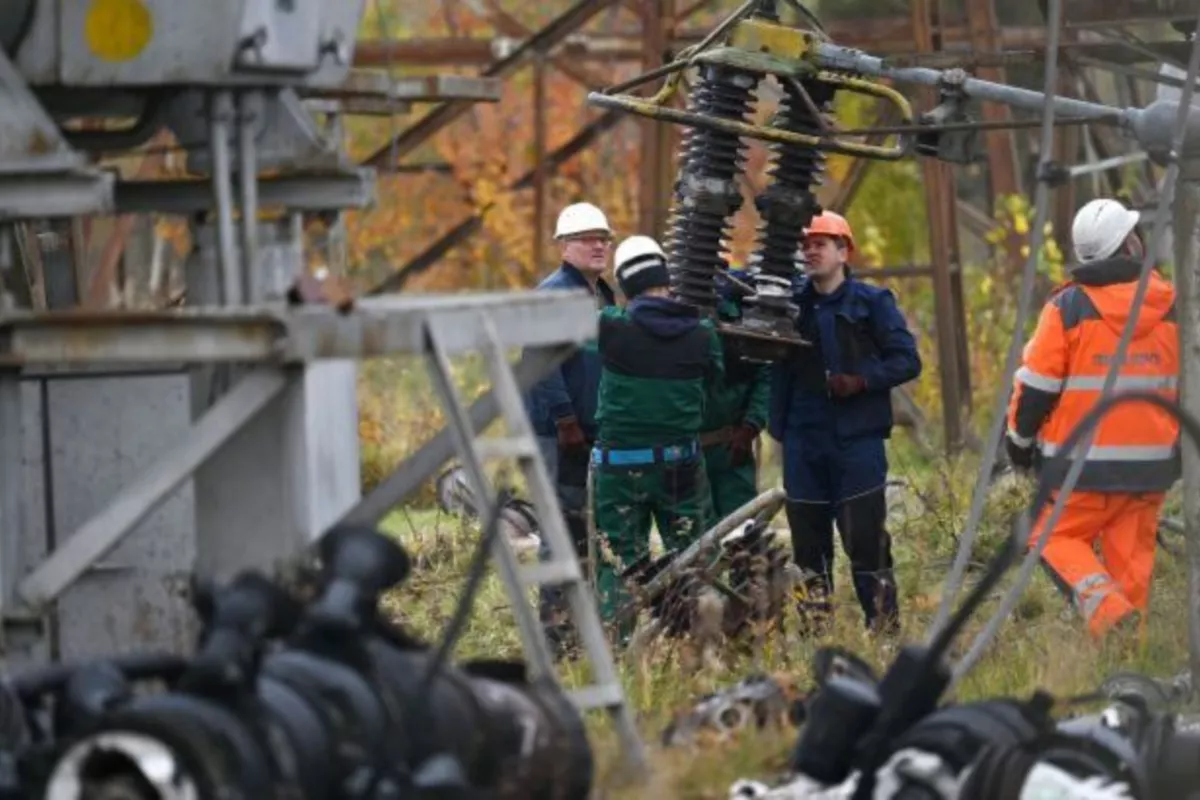
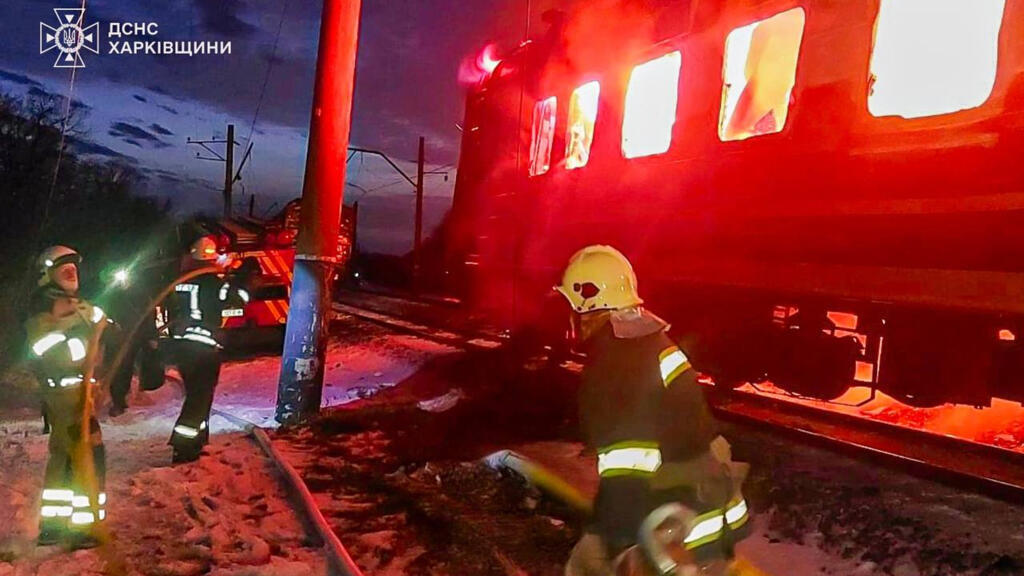
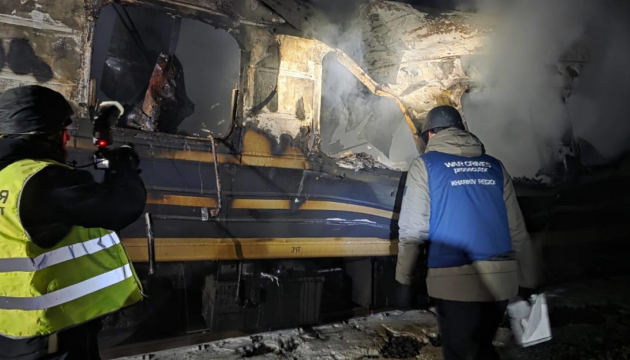
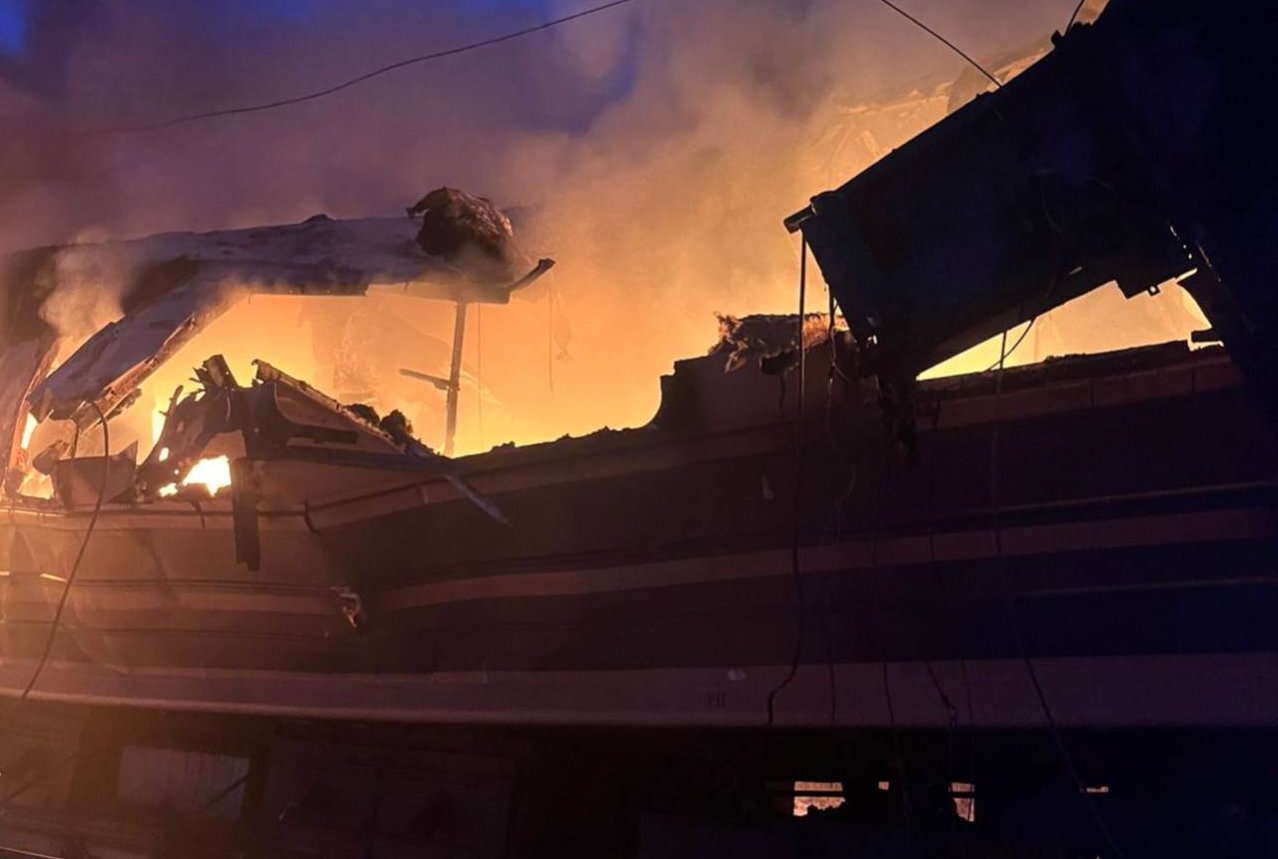
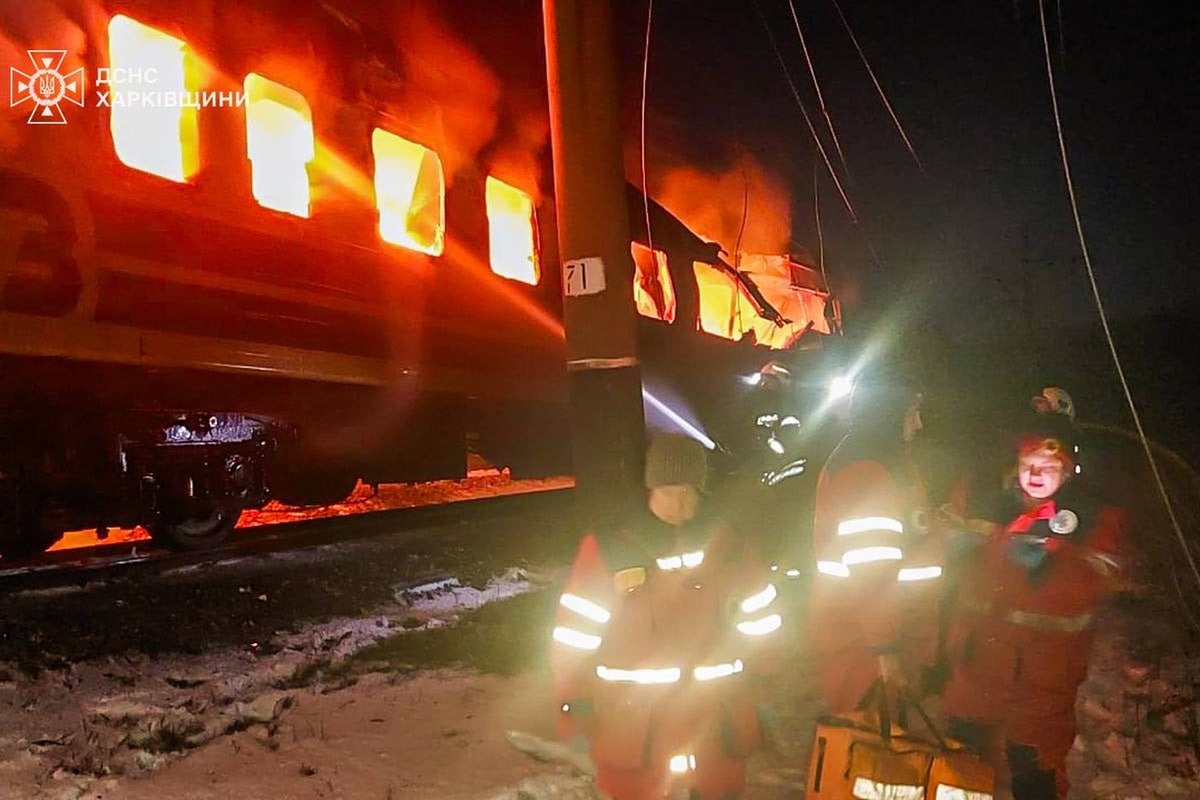
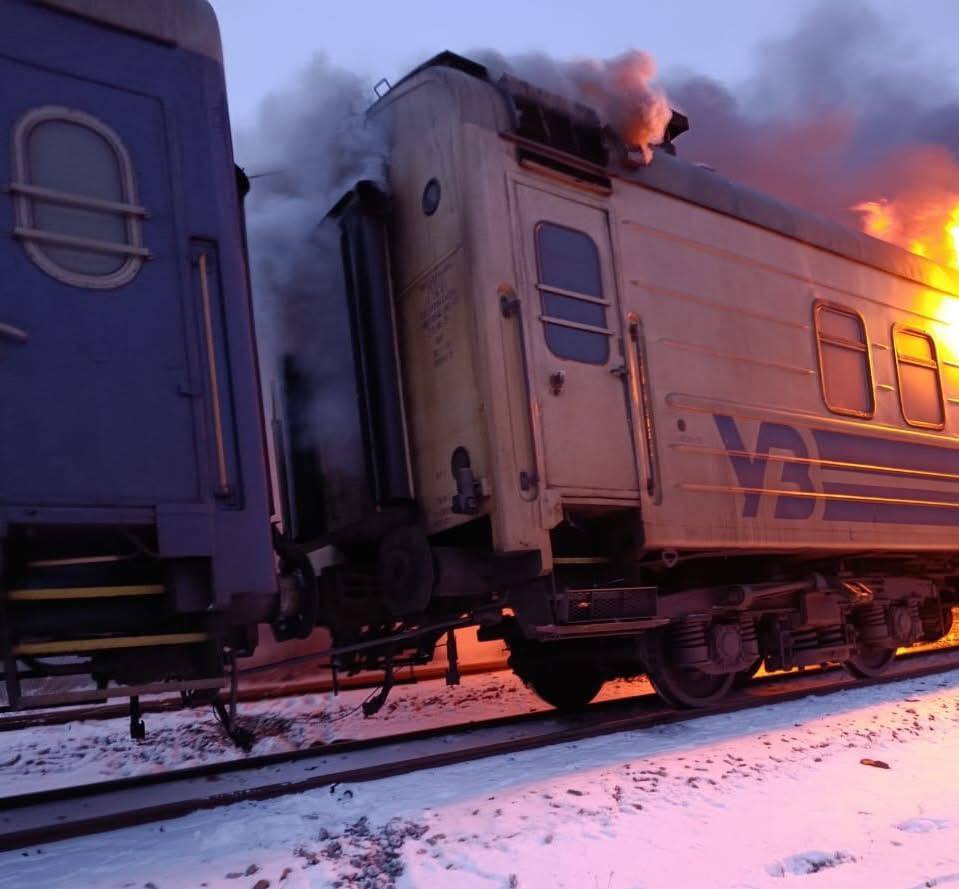
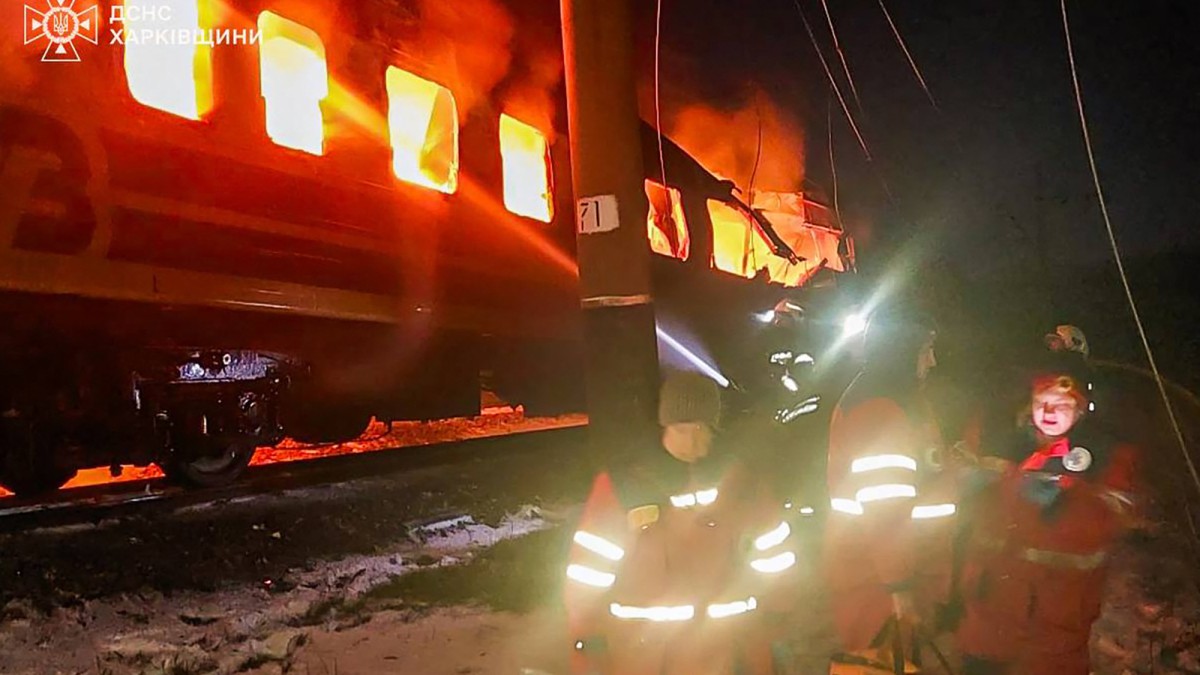
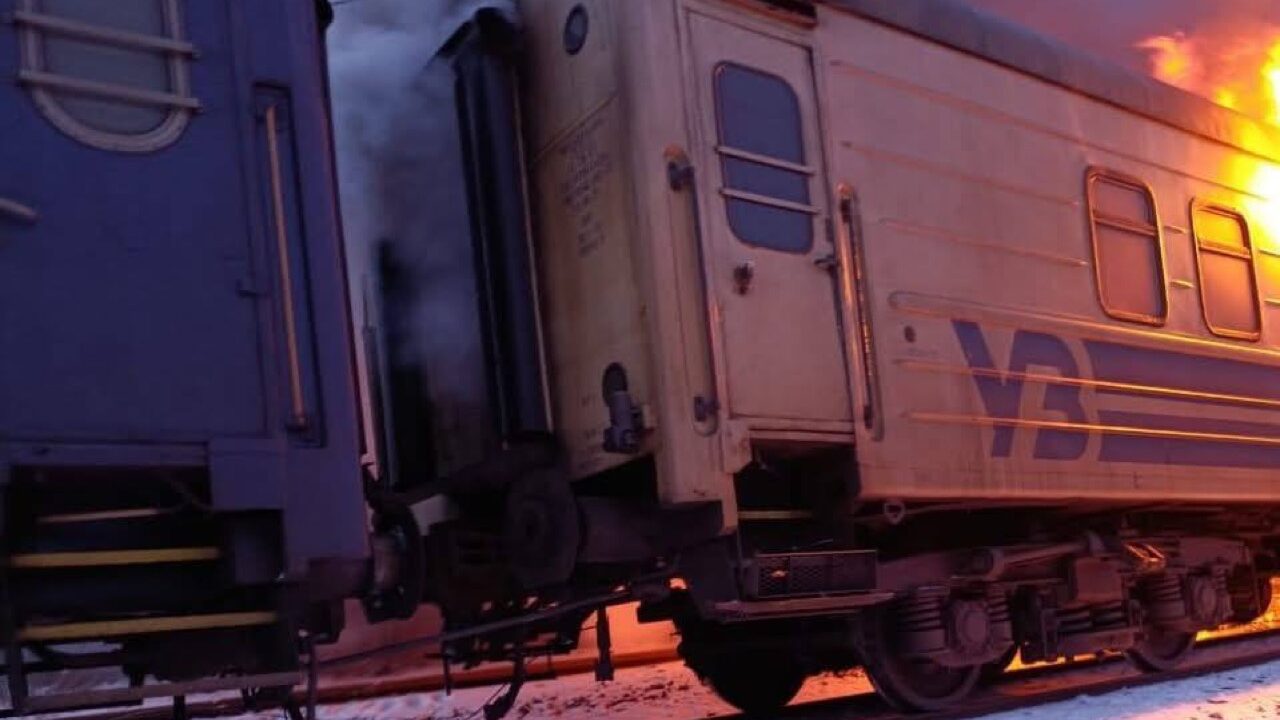
The logistics infrastructure damage directly threatens seller operations through multiple channels. Ukrzaliznytsia (Ukraine's national railway) confirmed continued operations despite security challenges, but the train strike between Chop (near Hungary/Slovakia borders) and Barvinkove signals vulnerability in critical cross-border transit corridors. For sellers using Eastern European 3PL providers or fulfillment centers in Ukraine, the power outages create immediate risks: warehouse climate control failures, payment processing disruptions, and internet connectivity loss. The January 27 attacks represent the latest in an escalating pattern—over 700,000 Kyiv residents lost power the previous week, indicating systematic targeting of energy infrastructure rather than isolated incidents. This pattern suggests sellers should expect recurring disruptions rather than temporary setbacks.
Sellers with Ukrainian operations or Eastern European supply chains face three critical risk categories. First, payment processing vulnerability: Power outages disable payment gateways and banking infrastructure, preventing order fulfillment and customer refunds. Second, inventory management disruption: Warehouse operations in Kyiv, Kharkiv, and Odesa face climate control failures, security challenges, and potential cargo damage during extended outages. Third, logistics route instability: The train strike on a civilian passenger route between Hungary/Slovakia and central Ukraine signals that even non-military transportation faces targeting, forcing sellers to evaluate alternative routing through Poland, Romania, or maritime channels. The Odesa port—critical for Ukrainian exports—has faced "routine Russian attacks since the 2022 invasion," indicating this is not a temporary crisis but a structural market condition.
Strategic implications for cross-border sellers require immediate reassessment of Eastern European operations. Sellers currently using Ukraine-based fulfillment should evaluate 3PL alternatives in Poland, Czech Republic, or Hungary within 30 days. Those shipping to Ukrainian customers should implement backup payment processors and communicate extended delivery timelines. Category-specific opportunities emerge: sellers of backup power systems (generators, UPS units, solar panels), emergency supplies (water purification, first aid), and communication devices (satellite phones, mesh networks) will see demand spikes in affected regions. Historical patterns from similar infrastructure crises show 200-400% increases in emergency preparedness product sales during 60-90 day windows following major disruptions.
问题 7
How long will Ukrainian infrastructure disruptions affect cross-border e-commerce operations?
Based on the pattern of attacks (700,000 Kyiv residents lost power the previous week, followed by January 27 coordinated strikes), disruptions appear structural rather than temporary. Ukrainian officials confirmed 'implementation of additional strict security measures' but acknowledged continued vulnerability of civilian infrastructure. Industry precedent from similar geopolitical crises (Syria 2011-2015, Venezuela 2016-2020) shows infrastructure recovery timelines of 18-36 months when conflict remains unresolved. Sellers should plan for 12-24 month operational disruptions in Ukraine-based fulfillment, with recurring 1-2 week outages every 2-4 weeks. However, peace negotiations are ongoing (talks held in UAE with US involvement), which could accelerate recovery if resolved. Sellers should monitor diplomatic developments weekly and maintain contingency plans for both scenarios: (1) continued conflict (relocate operations), (2) peace agreement (gradual return to Ukraine operations). Short-term (0-6 months): expect 2-4 week fulfillment delays. Medium-term (6-18 months): plan for alternative logistics. Long-term (18+ months): reassess Ukraine operations based on peace progress.
What alternative logistics routes should sellers use to avoid Ukrainian transportation networks?
The January 27 train strike on the Chop-Barvinkove route (between Hungary/Slovakia and central Ukraine) demonstrates vulnerability in civilian transportation corridors. Sellers should shift to alternative routes: (1) Poland-based routing through Warsaw/Krakow to Central Europe, (2) Romania-Danube River maritime logistics to bypass land routes, (3) Czech Republic-based distribution for Central European markets. These alternatives add 3-5 days to delivery timelines and 8-12% to logistics costs but avoid high-risk Ukrainian corridors. For sellers shipping to Ukrainian customers, maritime routes through Odesa remain viable but face 'routine Russian attacks since 2022 invasion'—requiring 15-20% contingency time buffers. Sellers should diversify routing: allocate 40% to Poland routes, 35% to maritime (when available), 25% to Czech Republic alternatives. This reduces single-point-of-failure risk and maintains service levels despite infrastructure disruptions.