



Travel Disruption Surge Drives 9000+ Flight Cancellations | Seller Logistics Impact
- American Airlines cancels 9,000+ flights across 5 major hubs (DFW, CLT, PHL, NYC, DCA) in January 2026; reveals critical supply chain vulnerabilities for sellers relying on air freight and time-sensitive logistics












概览
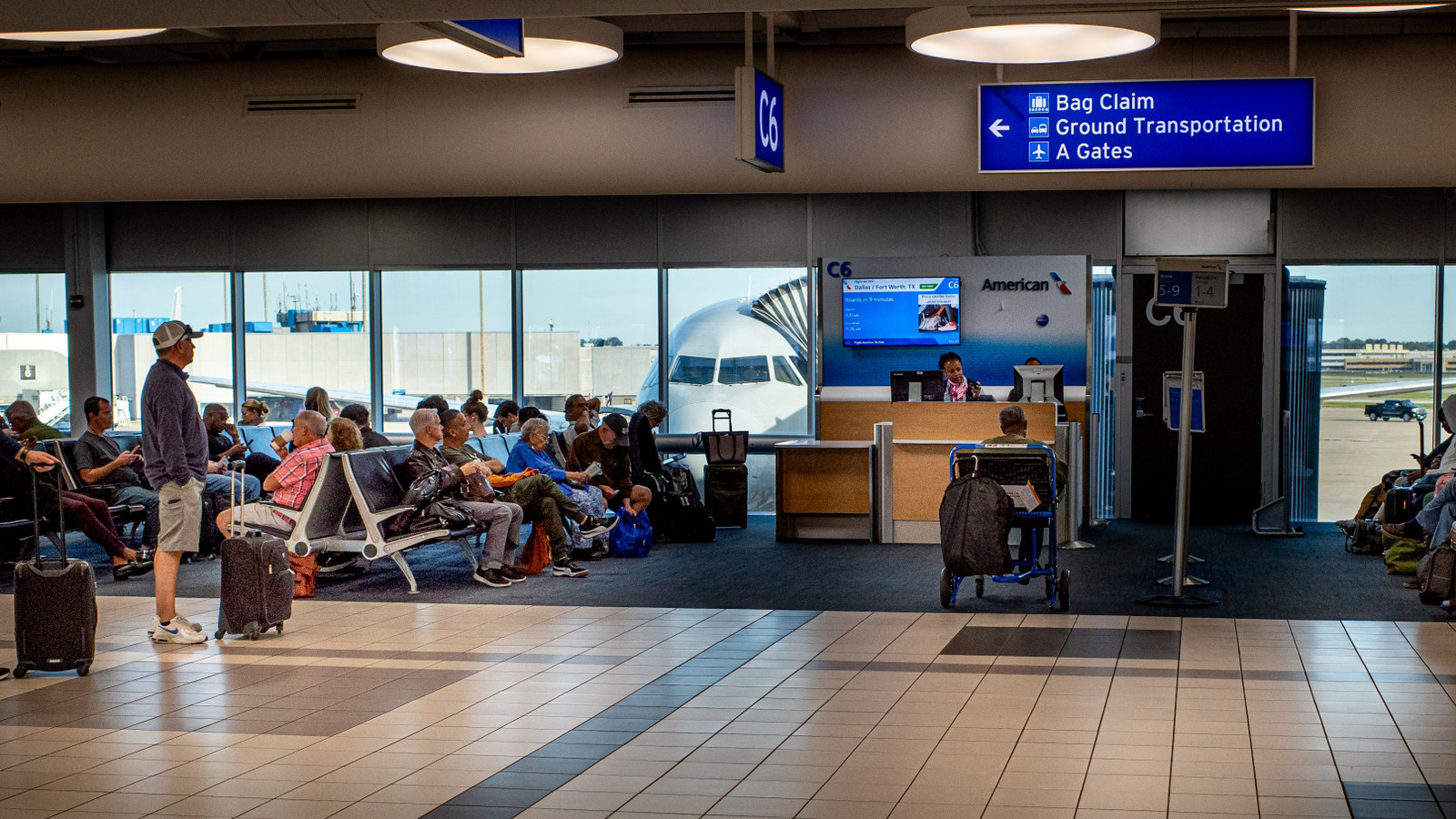
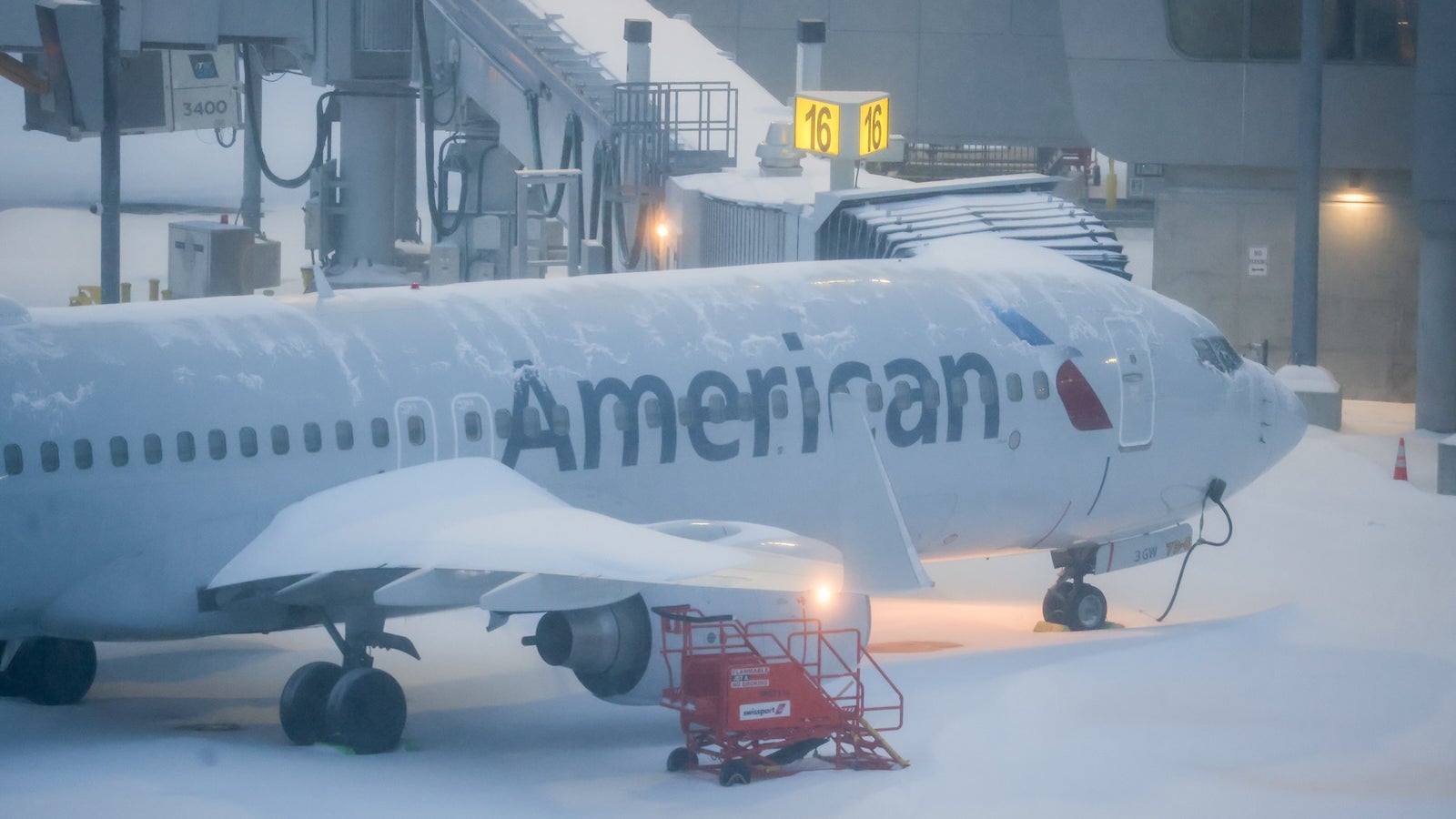
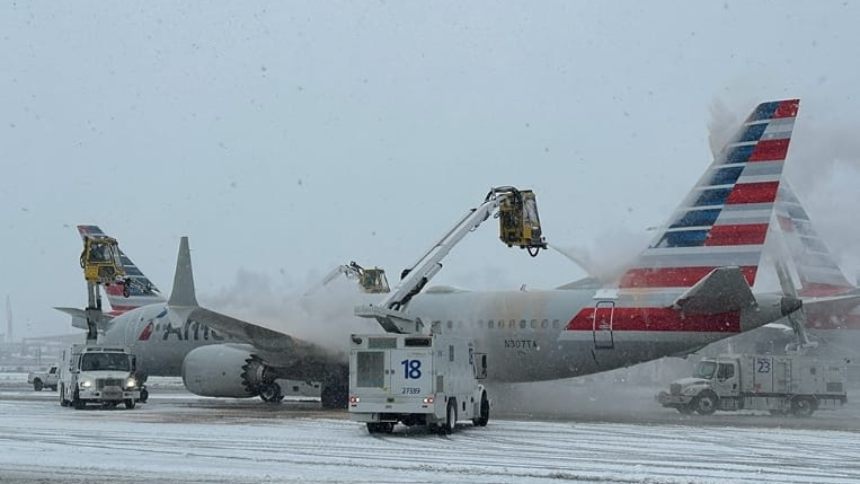
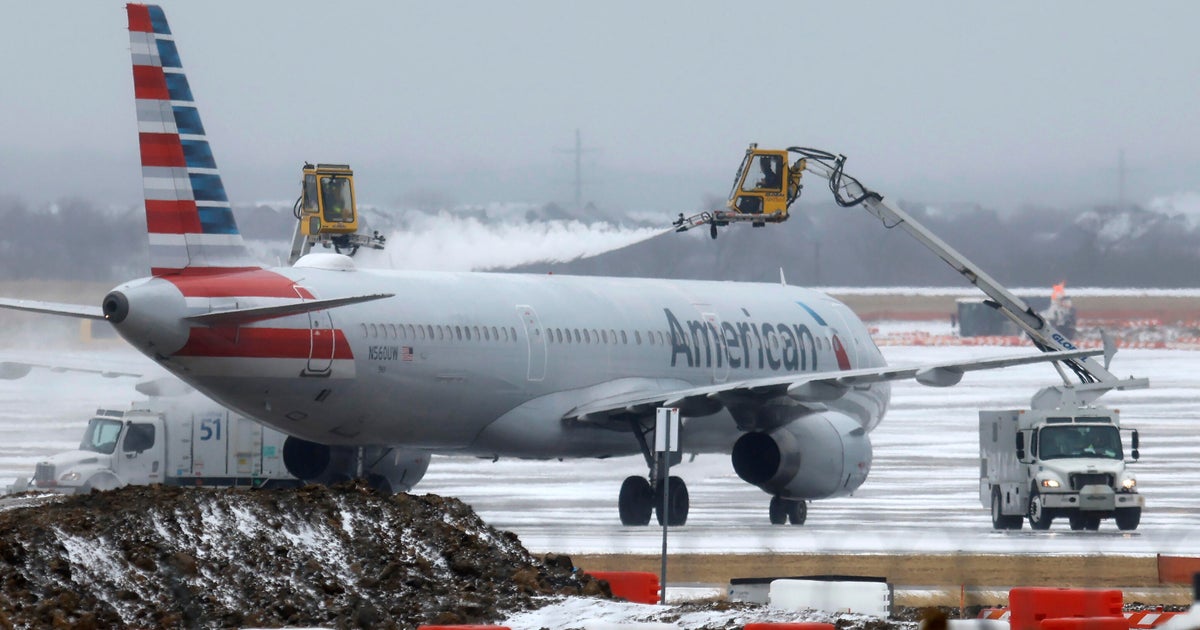
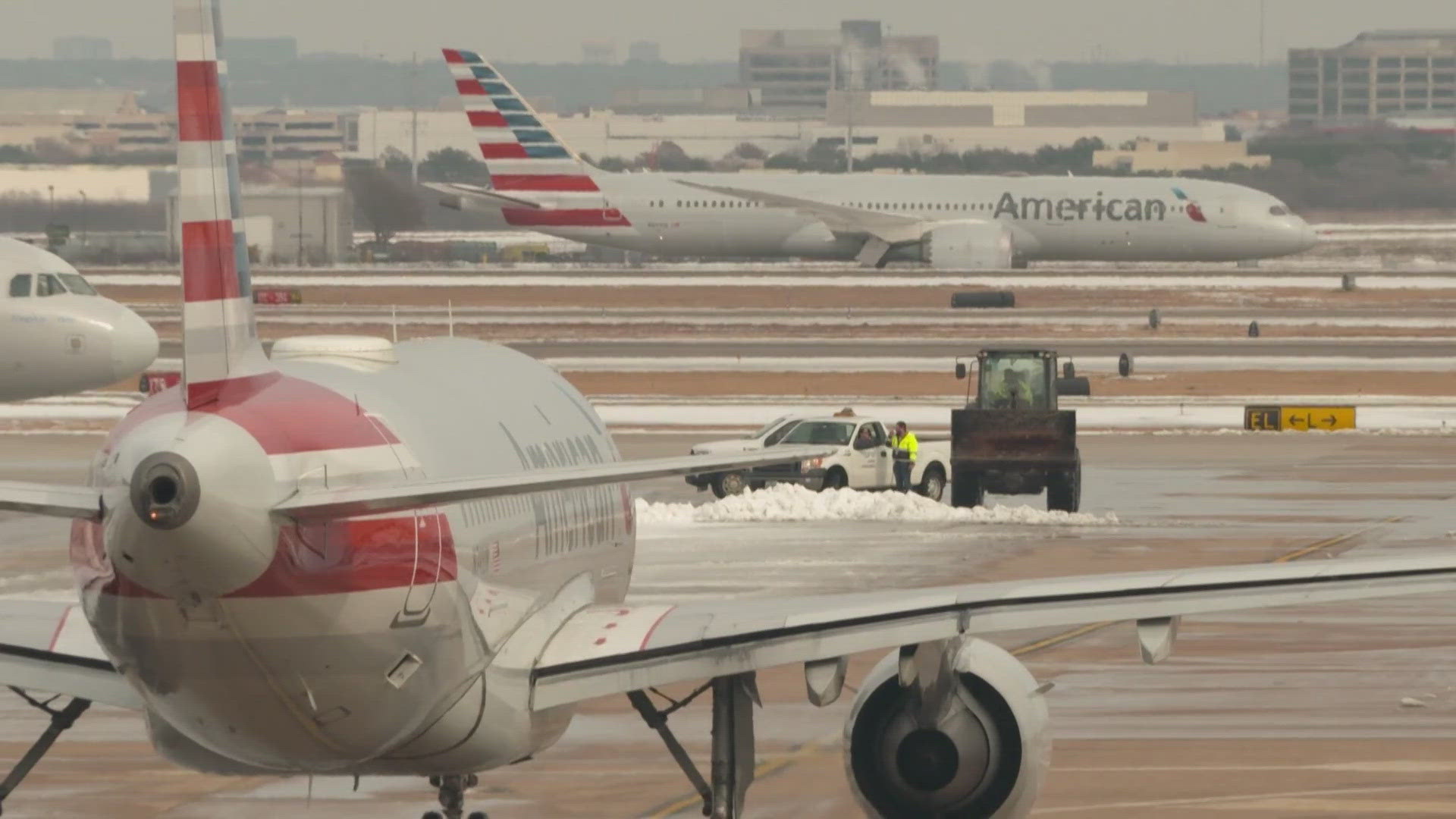
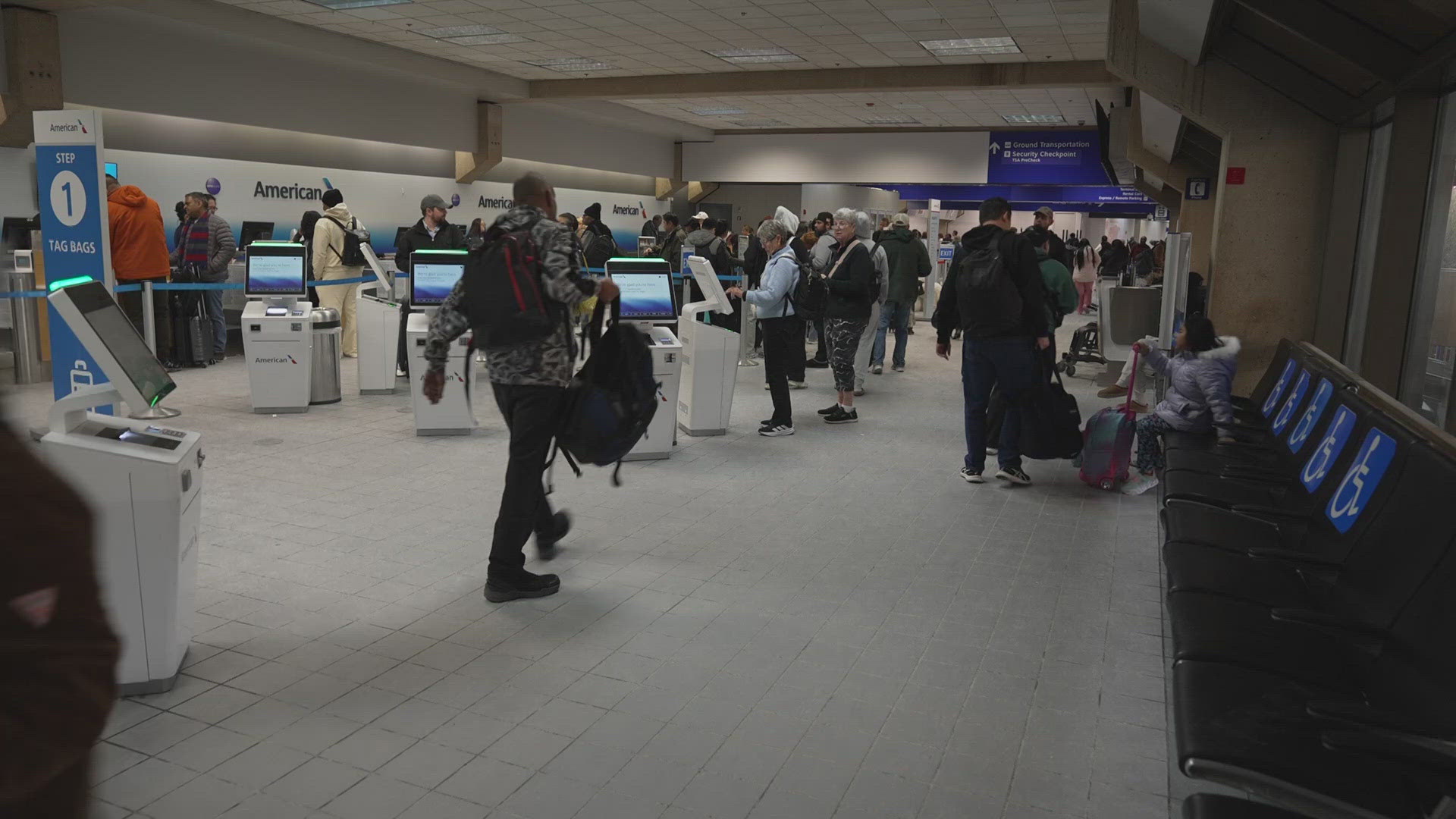
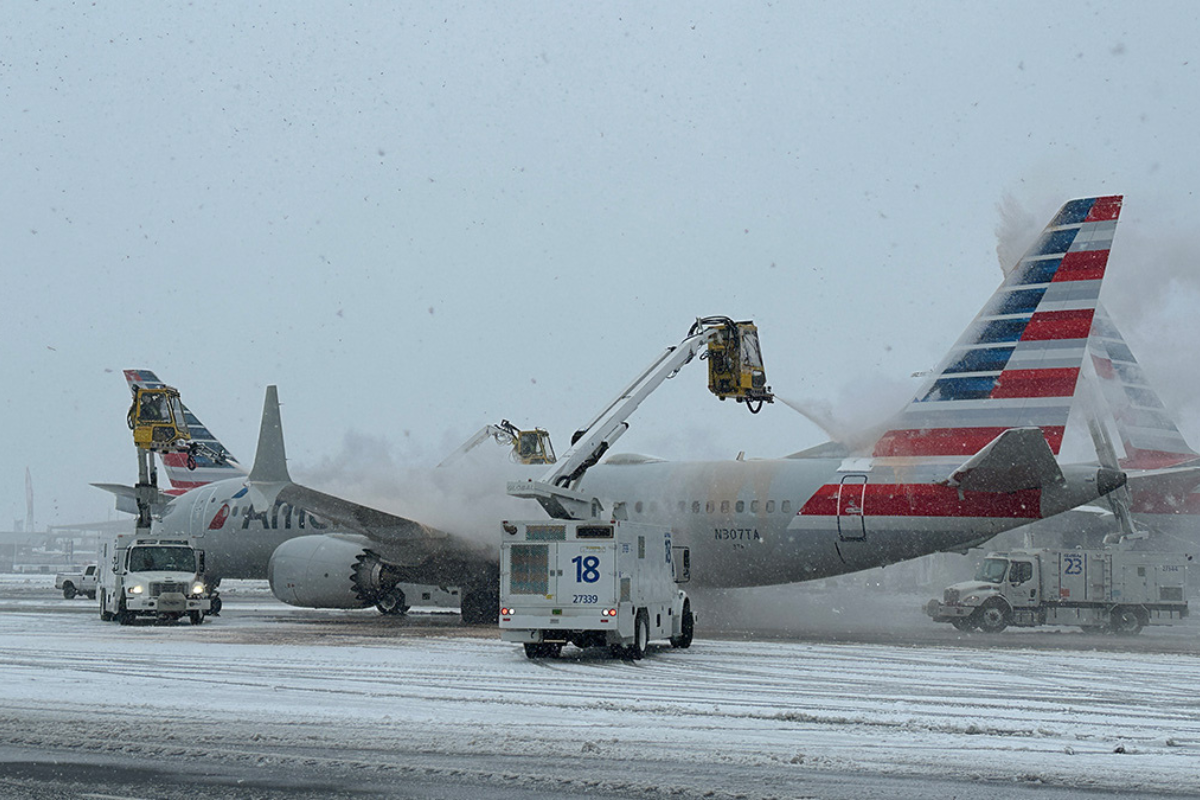
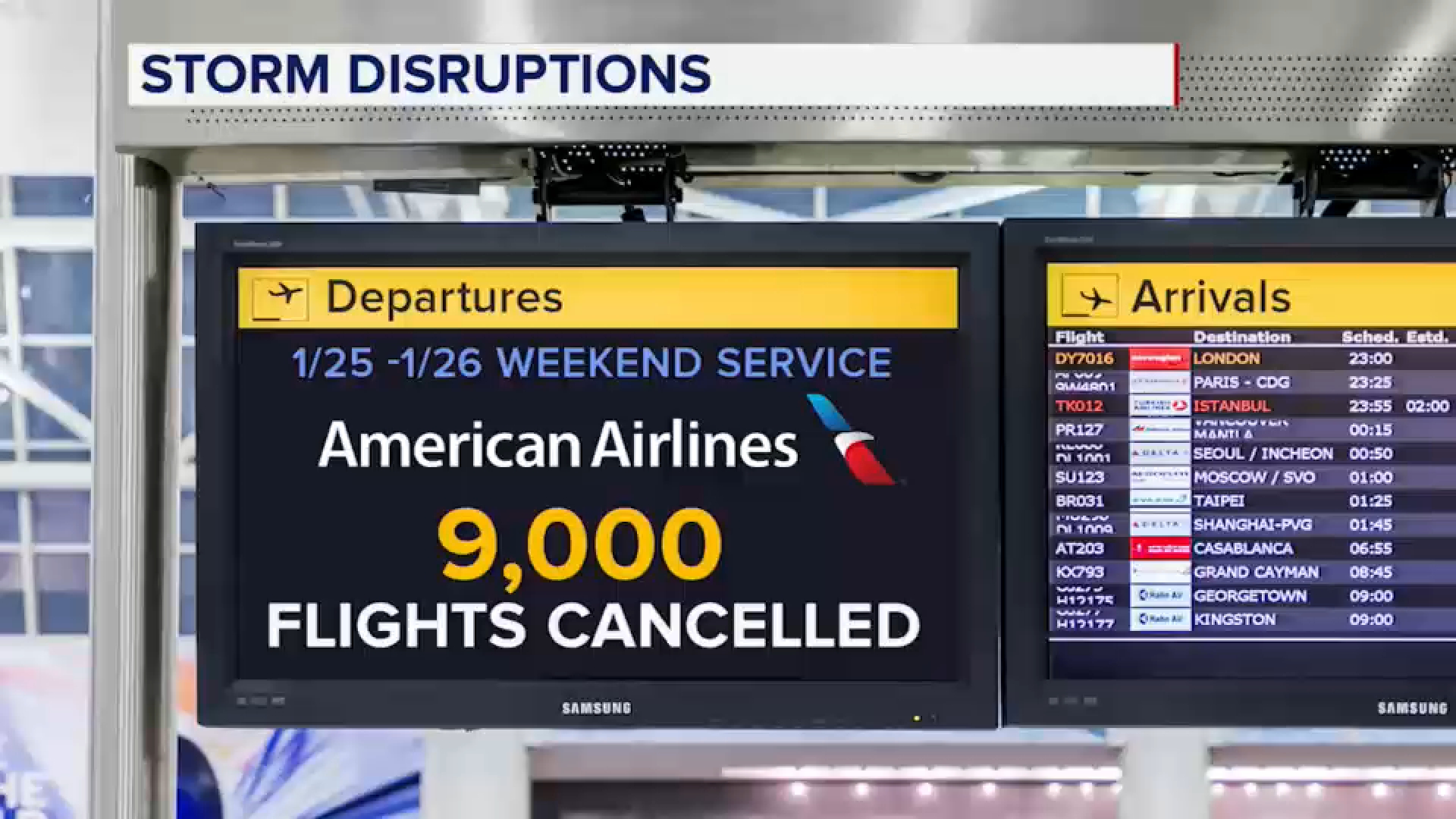
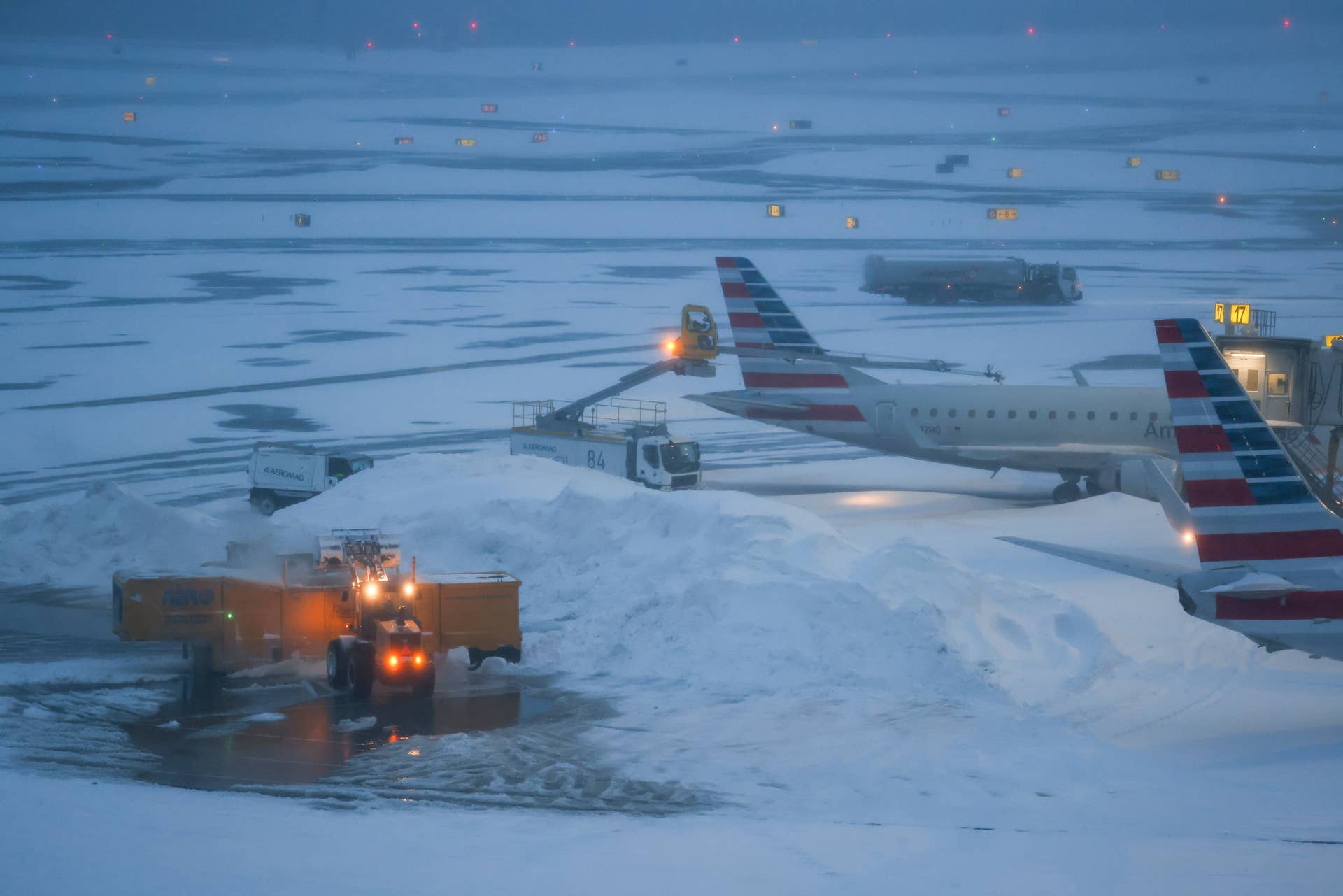
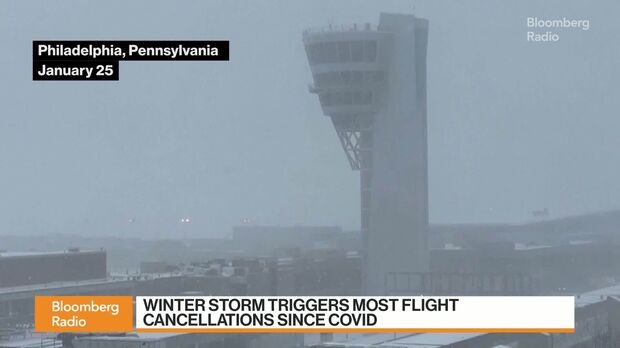
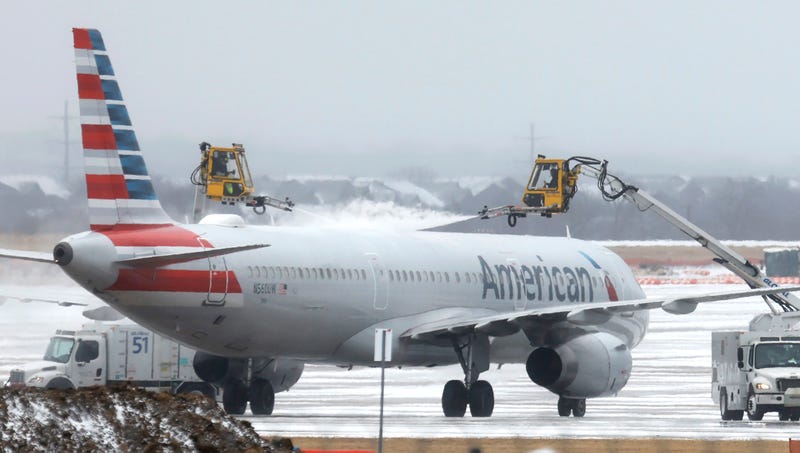
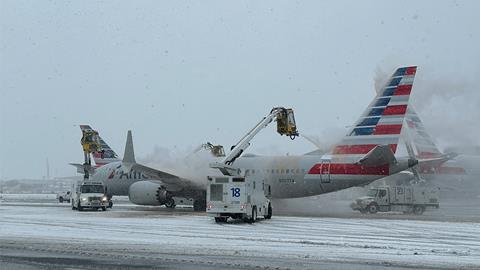
American Airlines' catastrophic operational meltdown during Winter Storm Fern (January 25-27, 2026) canceled over 9,000 flights across four consecutive days—the worst disruption in company history—exposing systemic vulnerabilities that directly impact cross-border sellers and e-commerce logistics networks. The airline canceled 1,400+ flights on January 27 alone while competitors like Delta managed only 360 cancellations, revealing critical gaps in crew management systems, IT infrastructure, and vendor coordination. This incident signals broader supply chain fragility affecting sellers who depend on air freight for time-sensitive inventory, perishable goods, and expedited fulfillment.
Direct Seller Impact Through Air Freight Disruption: The five-day crew stranding crisis—with flight attendants sleeping in airport terminals due to failed hotel booking systems and crew tracking failures—demonstrates how operational breakdowns cascade through logistics networks. For sellers shipping via air freight through American Airlines' cargo division or relying on connecting flights through DFW (the nation's second-busiest airport), the 487 delayed and 544 canceled flights on a single day represent significant inventory delays. Sellers in time-sensitive categories (electronics, fashion, perishables, medical supplies) typically face $500-2,000 per day in holding costs when shipments miss delivery windows. The airline's inability to recover—requiring 2+ additional days beyond the initial storm—extended disruption windows by 40-50% compared to competitor recovery times, directly impacting seller fulfillment commitments and customer satisfaction metrics.
Systemic Failures Reveal Broader Logistics Risks: The root cause—American's cost-cutting in IT infrastructure combined with outsourced vendor failures (hotel booking system couldn't communicate with crew scheduling)—mirrors vulnerabilities in other logistics providers. Sellers relying on single-carrier strategies or concentrated hub dependencies face similar risks. The airline's previous acknowledgment of hotel accommodation failures, followed by claimed corrective measures that proved ineffective during crisis, demonstrates how vendor assurances don't guarantee resilience. For sellers managing inventory across multiple fulfillment centers, this incident underscores the need for redundant logistics partners and real-time visibility systems. The 9,000-flight cancellation volume—exceeding Delta's 2024 CrowdStrike outage and approaching Southwest's December 2022 holiday meltdown—establishes this as a top-tier supply chain disruption event comparable to major infrastructure failures.
Market Opportunity in Logistics Resilience Products: The crisis creates immediate demand for sellers offering supply chain visibility tools, backup logistics solutions, and contingency planning services. Categories including real-time shipment tracking software, alternative carrier booking platforms, inventory management systems with multi-carrier failover, and business continuity consulting see elevated search volume during and after major disruptions. Sellers can capitalize on heightened buyer awareness of logistics vulnerabilities by promoting products addressing crew management, weather-resilient routing, and distributed fulfillment strategies. The incident also drives demand for travel-related merchandise (luggage, travel accessories, comfort items) as stranded passengers seek replacements and upgrades—a secondary but measurable sales opportunity in travel goods categories.
问题 8
What warning signs should sellers monitor to anticipate logistics disruptions similar to American Airlines' crisis?
American Airlines' crisis followed predictable warning signs that sellers can monitor. The airline had previously acknowledged hotel accommodation failures and claimed corrective measures—when vendors repeat similar failures despite claimed fixes, this signals systemic problems rather than isolated incidents. Monitor carrier communications for repeated acknowledgments of the same operational issues, which indicate underlying infrastructure problems. Track carrier cancellation rates relative to competitors during normal weather—American's 4x higher cancellation rate than Delta during the storm suggests pre-existing operational fragility. Watch for news about IT infrastructure cost-cutting or vendor outsourcing changes, which preceded American's crisis. Subscribe to carrier operational alerts and industry disruption reports. When warning signs appear, immediately diversify logistics partners and increase inventory buffers at alternative fulfillment centers. The incident demonstrates that waiting for major disruptions to act is too late—proactive monitoring enables preventive action.
How does the DFW hub concentration impact sellers shipping through Dallas-Fort Worth International Airport?
DFW Airport, the nation's second-busiest hub, experienced 487 delayed and 544 canceled flights on a single day during American Airlines' disruption. For sellers routing inventory through DFW—either as a final destination or connecting hub—this represents significant vulnerability. The hub-and-spoke network model concentrates risk: when DFW experiences disruptions, cascading effects impact flights across the entire American Airlines network. Sellers should diversify routing away from concentrated hubs by using alternative carriers (Delta, United, Southwest) that distribute traffic across multiple hubs. If DFW is unavoidable, establish backup routing through alternative airports (Dallas Love Field, Houston IAH, Austin AUS) and negotiate carrier agreements that specify alternative routing during disruptions. Monitor DFW weather forecasts during winter months and pre-position inventory at alternative fulfillment centers.