

Nipah Virus Outbreak Drives Health Product Demand Surge Across Asia | Seller Opportunity
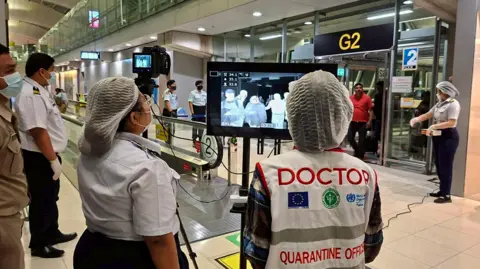
- West Bengal outbreak with 5 confirmed cases triggers heightened airport screening across Asian countries, creating urgent demand for health/safety products and logistics adjustments for cross-border sellers


























概览
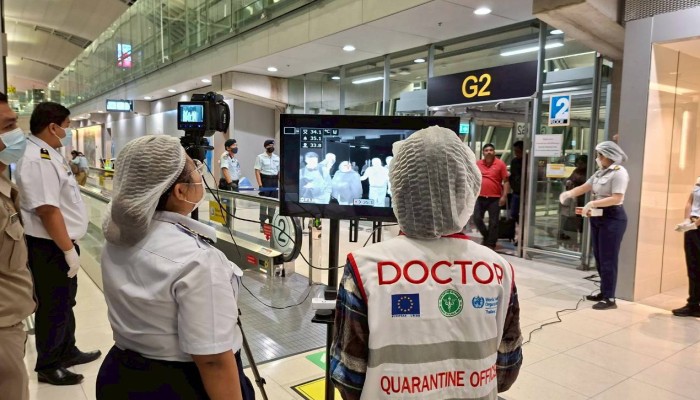
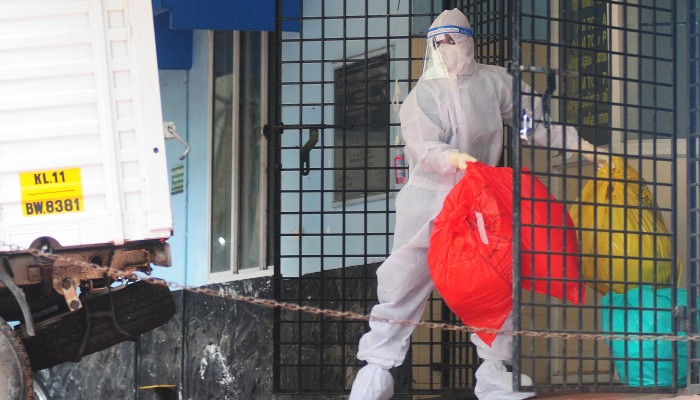
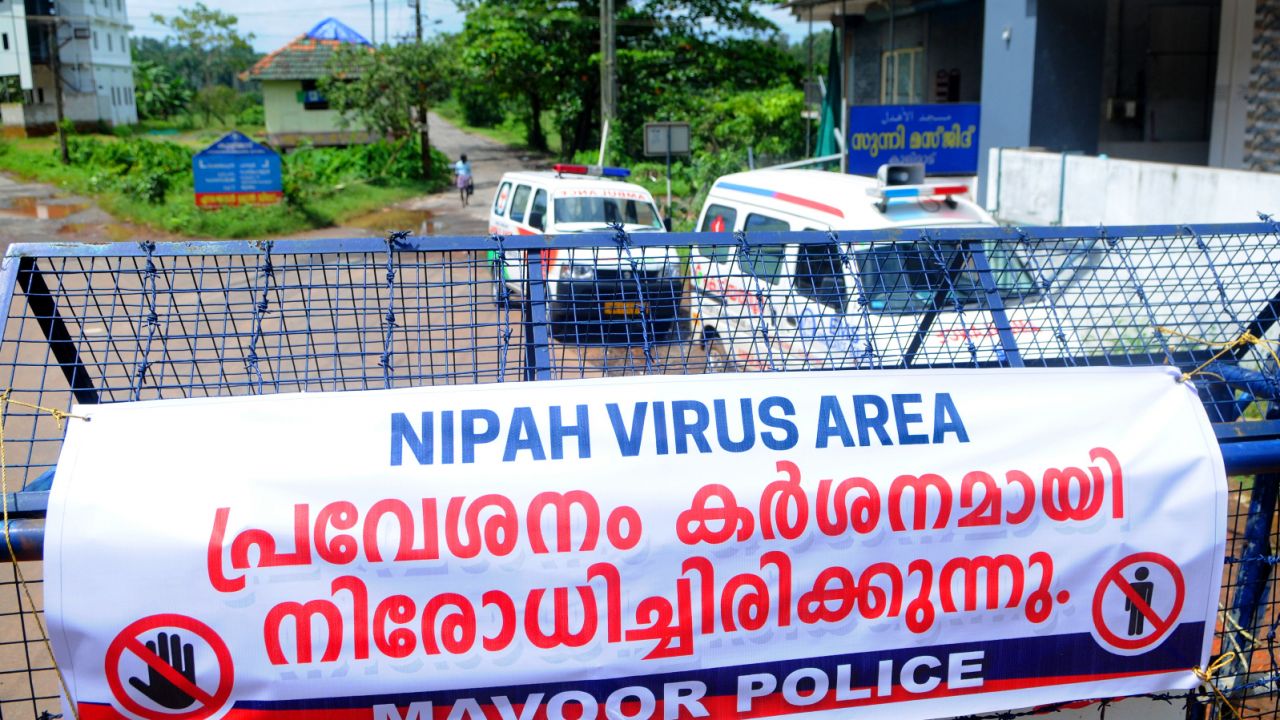
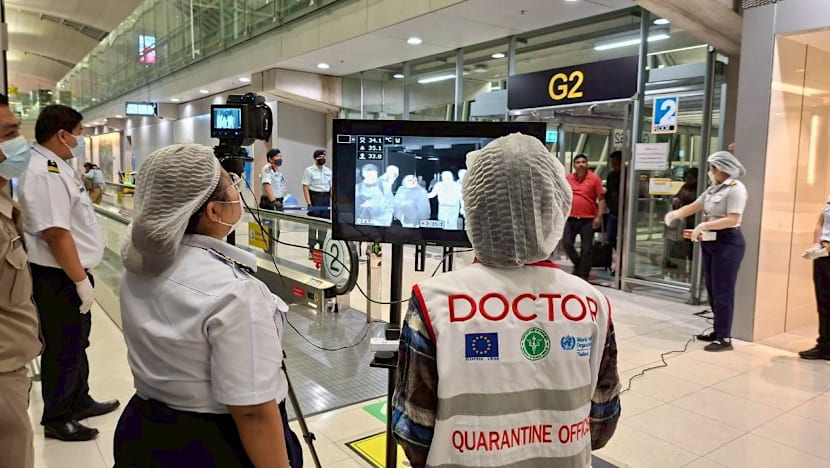
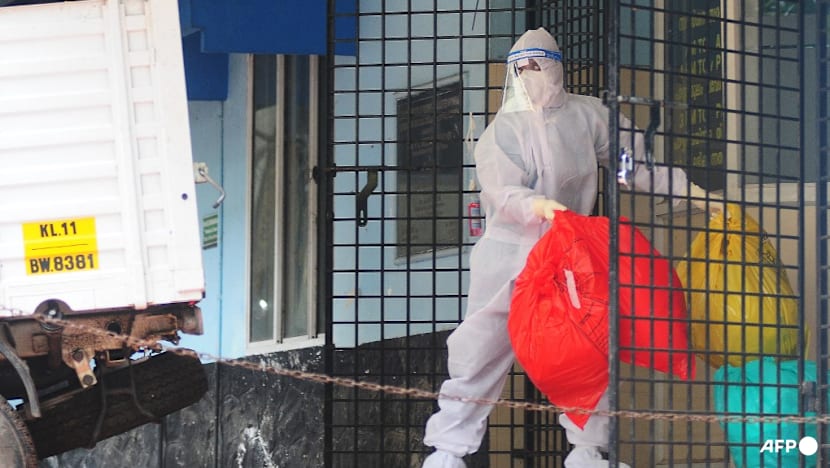
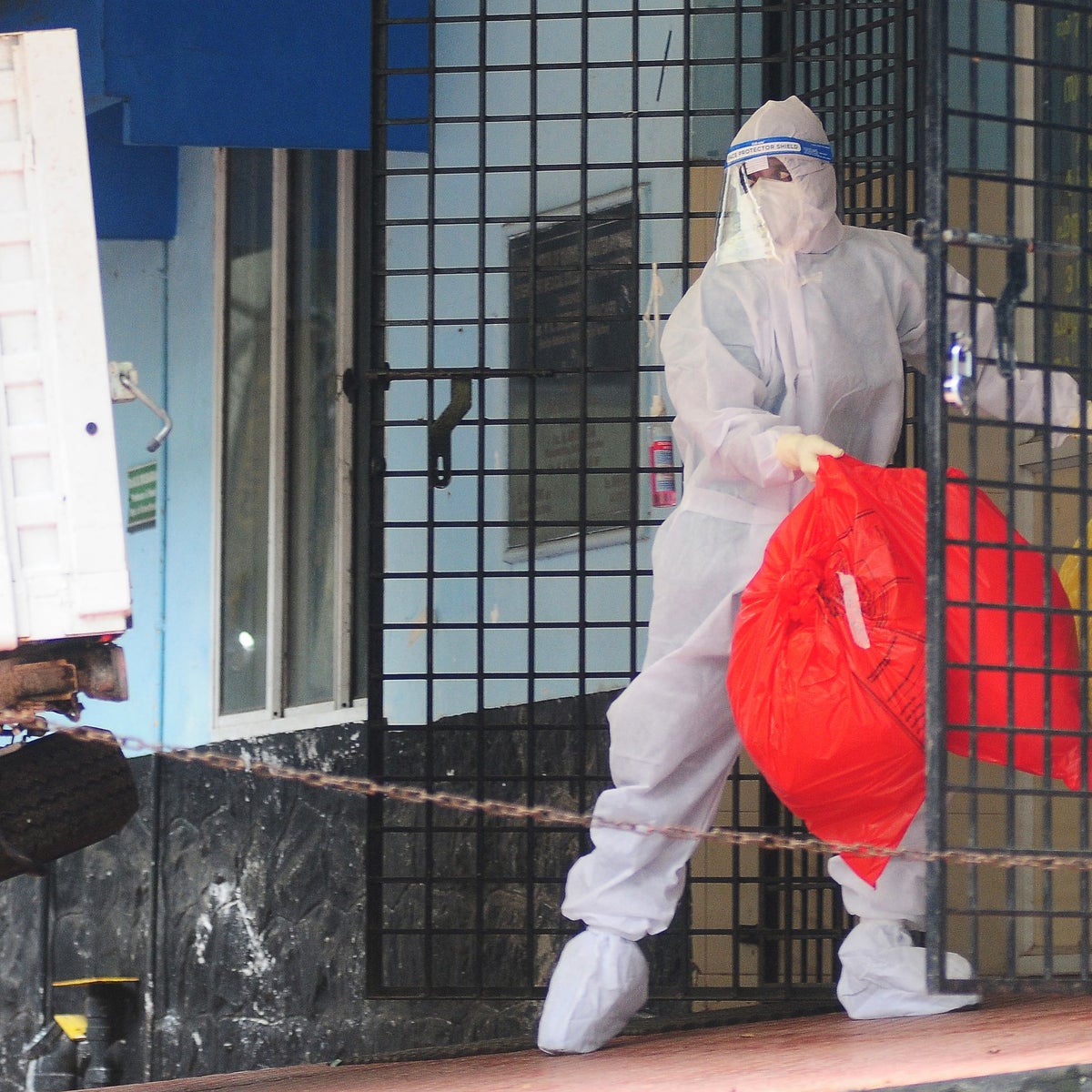
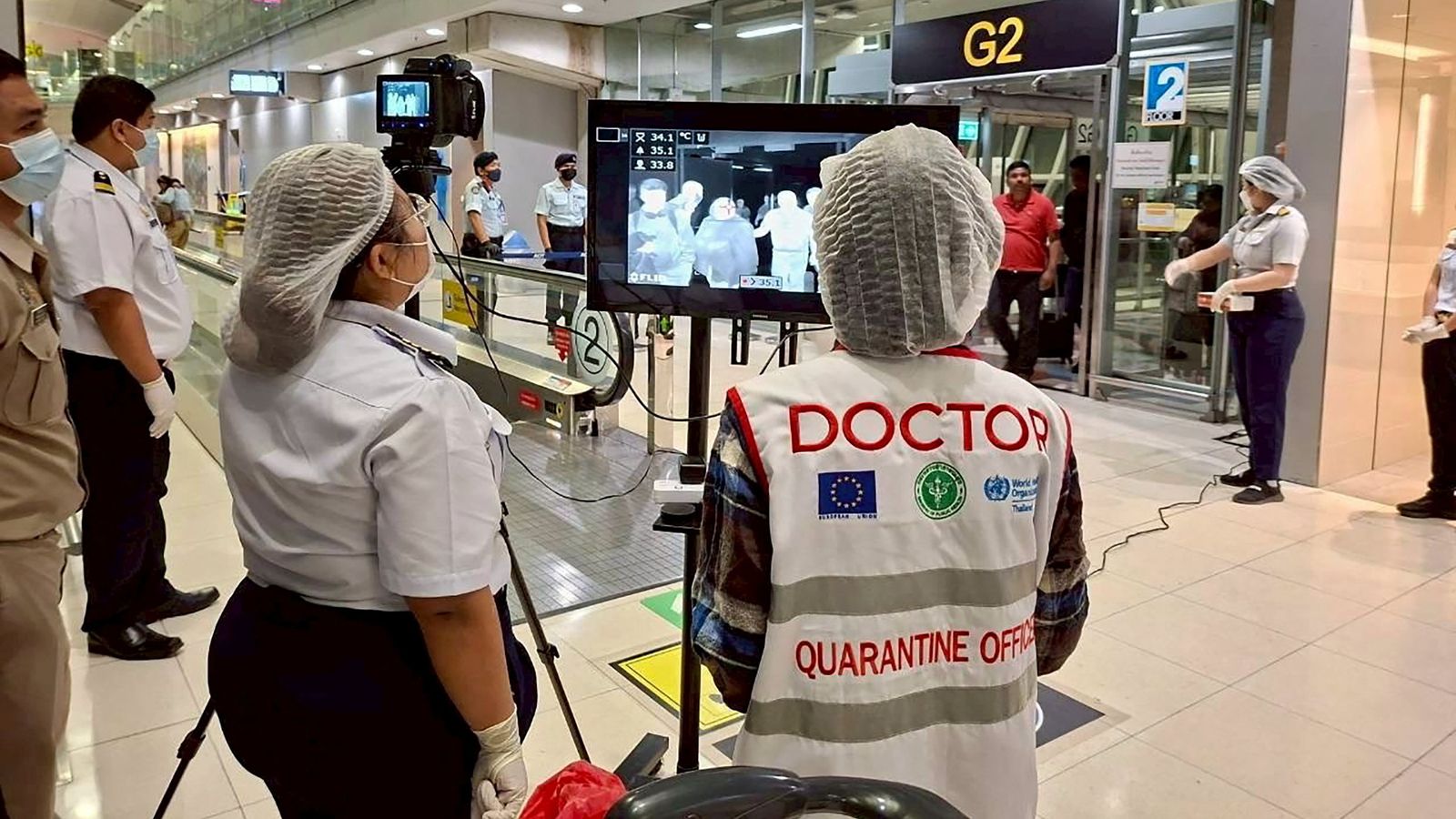
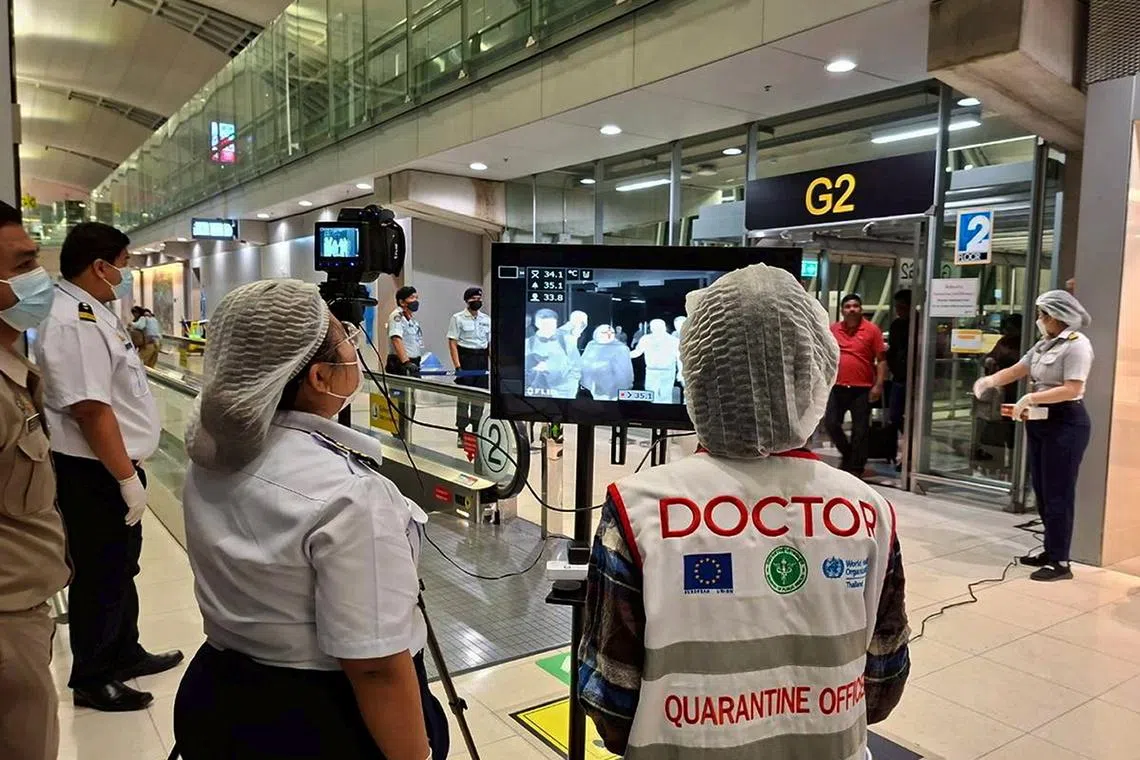
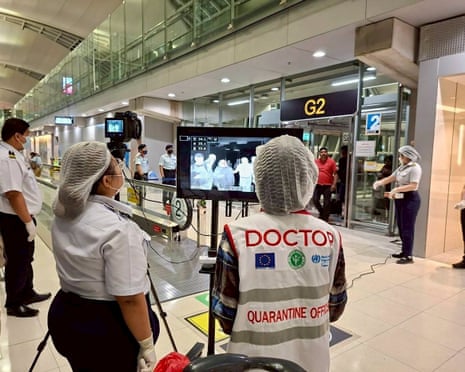
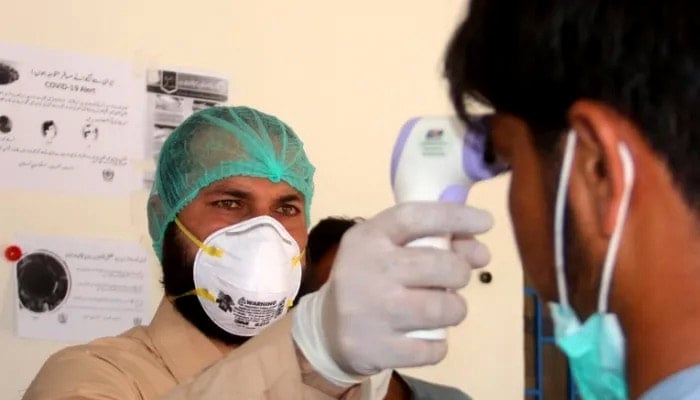
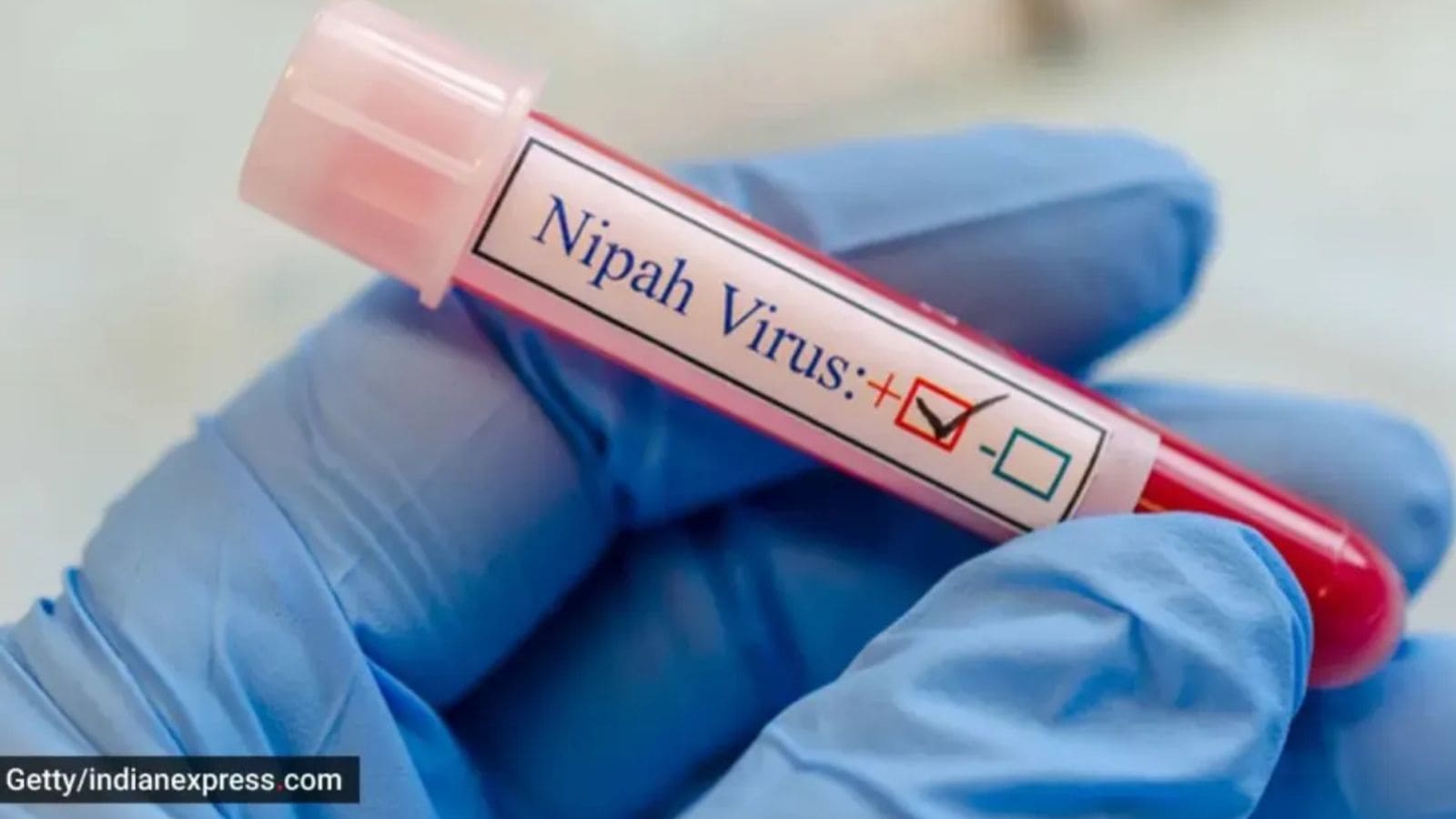
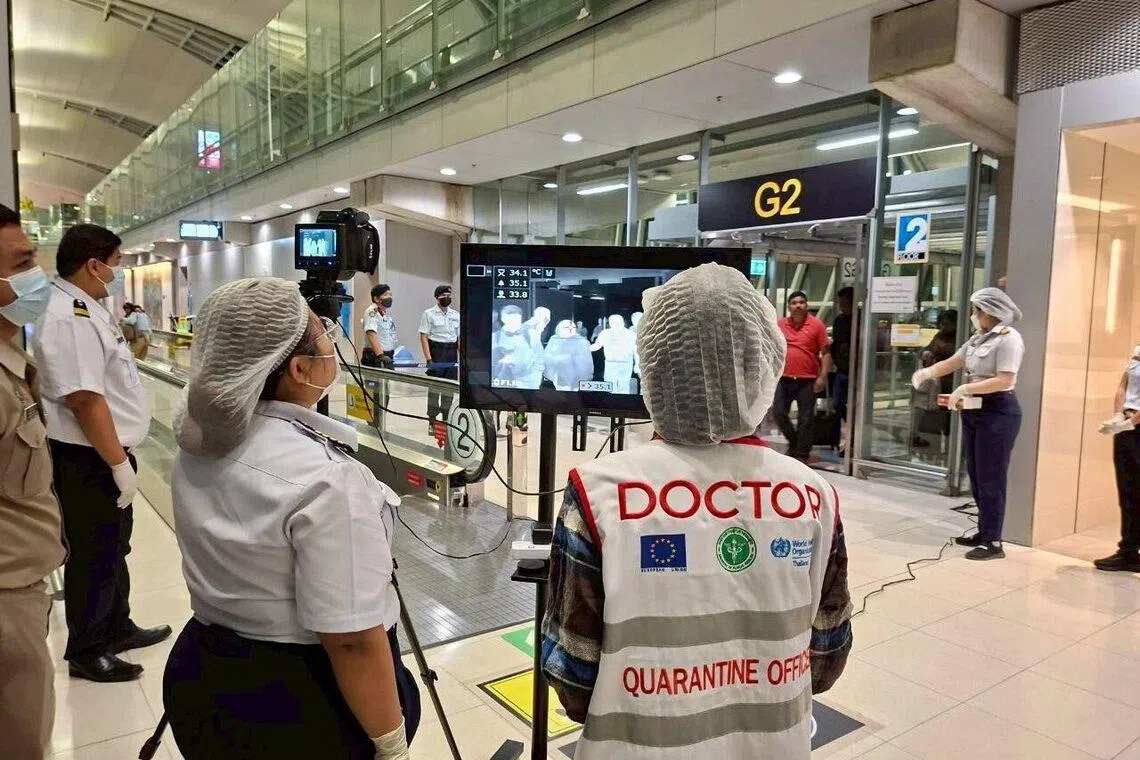
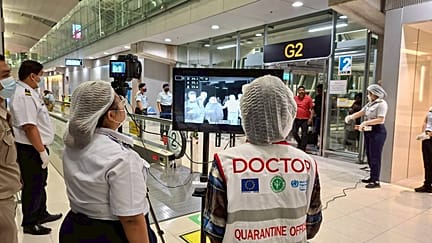
The Nipah virus outbreak detected in West Bengal, India, with 5 confirmed cases and a 40-75% mortality rate, has triggered heightened health alerts across Asian countries and represents a significant market opportunity for cross-border e-commerce sellers. Asian nations have implemented enhanced airport screenings, health declarations, temperature checks, and passenger monitoring protocols to prevent cross-border transmission. This public health crisis directly impacts seller operations and creates immediate product demand opportunities in health, safety, and wellness categories.
Immediate Product Opportunity: The outbreak drives urgent consumer demand for protective equipment, hygiene products, and health monitoring devices across Southeast Asia. Sellers specializing in N95/KN95 masks, hand sanitizers, thermometers, and personal protective equipment (PPE) can expect 30-50% demand spikes in affected regions—India, Malaysia, Singapore, and surrounding countries. Historical precedent from COVID-19 shows similar health crises generate $500M+ in cross-border PPE sales within 30-60 days. Sellers with existing inventory in these categories should prioritize Amazon India, Flipkart, and regional marketplaces for rapid listing optimization and PPC campaigns targeting health-conscious consumers.
Logistics and Compliance Impact: Enhanced airport screening protocols and health documentation requirements create operational friction for cross-border sellers shipping to Asia-Pacific regions. Sellers must now account for 5-10 additional days in transit times due to heightened customs inspections and health declaration processing. Freight forwarders and 3PL providers are reporting 15-20% cost increases for shipments to India, Malaysia, and Singapore. Sellers should immediately review their fulfillment strategies: consider pre-positioning inventory in regional warehouses (Amazon FBA India, local 3PLs) rather than direct shipments from China or the US. This reduces customs delays and positions inventory closer to surging demand.
Consumer Behavior Shift: The outbreak triggers a behavioral shift toward preventive health purchases and wellness products. Beyond PPE, sellers should capitalize on demand for immune-support supplements, air purifiers, water filtration systems, and health monitoring devices. Amazon India's health category typically sees 25-35% growth during disease outbreak periods. Sellers with complementary product lines (vitamins, herbal remedies, wellness trackers) should bundle offerings and create targeted campaigns emphasizing "outbreak protection" and "health security." Regional preferences matter: Indian consumers favor Ayurvedic and traditional remedies, while Southeast Asian markets show stronger demand for clinical-grade PPE and medical devices.
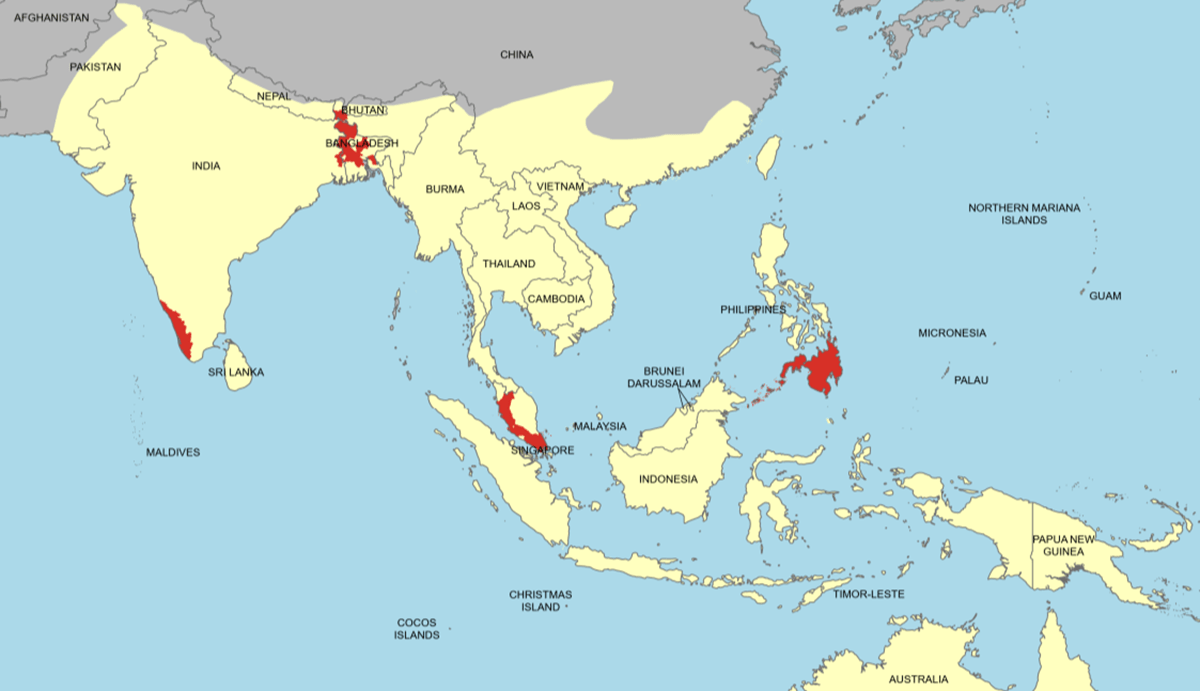
Risk Mitigation for Sellers: While the outbreak is currently contained with no US cases reported, sellers must monitor WHO and CDC guidance for supply chain disruptions. Fruit bat habitats in Southeast Asia, South Pacific, and Australia could trigger agricultural trade restrictions affecting sourcing. Sellers relying on manufacturing or raw materials from affected regions should diversify suppliers immediately. Additionally, heightened health scrutiny may trigger increased product safety audits and certification requirements for health-related listings on Amazon and regional platforms.
问题 7
What is the typical ROI timeline for health product sellers during disease outbreak periods?
Sellers with pre-positioned inventory in regional warehouses typically see positive ROI within 14-21 days of outbreak announcements. PPE and health products generate 40-60% margin increases during surge periods compared to baseline. However, demand typically normalizes within 60-90 days as outbreak containment improves. Sellers should plan for rapid inventory turnover (30-45 day cycles) and avoid over-investing in long-term stock. Use Amazon's demand forecasting tools to model surge scenarios and optimize inventory levels.
How can sellers diversify sourcing to mitigate outbreak-related supply chain risks?
The Nipah virus habitat spans Southeast Asia, South Pacific, and Australia—regions critical for agricultural sourcing. Identify alternative suppliers outside affected zones immediately; diversify across 2-3 suppliers per product to reduce single-region dependency. Monitor WHO/CDC guidance for potential trade restrictions on fruit, vegetables, or animal products from outbreak areas. Maintain 30-45 day safety stock for high-demand health products to buffer against sourcing delays or regulatory disruptions.