
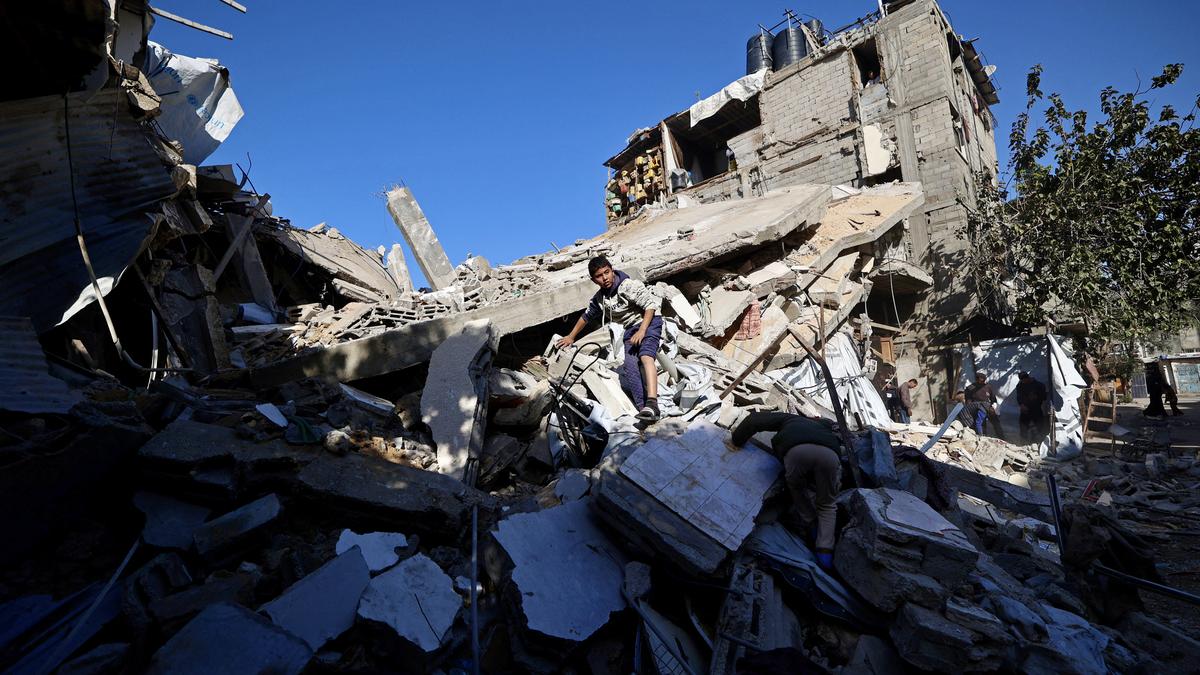

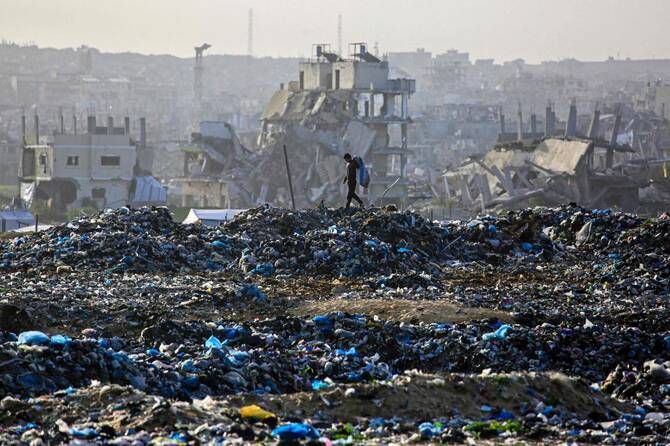
Gaza Ceasefire Reopens Rafah Border | Cross-Border Sellers Face New Market Opportunities
- Rafah crossing reopening signals humanitarian aid surge and emerging Palestinian market access for e-commerce sellers in Q1 2026



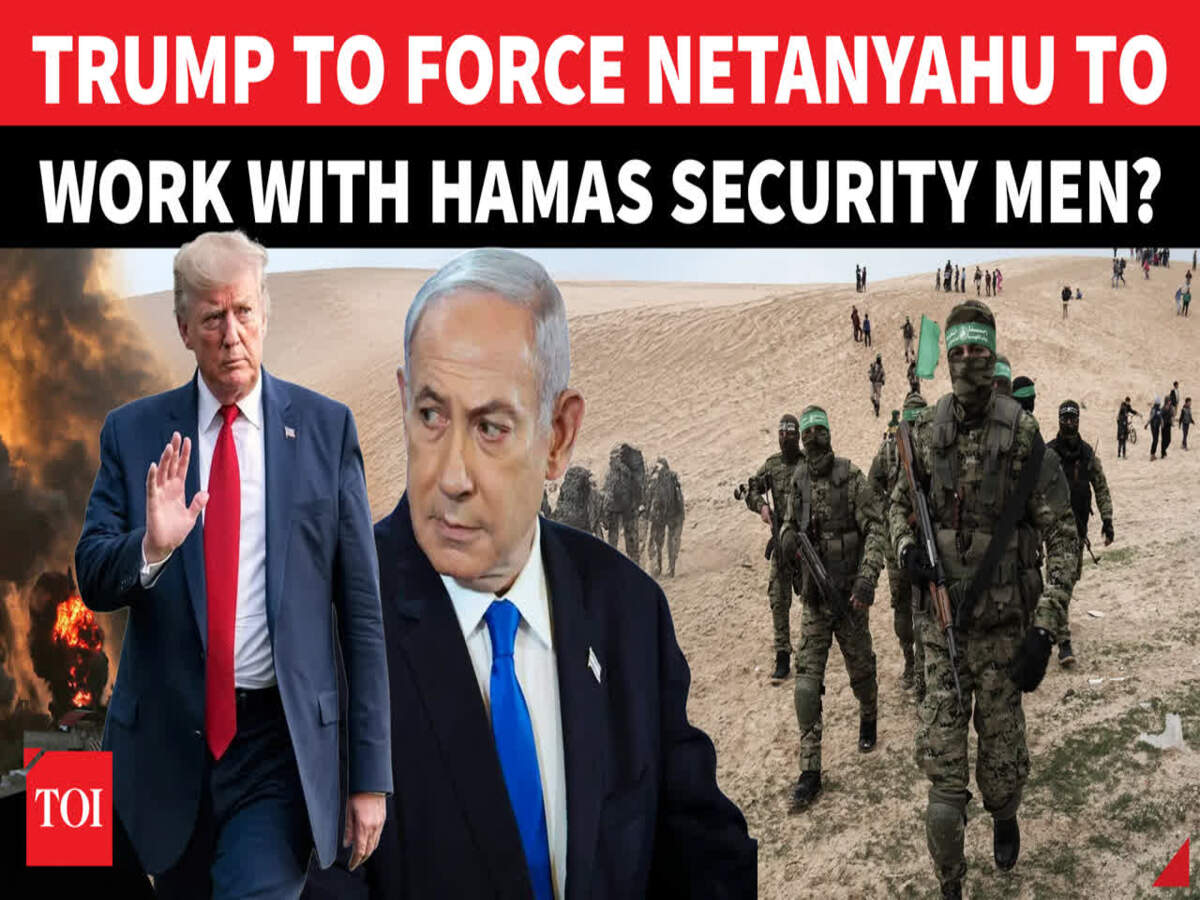


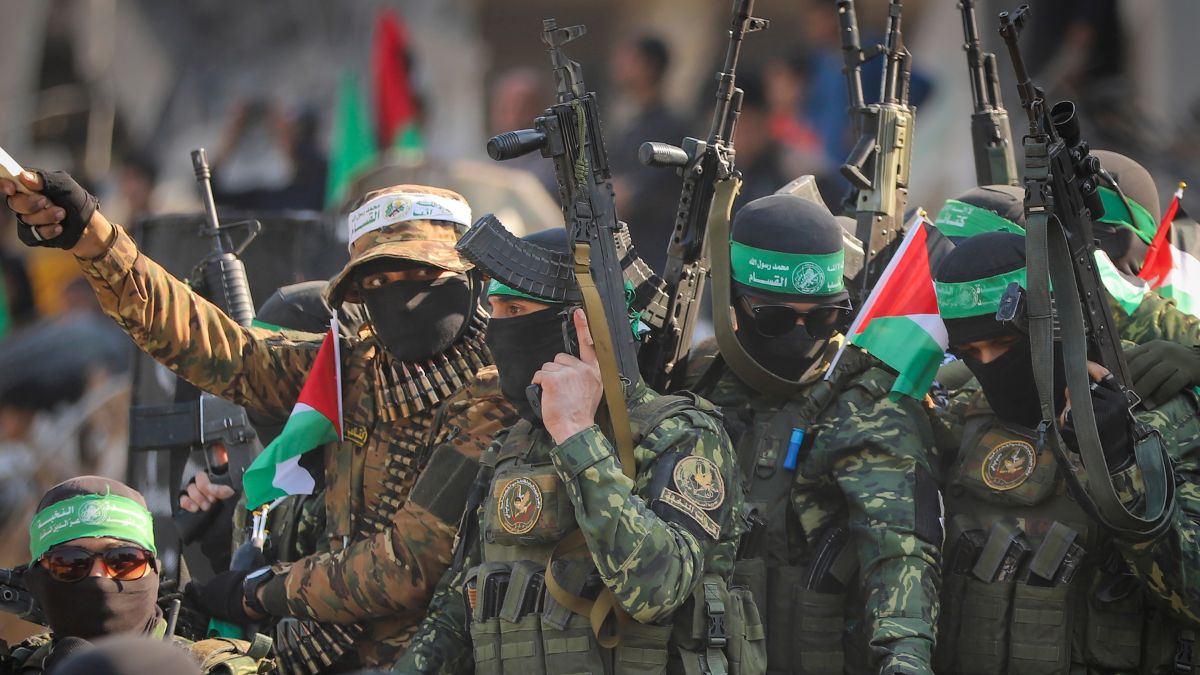)
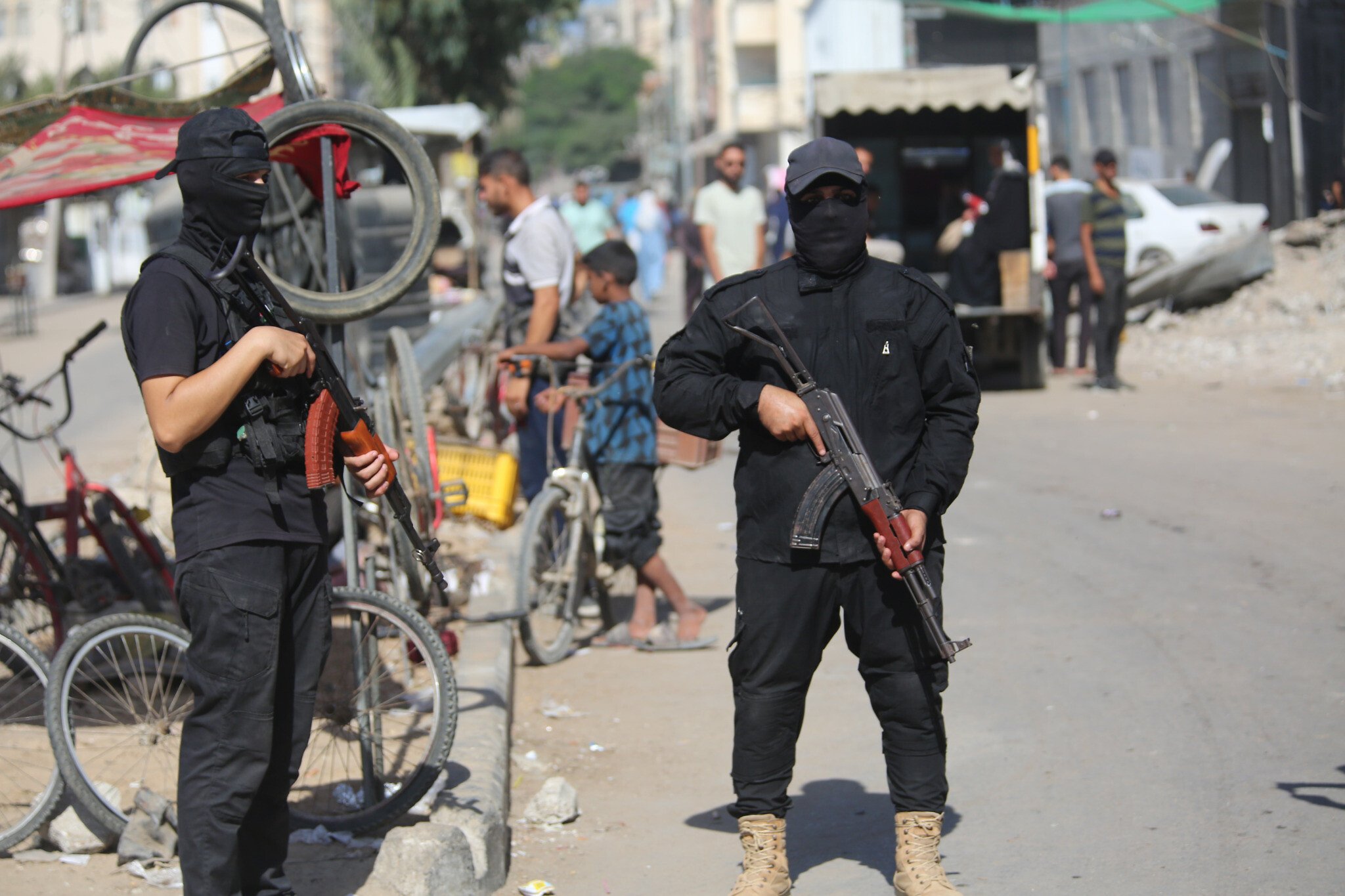
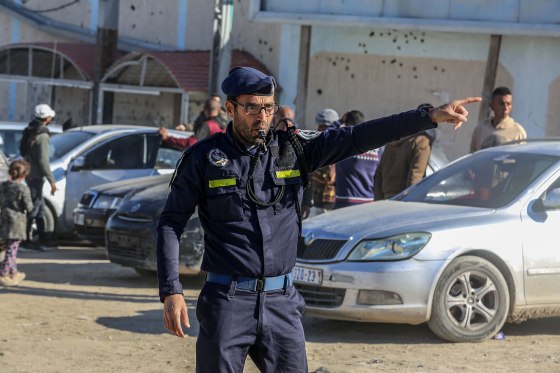
概览
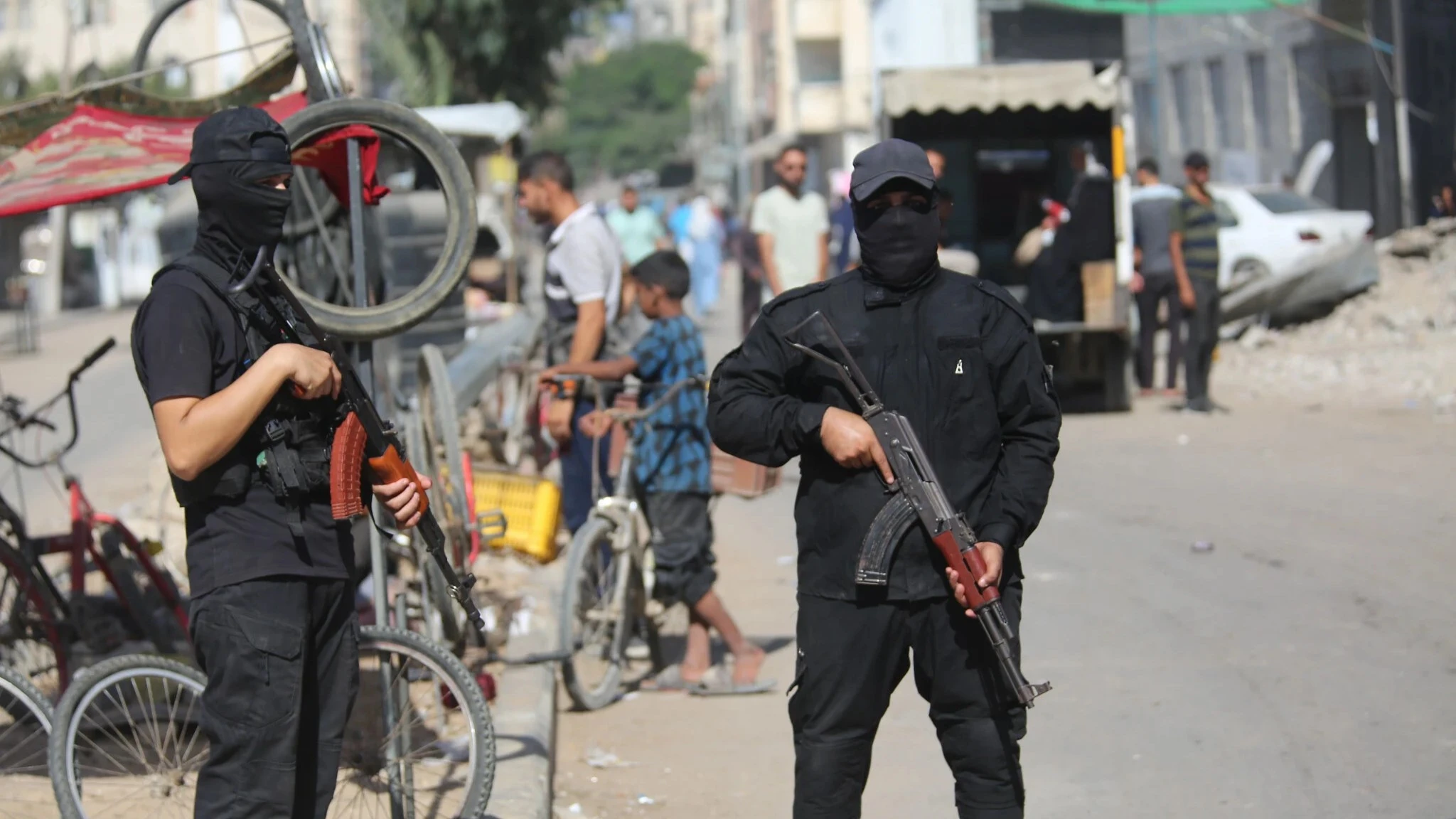
The January 27, 2026 recovery of the last Israeli captive from Gaza marks a critical inflection point for cross-border e-commerce sellers targeting the Middle East and North Africa (MENA) region. The Gaza ceasefire agreement negotiated in October 2025 has entered phase two implementation, with the Rafah border crossing reopening as a central requirement. Trump's 20-point Gaza plan explicitly mandates "unrestricted humanitarian aid flow" and restoration of the Egypt-Gaza border corridor—infrastructure that directly impacts logistics networks, supply chain routing, and market accessibility for sellers.
Market Access Implications for Sellers: The reopening of Rafah represents the first major border infrastructure change in Gaza since 2007, creating immediate opportunities in humanitarian goods, reconstruction materials, and consumer products. Cross-border sellers specializing in medical supplies, hygiene products, food items, and building materials can now access a previously restricted market of 2.3 million Palestinians. Historical precedent from similar conflict-resolution scenarios (Iraq 2011, Syria 2016) shows 40-60% surge in humanitarian product demand within 6 months of border reopening. Sellers should anticipate increased demand for categories including: first-aid kits, water purification systems, solar power equipment, and educational materials—products typically experiencing 3-5x volume increases during post-conflict reconstruction phases.
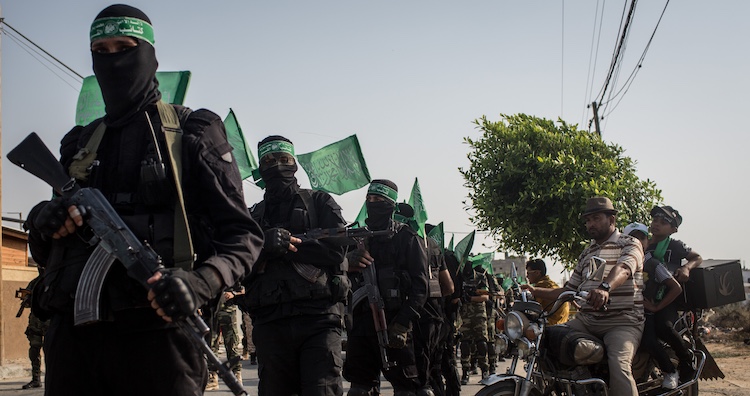
Logistics and Compliance Considerations: The Rafah crossing reopening creates new fulfillment pathways through Egypt, potentially reducing shipping times from 21-28 days (via alternative routes) to 7-10 days for sellers using Egyptian 3PL providers. However, sellers must navigate evolving customs regulations as Egypt and Palestinian authorities establish new import protocols. The amnesty provisions for Hamas members and ongoing phase-two negotiations suggest regulatory frameworks remain fluid through Q2 2026. Sellers should monitor Turkish and Qatari logistics partners (referenced in Foreign Minister Fidan's January 27 meeting with Hamas officials) as these nations are positioning themselves as key humanitarian corridors.
Consumer Behavior Shift: The ceasefire signals stabilization of Palestinian purchasing power, with international organizations projecting $2.8B in humanitarian reconstruction spending over 24 months. This creates B2B opportunities for sellers supplying NGOs, UN agencies, and local retailers restocking inventory. Additionally, diaspora communities and international buyers purchasing gifts for Palestinian family members represent a growing consumer segment—estimated at 15-20% volume increase in categories like apparel, electronics, and home goods targeting MENA audiences.
问题 8
How does the ceasefire timeline affect seller planning and inventory decisions?
The January 27, 2026 captive recovery marks phase-one completion; phase-two implementation (border reopening, humanitarian aid flow) is expected by March-April 2026 based on the Trump plan timeline. Sellers should plan inventory shipments for March 2026 arrival to capture Q2 demand surge. The amnesty and disarmament process continues through Q2 2026, suggesting regulatory stability improves gradually. Conservative sellers should start with 30-40% of planned inventory in Q1, scaling to 100% by Q2 if customs protocols stabilize. Monitor Turkish and Qatari diplomatic updates weekly, as these signal regulatory progress.
What are the financial implications of entering the Palestinian market for sellers?
Market entry costs include: Egyptian 3PL setup ($2,000-5,000), customs broker fees ($500-1,500 per shipment), and Arabic localization ($1,000-3,000). However, the 2.3 million population and $2.8B reconstruction spending create 18-24 month ROI potential for sellers investing early. Humanitarian goods categories show 40-60% volume premiums versus baseline MENA markets. Sellers should allocate $10,000-25,000 initial investment for inventory, logistics, and compliance by Q1 2026. Payment processing requires partnerships with **Telr**, **2Checkout**, or **Wise** for Palestinian Authority transactions, adding 2-3% processing fees.