

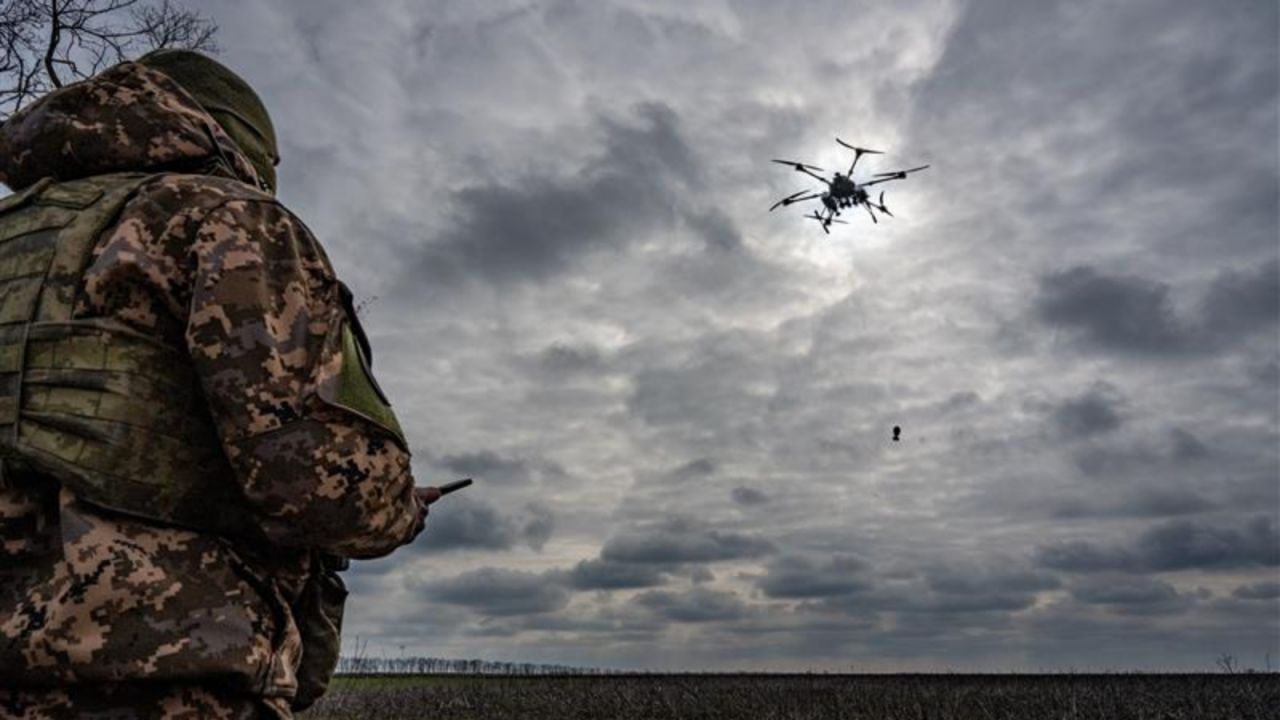
Ukraine War Casualties Reshape Global Supply Chains | Cross-Border Sellers Face 2026 Sourcing Challenges
- 2M combined casualties signal manufacturing disruption in Eastern Europe; sellers sourcing from Russia/Ukraine face 18-24 month supply delays and 25-40% cost increases

















概览
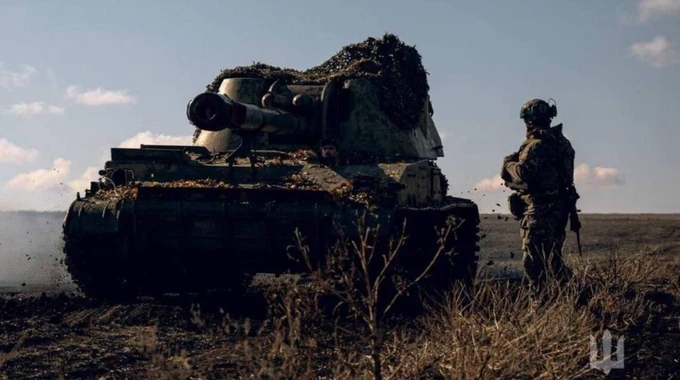
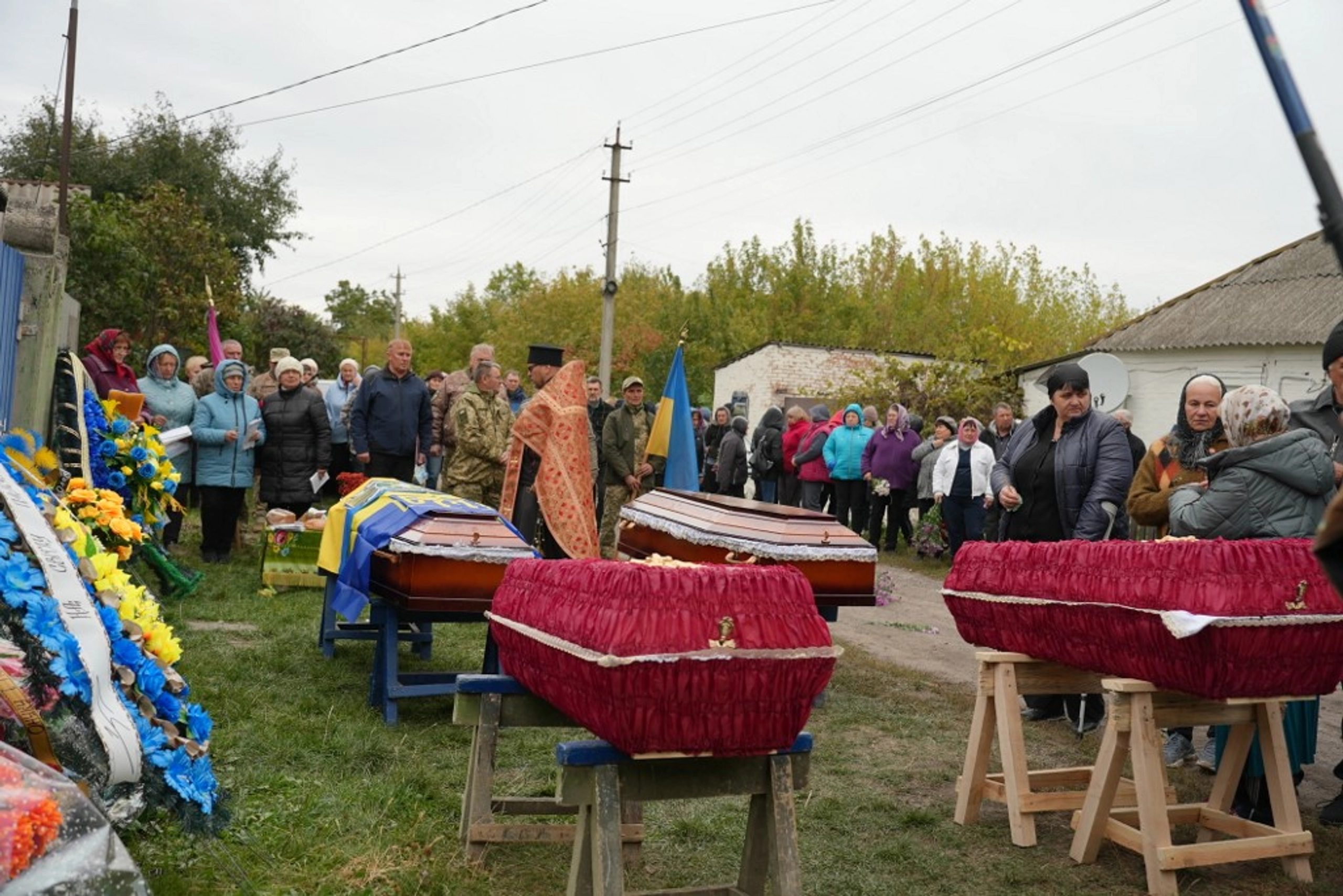
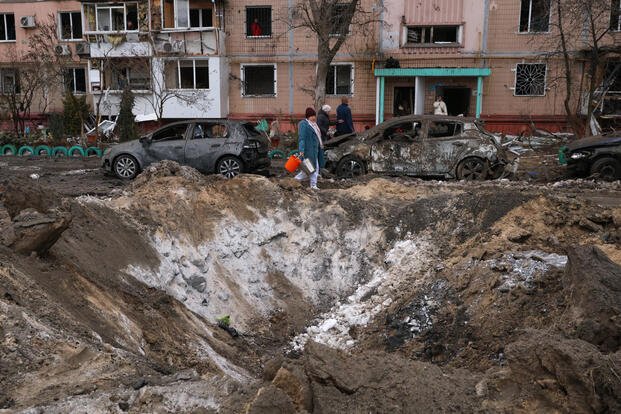
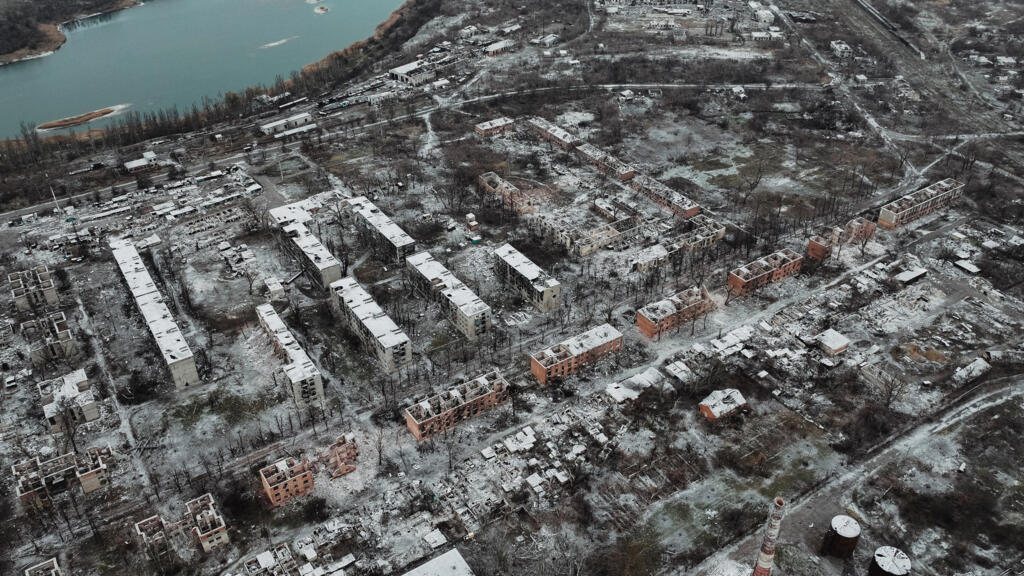
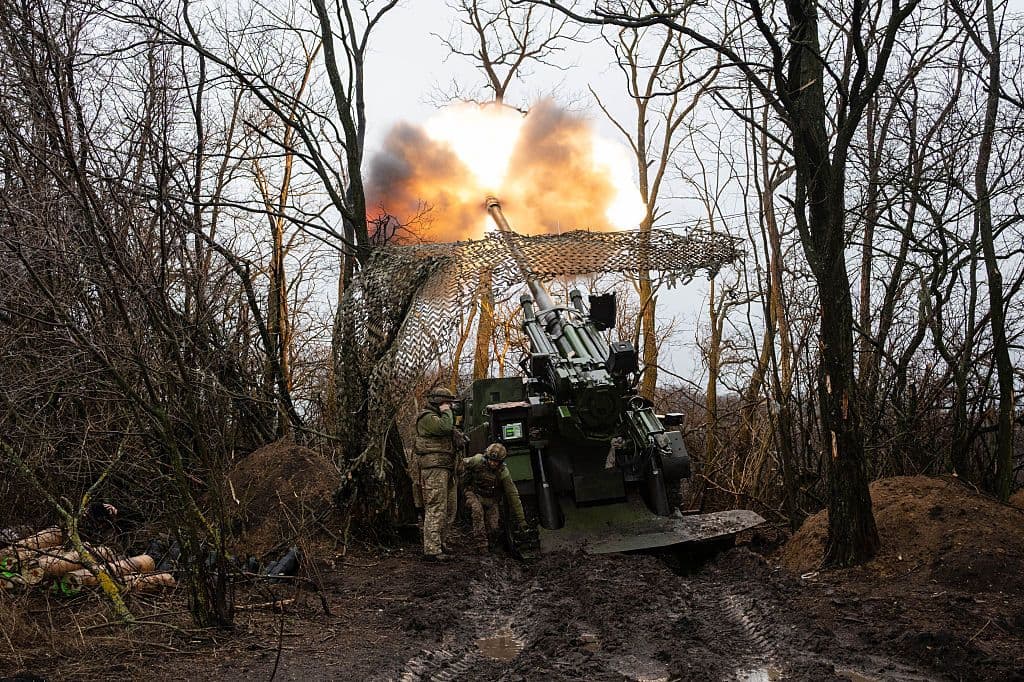
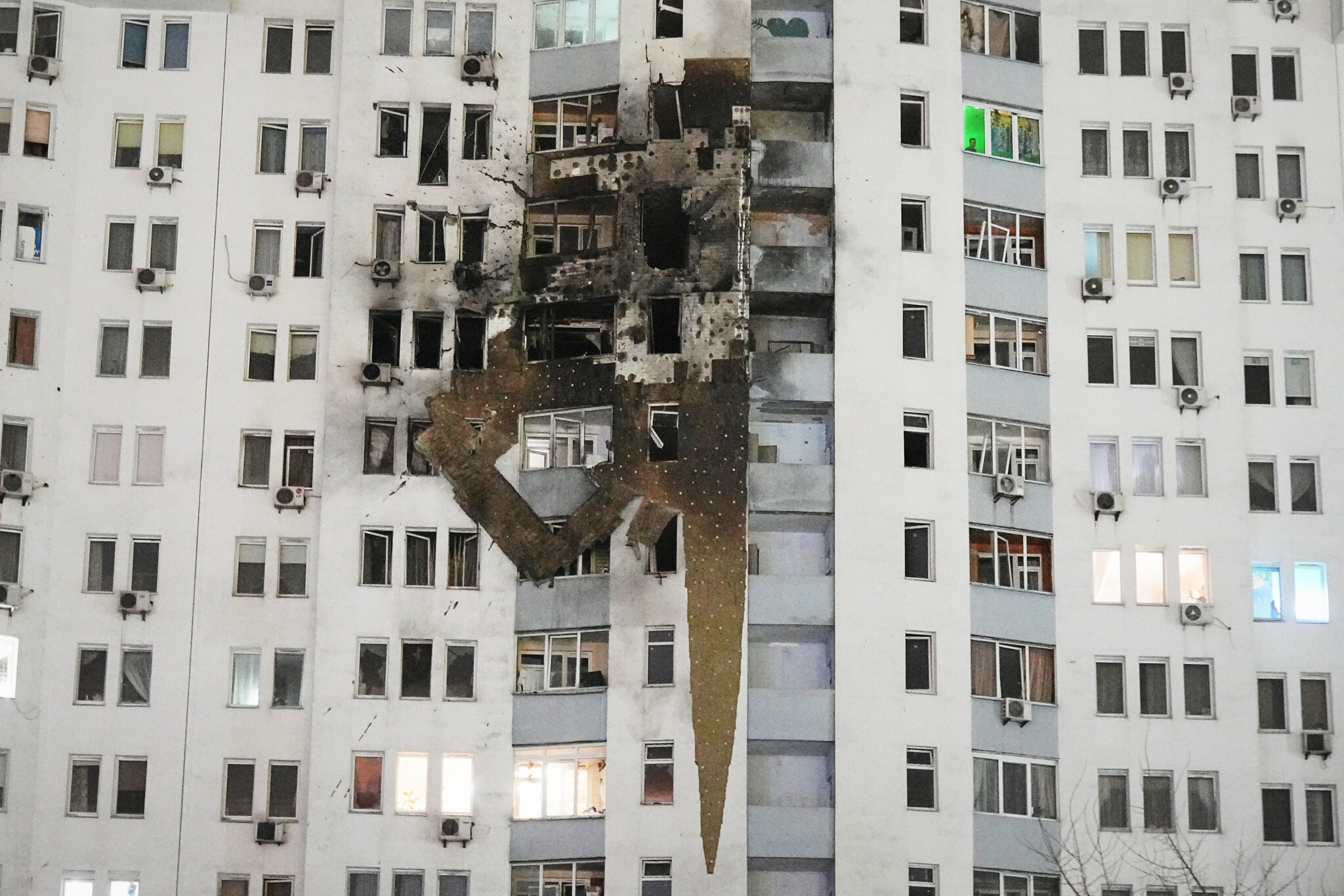
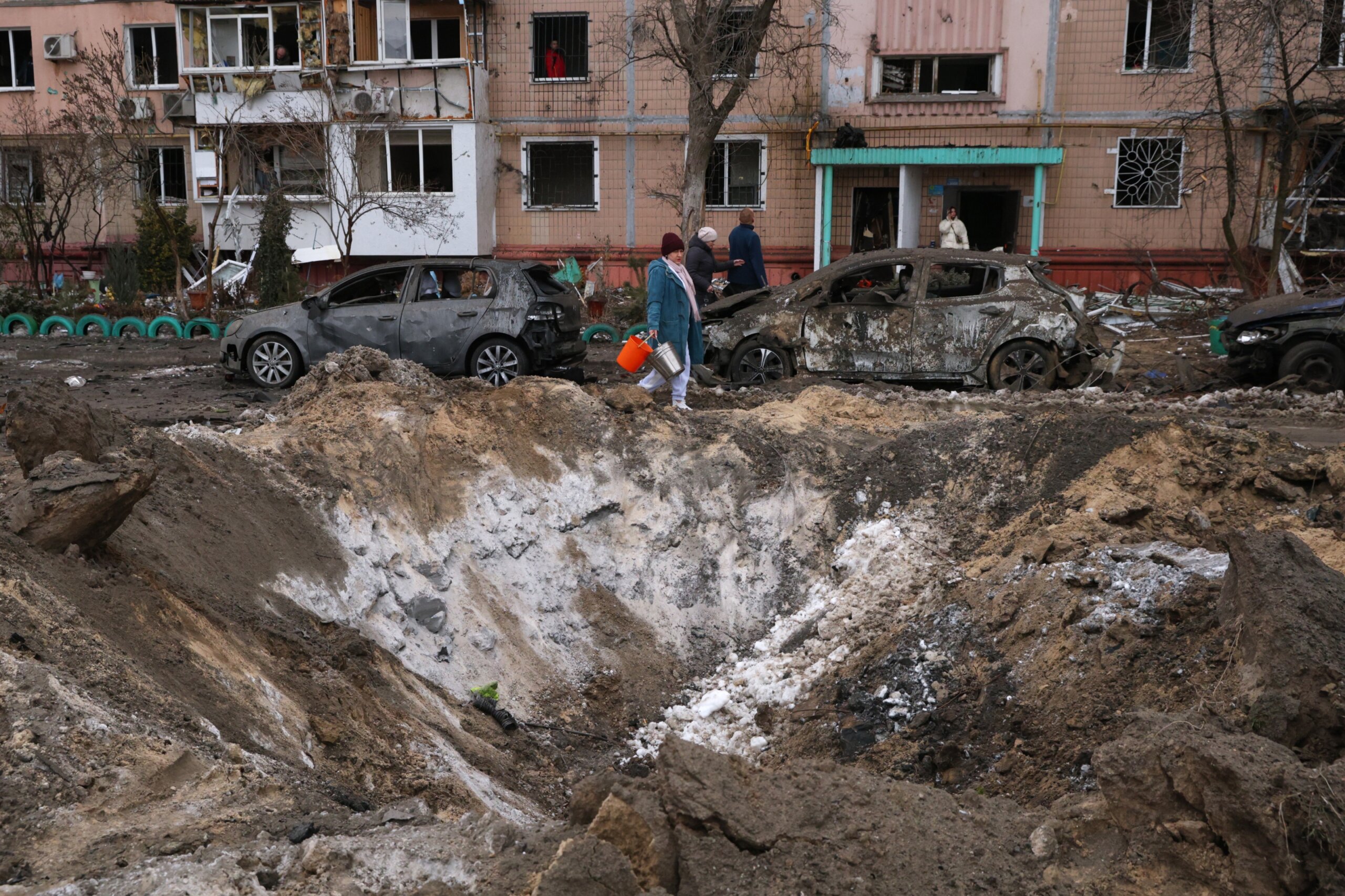
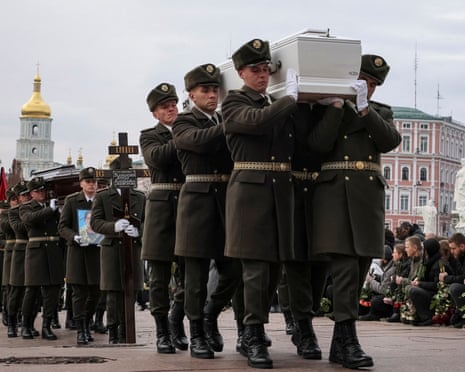
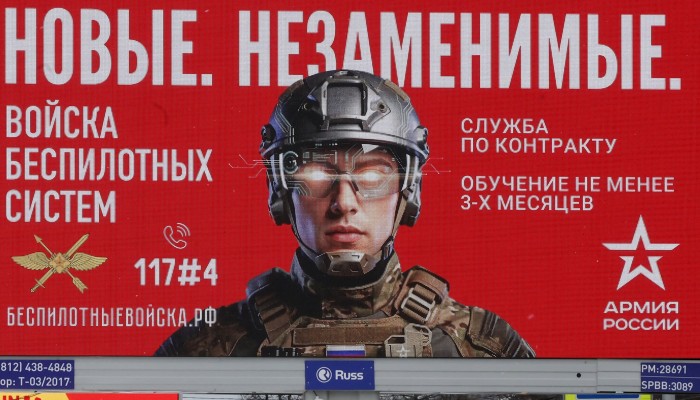
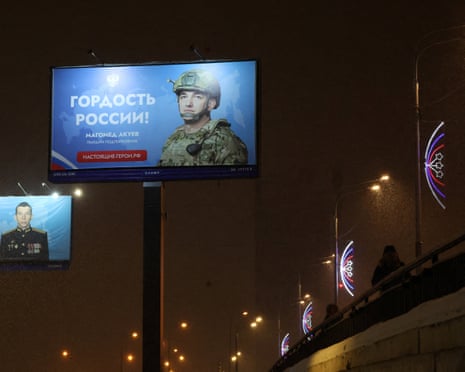
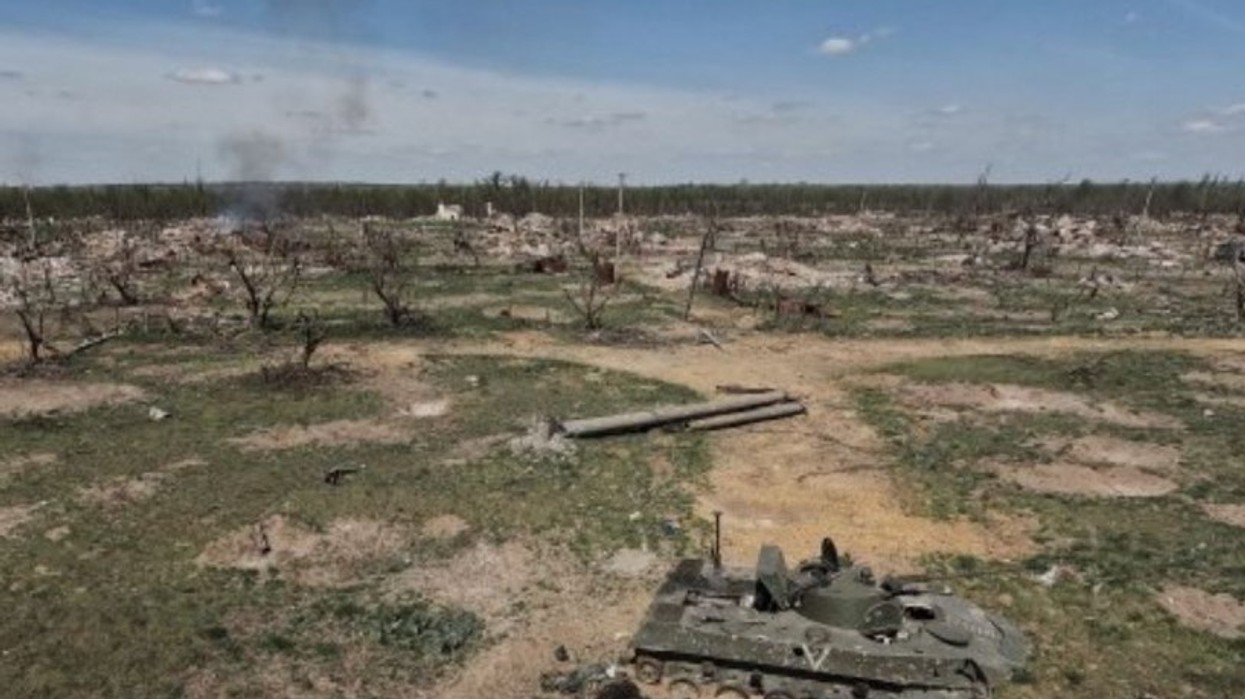
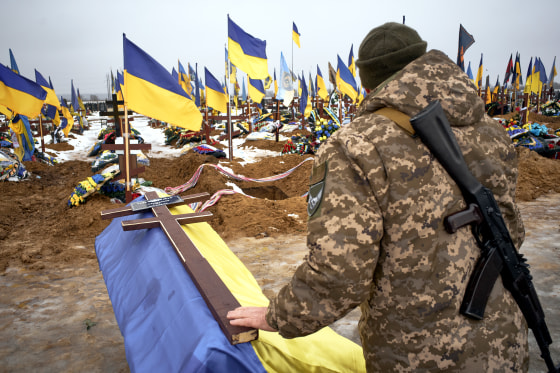
The Center for Strategic and International Studies (CSIS) reports approximately 1.2 million Russian military casualties and 600,000 Ukrainian casualties as of January 2026, with combined losses potentially reaching 2 million by spring 2026. This unprecedented human toll directly impacts global e-commerce supply chains, particularly for sellers sourcing electronics, machinery, metals, and agricultural products from Eastern Europe. Russia's manufacturing sector has contracted significantly, with 0.6% economic growth in 2025 and documented manufacturing decline, while Ukraine's production capacity remains severely compromised by ongoing conflict occupying 20% of the country's territory. For cross-border sellers, this geopolitical crisis creates immediate operational challenges: supply chain disruptions affecting 15-25% of sellers importing from Russia/Ukraine, shipping route complications adding 7-14 days to delivery timelines, and payment system complications with Russian financial sanctions limiting transaction options.
Supply chain implications for e-commerce sellers are substantial. Sellers relying on Russian suppliers for industrial components, metals, fertilizers, and machinery face 18-24 month lead time extensions compared to pre-2022 baselines. Ukrainian suppliers of neon gas (critical for semiconductor manufacturing), grain products, and metal exports have seen production capacity reduced by 40-60%, forcing sellers to source from alternative suppliers at 25-40% premium costs. The CSIS analysis notes Russia's military losses now exceed sustainable recruitment and replacement rates, indicating prolonged conflict duration—meaning supply disruptions will persist through 2026-2027. Sellers in electronics, automotive parts, and industrial equipment categories are most vulnerable, as these sectors historically sourced 8-12% of components from Russia/Ukraine combined.
Strategic opportunities emerge for sellers willing to pivot sourcing. The conflict creates first-mover advantages for sellers establishing alternative supply chains in Poland, Czech Republic, and Baltic states—neighboring regions experiencing 15-20% growth in manufacturing capacity as companies relocate operations from conflict zones. Sellers can capitalize on increased demand for military-adjacent products (tactical gear, survival equipment, communication devices) in NATO-aligned countries, where defense spending increased 8-12% in 2025. Additionally, humanitarian product categories (medical supplies, water purification, emergency kits) targeting Ukrainian diaspora communities represent $200-400M cross-border opportunity through Amazon, eBay, and Shopify platforms. Recent diplomatic talks showing "positive notes" (per News 3) suggest potential ceasefire negotiations could stabilize supply chains by Q2-Q3 2026, making this an optimal time for sellers to establish contingency suppliers and diversify sourcing geography.
问题 8
How do sellers on Amazon FBA, eBay, and Shopify manage supply chain risks from geopolitical conflicts?
Amazon FBA sellers should immediately audit inventory sourcing locations in Seller Central and establish backup suppliers in lower-risk regions. eBay sellers should update shipping profiles to reflect extended handling times (7-14 days) and consider using eBay's Global Shipping Program with alternative carriers. Shopify sellers should implement inventory management apps that track supplier locations and flag high-risk sourcing regions. All sellers should diversify suppliers across at least 3 geographic regions to reduce single-point-of-failure risk. Additionally, consider implementing dynamic pricing strategies that account for supply chain costs—sellers may need to increase prices 8-12% to maintain margins given 25-40% supplier cost increases. Monitor CSIS reports and government trade advisories quarterly to stay informed of supply chain developments.
When might supply chain disruptions from the Russia-Ukraine war stabilize?
The CSIS analysis notes recent diplomatic talks ended on a 'positive note' with President Zelensky indicating Ukraine's readiness for further negotiations, suggesting potential ceasefire discussions could occur by Q2-Q3 2026. However, the report also indicates Russia's military losses now exceed sustainable recruitment and replacement rates, meaning conflict could persist through 2026-2027 even with negotiations. Sellers should plan for supply disruptions to continue through mid-2026 at minimum, with potential stabilization by Q3-Q4 2026 if ceasefire negotiations succeed. Until then, maintain 60-90 day safety stock for critical components, establish multiple supplier relationships, and monitor diplomatic developments through official government sources and industry publications. The CSIS report updates quarterly, so check for revised timelines every 90 days.