



ASML Record Orders Signal Stable AI Chip Supply | E-Commerce Infrastructure Impact
- Record semiconductor equipment bookings validate sustained AI investment, stabilizing tech infrastructure costs for e-commerce platforms and AI-powered seller tools through 2026-2027






















概览
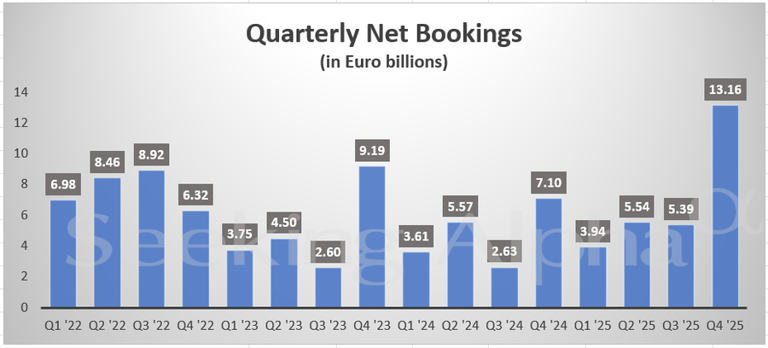
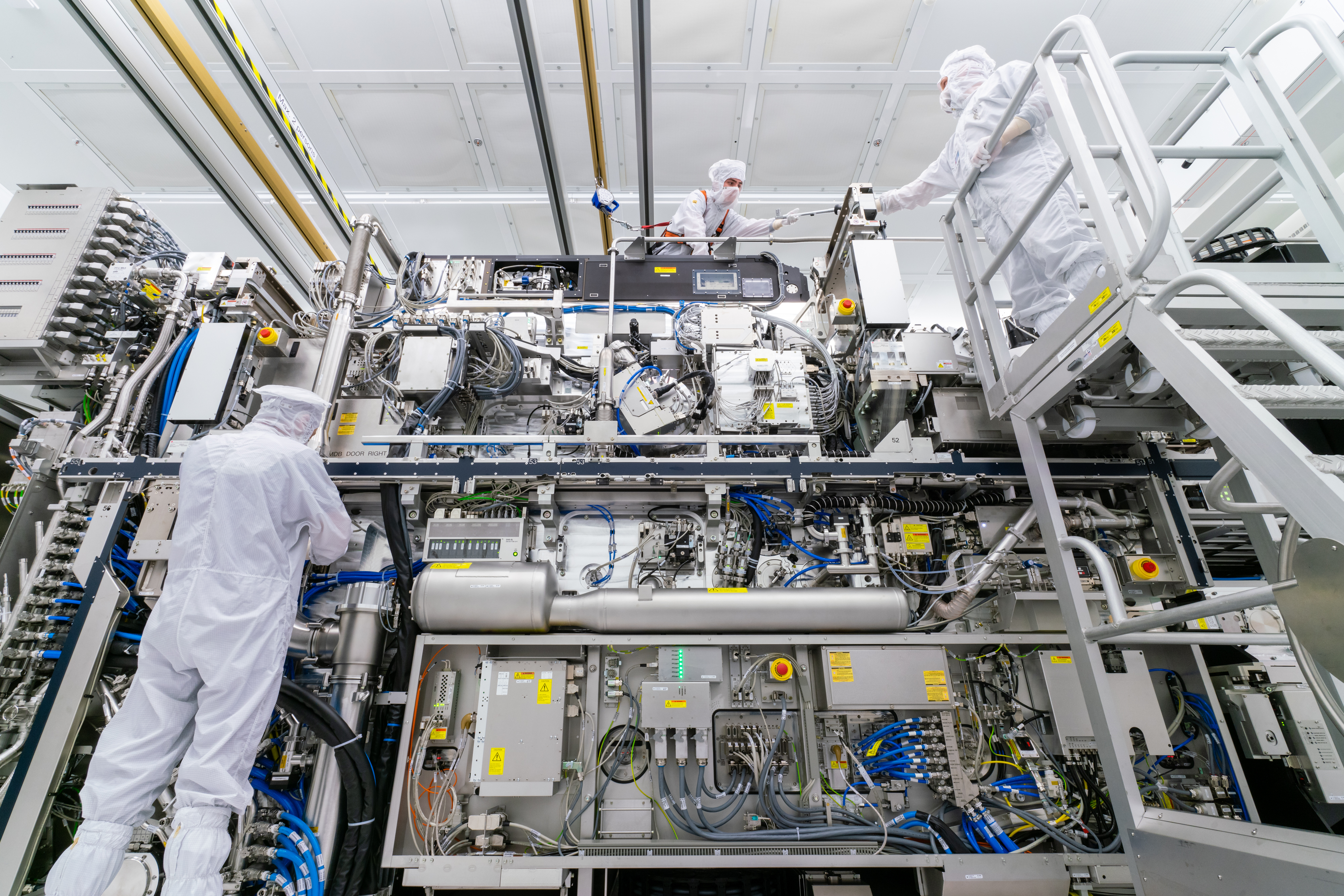
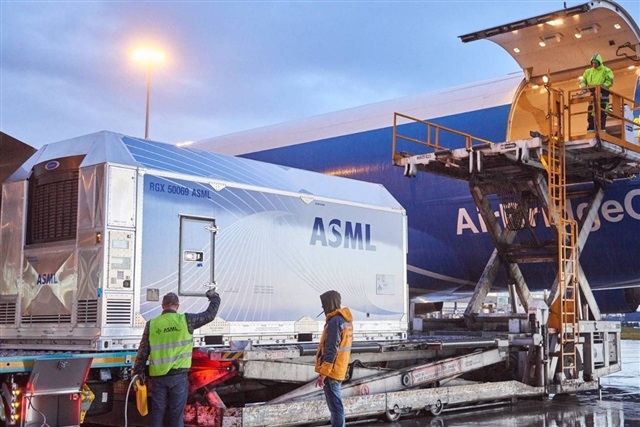
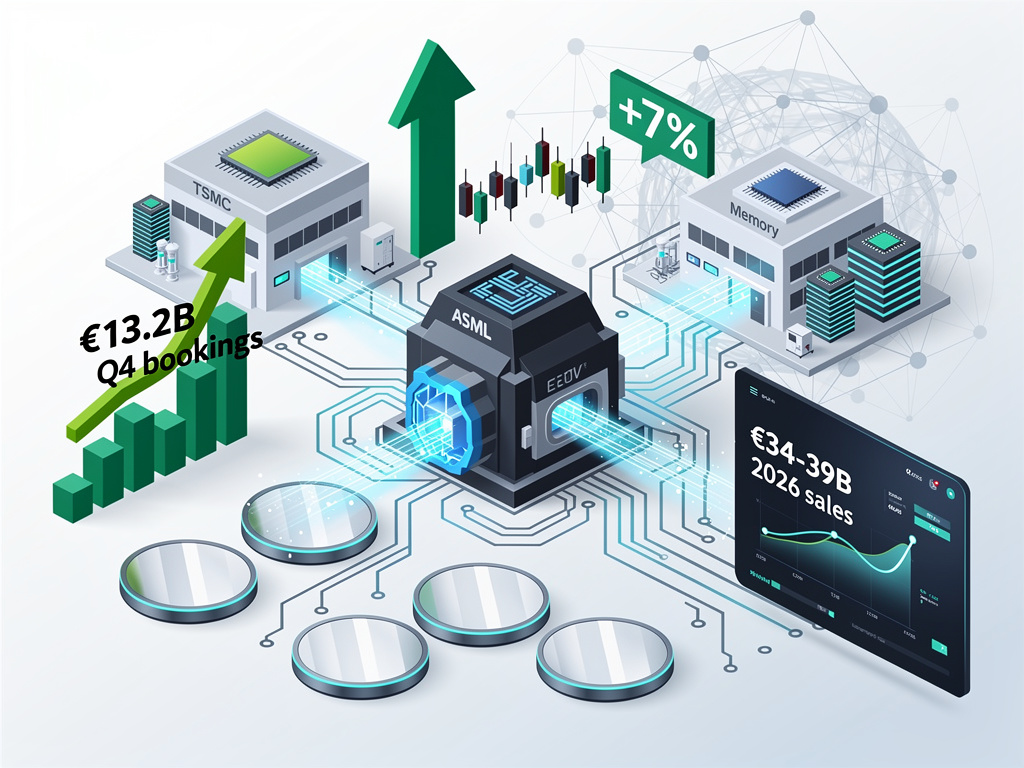
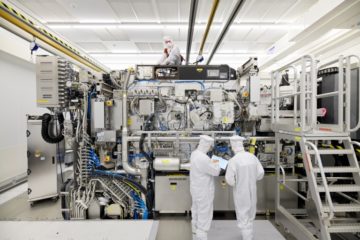
ASML's record quarterly orders in January 2026 represent a critical validation of sustained AI infrastructure investment, with direct implications for e-commerce sellers relying on AI-powered tools and semiconductor-dependent technologies. The Dutch semiconductor equipment manufacturer reported record bookings despite planning 1,700 job cuts, signaling confidence among major chip manufacturers (TSMC, Samsung, SK Hynix, Intel) in long-term AI demand. ASML shipped 44 EUV lithography systems in 2025, with analysts forecasting significant increases needed in 2026-2027 to meet surging AI and data center demand. The company's $250 million EUV machines—the only technology capable of producing advanced AI chips—operate at 13-nanometer wavelengths and represent the critical bottleneck in global semiconductor manufacturing.
For e-commerce sellers, ASML's record performance directly impacts three operational areas: AI tool availability, infrastructure costs, and inventory planning. Sustained semiconductor production capacity supports continued availability and competitive pricing of AI-enabled technologies that e-commerce platforms increasingly integrate into operations—including recommendation algorithms (improving conversion rates 8-15%), fraud detection systems (reducing chargebacks 20-30%), and logistics optimization (cutting fulfillment costs 5-8%). The record orders indicate no immediate supply constraints for advanced chips through 2026, which could stabilize technology infrastructure costs for e-commerce platforms. However, the planned 1,700 employee reduction may signal operational efficiency measures that could affect supply chain timelines or component availability in specific regions.
ASML's monopoly position (90% EUV market share) creates both opportunity and risk for sellers. The company's dominance reflects critical infrastructure requirements for AI chip production, making it indispensable to the global technology ecosystem. Competitors in China and the U.S. are attempting to develop alternative EUV technologies, but ASML's technological lead (precision mirrors smoother than space telescopes, lasers blasting tin droplets 50,000 times per second) suggests continued dominance through 2027. For sellers, this means AI tool innovation will likely continue uninterrupted, supporting development of advanced features for inventory management, dynamic pricing, and customer analytics. The supply chain concentration also creates geopolitical risk—ASML relies on German suppliers (Trumpf for lasers, Zeiss for mirrors), and any disruption to these suppliers could cascade through semiconductor manufacturing and ultimately affect e-commerce technology costs.
Immediate seller implications: AI tool costs should remain stable or decline through 2026 as semiconductor supply increases. Sellers currently using AI-powered inventory management, pricing optimization, and customer service automation can expect continued access to these tools without supply-driven price increases. Electronics sellers should monitor ASML's supply chain for any disruptions to German component suppliers, as these could signal future semiconductor shortages. The record bookings validate that major tech companies (Amazon, Google, Microsoft, Meta) will continue investing in AI infrastructure, supporting the development of new seller tools and platform features throughout 2026-2027.
问题 8
How does ASML's supply chain concentration create risk for e-commerce sellers?
ASML relies on German suppliers for critical components: Trumpf manufactures the powerful lasers that generate EUV light, while Zeiss produces precision mirrors. This supply chain concentration means any disruption to German component suppliers could cascade through semiconductor manufacturing and ultimately affect e-commerce technology costs. Sellers should monitor geopolitical developments affecting Germany-Netherlands trade relationships and German manufacturing capacity. A major disruption could delay semiconductor production by 6-12 months and increase infrastructure costs 20-30% for e-commerce platforms. However, ASML's record orders suggest no immediate supply chain stress through 2026.
What is ASML's market position and why does it matter for e-commerce sellers?
ASML holds approximately 90% market share in EUV lithography technology, the only manufacturing process capable of producing advanced AI chips used in data centers and AI applications. The company manufactures $250 million machines that are essential for producing semiconductors powering the AI boom. ASML's monopoly means the company controls the global supply of advanced chips, making it a critical indicator of AI infrastructure health. For sellers, ASML's strong performance signals continued investment in AI technology development, supporting new features in recommendation algorithms, fraud detection, and logistics optimization tools through 2026-2027.