


Windows 11 Update Crisis Threatens E-Commerce Seller Operations | KB5074109 Boot Failures & Modem Removal
- Critical system failures affecting 24H2/25H2 versions; modem support removal forces hardware upgrades; seller infrastructure at risk with no Microsoft hotfix timeline



















概览
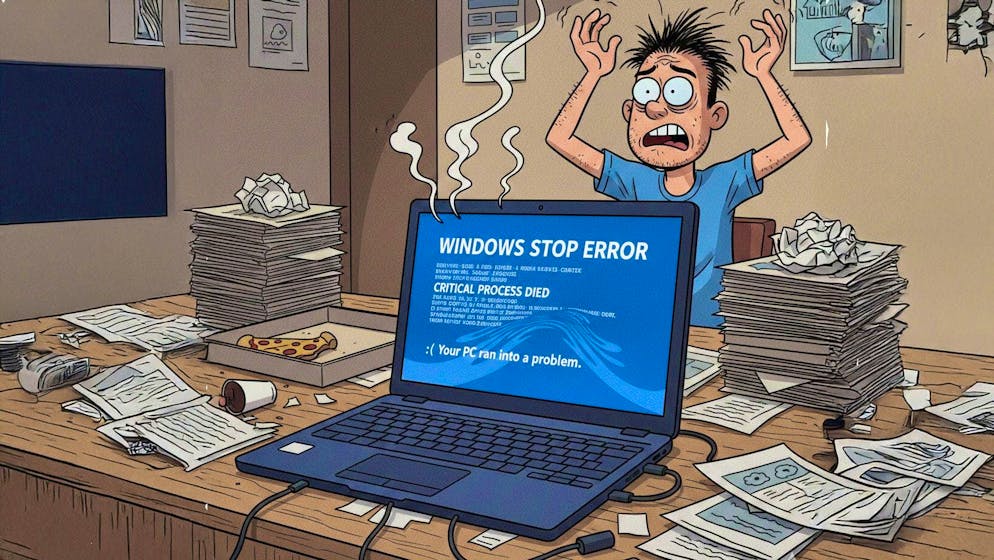
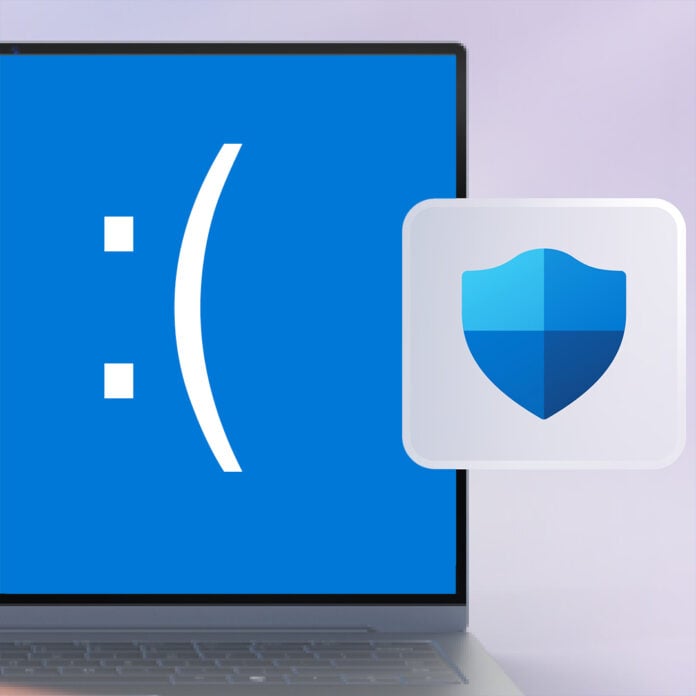
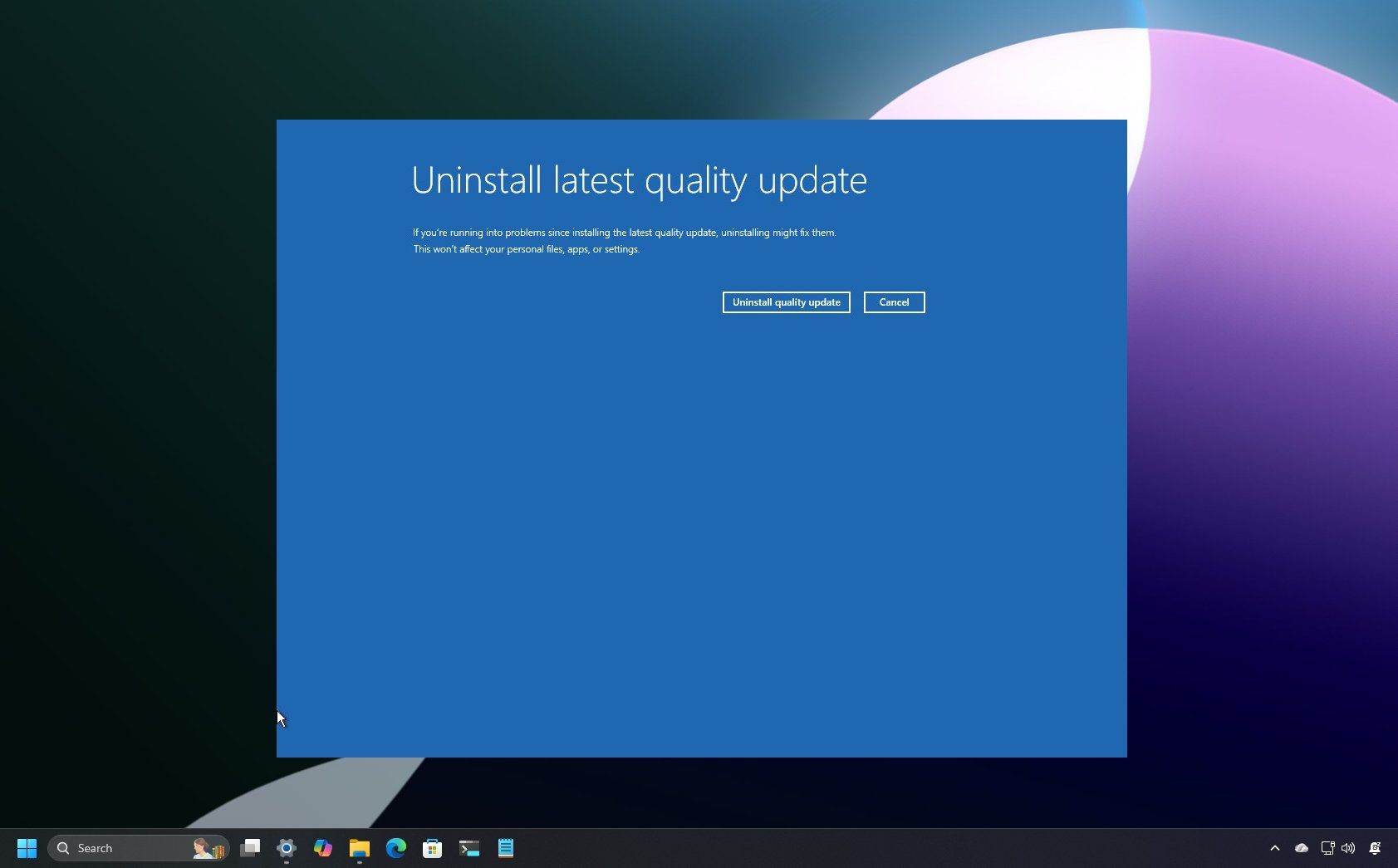
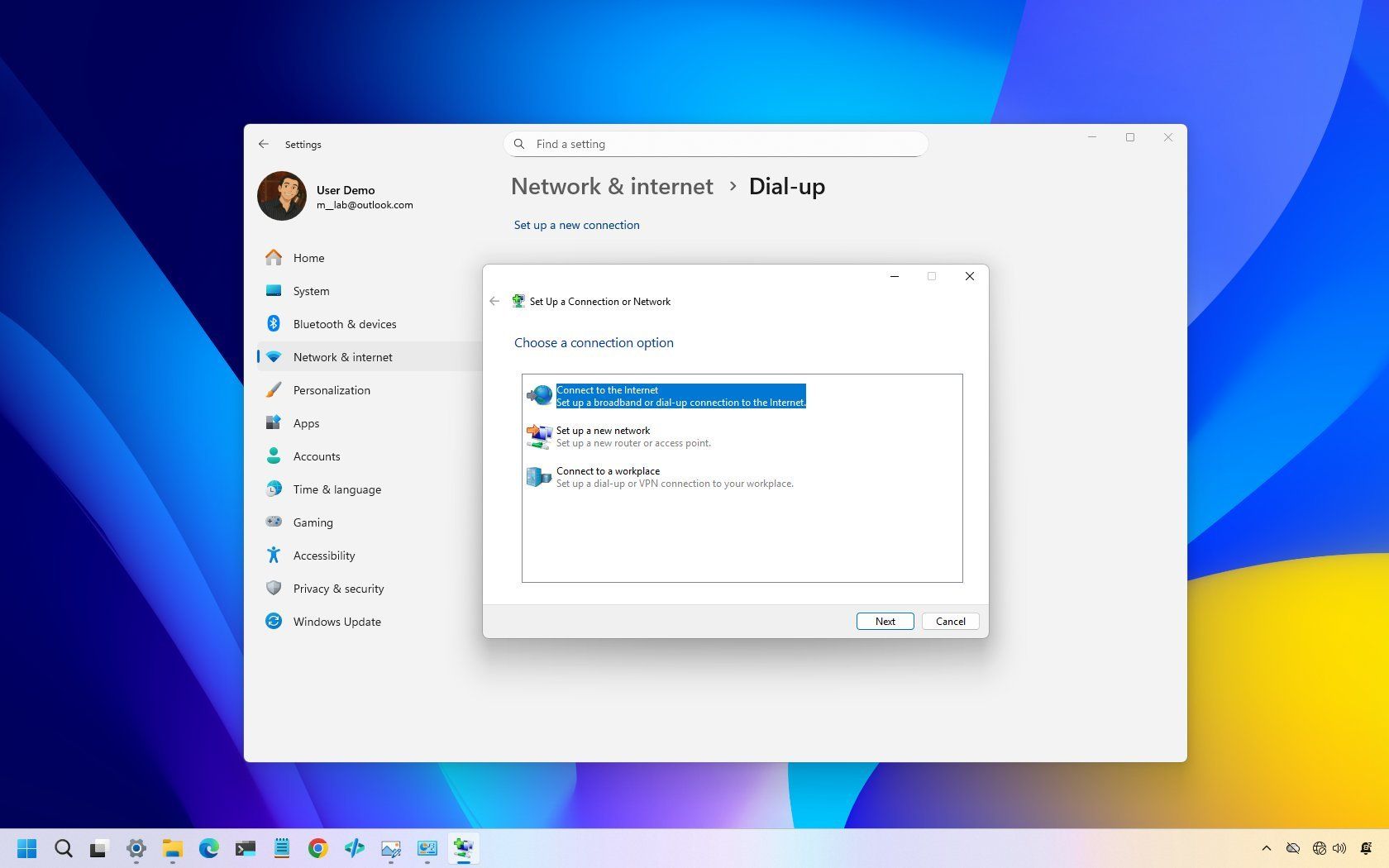
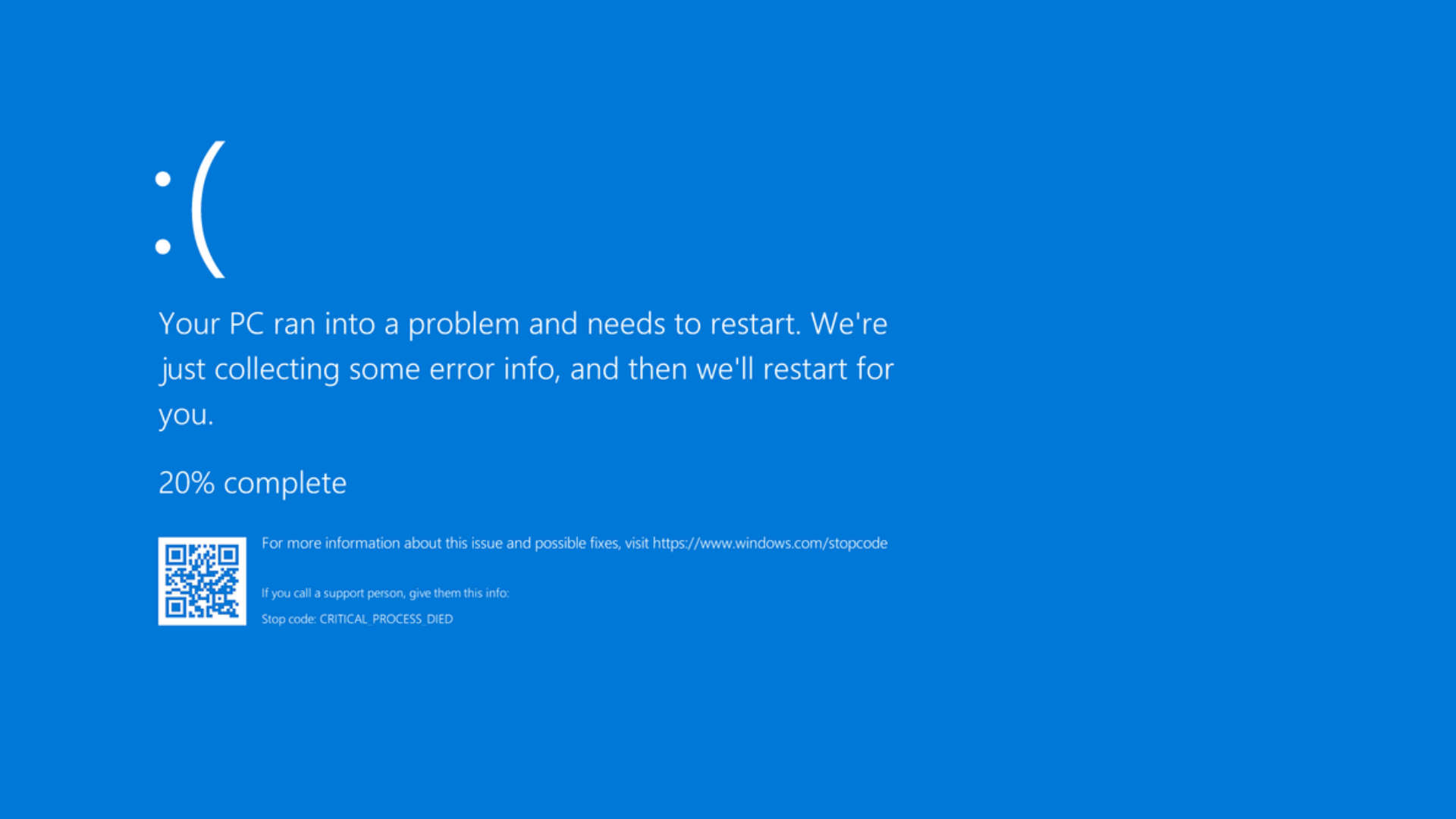
Microsoft's January 2026 Windows 11 update KB5074109 has triggered a cascading infrastructure crisis affecting e-commerce sellers who depend on Windows-based business systems. The update has caused two critical failures: widespread PC boot failures affecting Windows 11 versions 24H2 and 25H2, and intentional removal of modem driver support—which Microsoft characterizes as a deliberate policy shift rather than a bug. This distinction is significant because it signals no hotfix is planned, forcing affected users toward hardware replacement rather than software remediation.
For cross-border e-commerce sellers, this represents a serious operational risk. Sellers operating Windows 11 systems for critical business functions—including inventory management, order processing, accounting software, and marketplace integration tools—face potential downtime without advance warning or recovery options. The 0x800F0905 error blocking update rollbacks compounds the problem, trapping users in failed states. Sellers in regions with limited broadband infrastructure (rural areas, developing markets) face particular vulnerability if modem support removal forces connectivity disruptions. The broader pattern of Windows 11 instability throughout 2025—including emergency patches for Notepad and Xbox software—indicates systemic quality assurance failures at Microsoft, raising concerns about future update reliability.
The operational impact extends across seller segments. Small sellers (1-10 employees) operating on tight IT budgets may lack backup systems or rapid hardware replacement capacity, creating potential 24-48 hour outages during critical sales periods. Mid-market sellers using Windows 11 for 3PL integration, customs documentation, and payment processing face compliance risks if systems fail during order fulfillment windows. Sellers in Asia-Pacific and emerging markets relying on modem-based connectivity for backup internet access lose redundancy options. The lack of Microsoft communication about affected user populations, specific error codes, or resolution timelines creates uncertainty for IT planning and budget allocation. This incident underscores the tension between Microsoft's modernization agenda and backward compatibility requirements—a pattern that will likely repeat with future updates, making Windows infrastructure increasingly unpredictable for business-critical operations.
问题 8
Which seller segments face the highest risk from Windows 11 update failures?
Small sellers (1-10 employees) with limited IT budgets and no backup systems face the highest risk of extended downtime. Mid-market sellers using Windows 11 for 3PL integration, customs documentation, and payment processing risk compliance violations if systems fail during critical fulfillment windows. Sellers in rural areas or developing markets relying on modem-based backup internet connectivity lose redundancy options with the driver removal. Sellers operating legacy accounting software or inventory systems on Windows 11 may face compatibility issues if they attempt workarounds. The lack of Microsoft communication about affected user populations makes risk assessment difficult for IT planning.
How does Windows 11 KB5074109 update affect e-commerce seller operations?
Microsoft's January 2026 KB5074109 update causes two critical failures: PC boot failures in Windows 11 versions 24H2 and 25H2, and intentional removal of modem driver support. For sellers, this creates immediate operational risk if inventory management, order processing, or payment systems run on affected Windows 11 machines. The update blocks rollback attempts with 0x800F0905 errors, trapping users in failed states. Sellers should immediately audit which business-critical systems run Windows 11 24H2/25H2 and test update installation in isolated environments before deploying to production systems. Microsoft has not announced a hotfix timeline, indicating affected users must pursue hardware upgrades or alternative solutions.