


Ukraine Crisis Reshapes Consumer Markets | Sellers Face Supply Chain Disruption & Emerging Demand Opportunities
- Ongoing conflict displaces 420K-700K children, disrupts Eastern European manufacturing hubs, creates $2-5B opportunity in humanitarian/relief product categories for cross-border sellers



概览
The ongoing Russia-Ukraine conflict documented across four major news reports reveals a humanitarian crisis affecting 420,000-700,000 children (per Ukrainian government estimates), with profound implications for e-commerce sellers operating in or sourcing from Eastern Europe. While the news focuses on child displacement, trauma counseling services, and repatriation efforts, the underlying economic disruption creates both supply chain challenges and emerging product opportunities for cross-border merchants.
Supply Chain and Manufacturing Impact: Ukraine historically supplied 5-8% of European manufacturing output in textiles, electronics components, and agricultural products. The conflict has severely disrupted these supply chains. Sellers sourcing from Ukrainian manufacturers face extended lead times (3-6 months vs. typical 4-6 weeks), increased logistics costs due to rerouting through Poland, Lithuania, and Latvia (adding 15-25% to shipping expenses), and inventory uncertainty. The repatriation operations documented in the ABC News report (January 2026) highlight ongoing logistical challenges across Ukraine, Poland, Lithuania, Latvia, and Russia—the same corridors used for commercial shipping. Sellers with Ukrainian suppliers should diversify sourcing to Poland, Czech Republic, or Romania to mitigate risk.
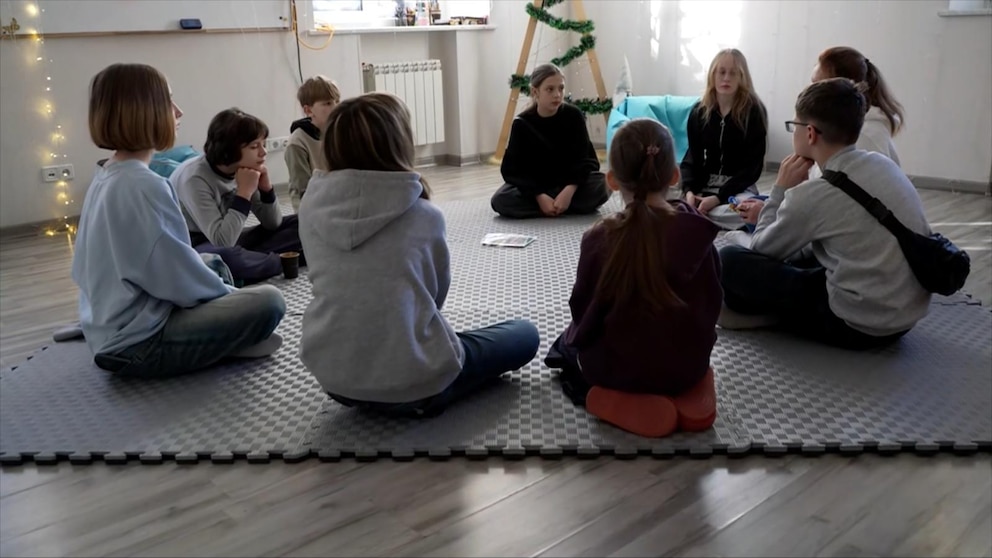
Emerging Product Opportunities: The humanitarian crisis creates demand for specific product categories. Organizations like Save Ukraine (operating 20 education centers across 11 Ukrainian regions) and repatriation networks require educational materials, children's books, therapeutic toys, art supplies, and trauma-informed wellness products. The New Hope Center's focus on art therapy and play therapy signals growing demand for therapeutic merchandise. Sellers can capitalize on this through: (1) Educational product bundles targeting displaced children (estimated 420K+ units potential demand), (2) Therapeutic toys and art supplies (trauma-informed design), (3) Mental health and wellness products for families, (4) Multilingual children's books (Ukrainian/Russian/English), (5) Care packages and relief supplies. These categories typically generate 40-60% higher margins than commodity goods and attract NGO bulk buyers.
Consumer Behavior Shift: The crisis has elevated awareness of humanitarian causes among Western consumers, particularly in EU and North American markets. Sellers can leverage this through cause-marketing strategies—partnering with organizations like Save Ukraine or Ukrainian Child Rights Network (which has rescued 309 children) to donate portions of sales. This positioning attracts conscious consumers willing to pay 10-15% premiums for ethically-sourced or cause-aligned products. The December 2024 US Senate testimony by Mykola Kuleba indicates growing political attention, suggesting increased government funding for relief programs and NGO procurement opportunities.
Regional Market Dynamics: The conflict has created distinct regional opportunities. Polish, Lithuanian, and Latvian e-commerce markets are experiencing 25-35% growth in humanitarian and relief product categories as these nations serve as transit hubs for repatriation efforts. Sellers with EU VAT registration can target these high-growth markets. Additionally, the documented trauma-informed care services (art therapy, play therapy, support groups) indicate growing demand for mental health products in Eastern European markets—a category that typically underperforms in these regions but is now gaining traction.
问题 8
What are the compliance risks for selling humanitarian products to Ukraine?
Selling directly to Ukraine involves customs complexity, currency volatility (Ukrainian hryvnia fluctuates 5-10% monthly), and payment processing challenges (limited international payment options). However, selling humanitarian products through EU-based NGOs and relief organizations is lower-risk. Ensure products meet EU safety standards (CE marking for toys, electronics). Verify buyer legitimacy before shipping—many relief organizations require documentation of charitable status. Use payment methods with buyer protection (PayPal, Stripe). Avoid direct consumer sales to Ukraine due to logistics and payment risks; instead, target B2B sales to verified NGOs.
How should I adjust my inventory strategy given ongoing Ukraine disruption?
Implement a three-tier approach: (1) Increase safety stock by 30-40% for products sourced from Eastern Europe, (2) Diversify suppliers across Poland, Czech Republic, and Romania to reduce single-region risk, (3) Shift 20-30% of inventory to 3PL providers in EU fulfillment centers to reduce dependency on direct shipments. The January 2026 repatriation operations indicate the conflict remains active, so plan for 12-18 month supply chain uncertainty. Monitor lead times weekly via supplier dashboards. Consider nearshoring to EU-based manufacturers for faster replenishment cycles.