



Resilience Amid Ruins: Christmas Hope in Gaza's Fractured Christian Community
- Cultural Survival Emerges as Critical Strategy in Conflict-Devastated Palestinian Territories







概览
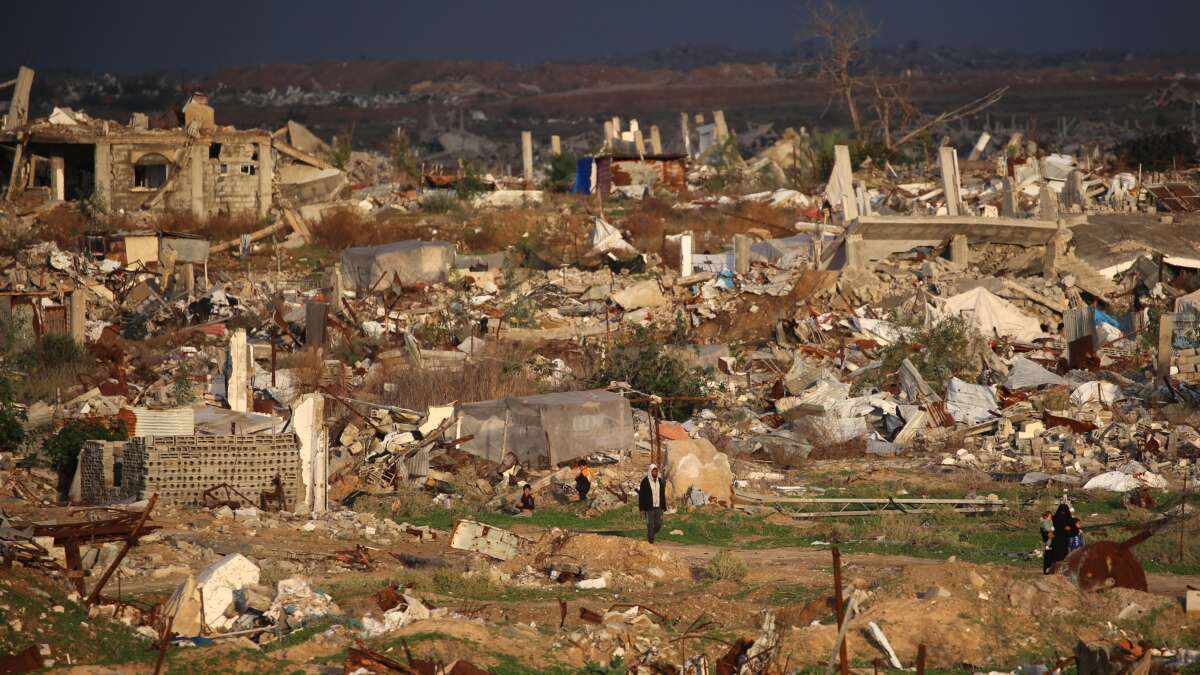
In the shadow of unprecedented destruction, Gaza's Christian community reveals a profound narrative of human resilience that transcends mere survival. With over 80% of structures damaged and nearly half the Christian population displaced, the remaining 500 residents are staging a remarkable act of cultural preservation through their Christmas celebrations.
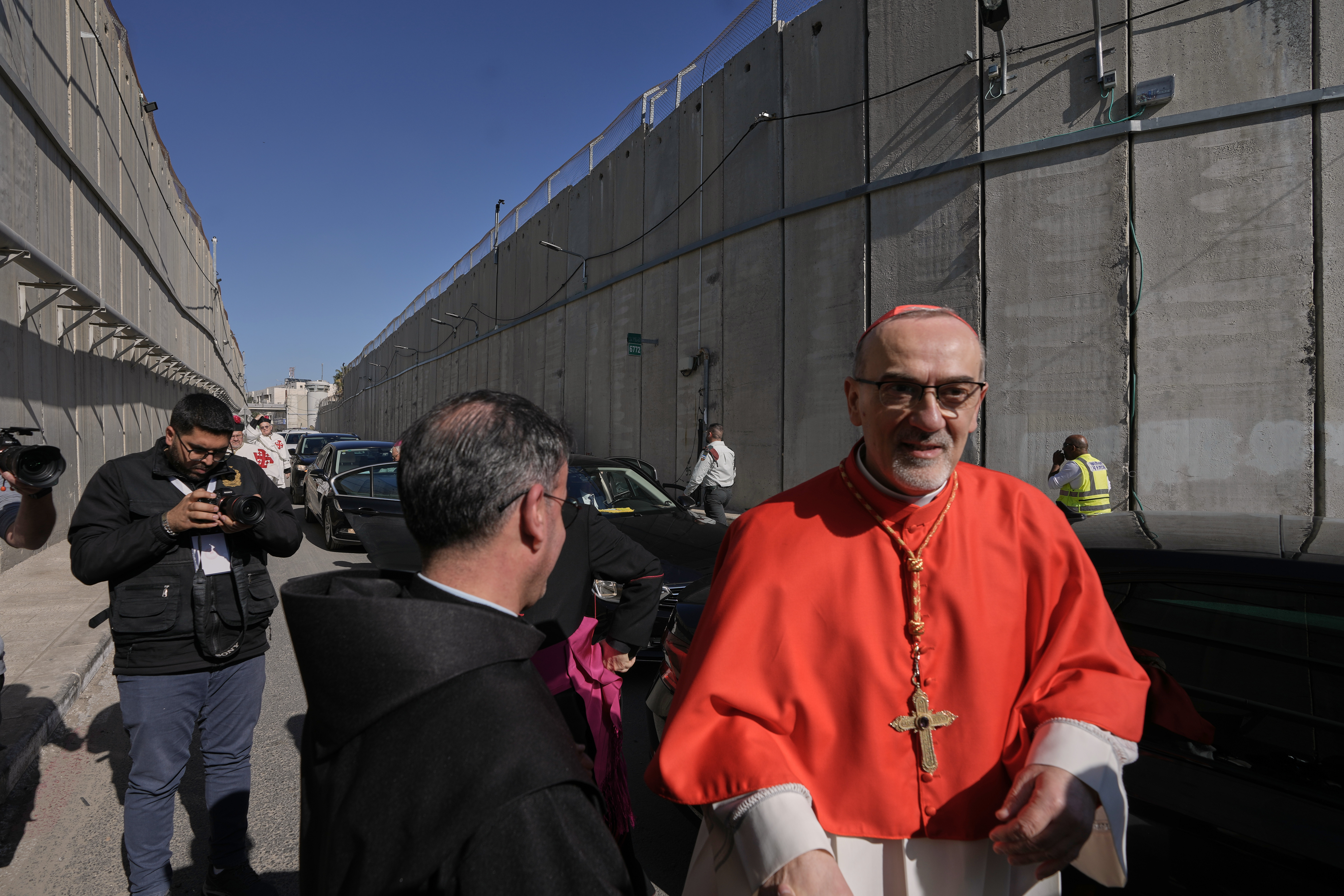
Structural Resilience in Extreme Conditions emerges as the core insight from these news reports. Despite losing at least 23 community members and facing catastrophic infrastructure collapse, the Christian population in Gaza demonstrates an extraordinary capacity to maintain cultural continuity. Cardinal Pierbattista Pizzaballa's Mass at the Holy Family Church symbolizes more than a religious ritual—it represents a strategic resistance against complete cultural erasure.
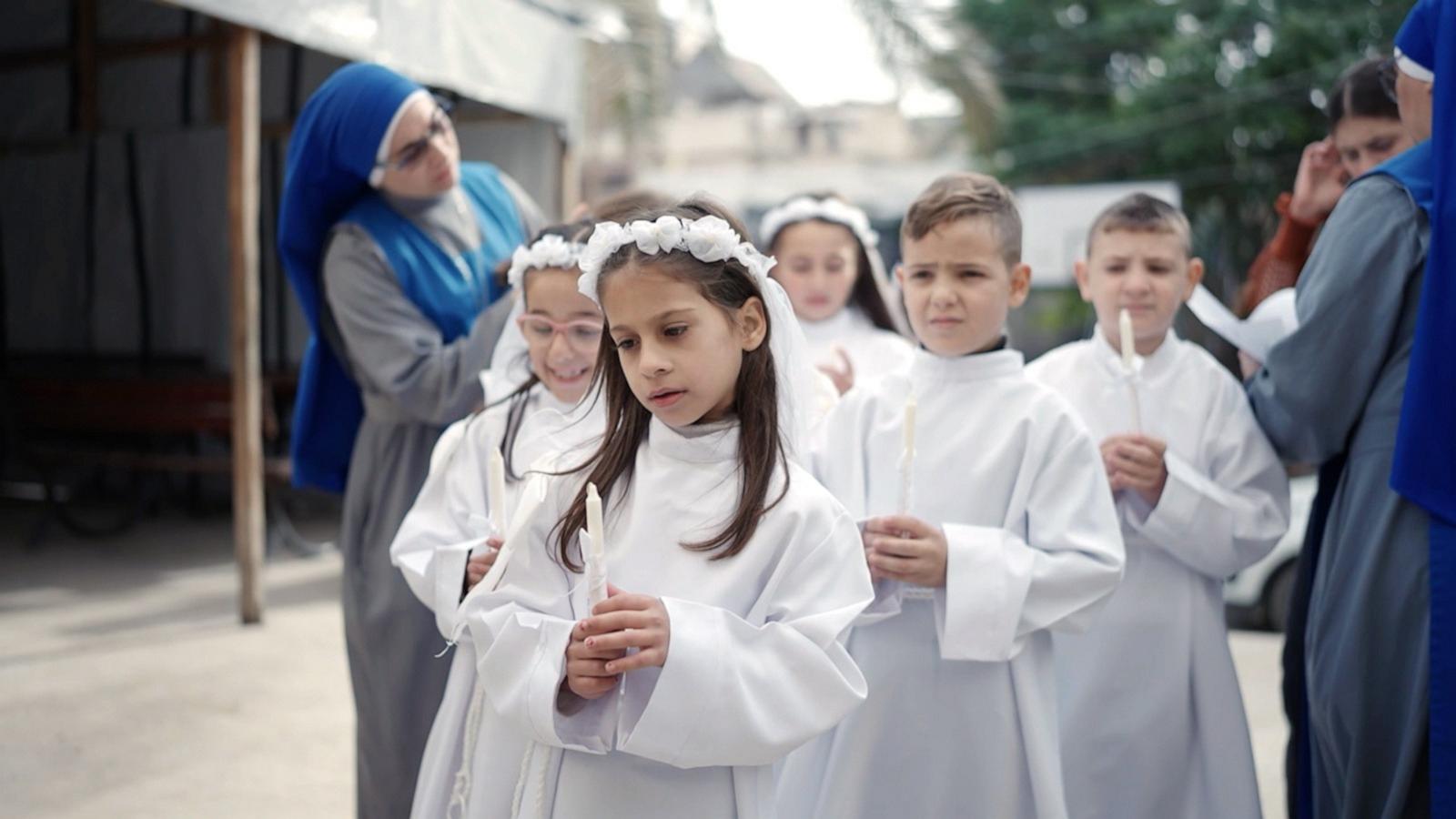
The humanitarian landscape reveals multiple layers of complexity. Young George Messaqo, an 11-year-old displaced Christian, embodies the generational challenge: maintaining identity and hope while physically separated from traditional community spaces. The Princess Basma center's child rehabilitation services further underscore how institutional support becomes a lifeline in conflict zones, transforming survival from a passive state to an active, intentional process.
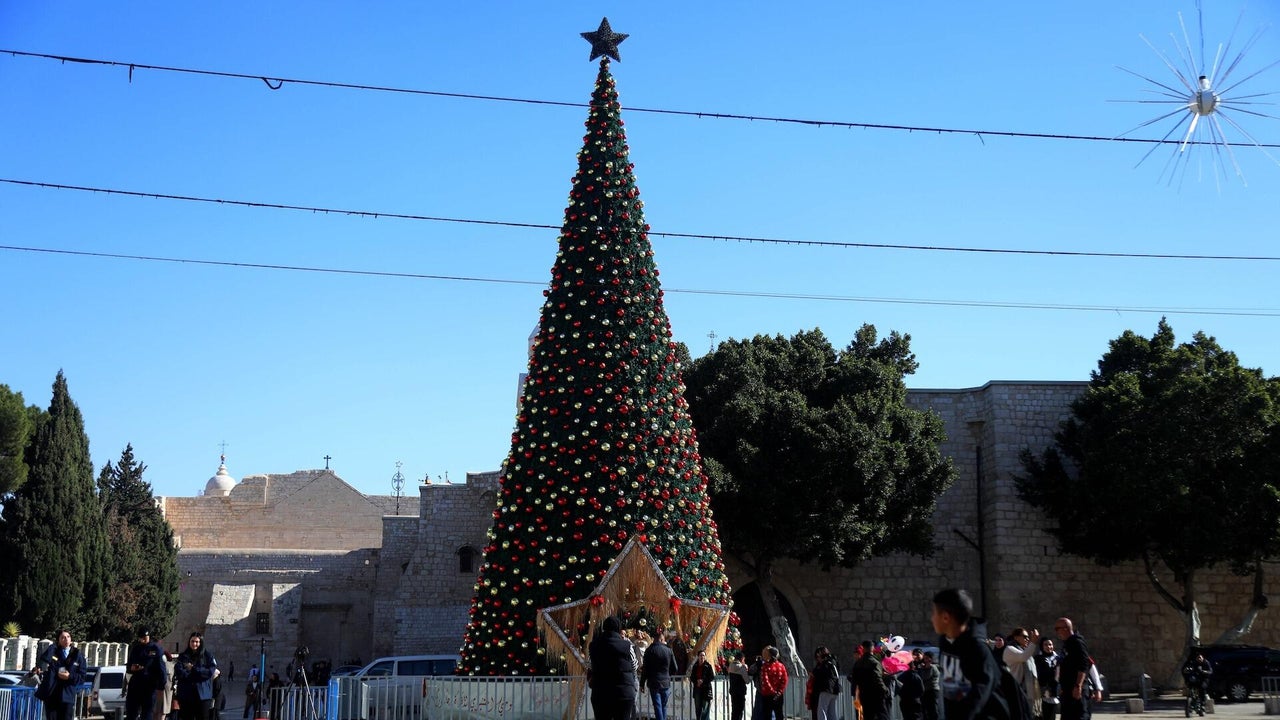
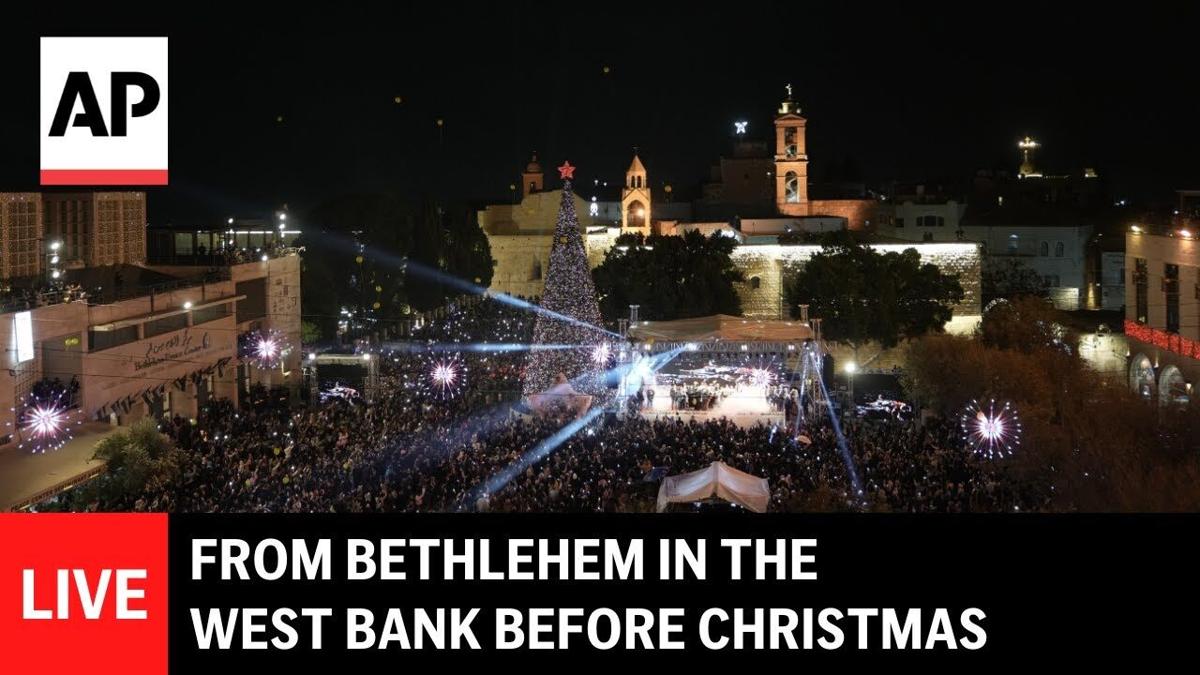
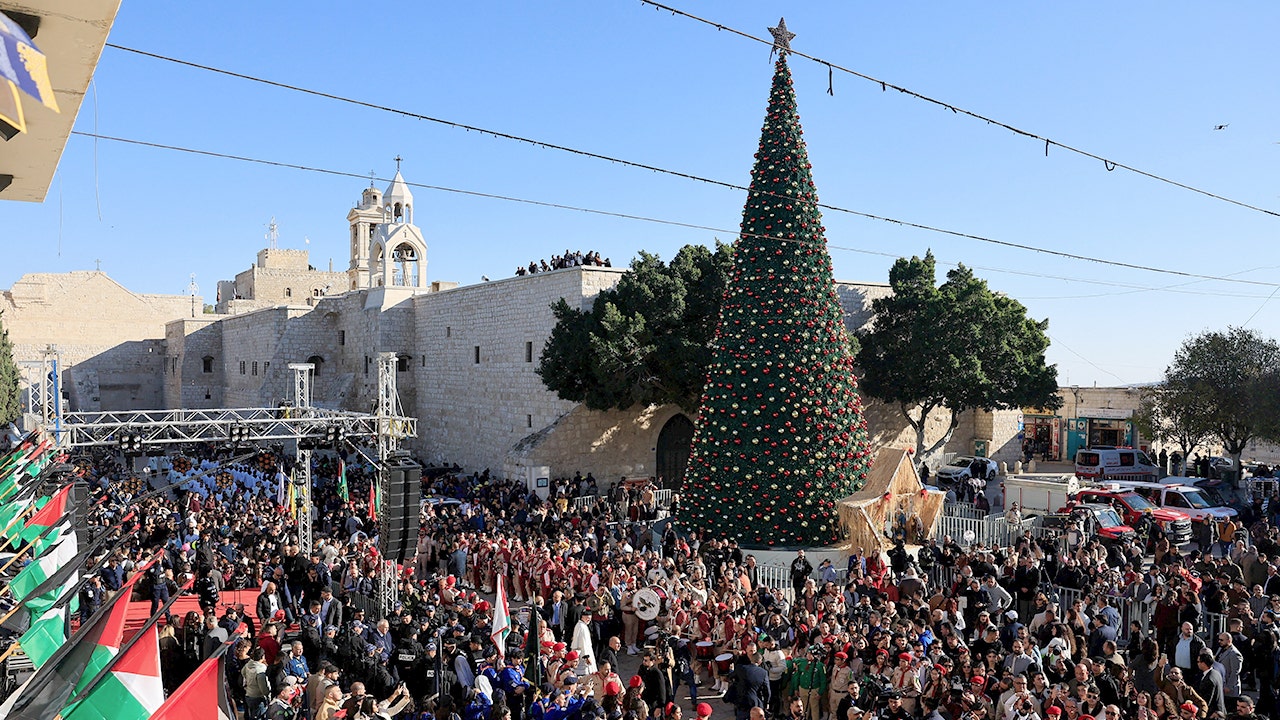
Bethlehem's revival provides additional context, showing how cultural traditions can serve as a form of collective psychological resilience. Thousands returning to celebrate Christmas signal a deeper human impulse: the need to reconstruct normalcy even in profoundly abnormal circumstances. For international observers, this represents more than a religious event—it's a masterclass in community survival strategies.
The current ceasefire offers a fragile window of opportunity. While significant challenges remain in housing, education, and economic recovery, the Christian community's ability to organize a Christmas celebration speaks volumes about human adaptability. Their approach suggests that cultural preservation is not just about maintaining traditions, but about creating psychological continuity in the face of systemic disruption.
问题 3
How are children and youth experiencing this prolonged conflict?
Children like 11-year-old George Messaqo represent a generation experiencing displacement and disruption. Support centers like Princess Basma, offering child rehabilitation services, are crucial in maintaining psychological continuity and providing structured support in an otherwise chaotic environment.
How many Christians remain in Gaza, and what challenges do they face?
Approximately 500 Christians remain in Gaza, facing extreme challenges including 80% infrastructure damage, displacement, and the loss of at least 23 community members. Their survival strategy centers on maintaining cultural and religious traditions despite overwhelming obstacles.