


Maharashtra Deputy CM Death Creates Political Uncertainty | Regional E-Commerce Market Impact
- Political power vacuum in India's wealthiest state signals potential policy shifts affecting logistics, taxation, and seller compliance for 50K+ cross-border merchants







)



























:sharpen(0.5,0.5,true)/tpg%2Fsources%2F246067b1-6d80-4d32-93c6-2aa7cdab513a.jpeg)
概览
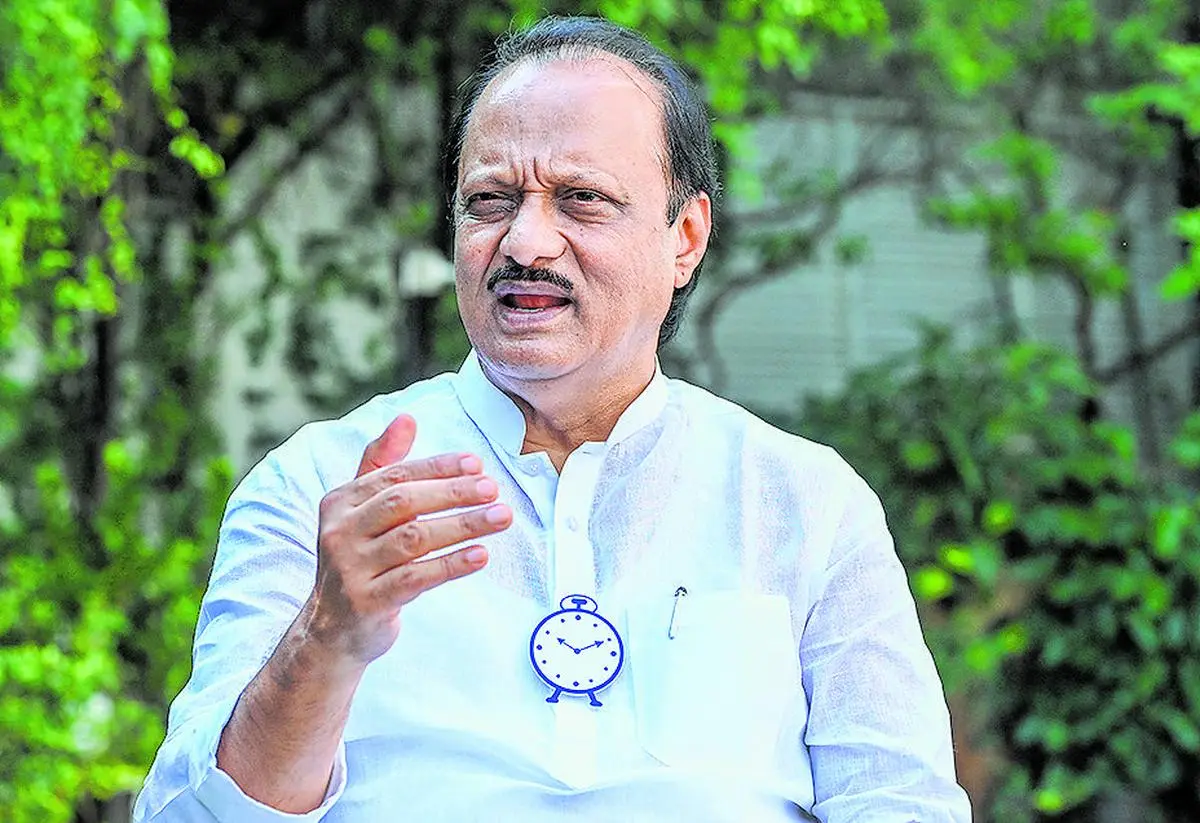
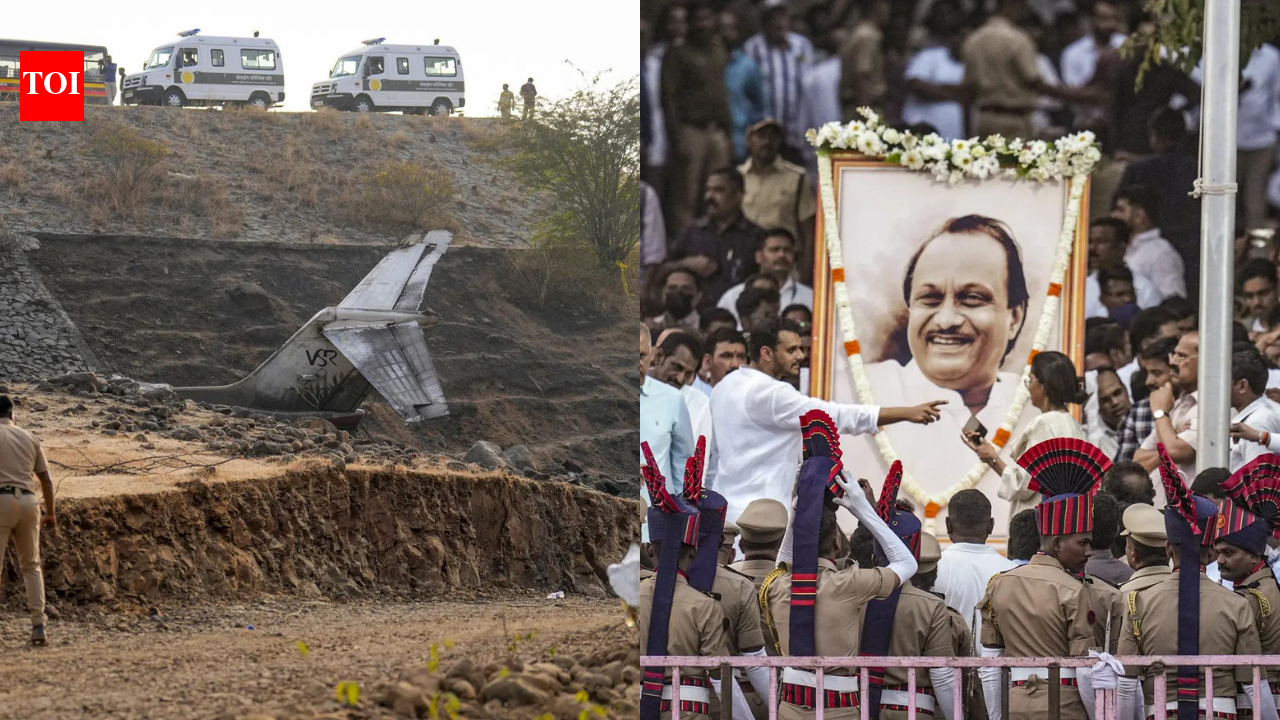
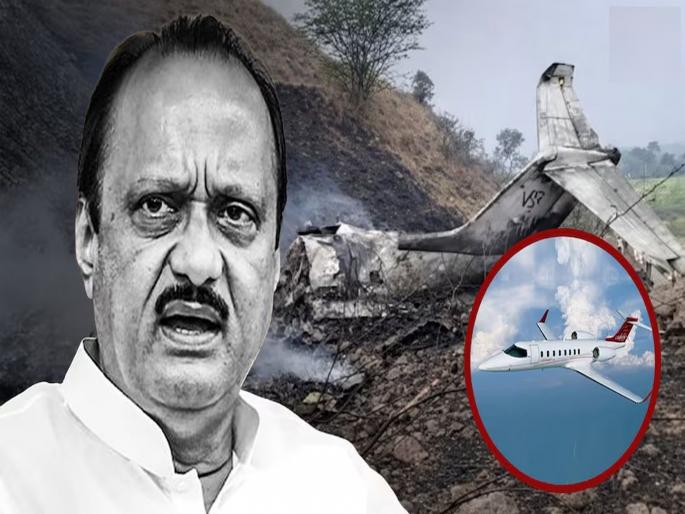
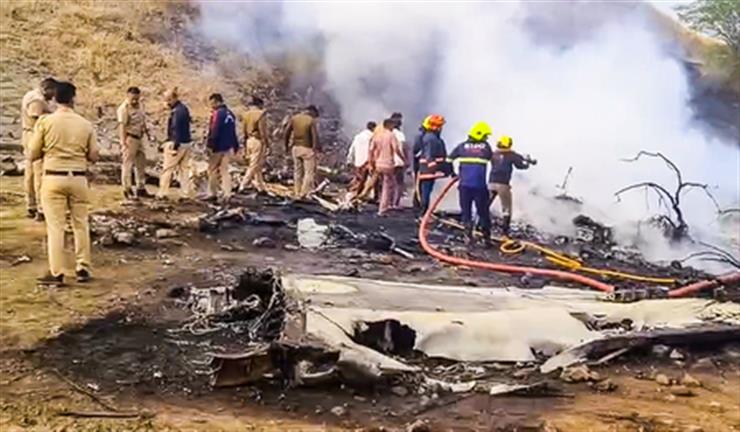
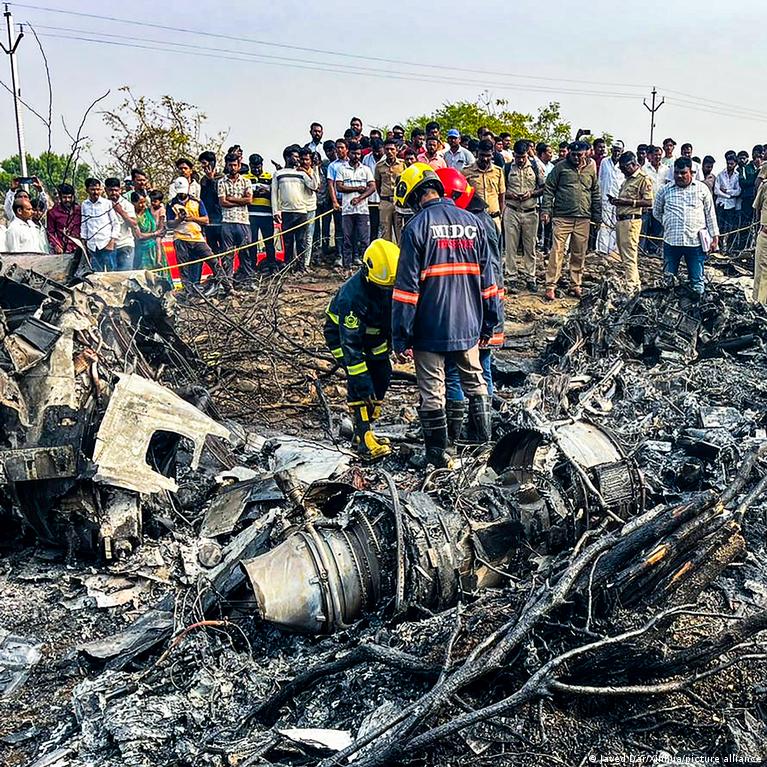
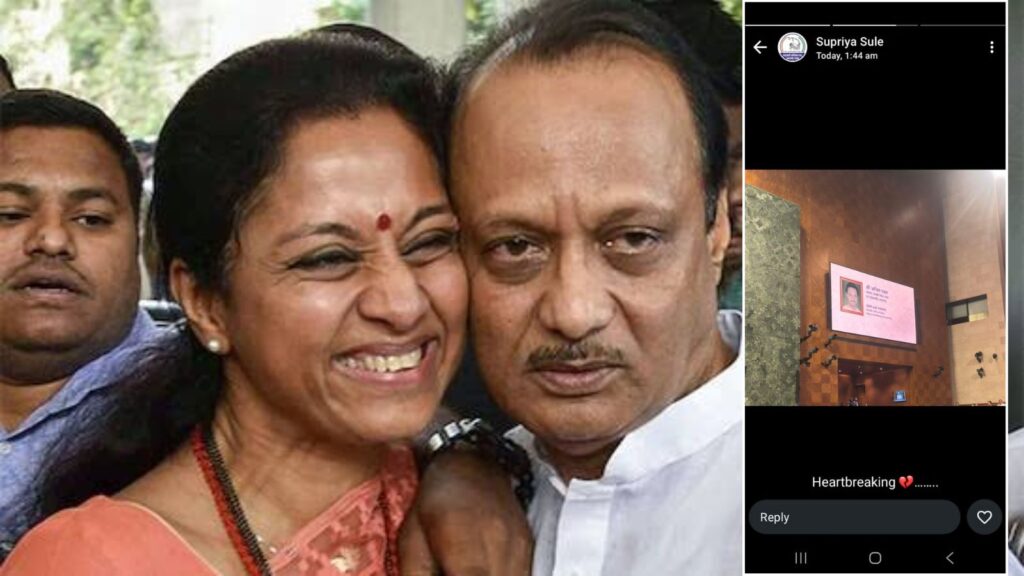
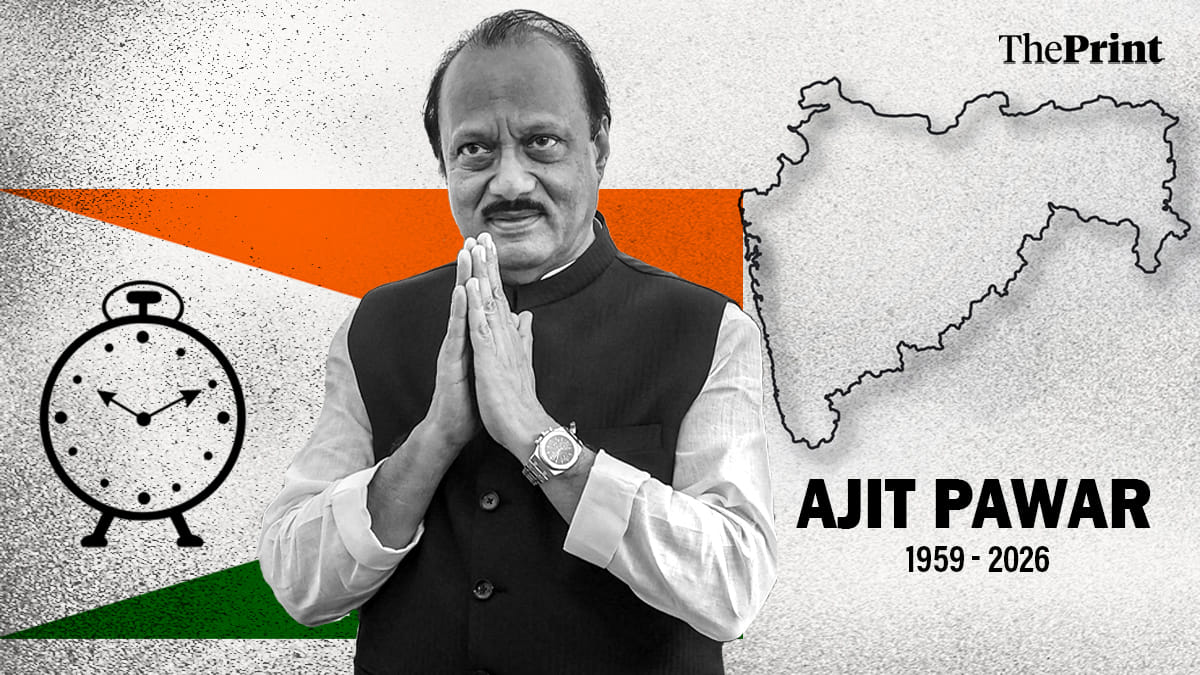
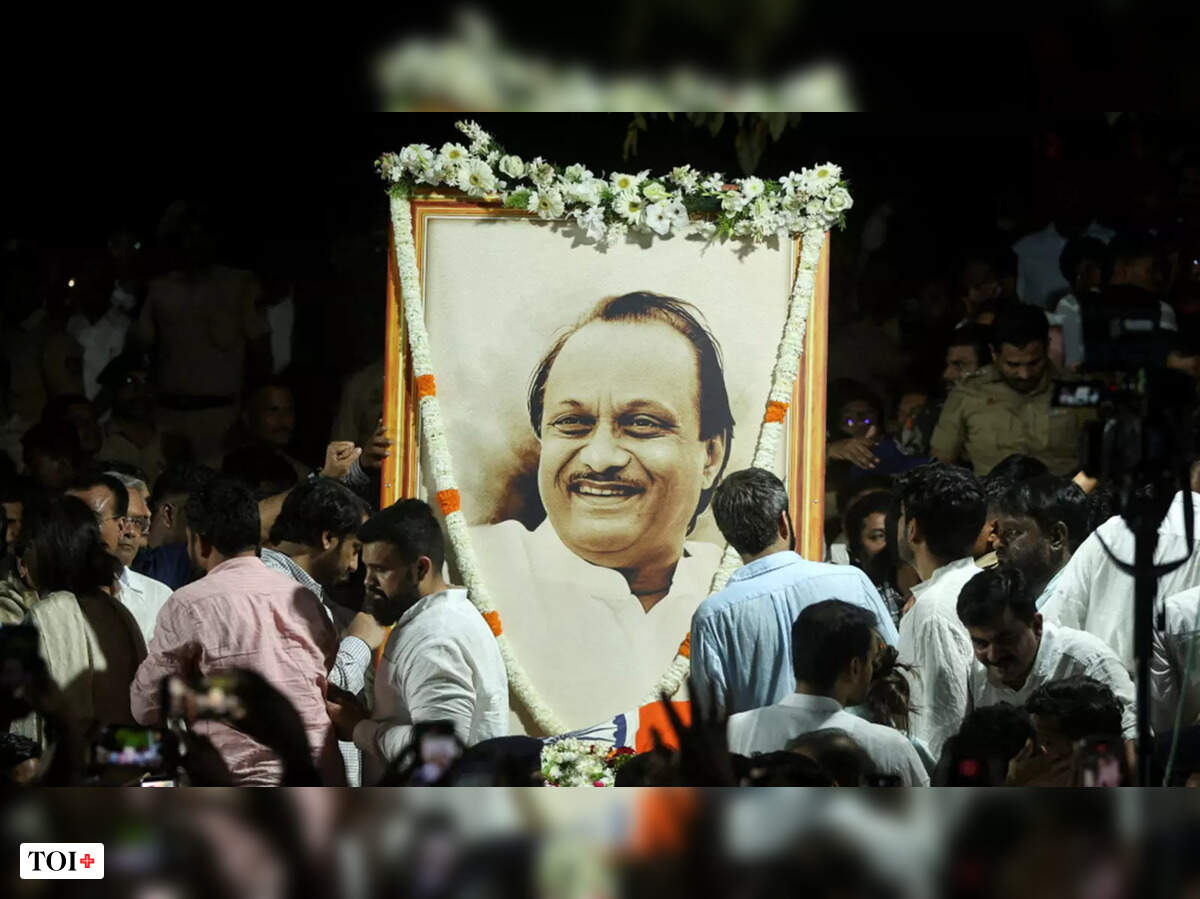
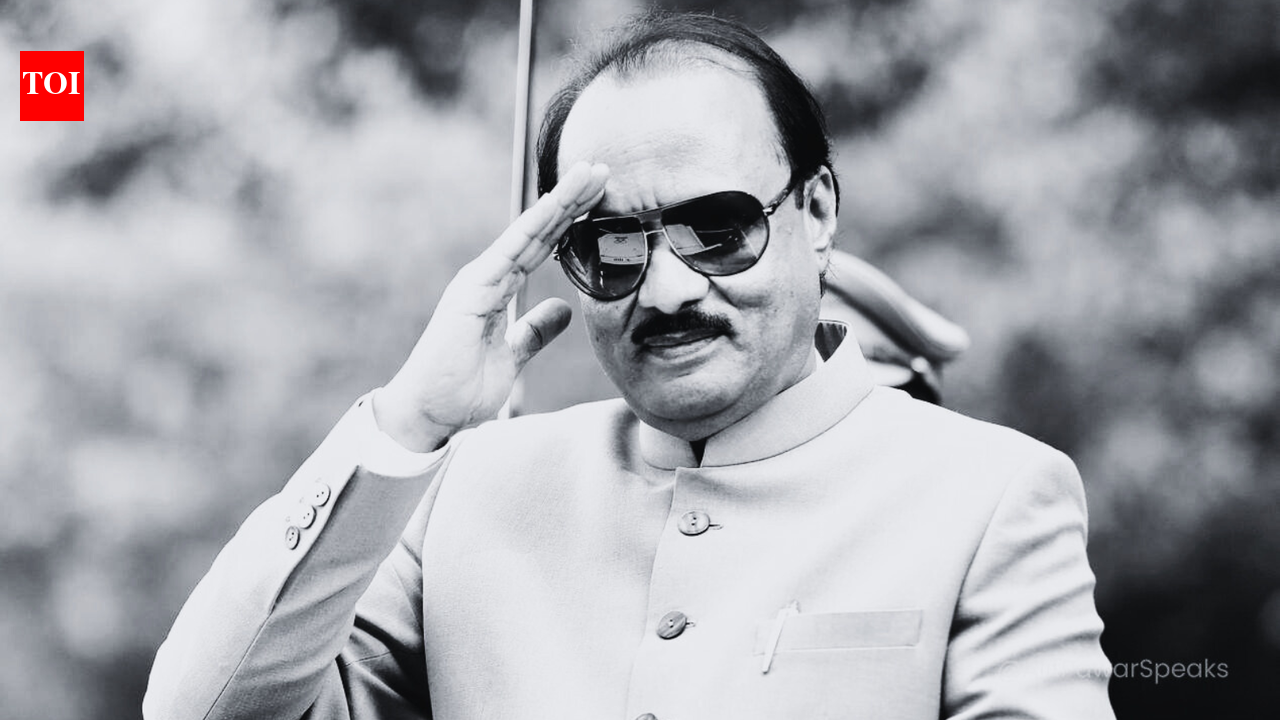
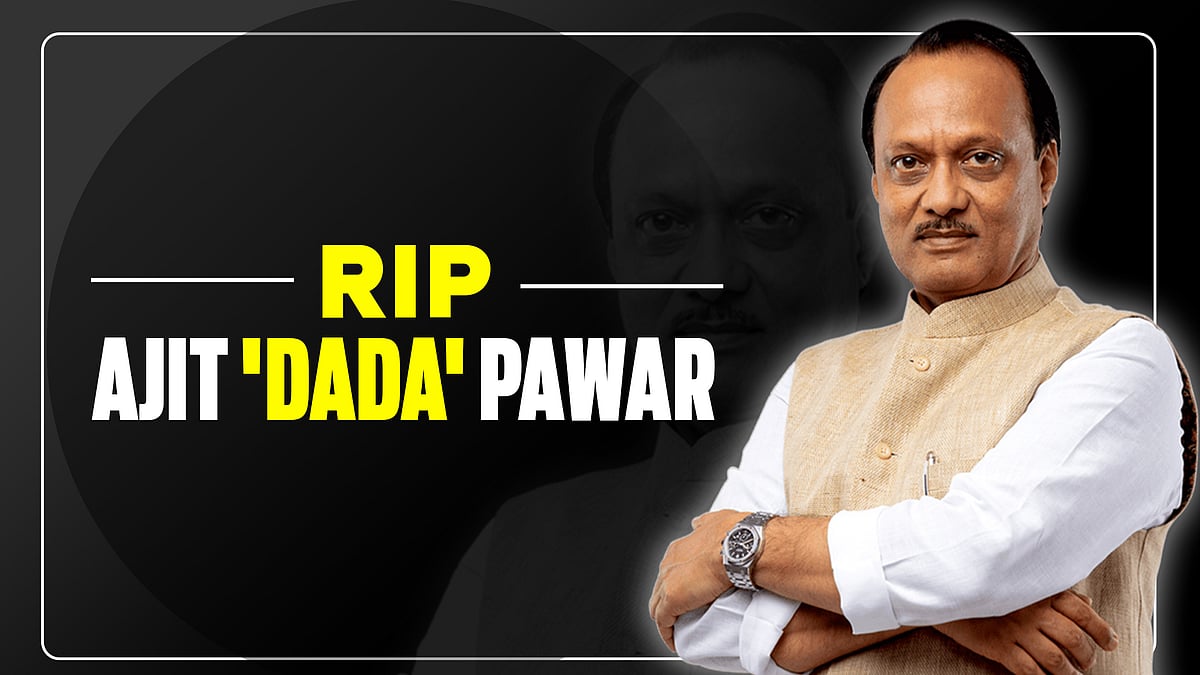
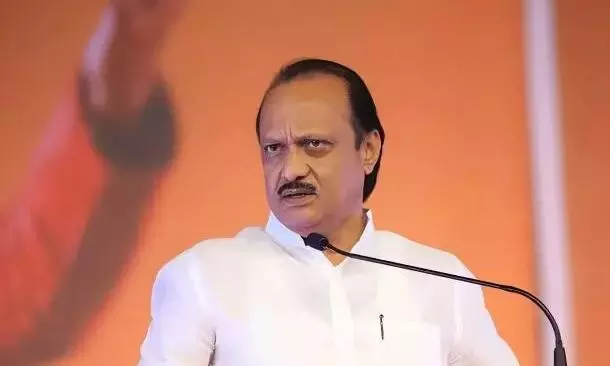
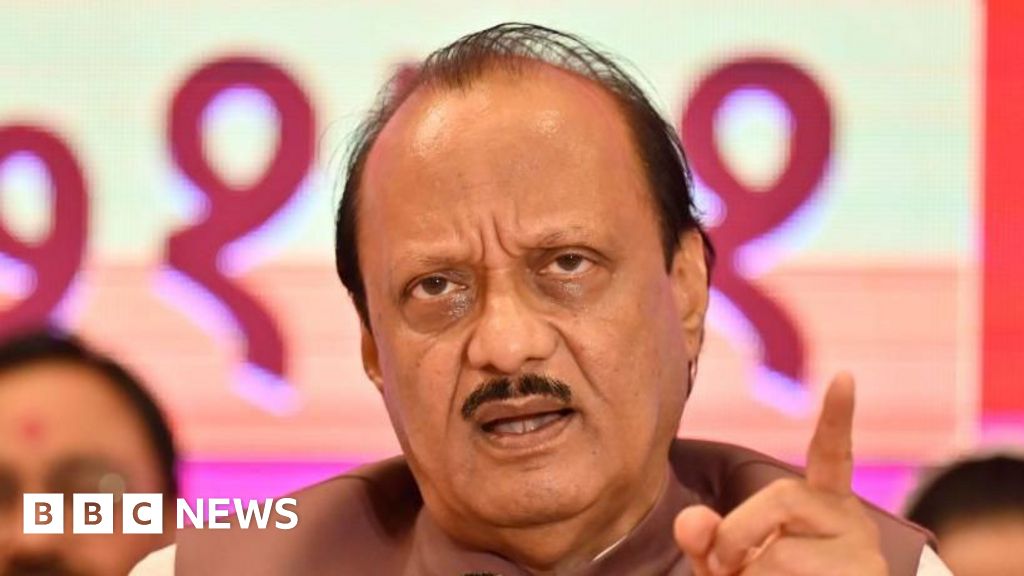
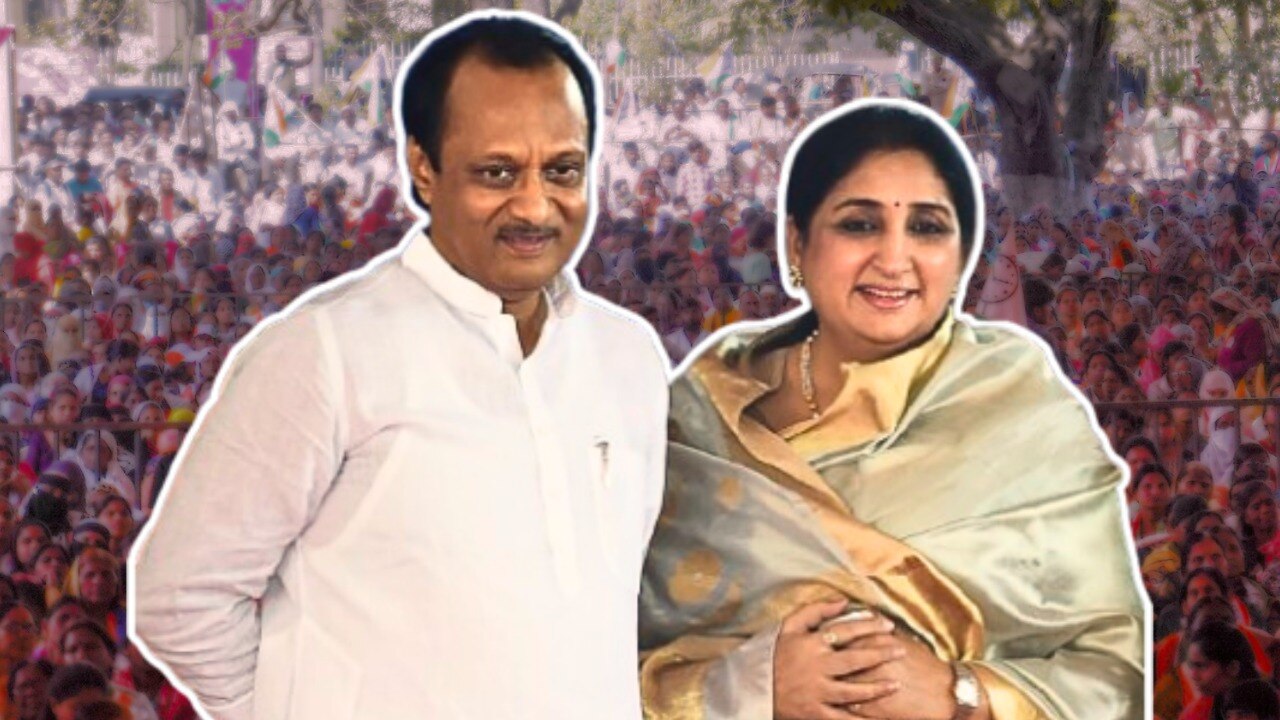
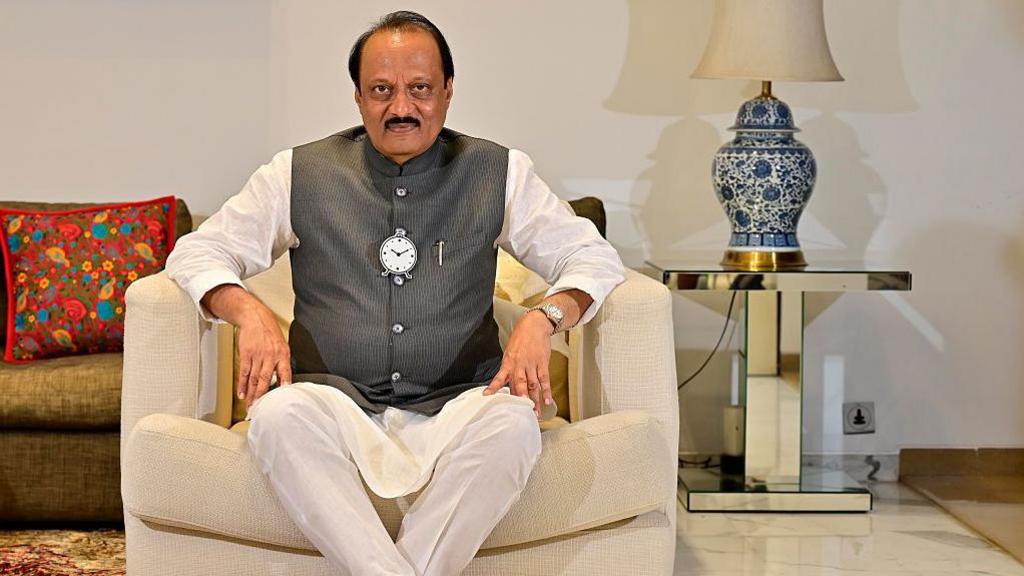
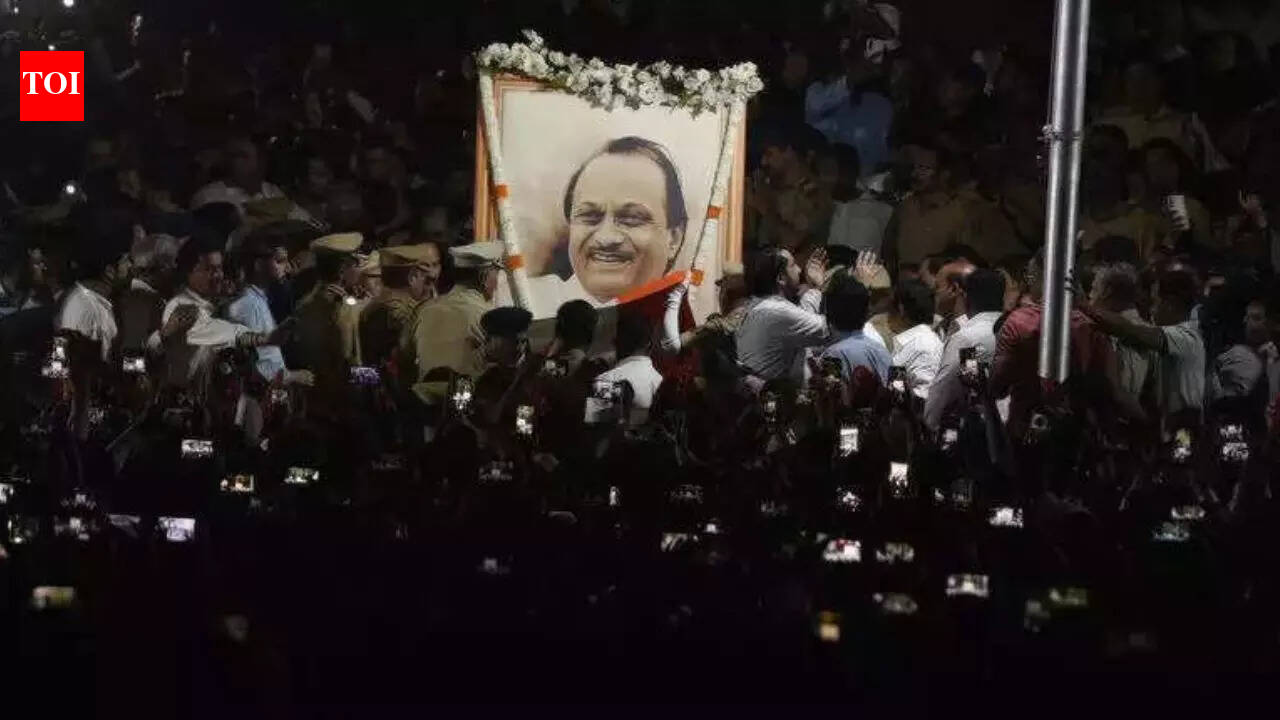
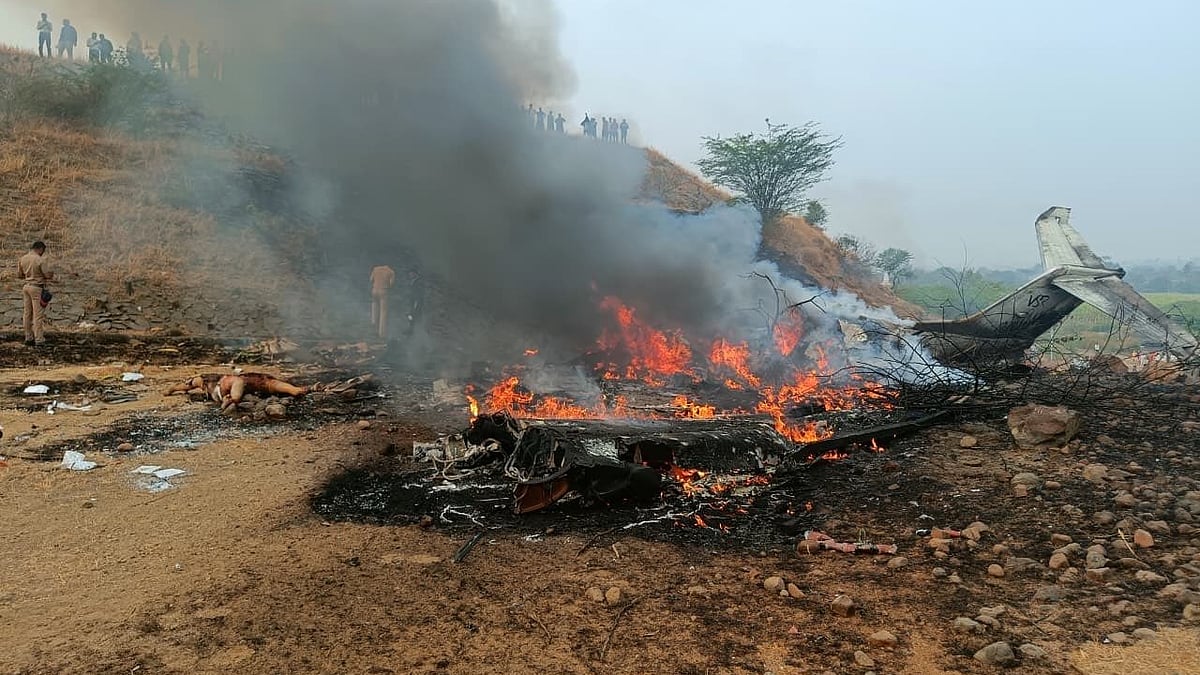
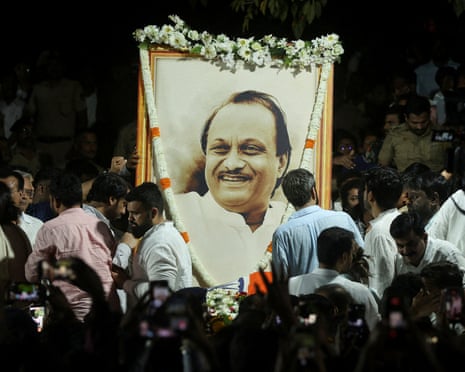
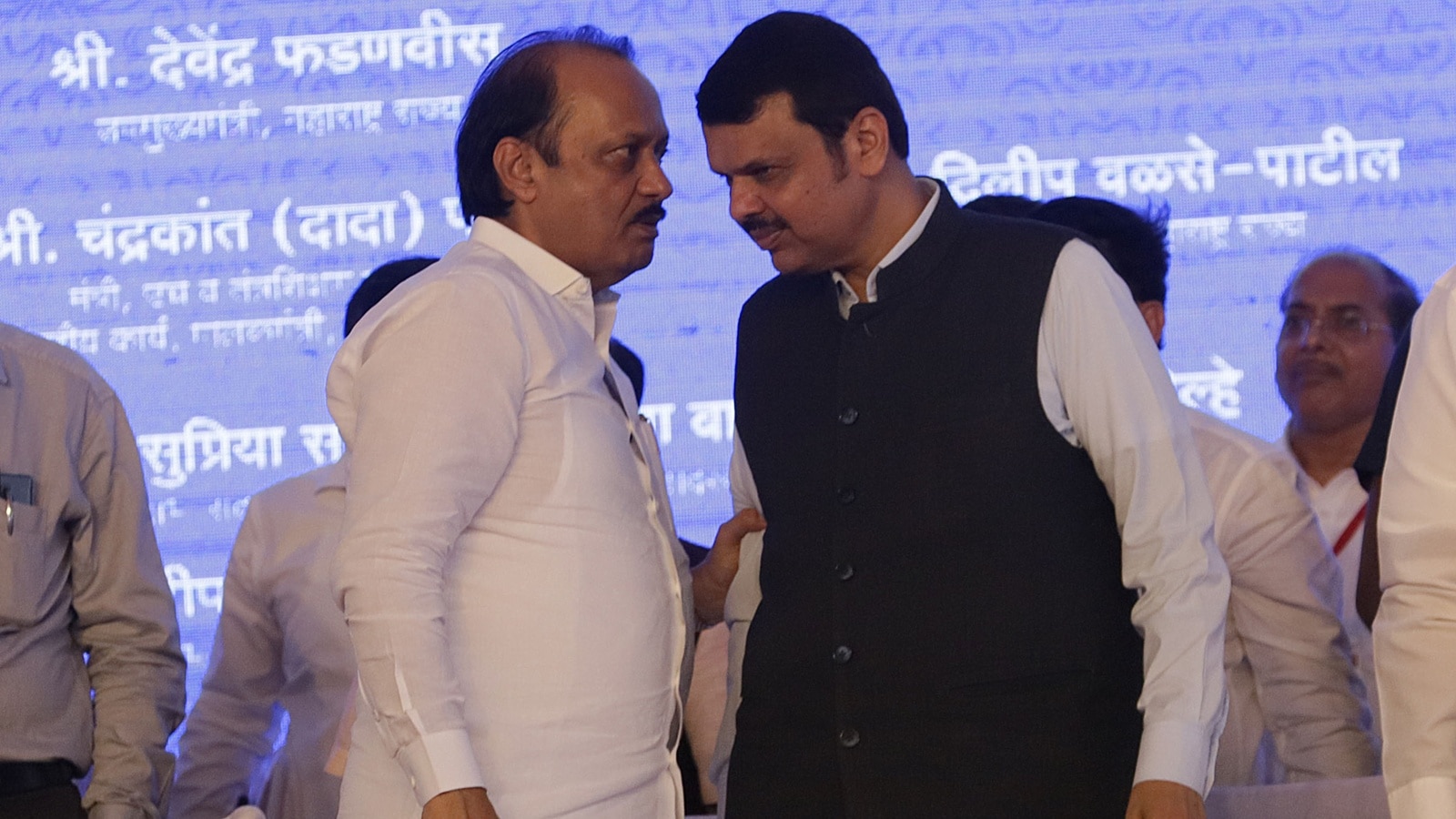
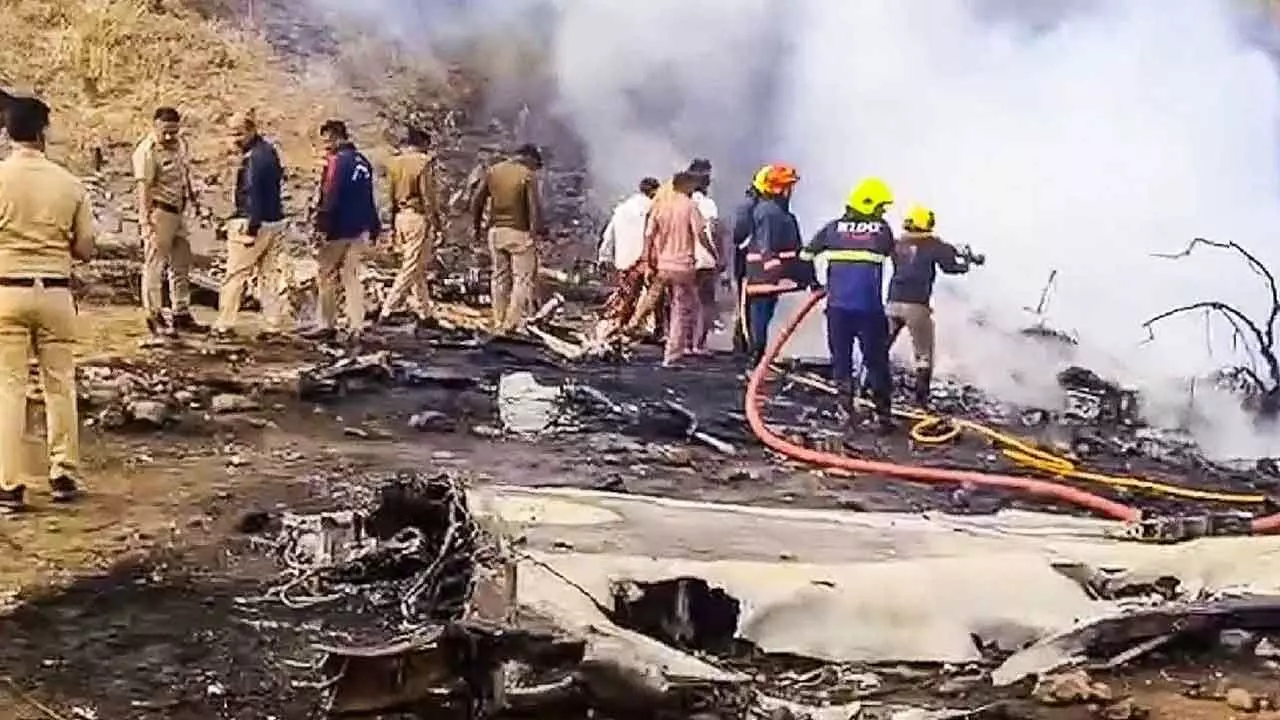
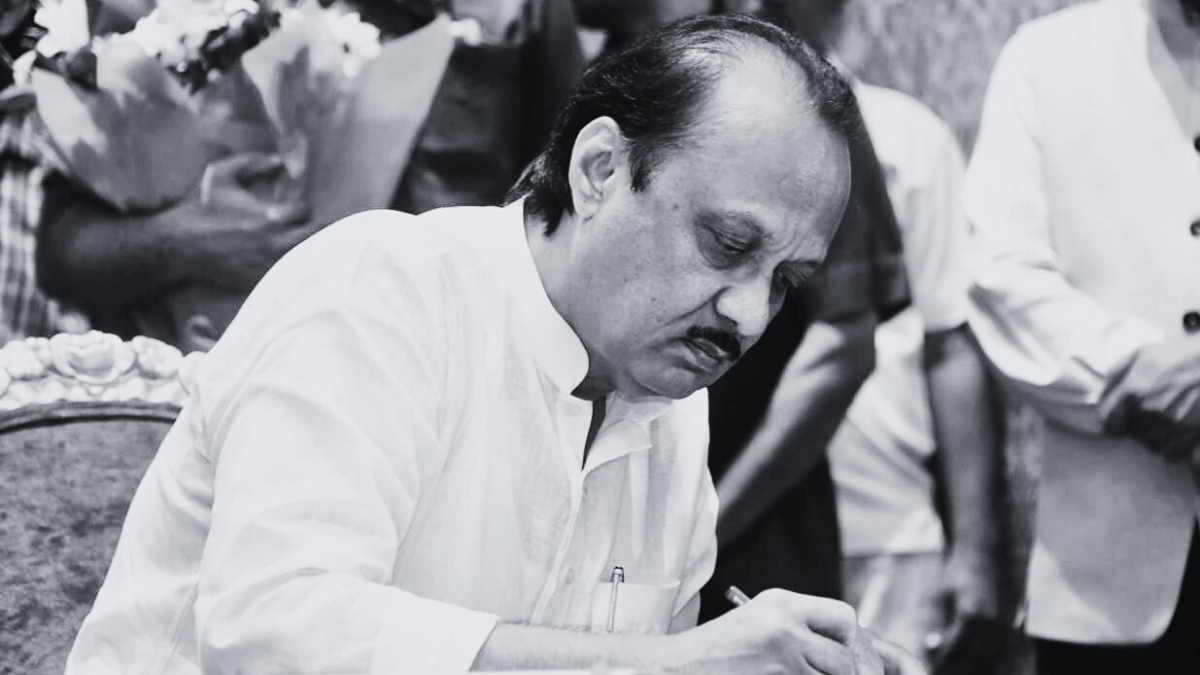
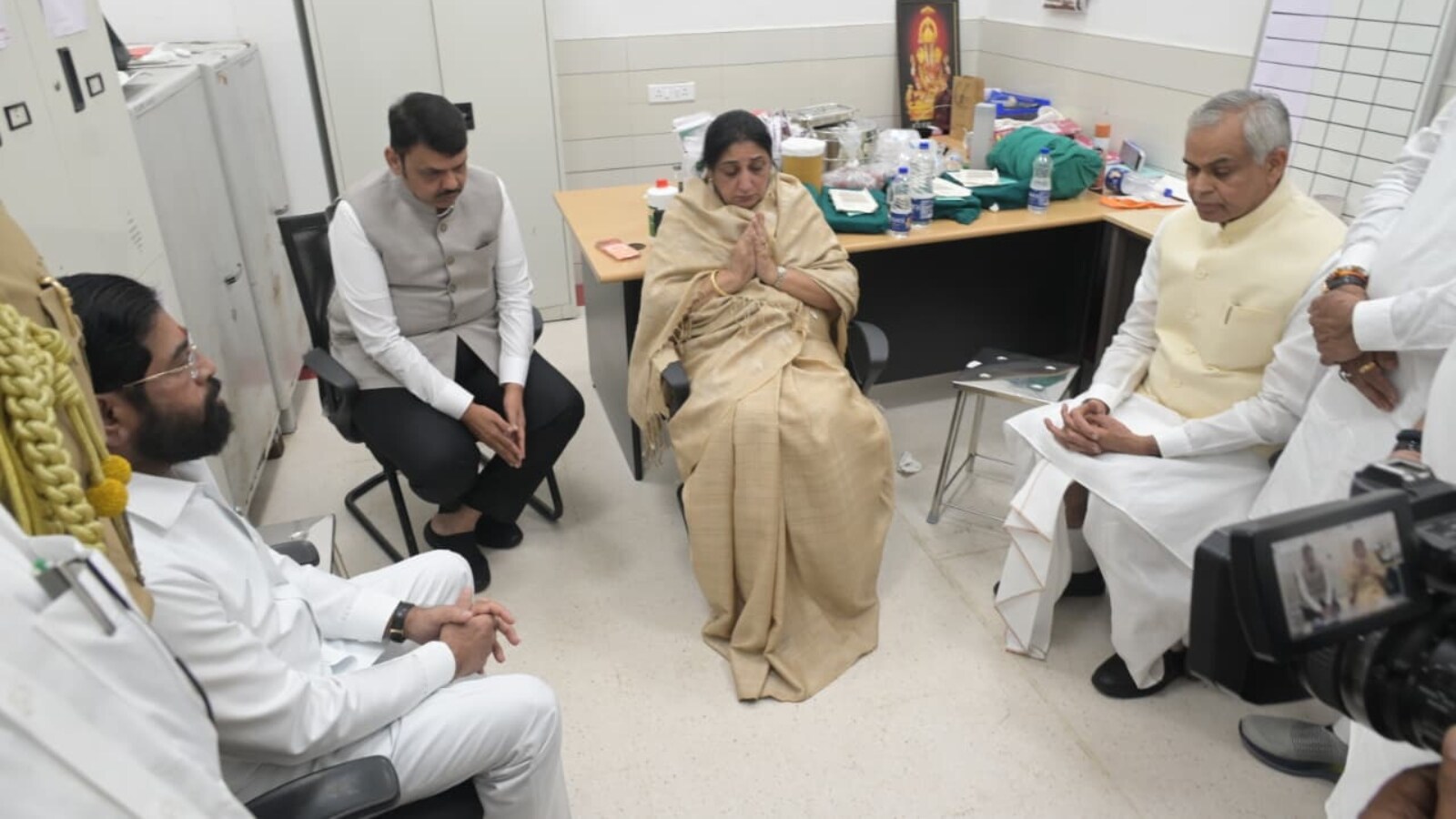
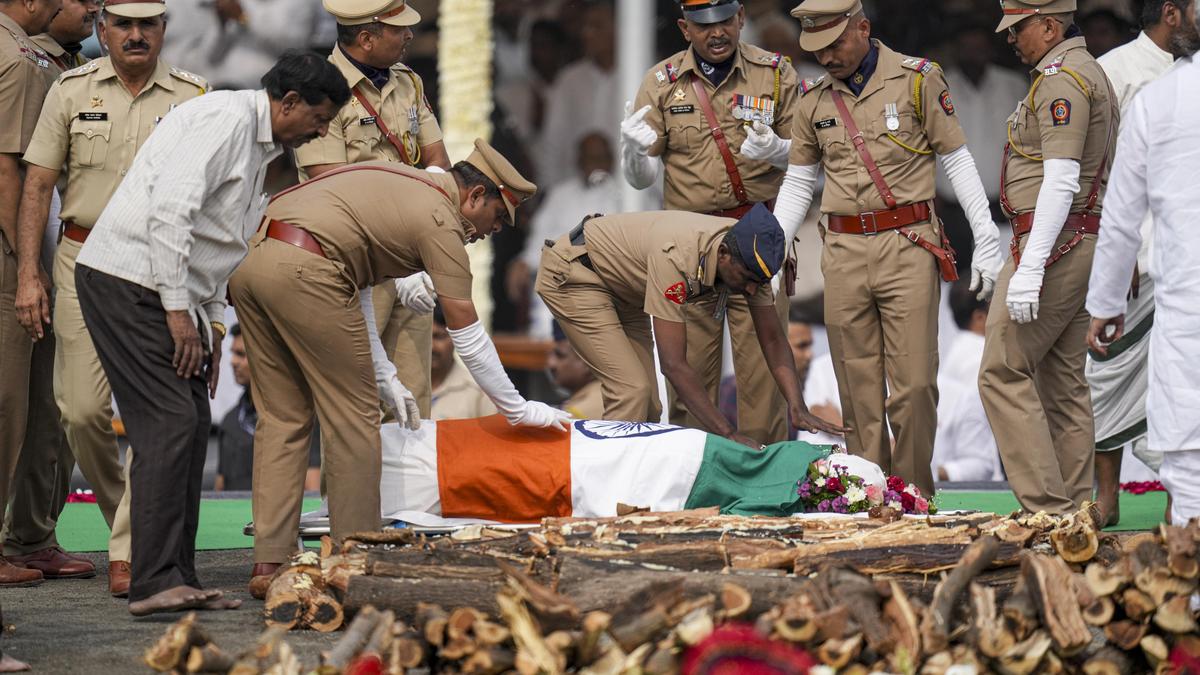
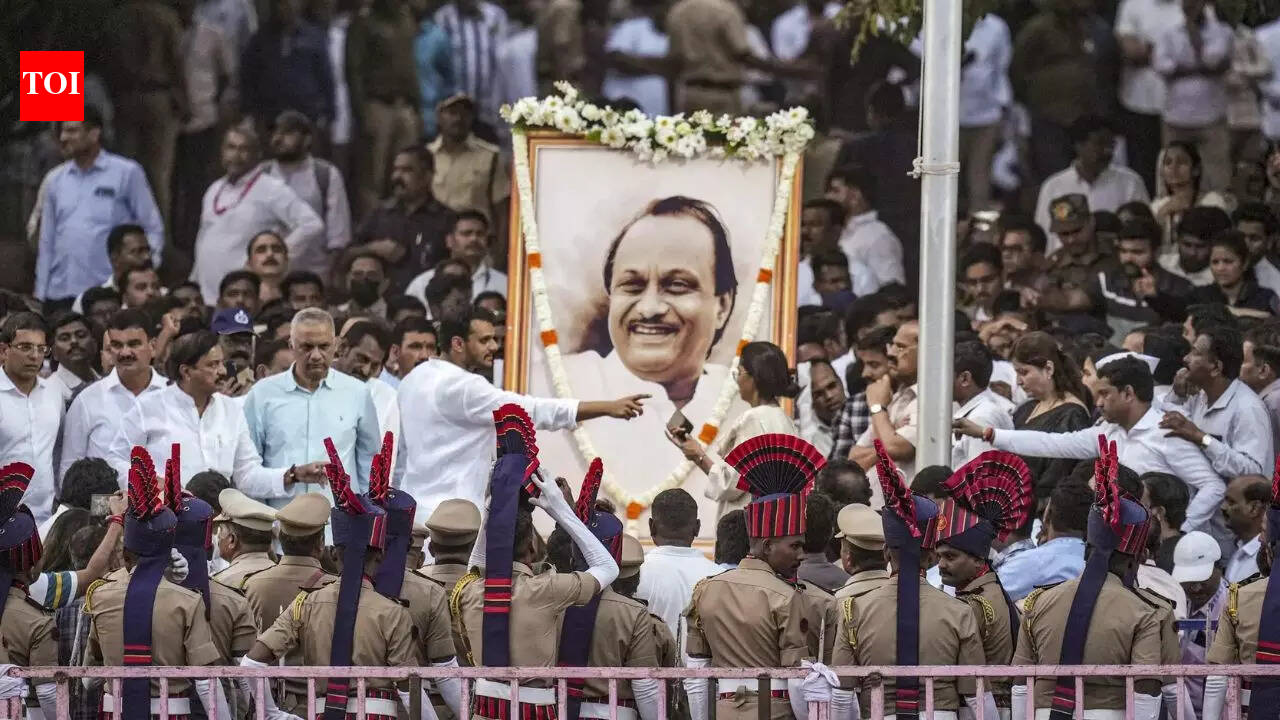
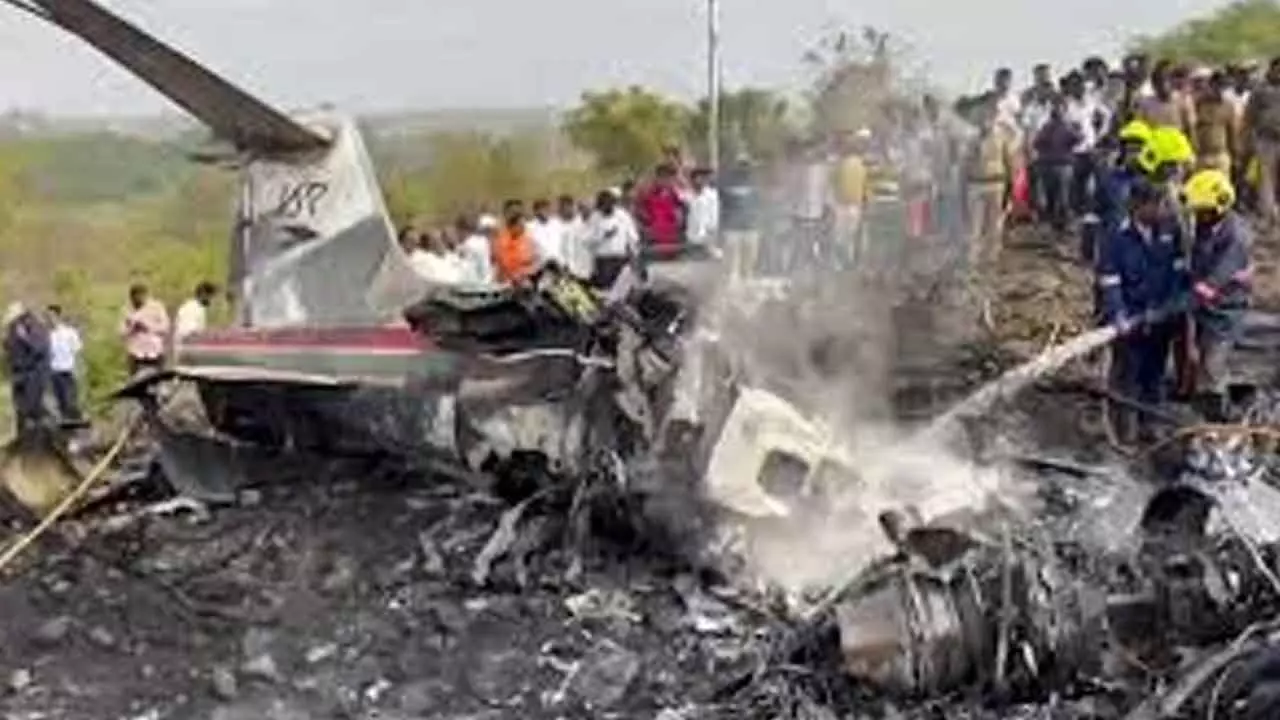
The unexpected death of Ajit Pawar, Maharashtra's deputy chief minister, on January 29, 2026, in a plane crash creates significant political uncertainty in India's most economically influential state. This development carries indirect but meaningful implications for cross-border e-commerce sellers operating in or shipping to Maharashtra, which accounts for approximately 25-30% of India's GDP and hosts major logistics hubs, manufacturing centers, and consumer markets.
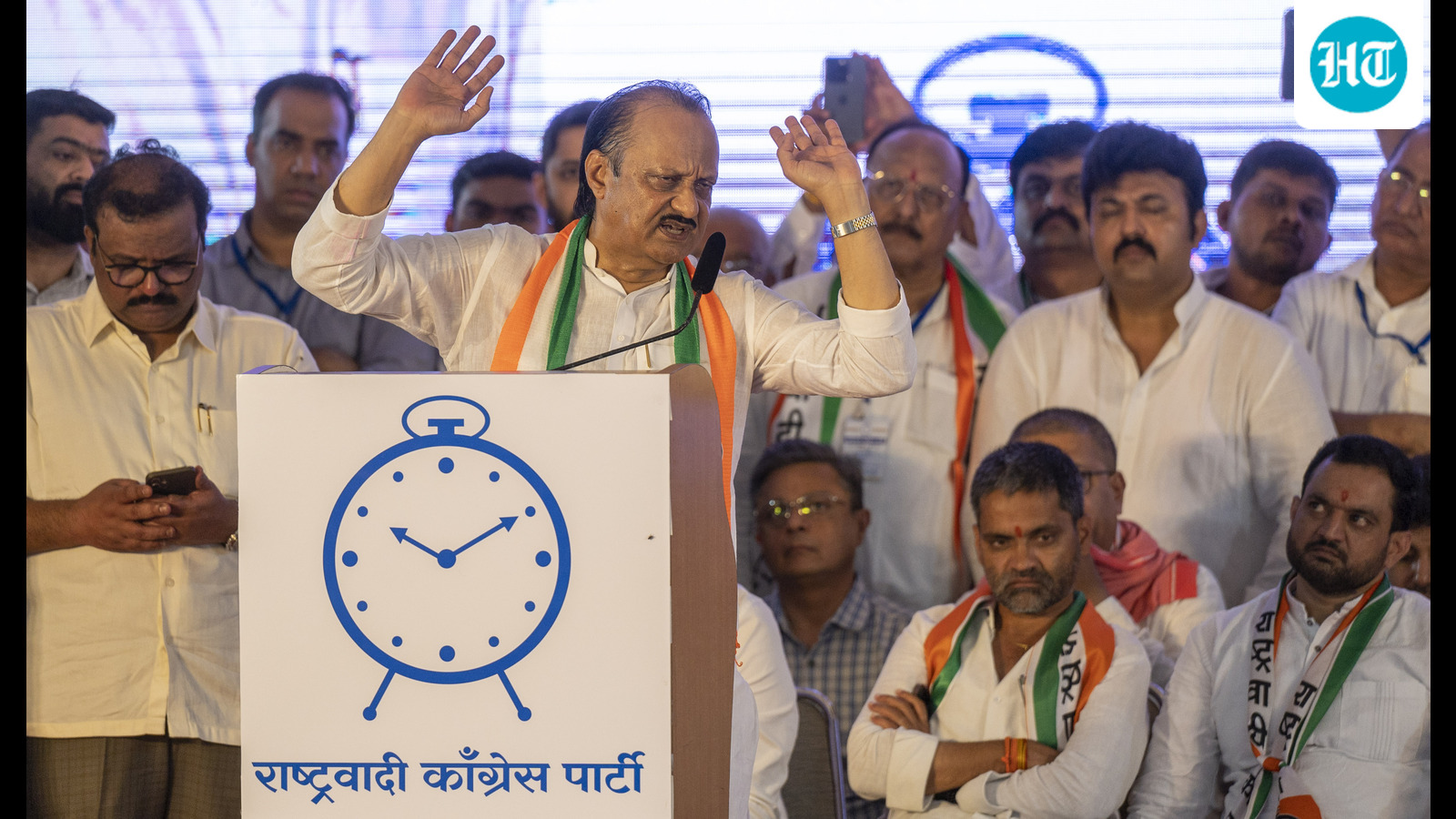
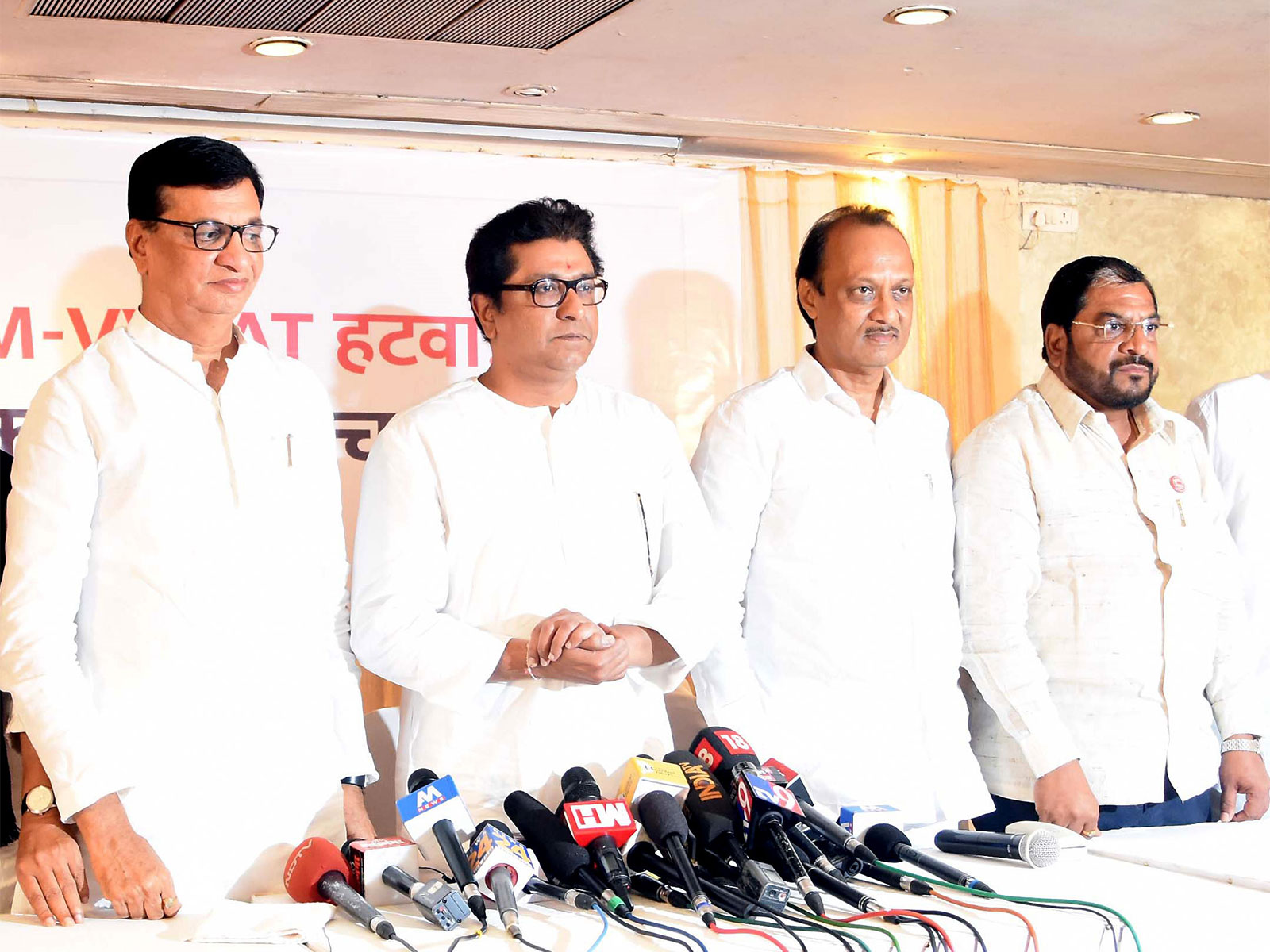
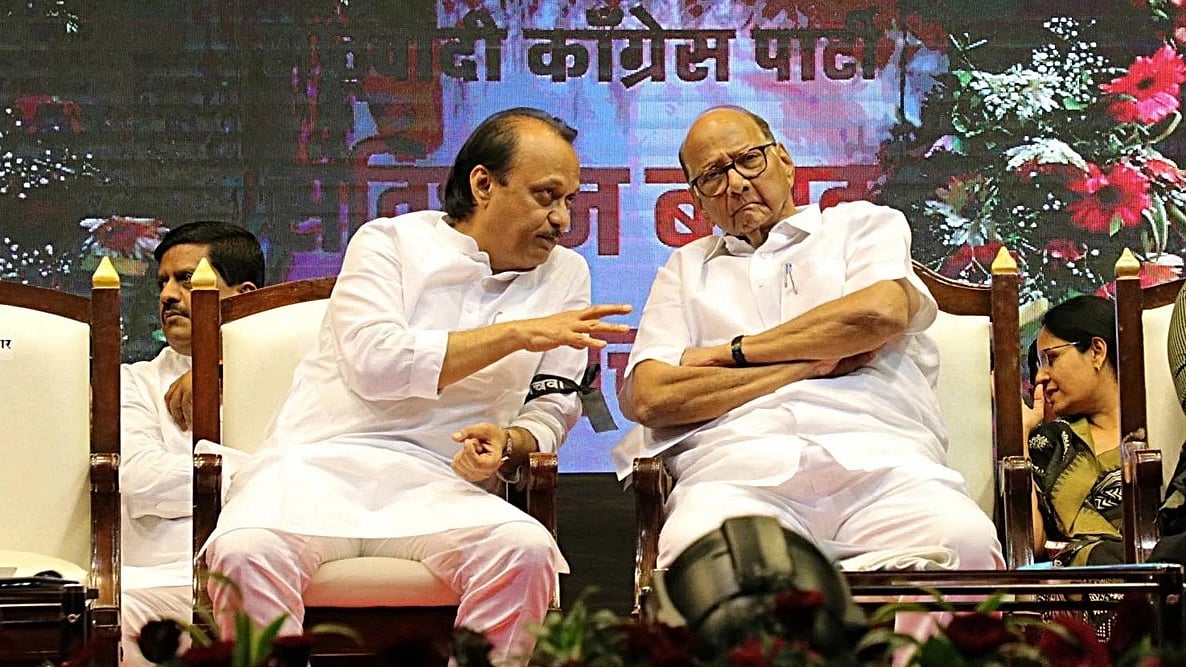
Political Context and Market Implications: Pawar's death creates a succession vacuum during a critical period of coalition politics. Maharashtra's political realignment—marked by the 2023 NCP faction split and 2024 BJP-led election victory—directly influences state-level policies affecting e-commerce operations. The state government controls critical infrastructure including port operations (Mumbai Port), GST implementation, labor regulations, and logistics licensing. Political instability typically delays policy decisions, creating both risks and opportunities for sellers.
Seller Impact Areas: For cross-border e-commerce merchants, Maharashtra's political transition affects three operational dimensions. First, logistics and infrastructure: Mumbai remains India's primary import/export gateway, handling 40-50% of containerized cargo. Political uncertainty may slow infrastructure modernization projects, potentially increasing shipping delays and costs for sellers using Mumbai-based 3PL providers. Second, tax and compliance: Maharashtra's GST administration and state-level tax policies influence seller compliance costs. Leadership transitions often trigger policy reviews, creating 60-90 day windows of regulatory ambiguity. Third, consumer market dynamics: Maharashtra represents 15-18% of India's e-commerce consumption, with cities like Mumbai, Pune, and Nagpur driving significant demand in electronics, fashion, and home goods categories.
Historical Pattern Analysis: Similar political transitions in Indian states have historically triggered 2-4 month periods of policy uncertainty, followed by either continuity or significant regulatory shifts. The ongoing NCP reunification discussions add complexity—a unified opposition could challenge current policies, while BJP consolidation might accelerate pro-business reforms. Sellers should monitor Maharashtra government announcements regarding logistics licensing, warehouse regulations, and GST policy clarifications.
Strategic Considerations: The timing coincides with India's peak e-commerce season (Q4 2025-Q1 2026), when logistics capacity is most critical. Sellers with heavy reliance on Maharashtra-based fulfillment centers should consider diversifying to alternative hubs in Gujarat or Telangana. Additionally, the political uncertainty may create opportunities for sellers to negotiate better rates with 3PL providers during the transition period, as logistics companies often offer incentives to secure volume commitments during uncertain policy environments.
问题 8
How does Maharashtra's political transition affect cross-border sellers' logistics costs?
Maharashtra's political uncertainty creates 60-90 day windows where infrastructure and logistics policies may shift. Mumbai Port, which handles 40-50% of India's containerized imports, operates under state oversight. During leadership transitions, port efficiency can fluctuate as new administrations review operations. Sellers using Mumbai-based 3PL providers should expect potential 5-15% cost variations during the transition period. Monitor Maharashtra government announcements regarding warehouse licensing and port operations to anticipate changes. Consider diversifying shipments across alternative ports (Jawaharlal Nehru Port Trust in Navi Mumbai) to mitigate disruption risks.
What GST compliance risks emerge from Maharashtra's political uncertainty?
Maharashtra's GST administration may experience policy delays during the succession period. The state government implements GST rules, manages tax audits, and processes seller registrations. Political transitions typically create 45-60 day delays in policy clarifications and compliance guidance. Sellers should ensure GST registrations are current and maintain detailed transaction records. The state's GST revenue collection (approximately ₹15,000-18,000 crore monthly) makes it a priority for any new administration, but interim policy ambiguity is common. Consult with GST compliance specialists to prepare for potential rule changes in Q1-Q2 2026.