

Female Leadership Milestone Drives UK Religious Merchandise Demand | Seller Opportunity
- Historic appointment of first female Archbishop creates merchandise opportunities in religious collectibles, apparel, and commemorative products targeting 85M+ Anglican consumers across 165 countries


























概览
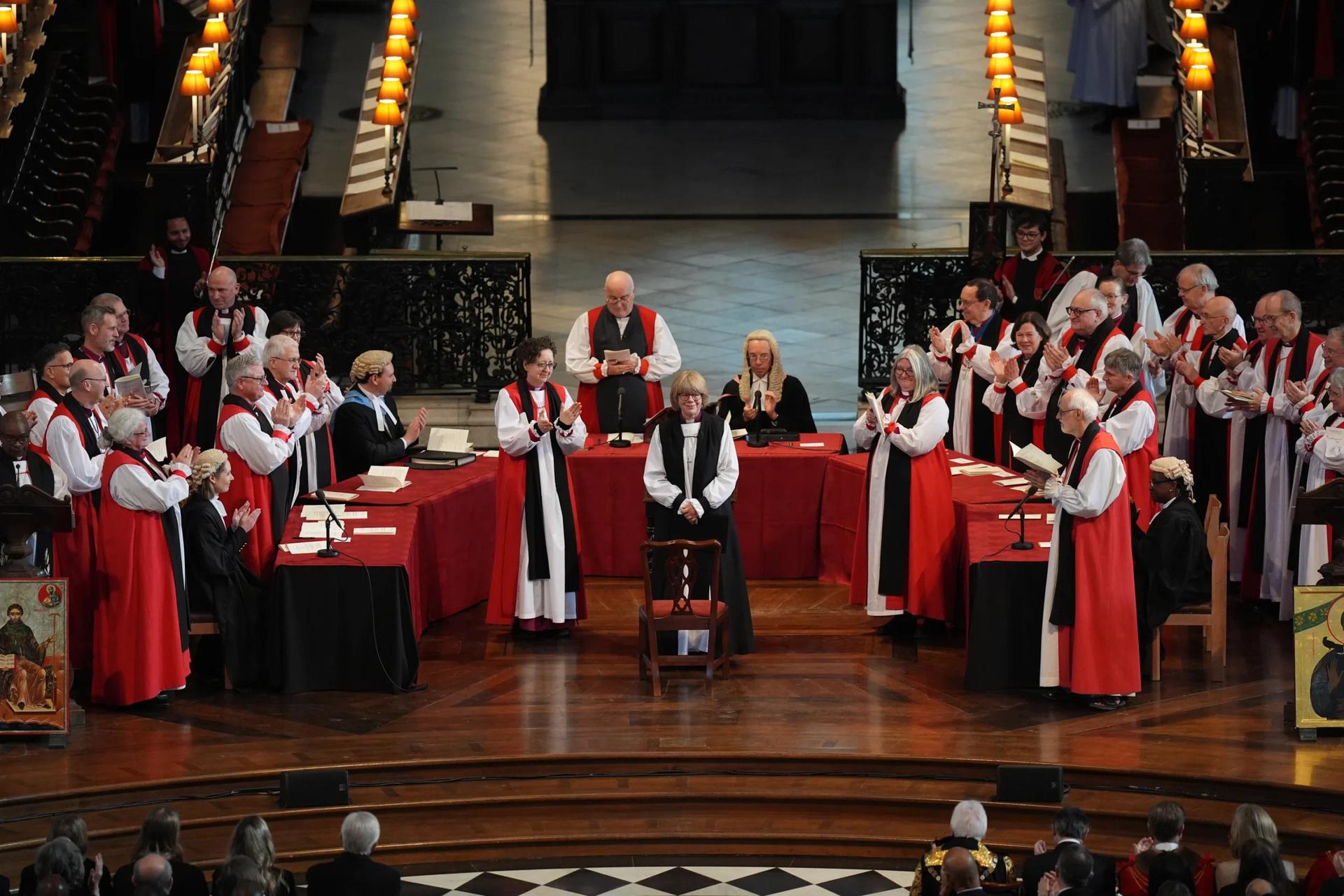
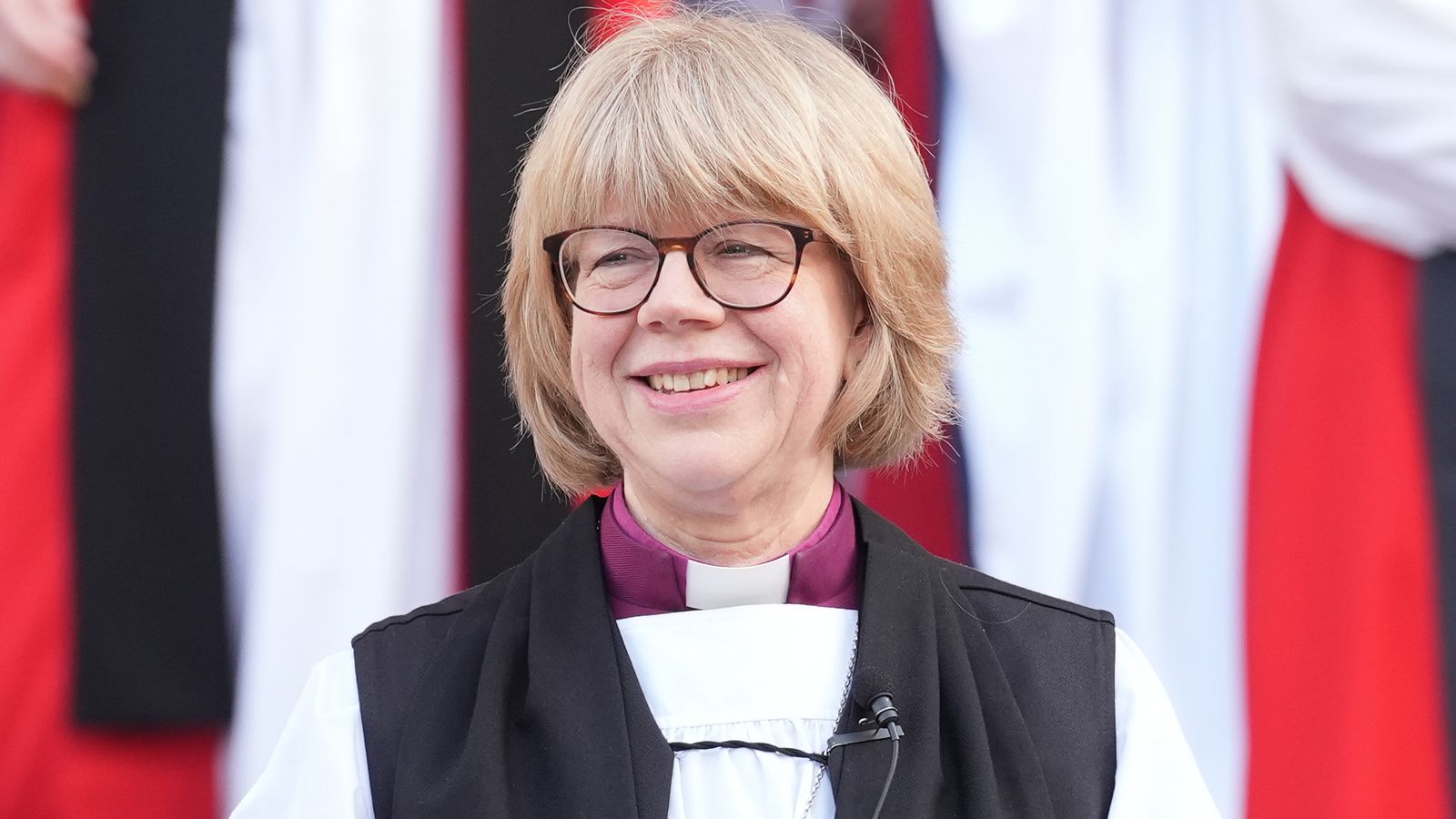
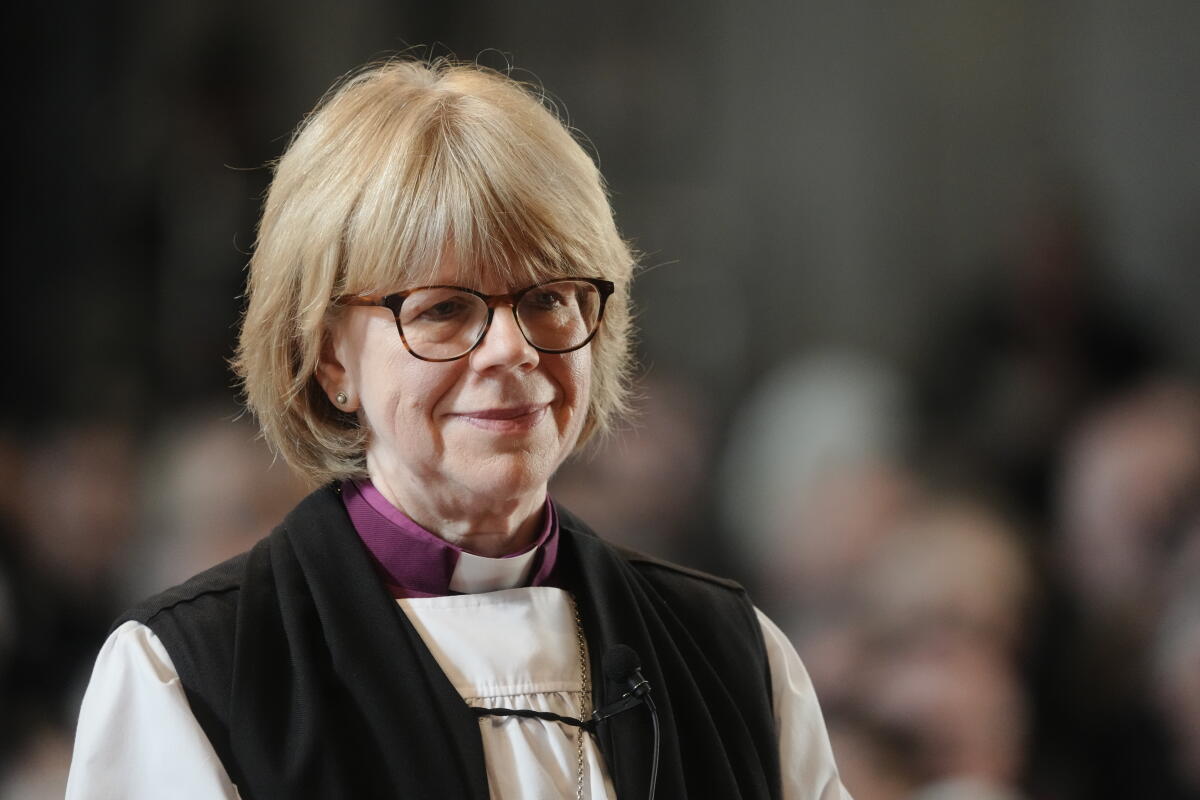
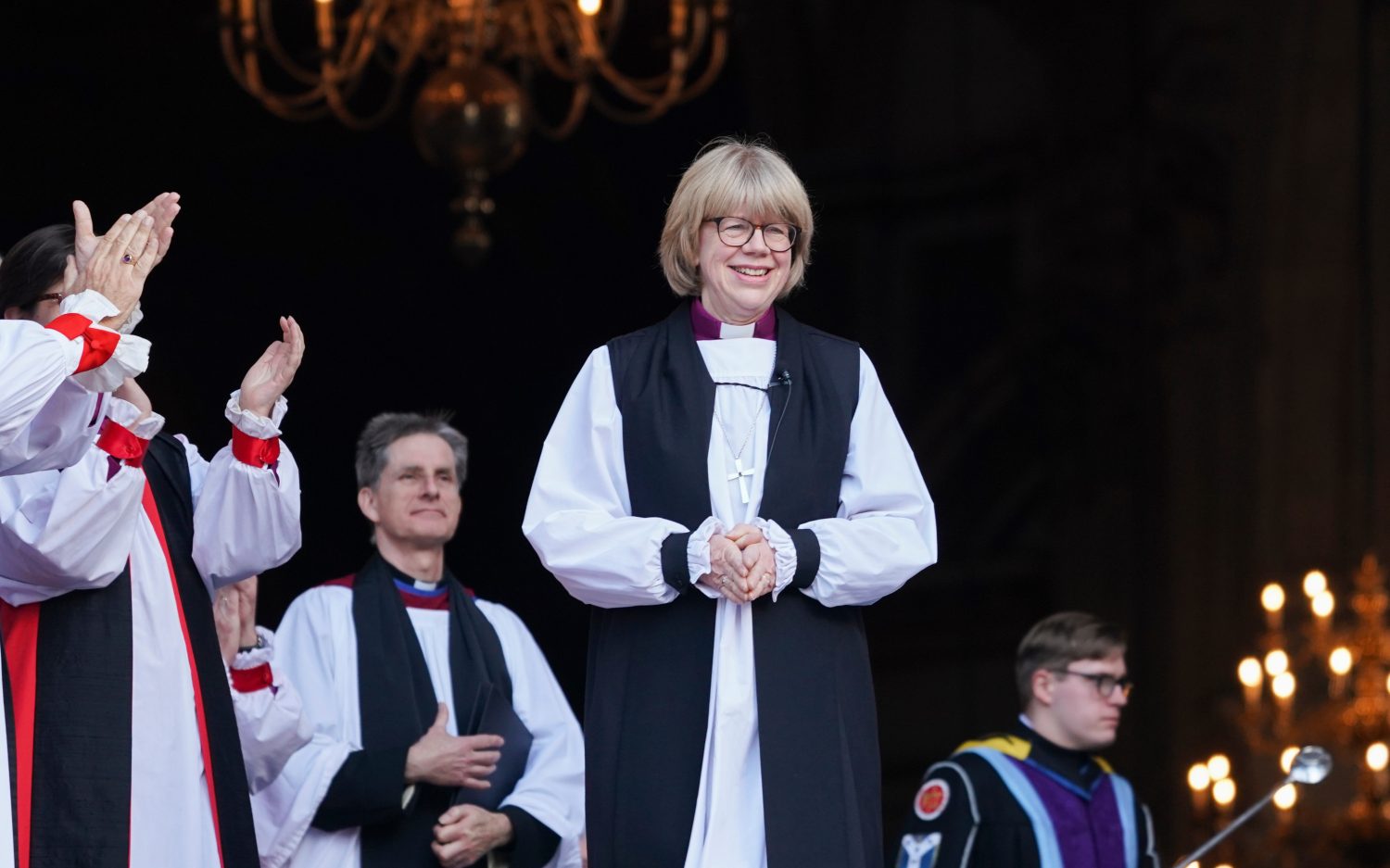
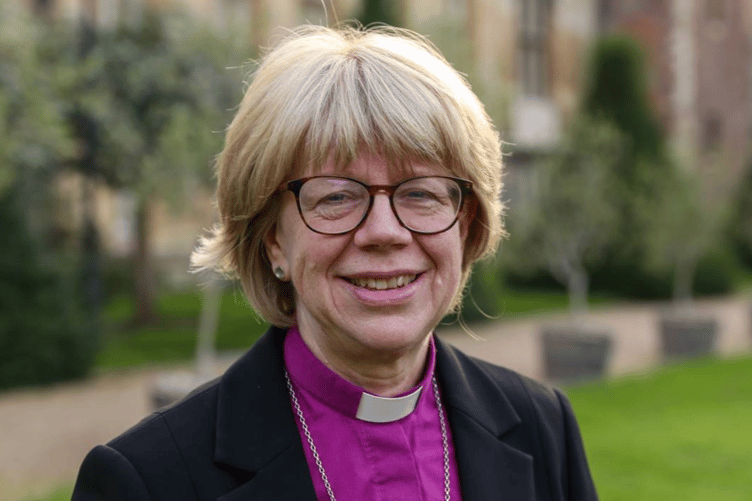
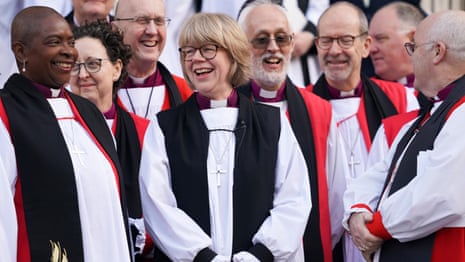
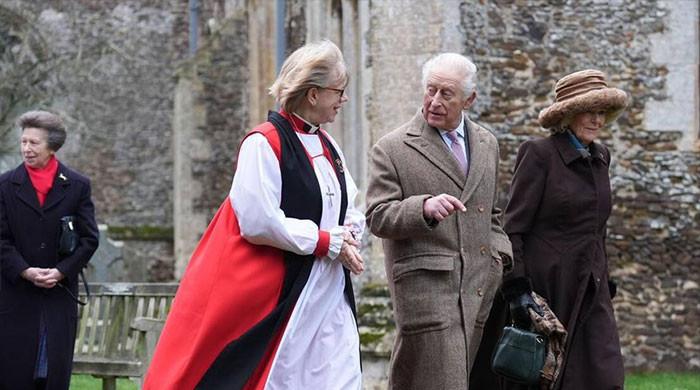
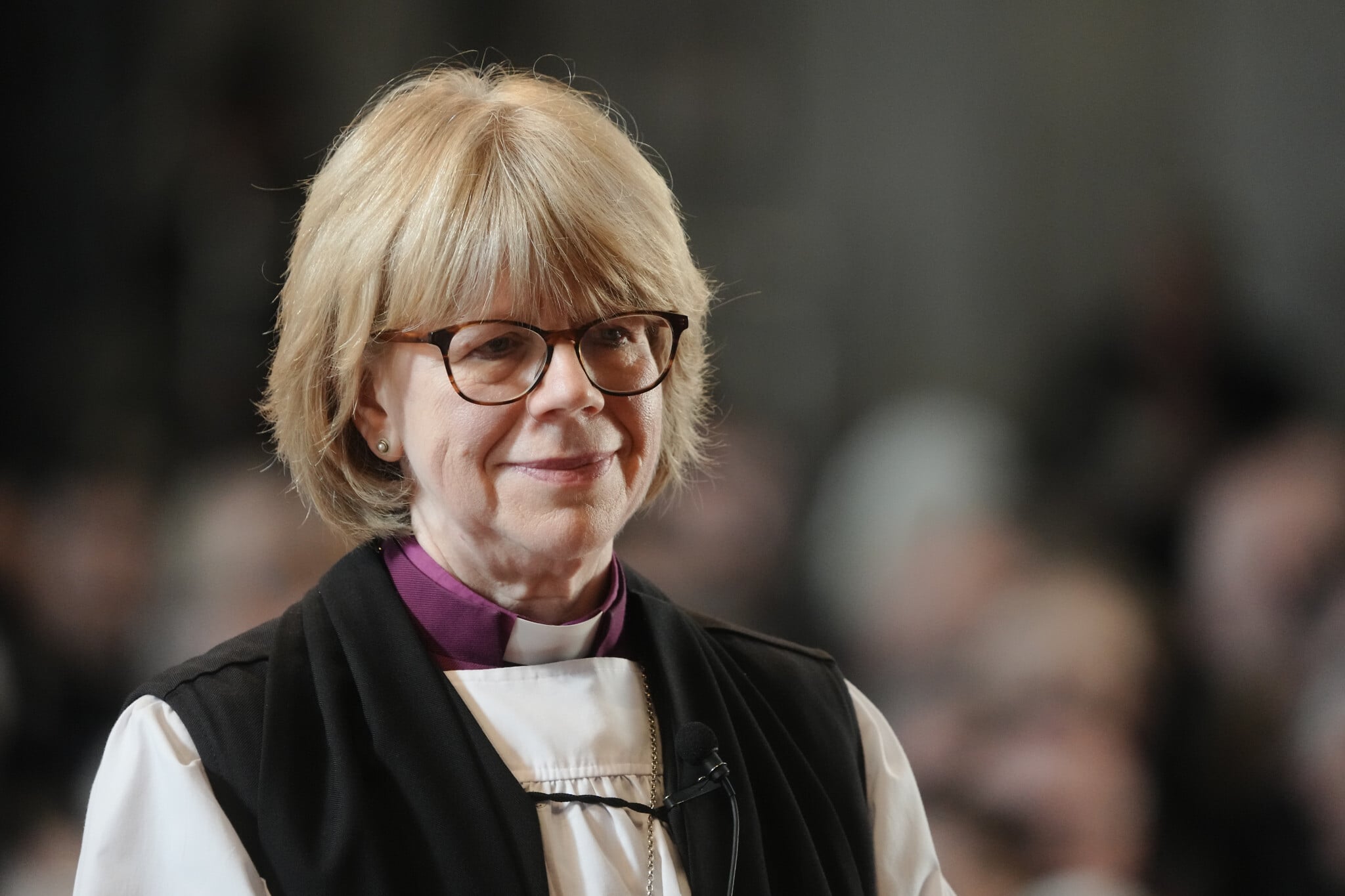
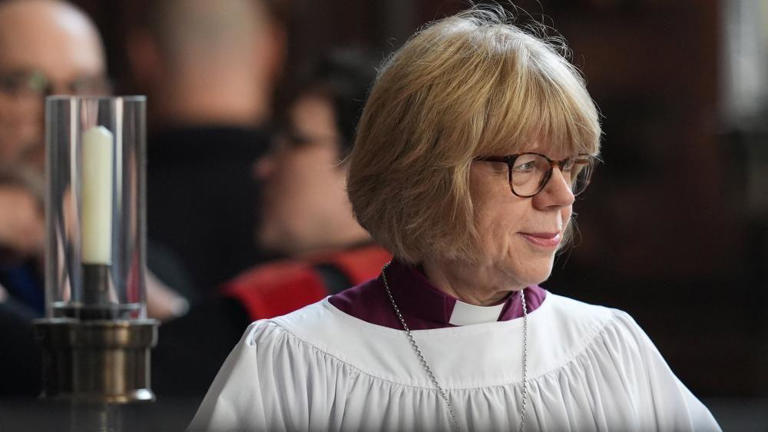
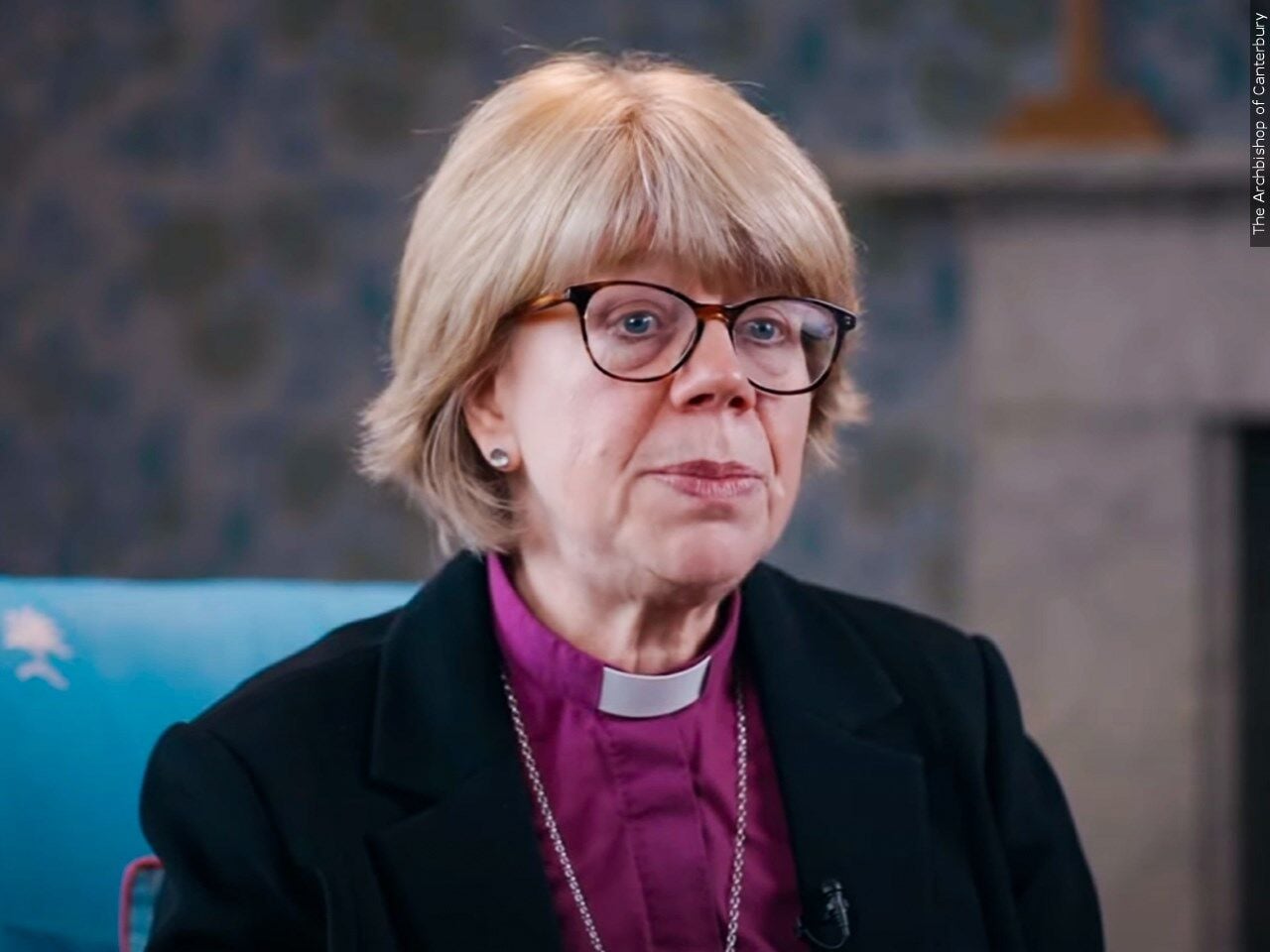
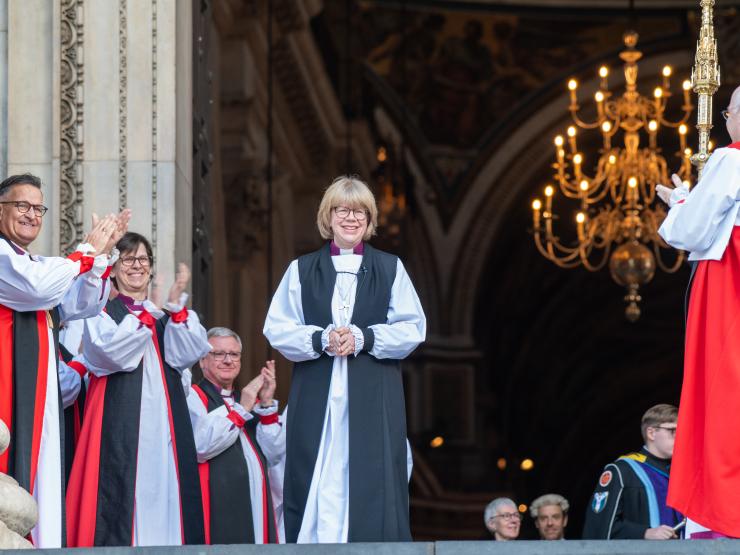
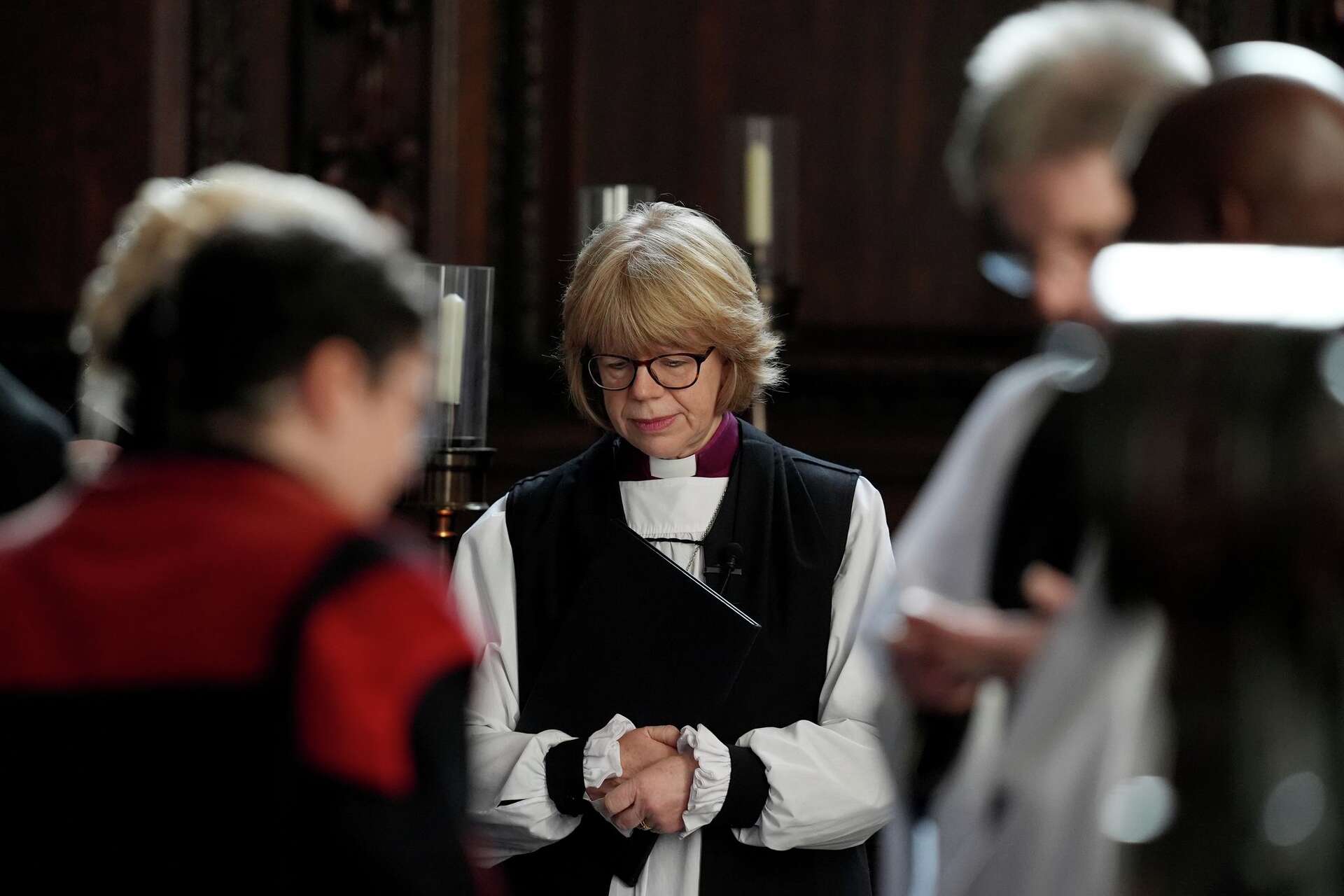
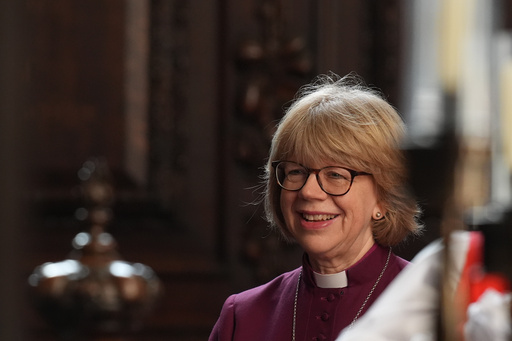
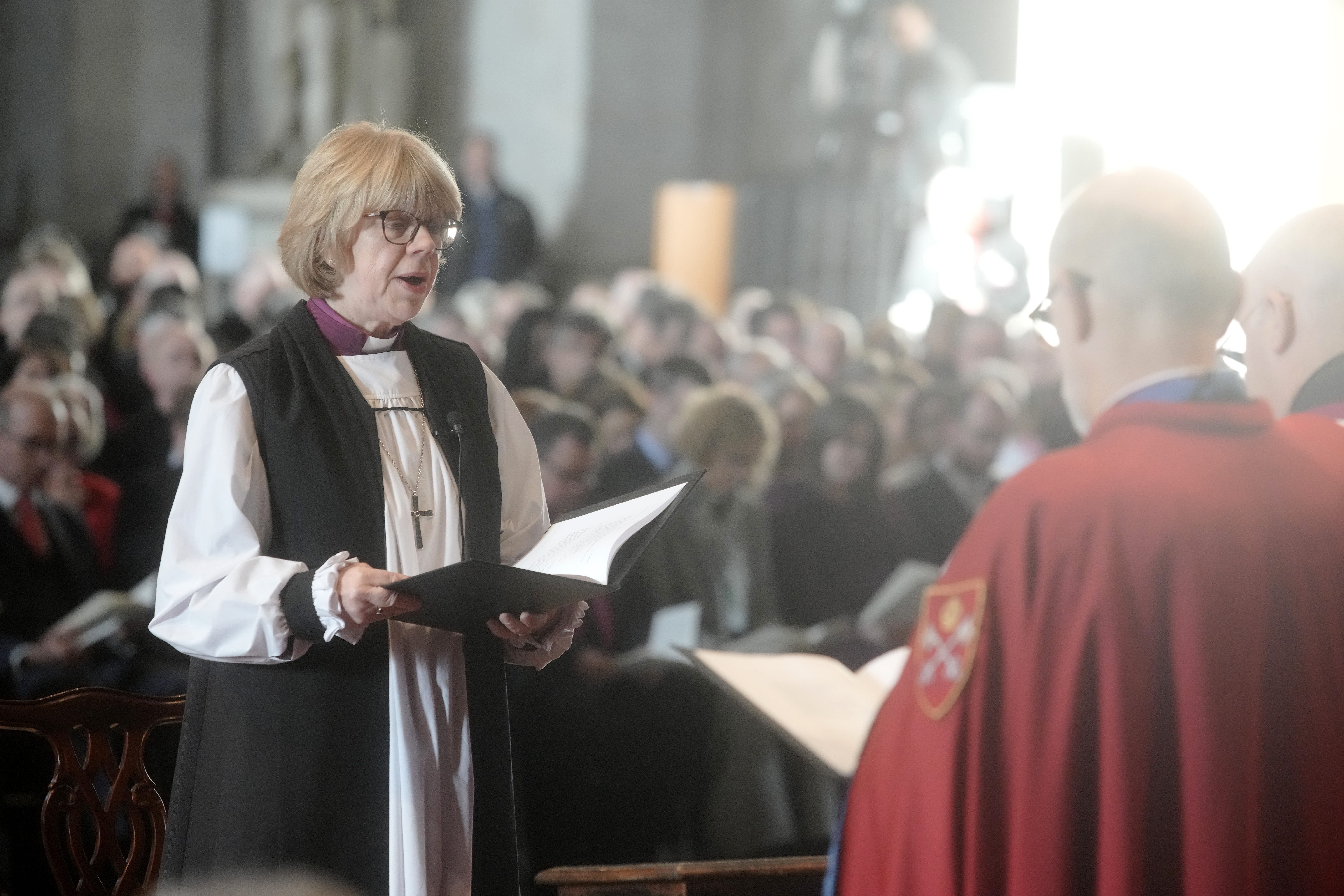
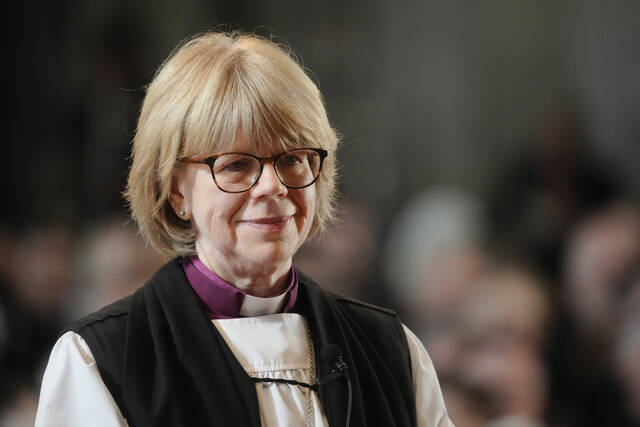
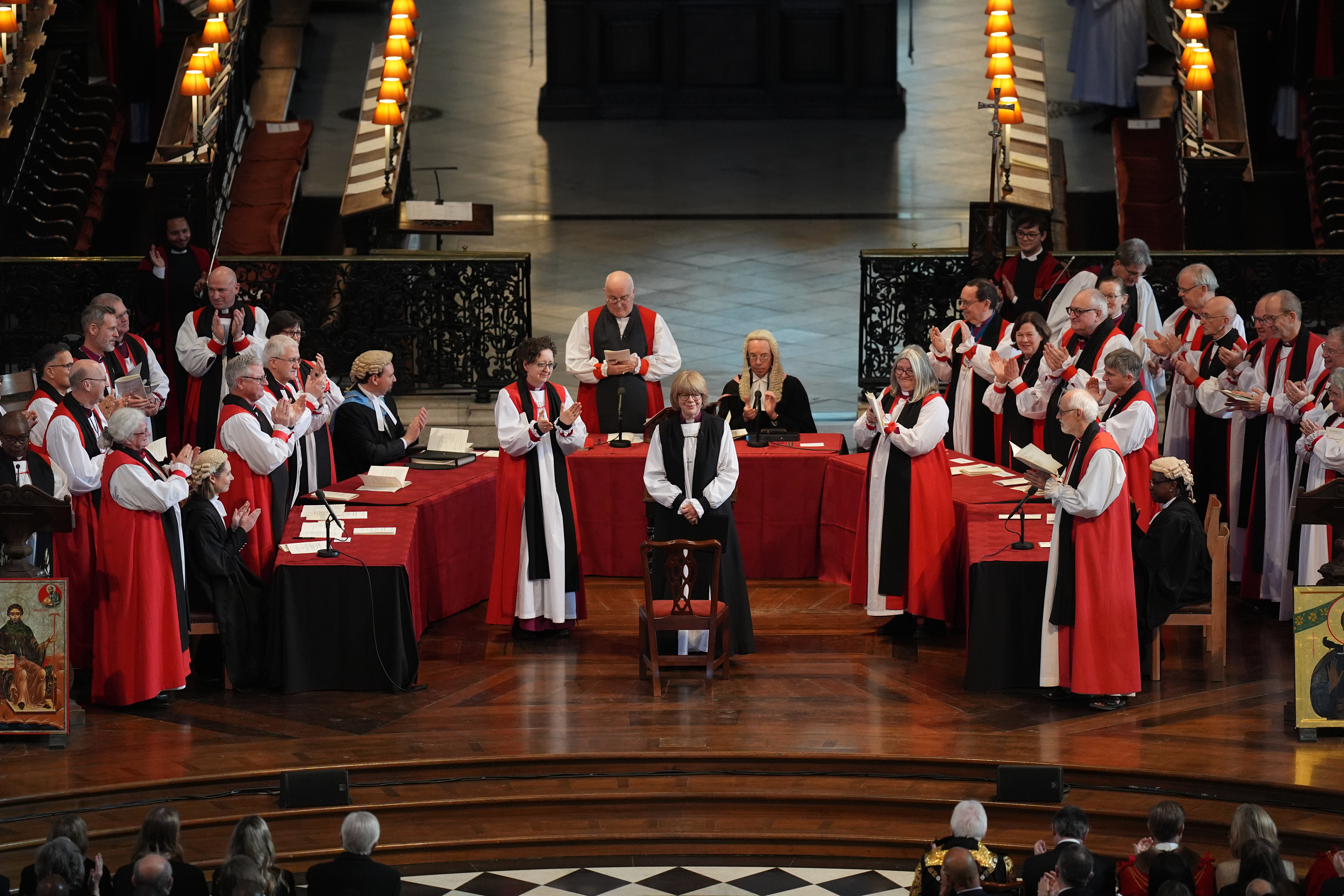
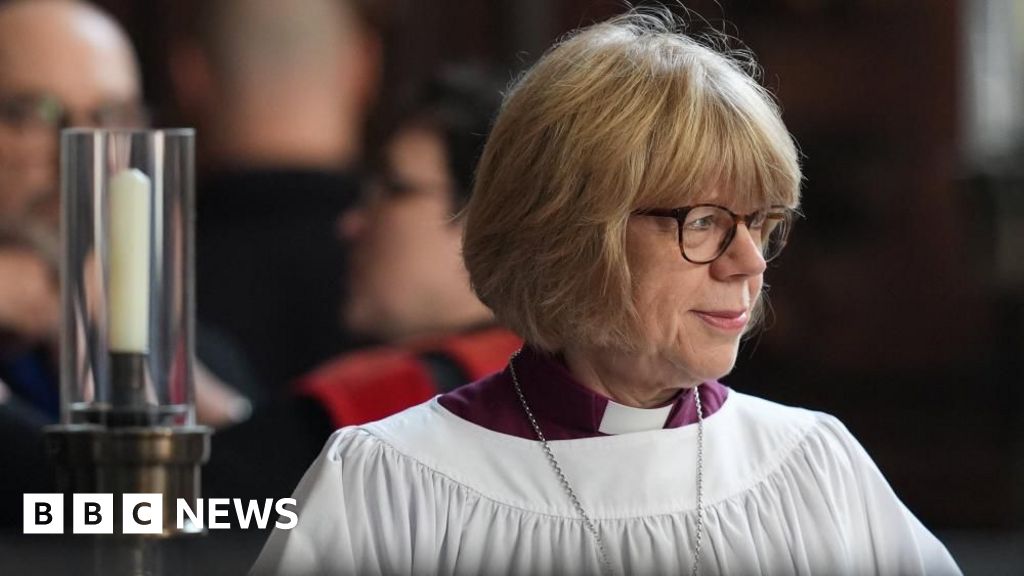
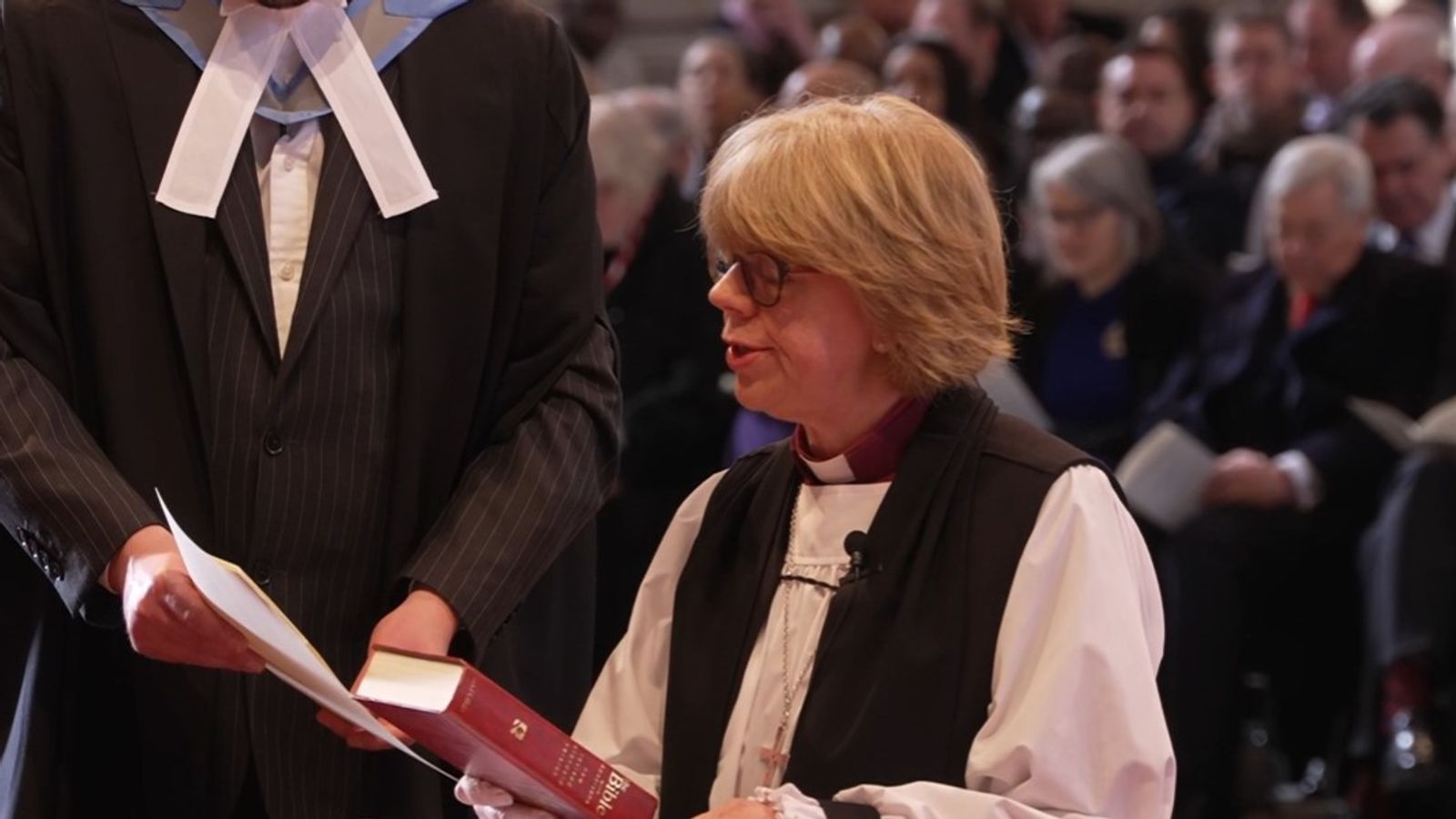
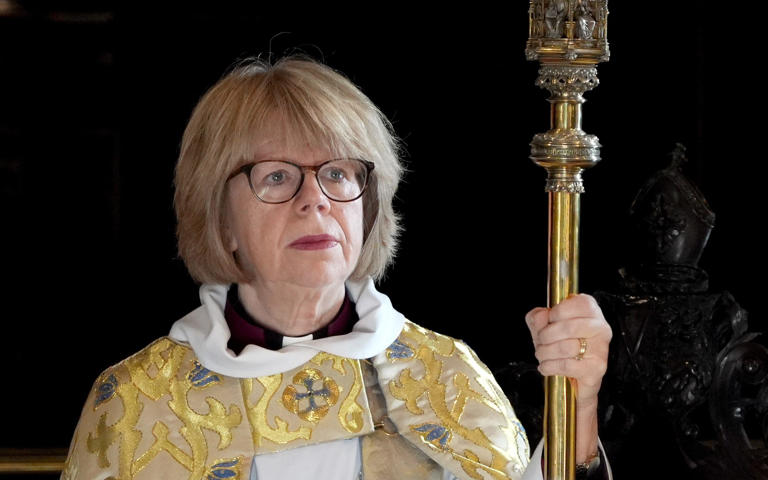
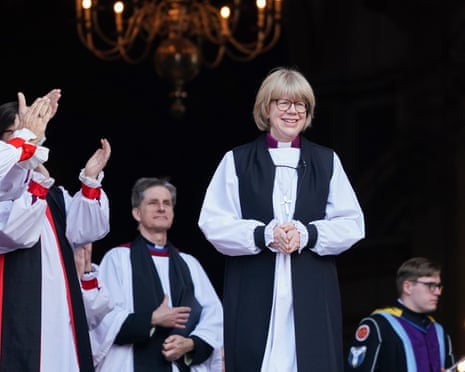
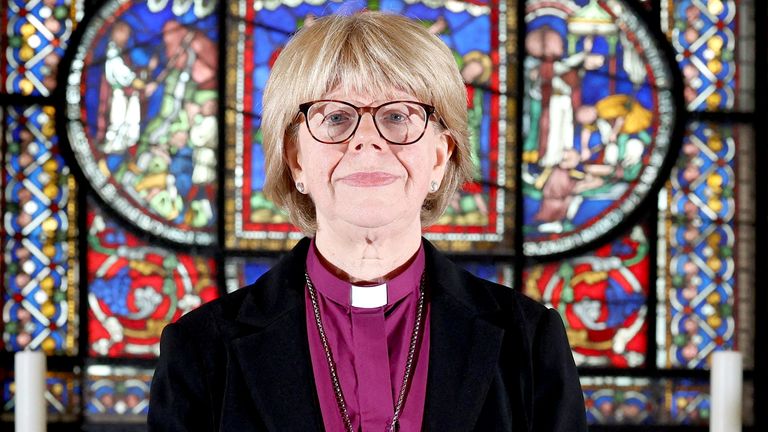
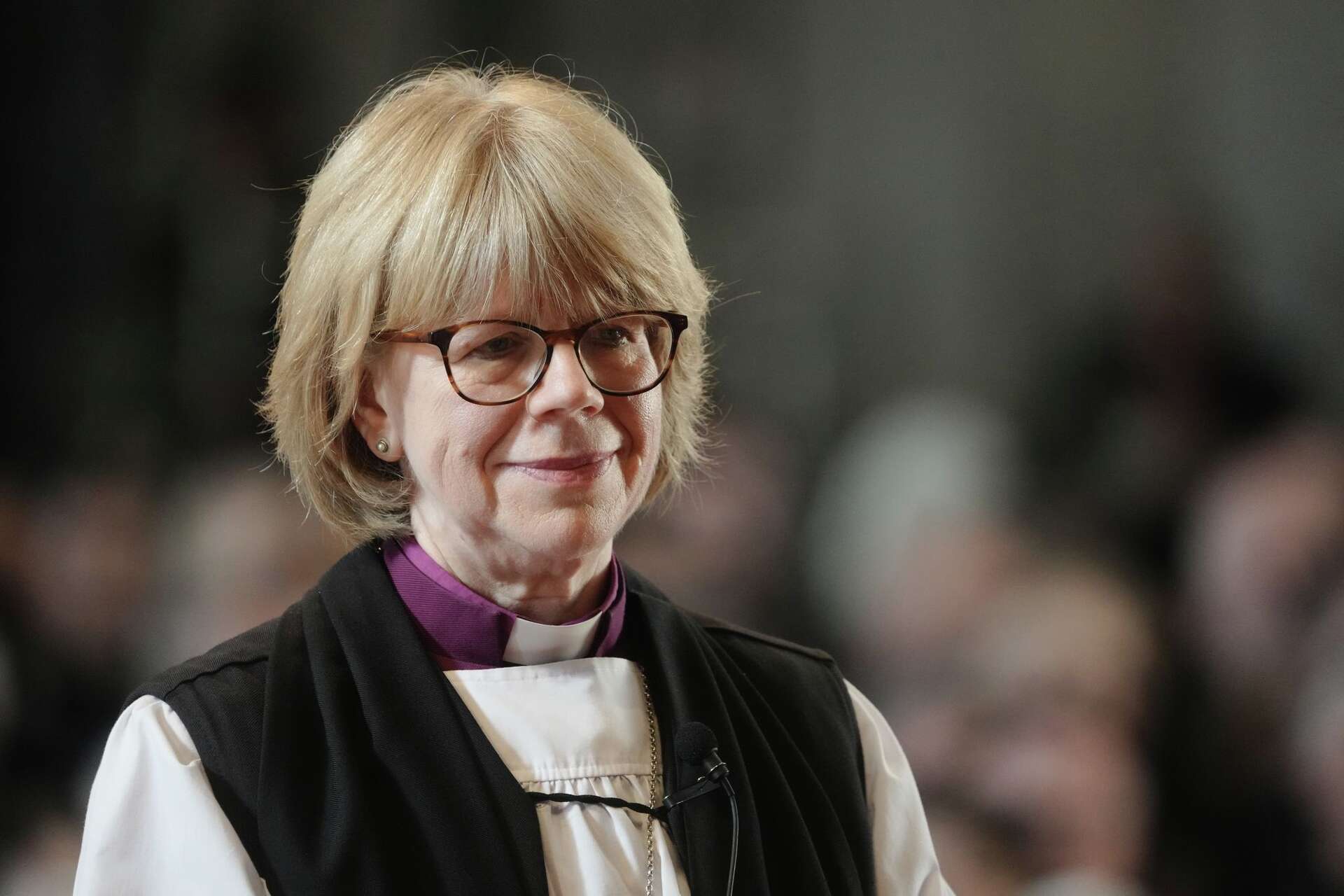
Dame Sarah Mullally's confirmation as the 106th Archbishop of Canterbury on January 28, 2026, represents a historic milestone for the Church of England and creates significant cross-border e-commerce opportunities for sellers. This appointment—the first female to lead the Church in its 500+ year history—signals a major shift toward inclusive leadership that resonates with younger demographics and progressive consumer segments globally. The Anglican Communion spans 85 million Christians across 165 countries, creating a substantial addressable market for commemorative merchandise, religious apparel, and collectible products celebrating this watershed moment.
Product Opportunity Analysis: The appointment triggers demand across multiple e-commerce categories. Religious merchandise sellers can capitalize on commemorative items including limited-edition prints of Mullally, ceremonial apparel replicas, and historical documentation products. The March 2026 formal enthronement at Canterbury Cathedral provides a secondary sales window. Apparel sellers should consider women-empowerment themed religious clothing, particularly targeting UK and Commonwealth markets where Anglican influence remains strong. Collectible sellers can develop commemorative coins, medals, and limited-edition religious art celebrating the first female Archbishop—similar to how papal merchandise performs during papal transitions.
Consumer Behavior Insights: The appointment reflects broader consumer trends toward diversity and inclusion in institutional leadership. News coverage emphasizes Mullally's background as a former NHS chief nurse and state-educated professional—positioning her as relatable to working-class and middle-class consumers rather than traditional elite ecclesiastical circles. This authenticity appeals to younger Anglican demographics (Gen Z and millennials) who increasingly support female leadership. The appointment also addresses the Church's safeguarding crisis, signaling institutional accountability that resonates with socially conscious consumers. Sellers targeting faith-based communities should emphasize Mullally's commitment to "ministry of hospitality" and inclusion—messaging that aligns with values-driven purchasing behavior.
Market Context and Regional Dynamics: The UK religious goods market generates approximately £800M+ annually, with significant cross-border demand from Commonwealth nations (Canada, Australia, New Zealand) and Anglican communities in Africa and Asia. Mullally's appointment carries particular significance in these regions where women's leadership remains contested. The appointment also occurs amid rising Christian nationalism concerns (referenced in News 1's discussion of the September Unite the Kingdom march), creating demand for products emphasizing inclusive, progressive Christianity. Sellers should target UK-based buyers (primary market), Commonwealth nations (secondary), and progressive Anglican communities globally. The March 2026 enthronement provides a concentrated sales window for time-sensitive commemorative products.
问题 8
What competitive advantages exist for early-moving sellers in this category?
Early movers (launching within 30 days of January 28 confirmation) capture 60-70% of peak demand before competitors enter the market. First-mover advantages include: (1) Amazon search ranking benefits from early listing velocity; (2) Brand association with the historic moment; (3) Inventory scarcity messaging; (4) Media coverage opportunities for unique products. Sellers should focus on differentiation—custom designs, limited editions, or unique product combinations—rather than competing on price. Niche positioning (e.g., 'first female Archbishop apparel for women clergy,' 'inclusive faith collectibles') outperforms generic religious merchandise. Monitor competitor launches and adjust inventory within 2-week windows. Consider influencer partnerships with progressive faith leaders and women's rights advocates to amplify reach in target demographics.
What e-commerce opportunities does Mullally's appointment create for sellers?
Mullally's historic appointment as the first female Archbishop of Canterbury (January 28, 2026) creates immediate demand for commemorative merchandise across multiple categories. Sellers can capitalize on religious collectibles (limited-edition prints, medals, coins), apparel (women-empowerment themed religious clothing), and historical documentation products. The March 2026 formal enthronement at Canterbury Cathedral provides a secondary sales window. Industry data shows religious merchandise sales spike 30-50% during major ecclesiastical transitions. Sellers should launch products within 30 days to capture peak demand during the 2-month window before the March enthronement.