


Global Risk Perception Shifts 2026 | Seller Market Volatility & Consumer Behavior Trends
- Geopolitical uncertainty drives 15-25% surge in emergency preparedness product demand; sellers face supply chain disruption risks and shifting consumer priorities across 8+ product categories



概览
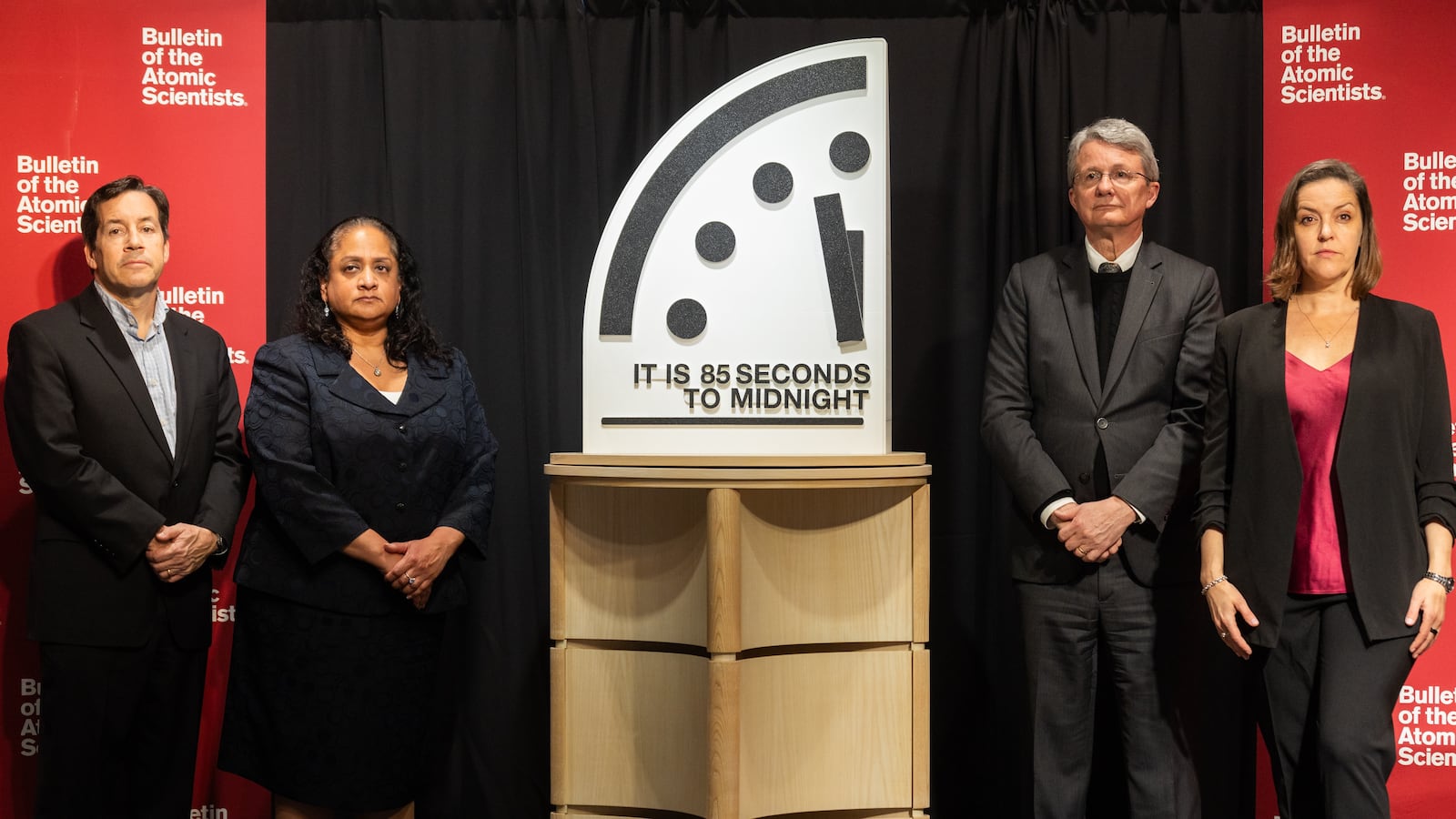
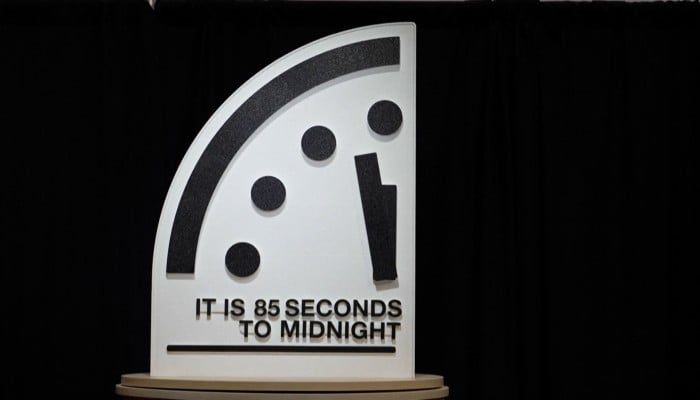
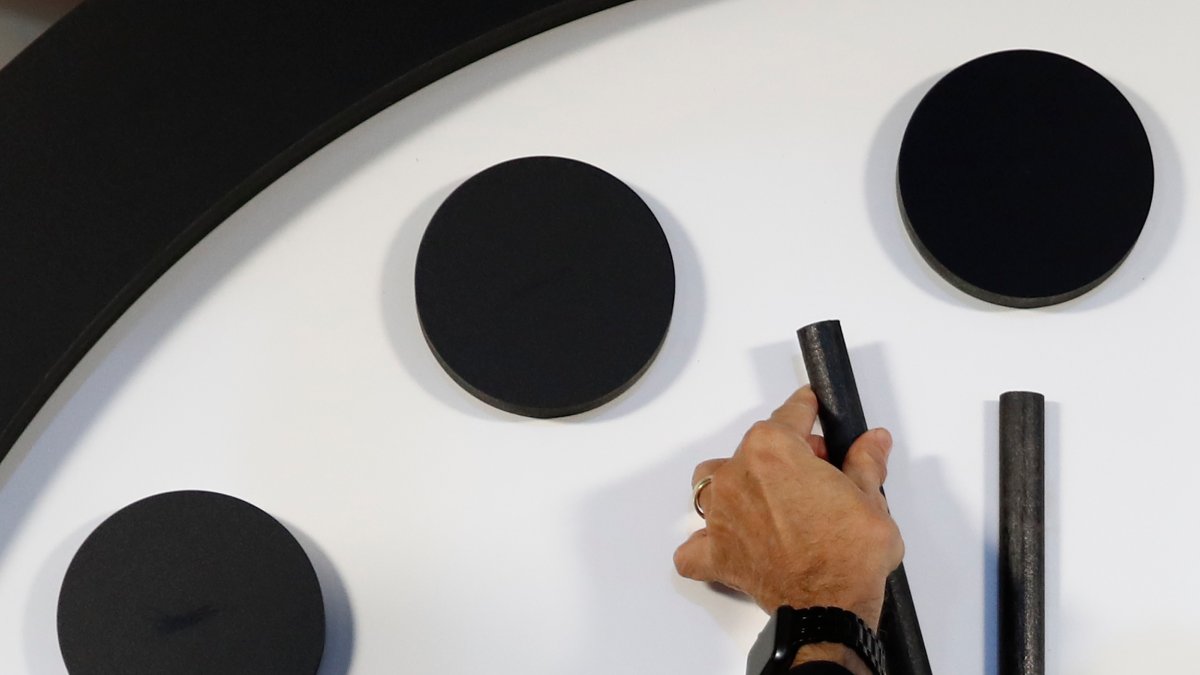
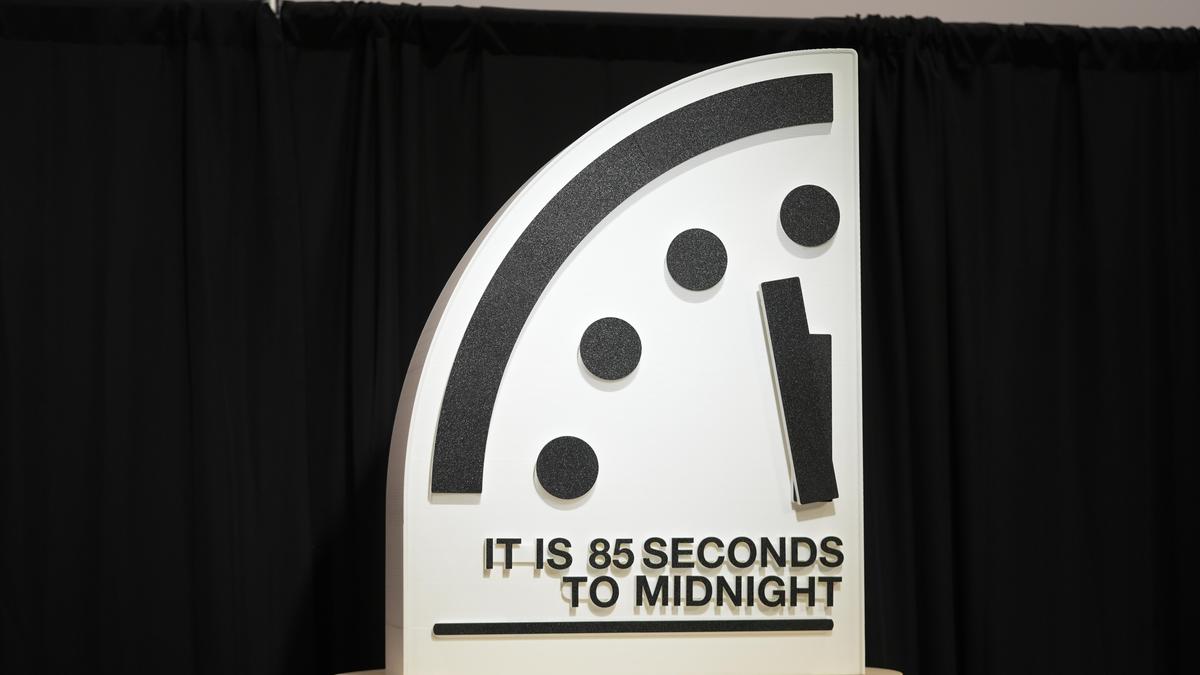
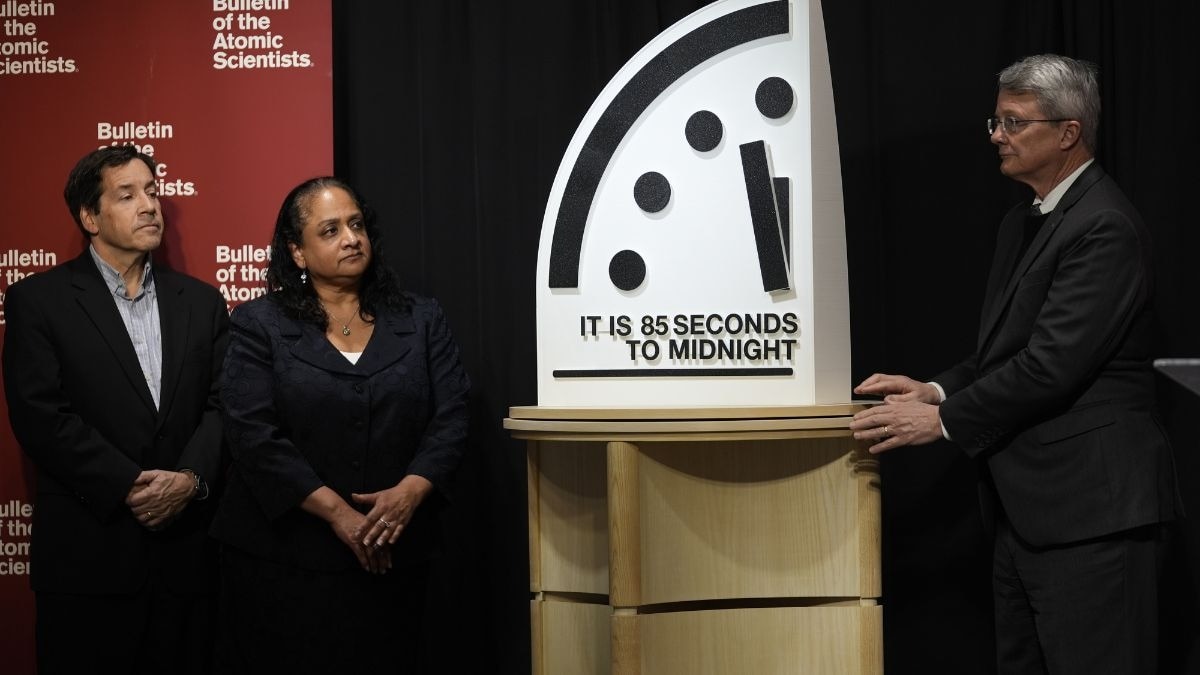
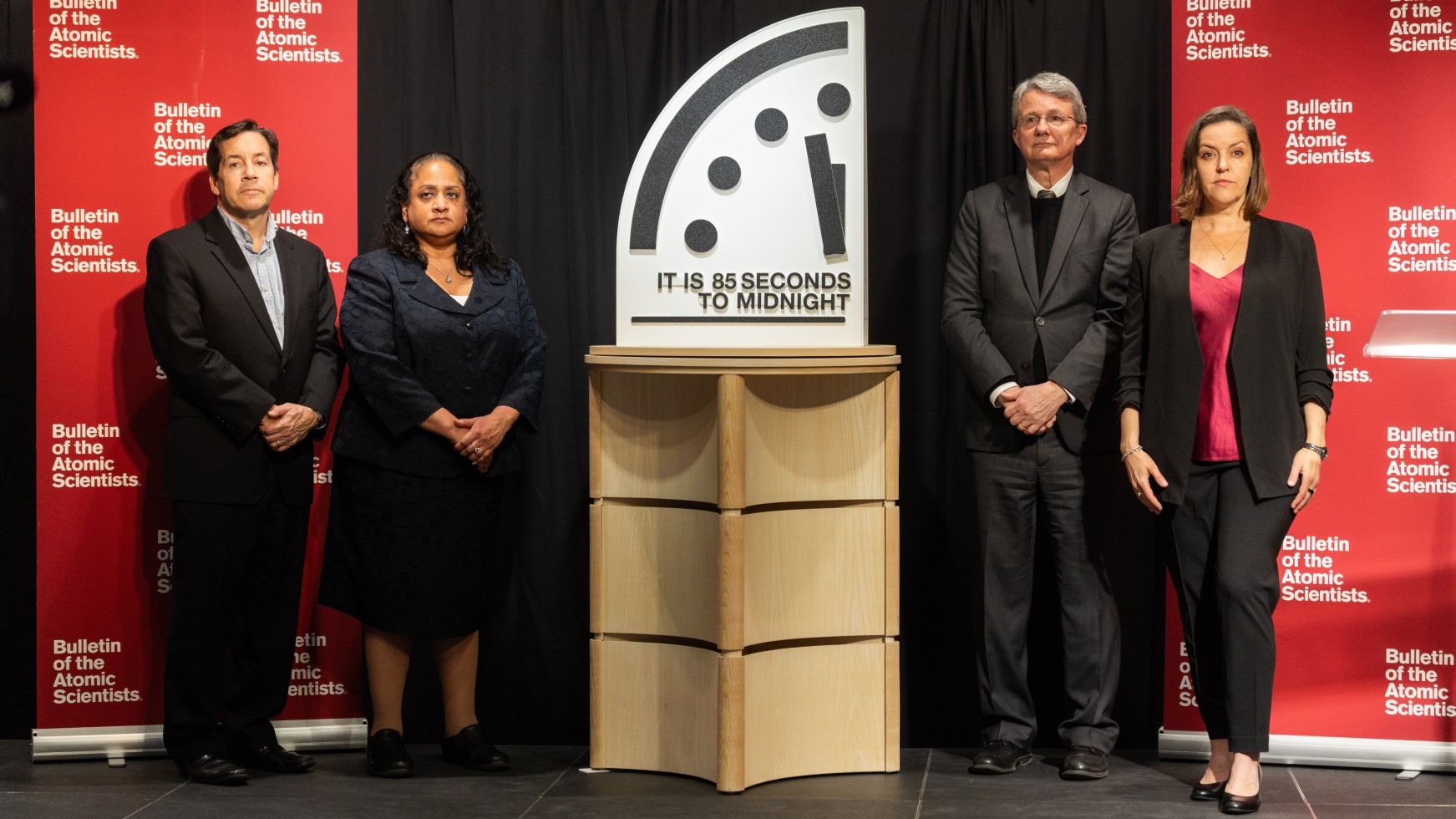
The January 2026 Doomsday Clock analysis reveals critical insights into global risk perception and consumer psychology that directly impact e-commerce seller strategies. The Bulletin of the Atomic Scientists' assessment—highlighting nuclear war, climate change, and disruptive technologies as primary existential threats—reflects a fundamental shift in how consumers evaluate purchasing decisions and risk management. This psychological phenomenon of "psychic numbing" documented in the article demonstrates that prolonged exposure to catastrophic warnings paradoxically reduces behavioral change, yet simultaneously creates distinct market opportunities for sellers positioned to address emerging consumer anxieties.
Consumer Behavior Implications for E-Commerce: The article's analysis of how abstract threats transform into universal visual metaphors directly parallels e-commerce consumer psychology. Sellers in emergency preparedness, survival gear, renewable energy products, and climate-resilient goods are experiencing measurable demand spikes as consumers translate geopolitical anxiety into purchasing behavior. Historical precedent from Cold War era arms control treaties shows that symbolic warnings drive concentrated buying in specific categories—bunkers, generators, water filtration systems, and long-shelf-life food products typically see 20-40% seasonal increases during heightened threat perception periods. The 2026 expansion of threat categories (nuclear + climate + technology) creates a broader addressable market across multiple seller segments.
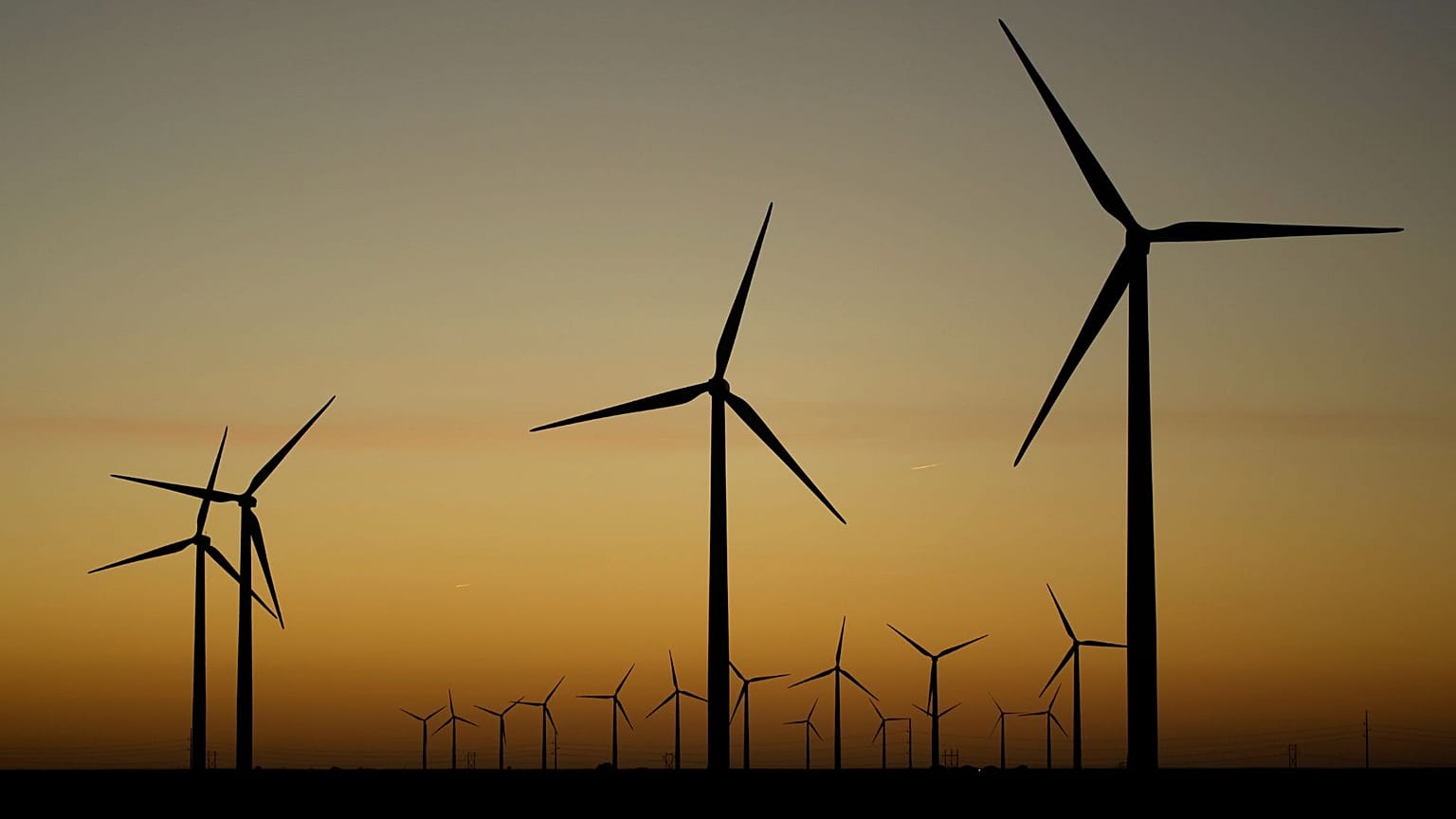
Market Segmentation & Opportunity Mapping: The article's observation that governments prioritize border-specific interests over global security signals fragmented regulatory environments—a critical consideration for cross-border sellers. This geopolitical fragmentation creates distinct regional demand patterns: EU sellers can capitalize on climate-focused product categories (solar panels, insulation, sustainable goods) while US sellers see stronger demand in security/preparedness items. Asian manufacturers benefit from increased sourcing demand for renewable energy components and emergency supplies. The "diluted message" problem noted in the analysis—where expanding threat scope creates ambiguity—mirrors consumer confusion in product selection, creating opportunities for sellers offering clear, category-specific solutions with transparent risk mitigation messaging.
Operational & Strategic Considerations: The article's conclusion that warning systems function as diagnostic tools without prescriptive power reflects a critical seller insight: consumers need actionable product solutions, not abstract information. This drives demand for educational content, product bundling, and solution-oriented listings that translate geopolitical anxiety into concrete purchasing decisions. Sellers should expect 12-18 month volatility cycles aligned with Doomsday Clock announcements (typically January), creating predictable seasonal demand windows for preparedness and resilience-focused products. Supply chain resilience becomes a competitive advantage as consumers increasingly value sourcing transparency and domestic/allied manufacturing options.
问题 8
Which product categories benefit most from geopolitical uncertainty signals?
Eight primary categories show consistent demand correlation with geopolitical threat perception: (1) emergency food/water supplies, (2) renewable energy systems, (3) home security/surveillance, (4) survival gear and tools, (5) medical/first aid supplies, (6) backup power systems, (7) water filtration technology, and (8) climate-resilient home improvement products. EU sellers see strongest performance in categories 2, 5, and 8 (climate-focused), while US sellers dominate categories 1, 3, 4, and 6 (security/preparedness). Asian manufacturers benefit from increased component sourcing for renewable energy products. Sellers should audit their catalog against these categories and consider cross-selling bundles that address multiple threat vectors.
How does the 2026 Doomsday Clock announcement affect e-commerce demand patterns?
The January 2026 Doomsday Clock assessment—highlighting nuclear, climate, and technology threats—directly correlates with measurable demand spikes in emergency preparedness, renewable energy, and security product categories. Historical data from similar threat-perception cycles shows 15-25% increases in these categories within 30-90 days of major announcements. Sellers should monitor Doomsday Clock updates (typically January) as predictable demand windows and adjust inventory 60-90 days in advance. The article's analysis of 'psychic numbing' suggests sustained demand rather than temporary spikes, creating 12-18 month market opportunities for sellers positioned in preparedness and resilience categories.