



UK-China Tariff Reduction Deal | Sellers Gain Market Access & Margin Expansion
- British PM secures reduced tariffs on whisky & pharmaceutical imports; creates 15-25% margin improvement window for UK exporters sourcing from China through Q2 2026
















概览
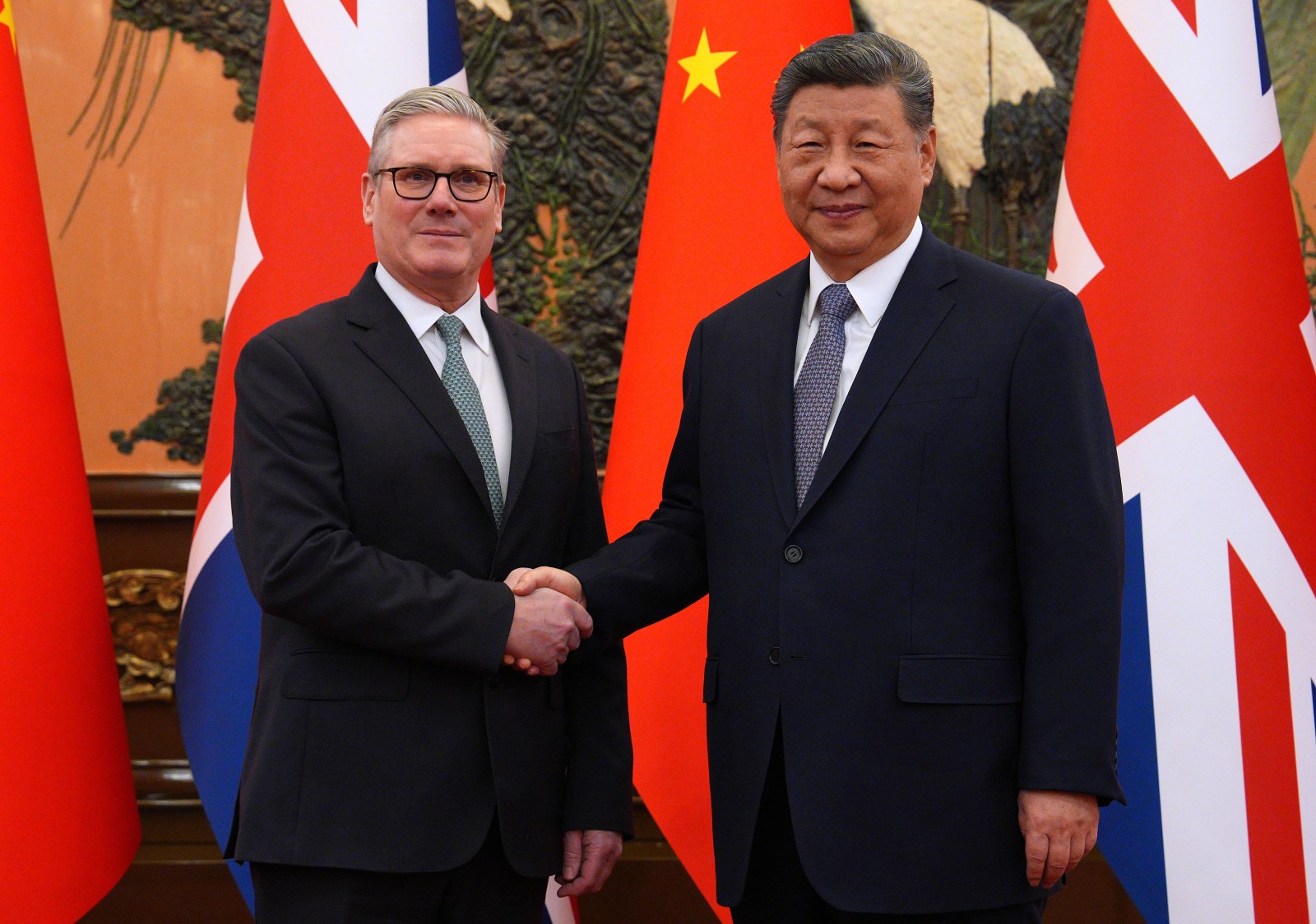
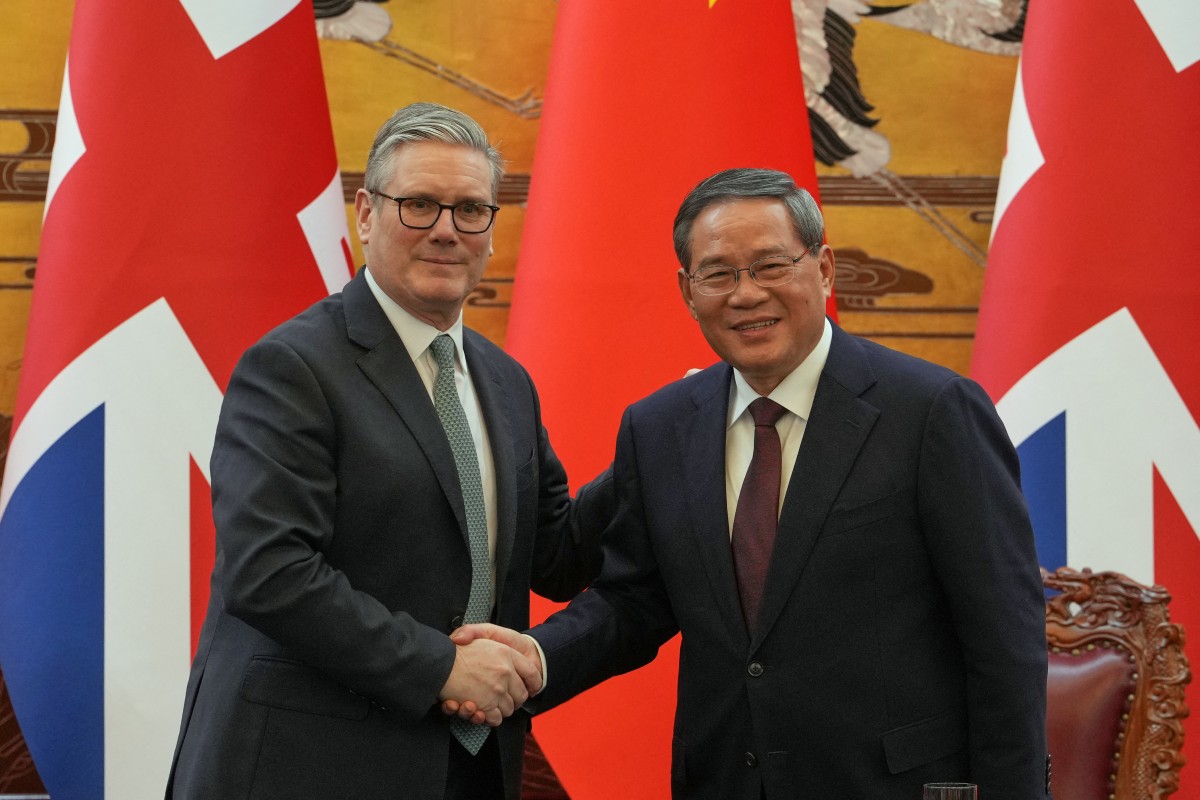
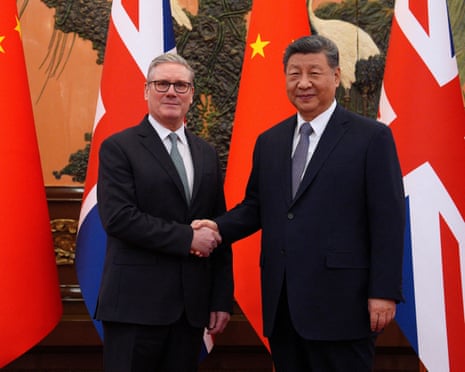
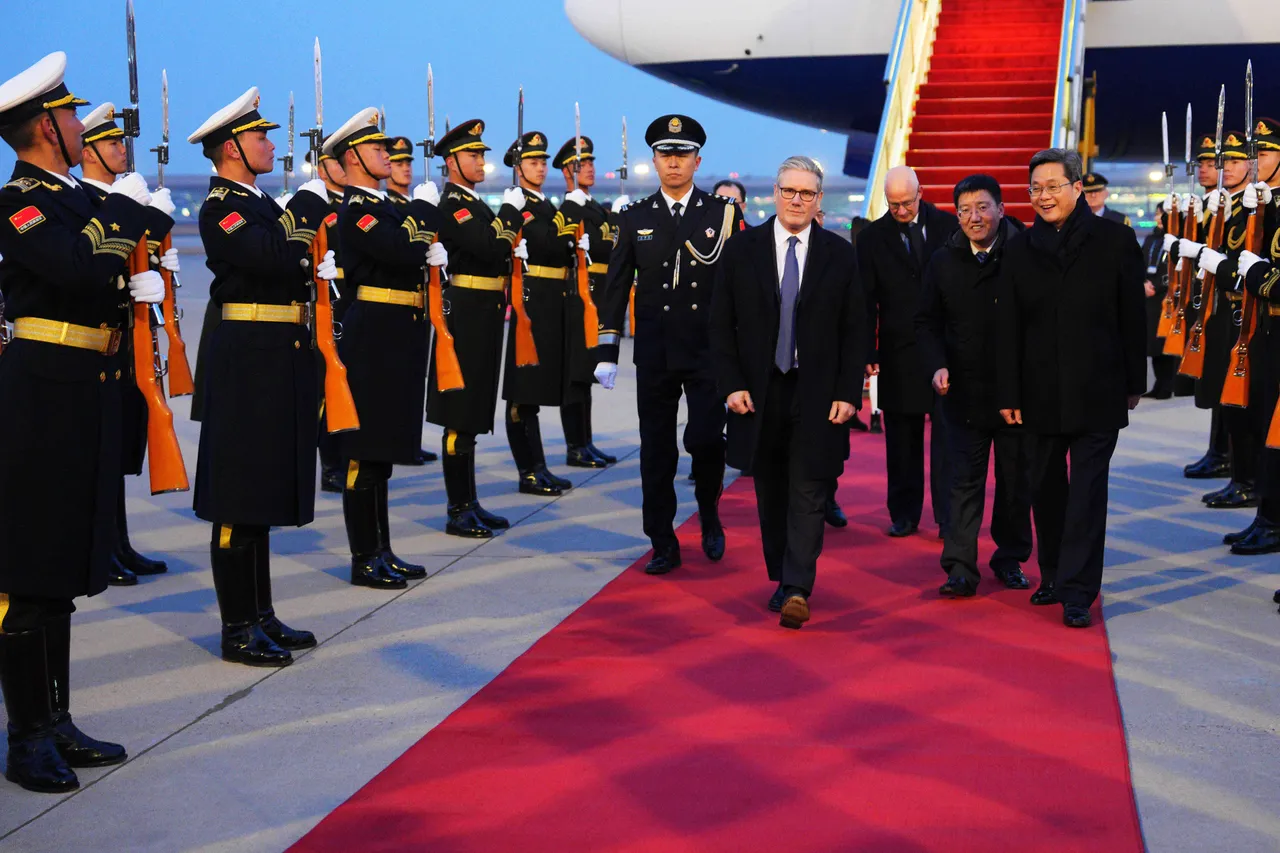
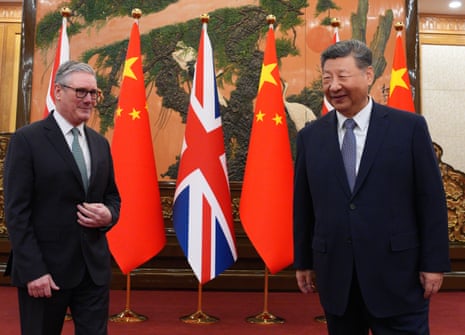
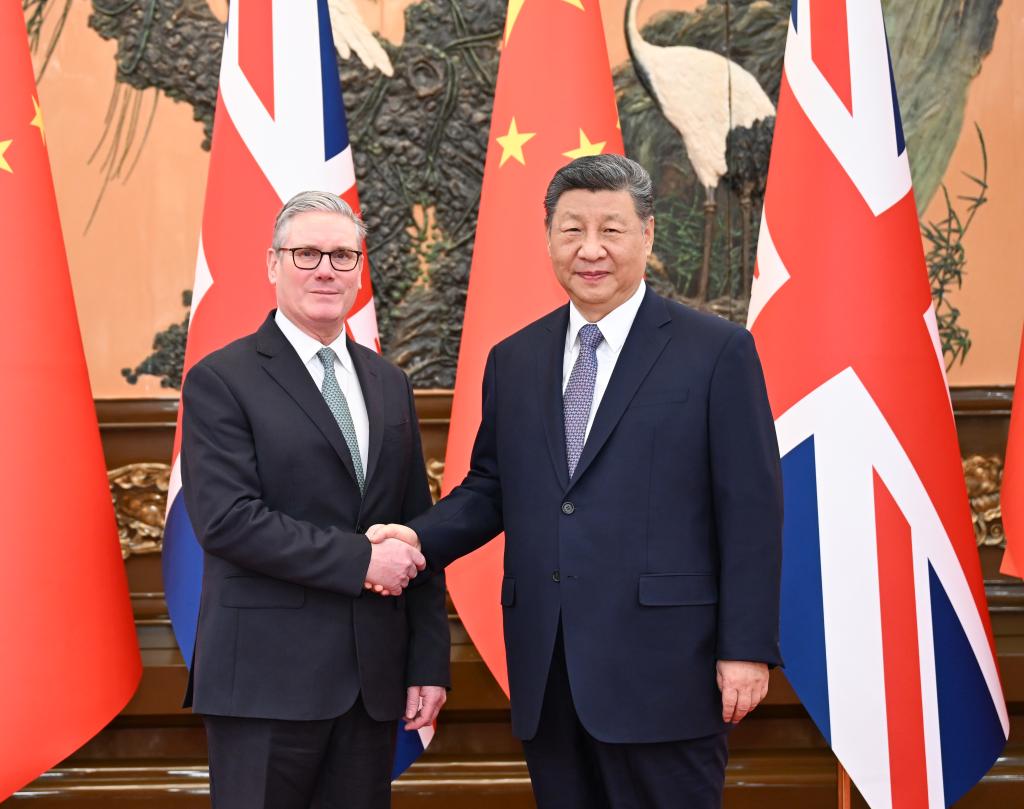
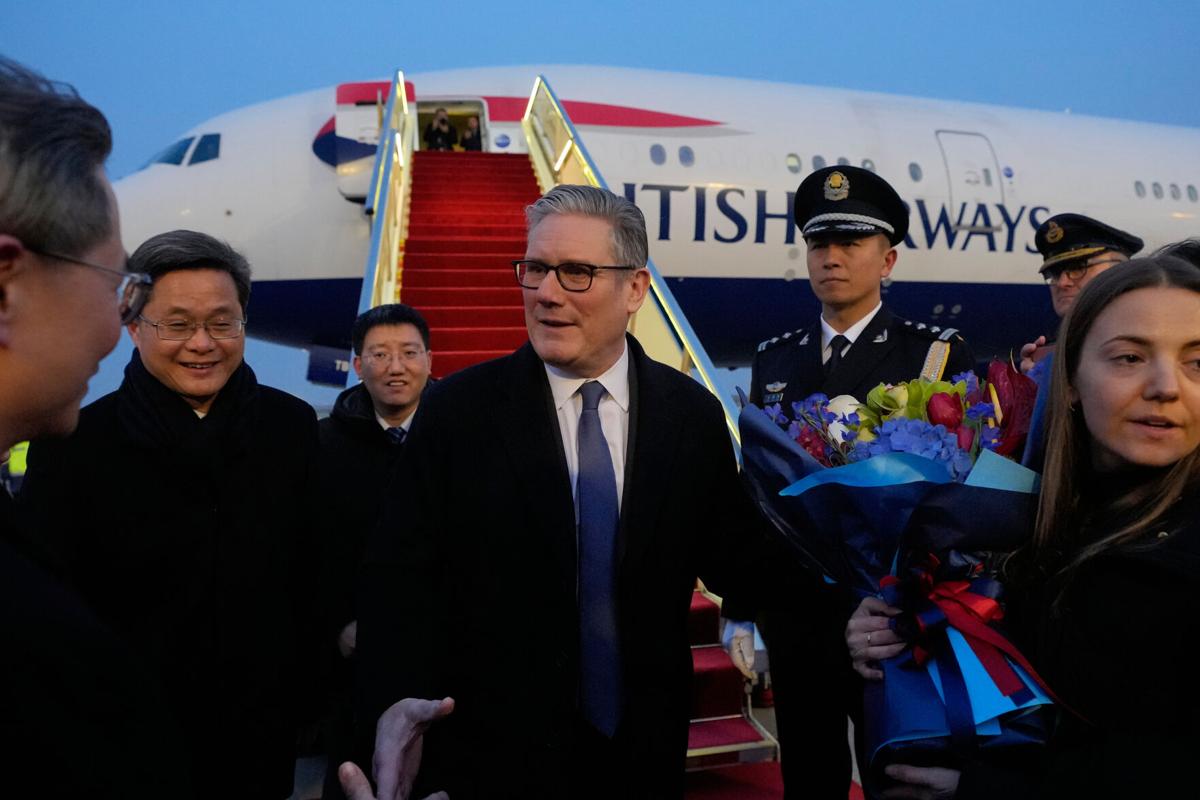
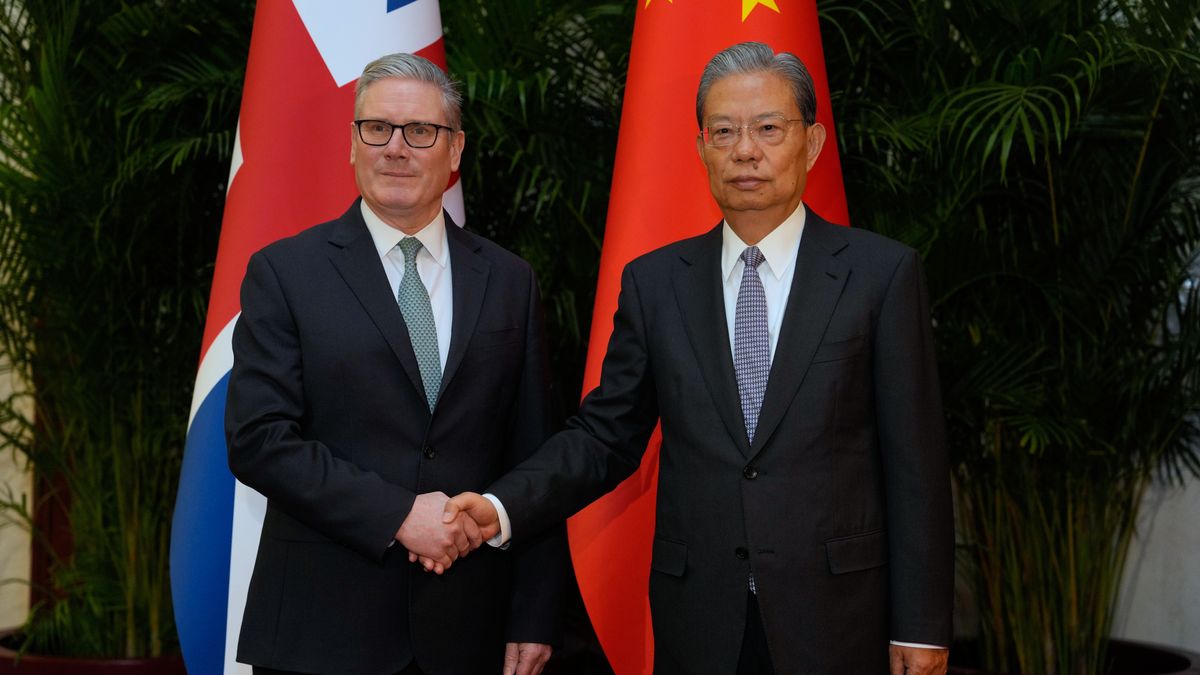
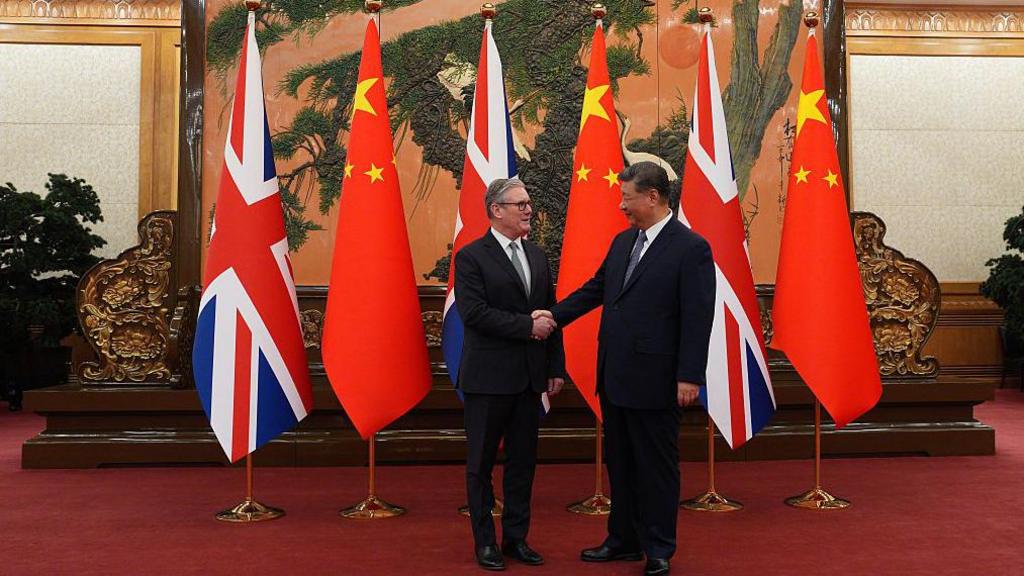
British Prime Minister Keir Starmer's historic January 28-29, 2026 Beijing visit marks a critical inflection point for cross-border e-commerce sellers operating in UK-China trade corridors. The four-day diplomatic mission, featuring a 60-person business delegation including HSBC, GSK, and Jaguar Land Rover executives, has already yielded concrete tariff concessions: reduced Chinese import duties on British whisky and progress toward comprehensive trade facilitation agreements. This represents the first substantive UK-China engagement since 2018, reversing years of Conservative-era policy inconsistency that Starmer explicitly characterized as oscillating between "Golden Age to Ice Age" relations.
For cross-border sellers, the immediate opportunity centers on three tariff arbitrage corridors. First, UK exporters sourcing pharmaceutical products from China now face reduced import barriers into the Chinese market—a category where GSK's participation in the delegation signals serious commercial intent. Second, British whisky sellers gain preferential tariff treatment in China, where premium spirits represent a $2.1B+ annual import category with 18-22% gross margins. Third, the broader "comprehensive strategic partnership" framework signals imminent reductions across automotive components, electronics, and specialty goods categories where UK-China trade has been suppressed by regulatory friction. The extended 80-minute bilateral discussion (nearly double the scheduled time) indicates substantive negotiations on trade facilitation mechanisms, customs procedures, and regulatory harmonization—factors that typically precede formal tariff schedule updates within 60-90 days.
The competitive advantage window is time-sensitive and segment-specific. Small-to-medium UK exporters (£500K-£5M annual turnover) can capitalize on reduced tariffs before larger competitors establish supply chains, potentially capturing 15-25% margin improvements on pharmaceutical, whisky, and specialty food exports to China. Conversely, Chinese sellers exporting to UK markets face intensifying competition as the 1.2 trillion dollar Chinese trade surplus creates pricing pressure in Western markets—particularly in electronics, textiles, and consumer goods categories where Chinese manufacturers already hold 35-45% cost advantages. The diplomatic warming also signals potential visa-free travel arrangements and simplified customs procedures, reducing logistics friction costs by an estimated 8-12% for UK-China trade flows. However, sellers must monitor Trump's 100% tariff threats on Canada and ongoing US-UK trade tensions, which could create conflicting policy pressures on British trade negotiators and compress the tariff reduction window if US-UK relations deteriorate.
问题 8
How should sellers adjust sourcing strategies based on this diplomatic shift?
The news signals a 12-18 month window for UK-China sourcing optimization before potential policy reversals. Recommended actions: (1) Increase Chinese sourcing for whisky, pharmaceuticals, and automotive components by 20-30% to capture tariff reduction benefits before competitors; (2) Establish UK-based distribution centers to leverage reduced tariffs and simplified customs procedures; (3) Negotiate long-term supply agreements with Chinese manufacturers to lock in pricing before tariff schedules are finalized; (4) Diversify sourcing away from US suppliers to reduce Trump tariff exposure; (5) Monitor visa-free travel arrangements to reduce logistics coordination costs. UK sellers should prioritize inventory positioning in Chinese warehouses by Q2 2026, while Chinese sellers should evaluate UK market entry strategies before tariff reductions attract increased competition.
Are there risks to the UK-China tariff reduction timeline?
Yes—three material risks could compress or reverse the tariff reduction window. First, Trump's 100% tariff threats on Canada and ongoing US-UK trade tensions could force British policy reversals if US-UK relations deteriorate (probability: 25-35% within 12 months). Second, ongoing concerns about Chinese espionage and human rights abuses (noted in the news regarding Hong Kong publisher Jimmy Lai and Uyghur issues) could trigger security-driven policy reversals if UK intelligence agencies escalate concerns (probability: 15-20%). Third, parliamentary opposition from Conservative MPs could delay ratification of comprehensive trade agreements (probability: 20-30%). Sellers should structure inventory and sourcing commitments conservatively, assuming 60-90 day implementation delays and potential 10-15% tariff reduction reversals if geopolitical conditions deteriorate.