

EV Market Shift 2025 | Chinese Competitors Disrupt Tesla's Dominance, Creating Cross-Border Seller Opportunities
- Tesla's 46% profit decline and loss of market leadership to BYD signals massive supply chain restructuring, EV accessory demand surge, and emerging opportunities in Chinese EV export markets (Mexico, Brazil, Canada)






概览
Tesla's 46% year-over-year profit decline in 2025 represents a fundamental market restructuring with direct implications for cross-border e-commerce sellers. The company's loss of global EV leadership to Chinese competitor BYD (which sold 2.25M vehicles vs Tesla's 1.65M) signals a seismic shift in automotive supply chains, consumer preferences, and regulatory environments that create both risks and opportunities for sellers across multiple categories.
The Market Disruption Context: BYD's 36% sales advantage, combined with aggressive growth from Geely (+90%) and SAIC (+33%), indicates Chinese manufacturers are capturing market share through aggressive pricing and export expansion into Mexico, Brazil, and Canada. Simultaneously, EU EV registrations exceeded gasoline vehicles for the first time in December 2025 (50% YoY growth), creating a bifurcated market: declining US demand due to Trump administration EV incentive rollbacks and brand reputation damage (37% negative sentiment vs 27% positive for Tesla), versus accelerating global adoption outside North America.
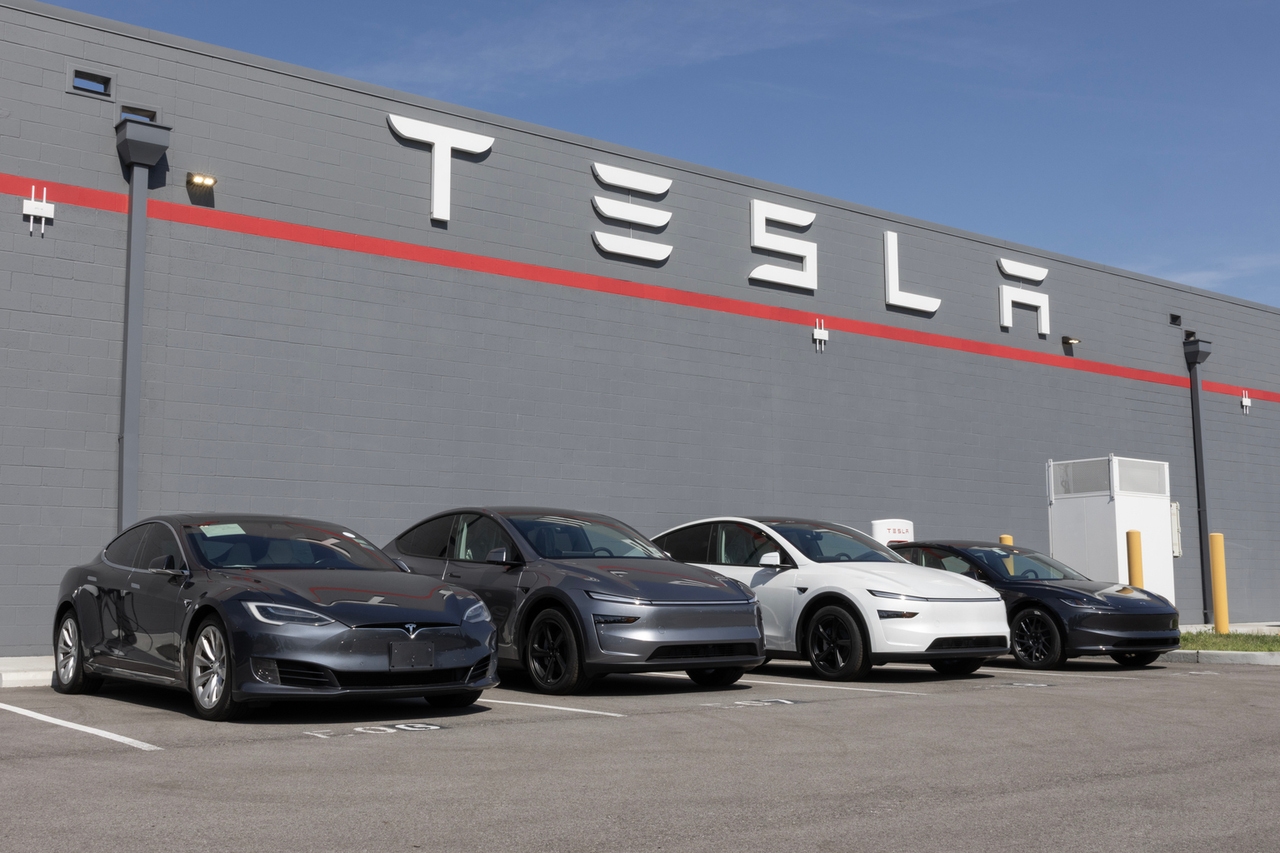
Cross-Border Seller Implications: This disruption creates three distinct opportunity vectors. First, EV accessory and aftermarket demand is surging as 2.25M+ BYD vehicles and millions of other Chinese EVs enter new markets lacking established service ecosystems. Sellers can capitalize on charging equipment, battery management systems, interior accessories, and diagnostic tools—categories that historically lag vehicle sales by 6-12 months but generate 15-25% higher margins than automotive OEM parts. Second, supply chain reallocation is accelerating as Tesla discontinues Model S/X production and redirects Fremont capacity toward autonomous vehicles and robotics. This creates sourcing opportunities for sellers in battery components, semiconductor-adjacent products, and manufacturing equipment as suppliers pivot away from Tesla's legacy vehicle platforms. Third, regulatory arbitrage opportunities emerge as the Trump administration's EV credit elimination ($7.5K per vehicle previously) reduces competition from legacy automakers, potentially benefiting sellers of alternative powertrain components and efficiency-focused products.
Regional Market Dynamics: EU sellers face tailwinds with 50% YoY EV growth creating demand for European-compliant charging infrastructure, vehicle electronics, and climate control systems. Mexican, Brazilian, and Canadian sellers should monitor Chinese EV expansion—these markets will require localized aftermarket products, warranty support infrastructure, and parts distribution networks. US sellers face headwinds from policy rollbacks but opportunity in serving the 27% of consumers with positive Tesla sentiment and the growing segment of price-conscious EV buyers (Model 3/Y price reductions signal margin compression, driving demand for lower-cost alternatives and upgrades).
Strategic Positioning: Tesla's $20B capital expenditure pivot toward autonomous vehicles and robotics (doubling 2025 levels) signals the company is exiting traditional EV manufacturing competition. This creates a 24-36 month window where Chinese competitors will establish dominant market positions before autonomous technology matures. Sellers should position inventory and marketing toward Chinese EV owners and emerging market segments rather than betting on Tesla's recovery or legacy automaker EV transitions.
问题 8
How should sellers position inventory for regional EV market differences?
EU sellers should prioritize charging infrastructure and vehicle electronics (50% YoY growth market), while Mexico/Brazil/Canada sellers should focus on aftermarket products for Chinese EVs entering these markets. US sellers face declining EV incentives but opportunity serving the 27% of consumers with positive Tesla sentiment and price-conscious segments. Recommend allocating inventory: 40% EU (high growth), 35% emerging markets (Chinese EV expansion), 25% US (selective segments). Monitor regional regulatory changes—EU compliance requirements differ significantly from North American standards.
What supply chain opportunities emerge from Tesla's production pivot?
Tesla's discontinuation of Model S/X production and $20B capital reallocation toward autonomous vehicles creates sourcing opportunities in: (1) battery components and semiconductor-adjacent products as suppliers transition away from legacy platforms, (2) manufacturing equipment and automation systems, and (3) robotics and autonomous vehicle components. Sellers with supply chain relationships in these categories should expect 15-25% volume increases from suppliers seeking alternative customers. This represents a 12-18 month window before new supply chains stabilize.