
Corrugated Pallets Market Growth | Logistics Cost Reduction for E-Commerce Sellers
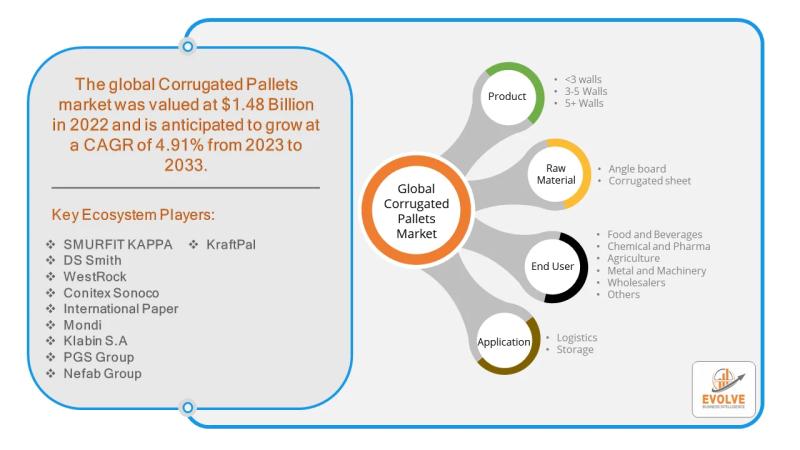
- USD 1.48B market by 2033 (4.8% CAGR) creates 15-25% shipping cost savings opportunities for cross-border sellers through sustainable pallet alternatives
概览
The global corrugated pallets market is experiencing explosive growth, projected to reach USD 1.48 billion by 2033 from USD 1.38 billion in 2021, representing a 4.8% compound annual growth rate through 2030. This expansion directly addresses e-commerce sellers' most pressing challenge: logistics cost optimization. The market surge is driven by three critical factors: e-commerce expansion, retail sector development, and increasing demand for sustainable packaging solutions—all directly impacting cross-border sellers' bottom lines.
Corrugated pallets offer immediate cost advantages over traditional wooden and plastic alternatives. These recycled-material pallets are 30-40% lighter than wooden pallets, reducing air freight costs by 15-25% per shipment. For sellers shipping 500+ units monthly via air freight, this translates to $1,200-3,500 monthly savings. The pallets are fully recyclable, customizable for specific product dimensions, and hygienic—making them ideal for food, beverage, and pharmaceutical categories where margin compression from logistics costs is most acute. Angle boards (laminated paperboard corner protectors) enhance load stability and reduce transit damage by 20-30%, directly lowering damage claims and replacement costs.
US tariff policies create immediate sourcing opportunities. Tariffs on imported wood, plastic, and steel (particularly Canadian softwood lumber and Chinese merchandise) have increased pallet costs 8-12% domestically, making corrugated alternatives increasingly cost-competitive. Sellers currently sourcing pallets from traditional suppliers face upward price pressure; shifting to corrugated pallet suppliers—particularly those using domestic recycled materials—can lock in stable pricing and avoid tariff exposure. For sellers managing 3PL operations or FBA inbound shipments, this represents a 6-9 month window to renegotiate pallet contracts before tariff impacts fully cascade through supply chains.
Supply chain challenges present both risks and opportunities. Moisture sensitivity and durability concerns in high-humidity environments require investment in moisture-resistant coatings and smart design engineering using CAD simulation tools. However, manufacturers adopting manufacturing automation are achieving 15-20% production cost reductions while improving consistency—creating competitive advantages for early adopters. Sellers should prioritize corrugated pallet suppliers with ISO 9001 certification and moisture-resistant coating specifications, particularly for long-distance shipping (Asia-to-US routes) and high-humidity destinations (Southeast Asia, Middle East).
问题 8
How does corrugated pallet adoption align with Amazon FBA sustainability initiatives?
Amazon's Sustainability Pledge and carbon footprint reduction goals increasingly favor sellers using corrugated pallets, which are fully recyclable and reduce transportation emissions by 15-25% through weight reduction. FBA sellers adopting corrugated pallets may gain competitive advantages in Amazon's sustainability rankings and potential future fee reductions for low-carbon logistics. The USD 1.48 billion market growth reflects e-commerce expansion and increasing demand for sustainable packaging solutions—directly supporting Amazon's 2040 net-zero carbon commitment. Sellers should document pallet sustainability metrics (recycled content percentage, carbon footprint reduction) for potential Amazon Sustainability Accelerator program eligibility and marketing differentiation.
What are the key challenges with corrugated pallets in high-humidity shipping routes?
Moisture sensitivity and durability concerns in high-humidity environments (Southeast Asia, Middle East, tropical regions) represent the primary technical challenge. Industry experts recommend investing in moisture-resistant coatings and smart design engineering using CAD simulation tools to address these issues. Sellers shipping to high-humidity destinations should prioritize corrugated pallet suppliers with ISO 9001 certification and documented moisture-resistant coating specifications. Angle boards (laminated paperboard corner protectors) enhance load stability and reduce transit damage by 20-30%, mitigating moisture-related deterioration during long-distance shipping.