



Ukraine-Russia Conflict Reshapes Eastern Europe E-Commerce | Supply Chain & Market Access Impact
- Geopolitical escalation threatens $8-12B Eastern European cross-border market; sellers face supply chain disruptions, payment processing delays, and restricted market access across Ukraine, Russia, and Schengen zone

)
















概览
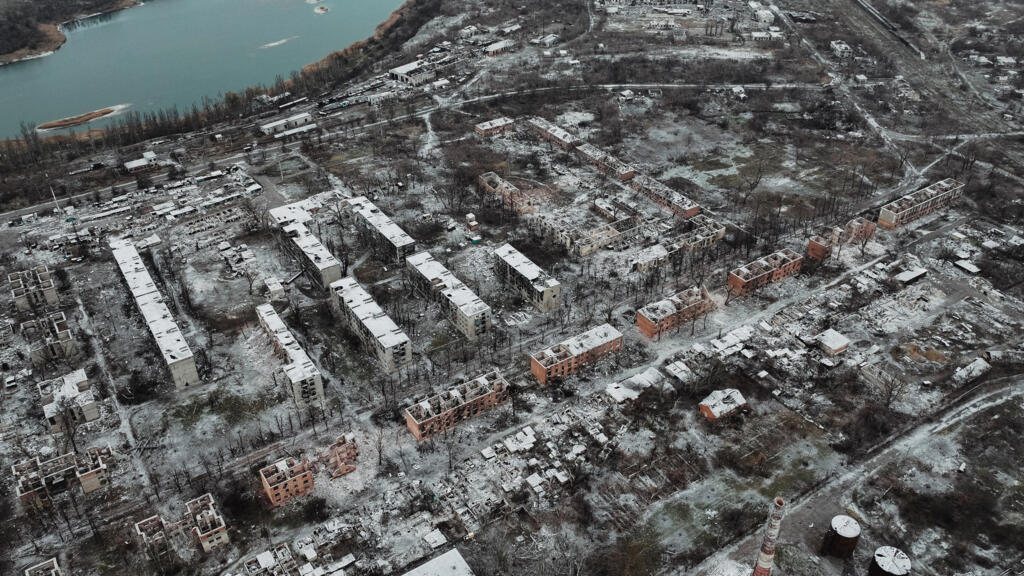
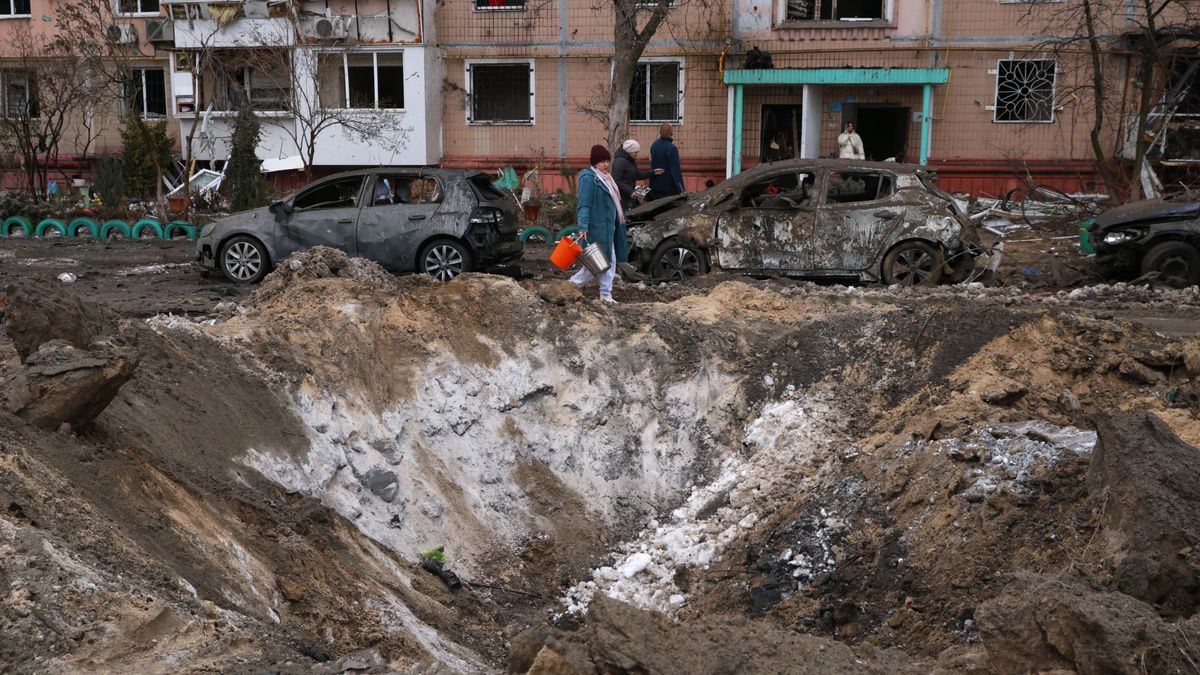
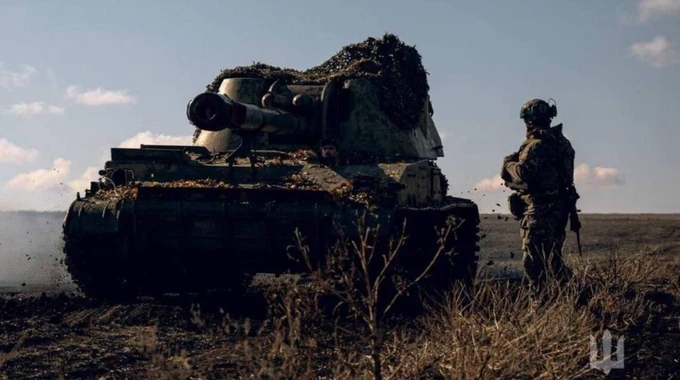
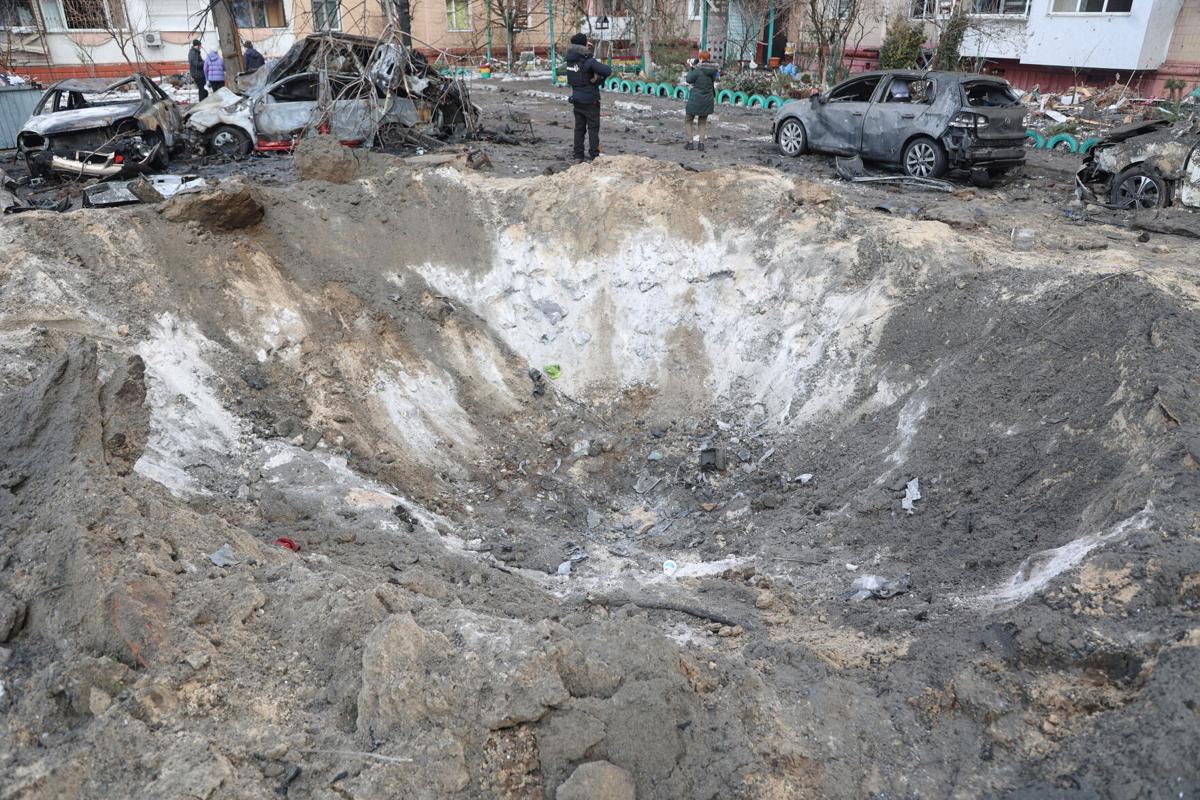
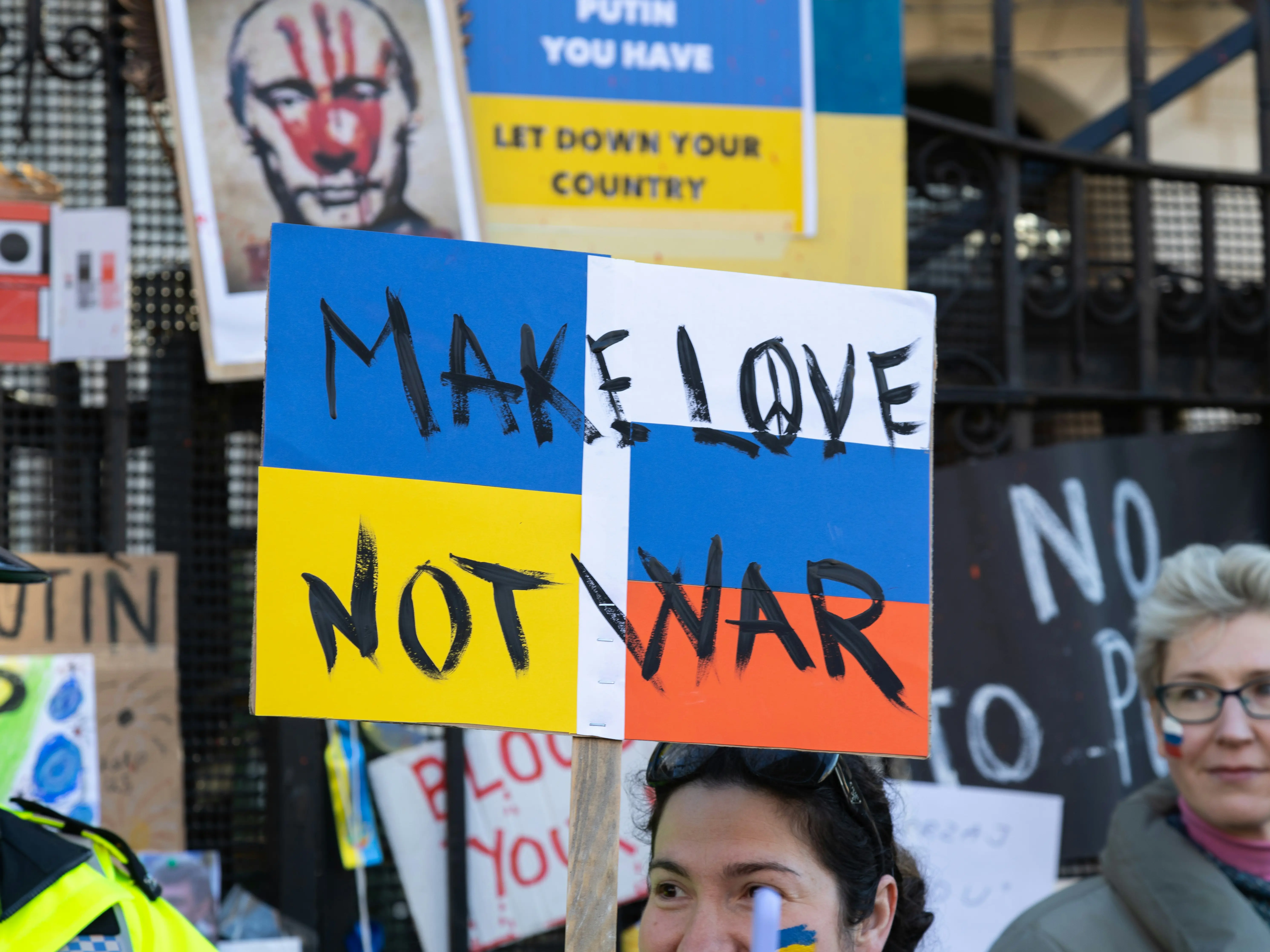
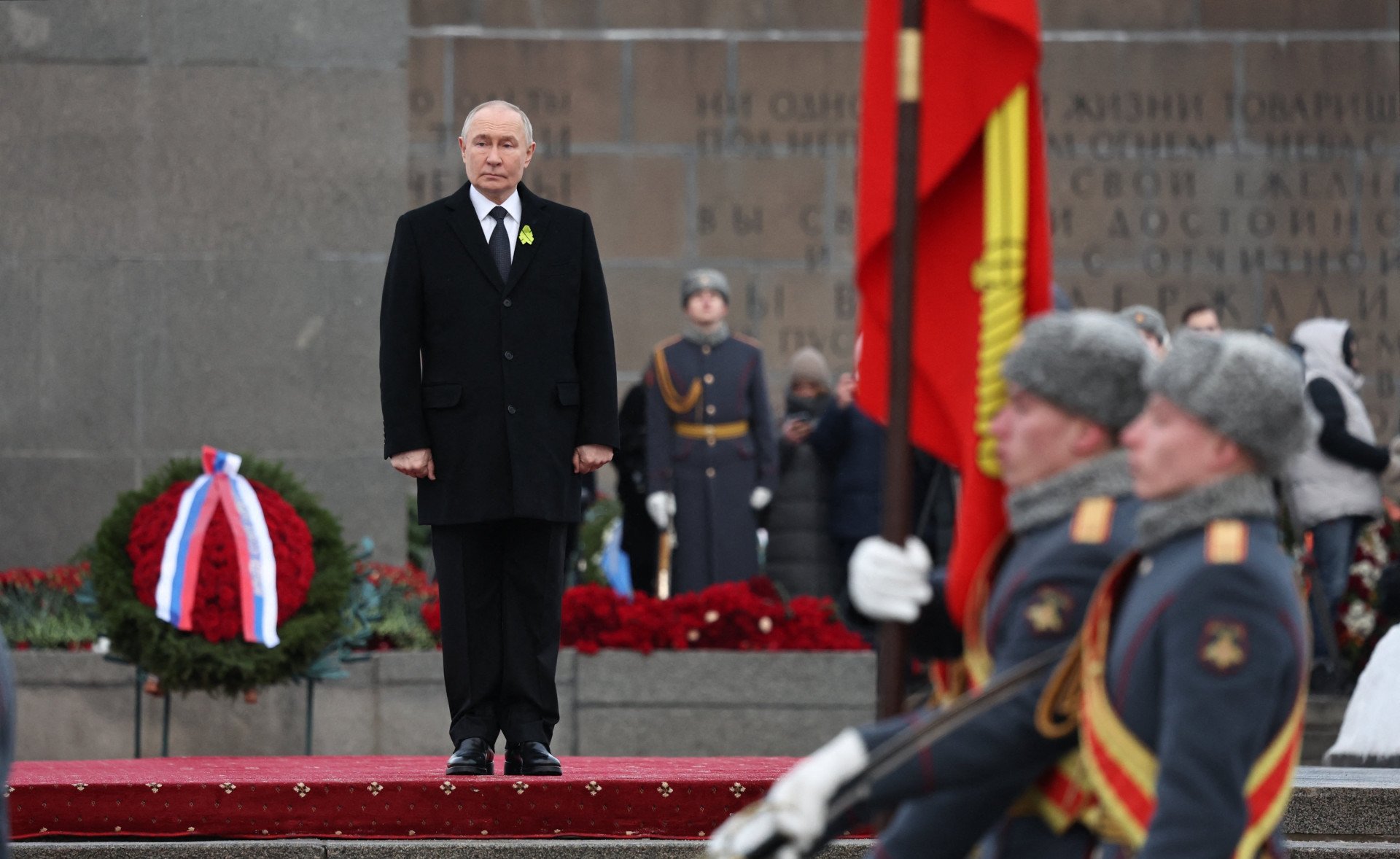
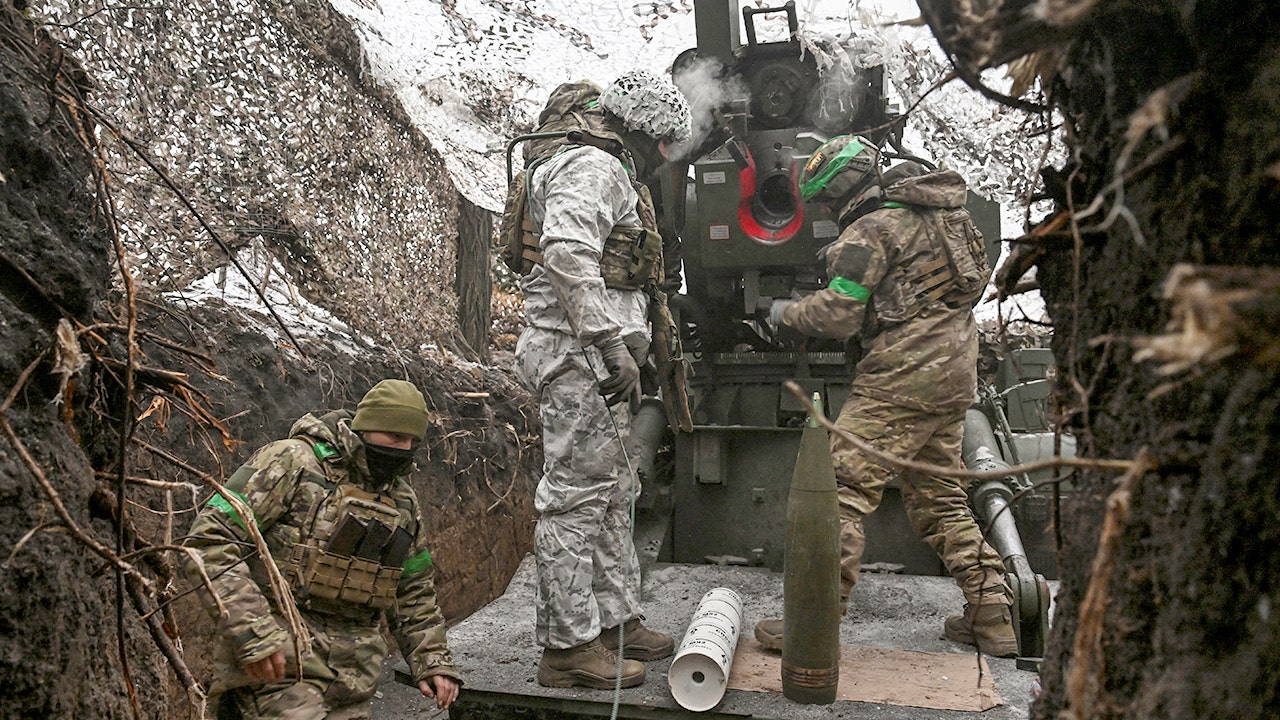
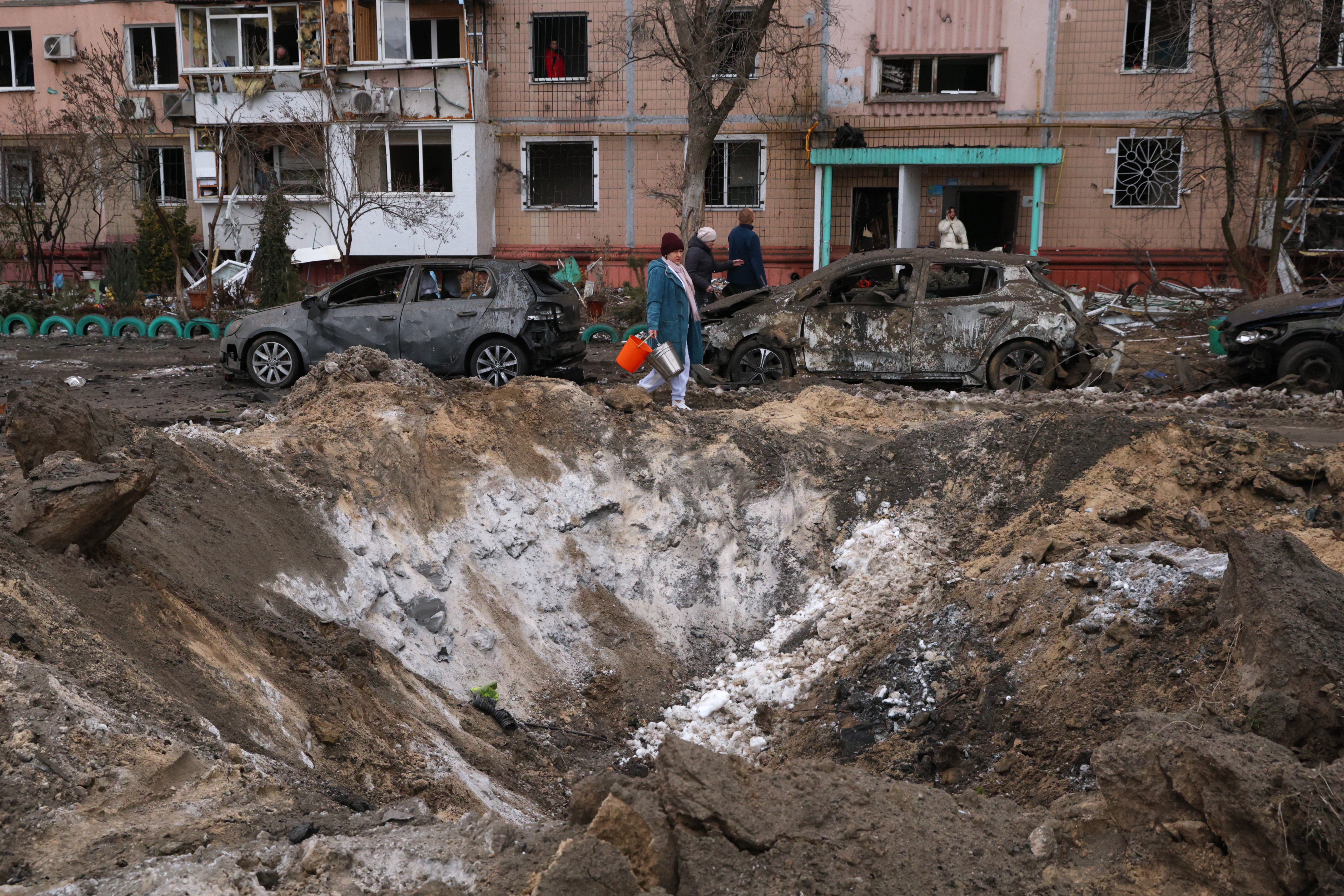
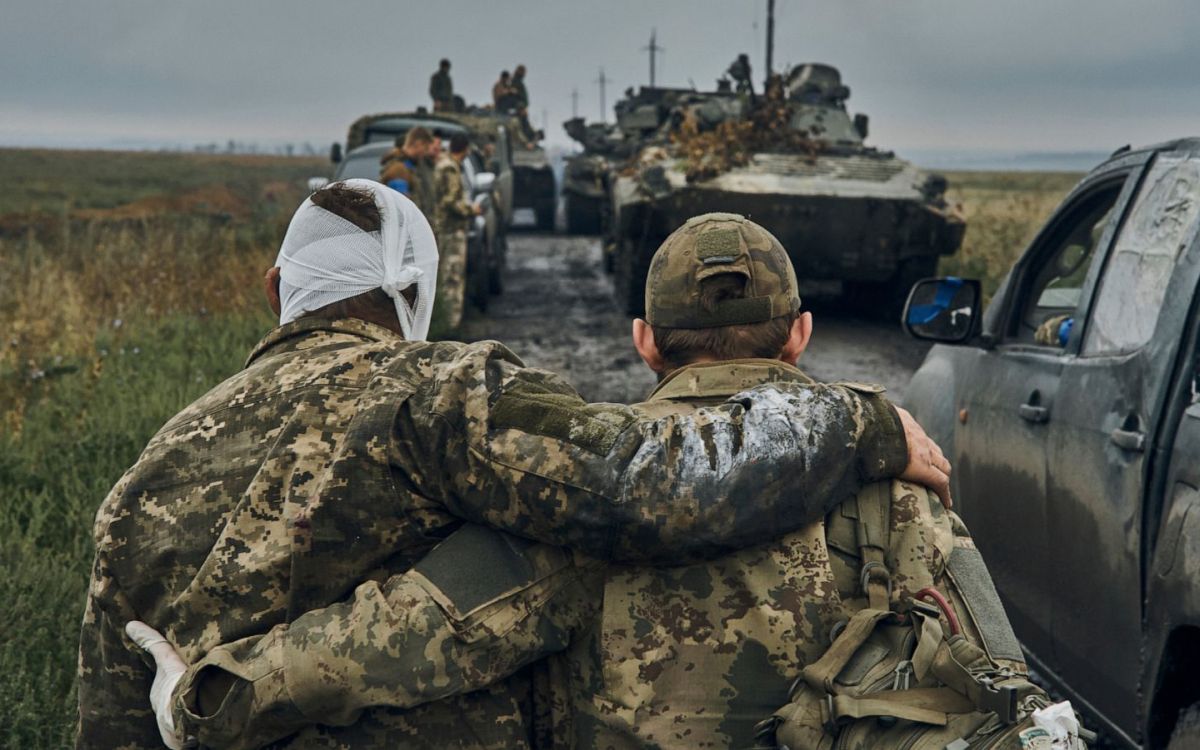
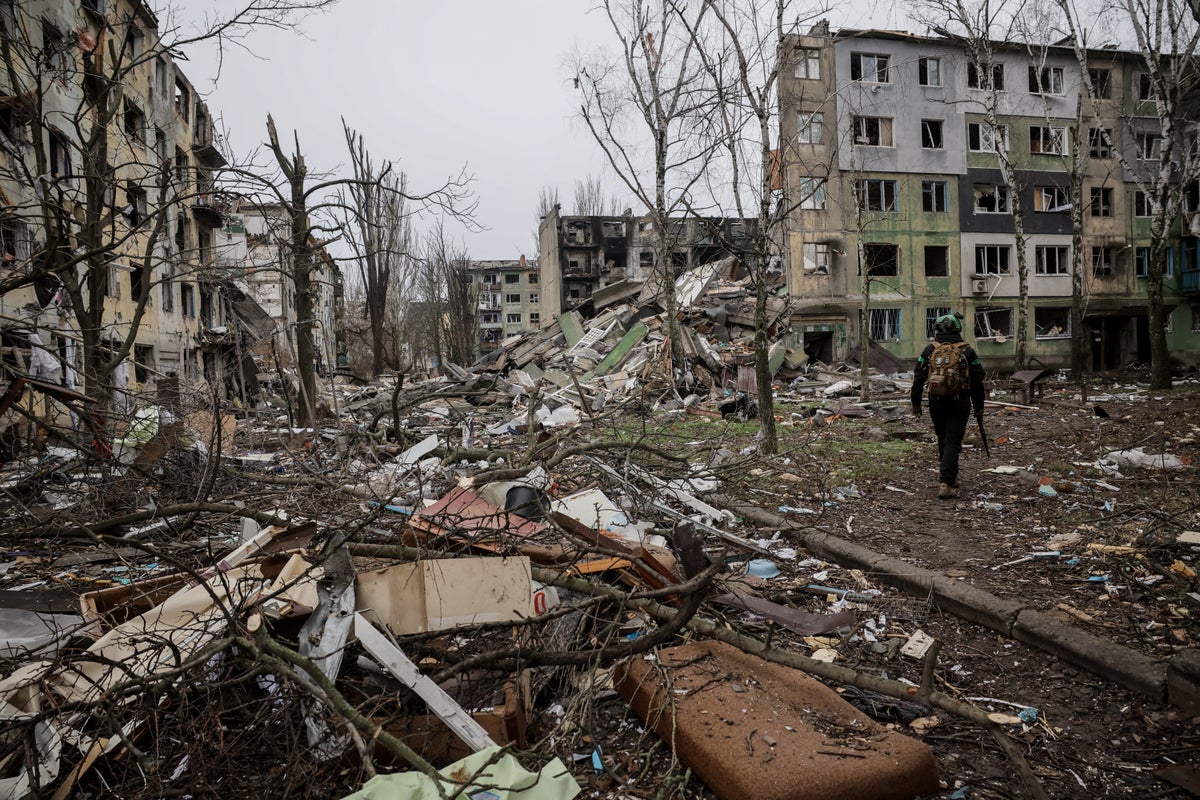
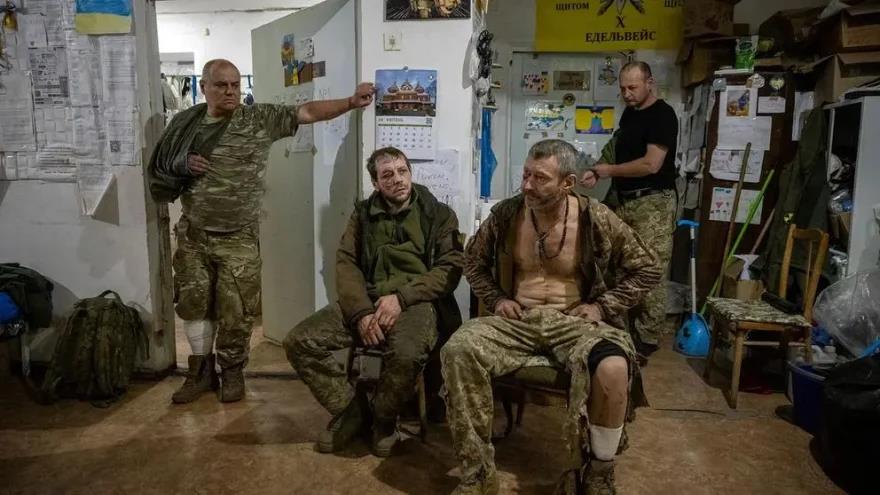
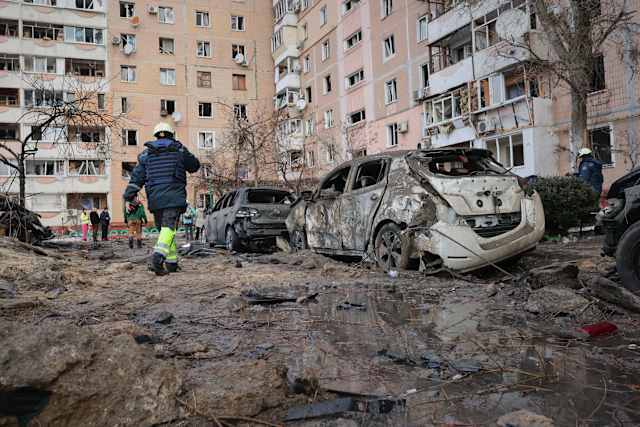
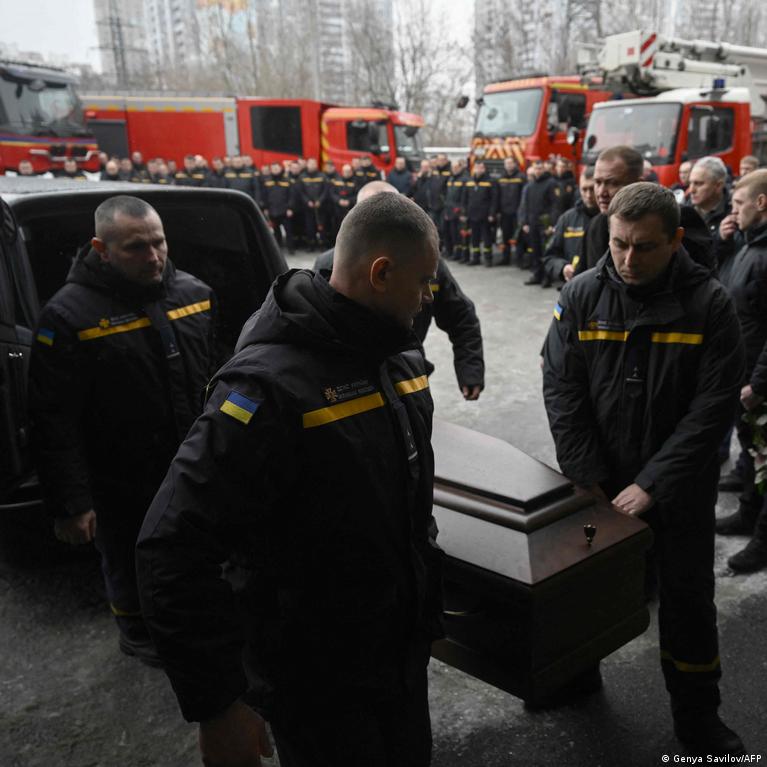
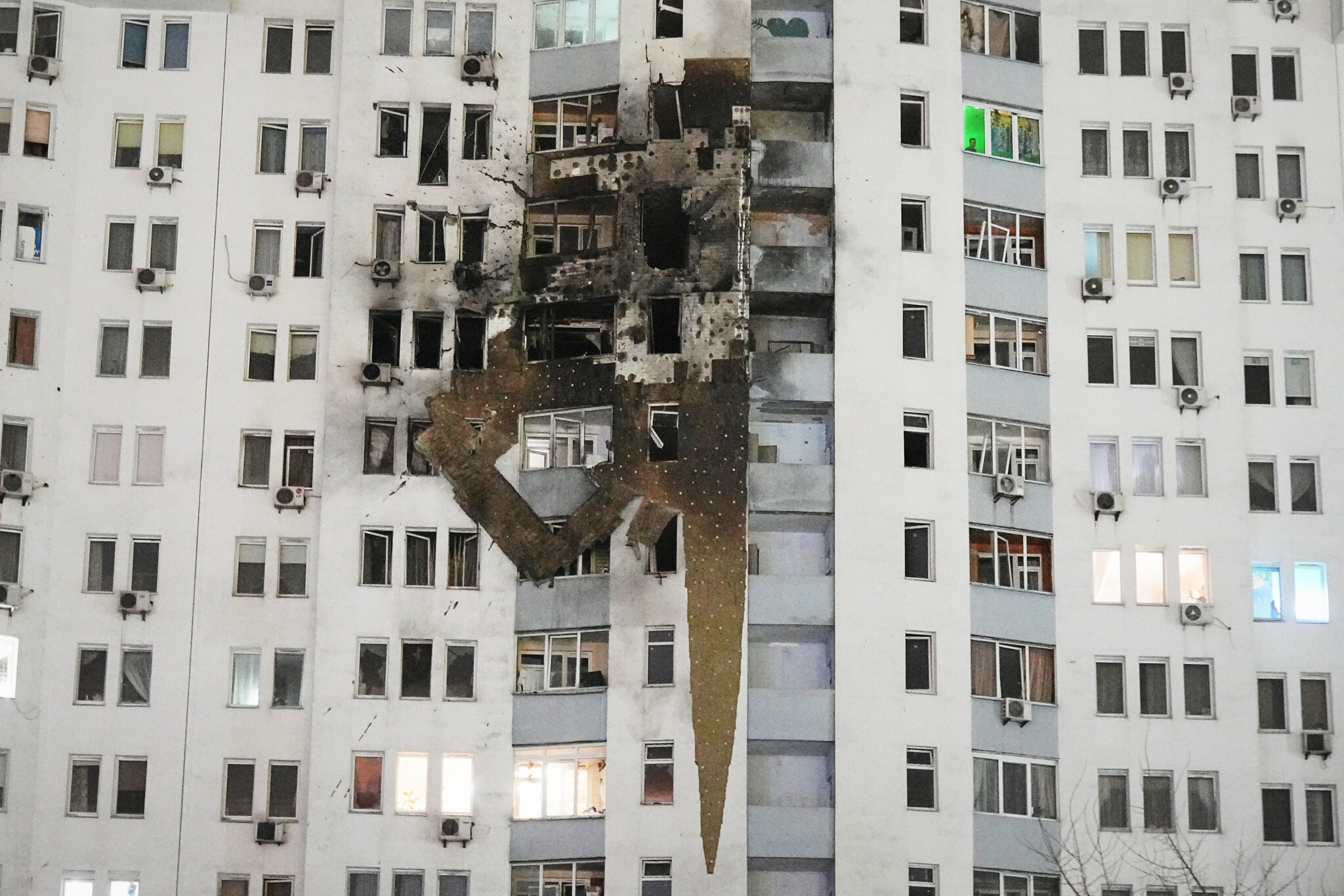
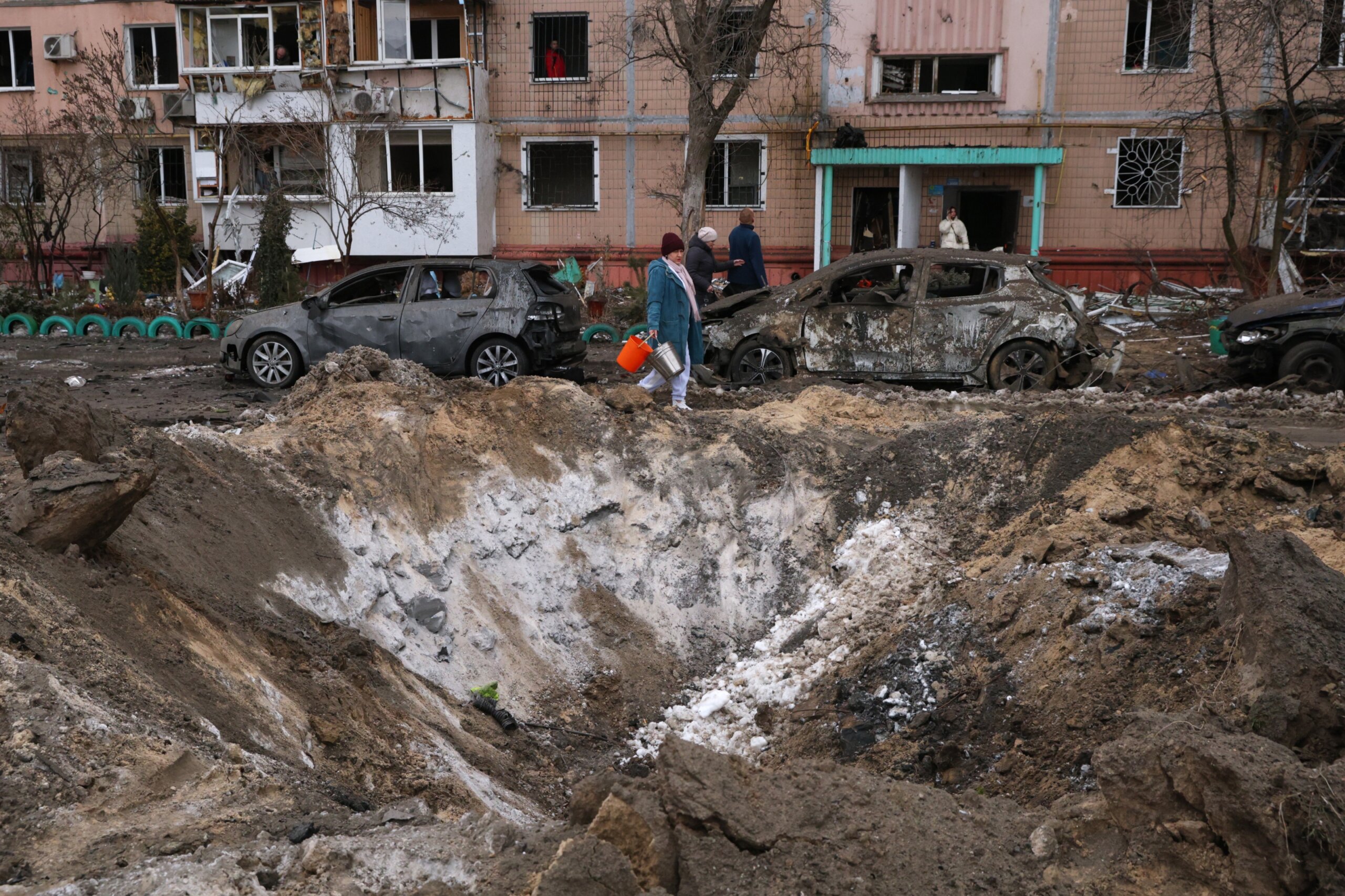
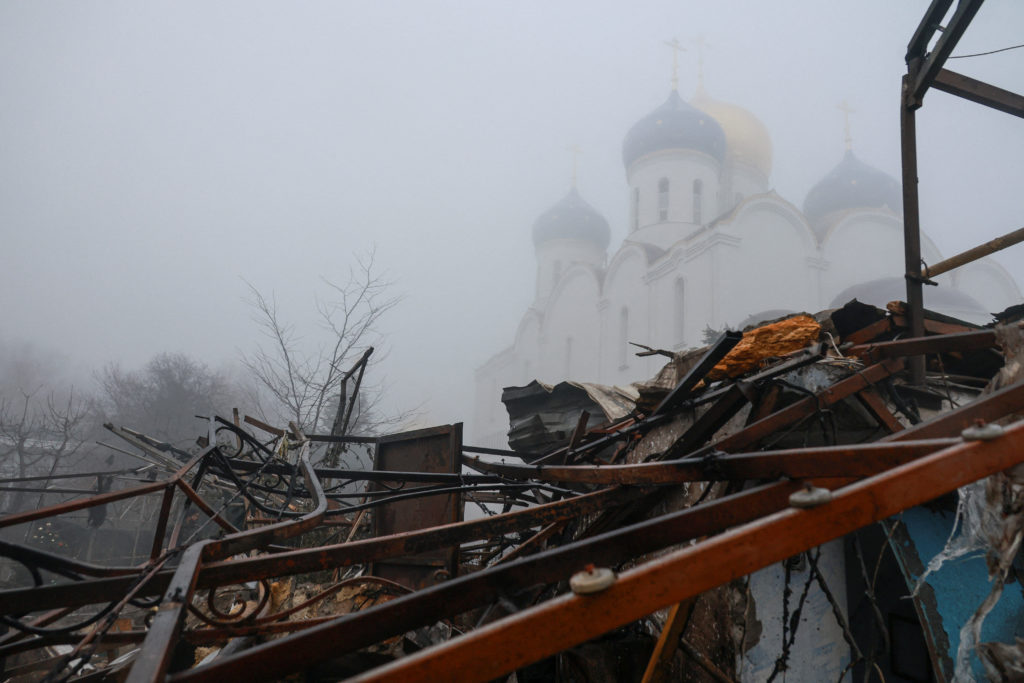
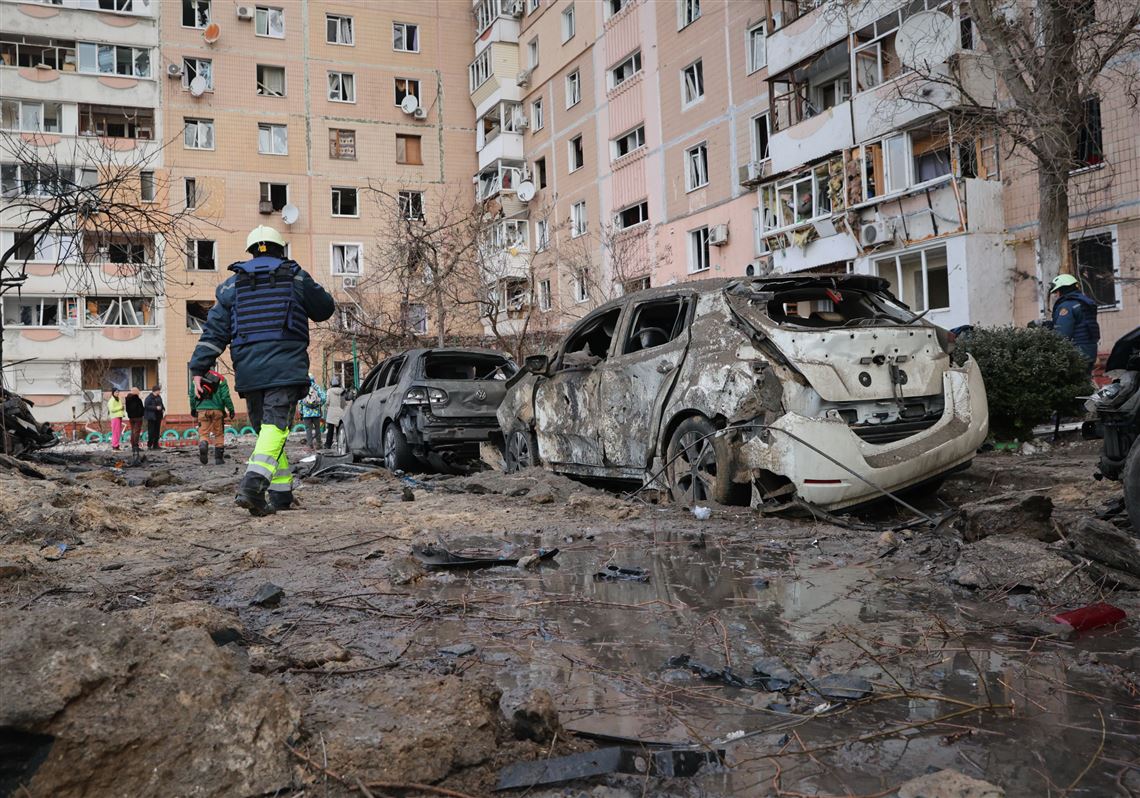
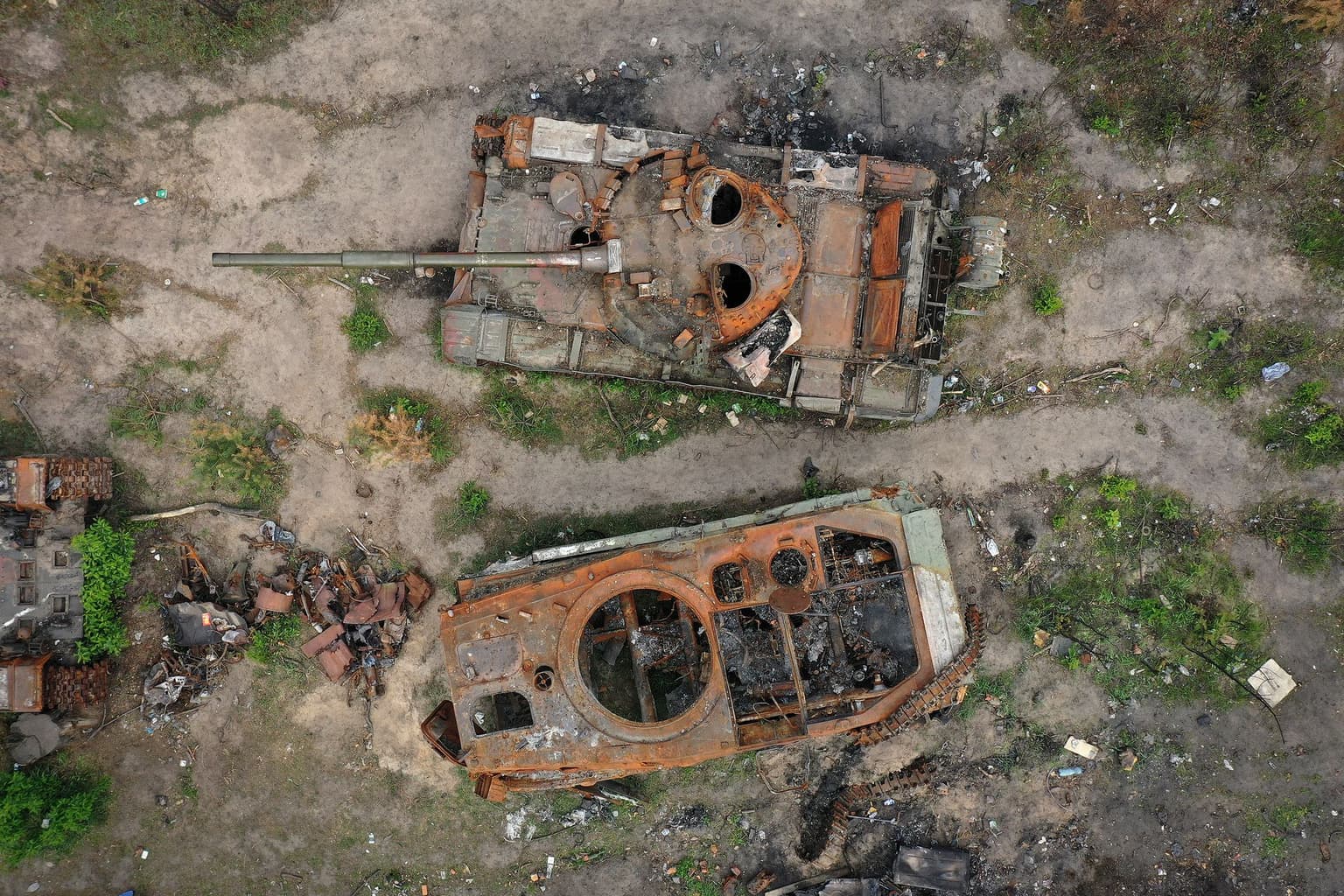
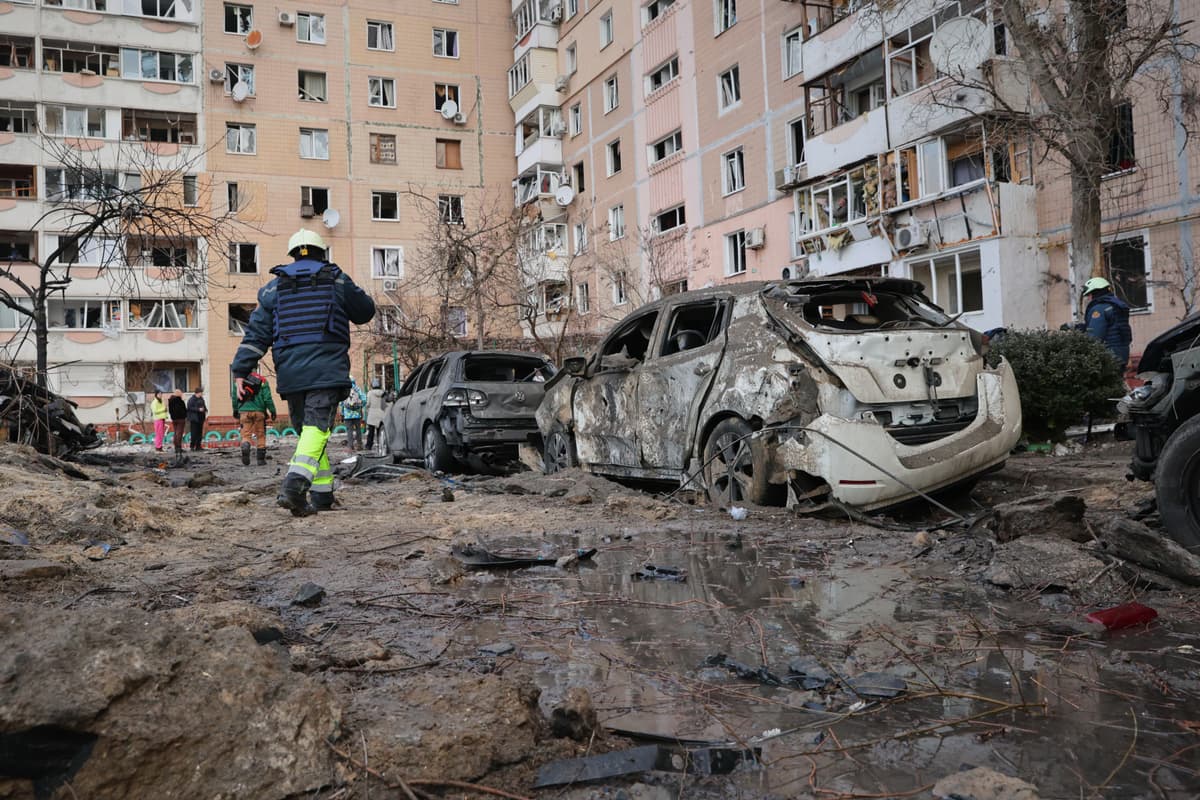
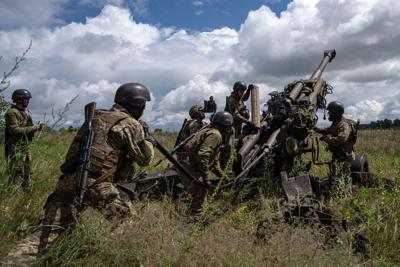
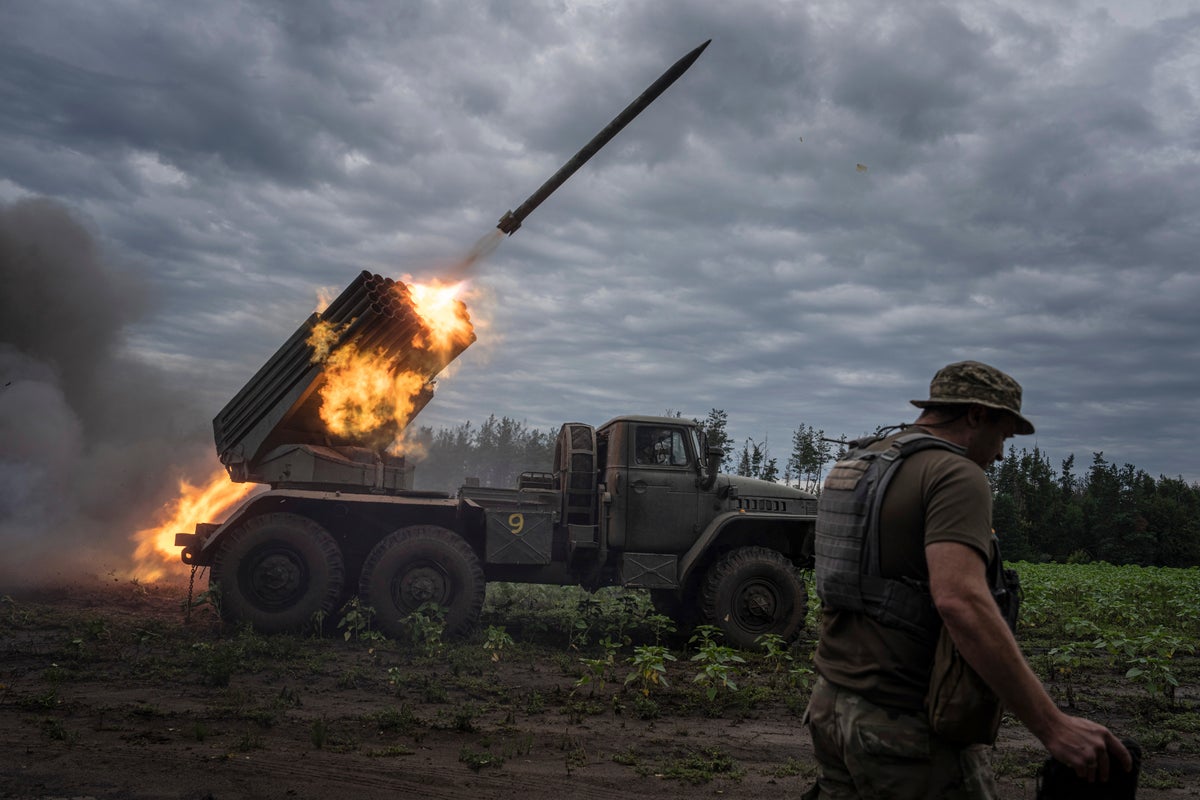
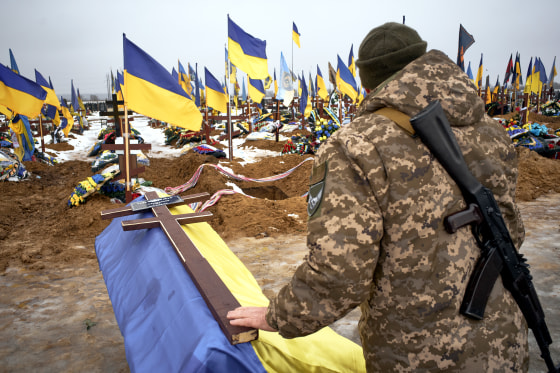
The escalating Ukraine-Russia conflict, with trilateral peace negotiations scheduled for Abu Dhabi and warnings of imminent military strikes, creates significant operational challenges for cross-border e-commerce sellers. The conflict has generated approximately 1.2 million casualties over nearly four years, with 325,000 documented Russian deaths, fundamentally disrupting logistics networks, payment infrastructure, and market accessibility across Eastern Europe. For sellers, this geopolitical instability directly impacts three critical operational areas: supply chain continuity, market access restrictions, and financial transaction processing.
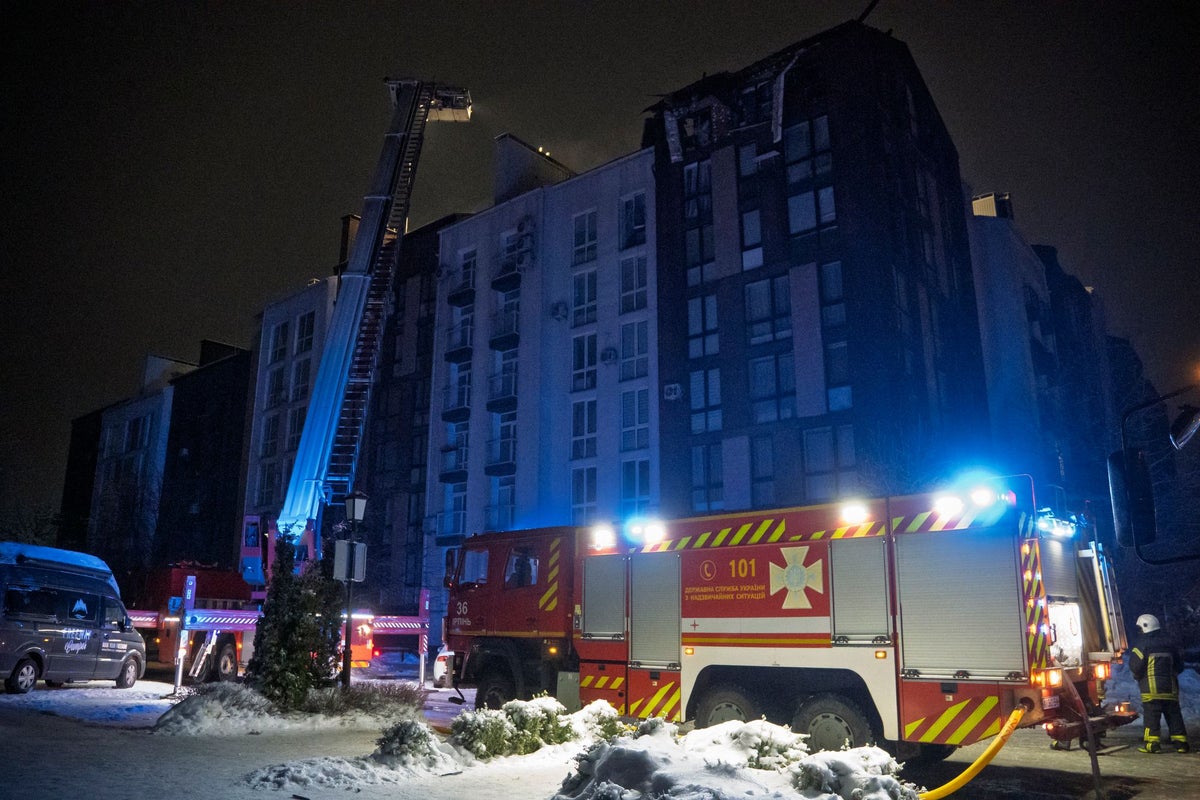
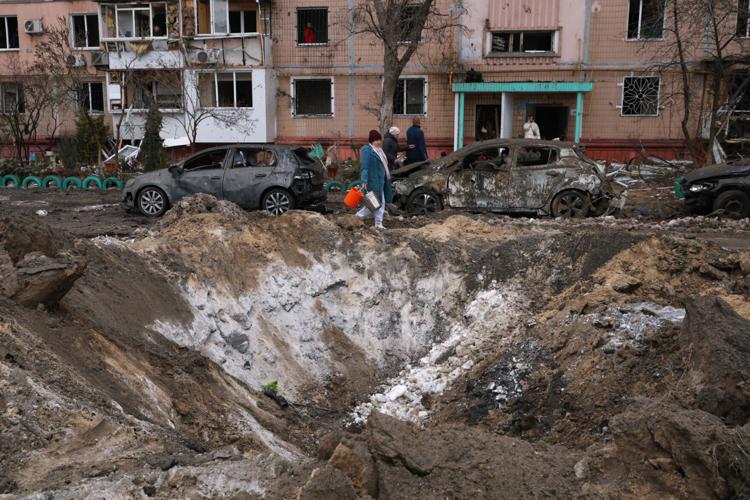
Supply Chain Disruption Impact: The ongoing military conflict has severely compromised logistics corridors through Ukraine and Russia, historically critical transit routes for Asian manufacturers shipping to European markets. Sellers relying on rail and road networks through Eastern Europe face 3-6 week shipping delays and 15-25% increased logistics costs. The attack on Ukrainian passenger infrastructure signals broader transportation vulnerability, affecting both inbound raw materials and outbound fulfillment operations. Sellers with inventory in Ukrainian warehouses or relying on Russian manufacturing face immediate inventory access risks and potential asset loss.
Market Access and Regulatory Constraints: Estonia's call to prevent Russian combatants from entering the Schengen area signals tightening border controls that will extend to commercial logistics. This creates cascading effects: Russian sellers face restricted access to EU marketplaces (Amazon EU, eBay Europe), while sellers shipping to Russia encounter payment processing failures and customs clearance delays. The $22 billion Lukoil asset sale to US Carlyle Group, pending Treasury approval, exemplifies how sanctions and regulatory scrutiny are reshaping commercial relationships. Sellers with Russian customers or suppliers should anticipate 30-60 day payment delays and potential transaction reversals.
Payment Processing and Currency Risk: Geopolitical escalation typically triggers banking restrictions and currency volatility. Sellers accepting Russian rubles or Ukrainian hryvnia face 8-12% daily exchange rate fluctuations. Payment processors like Stripe, PayPal, and 2Checkout have historically restricted services in conflict zones, creating cash flow gaps for affected sellers. The trilateral negotiations scheduled for Sunday introduce additional uncertainty—successful peace talks could rapidly restore market access, while escalation could trigger broader sanctions affecting payment infrastructure.
Immediate Actions: Sellers should audit inventory locations and supplier dependencies in Ukraine/Russia by January 15, 2025. Diversify logistics routes away from Eastern European corridors, shifting 20-30% of inventory to EU-based 3PL providers. Review payment processor terms for geographic restrictions and establish backup payment methods. Monitor Treasury OFAC announcements weekly for sanctions changes affecting Russian business relationships. Consider temporary market exit from Russia/Ukraine until conflict resolution, reallocating marketing budgets to stable EU markets (Germany, Poland, Czech Republic) where demand remains strong despite regional instability.
问题 8
What product categories are most vulnerable to Eastern European supply disruptions?
Electronics, automotive parts, and industrial machinery face the highest supply risk due to manufacturing concentration in Russia and Ukraine. Textiles and apparel sourced through Russian suppliers experience 20-30% cost increases due to logistics rerouting. Energy-dependent products (batteries, power tools) face raw material constraints as Russian oil/gas supplies tighten. Consumer goods with Ukrainian manufacturing (furniture, appliances) face immediate production shutdowns. Sellers in these categories should immediately diversify sourcing to Vietnam, India, Mexico, or Turkey. Consider shifting to dropshipping models for high-risk categories to eliminate inventory holding costs during the conflict period.
When should I expect peace negotiations to impact market access and pricing?
Trilateral negotiations scheduled for Abu Dhabi on Sunday (per the news) could rapidly shift market conditions. Successful peace talks would likely restore logistics corridors within 2-4 weeks and normalize payment processing within 30-60 days, creating opportunities for sellers to re-enter Russian and Ukrainian markets. However, Zelensky's warning of imminent military strikes suggests escalation risk in the near term. Adopt a wait-and-see approach through January 2025—monitor negotiation outcomes daily and prepare rapid response plans for both peace (market re-entry) and escalation (deeper supply chain diversification) scenarios. Avoid major inventory commitments to Eastern Europe until conflict resolution clarity emerges.